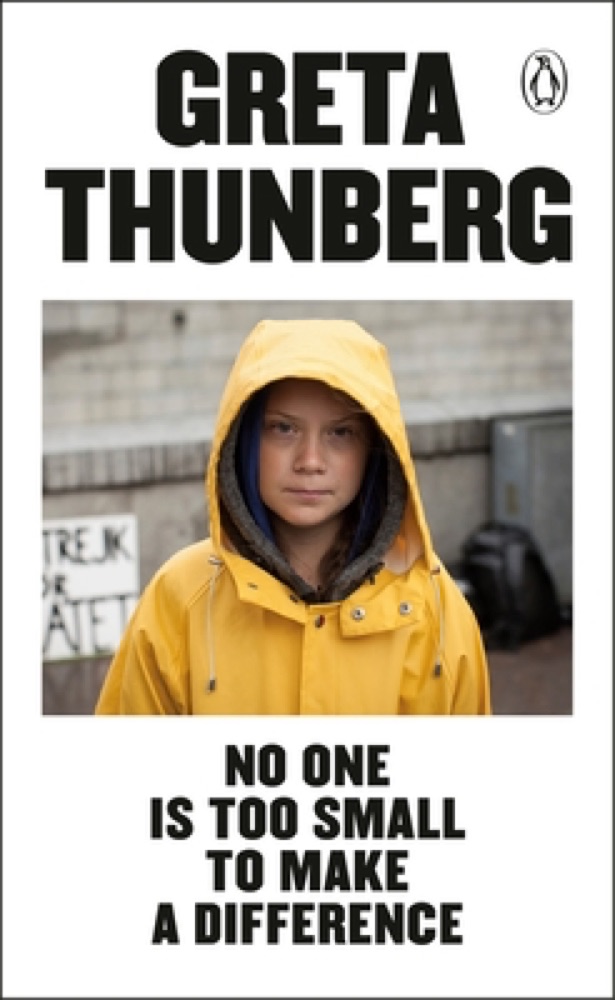
 No One Is Too Small to Make a Difference
Quotes from the Book
The transformation we need in order to stay below 1.5 C or even 2 C of warming may not be politically possible today. But we are the ones who determine what will be politically possible tomorrow.
1
Every single mass extinction in Earth history is similarly marked by massive disruptions of the global carbon cycle, the signals of which have been teased out of the rocks by geochemists.
1
In our everyday lives, what most of us experience isn’t so much global warming as global weirding.
1
In today’s situation, it is not OK to make a living persuading people to think a certain way or to buy things regardless of whether it is in their best interests or in the interests of the planet. Ask yourself carefully whether that is the nature of your work. If so, it has to change. If your company expects it of you, change the company urgently or leave. All those in advertising need to rise to the challenge of entirely reframing this profession.
1
When it comes to climate justice, democracy knows no borders.
1
So when we say that our leaders have not been taking any climate action during the last thirty years, we could not be more wrong. In fact, they have been very busy. But not in the way that you might think - or hope. They have spent this time actively delaying action, creating frameworks full of loopholes that will benefit their own, national short-term economic policies - and their own popularity. And as long as the level of awareness is as low as it is today, they will continue to get away with it.
The richest 1 percent of the world's population are responsible for more than twice as much carbon pollution as the people who make up the poorest half of humanity.
The richest 1 per cent of the world's population are responsible for more than twice as much carbon pollution as the people who make up the poorest half of humanity.
We can still do this,’ the powerful voices of the Global North say in their tremendous struggle to maintain a system that has been proved flawed, incapable and doomed in more ways than we can possibly imagine. ‘We pledge to be climate neutral by 2050,’ they say, sending everyone back to sleep. If they were honest about hope being something we need, then they would immediately reduce their emissions for the benefit of the billions of people who are already being affected, and for their own children. But they are not being honest. Instead they use hope as a powerful weapon to delay all necessary changes and prolong their business as usual.
A recent, hugely successful one states that a hundred companies are responsible for 70 per cent of the world’s emissions.
Recently these words were joined by flygskam, or ‘flight shame’. It is linked to the international climate movement and the growing number of people who have given up flying, because frequent flying is by far the most climate-destructive individual activity you can engage in – unless you count billionaire-style space travel or owning a large private yacht.
In terms of resource use and emissions, buying nothing beats buying something virtually all the time: better to keep driving the car you own than shelling out for a brand-new Tesla, or wearing out what is in your wardrobe rather than buying a new capsule wardrobe in the name of ethical fashion. A particularly telling statistic: a person would have to use an organic cotton tote every single day for half a century to offset the impact of its production, the Danish government has estimated.
In the world of glossy climate plans in PDFs and stock photography, CCS is a shining saviour. In the grimy real world, CCS is a failure. This disconnect persists because CCS serves an emotional purpose rather than a technological one. It coats the fantasy of continued, unchanged fossil fuel use with a protective rhetorical magic. It remains persistently ‘around the corner’, while serving as a justification for the ever-worsening expansion of fossil fuel projects and the cause of delay of real action.
The environmental impact of individual foods varies considerably. Broadly speaking, there are three sets of food that range from low impact to high impact per calorie of food produced: plant-based foods have the lowest impact; dairy, eggs, poultry, pork and most fish have five to twenty times the impact of plant-based foods; and some fish, as well as meat that comes from cattle, goats and sheep have upwards of twenty to a hundred times the impact of plant-based foods.
Watch on YouTube
About Greta Thunberg
More by Greta Thunberg
No One Is Too Small to Make a Difference
About the book
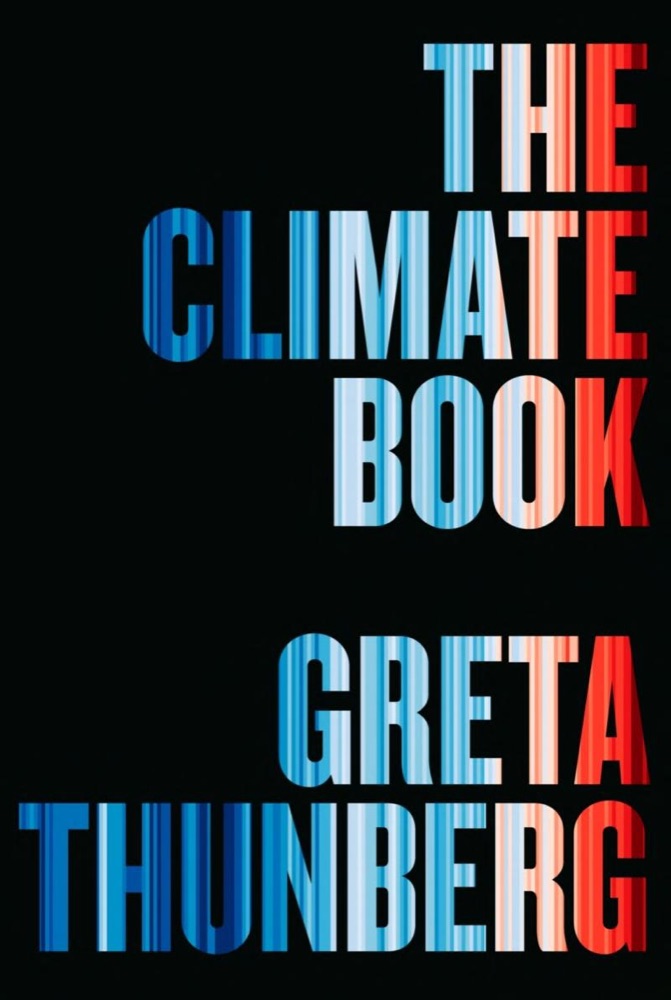
We still have time to change the world. From Greta Thunberg, the world's leading climate activist, comes the essential handbook for making it happen.
You might think it's an impossible task: secure a safe future for life on Earth, at a scale and speed never seen, against all the odds. There is hope - but only if we listen to the science before it's too late.
In The Climate Book, Greta Thunberg has gathered the wisdom of over one hundred experts - geophysicists, oceanographers and meteorologists; engineers, economists and mathematicians; historians, philosophers and indigenous leaders - to equip us all with the knowledge we need to combat climate disaster. Alongside them, she shares her own stories of demonstrating and uncovering greenwashing around the world, revealing how much we have been kept in the dark. This is one of our biggest challenges, she shows, but also our greatest so
Book details
- First published
- 2022
- Author
- Greta Thunberg
- Genre
- Nonfiction
- Goodreads rating
- 4.41 (3k ratings)
The buzz
- The GuardianReview in The Guardianprofessional review (via Book Marks)
- NPRReview in NPRprofessional review (via Book Marks)
- The TimesReview in The Timesprofessional review (via Book Marks)
- Kirkus ReviewsReview in Kirkus Reviewsprofessional review (via Book Marks)
- Publishers WeeklyReview in Publishers Weeklyprofessional review (via Book Marks)
- LA Review of BooksReview in LA Review of Booksprofessional review (via Book Marks)
Keep reading
 The Uninhabitable Earth: Life After Warming
 This Changes Everything: Capitalism vs. The Climate
 Eaarth: Making a Life on a Tough New Planet
 Falter: Has the Human Game Begun to Play Itself Out?
 On Fire: The Case for the Green New Deal
 Under a White Sky: The Nature of the Future
 The Story of More: How We Got to Climate Change and Where to Go from Here
No One Is Too Small to Make a Difference
The Story of More: How We Got to Climate Change and Where to Go from Here
No One Is Too Small to Make a Difference
 All We Can Save: Truth, Courage, and Solutions for the Climate Crisis
 A Life on Our Planet: My Witness Statement and a Vision for the Future
 The Wizard and the Prophet: Two Remarkable Scientists and Their Dueling Visions to Shape Tomorrow's World
 Merchants of Doubt: How a Handful of Scientists Obscured the Truth on Issues from Tobacco Smoke to Global Warming
 The Ends of the World
 Endgame, Vol. 1: The Problem of Civilization
 The Ministry for the Future
 Regenesis: Feeding the World Without Devouring the Planet
 No Impact Man
 SuperFreakonomics: Global Cooling, Patriotic Prostitutes And Why Suicide Bombers Should Buy Life Insurance
 The Nutmeg's Curse: Parables for a Planet in Crisis
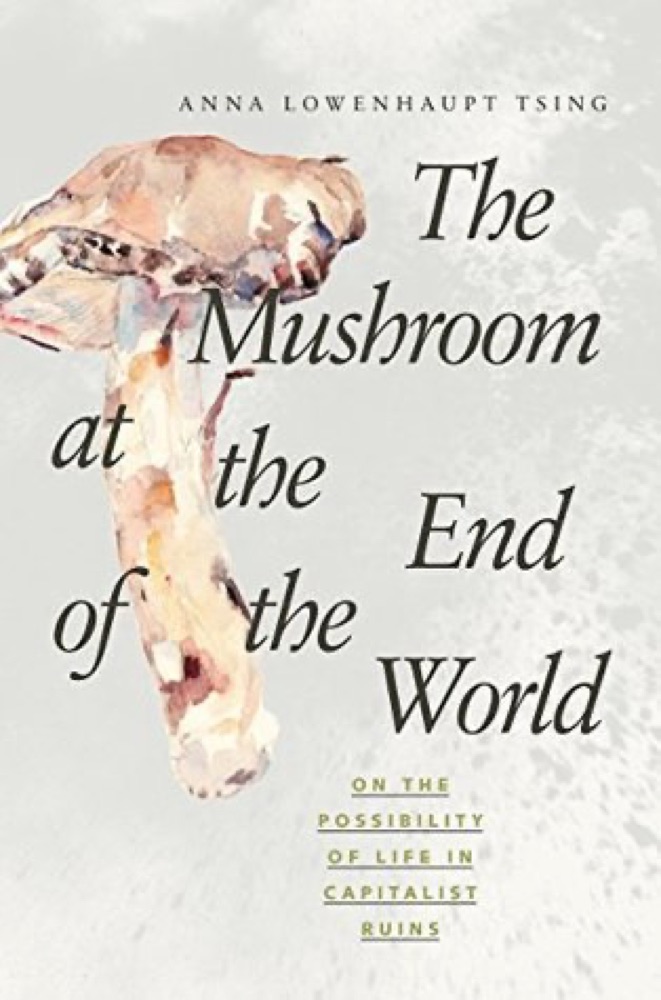 The Mushroom at the End of the World: On the Possibility of Life in Capitalist Ruins
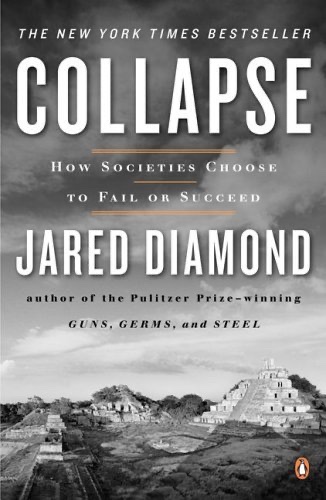 Collapse: How Societies Choose to Fail or Succeed
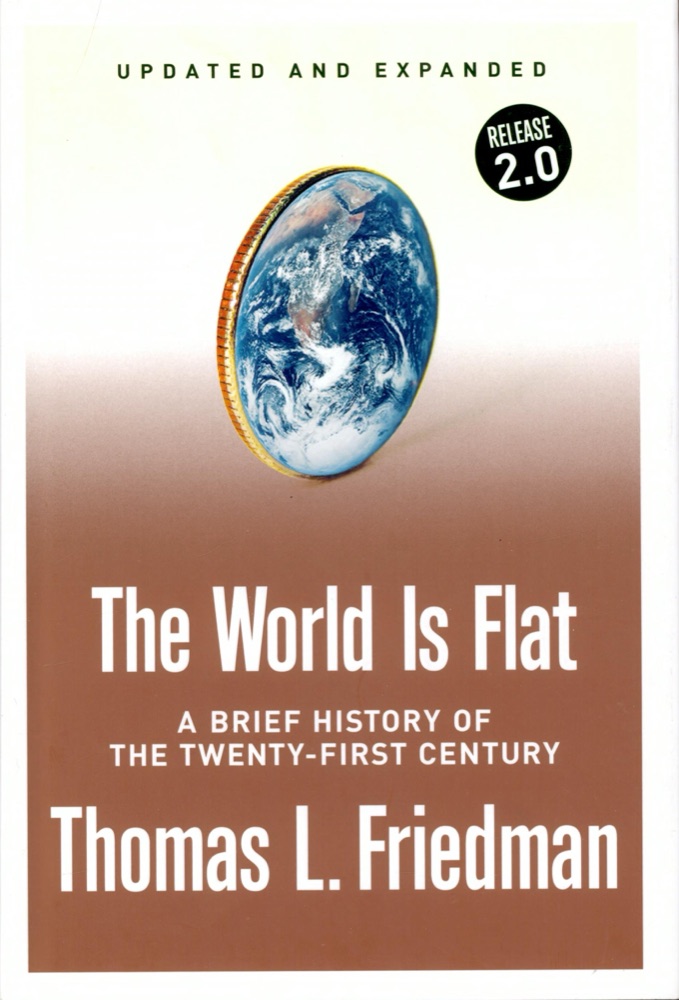 The World Is Flat: A Brief History of the Twenty-first Century
 Cradle to Cradle: Remaking the Way We Make Things
 Feral: Rewilding the Land, the Sea and Human Life
 Abundance: The Future Is Better Than You Think
 Small Is Beautiful: Economics as if People Mattered
 A Short History of Progress
 Utopia for Realists: How We Can Build the Ideal World
 Capitalism: A Ghost Story
 Naked Economics: Undressing the Dismal Science
 Billions & Billions: Thoughts on Life and Death at the Brink of the Millennium
 The Rational Optimist: How Prosperity Evolves
 The Price of Tomorrow: Why Deflation is the Key to an Abundant Future
 The Earth Transformed: An Untold History
 The Evolution of Everything: How New Ideas Emerge
 The Sixth Extinction: An Unnatural History
 The Quest: Energy, Security, and the Remaking of the Modern World
 Wilding
 The World Without Us
 Saving Time: Discovering a Life Beyond the Clock
 The Ghost Map: The Story of London's Most Terrifying Epidemic - and How It Changed Science, Cities, and the Modern World
 Bringing it to the Table: On Farming and Food
 Four Futures: Life After Capitalism
 Earth
Earth
 Talking to My Daughter About the Economy: or, How Capitalism Works—and How It Fails
 The Lost World
 Folks, This Ain't Normal: A Farmer's Advice for Happier Hens, Healthier People, and a Better World
 Blowout
 Vanishing Treasures: A Bestiary of Extraordinary Endangered Creatures
 Practical Ethics
 Upheaval: Turning Points for Nations in Crisis
 Civilized to Death: What Was Lost on the Way to Modernity
 Physics of the Future: How Science Will Shape Human Destiny and Our Daily Lives by the Year 2100
 Ill Fares the Land
 Conscious Capitalism
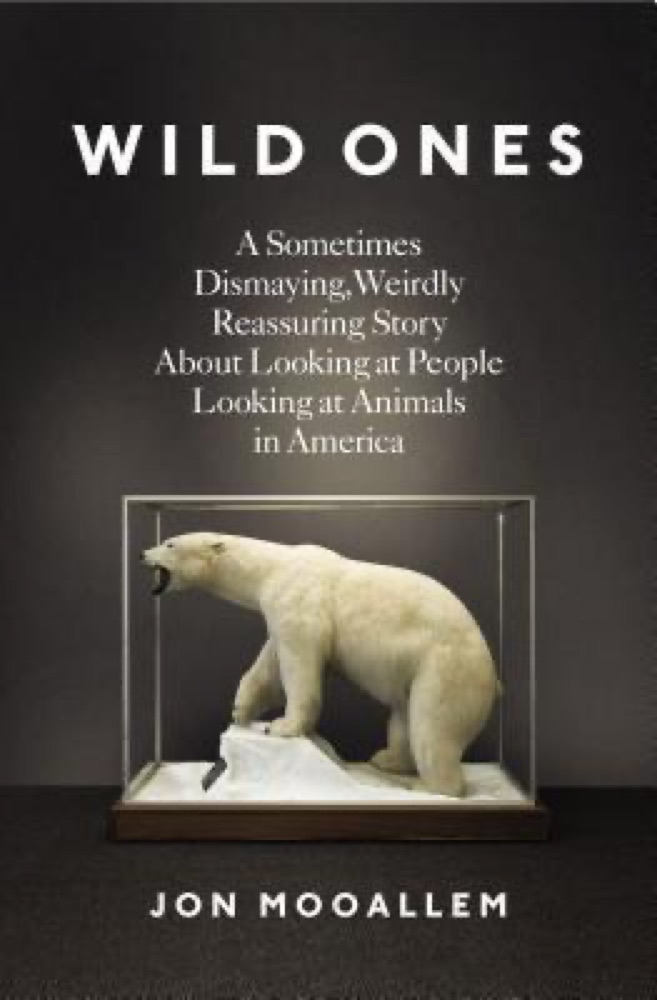 Wild Ones: A Sometimes Dismaying, Weirdly Reassuring Story About Looking at People Looking at Animals in America
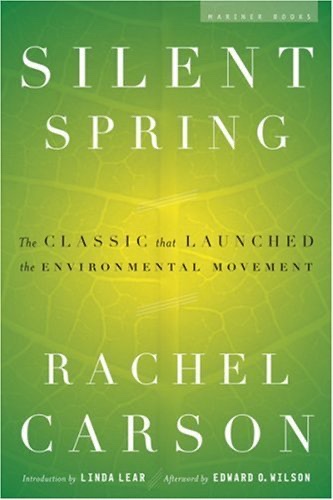 Silent Spring
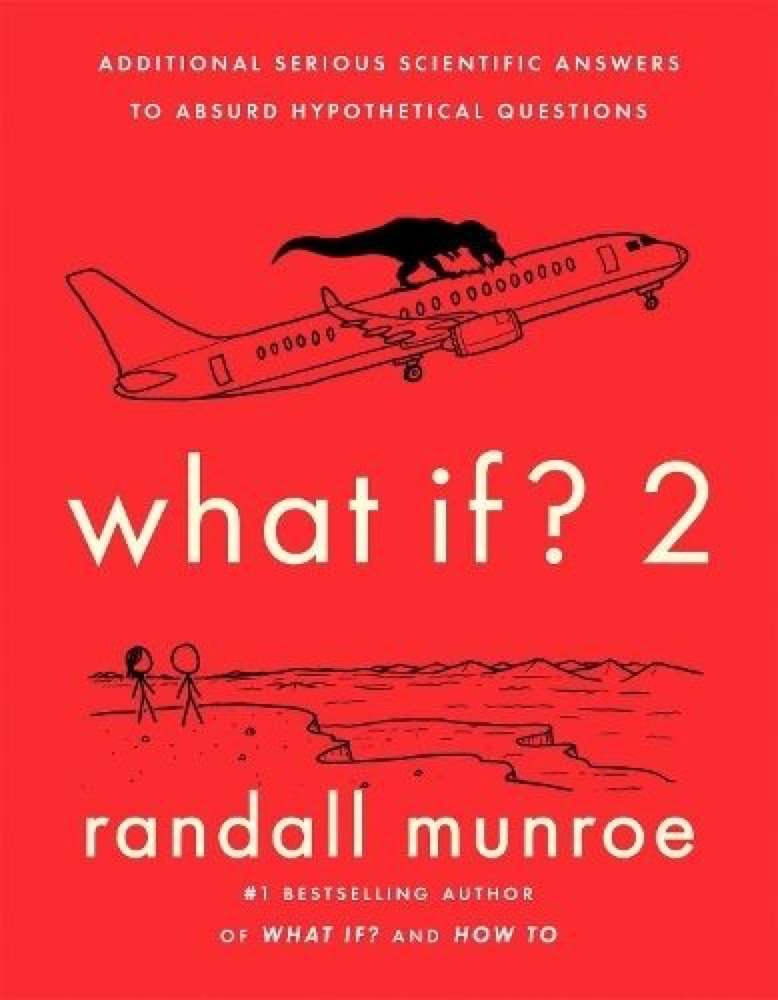 What If?: Serious Scientific Answers to Absurd Hypothetical Questions
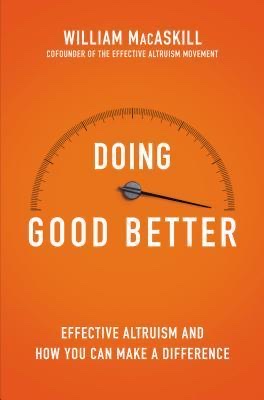 Doing Good Better: How Effective Altruism Can Help You Make a Difference
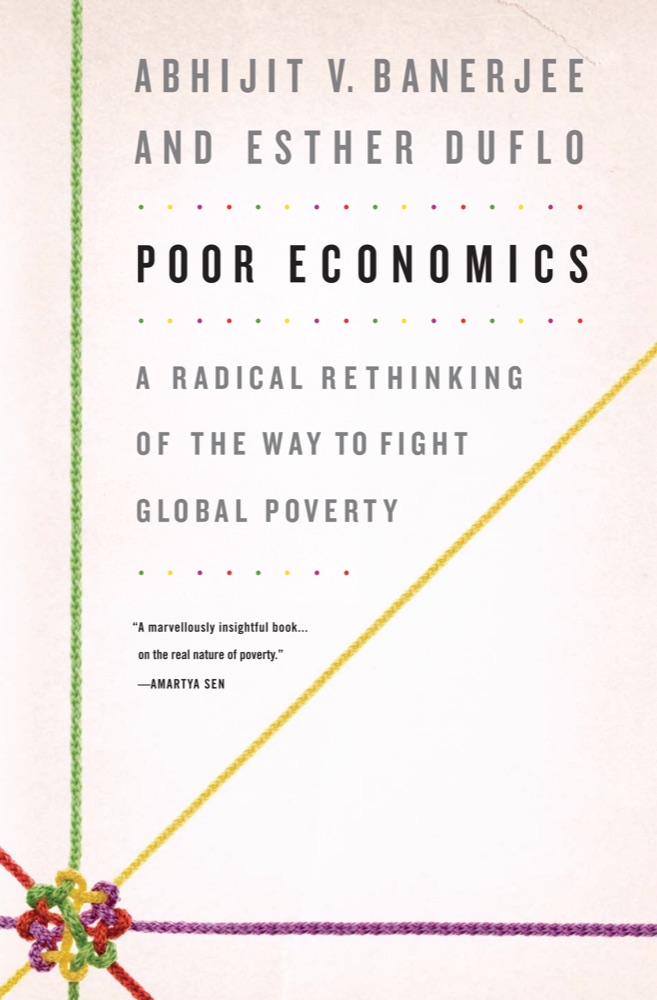 Poor Economics: A Radical Rethinking of the Way to Fight Global Poverty