
 The Shock Doctrine: The Rise of Disaster Capitalism
Quotes from the Book
Our economic system and our planetary system are now at war. Or, more accurately, our economy is at war with many forms of life on earth, including human life. What the climate needs to avoid collapse is a contraction in humanity’s use of resources; what our economic model demands to avoid collapse is unfettered expansion. Only one of these sets of rules can be changed, and it’s not the laws of nature.
96
So we are left with a stark choice: allow climate disruption to change everything about our world, or change pretty much everything about our economy to avoid that fate. But we need to be very clear: because of our decades of collective denial, no gradual, incremental options are now available to us.
58
It is difficult to get a man to understand something, when his salary depends upon his not understanding it!
55
This, without a doubt, is neoliberalism’s single most damaging legacy: the realization of its bleak vision has isolated us enough from one another that it became possible to convince us that we are not just incapable of self-preservation but fundamentally not worth saving.
45
Slavery wasn’t a crisis for British and American elites until abolitionism turned it into one. Racial discrimination wasn’t a crisis until the civil rights movement turned it into one. Sex discrimination wasn’t a crisis until feminism turned it into one. Apartheid wasn’t a crisis until the anti-apartheid movement turned it into one.
42
It is a civilizational wake-up call. A powerful message—spoken in the language of fires, floods, droughts, and extinctions—telling us that we need an entirely new economic model and a new way of sharing this planet.
33
I think the answer is far more simple than many have led us to believe: we have not done the things that are necessary to lower emissions because those things fundamentally conflict with deregulated capitalism, the reigning ideology for the entire period we have been struggling to find a way out of this crisis. We are stuck because the actions that would give us the best chance of averting catastrophe—and would benefit the vast majority—are extremely threatening to an elite minority that has a stranglehold over our economy, our political process, and most of our major media outlets.
31
When we marvel at that blue marble in all its delicacy and frailty, and resolve to save the planet, we cast ourselves in a very specific role. That role is of a parent, the parent of the earth. But the opposite is the case. It is we humans who are fragile and vulnerable and the earth that is hearty and powerful, and holds us in its hands. In pragmatic terms, our challenge is less to save the earth from ourselves and more to save ourselves from an earth that, if pushed too far, has ample power to rock, burn, and shake us off completely. That knowledge should inform all we do—especially
25
Not only do fossil fuel companies receive $775 billion to $1 trillion in annual global subsidies, but they pay nothing for the privilege of treating our shared atmosphere as a free waste dump—a fact that has been described by the Stern Review on the Economics of Climate Change as “the greatest market failure the world has ever seen.
24
So my mind keeps coming back to the question: what is wrong with us? What is really preventing us from putting out the fire that is threatening to burn down our collective house? I think the answer is far more simple than many have led us to believe: we have not done the things that are necessary to lower emissions because those things fundamentally conflict with deregulated capitalism, the reigning ideology for the entire period we have been struggling to find a way out of this crisis. We are stuck because the actions that would give us the best chance of averting catastrophe—and would benefit the vast majority—are extremely threatening to an elite minority that has a stranglehold over our economy, our political process, and most of our major media outlets.
23
More fundamentally than any of this, though, is their deep fear that if the free market system really has set in motion physical and chemical processes that, if allowed to continue unchecked, threaten large parts of humanity at an existential level, then their entire crusade to morally redeem capitalism has been for naught. With stakes like these, clearly greed is not so very good after all. And that is what is behind the abrupt rise in climate change denial among hardcore conservatives: they have come to understand that as soon as they admit that climate change is real, they will lose the central ideological battle of our time—whether we need to plan and manage our societies to reflect our goals and values, or whether that task can be left to the magic of the market.
21
it is always easier to deny reality than to allow our worldview to be shattered, a fact that was as true of die-hard Stalinists at the height of the purges as it is of libertarian climate change deniers today.
19
What if it's all a hoax and we've created a better world for nothing?
18
The bottom line is that we are all inclined to denial when the truth is too costly—whether emotionally, intellectually, or financially. As Upton Sinclair famously observed: “It is difficult to get a man to understand something, when his salary depends upon his not understanding it!
16
A great many of us engage in this kind of climate change denial. We look for a split second and then we look away. Or we look but then turn it into a joke (“more signs of the Apocalypse!”). Which is another way of looking away.
16
Renewables are, in fact, much more reliable than power based on extraction, since those energy models require continuous new inputs to avoid a crash, whereas once the initial investment has been made in renewable energy infrastructure, nature provides the raw materials for free.
15
What industry calls innovation, in other words, looks more like the final suicidal throes of addiction. We are blasting the bedrock of our continents, pumping our water with toxins, lopping off mountaintops, scraping off boreal forests, endangering the deep ocean, and scrambling to exploit the melting Arctic—all to get at the last drops and the final rocks. Yes, some very advanced technology is making this possible, but it’s not innovation, it’s madness.
13
Climate change detonates the ideological scaffolding on which contemporary conservatism rests. A belief system that vilifies collective action and declares war on all corporate regulation and all things public simply cannot be reconciled with a problem that demands collective action on an unprecedented scale and a dramatic reining in of the market forces that are largely responsible for creating and deepening the crisis.
13
It’s not simply that these “cool dudes” deny climate science because it threatens to upend their dominance-based worldview. It is that their dominance-based worldview provides them with the intellectual tools to write off huge swaths of humanity, and indeed, to rationalize profiting from the meltdown.
12
And that is what is behind the abrupt rise in climate change denial among hardcore conservatives: they have come to understand that as soon as they admit that climate change is real, they will lose the central ideological battle of our time—whether we need to plan and manage our societies to reflect our goals and values, or whether that task can be left to the magic of the market.
12
The three policy pillars of this new era are familiar to us all: privatization of the public sphere, deregulation of the corporate sector, and lower corporate taxation, paid for with cuts to public spending.
11
Climate change has never received the crisis treatment from our leaders, despite the fact that it carries the risk of destroying lives on a vastly greater scale than collapsed banks or collapsed buildings.
11
And yet Branson (a notorious risk addict with a penchant for crash-landing hot air balloons) is far from the only one willing to stake our collective future on this kind of high-stakes gamble. Indeed the reason his various far-fetched schemes have been taken as seriously as they have over the years is that he, alongside Bill Gates with his near mystical quest for energy “miracles,” taps into what may be our culture’s most intoxicating narrative: the belief that technology is going to save us from the effects of our actions. Post–market crash and amidst ever more sinister levels of inequality, most of us have come to realize that the oligarchs who were minted by the era of deregulation and mass privatization are not, in fact, going to use their vast wealth to save the world on our behalf. Yet our faith in techno wizardry persists, embedded inside the superhero narrative that at the very last minute our best and brightest are going to save us from disaster.
9
Fear is a survival response. Fear makes us run, it makes us leap, it can make us act superhuman. But we need somewhere to run to. Without that, the fear is only paralyzing. So the real trick, the only hope, really, is to allow the terror of an unlivable future to be balanced and soothed by the prospect of building something much better than many of us have previously dared hope.
9
In other words, changing the earth’s climate in ways that will be chaotic and disastrous is easier to accept than the prospect of changing the fundamental, growth-based, profit-seeking logic of capitalism. We probably shouldn’t be surprised that some climate scientists are a little spooked by the radical implications of their own research. Most of them were quietly measuring ice cores, running global climate models, and studying ocean acidification, only to discover, as Australian climate expert and author Clive Hamilton puts it, that in breaking the news of the depth of our collective climate failure, they “were unwittingly destabilizing the political and social order.
9
The day capitalism is forced to tolerate non-capitalist societies in its midst and to acknowledge limits in its quest for domination, the day it is forced to recognize that its supply of raw material will not be endless, is the day when change will come. If there is any hope for the world at all, it does not live in climate-change conference rooms or in cities with tall buildings. It lives low down on the ground, with its arms around the people who go to battle every day to protect their forests, their mountains and their rivers because they know that the forests, the mountains and the rivers protect them. “The first step towards reimagining a world gone terribly wrong would be to stop the annihilation of those who have a different imagination—an imagination that is outside of capitalism as well as communism. An imagination which has an altogether different understanding of what constitutes happiness and fulfillment. To gain this philosophical space, it is necessary to concede some physical space for the survival of those who may look like the keepers of our past, but who may really be the guides to our future.” —Arundhati Roy, 2010
9
Reagan filled his inner circle with pro-industry scientists who denied the reality of every environmental ill from acid rain to climate change. And seemingly overnight, banning and tightly regulating harmful industrial practices went from being bipartisan political practice to a symptom of “command and control environmentalism.
9
By this point in history—after the 2008 collapse of Wall Street and in the midst of layers of ecological crises—free market fundamentalists should, by all rights, be exiled to a similarly irrelevant status, left to fondle their copies of Milton Friedman’s Free to Choose and Ayn Rand’s Atlas Shrugged in obscurity. They are saved from this ignominious fate only because their ideas about corporate liberation, no matter how demonstrably at war with reality, remain so profitable to the world’s billionaires that they are kept fed and clothed in think tanks by the likes of Charles and David Koch, owners of the diversified dirty energy giant Koch Industries, and ExxonMobil.
8
Watch on YouTube
About Naomi Klein
We have collected 139 quotes from 5 books by Naomi Klein on BookQuoters.
More about the author →More by Naomi Klein
The Shock Doctrine: The Rise of Disaster Capitalism
 No Logo
 On Fire: The Case for the Green New Deal
 Doppelganger: A Trip into the Mirror World
About the book
Forget everything you think you know about global warming. It's not about carbon—it's about capitalism. The good news is that we can seize this crisis to transform our failed economic system and build something radically better.
In her most provocative book yet, Naomi Klein, author of the global bestsellers Shock Doctrine and No Logo, exposes the myths that are clouding climate debate.
You have been told the market will save us, when in fact the addiction to profit and growth is digging us in deeper every day. You have been told it's impossible to get off fossil fuels when in fact we know exactly how to do it—it just requires breaking every rule in the 'free-market' playbook. You have also been told that humanity is too greedy and selfish to rise to this challenge. In fact, all around the world, the fight back is already succeeding in ways both surprising and inspiring.
It's
Book details
- First published
- 2014
- Author
- Naomi Klein
- Genre
- Nonfiction
- Goodreads rating
- 4.16 (28k ratings)
The buzz
- The New York TimesReview in The New York Timesprofessional review (via Book Marks)
- The GuardianReview in The Guardianprofessional review (via Book Marks)
- Los Angeles TimesReview in Los Angeles Timesprofessional review (via Book Marks)
- Kirkus ReviewsReview in Kirkus Reviewsprofessional review (via Book Marks)
- Publishers WeeklyReview in Publishers Weeklyprofessional review (via Book Marks)
- BooklistReview in Booklistprofessional review (via Book Marks)
Keep reading
On Fire: The Case for the Green New Deal
 Falter: Has the Human Game Begun to Play Itself Out?
 The Uninhabitable Earth: Life After Warming
 The Climate Book: The Facts and the Solutions
 The Story of More: How We Got to Climate Change and Where to Go from Here
 Under a White Sky: The Nature of the Future
 Endgame, Vol. 1: The Problem of Civilization
 No One Is Too Small to Make a Difference
 The Ministry for the Future
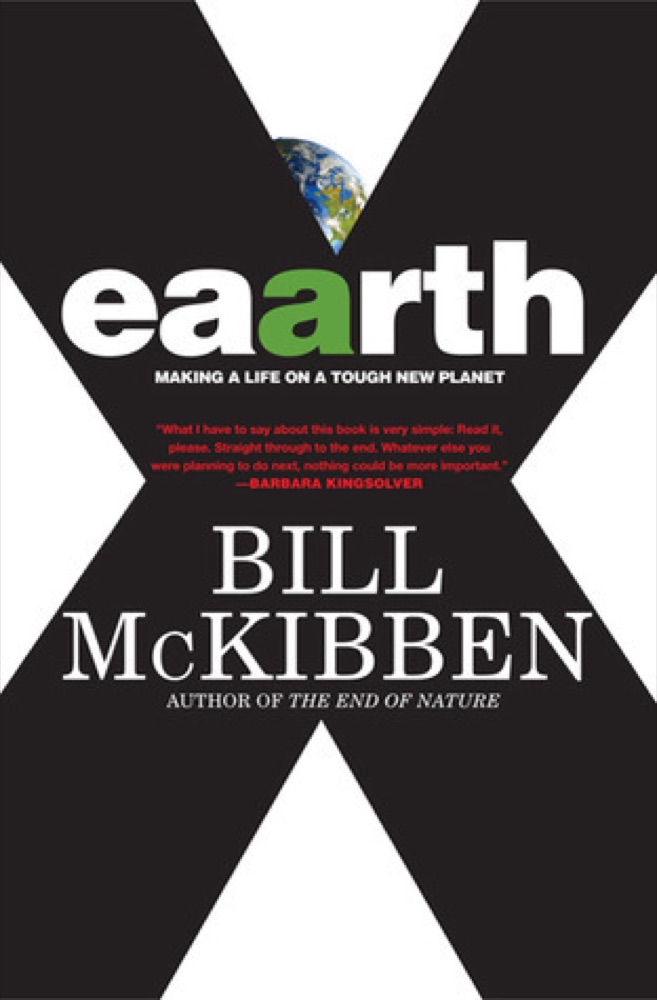 Eaarth: Making a Life on a Tough New Planet
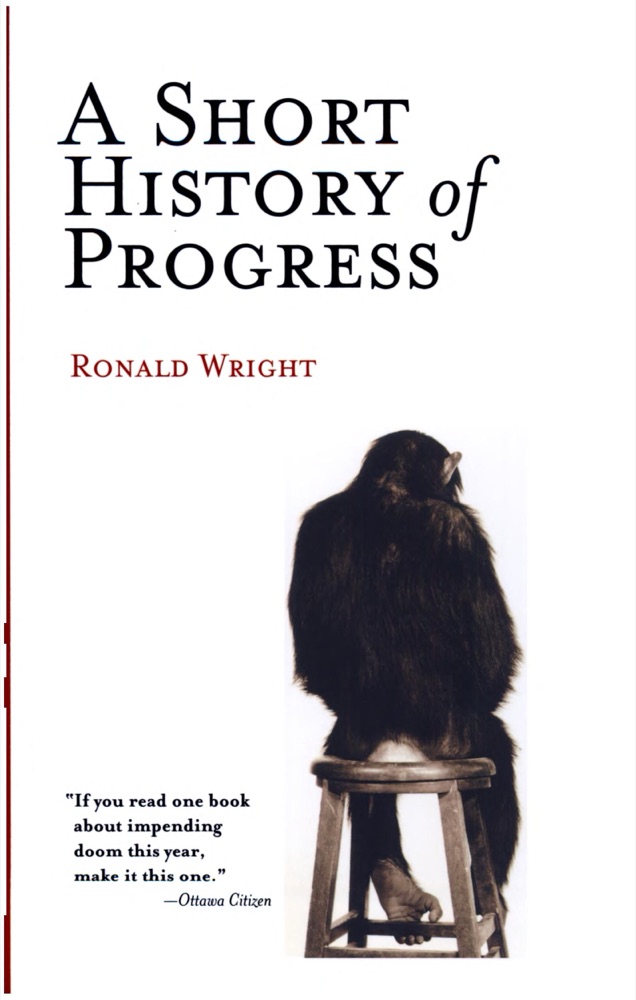 A Short History of Progress
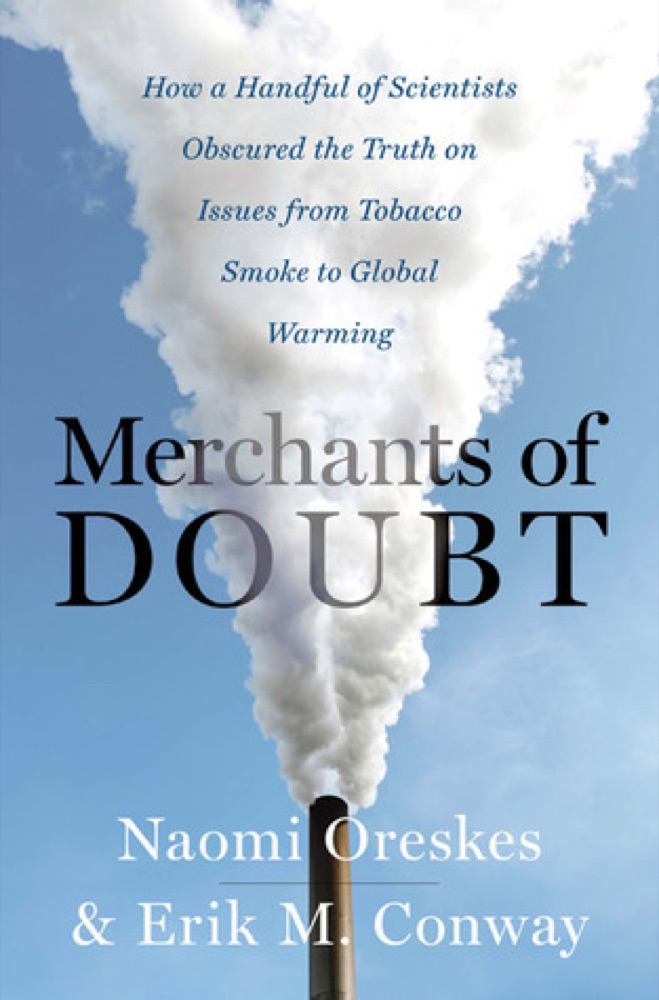 Merchants of Doubt: How a Handful of Scientists Obscured the Truth on Issues from Tobacco Smoke to Global Warming
 First As Tragedy, Then As Farce
The Shock Doctrine: The Rise of Disaster Capitalism
First As Tragedy, Then As Farce
The Shock Doctrine: The Rise of Disaster Capitalism
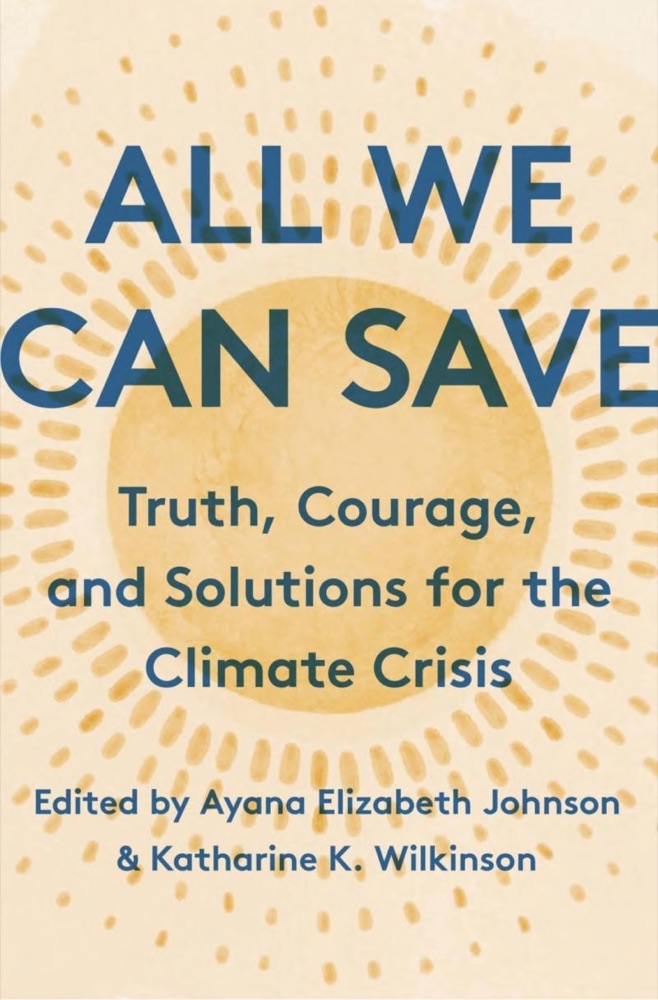 All We Can Save: Truth, Courage, and Solutions for the Climate Crisis
 The Wizard and the Prophet: Two Remarkable Scientists and Their Dueling Visions to Shape Tomorrow's World
 Capitalist Realism: Is There No Alternative?
 The Nutmeg's Curse: Parables for a Planet in Crisis
 The Coming Insurrection
 Small Is Beautiful: Economics as if People Mattered
 Vulture Capitalism: Corporate Crimes, Backdoor Bailouts, and the Death of Freedom
 Ill Fares the Land
 The Price of Tomorrow: Why Deflation is the Key to an Abundant Future
 Four Futures: Life After Capitalism
 Capitalism: A Ghost Story
 Talking to My Daughter About the Economy: or, How Capitalism Works—and How It Fails
 What's Our Problem?: A Self-Help Book for Societies
 Utopia for Realists: How We Can Build the Ideal World
 New York 2140
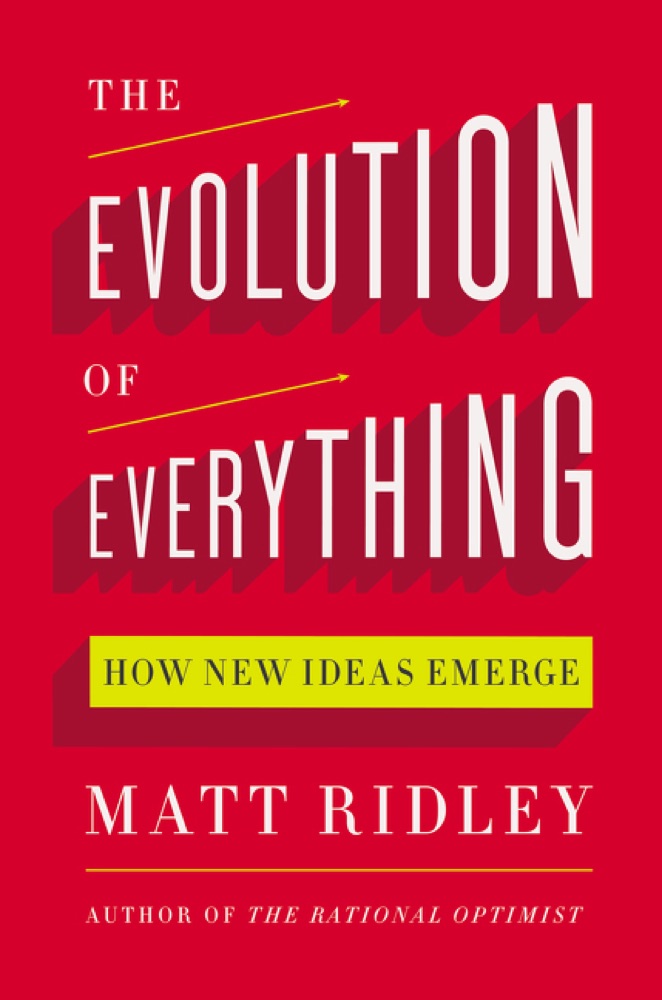 The Evolution of Everything: How New Ideas Emerge
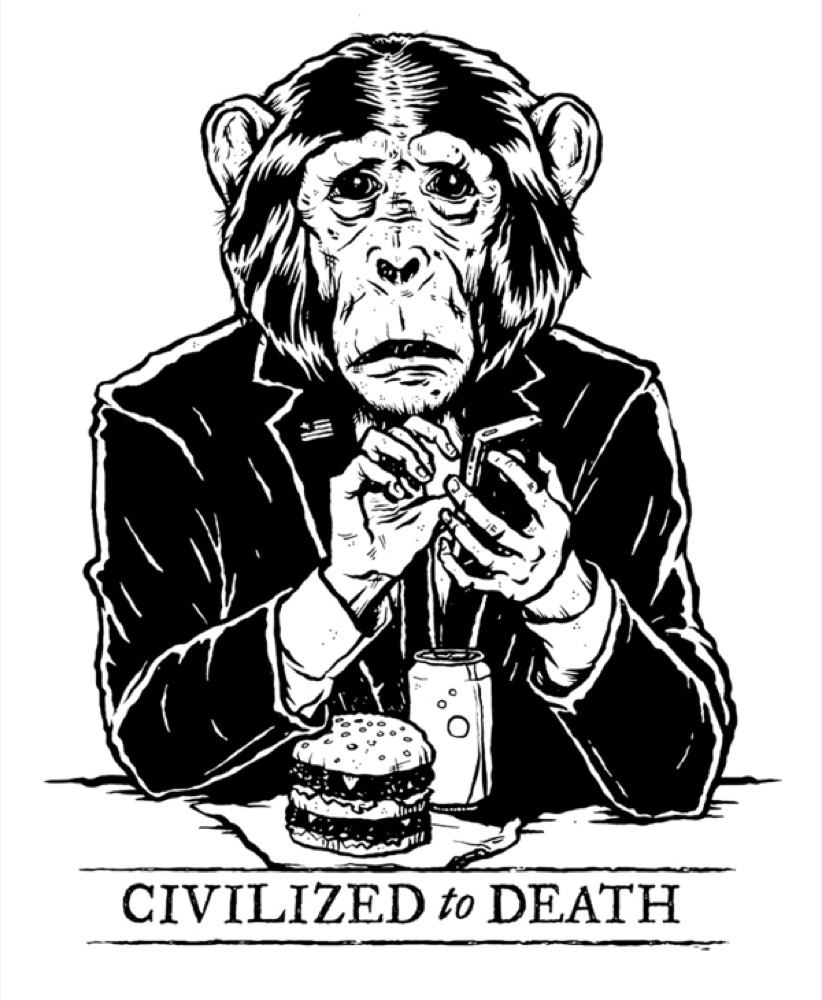 Civilized to Death: What Was Lost on the Way to Modernity
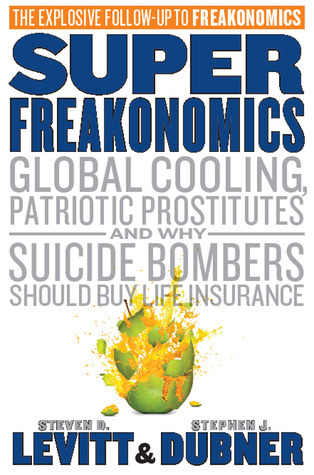 SuperFreakonomics: Global Cooling, Patriotic Prostitutes And Why Suicide Bombers Should Buy Life Insurance
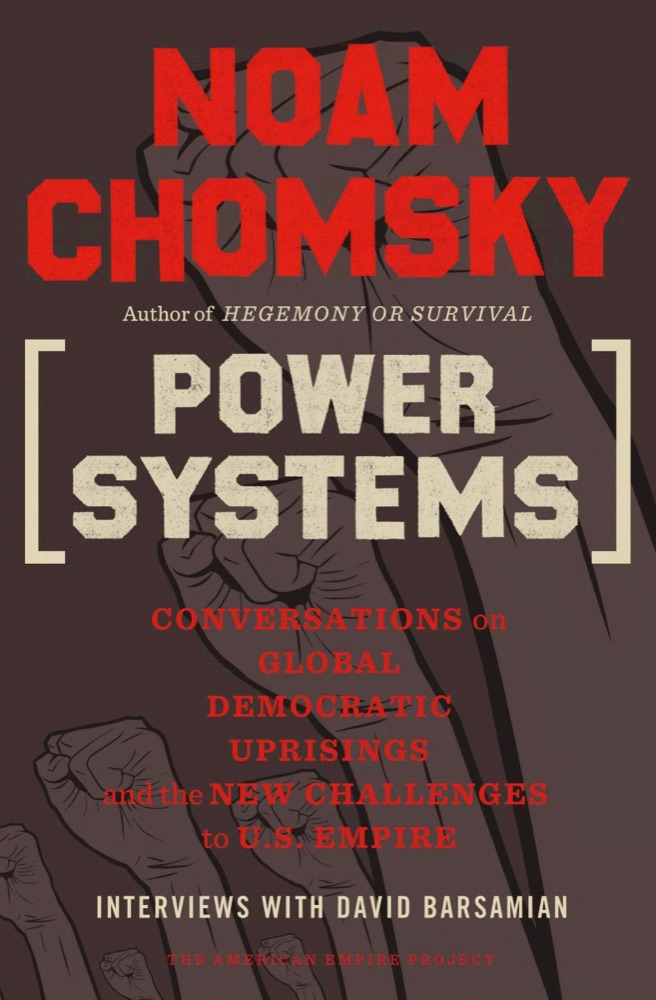 Power Systems: Conversations on Global Democratic Uprisings and the New Challenges to U.S. Empire
 A Life on Our Planet: My Witness Statement and a Vision for the Future
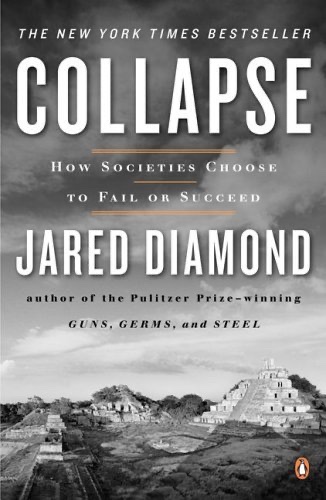 Collapse: How Societies Choose to Fail or Succeed
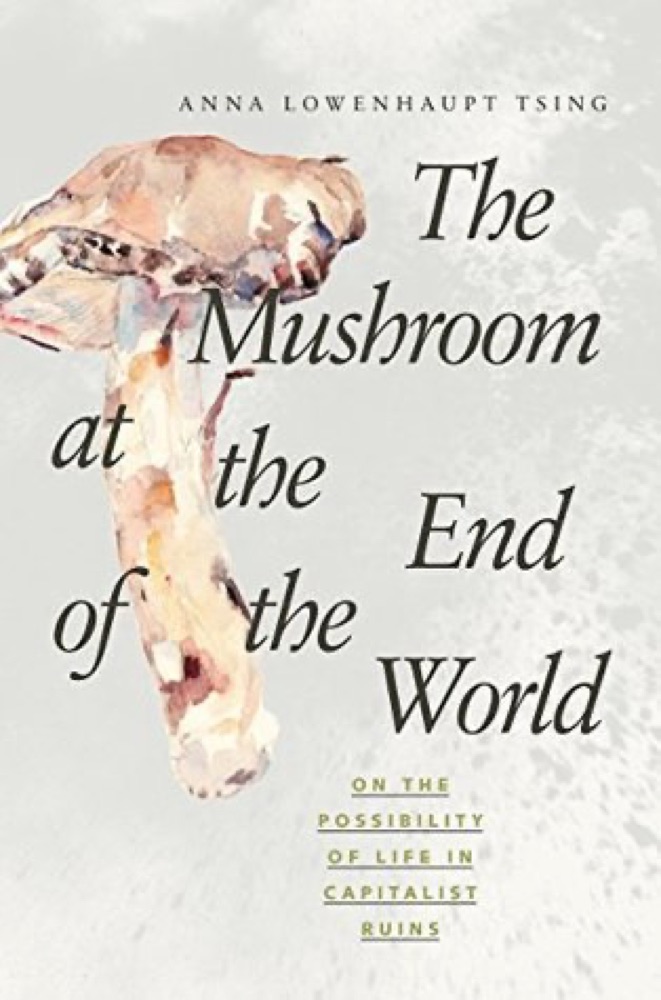 The Mushroom at the End of the World: On the Possibility of Life in Capitalist Ruins
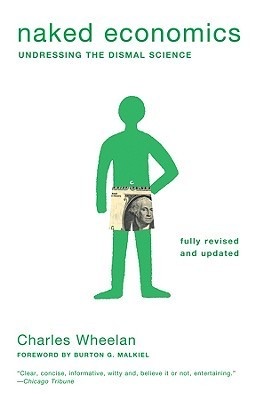 Naked Economics: Undressing the Dismal Science
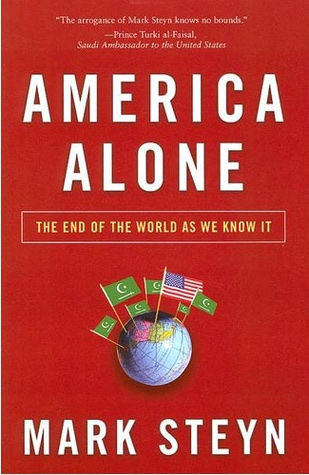 America Alone: The End of the World As We Know It
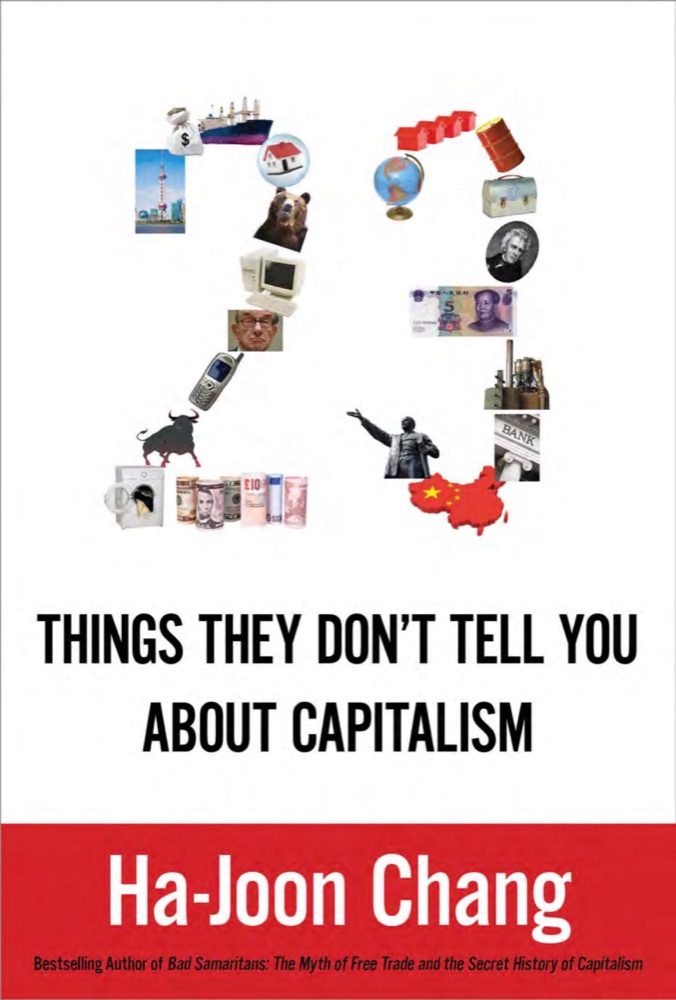 23 Things They Don't Tell You About Capitalism
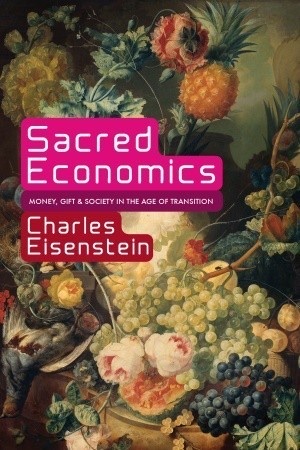 Sacred Economics: Money, Gift, and Society in the Age of Transition
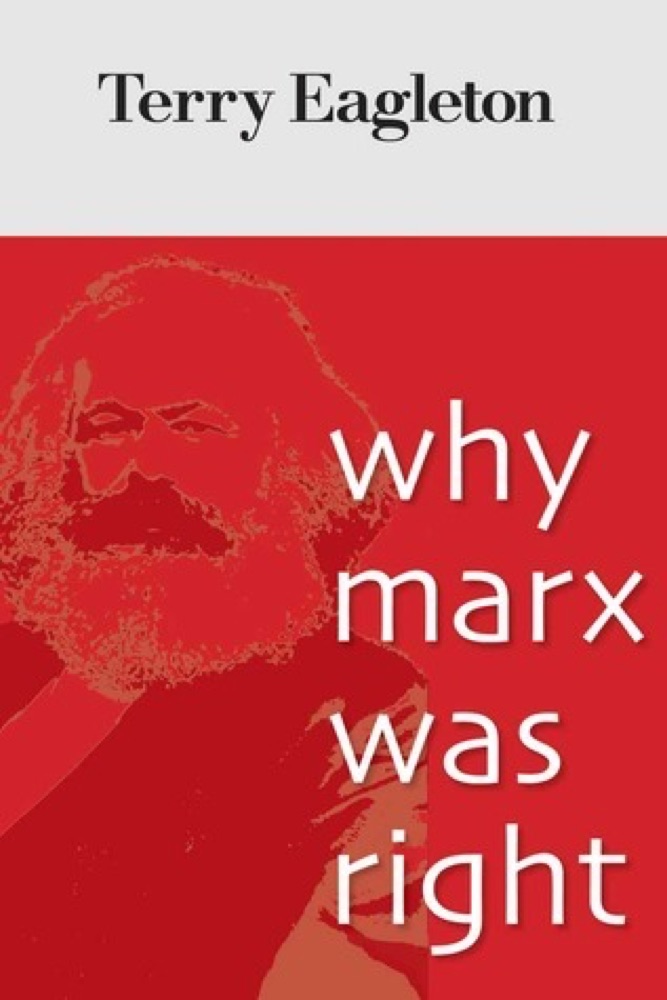 Why Marx Was Right
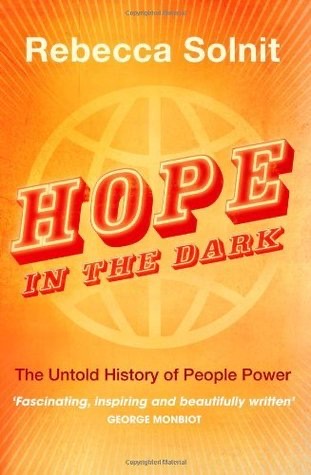 Hope in the Dark: The Untold History of People Power
 Occupy
 America: The Farewell Tour
 Human Action: A Treatise on Economics
 Homo Deus: A History of Tomorrow
 Feral: Rewilding the Land, the Sea and Human Life
 The View From Flyover Country: Essays by Sarah Kendzior
 Enlightenment Now: The Case for Reason, Science, Humanism, and Progress
 Freedom™
 Saving Time: Discovering a Life Beyond the Clock
 Humankind: A Hopeful History
 The World Is Flat: A Brief History of the Twenty-first Century
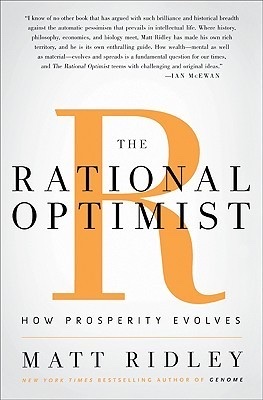 The Rational Optimist: How Prosperity Evolves
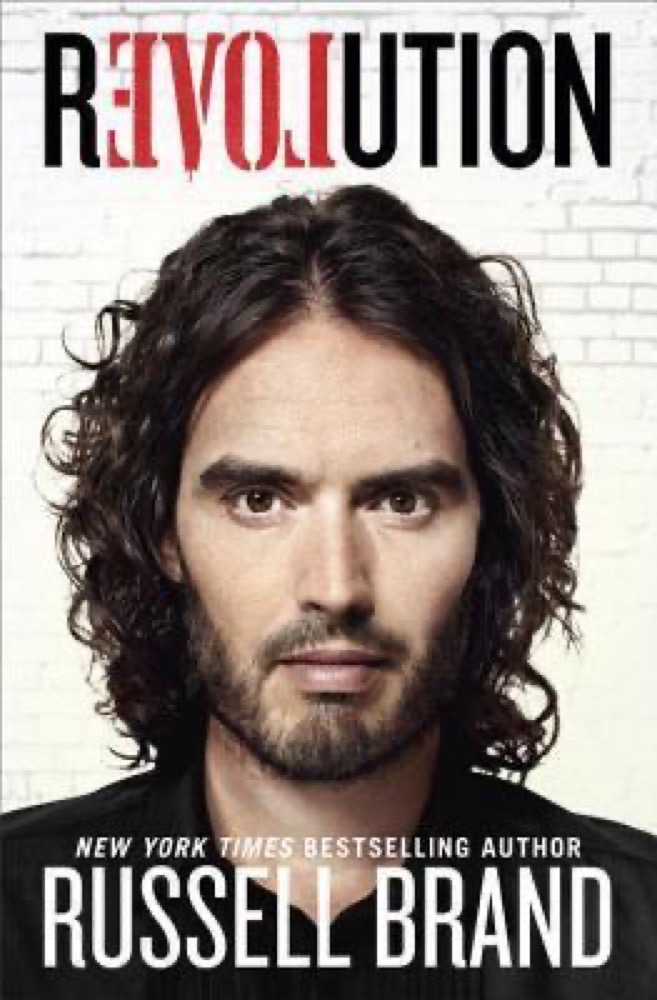 Revolution
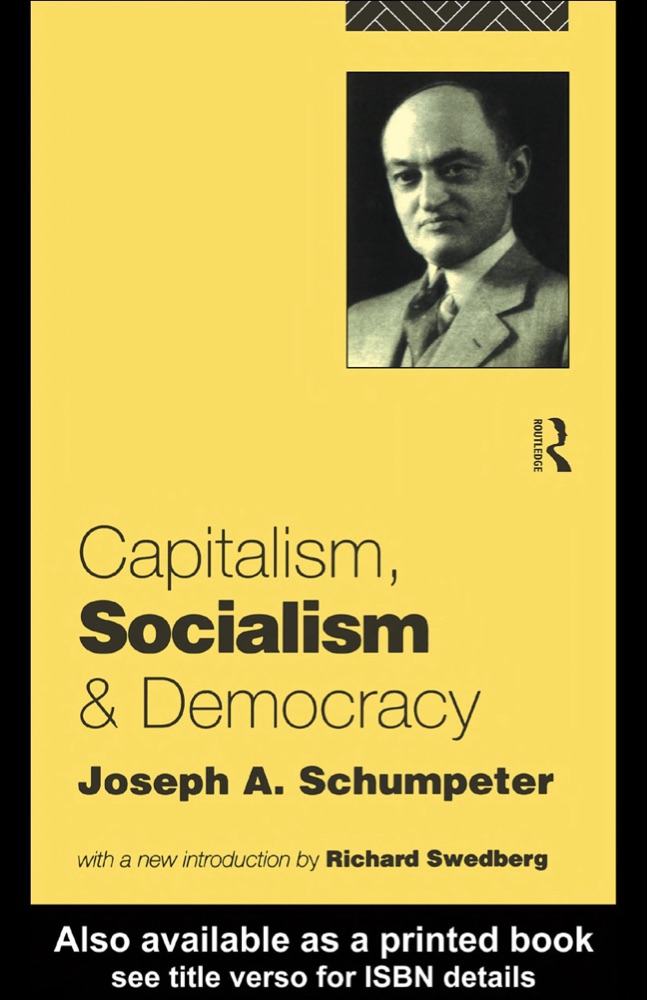 Capitalism, Socialism and Democracy
 Bringing it to the Table: On Farming and Food
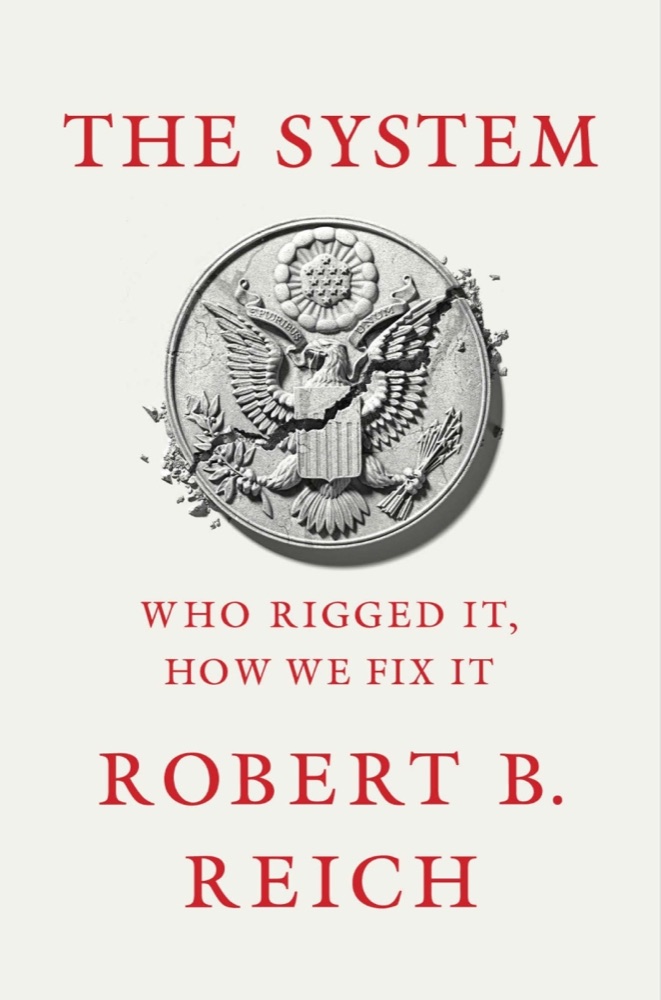 The System: Who Rigged It, How We Fix It
 Regenesis: Feeding the World Without Devouring the Planet
 Walkaway