
 The God of Small Things
Quotes from the Book
Do we need weapons to fight wars? Or do we need wars to create markets for weapons?
27
Capitalism is destroying the planet. The two old tricks that dug it out of past crises--War and Shopping--simply will not work.
10
One: An end to cross-ownership in businesses. For example: weapons manufacturers cannot own TV stations, mining corporations cannot run newspapers, business houses cannot fund universities, drug companies cannot control public health funds. Two: Natural resources and essential infrastructure—water supply, electricity, health, and education—cannot be privatized. Three: Everybody must have the right to shelter, education, and health care. Four: The children of the rich cannot inherit their parents’ wealth.
6
The gathering of information to control people is fundamental to any ruling power. As resistance to land acquisition and the new economic policies spreads across India, in the shadow of outright war in Central India, as a containment technique, India’s government has embarked on a massive biometrics program, perhaps one of the most ambitious and expensive information gathering projects in the world—the Unique Identification Number (UID). People don’t have clean drinking water, or toilets, or food, or money, but they will have election cards and UID numbers. Is it a coincidence that the UID project run by Nandan Nilekani, former CEO of Infosys, ostensibly meant to “deliver services to the poor,” will inject massive amounts of money into a slightly beleaguered IT industry?50 To digitize a country with such a large population of the illegitimate and “illegible”—people who are for the most part slum dwellers, hawkers, Adivasis without land records—will criminalize them, turning them from illegitimate to illegal. The idea is to pull off a digital version of the Enclosure of the Commons and put huge powers into the hands of an increasingly hardening police state. Nilekani’s technocratic obsession with gathering data is consistent with Bill Gates’s obsession with digital databases, numerical targets, and “scorecards of progress” as though it were a lack of information that is the cause of world hunger, and not colonialism, debt, and skewed profit-oriented corporate policy.
4
When corporate-endowed foundations first made their appearance in the United States, there was a fierce debate about their provenance, legality, and lack of accountability. People suggested that if companies had so much surplus money, they should raise the wages of their workers. (People made these outrageous suggestions in those days, even in America.) The idea of these foundations, so ordinary now, was in fact a leap of the business imagination. Non-tax-paying legal entities with massive resources and an almost unlimited brief—wholly unaccountable, wholly nontransparent— what better way to parlay economic wealth into political, social, and cultural capital, to turn money into power? What better way for usurers to use a minuscule percentage of their profits to run the world? How else would Bill Gates, who admittedly knows a thing or two about computers, find himself designing education, health, and agriculture policies, not just for the US government but for governments all over the world?
4
Corporate executives and businessmen do not. So somebody who wants to invest in a dam or build a steel plant or a buy a bauxite mine is not considered a security hazard, whereas a scholar who might wish to participate in a seminar about, say, displacement or communalism, or rising malnutrition in a globalized economy, is. Foreign terrorists with bad intentions have probably guessed by now that they are better off wearing Prada suits and pretending they want to buy a mine than wearing old corduroys and saying they want to attend a seminar. (Some would argue that mine buyers in Prada suits are the real terrorists.)
4
Indian nationalists and the government seem to believe that they can fortify their idea of a resurgent India with a combination of bullying and Boeing airplanes. But they don’t understand the subversive strength of warm boiled eggs.
3
When those who had been evicted went back to where they came from, they found their villages had disappeared under great dams and dusty quarries. Their homes were occupied by hunger-and policemen. The forests were filling up with armed guerrillas. They found that the wars from the edge of India, in Kashmir, Nagaland, Manipur, had migrated to its heart. People returned to live on city streets and pavements, in hovels on dusty construction sites, wondering which corner of this huge country was meant for them.
3
I stood outside Antilla for a long time watching the sun go down. I imagined that the tower was as deep as it was high. That it had a twenty-seven-story-long tap root, snaking around below the ground, hungrily sucking sustenance out of the earth, turning it into smoke and gold. Why did the Ambanis choose to call their building Antilla? Antilla is the name of a set of mythical islands whose story dates back to an eighth-century Iberian legend. When the Muslims conquered Hispania, six Christian Visigothic bishops and their parishioners boarded ships and fled. After days, or maybe weeks, at sea, they arrived at the isles of Antilla, where they decided to settle and raise a new civilization. They burned their boats to permanently sever their links to their barbarian-dominated homeland. By calling their tower Antilla, do the Ambanis hope to sever their links to the poverty and squalor of their homeland and raise a new civilization? Is this the final act of the most successful secessionist movement in India: the secession of the middle and upper classes into outer space? As night fell over Mumbai, guards in crisp linen shirts with crackling walkie-talkies appeared outside the forbidding gates of Antilla. The lights blazed on, to scare away the ghosts perhaps. The neighbors complain that Antilla’s bright lights have stolen the night. Perhaps it’s time for us to take back the night.
2
There's a lot of money in poverty, and a few Nobel Prizes too.
1
Funding as fragmented solidarity in ways that repression never could.
1
Capitalism’s real “gravediggers” may end up being its own delusional cardinals, who have turned ideology into faith. Despite their strategic brilliance, they seem to have trouble grasping a simple fact: Capitalism is destroying the planet. The two old tricks that dug it out of past crises—War and Shopping—simply will not work.
1
Not everybody likes the idea of their cities filling up with the poor. A judge in Bombay called slum dwellers pickpockets of urban land. Another said, while ordering the bulldozing of unauthorized colonies, that people who couldn’t afford to live in cities shouldn’t live in them. When those who had been evicted went back to where they came from, they found their villages had disappeared under great dams and dusty quarries.
1
Our lungs are gradually being depleted of oxygen. Perhaps it’s time to use whatever breath remains in our bodies to say: Open the bloody gates.
1
In the NGO universe, which has evolved a strange anodyne language of its own, everything has become a “subject”, a separate, professionalised, special-interest issue. Community development, leadership development, human rights, health, education, reproductive rights, AIDS, orphans with AIDS—have all been hermetically sealed into their own silos with their own elaborate and precise funding brief. Funding has fragmented solidarity in ways that repression never could.
growth,” 60 percent of India’s workforce is self-employed, and 90 percent of India’s labor force works in the unorganized sector.
the connection between GDP growth and jobs is a myth.
Watch on YouTube
About Arundhati Roy
We have collected 102 quotes from 4 books by Arundhati Roy on BookQuoters.
More about the author →More by Arundhati Roy

About the book
From the poisoned rivers, barren wells, and clear-cut forests, to the hundreds of thousands of farmers who have committed suicide to escape punishing debt, to the hundreds of millions of people who live on less than two dollars a day, there are ghosts nearly everywhere you look in India. India is a nation of 1.2 billion, but the country’s 100 richest people own assets equivalent to one-fourth of India’s gross domestic product.
Capitalism: A Ghost Story examines the dark side of democracy in contemporary India, and shows how the demands of globalized capitalism has subjugated billions of people to the highest and most intense forms of racism and exploitation.
Book details
- First published
- 2014
- Author
- Arundhati Roy
- Genre
- Nonfiction
- Goodreads rating
- 3.94 (3k ratings)
Keep reading
 The Shock Doctrine: The Rise of Disaster Capitalism
 The World Is Flat: A Brief History of the Twenty-first Century
 India Unbound: The Social and Economic Revolution from Independence to the Global Information Age
 Utopia for Realists: How We Can Build the Ideal World
 On Fire: The Case for the Green New Deal
 Vulture Capitalism: Corporate Crimes, Backdoor Bailouts, and the Death of Freedom
 The Evolution of Everything: How New Ideas Emerge
 First As Tragedy, Then As Farce
 Occupy
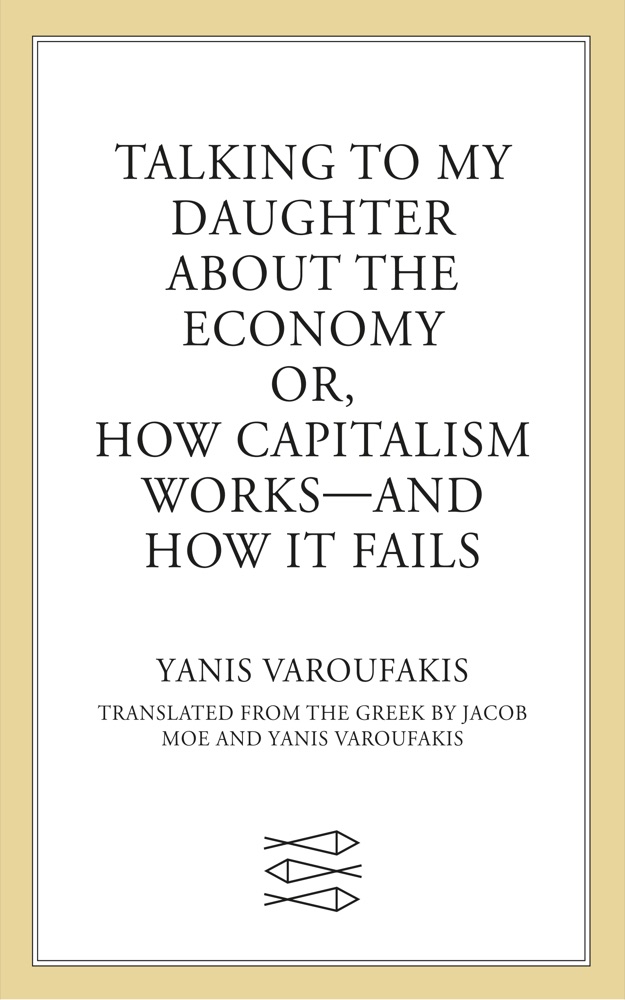 Talking to My Daughter About the Economy: or, How Capitalism Works—and How It Fails
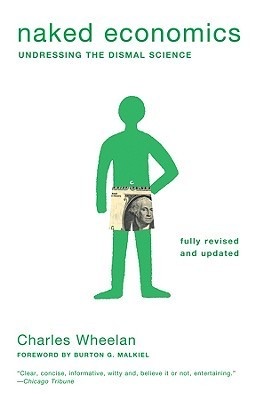 Naked Economics: Undressing the Dismal Science
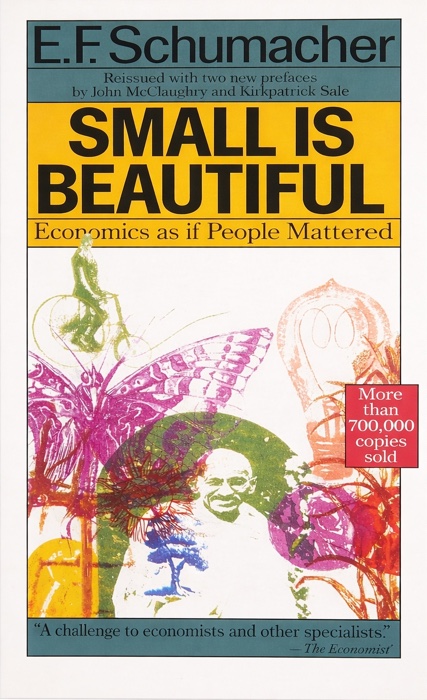 Small Is Beautiful: Economics as if People Mattered
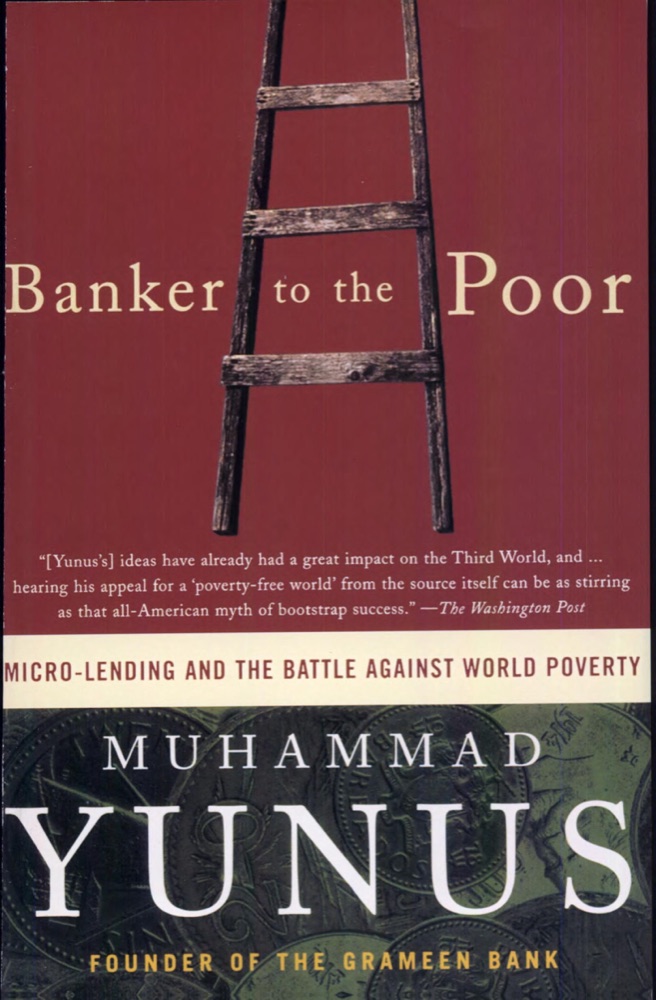 Banker to the Poor: Micro-Lending and the Battle Against World Poverty
 The Coming Insurrection
 America: The Farewell Tour
 A Short History of Progress
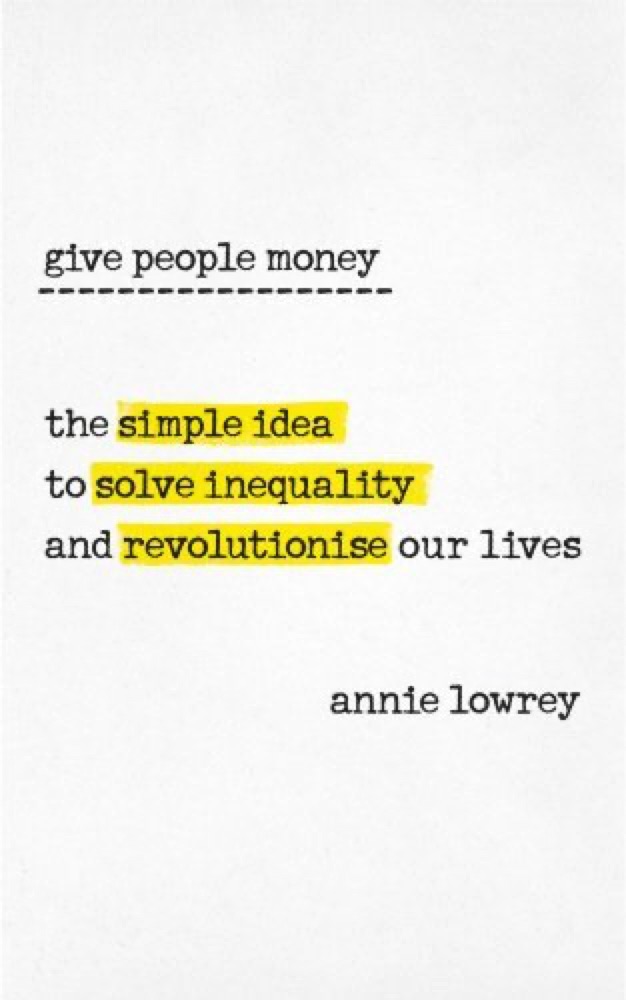 Give People Money: The Simple Idea to Solve Inequality and Revolutionise Our Lives
 Ill Fares the Land
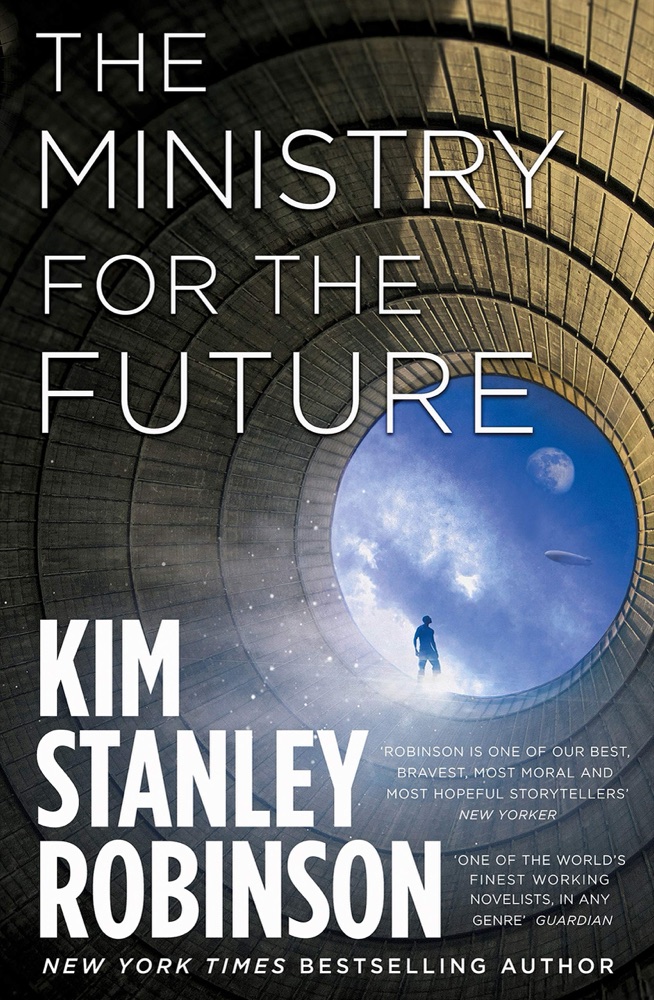 The Ministry for the Future
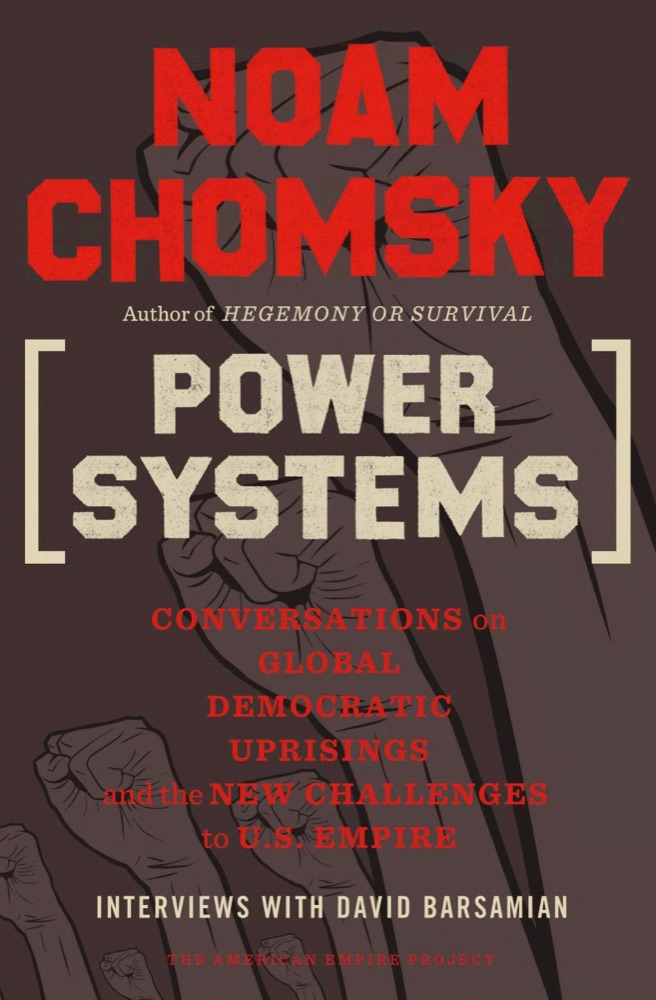 Power Systems: Conversations on Global Democratic Uprisings and the New Challenges to U.S. Empire
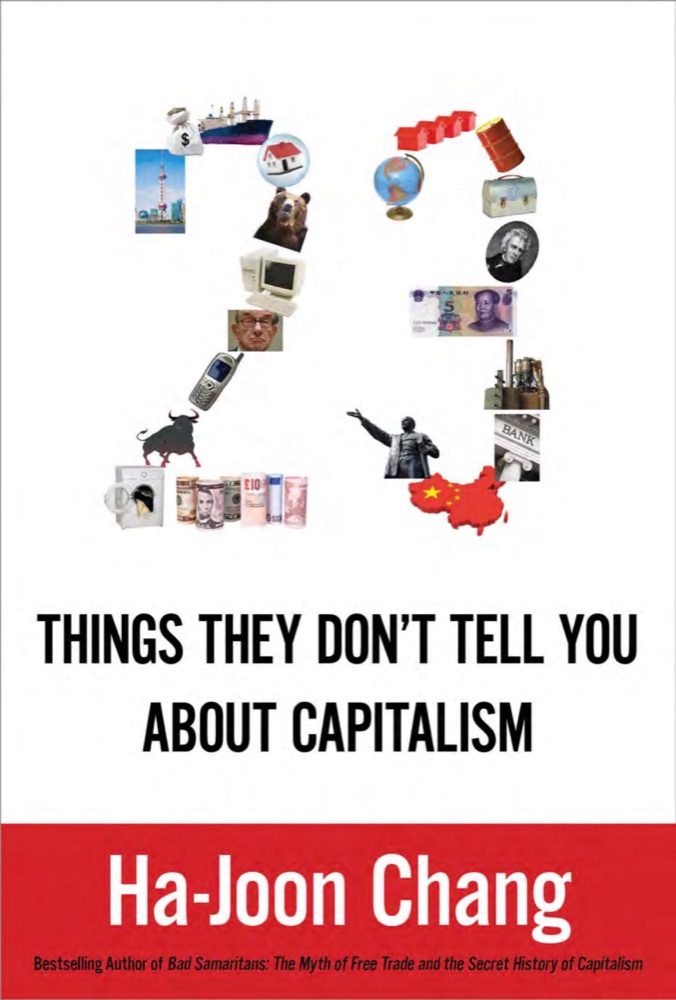 23 Things They Don't Tell You About Capitalism
 Endgame, Vol. 1: The Problem of Civilization
 Poor Economics: A Radical Rethinking of the Way to Fight Global Poverty
 Four Futures: Life After Capitalism
 Confessions of an Economic Hit Man
 The Wizard and the Prophet: Two Remarkable Scientists and Their Dueling Visions to Shape Tomorrow's World
 Boomerang: Travels in the New Third World
 Capital and Ideology
 The Creature from Jekyll Island: A Second Look at the Federal Reserve
 Open Veins of Latin America: Five Centuries of the Pillage of a Continent
 The View From Flyover Country: Essays by Sarah Kendzior
 Collapse: How Societies Choose to Fail or Succeed
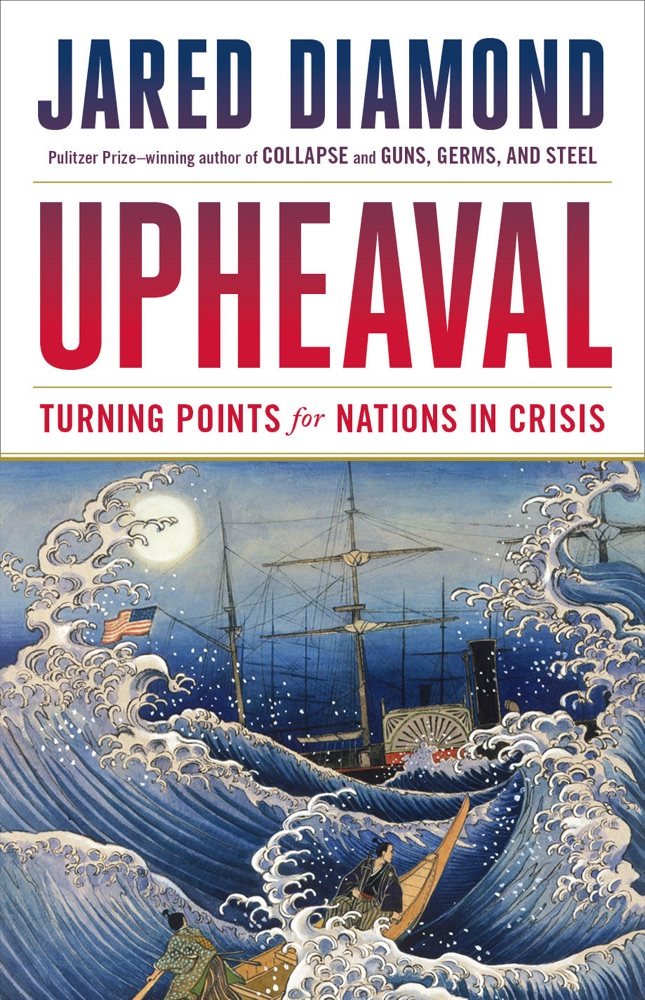 Upheaval: Turning Points for Nations in Crisis
 Debt: The First 5,000 Years
 What Young India Wants
 This Changes Everything: Capitalism vs. The Climate
 New York 2140
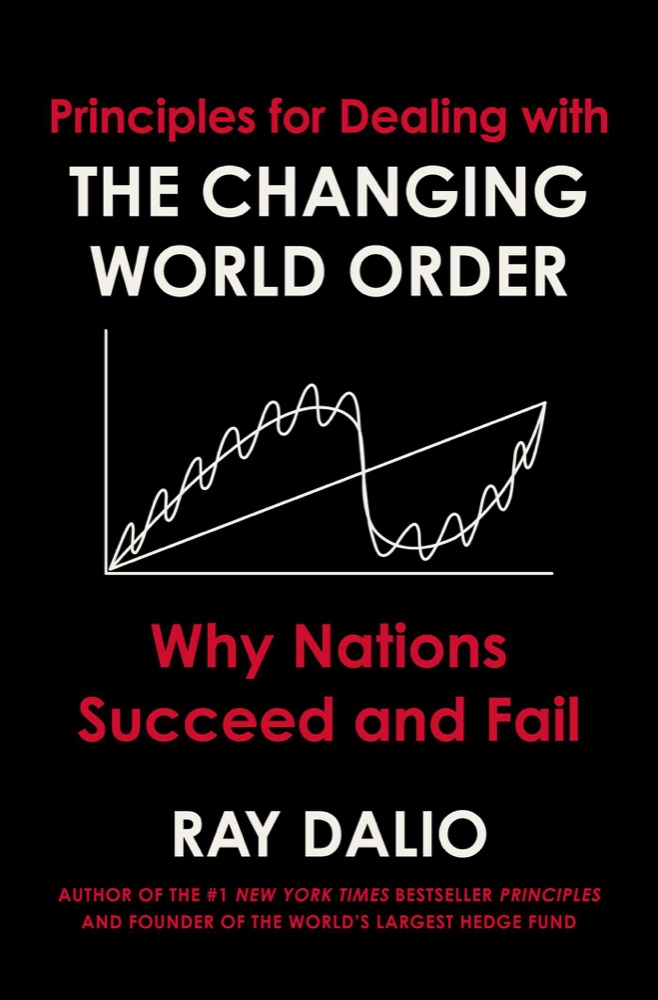 Principles for Dealing with the Changing World Order: Why Nations Succeed and Fail
 Behold a Pale Horse
 Wealth, Poverty and Politics: An International Perspective
 Griftopia: Bubble Machines, Vampire Squids, and the Long Con That Is Breaking America
 The Wretched of the Earth
 The Rational Optimist: How Prosperity Evolves
 Blowout
 Why Nations Fail: The Origins of Power, Prosperity, and Poverty
 Corpalism
 Blackshirts and Reds: Rational Fascism and the Overthrow of Communism
 Freedom™
 SuperFreakonomics: Global Cooling, Patriotic Prostitutes And Why Suicide Bombers Should Buy Life Insurance
 The Price of Tomorrow: Why Deflation is the Key to an Abundant Future
 Beyond Civilization: Humanity's Next Great Adventure
 Why Marx Was Right
 The Utopia of Rules: On Technology, Stupidity, and the Secret Joys of Bureaucracy
 Capital in the Twenty-First Century
 Blue Mars
 Civilized to Death: What Was Lost on the Way to Modernity
 Basic Economics: A Citizen's Guide to the Economy
 Twilight of the Elites: America After Meritocracy
 Poverty, by America
 America Alone: The End of the World As We Know It