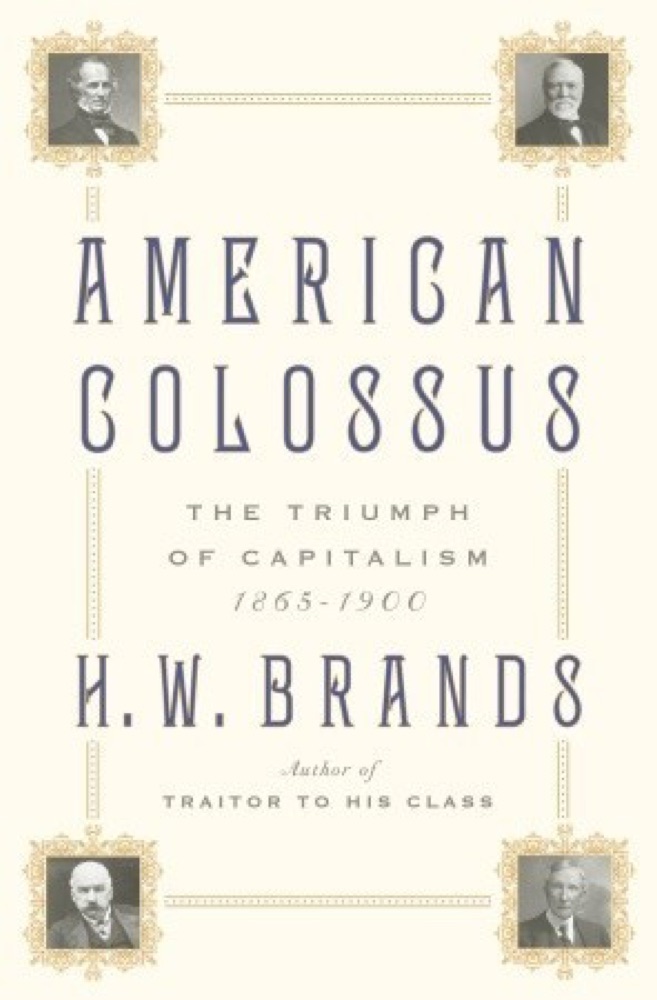
 American Colossus: The Triumph of Capitalism, 1865-1900
Quotes from the Book
My choice of Muhammad to lead the list of the world's most influential persons may surprise some readers and may be questioned by others, but he was the only man in history who was supremely successful on both the religious and secular level.
148
Simon BolIvar is often called "the George Washington of South America" because of his role in the liberation of five South American countries (Colombia, Venezula, Ecuador, Peru and Bolivia) from Spanish rule. Few, if 'any, political figures have played so dominant a role in the history of an entire continent as he did.
1
Cyrus (Kurush in the original Persian) was born about 590 B.C., in the province of Persis (now Fars), in southwest Iran.
Cyrus the Great was the founder of the Persian Empire.
Nevertheless, when da Gama returned to Lisbon, on September 9, 1499, both he and the king correctly understood that his two-year voyage had been a tremendous success.
On May 20, 1498, about ten months after his departure from Portugal, da Gama arrived at Calicut, the most important trade center of southern India.
The Chinese emperor Sui Wen Ti (original name: Yang Chien) succeeded in reunifying China after it had been badly divided for hundreds of years.
A prominent example is Pol Pot, who ruled Cambodia from 1975 to 1979. In that relatively brief period roughly two million Cambodians died-an even greater proportion of the population than were killed by Stalin during the twenty-five years he headed the Soviet Union.
A second attempt, in November 1917, succeeded, and Lenin became the new head of state.
Lenin was born in 1870, in the town of Simbirsk (now called Ulyanovsk in his honor), in Russia.
Vladimir Ilyich Ulyanov, best known today by his pseudonym, Lenin, was the political leader principally responsible for the establishment of Communism in Russia.
Mani was born in 216, in Mesopotamia, which at that time was part of the Persian Empire under the Arsacid or Parthian dynasty.
The third-century prophet Mani was the founder of Mani chaeism, a religion which, though extinct today, at its height had a very large number of followers.
Gregory Pincus was born in 1903, in Woodbine, New Jersey, the son of Russian-Jewish parents.
Gregory Pincus was the American biologist who played the principal role in the development of the oral contraceptive pill.
John Fitzgerald Kennedy was born in 1917, in Brookline, Massachusetts
Malthus was born in 1766, near Dorking, in Surrey, England.
In 1798, a previously obscure English parson, Thomas Robert Malthus, published a short but highly influ~ntial book entitled. An Essay on the Principle of Population as It Affects the Future Improvement oj Society
Machiavelli was born in 1469, in Florence, Italy.
The Italian political philosopher Niccolo Machiavelli is notorious for his blunt advice that a ruler interested in maintaining and in creasing his power should make use of deceitfulness, cunning, and lies, combined with a ruthless use of force.
The famous philosopher J ean-Jacques Rousseau was born in 1712, in Geneva, Switzerland.
Leonhard Euler, the eighteenth-century Swiss mathematician and physicist, was one of the most brilliant and prolific scientists of all time.
It was in Chicago, on December 2, 1942, that the nuclear reactor which had been designed and constructed under Fermi's supervision first went into successful operation.
Since Enrico Fermi was the world's leading authority on neutrons, and since he combined both experimental and theoretical talents, he was chosen to head the group attempting to construct the world's first nuclear reactor.
Enrico Fermi, the man who designed the first nuclear reactor, was born in 1901, in Rome, Italy.
Johannes Kepler, the discoverer of the laws of planetary motion, was born in 1571, in the town of Weil der Stadt, Germany.
A remark frequently attributed to him is: "I disapprove of what you say, but I will defend to the death your right to say it.
Fran~ois Marie Arouet-better known by his pseudonym, Voltaire-was the leading figure of the French Enlightenment
Watch on YouTube
About Michael H. Hart
We have collected 28 quotes from 1 book by Michael H. Hart on BookQuoters.
More about the author →About the book
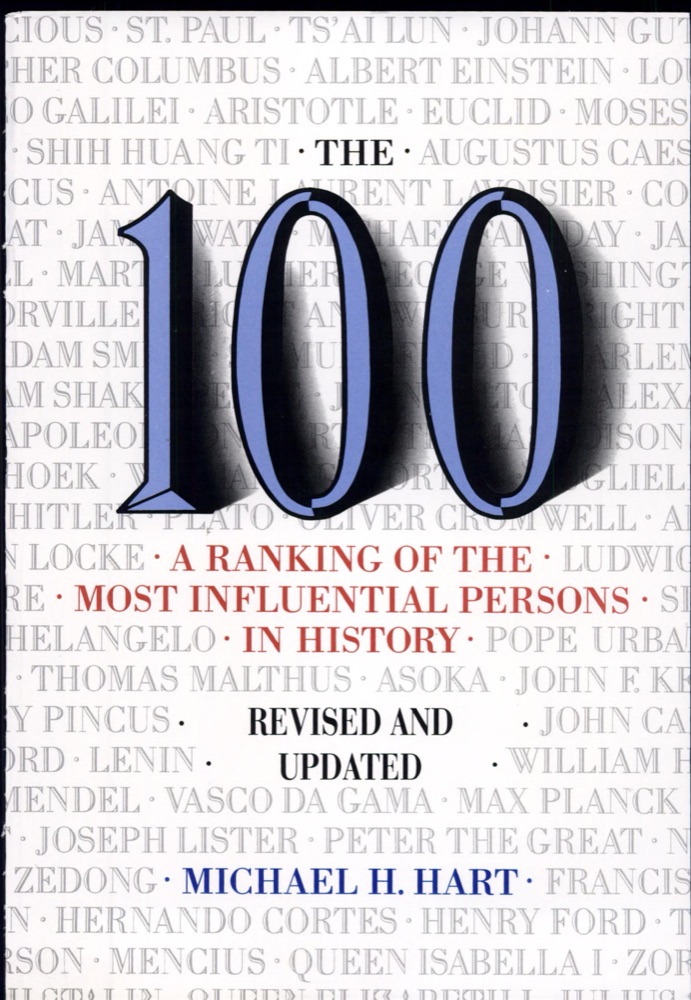
In 1978, when Michael Hart’s controversial book The 100 was first published, critics objected that Hart had the nerve not only to select who he thought were the most influential people in history, but also to rank them according to their importance. Needless to say, the critics were wrong, and to date more than 60,000 copies of the book have been sold. Hart believed that in the intervening years the influence of some of his original selections had grown or lessened and that new names loomed large on the world stage. Thus, the publications of this revised and updated edition of The 100.
As before, Hart's yardstick is influence: not the greatest people, but the most influential, the people who swayed the destinies of millions of human beings, determined the rise and fall of civilizations, changed the course of history. With incisive biographies, Hart describes their careers and contributi
Book details
- First published
- 1978
- Author
- Michael H. Hart
- Genre
- History
- Goodreads rating
- 3.99 (7k ratings)
Keep reading
American Colossus: The Triumph of Capitalism, 1865-1900
 The Making of the Atomic Bomb
 Modern Times: The World from the Twenties to the Nineties
 Europe: A History
 The Black Count: Glory, Revolution, Betrayal, and the Real Count of Monte Cristo
 The Proud Tower: A Portrait of the World Before the War, 1890-1914
 A History of the World in 100 Objects
 Founding Brothers: The Revolutionary Generation
 The First Tycoon: The Epic Life of Cornelius Vanderbilt
 Flashpoints: The Emerging Crisis in Europe
 American Prometheus: The Triumph and Tragedy of J. Robert Oppenheimer
 The Medici: Godfathers of the Renaissance
 Civilization: The West and the Rest
 The Age of Revolution, 1789–1848
 A Distant Mirror: The Calamitous 14th Century
 2061: Odyssey Three
 The Path Between the Seas: The Creation of the Panama Canal, 1870-1914
 Postwar: A History of Europe Since 1945
 The Wizard and the Prophet: Two Remarkable Scientists and Their Dueling Visions to Shape Tomorrow's World
 The Histories
 One Summer: America, 1927
 The Lessons of History
 The Revenge Of Geography: What the Map Tells Us About Coming Conflicts and the Battle Against Fate
 The History of the Decline and Fall of the Roman Empire Volume I
 Imperium: A Novel of Ancient Rome
 The Winds of War
 1491: New Revelations of the Americas Before Columbus
 Genghis Khan and the Making of the Modern World
 The Fall of the Roman Empire: A New History of Rome and the Barbarians
 The Machiavellians: Defenders of Freedom
 SPQR: A History of Ancient Rome
 The Education of Henry Adams
 Last and First Men
 From Dawn to Decadence: 500 Years of Western Cultural Life, 1500 to the Present
 Destiny of the Republic: A Tale of Madness, Medicine and the Murder of a President
 Marx for Beginners
 Joseph Anton: A Memoir
 The Upright Thinkers: The Human Journey from Living in Trees to Understanding the Cosmos
 Leadership : Six Studies in World Strategy
 The Last Lion 3: Winston Spencer Churchill: Defender of the Realm, 1940-1965
 The Untold History of The United States
 1776
1776
 These Truths: A History of the United States
 At Home: A Short History of Private Life
 The Power Broker: Robert Moses and the Fall of New York
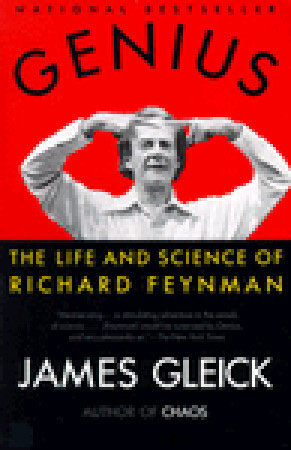 Genius: The Life and Science of Richard Feynman
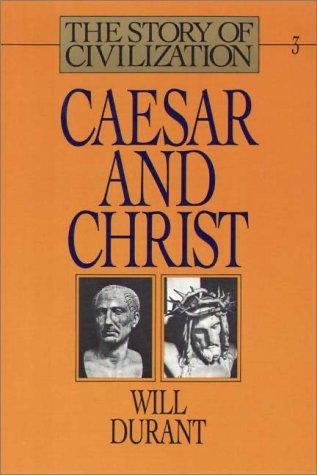 Caesar and Christ
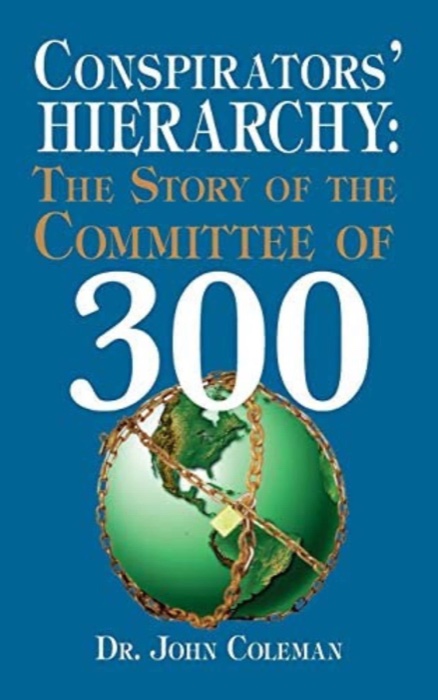 Conspirators' Hierarchy: The Story of the Committee of 300
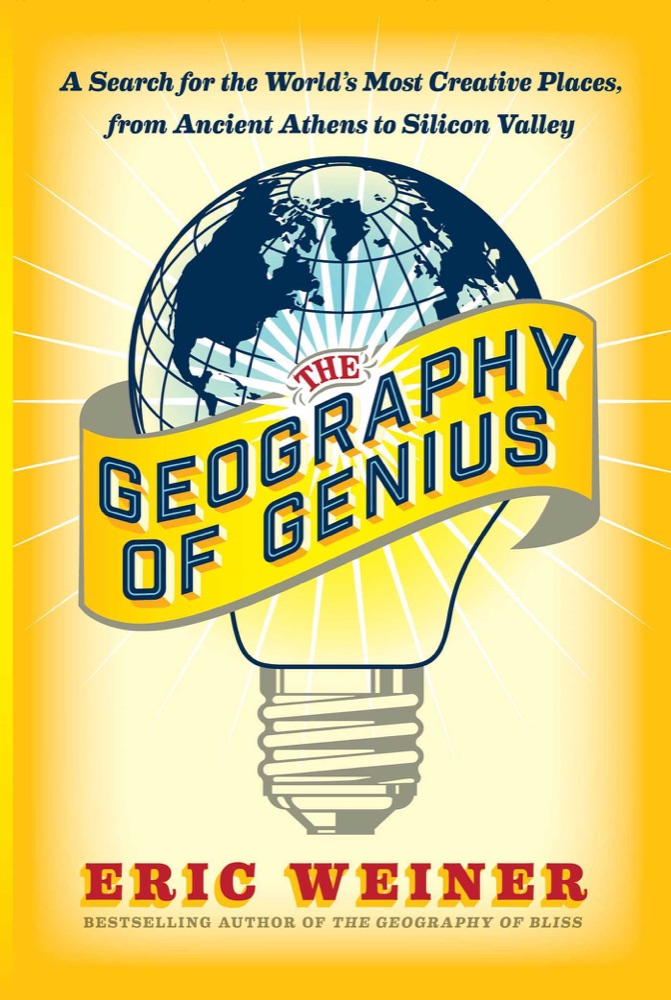 The Geography of Genius: A Search for the World's Most Creative Places from Ancient Athens to Silicon Valley
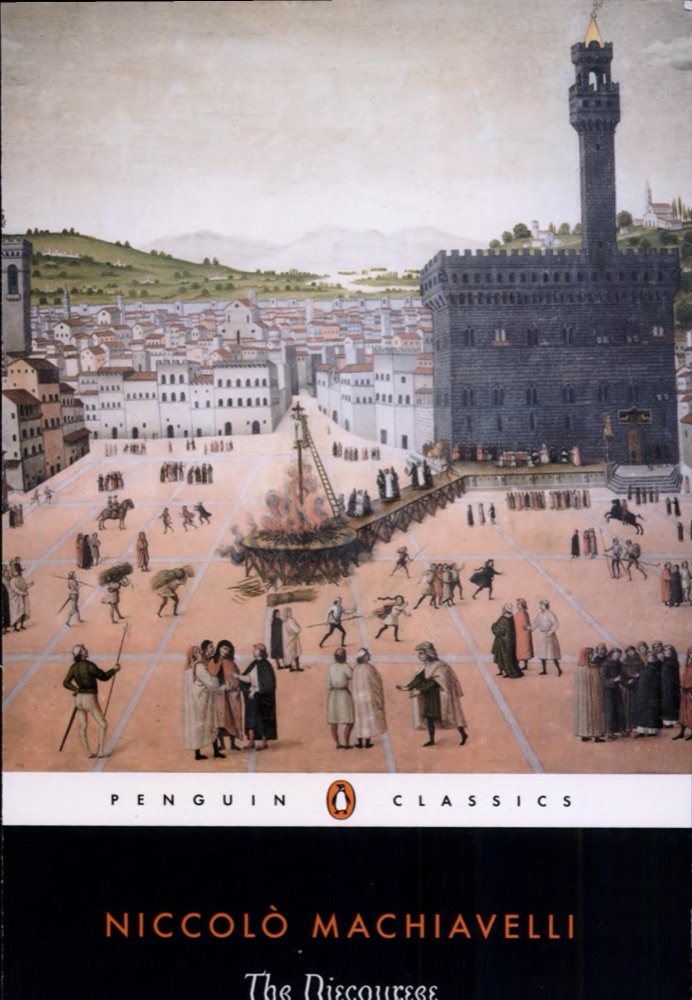 The Discourses
 The Secret History of the Mongol Queens: How the Daughters of Genghis Khan Rescued His Empire
 Plutarch's Lives
 Upheaval: Turning Points for Nations in Crisis
 History
 The Rise and Fall of the Third Reich: A History of Nazi Germany
 Made in America: An Informal History of the English Language in the United States
 The New Penguin History of The World
 Meetings With Remarkable Men
 Too Like the Lightning
 A Little History of the World