
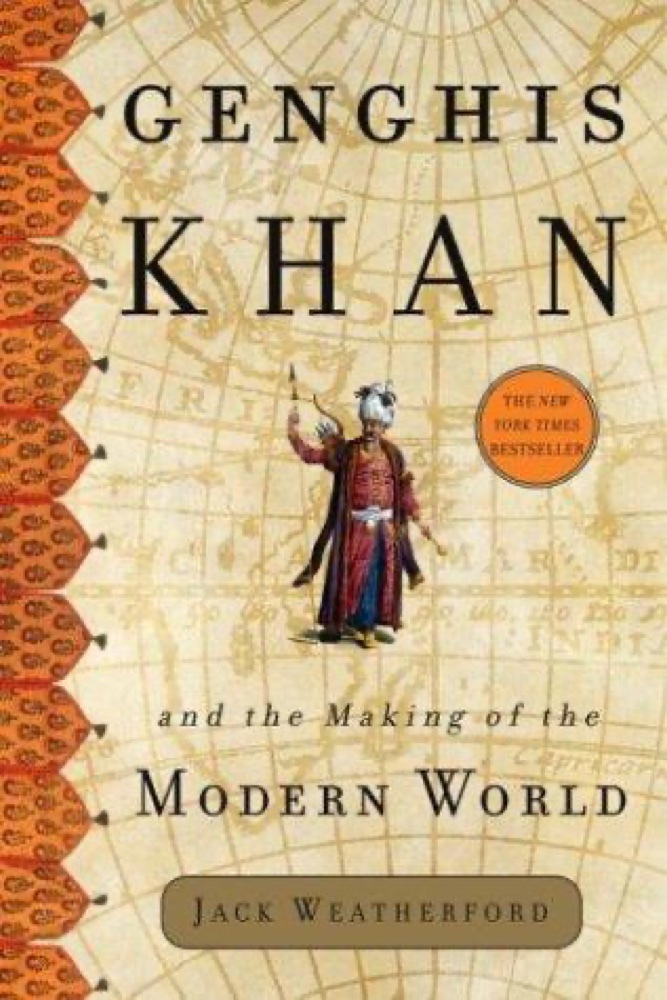
 Genghis Khan and the Making of the Modern World
Quotes from the Book
Every society produces its own cultural conceits, a set of lies and delusions about itself that thrive in the face of all contrary evidence.
15
Although many people can be your helper, no one should be closer to you than your own consciousness.
6
Unlike societies that employed baroque procedures for distinguishing between legitimate and illegitimate children, the Mongols accepted all children as equal. No child could be born without the consent of the Eternal Blue Sky. No earthly law or custom could presume to declare the child illegitimate.
6
In the Mongol perspective, challenges choose us, but we choose how to respond. Destiny brings the opportunities and the misfortunes, and the merit of our lives derives from those unplanned moments.
6
Although there are many things you can rely on, no one is more reliable than yourself,
5
No friend is better than your own wise heart!” Genghis Khan
5
While words may be altered or censored, the truth endures, even when not properly recorded. Truth can be forgotten, misplaced, or lost, but never annihilated.
4
Genghis Khan had well-founded and unshakable faith in his daughters and the other women around him. “Whoever can keep a house in order,” he said, “can keep a territory in order.” As the military campaigns grew longer, the division of labor solidified into a division of command authority. At its heart, the dual-shaft system functioned quite simply. She ruled at home; he served abroad. Even
3
The royal Mongol women raced horses, commanded in war, presided as judges over criminal cases, ruled vast territories, and sometimes wrestled men in public sporting competitions. They arrogantly rejected the customs of civilized women of neighboring cultures, such as wearing the veil, binding their feet, or hiding in seclusion.
3
Outlawing the sale or barter of women marked Genghis Khan’s first important departure from tribal practices regarding marriage, and gradually through a series of such changes he transformed the social position of his daughters, and thereby of all women, within his burgeoning empire.
3
Although Genghis Khan recognized the superior leadership abilities of his daughters and left them strategically important parts of his empire, today we cannot even be certain how many daughters he had. In their lifetime they could not be ignored, but when they left the scene, history closed the door behind them and let the dust of centuries cover their tracks. Those Mongol queens were too unusual, too difficult to understand or explain. It seemed more convenient just to erase them. Around
2
Three of her sisters became queens along the Silk Route, ruling over the grand Turkic nations of Onggud, Uighur, and Karluk.
2
If the truth was important enough for one generation of powerful officials to go to great lengths to hide it, then it should be important for us to search for it now.
1
Religious clerics, political ideologues, and government bureaucrats do not have the right to change history. The truth may be hard to find, but it is out there—somewhere. If we do not continue the work, the truth remains hidden. If we stop the search, then the censor has defeated us.
1
The Mongols, and certainly Genghis Khan in particular, placed great importance on sudden individual acts of unexpected heroism. Those are the moments that reveal not just the character of the person, but the soul itself. Many people are paralyzed by fear or, equally as debilitating, by indecision. The hero acts, and often fails, but acts nonetheless.
1
Following the example of Genghis Khan, the early Mongol rulers clearly recognized that knowledge constituted their most potent weapon, and controlling the flow of information served as their organizing principle. Genghis
1
tranquility, and its same small scale indicates that it lacked sufficient grazing for the number of animals needed to support a large army or even a large court of retainers. The location indicates
1
The truth may be hard to find, but it is out there—somewhere.
1
importance of constant learning as the key to being a successful ruler.
1
Get up early and go to bed late.
1
Maintain your soul as one in the night and the day.
1
Because you are the daughter of your Khan father, you are sent to govern the people of the Oirat tribe.
1
highest mountain always had the title of khan. Rivers and lakes that never ran dry bore the title khatun,
1
Truth can be forgotten, misplaced, or lost, but never annihilated. The human hand might erase the words, mutilate the manuscript, or chisel off a name, but that only alters memory. Such vandalism tampers with the evidence without altering the facts. Cutting part of a document still leaves an outline of what was removed, a silhouette of the missing piece.
While continuing to worship the spirit of their grandfather Genghis Khan and making him into a virtual god, his heirs destroyed everything he created. Yet the more they destroyed, the more ritually important they made him.
Christians fought everyone, but mostly themselves, as bishops attacked bishops, popes excommunicated kings, kings created antipopes.
Watch on YouTube
About Jack Weatherford
We have collected 56 quotes from 2 books by Jack Weatherford on BookQuoters.
More about the author →More by Jack Weatherford
Genghis Khan and the Making of the Modern World
About the book
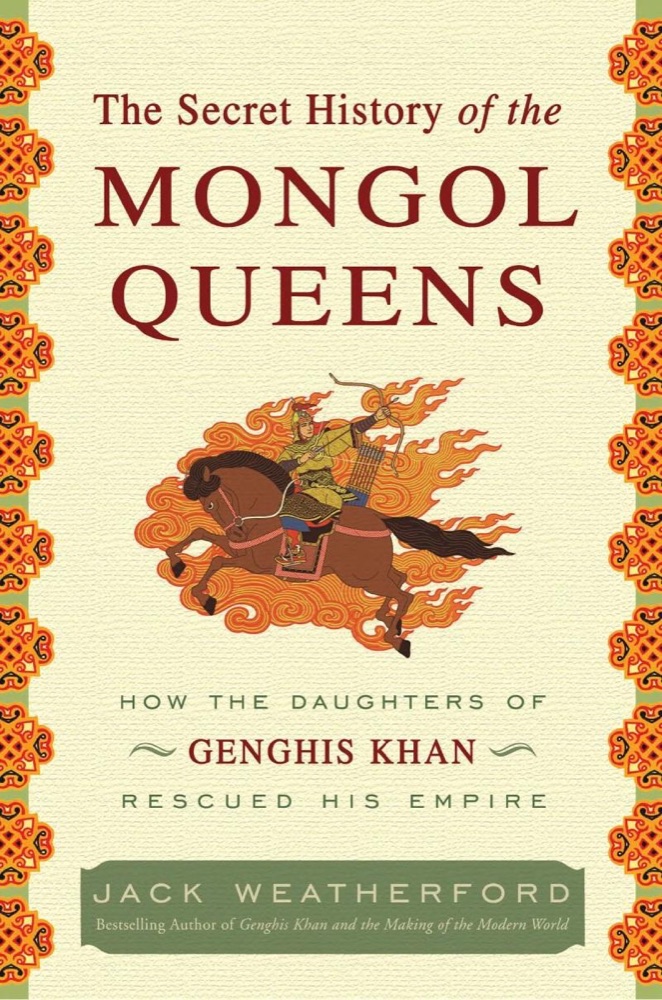
The Mongol queens of the thirteenth century ruled the largest empire the world has ever known. Yet sometime near the end of the century, censors cut a section from The Secret History of the Mongols, leaving a single tantalizing quote from Genghis “Let us reward our female offspring.” Only this hint of a father’s legacy for his daughters remained of a much larger story.
The queens of the Silk Route turned their father’s conquests into the world’s first truly international empire, fostering trade, education, and religion throughout their territories and creating an economic system that stretched from the Pacific to the Mediterranean. Outlandish stories of these powerful queens trickled out of the Empire, shocking the citizens of Europe and and the Islamic world.
After Genghis Khan’s death in 1227, conflicts erupted between his daughters and his daughters-in-law; what began as a war betw
Book details
- First published
- 2010
- Author
- Jack Weatherford
- Genre
- History
- Goodreads rating
- 3.93 (5k ratings)
Keep reading
Genghis Khan and the Making of the Modern World
 A History of the World in 100 Objects
 Khan: Empire of Silver
 The Wall of Storms
 Speaking Bones
 The Monster Baru Cormorant
 The Immortals of Meluha
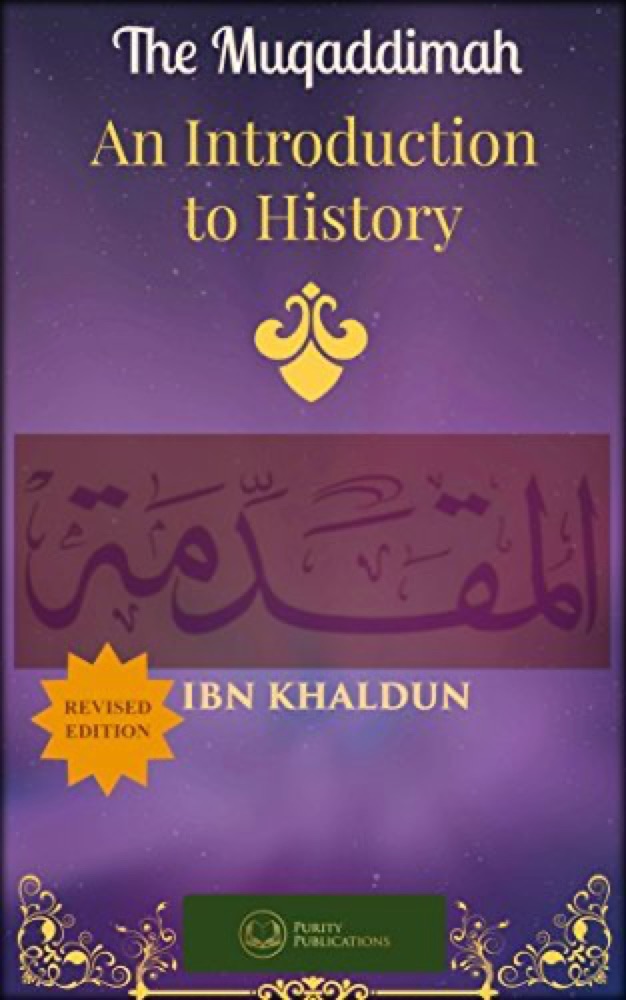 The Muqaddimah: An Introduction to History
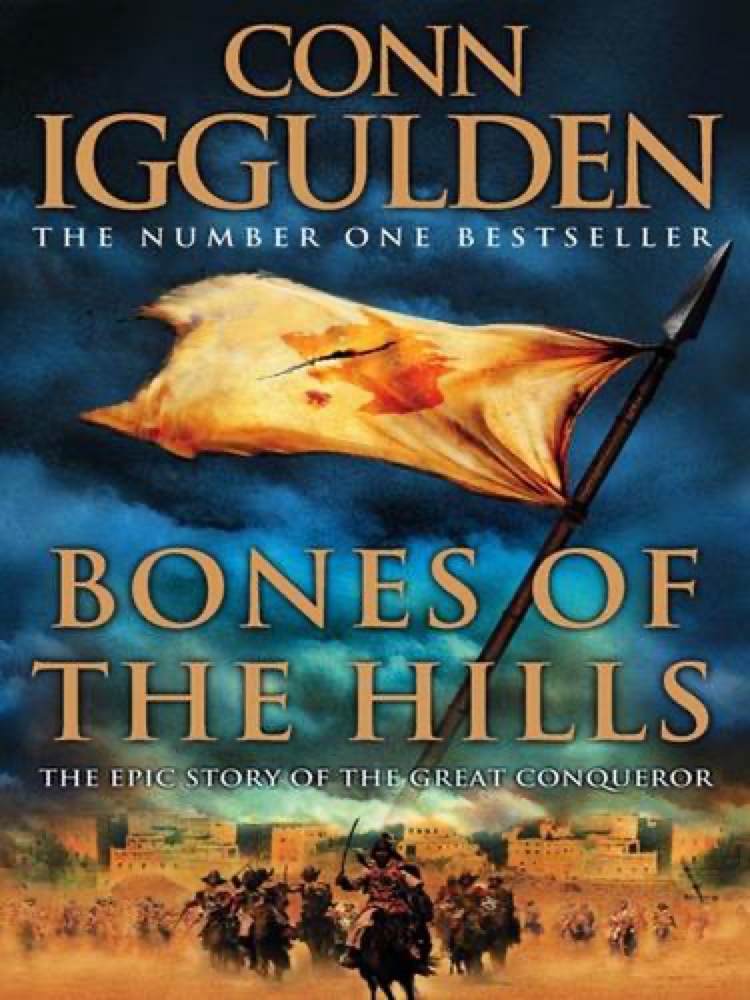 Bones of the Hills
 The Histories
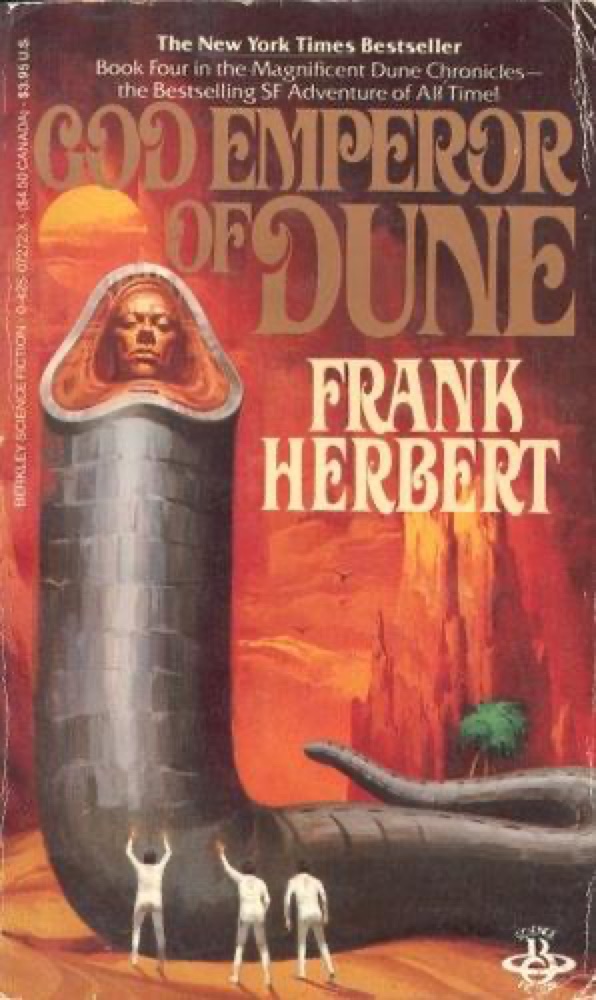 God Emperor of Dune
 Persian Letters
 Scion of Ikshvaku
 Midnight Tides
 Victory City
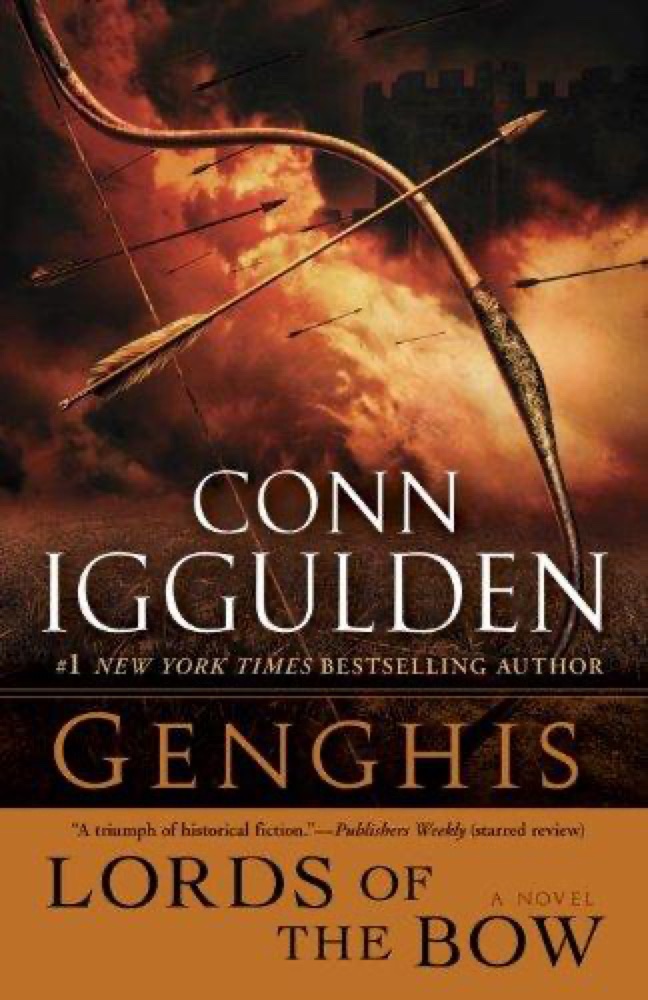 Genghis: Lords of the Bow
 Princess Sultana's Daughters
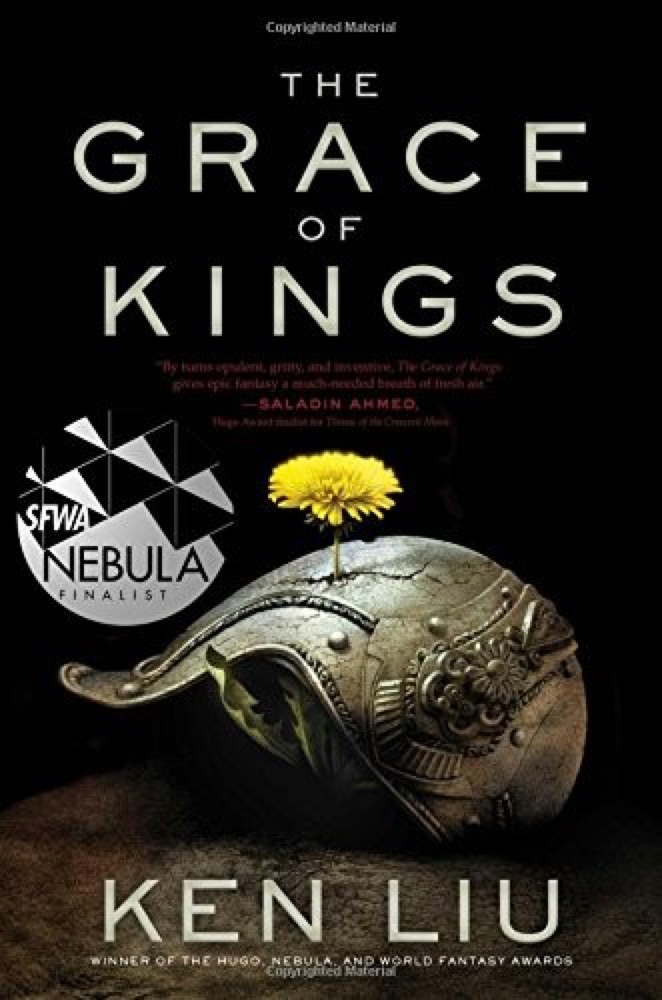 The Grace of Kings
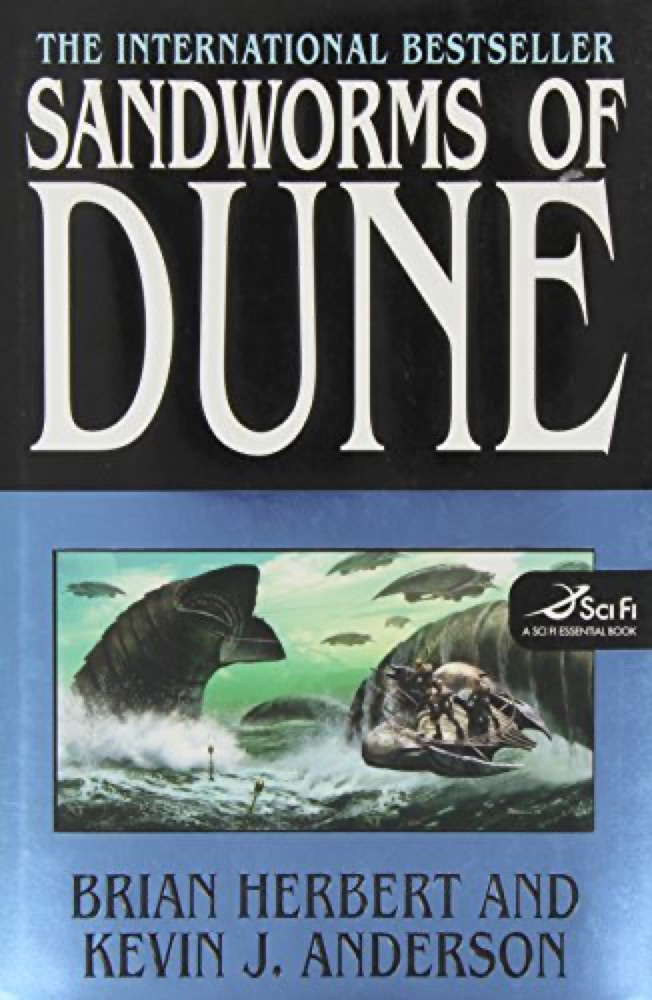 Sandworms of Dune
 House Atreides
 The White Luck Warrior
 The Years of Rice and Salt
 Children of Dune
 The First Confessor
 House Corrino
 The Enchantress of Florence
 The Emperor's Soul
 River of Smoke
 Thrawn
 New Watch
 Wizard of the Crow
 Shōgun
 Parable of the Talents
 The Great Hunt
 The Will to Battle
 Seven Surrenders
 Too Like the Lightning
 Xenocide
 The Mirror & the Light
 Towers of Midnight
 Julian
 Toll the Hounds
 Dust of Dreams
 Last First Snow
 Cloud of Sparrows
 Beyond
 Three Kingdoms
 Under the Same Stars
 The Lives of Others
 A Little History of the World
 Road of the Patriarch
 A Song to Drown Rivers
 The Power
 The Once and Future King
 The Fall
 A Distant Mirror: The Calamitous 14th Century
 The Empire of Gold
 Lord of Chaos
 The Way of Kings
 Musashi