
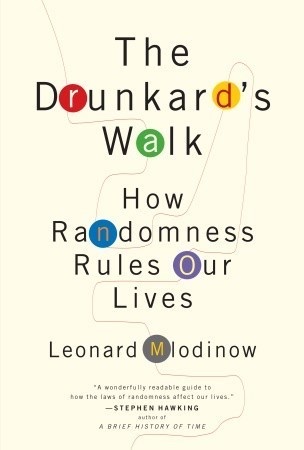
 The Drunkard's Walk: How Randomness Rules Our Lives
Quotes from the Book
If I have seen further it is by standing on the shoulders of giants.
A dwarf standing on the shoulders of a giant may see farther than a giant himself
Robert Frost wrote in 1914, “Why abandon a belief / Merely because it ceases to be true.
Paleolithic humans migrated often, and, like my teenagers, they followed the food.
most incomprehensible thing about the universe is that it is comprehensible.
I wouldn’t have to drop out of academia and take a more lucrative position waiting tables at the faculty club.
Well, I have been working on my own theory for twelve years,” and then he proceeded to describe it in excruciating detail. When he was finished, Feynman turned to me and said, in front of the man who had just proudly described his work, “That’s exactly what I mean about wasting your time.
Chemicals were easier to procure than friends, and when I wanted to play with them they never said they had to stay home to wash their hair or, less politely, that they didn’t associate with weirdos.
A dwarf on a giant’s shoulders sees farther of the two
A pygmy upon a gyants shoulder may see farther than the [giant] himself.
Our species had to engage in complex cooperative behavior in order to survive in the wild, and—as I keep reminding my teenage children—pointing and grunting get you only so far.
German authorities saw the need for a statute explicitly forbidding anyone associated with the university from drenching freshmen with urine,
Leipzig that the university had to pass a rule against throwing stones at professors.
a thousand years without a bath.
if a lecture was not interesting or proceeded too slowly or too quickly, they would jeer and become rowdy.
the invention of mummification. This was believed to be the key to a happy afterlife; certainly there were no disgruntled customers coming back to say otherwise.
paleontological evidence suggests that the early farmers had more spinal issues, worse teeth, and more anemia and vitamin deficiencies—and died younger—than the populations of human foragers who preceded them.
research on hunter-gatherer groups ranging from the nineteenth to the mid-twentieth centuries shows that the average nomad worked just two to four hours each day.
discovering that hunter-gatherers had constructed Göbekli Tepe was like finding that someone had built a 747 in a basement with an X-Acto knife.
Upon learning of the young man’s interest in a physics book, Lindemann, a number theorist, abruptly ended the interview, saying, “In that case you are completely lost to mathematics.
Stephen Hawking once told me that there was a sense in which he was glad to be paralyzed, because it allowed him to focus much more intensely on his work.
Michael Jordan once said, “I’ve missed more than nine thousand shots in my career. I’ve lost almost three hundred games. Twenty-six times, I’ve been trusted to take the game-winning shot and missed. I failed over and over and over again in my life. And that is why I succeed.
Newton was “not finally reducible to the criteria by which we comprehend our fellow human beings.
theory produces a good deal but hardly brings us closer to the secret of the Old One. I am at all events convinced that He does not play dice.
They required three thousand Jews, the man said, and the line had apparently held 3,004.
the destination was the local cemetery, where everyone was ordered to dig a mass grave and then was shot dead and buried in it.
My father had drawn number 3,004 in a death lottery in which German precision trumped Nazi brutality.
Pauli turned to the audience and argued, “Yes, my theory is crazy enough!” Then Bohr insisted, “No, your theory is not crazy enough!
Heisenberg, who was attempting to hold German physics together, resented Schrödinger’s departure, “since he was neither Jewish nor otherwise endangered.
Einstein, who was then a professor in Berlin, was by chance visiting Caltech in the United States the day Hitler was appointed.
Watch on YouTube
About Leonard Mlodinow
We have collected 59 quotes from 2 books by Leonard Mlodinow on BookQuoters.
More about the author →More by Leonard Mlodinow
The Drunkard's Walk: How Randomness Rules Our Lives
Book details
- Author
- Leonard Mlodinow
- Genre
- History
- Goodreads rating
- 4.13 (2k ratings) →
Keep reading
 Rendezvous with Rama
 Quicksilver
 Pyramids
 Seveneves
 Small Gods
 Interesting Times
 2010: Odyssey Two
 The Making of the Atomic Bomb
 Earth Abides
 Second Foundation
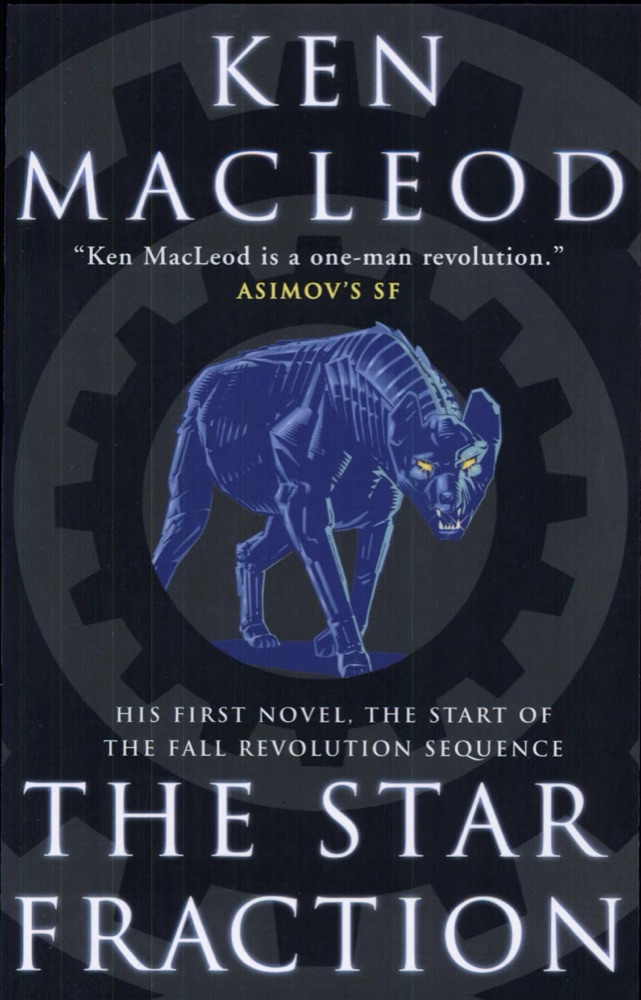 The Star Fraction
 Consider Phlebas
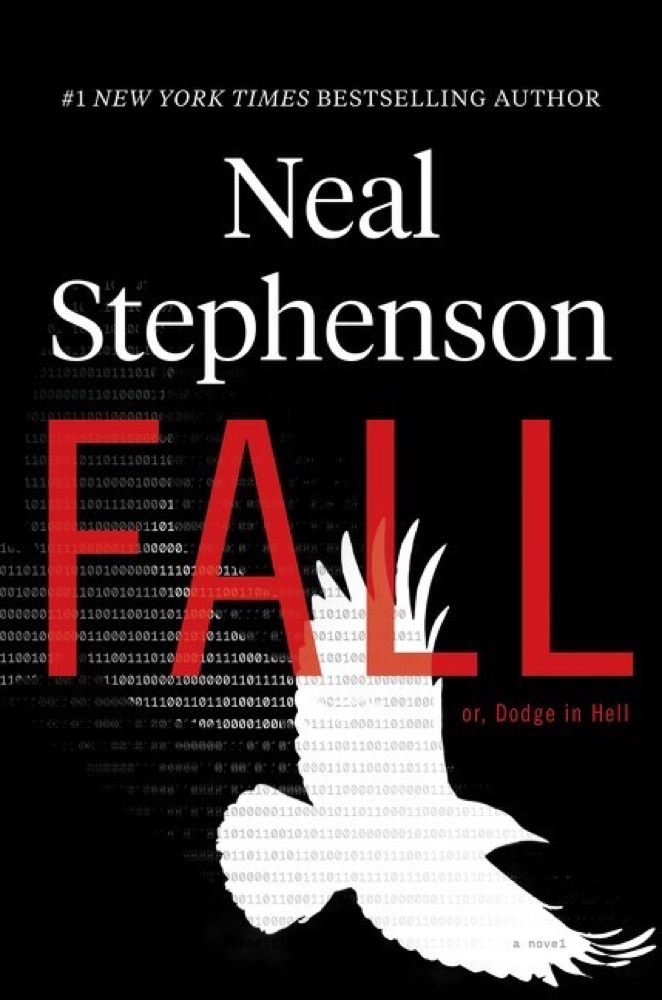 Fall; or, Dodge in Hell
 Authority
 Influx
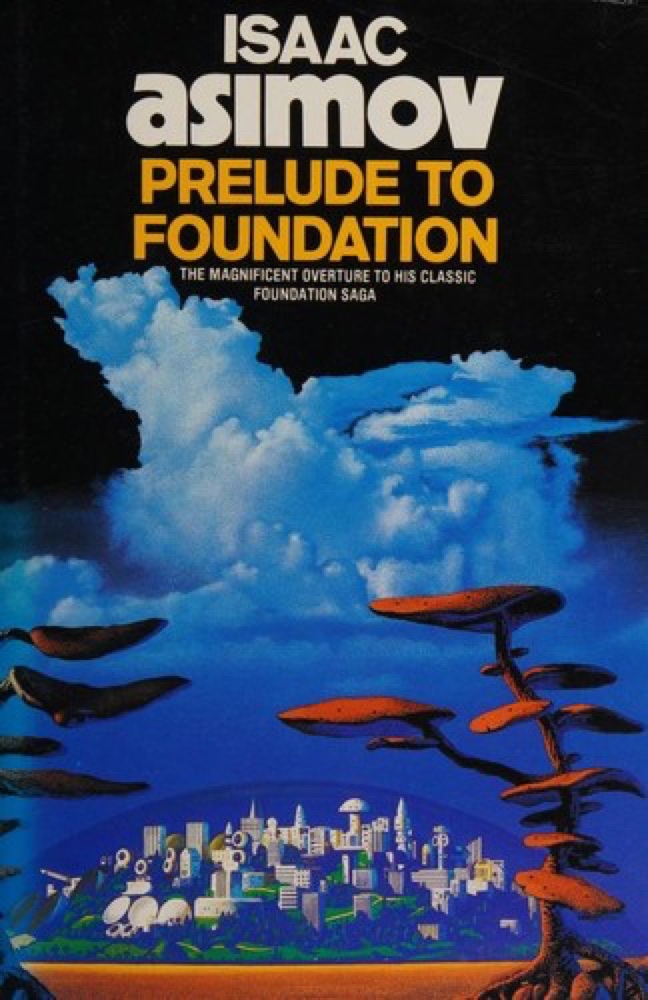 Prelude to Foundation
 Revelation Space
 Foundation and Empire
 2061: Odyssey Three
 That Hideous Strength
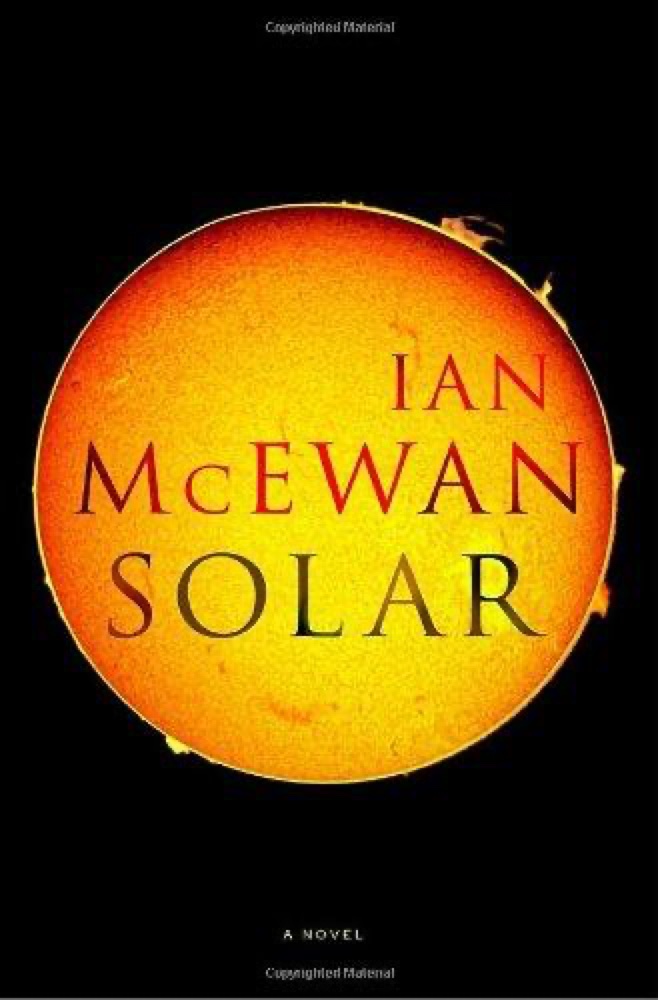 Solar
Solar
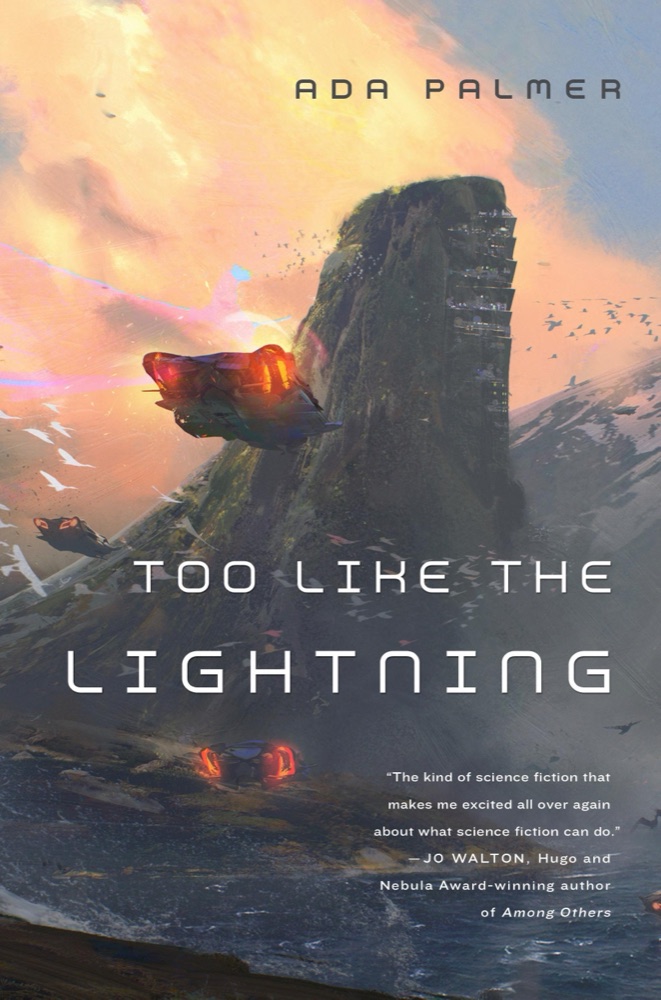 Too Like the Lightning
 Ragtime
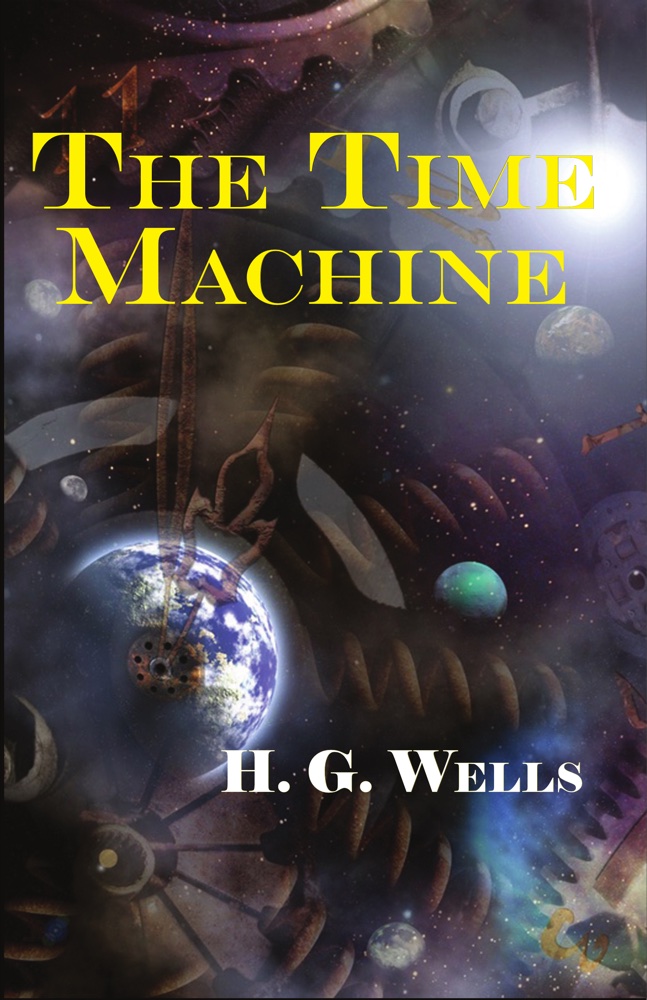 The Time Machine
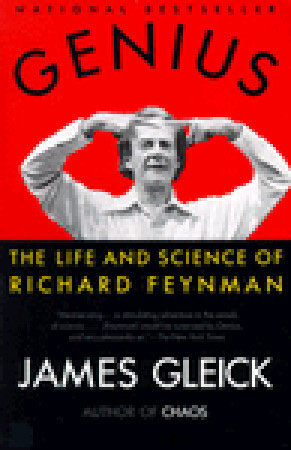 Genius: The Life and Science of Richard Feynman
 Methuselah's Children
 What the Dog Saw and Other Adventures
 Flight Behavior
 I Am Pilgrim
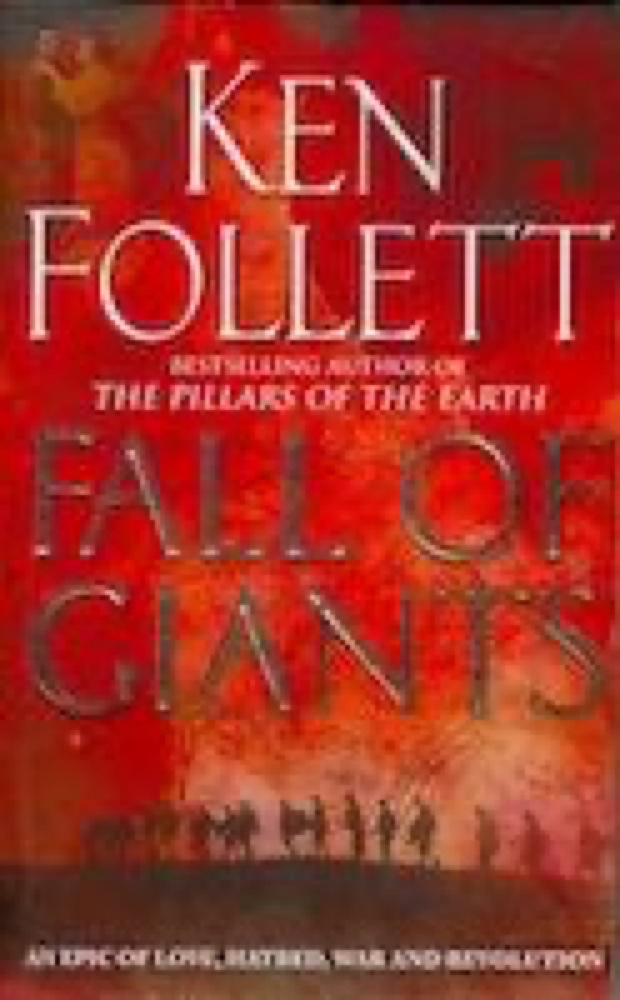 Fall of Giants
 Pandora's Star
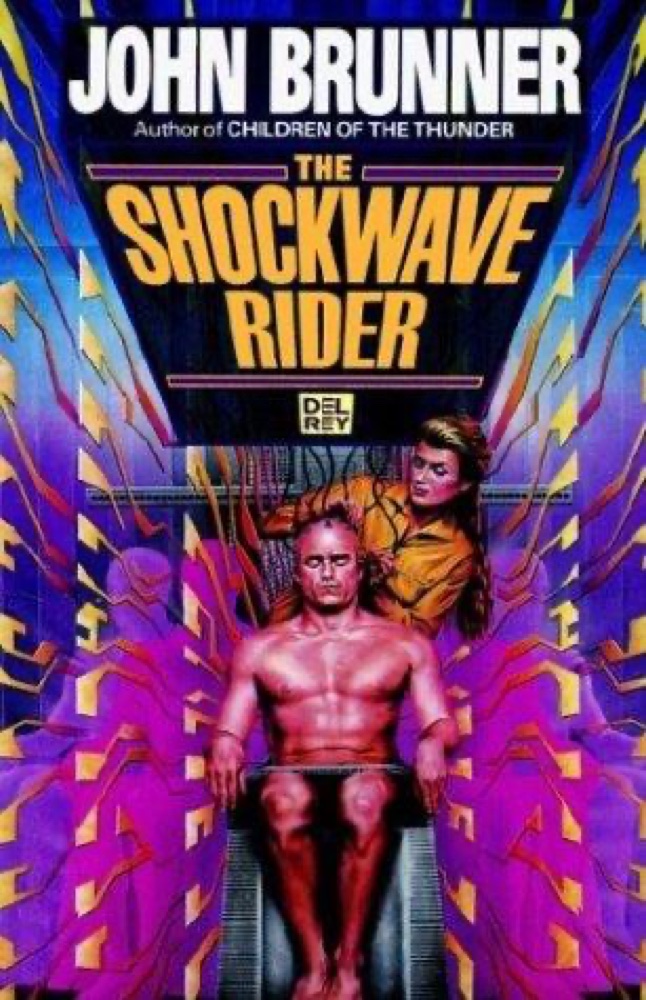 The Shockwave Rider
 Hawaii
 The Son
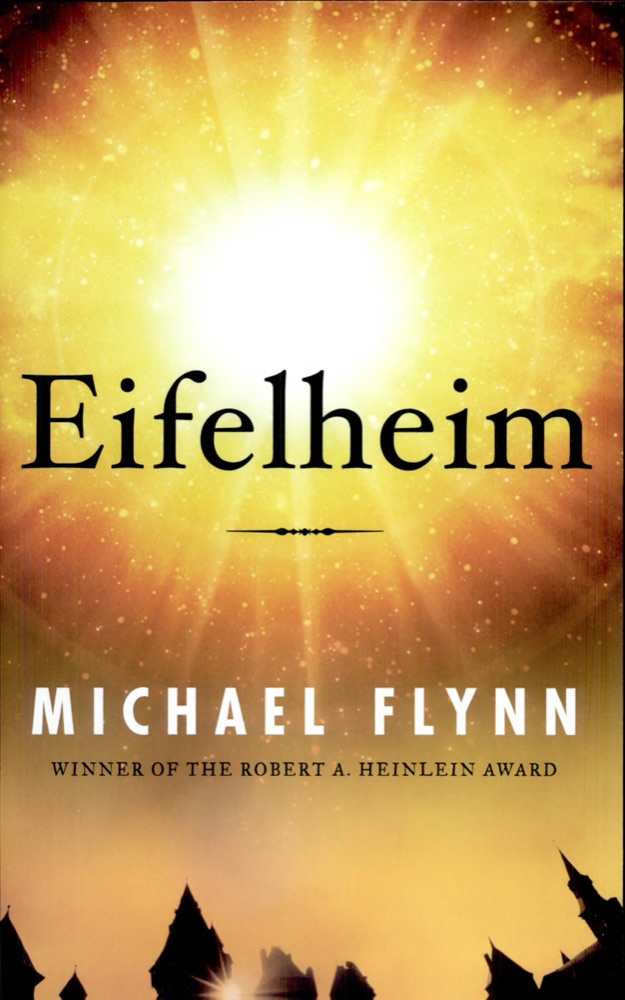 Eifelheim
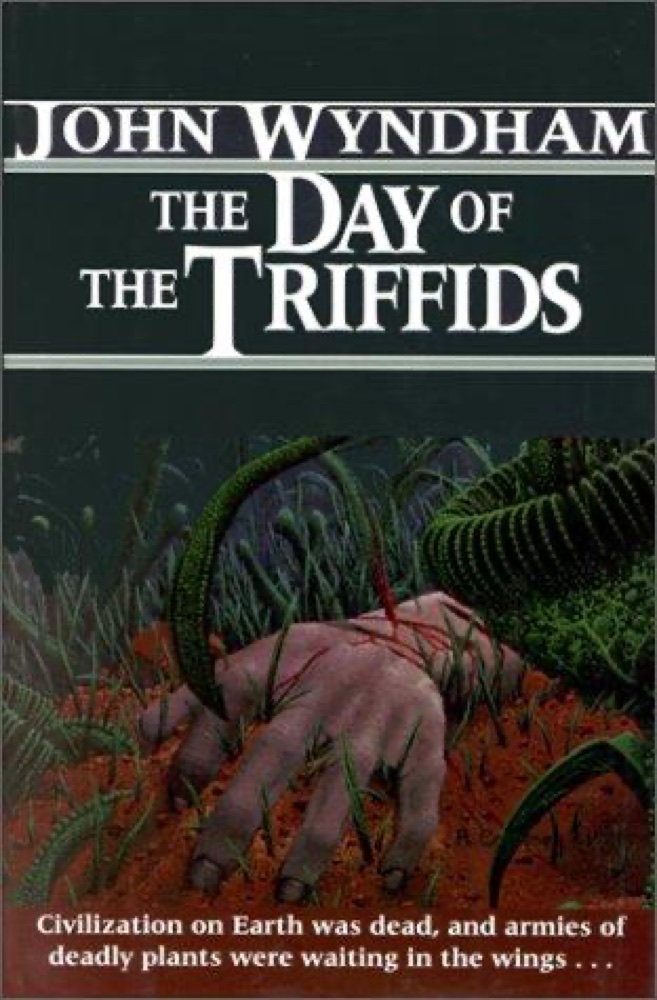 The Day of the Triffids
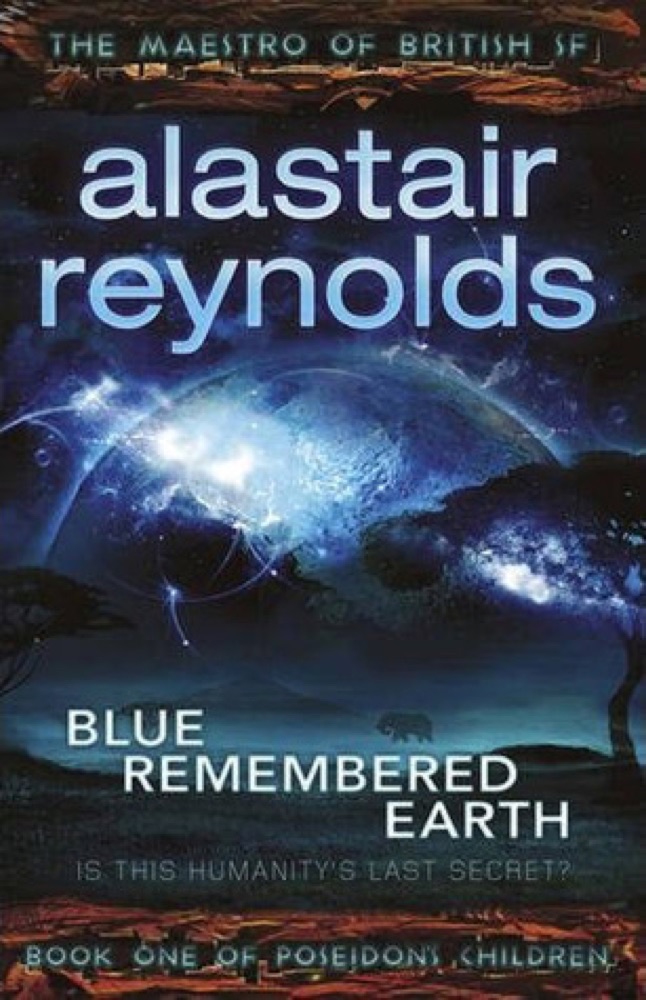 Blue Remembered Earth
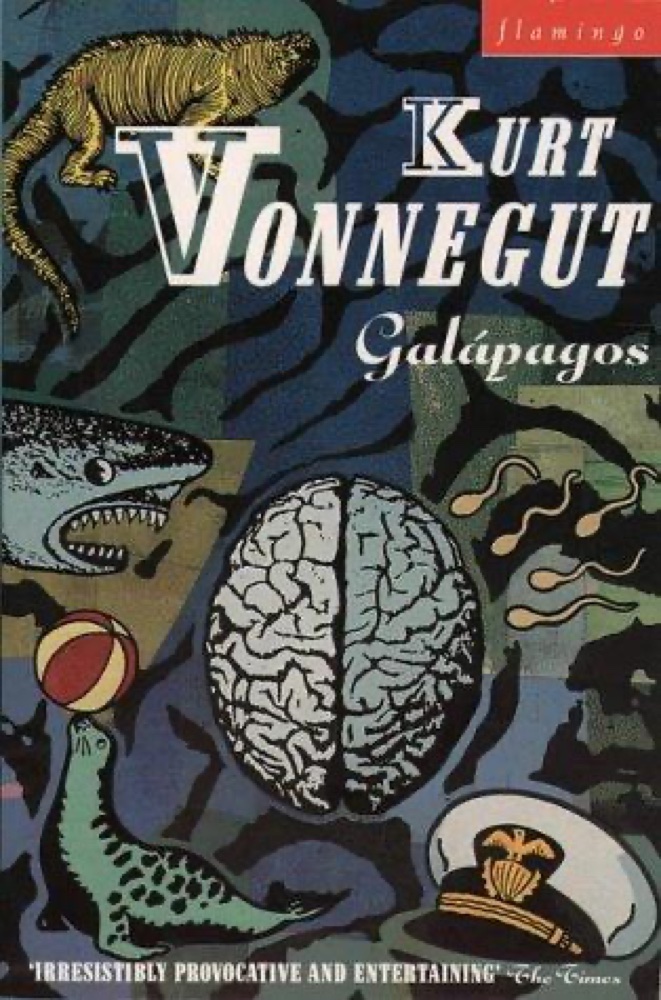 Galápagos
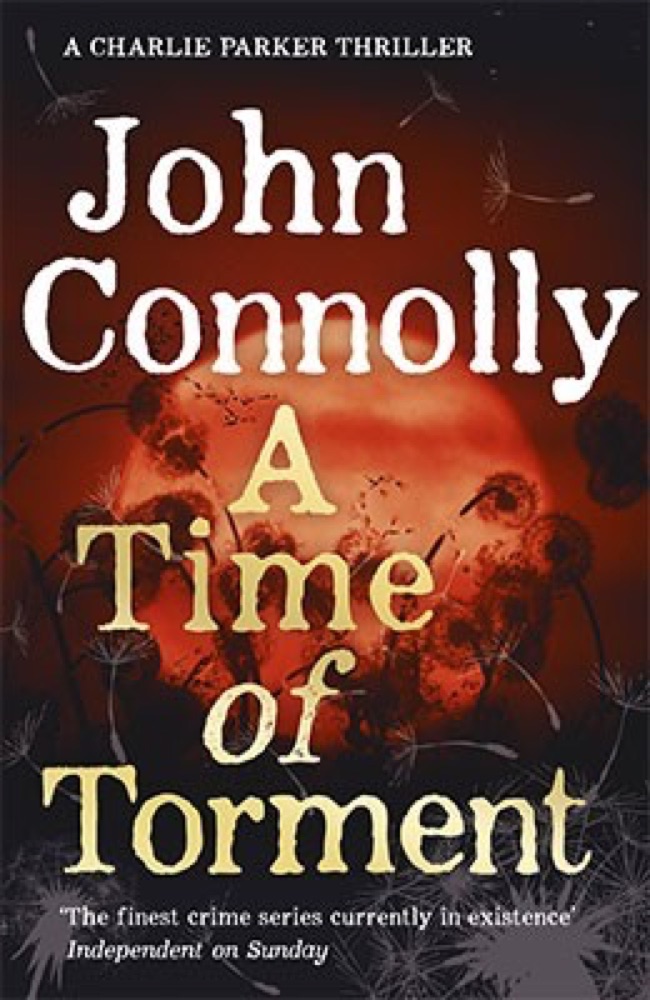 A Time of Torment
 Table for Two
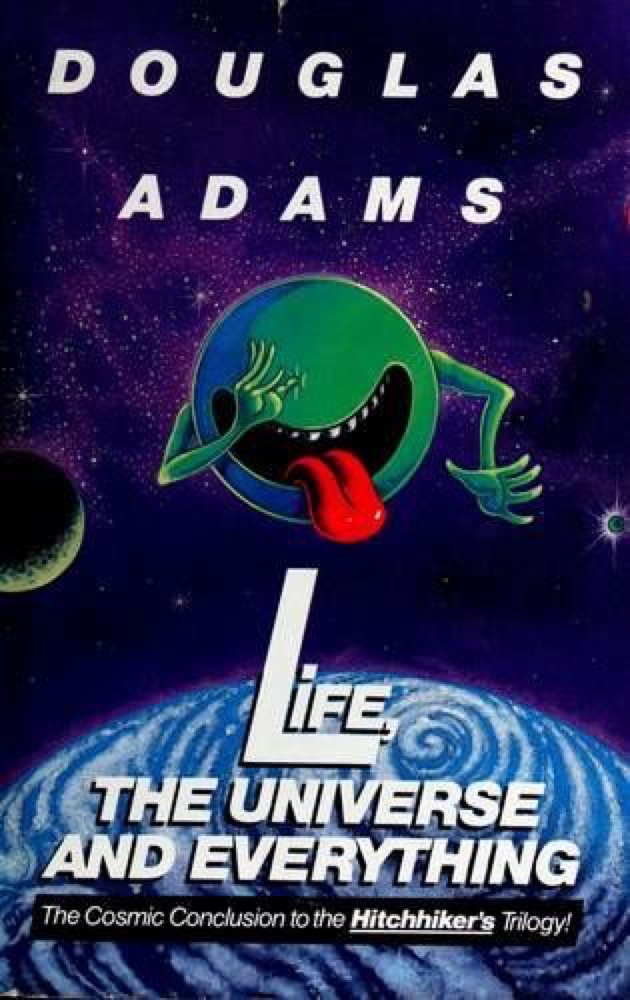 Life, the Universe and Everything
 The Woman Who Died a Lot
 Speaking from Among the Bones
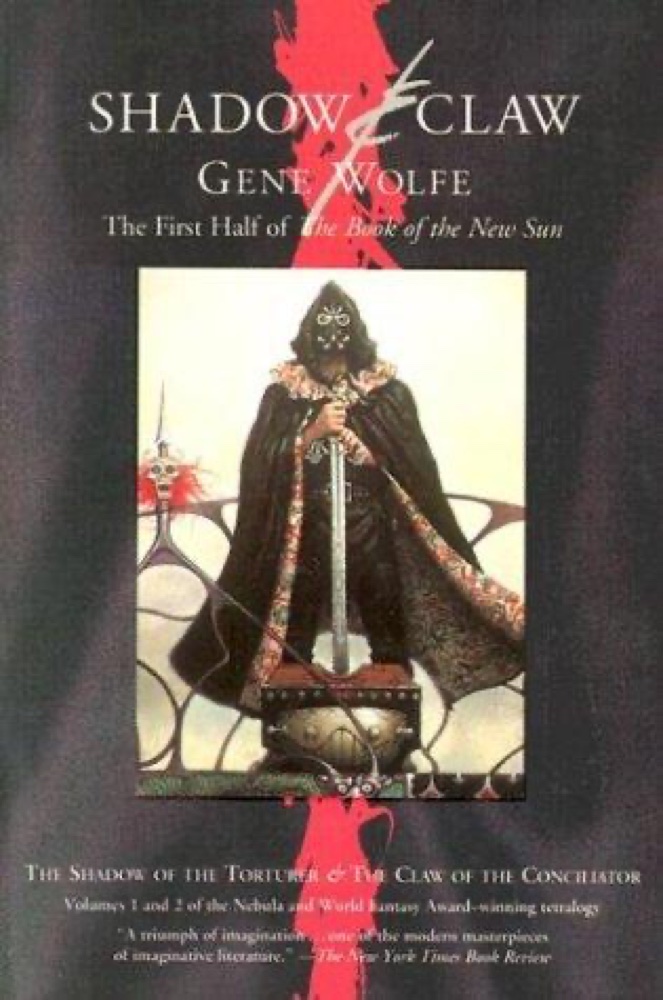 Shadow & Claw
 Red Mars
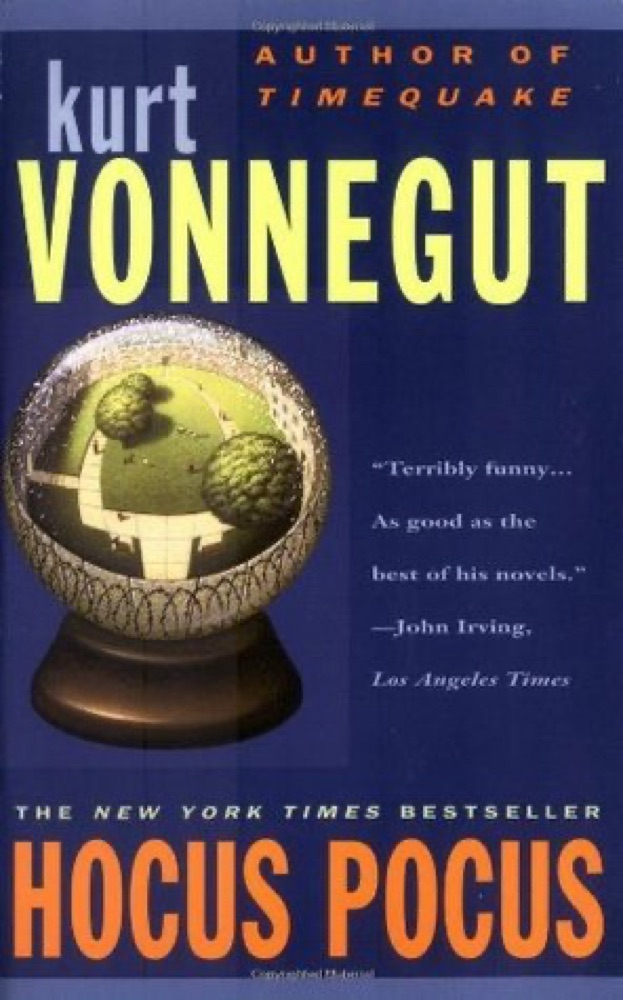 Hocus Pocus
 An Appetite for Wonder: The Making of a Scientist
 The Three-Body Problem
 The Long Dark Tea-Time of the Soul
 Death's End
 Journey to the Center of the Earth
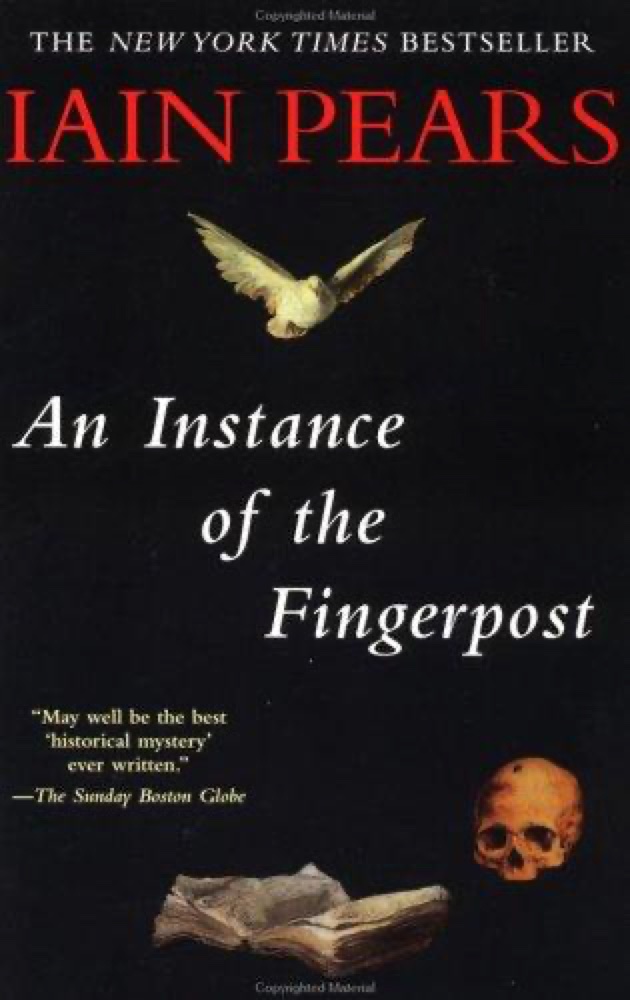 An Instance of the Fingerpost
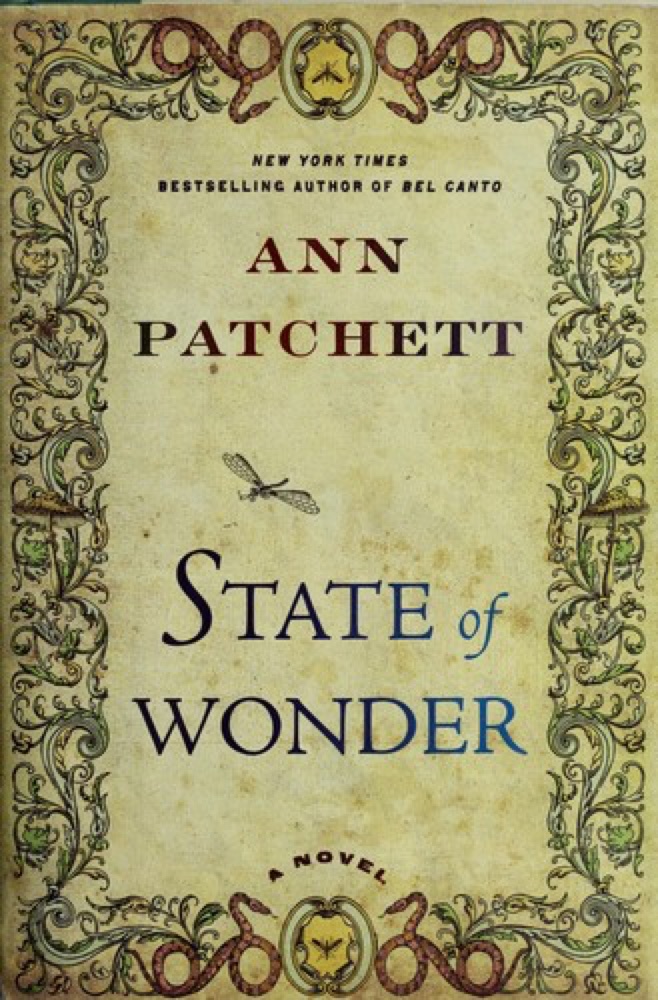 State of Wonder
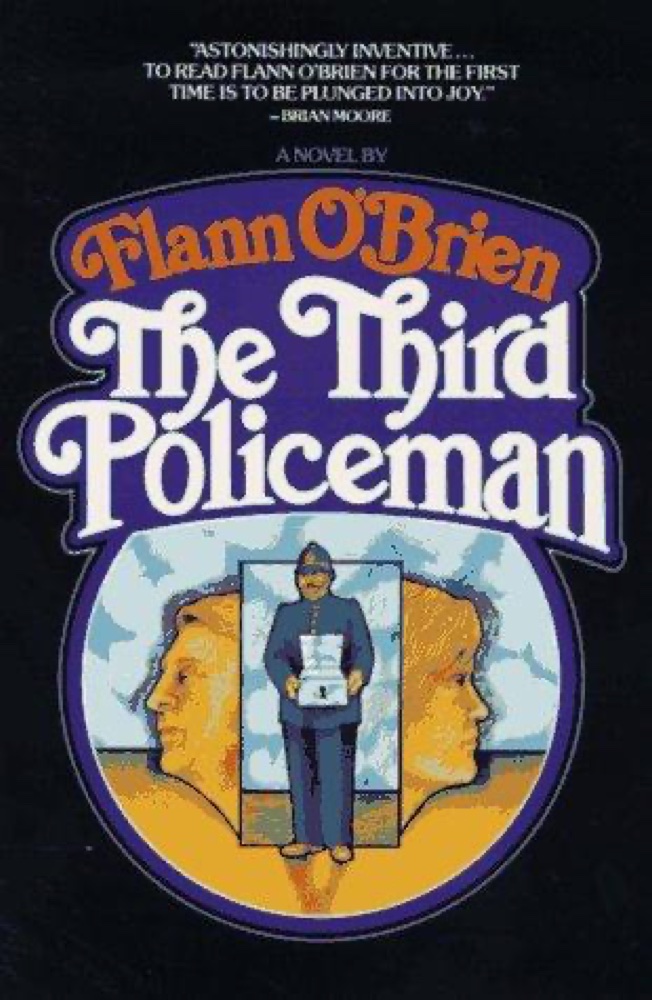 The Third Policeman
 Hard Times
 Kon-Tiki
 The Ascent of Man
 Interesting Times: The Play
 The Aeronaut's Windlass
 Breakfast of Champions