
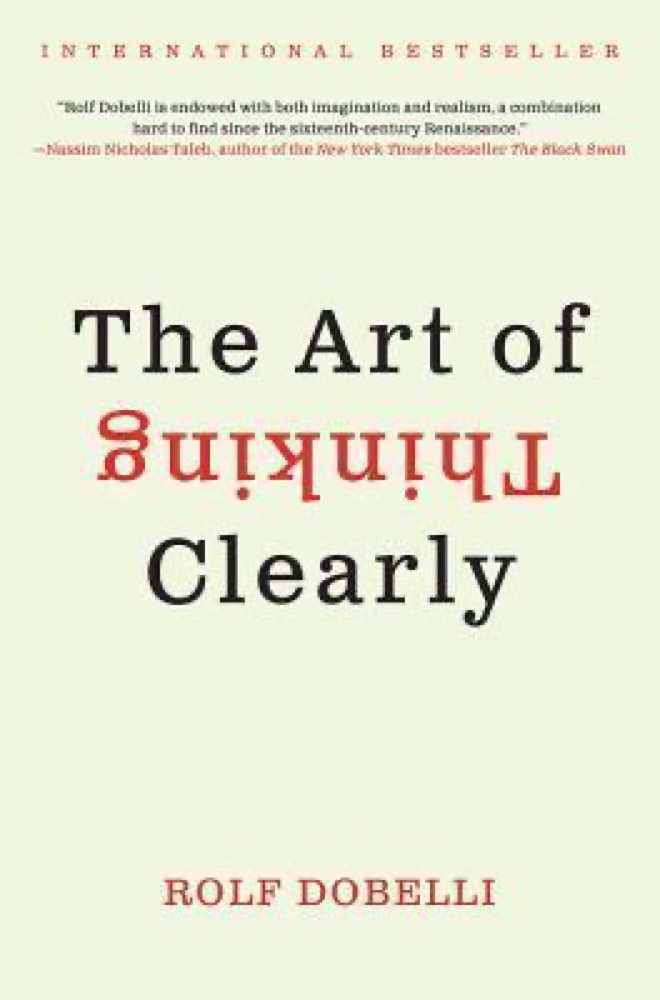
 The Art of Thinking Clearly
Quotes from the Book
News is to the mind what sugar is to the body: appetising, easily digestible and extremely damaging.
4
your brain is already full. the more you cram it with junk, the less room there is for the information you genuinely need to know.
3
In the past few decades we’ve learned to recognise the many hazards of poor nutrition: insulin resistance, obesity, susceptibility to inflammation and fatigue. All of these factors can contribute to an early death. We’ve altered our diets and learned to resist the siren call of sugar and other simple carbohydrates. We’ve now reached a similar point with the news; we think about it today much as we thought about sugar and fast food twenty years ago. News is to the mind what sugar is to the body: appetising, easily digestible and extremely damaging. The media is feeding us titbits that taste palatable but do nothing to satisfy our hunger for knowledge. Unlike books and well-researched long-form articles, the news cannot satiate us. We can gobble down as many articles as we like, but we will never be doing more than gorging on sweets. As with sugar, alcohol, fast food and smoking, the side effects only become apparent later.
2
Today we know that in fact our brains are constantly being reshaped, with nerve cells routinely breaking off old connections and creating new ones. To be more precise, the sensitivity of the receptors in the synapses changes. If we allow ourselves to be overwhelmed by a new cultural phenomenon such as the torrent of news, it reshapes our mental apparatus. It literally brainwashes us. This adaptation takes place on the level of biology. News rewires us. As a consequence, our brain works differently even when we’re not actively reading the news. Differently, and – you’ve guessed it – not for the better.
2
Those who set the agenda wield power over the discussion. If you let news journalists decide what you should think about, you’re giving them far too much power over your life.
2
By consuming the news, you’re putting your body under stress. Chronic stress leads to anxiety and digestive and growth problems and leaves us prone to infection. Other potential side effects of news consumption include panic attacks, aggression, tunnel vision and emotional desensitisation. In short, consuming the news puts your psychological and physical health at risk. According to a study by the American Psychological Association, half of all adults suffer from the symptoms of stress caused by news consumption.
2
So before I read a book or a long article, I take a few minutes and force myself to come up with my own ideas about the issue under discussion.
1
Avoid ideologies and dogmas at any price. Ideologies narrow your world view and lead you to make terrible decisions. News, in reinforcing confirmation bias, becomes ideology’s accomplice. We can see exactly this happening in political discourse: if you unleash a whirlwind of news on the population, it polarises the public.
1
These days – with very few exceptions – you’ll only find professional success in a niche. The greater your knowledge and the greater your ability within that niche, the greater your success. If you’re the best in the world within your niche, you’ve made it.
1
News is aimed straight at our mental health. We need to get out of the way.
1
What does relevance mean in concrete terms? There are two definitions. In the narrower, hard sense something is relevant when it enables you to make better decisions. In the wider sense, anything that allows you to understand the world better is relevant.
For the most part, you’ll find out about truly relevant events by reading good books. After all, non-fiction books are basically just ultra-long, elaborately planned and researched articles.
My point is that neither journalists nor consumers have much sense of what’s relevant. The relationship between relevance and media attention seems inverse: the greater the fanfare in the news, the smaller the relevance of the event.
Watch on YouTube
About Rolf Dobelli
We have collected 61 quotes from 3 books by Rolf Dobelli on BookQuoters.
More about the author →More by Rolf Dobelli
The Art of Thinking Clearly
About the book
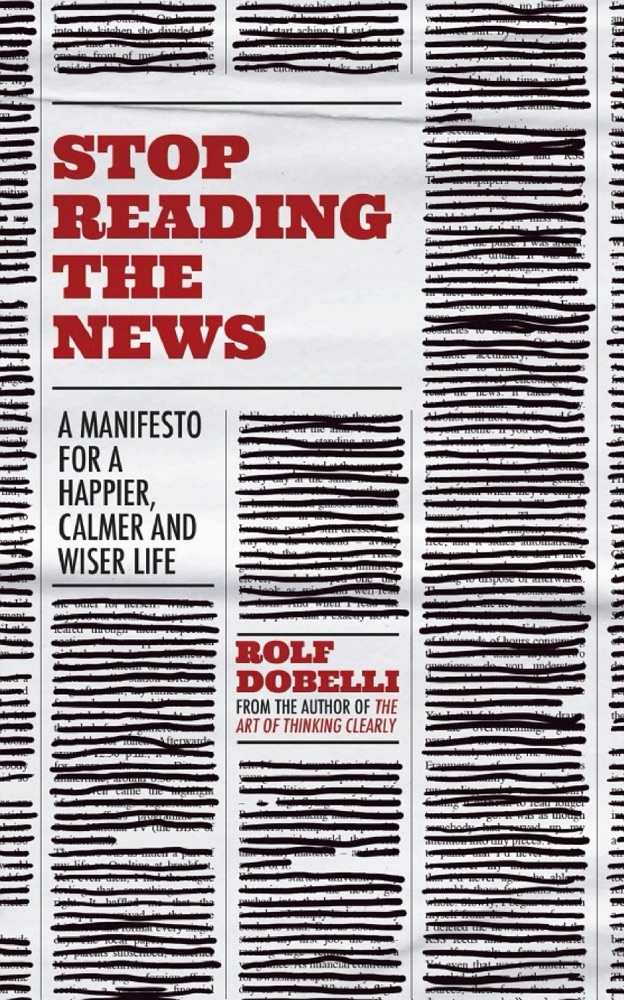
STOP READING THE NEWS is a vital toolkit for managing the upsetting coronavirus news cycle and finding equilibrium and calm at a time of chaos and uncertainty
In 2013 Rolf Dobelli stood in front of a roomful of journalists and proclaimed that he did not read the news. It caused a riot. Now the author of the bestselling The Art of Thinking Clearly finally sets down his philosophy in detail. And he practises what he he hasn't read the news for a decade.
Stop Reading the News is Dobelli's manifesto about the dangers of the most toxic form of information - news. He shows the damage it does to our concentration and well-being, and how a misplaced sense of duty can misdirect our behaviour. Most importantly, he offers the reader the guidance on how to live without news, and the many potential gains to be less disruption, more time, less anxiety, more insights.
In a world of increasing disrup
Book details
- First published
- 2019
- Author
- Rolf Dobelli
- Genre
- Nonfiction
- Goodreads rating
- 3.71 (4k ratings)
Keep reading
 Trust Me, I'm Lying: Confessions of a Media Manipulator
 You Are Not So Smart
 Stolen Focus: Why You Can't Pay Attention— and How to Think Deeply Again
 Amusing Ourselves to Death: Public Discourse in the Age of Show Business
 What's Our Problem?: A Self-Help Book for Societies
 You Are Now Less Dumb: How to Conquer Mob Mentality, How to Buy Happiness, and All the Other Ways to Outsmart Yourself
The Art of Thinking Clearly
You Are Now Less Dumb: How to Conquer Mob Mentality, How to Buy Happiness, and All the Other Ways to Outsmart Yourself
The Art of Thinking Clearly
 The Influencing Machine: Brooke Gladstone on the Media
 The Age of Magical Overthinking: Notes on Modern Irrationality
 The Black Swan: The Impact of the Highly Improbable
 Homo Deus: A History of Tomorrow
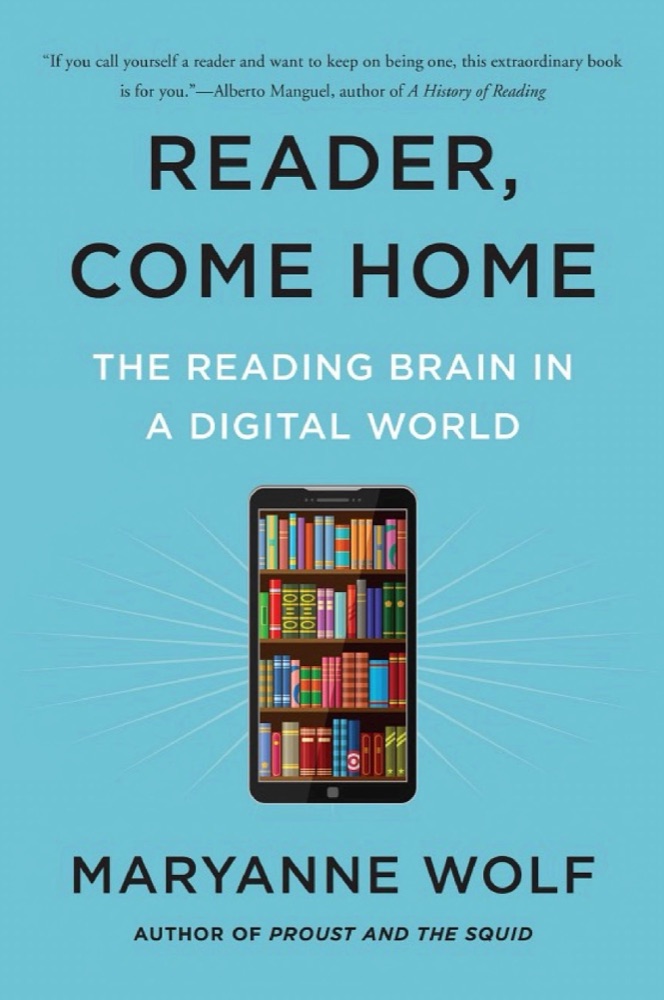 Reader, Come Home: The Reading Brain in a Digital World
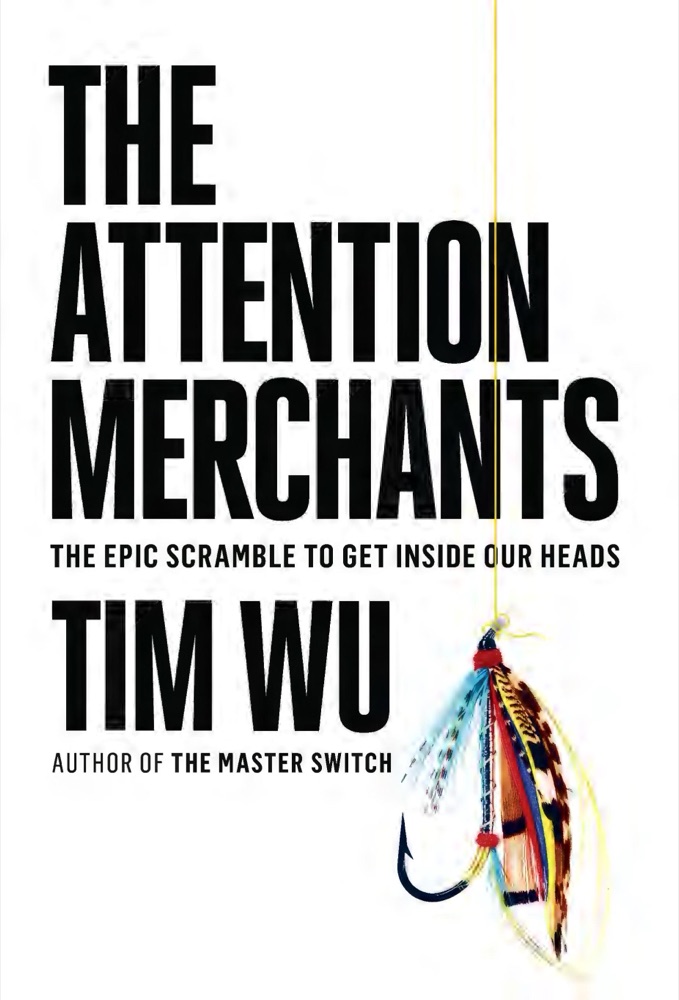 The Attention Merchants: The Epic Scramble to Get Inside Our Heads
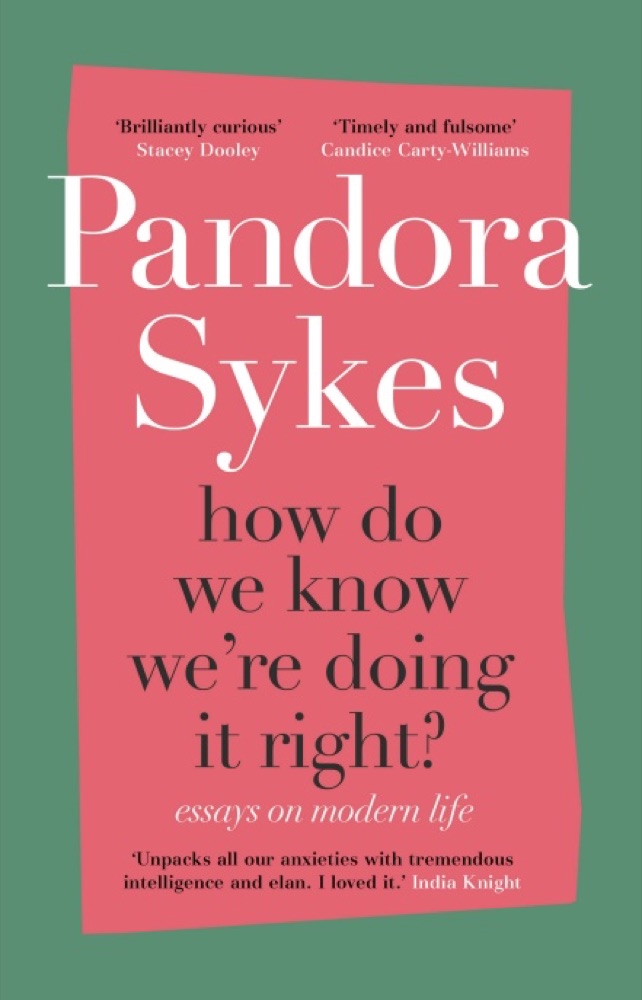 How Do We Know We're Doing It Right: & Other Essays on Modern Life
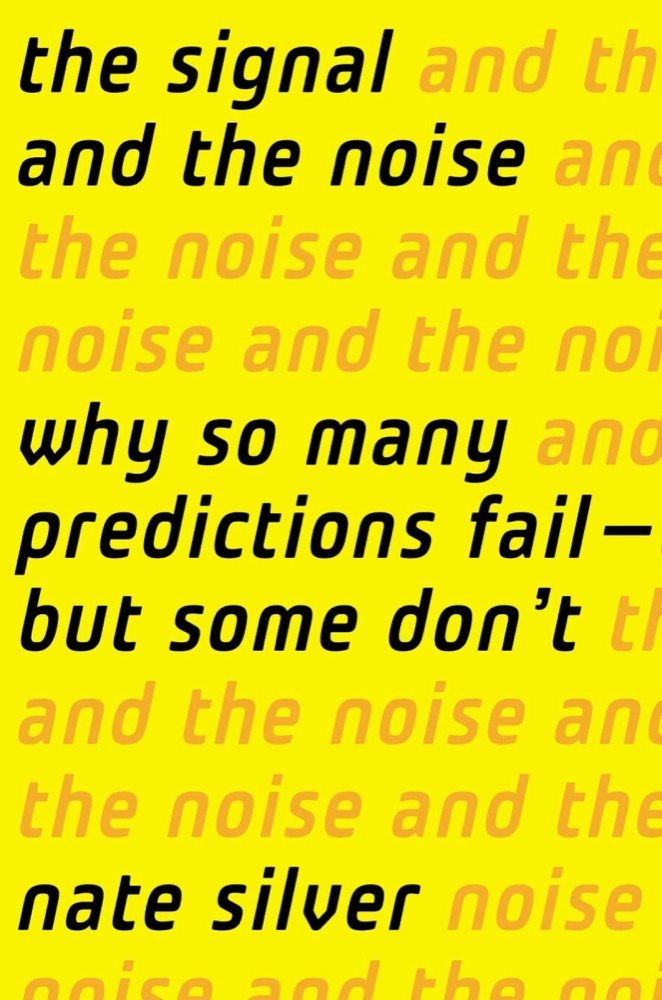 The Signal and the Noise: Why So Many Predictions Fail—But Some Don't
 Bad Science
 Scarcity Brain: Fix Your Craving Mindset and Rewire Your Habits to Thrive with Enough
 The Organized Mind: Thinking Straight in the Age of Information Overload
 21 Lessons for the 21st Century
 Humankind: A Hopeful History
 The Death of Expertise: The Campaign Against Established Knowledge and Why It Matters
 Antifragile: Things That Gain from Disorder
 Eating the Dinosaur
 Made to Stick: Why Some Ideas Survive and Others Die
 How to Take Smart Notes
 But What If We're Wrong? Thinking About the Present As If It Were the Past
 The Elephant in the Brain: Hidden Motives in Everyday Life
 Same as Ever: A Guide to What Never Changes
 Think Like a Freak
 The Braindead Megaphone
 How We Decide
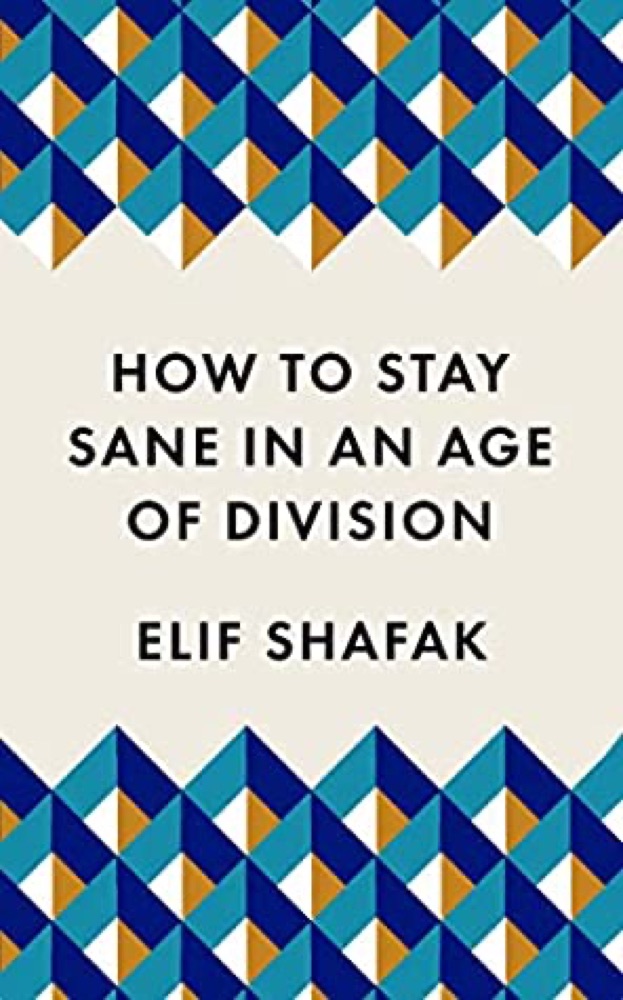 How to Stay Sane in an Age of Division
 The Tipping Point: How Little Things Can Make a Big Difference
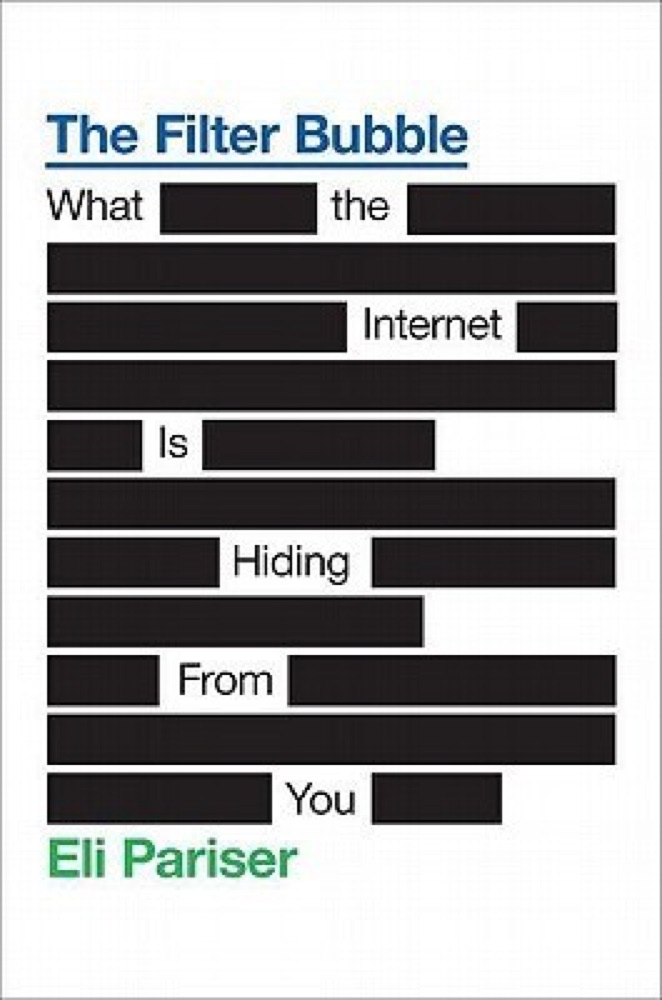 The Filter Bubble: What the Internet is Hiding From You
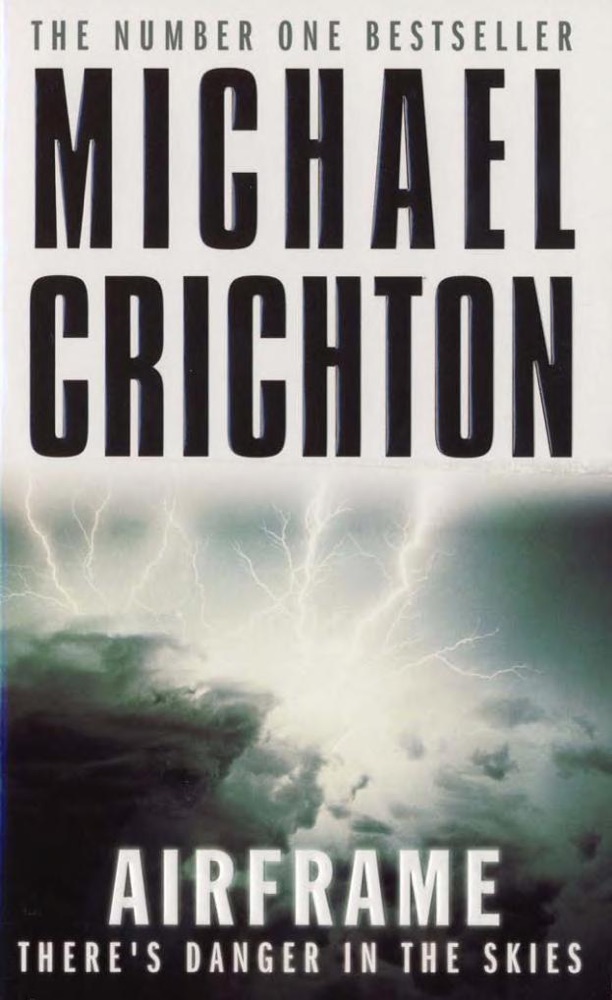 Airframe
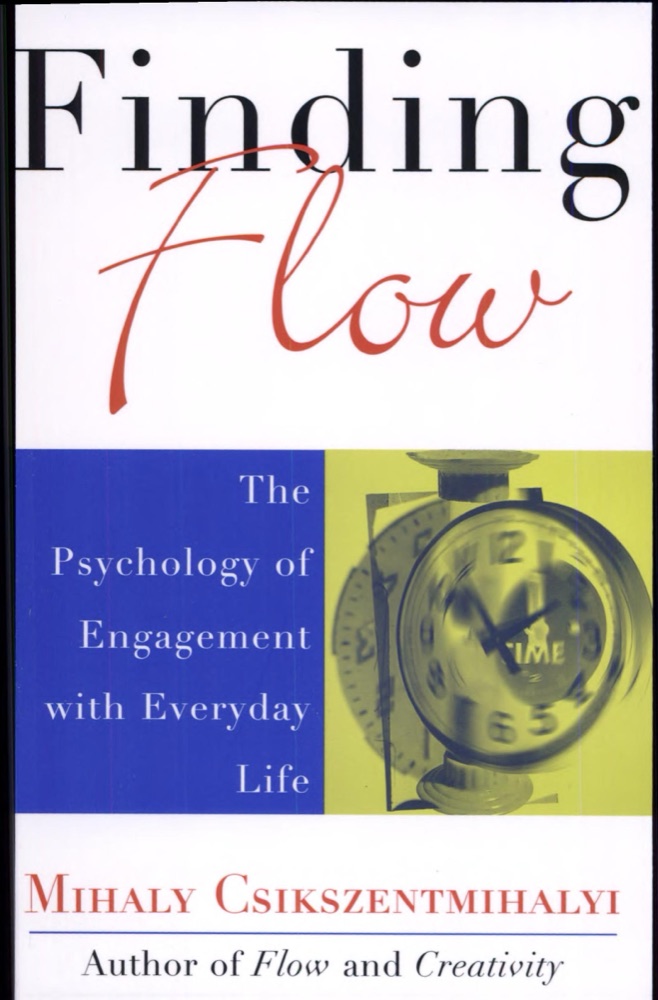 Finding Flow: The Psychology of Engagement with Everyday Life
 Notes on a Nervous Planet
 How to Read a Book: The Classic Guide to Intelligent Reading
 Superforecasting: The Art and Science of Prediction
 Thinking, Fast and Slow
 Parasitic Mind: How Infectious Ideas Are Killing Common Sense
 Brave New World Revisited
 Psych: The Story of the Human Mind
 Drive Your Plow Over the Bones of the Dead
 Dæmon Voices
 Natural Causes: An Epidemic of Wellness, the Certainty of Dying, and Killing Ourselves to Live Longer
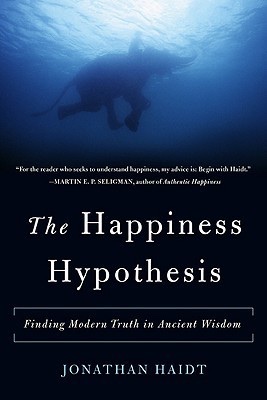 The Happiness Hypothesis: Finding Modern Truth in Ancient Wisdom
 Behold a Pale Horse
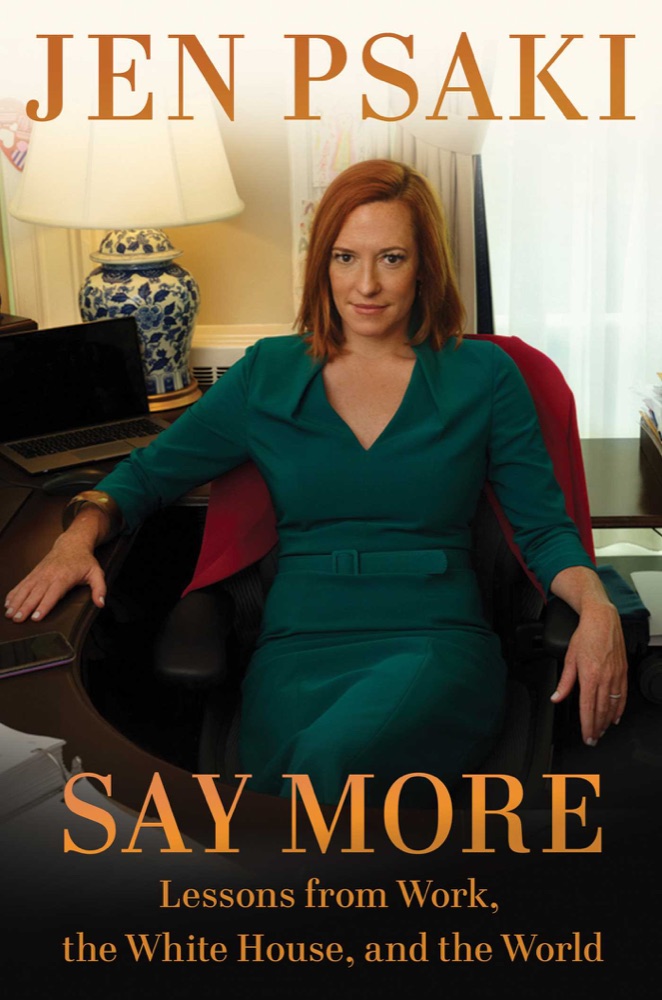 Say More: Lessons from Work, the White House, and the World
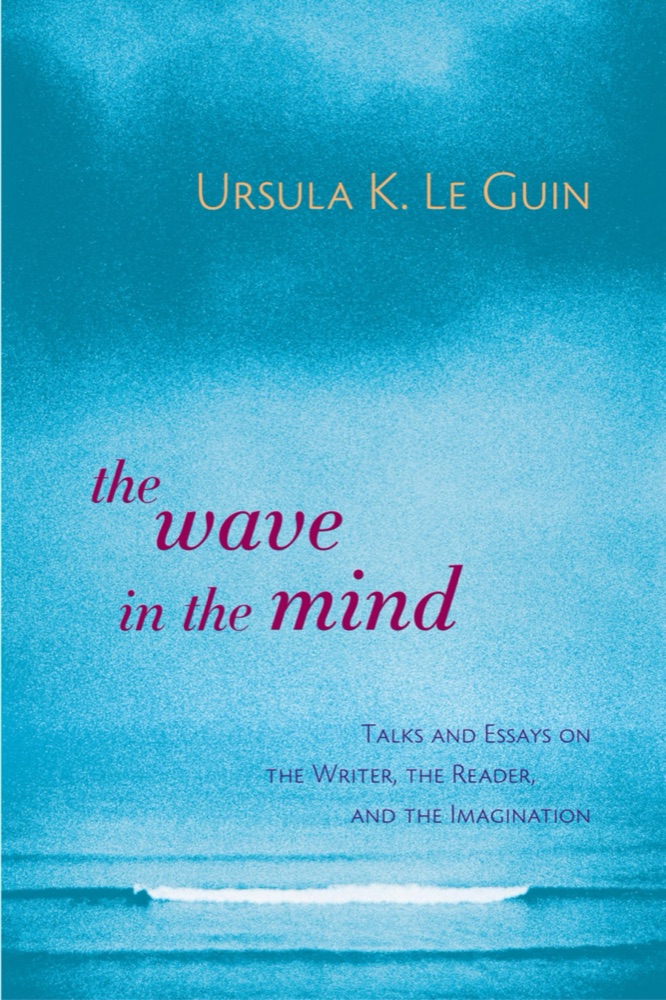 The Wave in the Mind: Talks and Essays on the Writer, the Reader and the Imagination
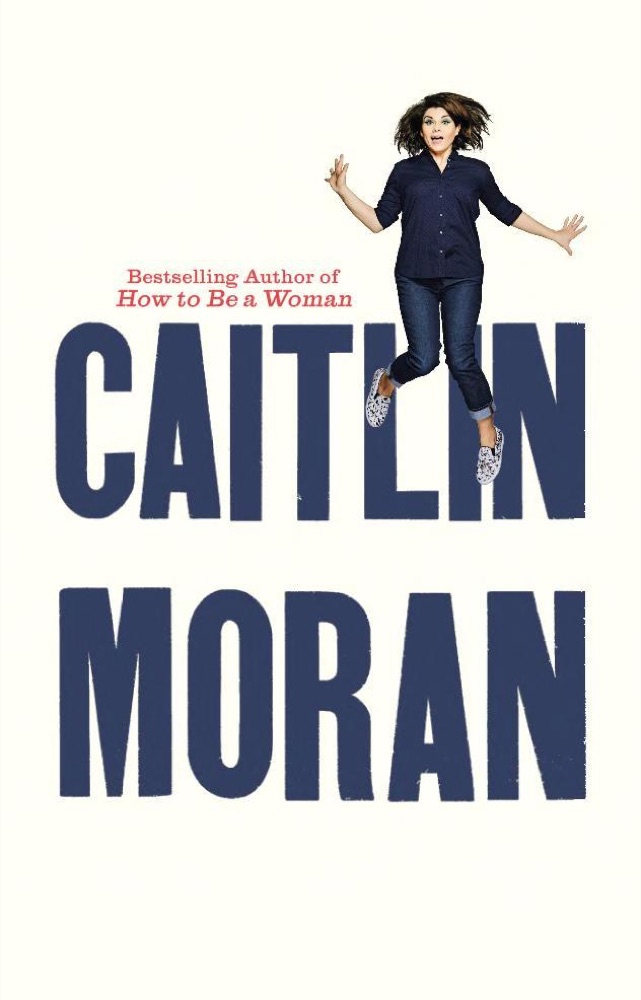 Moranifesto
 Black Box Thinking: Why Some People Never Learn from Their Mistakes - But Some Do
 Letters from an Astrophysicist
 The Bullet Journal Method: Track Your Past, Order Your Present, Plan Your Future
 Rationality: From AI to Zombies
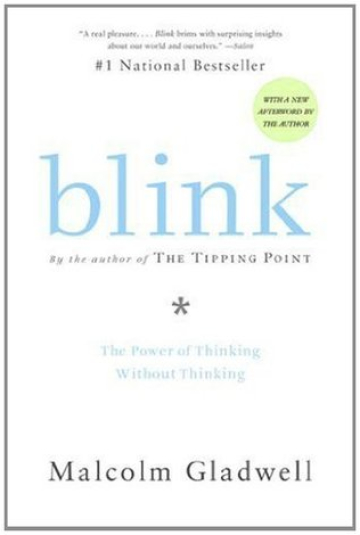 Blink: The Power of Thinking Without Thinking
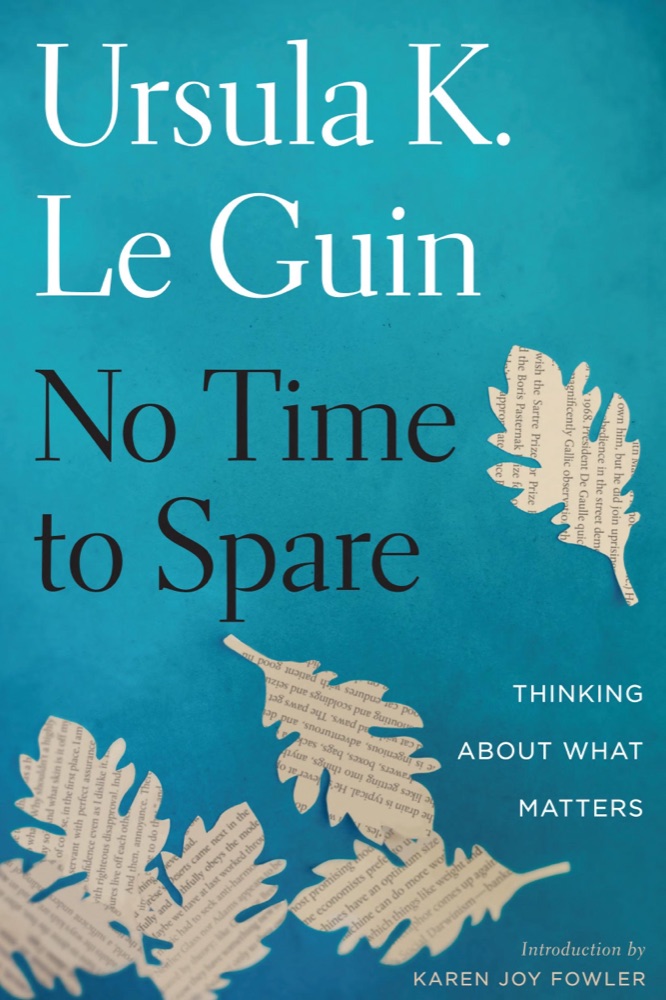 No Time To Spare: Thinking About What Matters
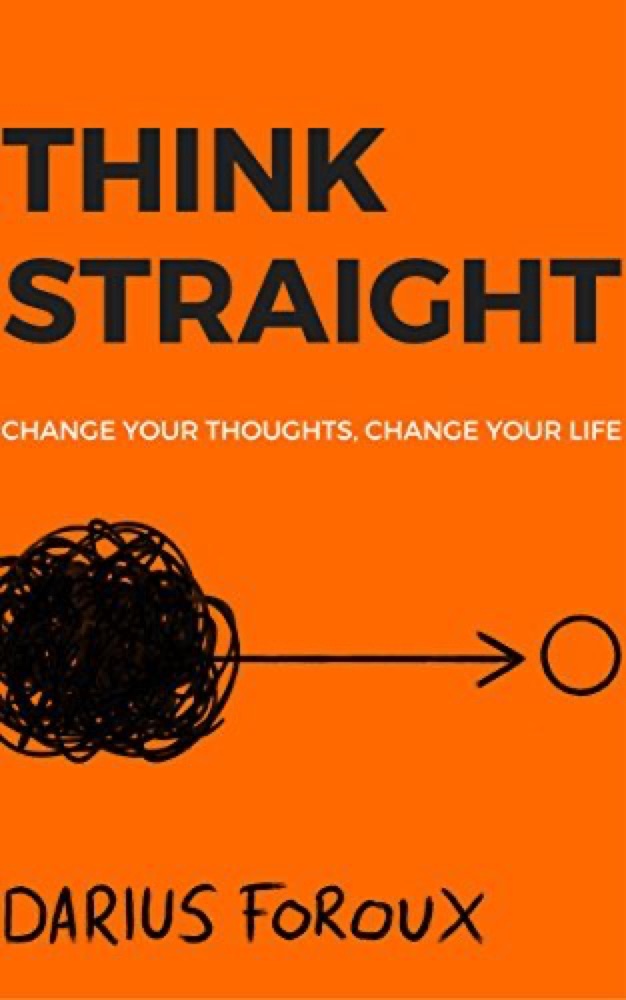 Think Straight: Change Your Thoughts, Change Your Life
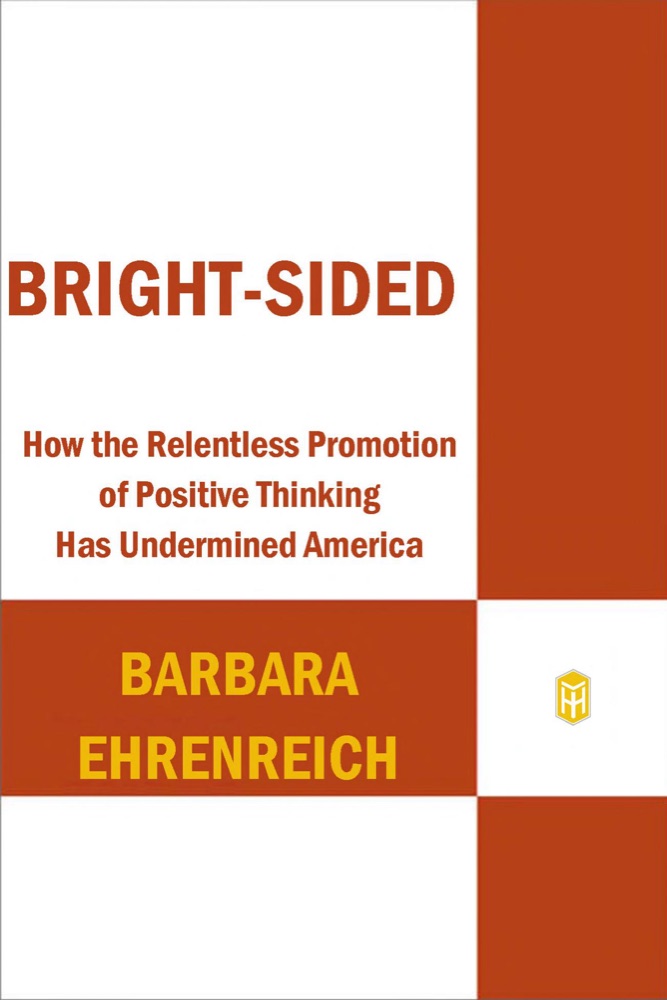 Bright-Sided: How the Relentless Promotion of Positive Thinking Has Undermined America
 The View from the Cheap Seats: Selected Nonfiction