
 State of Fear
Quotes from the Book
Sometimes I look around my living room, and the most real thing in the room is the television. It’s bright and vivid, and the rest of my life looks drab. So I turn the damn thing off. That does it every time. Get my life back.
22
They’re engineers,” she said. She was thinking, What did he expect? He must have dealt with engineers at GM. “Emotionally, they’re all thirteen years old, stuck at the age just before boys stop playing with toys, because they’ve discovered girls. They’re all still playing with toys. They have poor social skills, dress badly—but they’re extremely intelligent and well trained, and they are very arrogant in their way. Outsiders are definitely not allowed to play.
9
The irony of the Information Age is that it has given new respectability to uninformed opinion.
3
There's only one more thing I can tell you, Katherine. You work in a complex business. If you try to explain that complexity to Martin, you'll be frustrated. You’ll feel he isn't interested. He'll probably cut you off. Because he isn't interested. A lot of people complain that television lacks focus. But that's the nature of the medium. Television's not about information at all. Information is active, engaging. Television is passive. Information is disinterested, objective. Television is emotional. It's entertainment. Whatever he says, however he acts, in truth Martin has absolutely no interest in you, or your company, or your airplanes. He's paid to exercise his one reliable talent: provoking people, getting them to make an emotional outburst, to lose their temper, to say something outrageous. He doesn't really want to know about airplanes. He wants a media moment. If you understand that, you can deal with him.
2
The free marketeers will scream, but the fact is, free markets don’t provide safety. Only regulation does that. You want safe food, you better have inspectors. You want safe water, you better have an EPA. You want a safe stock market, you better have the SEC. And you want safe airlines, you better regulate them, too. Believe me, they will.
2
But now reporters came to the story with the lead fixed in their minds; they saw their job as proving what they already knew. They didn’t want information so much as evidence of villainy. In this mode, they were openly skeptical of your point of view, since they assumed you were just being evasive. They proceeded from a presumption of universal guilt, in an atmosphere of muted hostility and suspicion.
2
Talking to a reporter these days was like a deadly chess match; you had to think several steps ahead; you had to imagine all the possible ways a reporter might distort your statement. The atmosphere was relentlessly adversarial.
2
Used to be - in the old days - the media image roughly corresponded to reality. But now it's all reversed. The media image is the reality, and by comparison day-to-day life seems to lack excitement. So now day-to-day life is false, and the media image is true. Sometimes I look around my living room, and the most real thing in the room is the television. It’s bright and vivid, and the rest of my life looks drab. So I turn the damn thing off. That does it every time. Get my life back.
1
On a show like Newsline, the frame was all-important. Older producers on the show talked about 'context,' which to them meant putting the story in a larger setting. Indicating what the story meant, by reporting what had happened before, or reporting similar things that had occurred. The older guys thought context so important, they seemed to regard it as a kind of moral or ethical obligation. Jennifer disagreed. Because when you cut out all the sanctimonious bullshit, context was just spin, a way of pumping the story—and not a very useful way, because context meant referring to the past. Jennifer had no interest in the past; she was one of the new generation that understood that gripping television was now, events happening now, a flow of images in a perpetual unending electronic present. Context by its very nature required something more than now, and her interest did not go beyond now. Nor, she thought, did anyone else's. The past was dead and gone. Who cared what you ate yesterday? What you did yesterday? What was immediate and compelling was now. And television at its best was now.
What she was looking for was a way to shape the story so that it unfolded now, in a pattern that the viewer could follow. The best frames engaged the viewer by presenting the story as conflict between good and bad, a morality story. Because the audience got that. If you framed a story that way, you got instant acceptance. You were speaking their language. But because the story also had to unfold quickly, this morality tale had to hang from a series of hooks that did not need to be explained. Things the audience already knew to be true. They already knew big corporations were corrupt, their leaders greedy sexist pigs. You didn't have to prove that; you just had to mention it. They already knew that government bureaucracies were inept and lazy. You didn't have to prove that, either. And they already knew that products were cynically manufactured with no concern for consumer safety. From such agreed-upon elements, she must construct her morality story. A fast-moving morality story, happening now.
I understand,' Marder said. 'But a claim filed in a court has limited publicity. Newsline is going to present these crazy claims to forty million viewers. And at the same time, they'll automatically validate the claims, simply by repeating them on television. The damage to us comes from their exposure, not from the original claims.
for thirty years this country’s had the best aviation safety record in the world. But the thing is, we paid for it. We paid to have new, safe planes and we paid for the oversight to make sure they were well maintained. But those days are over. Now, everybody believes in something for nothing.
Watch on YouTube
About Michael Crichton
We have collected 220 quotes from 14 books by Michael Crichton on BookQuoters.
More about the author →More by Michael Crichton
All books by Michael Crichton →
About the book
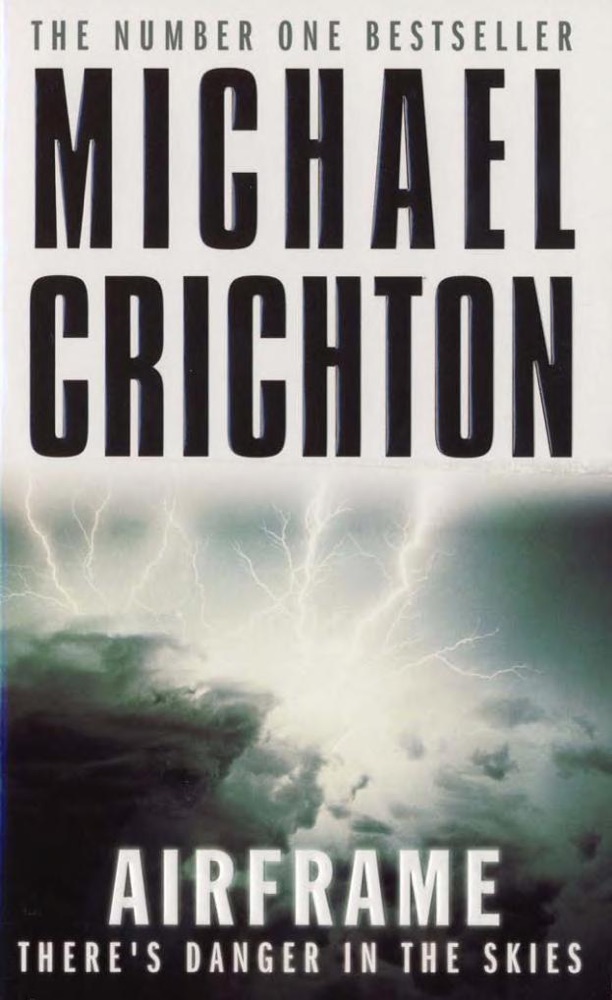
The twin jet plane en route to Denver from Hong Kong is merely a green radar blip half an hour off the California coast when the call comes through to air traffic control:
'Socal Approach, this is TransPacific 545. We have an emergency.' The pilot requests priority clearance to land - then comes the bombshell - he needs forty ambulances on the runway.
But nothing prepares the rescue workers for the carnage they witness when they enter the plane.
Ninety-four passengers are injured. Three dead. The interior cabin virtually destroyed.
What happened on board Flight TPA 545?
Book details
- First published
- 1996
- Author
- Michael Crichton
- Genre
- Fiction
- Goodreads rating
- 3.75 (91k ratings)
Keep reading
 Trust Me, I'm Lying: Confessions of a Media Manipulator
 Amusing Ourselves to Death: Public Discourse in the Age of Show Business
 The Ghost
 A Better World
 Bleeding Edge
 Artificial Wisdom
 The State of the Art
 Broken Angels
 The Shockwave Rider
 Thirteen
 The Circle
 The Scarecrow
 World War Z: An Oral History of the Zombie War
 Eating the Dinosaur
 The Influencing Machine: Brooke Gladstone on the Media
 Bluebeard
 The Dreadful Lemon Sky
 Fall; or, Dodge in Hell
 A Naked Singularity
 Gnomon
 Fellside
 The Water Knife
 Theft by Finding: Diaries 1977-2002
 The Mark and the Void
 Lexicon
 The Gun Seller
 Snow Crash
 Reamde
 The World According to Clarkson
 The Aosawa Murders
 Understanding Power: The Indispensable Chomsky
 Blueprints Of The Afterlife
 Homeland
 Wampeters, Foma and Granfalloons
 The Lay of the Land
 No One Is Talking About This
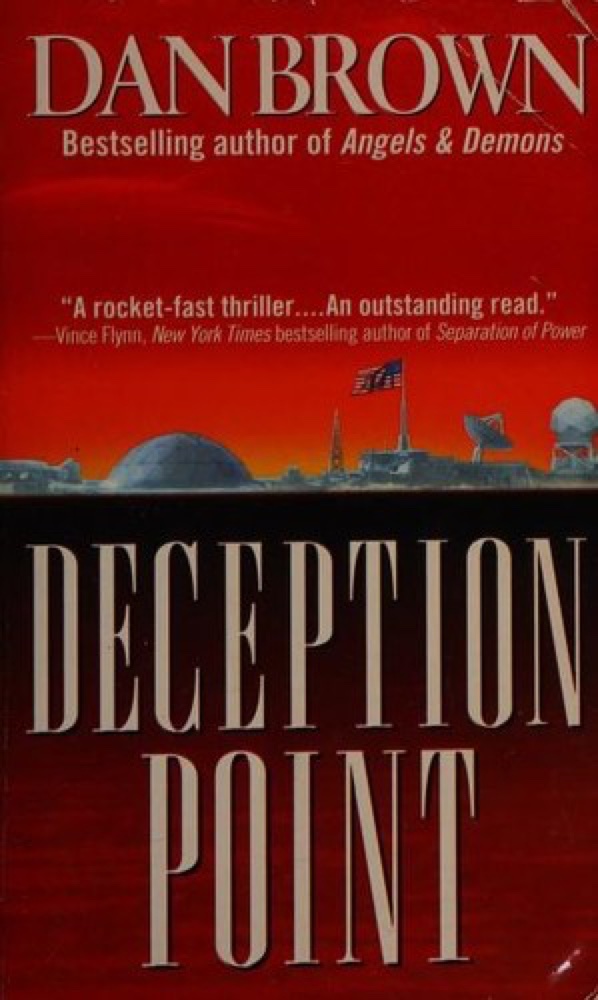 Deception Point
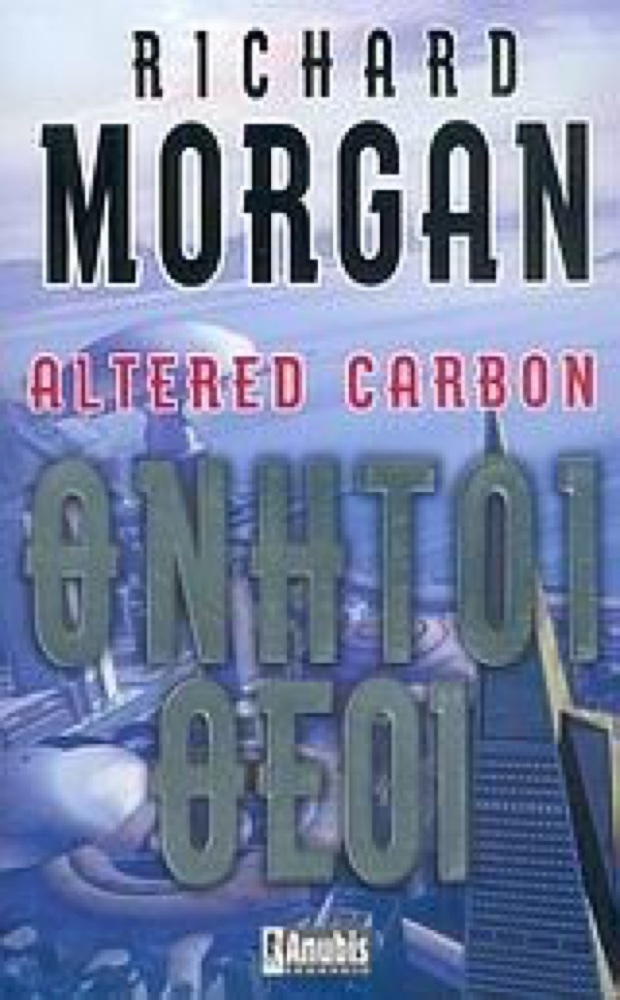 Altered Carbon
 The Kraken Wakes
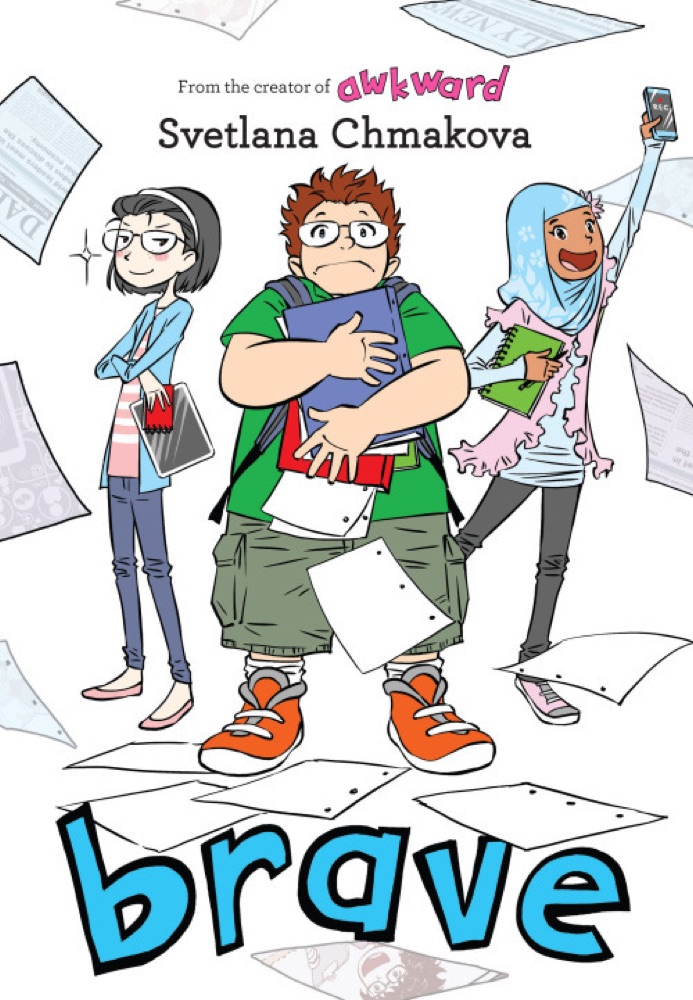 Brave
Brave
 White Noise
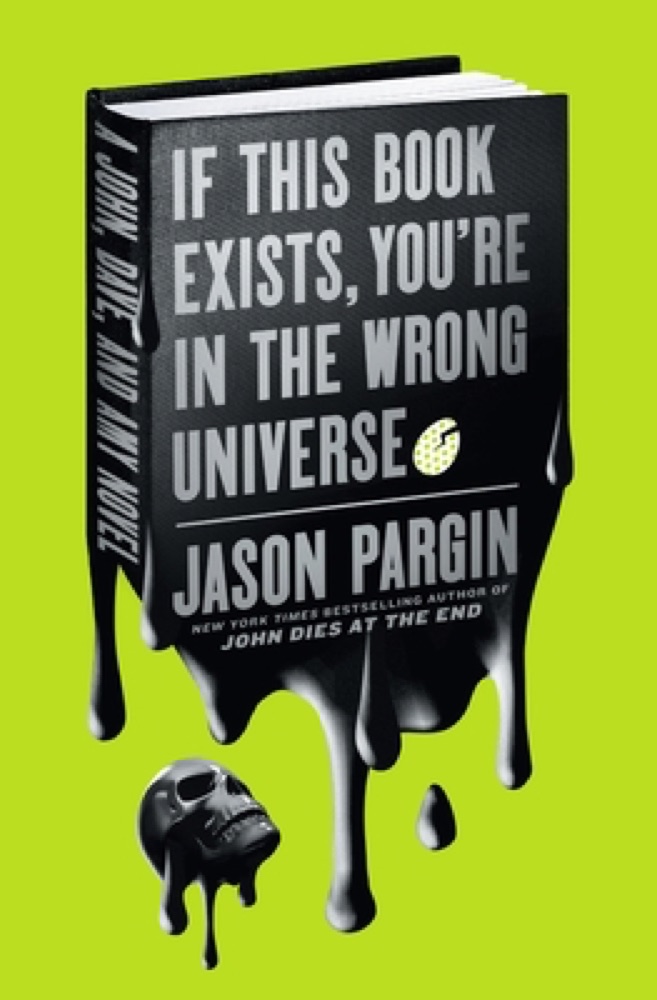 If This Book Exists, You're in the Wrong Universe
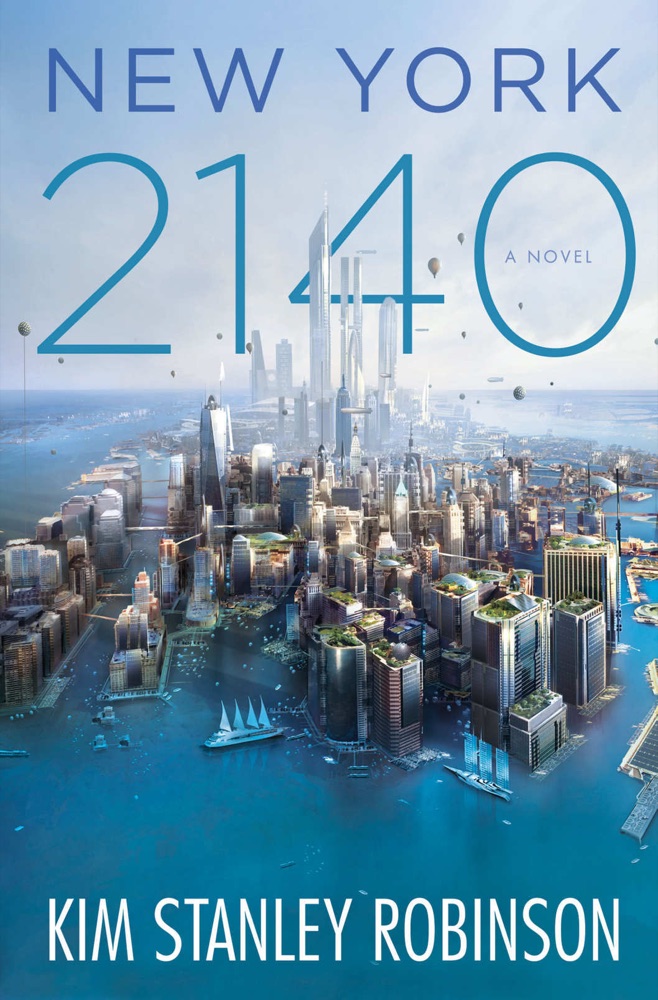 New York 2140
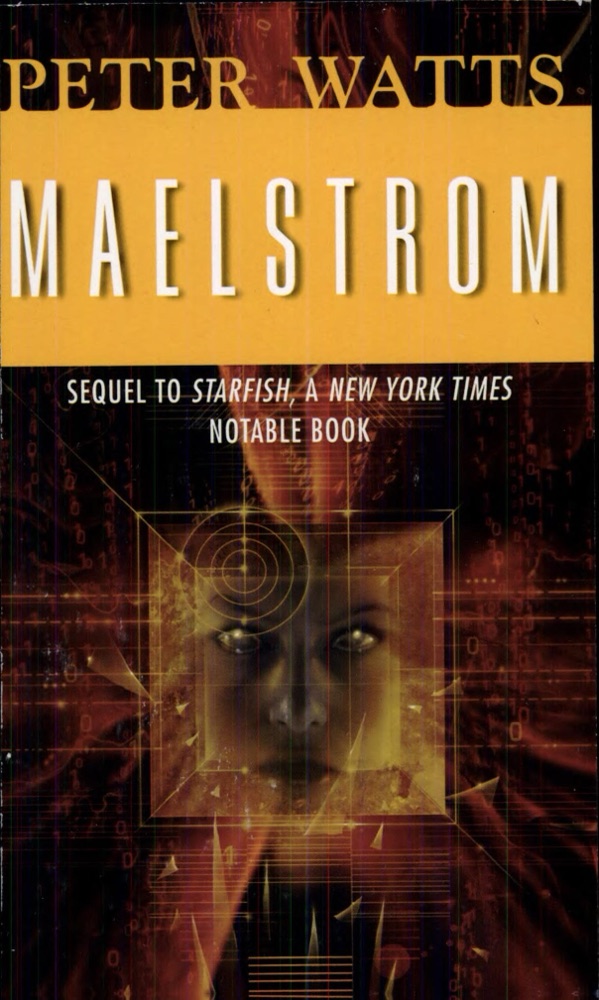 Maelstrom
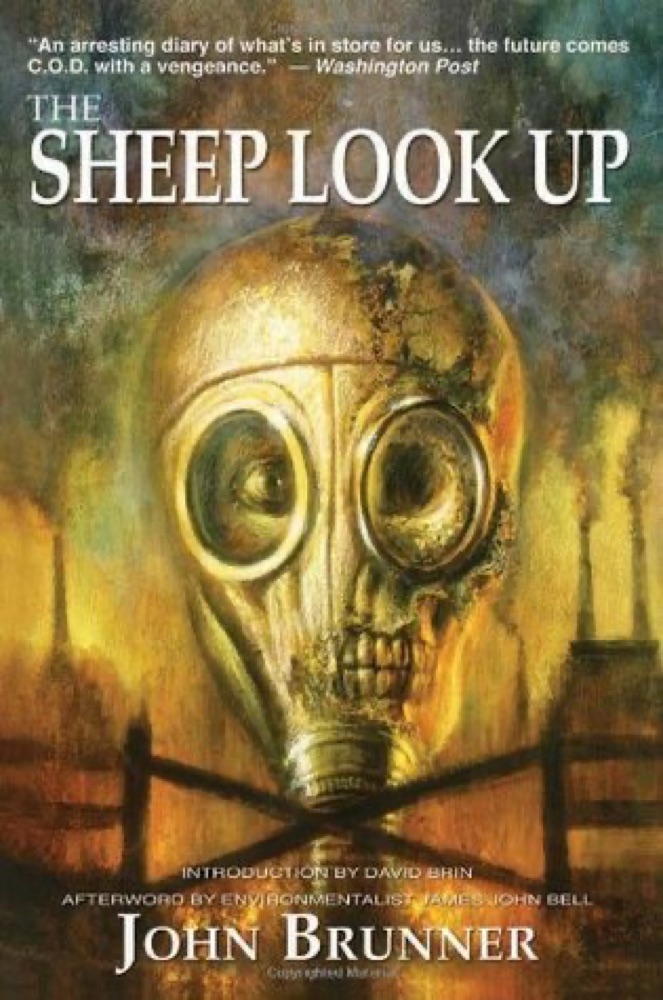 The Sheep Look Up
 Here Comes Trouble
 The Salmon of Doubt
 Conviction
 The View From Flyover Country: Essays by Sarah Kendzior
 The Straw Men
 Radio Free Albemuth
 You Are Not So Smart
 An Absolutely Remarkable Thing
 The Age of Magical Overthinking: Notes on Modern Irrationality
 Behold a Pale Horse
 The Great Derangement: A Terrifying True Story of War, Politics, and Religion at the Twilight of the American Empire
 Empire of Illusion: The End of Literacy and the Triumph of Spectacle
 Disclosure
 Golden State
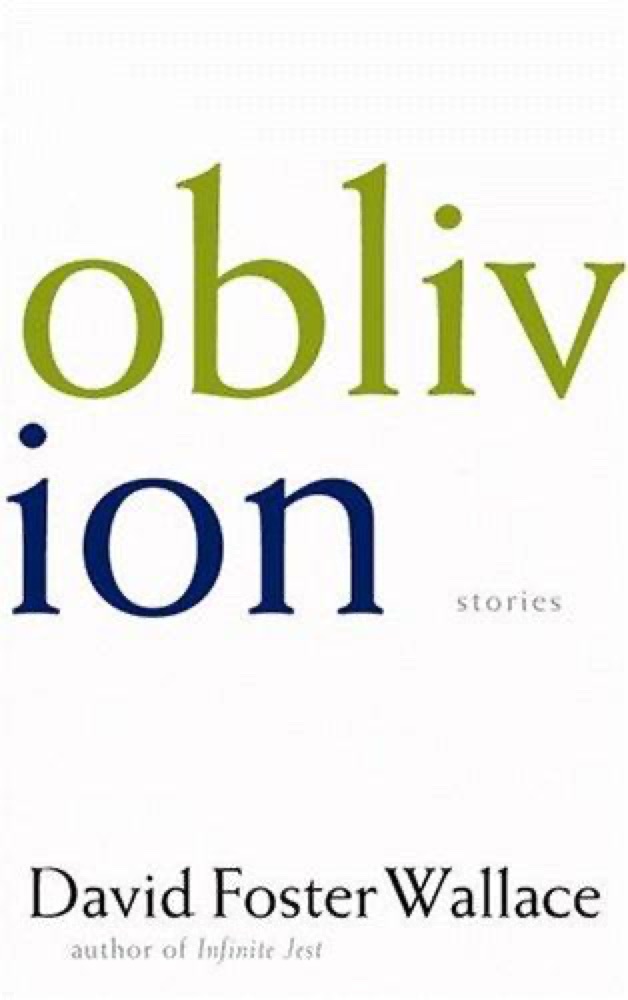 Oblivion