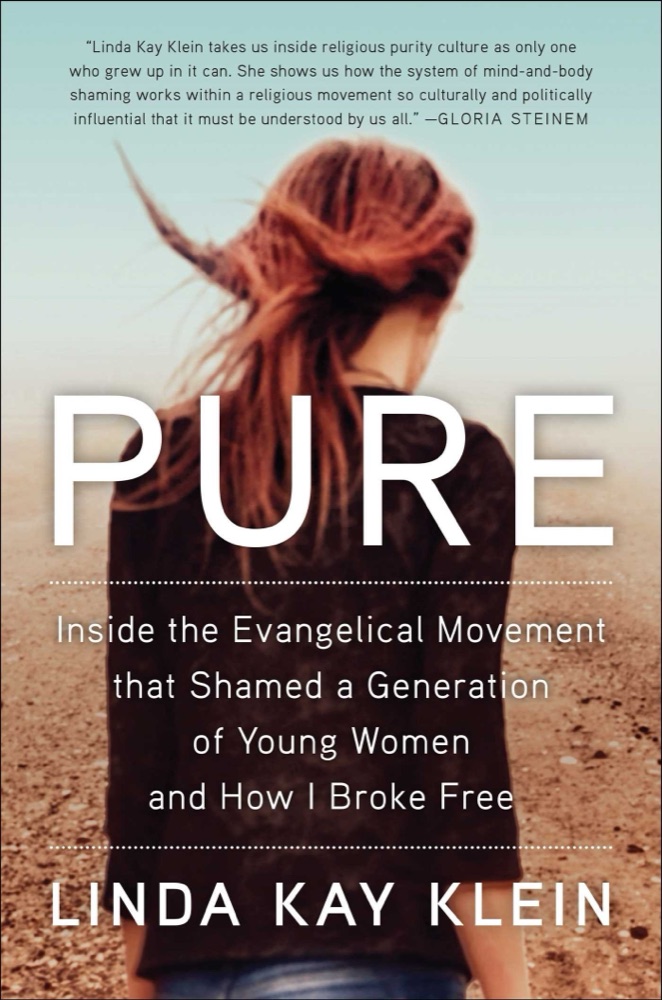
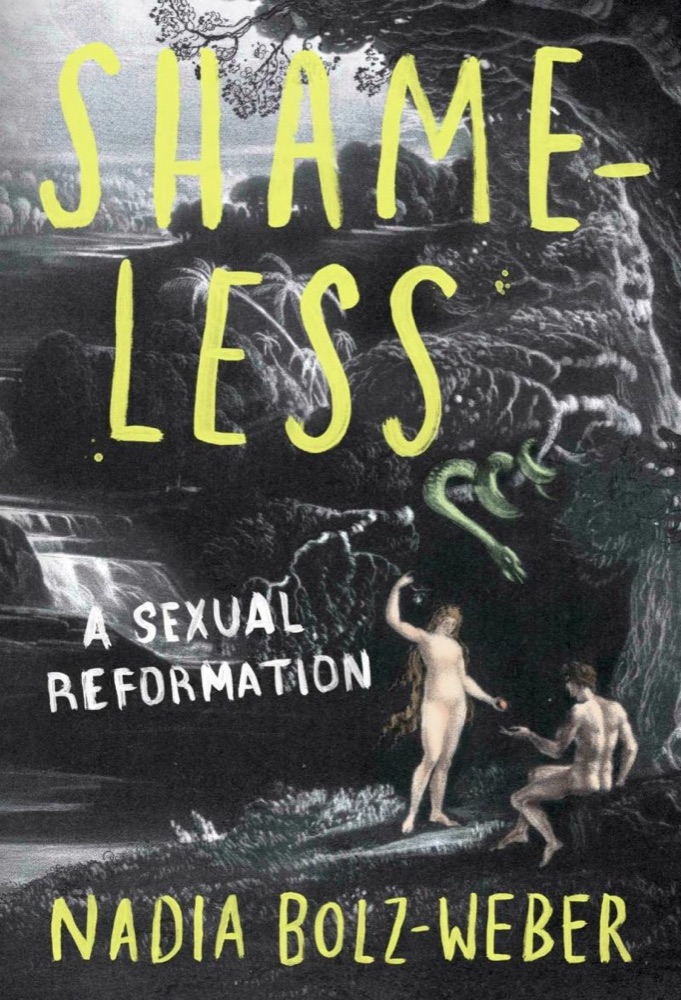
 Shameless: A Case for Not Feeling Bad About Feeling Good
Quotes from the Book
The purity message is not about sex. Rather, it is about us: who we are, who we are expected to be, and who it is said we will become if we fail to meet those expectations. This is the language of shame.
7
Religious Trauma Syndrome (RTS), defined as “the condition experienced by people who are struggling with leaving an authoritarian, dogmatic religion and coping with the damage of indoctrination,
5
Surviving gives you a very unique set of skills. It costs a lot. But it also makes you powerful.
3
The cornerstone of the purity myth is the expectation that girls and women, in particular, will be utterly and absolutely nonsexual until the day they marry a man, at which point they will naturally and easily become his sexual satisfier, ensuring the couple will have children and never divorce: one man, one woman, in marriage, forever. For this formula to work, my girlfriends and I knew we had to follow a slew of rules. Unfortunately, none of us knew what they were.
3
In junior high, the term stumbling block annoyed me. The implication that my friends and I were nothing more than things over which men and boys could trip was not lost on me.
3
And so, I chalked up what had happened in the cabin as an anomaly. That cabin mom just didn’t get it, I decided. She didn’t understand what we were all trying to do here. But in the years to come, I would encounter some version of this scenario again and again. My friends and I were told in one breath we were loved unconditionally, accepted just as we were, and headed for Heaven, and in the next we were warned of the evils of feminists, homosexuals, women who had sex outside of marriage, and other Hell-bound individuals. It didn’t even occur to me then that some people in youth group might already see themselves as fitting into some of these categories that I wouldn’t see myself in for years, and how that must have felt to them then, but what did occur to me was this: That unconditional love that I had fallen for in my early days in the church? It was conditional.
3
The first stumbling block those raised as girls in the purity movement must overcome is the message that if you are suffering, it’s your fault: It may be your sin; it may be your psychosis; but it is certainly not the shaming system you find yourself in. When taken to heart, this message can make us miss—or, when we do see it, dismiss—our suffering, until one day, it’s too late.
3
I found myself deep in a pit of self-loathing and fear. I became a fearful and untrusting person. I struggle to this day with the damage I caused myself in my formative years from adhering so precisely to the ideals set in the book. I regret putting myself in chains. I mourn the untapped freedom of learning to love, to forgive, to trust, and to care.
2
The virus of religious sexual shaming does not affect us all in the same way. White women, for example, experience gender-based subjugation, but enjoy racial privilege and will never really understand the way in which racism and sexism interact and impact women of color in this country.
2
religious patriarchy is a common language that has affected us all.
2
When I was a teenager, I wasn’t allowed to experience anger or sadness because that was just evidence that you’re giving in to the Devil and him wanting you to feel that way—not having joy in the Lord, and all that stuff.
2
To summarize, first, the researchers are finding that purity teachings do not meaningfully delay sex. Second, they are finding that they do increase shame, especially among females. And third, they report that this increased shame is leading to higher levels of sexual anxiety, lower levels of sexual pleasure, and the feeling among those experiencing shame that they are stuck feeling this way forever. Oh, and it doesn’t get better with time . . . it gets worse!
2
I was just bouncing back and forth all over the place with no sense of groundedness at all. I loved growing up in the church-- that's the thing-- growing up in the church hasn't been this traumatic, horrible experience for me. I hadn't gone to one of those scary churches that was overtly mean or hostile. My church puton this face of "we love everyody and we're all about grace". That was always the message. But when I started conffessing to people in my church that I'm dealing with this right now and it's realy hard for me, I don't know what to do, the only thing they could seem to think to do was how to convert me back to their way of thinking. "Well you're wrong. Because we already know the answer." Nobody was like, "Okay, let's just talk through this because it's you're life, and whatever you decide, we'll still care about you." The only thing they cared about in the conversation was giving me the answer; making sure they got me back on the right path; treating the whole thing like a debate instead of a conversation. I realized this community's ideology is more important to them than anything else. It's more important than people; it's more important than keeping their relationships with one another in tact. The ideology is the only thing that matters here. I guess on some level I knew that they would respond that way. But there was a part of me that was like, "But surely, I had grown up in this church. All these people care about me; surely they're not going to react that way to ~me. When they did, I felt like, other than being a person who comes to their church and believes their right thins, do I have any value to these people? If I stop believing all the right things, then do I stop having value to them?
2
In order to survive in the church, you have to live on the surface. Every action is filtered and judged as good or bad and the depth of the reality is lost in the process. If you are vulnerable. you will have hands laid on you. People saying, "I'll put you in my prayers," because there is something wrong with you. There is something wrong with you having those thoughts. There is something wrong with you being real with yourself. This forms a hard-surfaced layer, the only layer you can show. And you learn to live from it
2
You can be born again and have your slate wiped clean of lying, stealing, even murder. And if you do these things again later but honestly apologize to God, your sin is again forgiven. But sex outside of marriage is the only "sin" that I have ever heard described as changing you.
2
In the evangelical community, an "impure" girl or woman isn't just seen as damaged; she's considered dangerous. Not only to the men we were told we must protect by covering up our bodies but to our entire community.
2
Still, Laura said, “my mom decided I was responsible for the rape. I worked at Victoria’s Secret at the time, so she thought I got drawn into that kind of culture that’s sexualizing women and celebrating sexual beauty and things like that.
2
Valenti argues this myth is as present in religious sexual shaming as it is in secular sexual exploitation: Abstinence-only education during the day and Girls Gone Wild commercials at night! Whether its delivered through a virginity pledge or by a barely dressed tween pop singer writhing across the television screen, the message is the same: A woman’s worth lies in her ability—or her refusal—to be sexual. And we’re teaching American girls that, one way or another, their bodies and their sexuality are what make them valuable.
2
The purity message nestles neatly into the larger “us” versus “them” messaging I was raised with in the church. Those on the “positive” side of the binary are said to have access to God, Heaven, the community, and a happy life as one of “us.” Those on the “negative” side of the binary are said to be isolated from God, alone, and headed for Hell, a place of suffering reserved explicitly for “them.” Though one’s place on that binary is technically supposed to be determined by one’s belief system, let’s face it—you can’t see into another person’s heart and know whether she really believes these things or has just memorized a bunch of talking points. So if you want to assess who’s really a Christian and who’s not—and lots of people do—you need a proxy, some externally measurable quality that is deemed representative of the person’s internal commitment... ...Growing up, I heard a lot of talk about how evangelical Christians were better people than secular or other religious people (funnily enough, I now hear the exact same self-congratulatory messages from secular liberal people). But the truth was, I couldn’t always tell the difference between a Christian and a non-Christian. I saw both lie, both steal, both love, and both unselfishly give to others. But one tangible thing we could point to as evangelicals was that we didn’t have sex before marriage. There was that. There was always that. (10-11) “Don’t just be pure in body; you need to be pure in spirit . . .” Everything was just so intertwined with each other. It almost seemed like if you weren’t being physically impure, you were being spiritually and emotionally impure. Being “pure” became this really heavy, heavy weight to bear all the time. It almost made me go crazy questioning, “Well, is this impure? . . . Is this wrong? . . . Is this okay? . . . Is this going on?” (Holly) (12)
1
Whenever you talk about Christianity, it’s incorrect. Whose Christianity? Which one? It’s always Christianities.’ But the body theology in black and white churches is similar, and there is a reason why that is.” In short, white supremacy.
1
They say going home is the hardest part of any journey. It is there that we risk losing the gains we made elsewhere. There that we may ignore our hardest-won lessons, let down our guard, and find ourselves in the gravest danger.
1
But if there are things that you can’t tell anyone, they have power over you.
1
This community’s ideology is more important to them than anything else.
1
If your husband beats you, you should thank Jesus for the opportunity to show your husband Christ’s love by staying with him.
1
75 percent of the men said Christians view singleness as inferior. That seems like a big number! Until you hear that 98 percent of the women feel this way.
1
As an example of what happens when this thinking is taken to its extreme, more than one of my interviewees report having been told (sometimes by men and women in leadership) that the most Christ-like thing a woman can do is submit to being raped.
1
When counseling was provided, the church often suggested the problem would be alleviated if the abused woman followed what the church believed was the Divine pattern of loving obedient submission to her husband.”III2
1
Research shows that people tend to shame others for what they are ashamed of,
1
Don’t disagree with the men around you. They don’t want you to be smarter than them. They don’t want you to have opinions. You’ll make them intellectually uncomfortable. No one will want you if you’re like this.
1
Watch on YouTube
About Linda Kay Klein
About the book
From a woman who has been there and back, the first inside look at the devastating effects evangelical Christianity’s purity culture has had on a generation of young women—in a potent combination of journalism, cultural commentary, and memoir.
In the 1990s, a “purity industry” emerged out of the white evangelical Christian culture. Purity rings, purity pledges, and purity balls came with a dangerous girls are potential sexual “stumbling blocks” for boys and men, and any expression of a girl’s sexuality could reflect the corruption of her character. This message traumatized many girls—resulting in anxiety, fear, and experiences that mimicked the symptoms of Post-Traumatic Stress Disorder—and trapped them in a cycle of shame.
This is the sex education Linda Kay Klein grew up with.
Fearing being marked a Jezebel, Klein broke up with her high school boyfriend because she thought God told
Book details
- First published
- 2018
- Author
- Linda Kay Klein
- Genre
- Nonfiction
- Goodreads rating
- 4.16 (6k ratings)
The buzz
- Kirkus ReviewsReview in Kirkus Reviewsprofessional review (via Book Marks)
- Publishers WeeklyReview in Publishers Weeklyprofessional review (via Book Marks)
- BookPageReview in BookPageprofessional review (via Book Marks)
- ThecutReview in Thecutprofessional review (via Book Marks)
- RewireReview in Rewireprofessional review (via Book Marks)
Keep reading
Shameless: A Case for Not Feeling Bad About Feeling Good
 A Year of Biblical Womanhood
 The Secret Thoughts of an Unlikely Convert: An English Professor's Journey Into Christian Faith
 All My Knotted-Up Life: A Memoir
 It's Not About the Burqa
 Amazing Grace: A Vocabulary of Faith
 I Can't Date Jesus: Love, Sex, Family, Race, and Other Reasons I've Put My Faith in Beyoncé
 Real Marriage: The Truth About Sex, Friendship, & Life Together
 Not That Bad: Dispatches from Rape Culture
 On Our Best Behavior: The Seven Deadly Sins and the Price Women Pay to Be Good
 Unprotected: A Memoir
 Cunt: A Declaration of Independence
 Jesus Over Everything: Uncomplicating the Daily Struggle to Put Jesus First
 The Burning Girls
 Gay Girl, Good God: The Story of Who I Was and Who God Has Always Been
 The Women's Room
 Infidel
 Unashamed
 Jesus > Religion: Why He Is So Much Better Than Trying Harder, Doing More, and Being Good Enough
 Of Mess and Moxie: Wrangling Delight Out of This Wild and Glorious Life
 Awake
Awake
 The Anti-Mary Exposed: Rescuing the Culture from Toxic Femininity
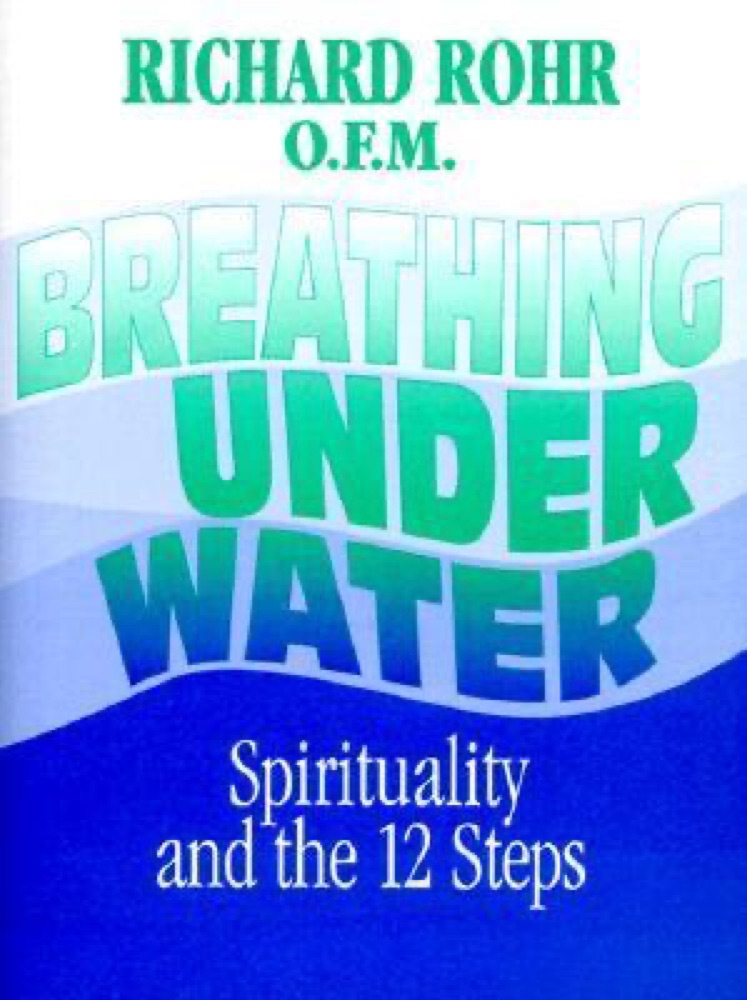 Breathing Underwater: Spirituality and the 12 Steps
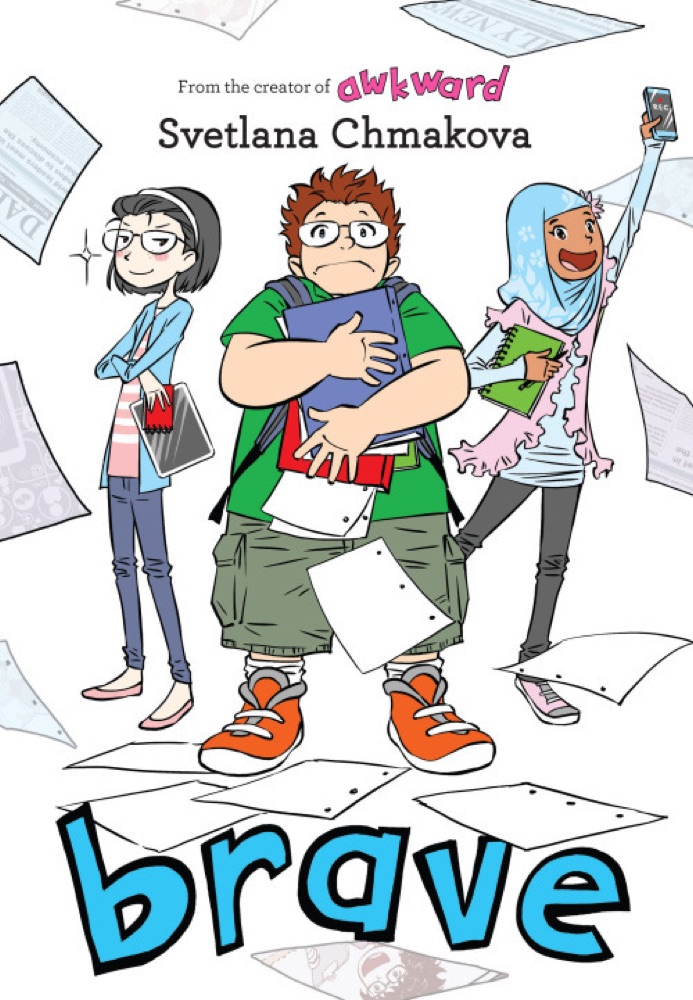 Brave
Brave
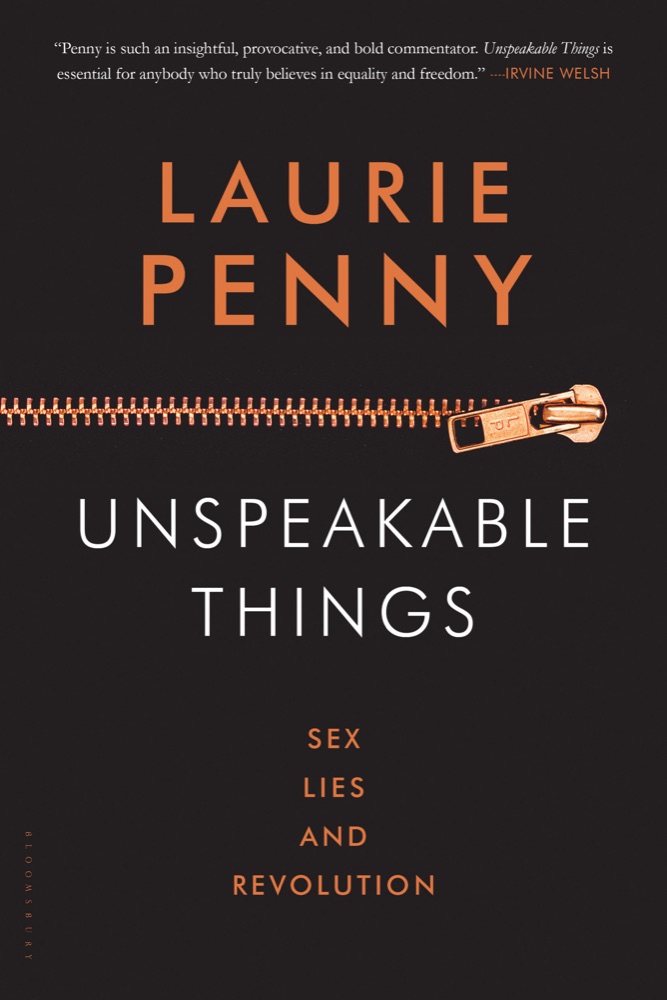 Unspeakable Things: Sex, Lies and Revolution
 Counting the Cost
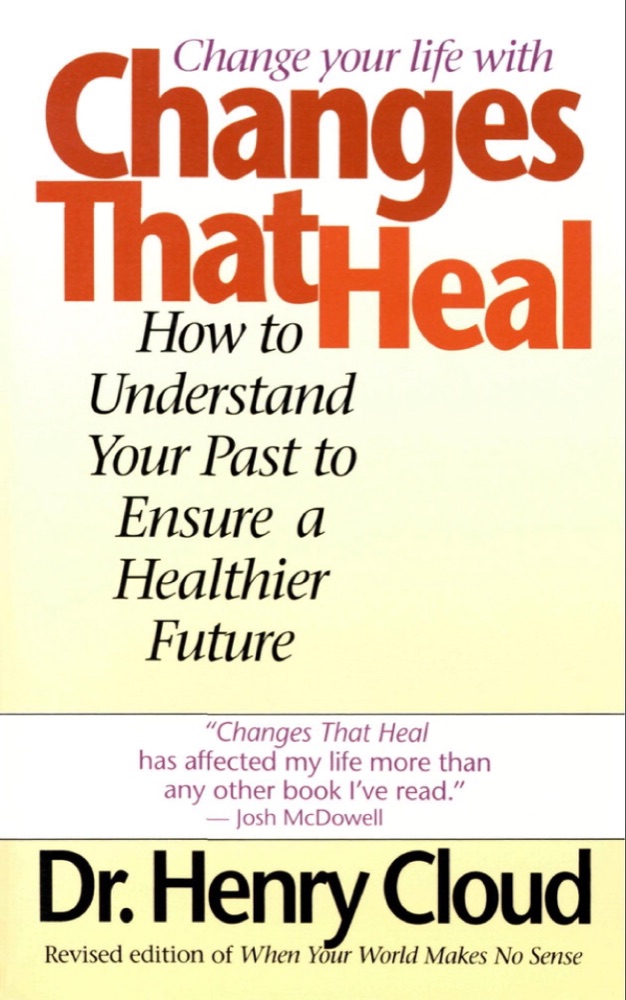 Changes That Heal: How to Understand the Past to Ensure a Healthier Future
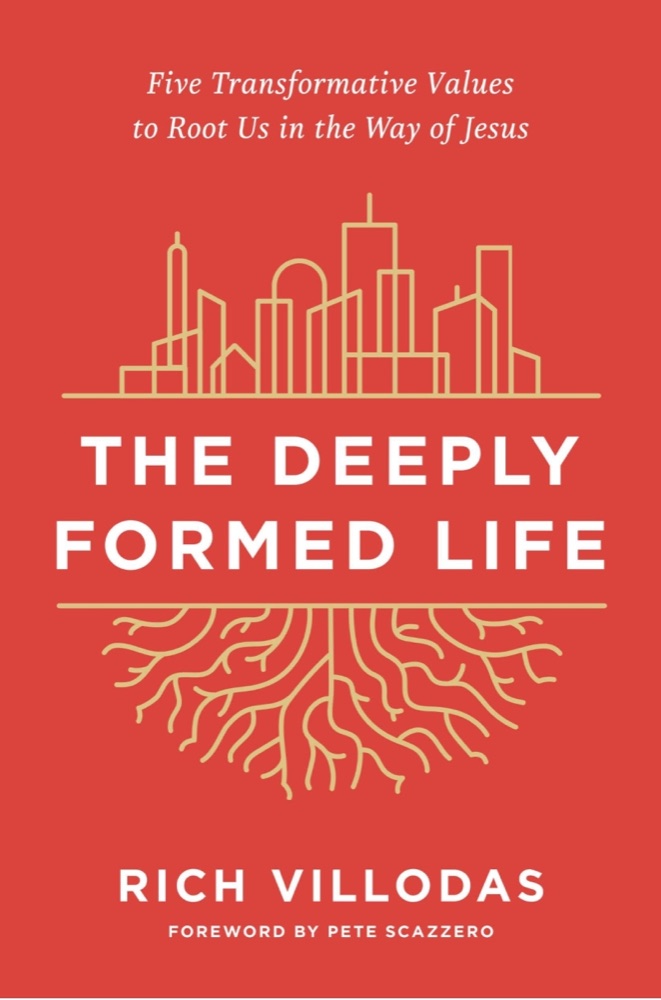 The Deeply Formed Life: Five Transformative Values to Root Us in the Way of Jesus
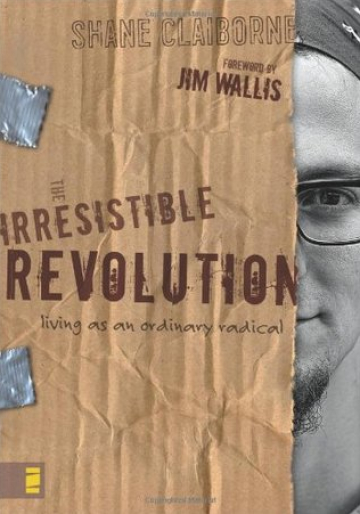 The Irresistible Revolution: Living as an Ordinary Radical
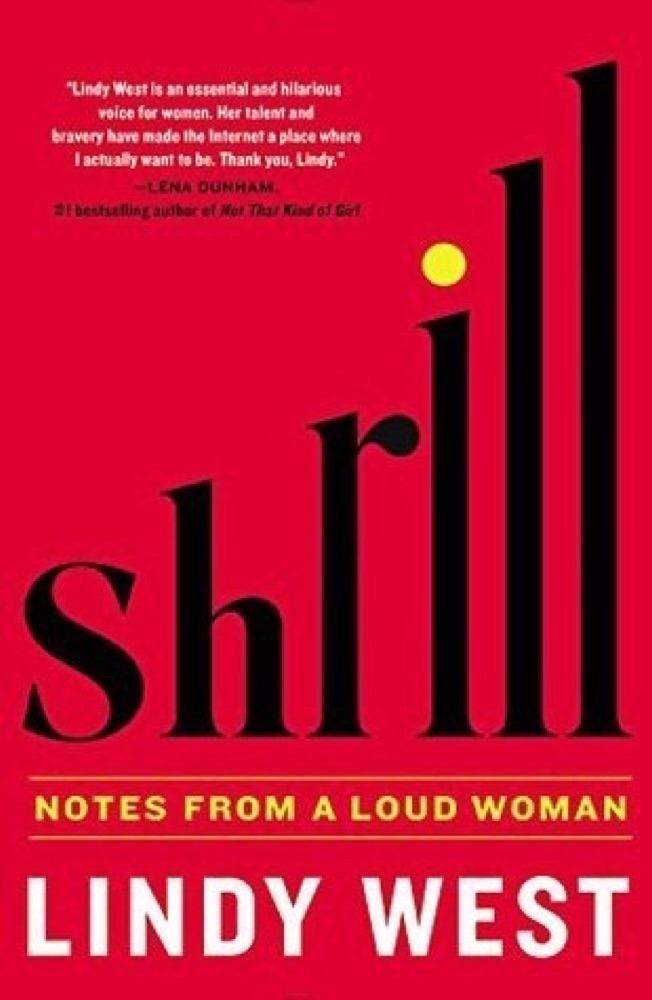 Shrill: Notes from a Loud Woman
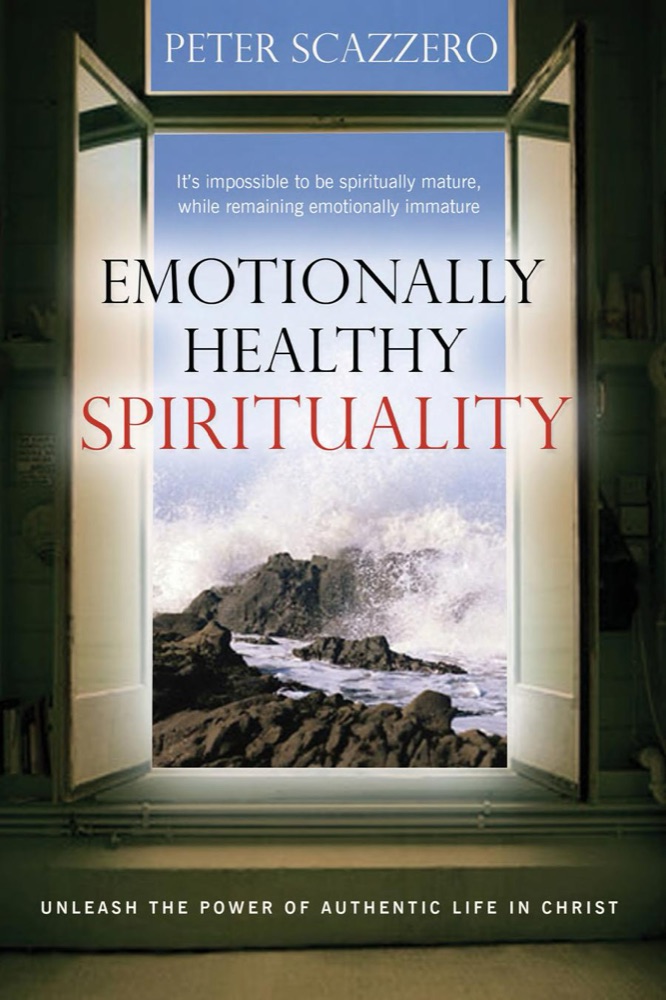 Emotionally Healthy Spirituality: Unleash A Revolution In Your Life in Christ
 Building a Bridge: How the Catholic Church and the LGBT Community Can Enter into a Relationship of Respect, Compassion, and Sensitivity
 The Bait Of Satan: Living Free from the Deadly Trap of Offense
 7: An Experimental Mutiny Against Excess
 Headscarves and Hymens: Why the Middle East Needs a Sexual Revolution
 Inside Out
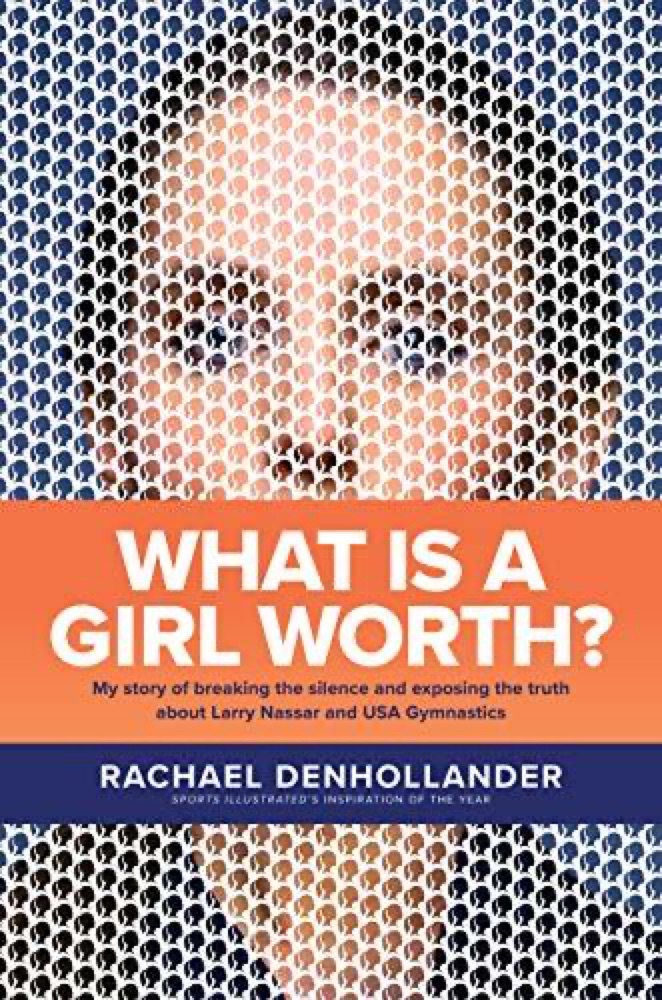 What Is a Girl Worth?: My Story of Breaking the Silence and Exposing the Truth about Larry Nassar and USA Gymnastics
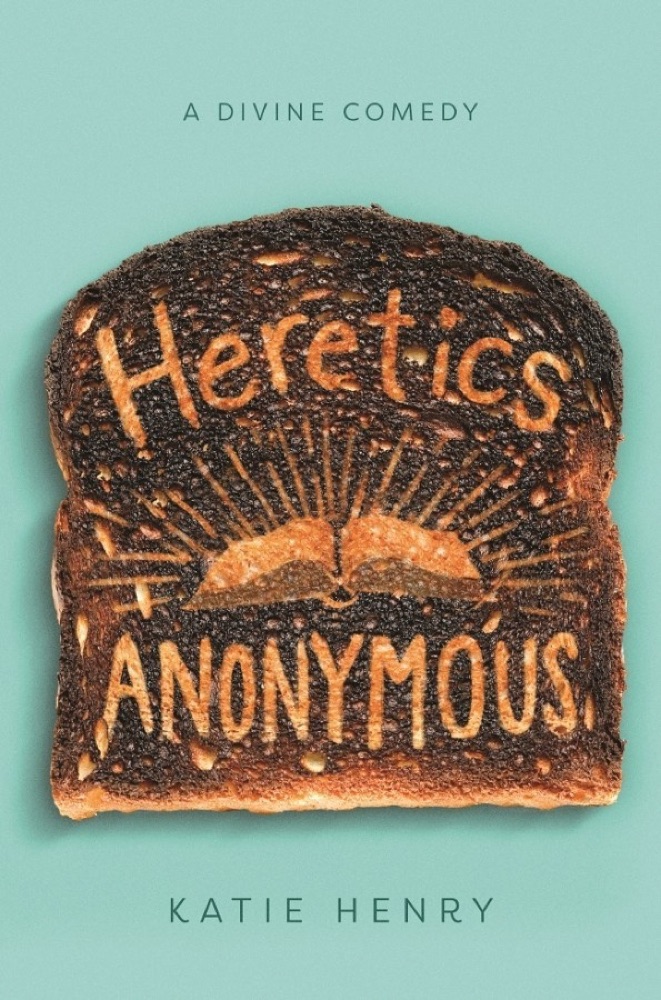 Heretics Anonymous
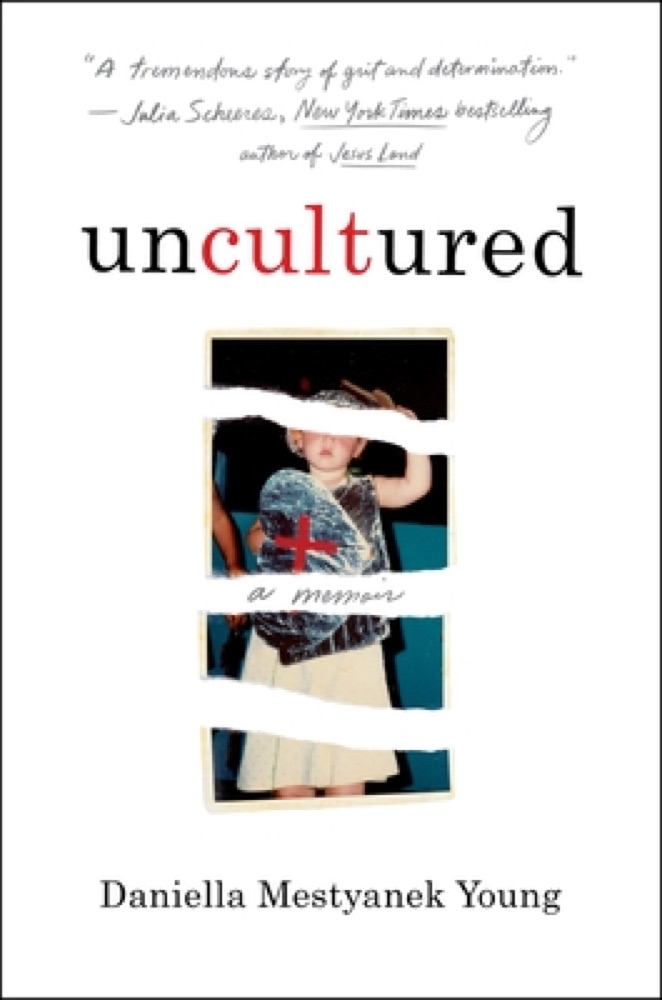 Uncultured: A Memoir
 Searching for God Knows What
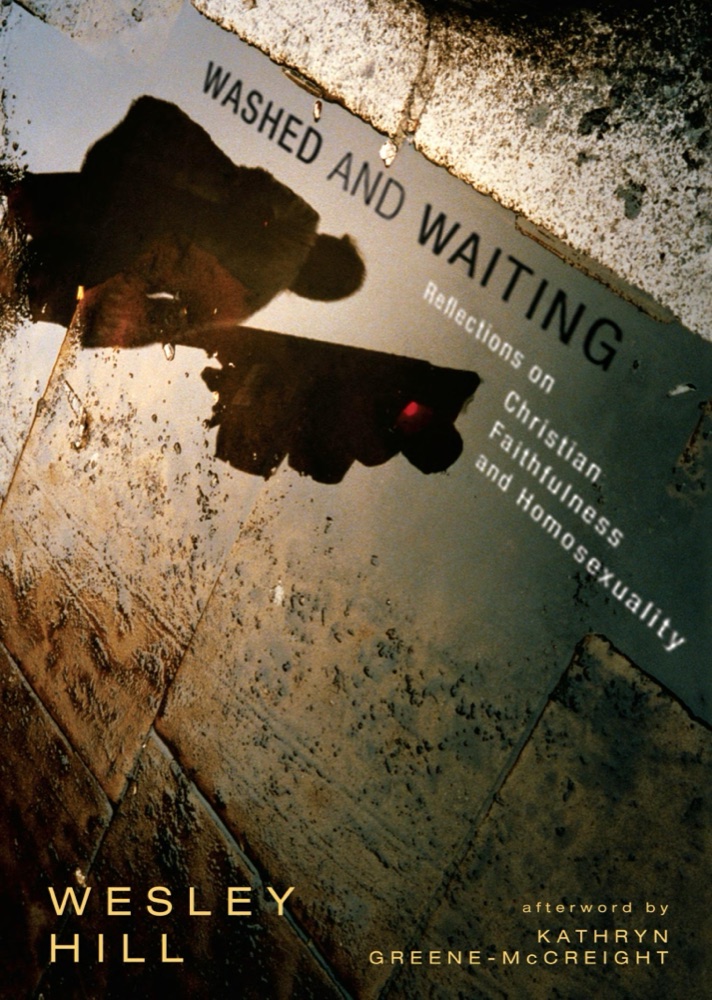 Washed and Waiting: Reflections on Christian Faithfulness and Homosexuality
 This Here Flesh: Spirituality, Liberation, and the Stories That Make Us
 Paris: A Memoir for Young Women in the Age of Influencers
 My Government Means to Kill Me
 Women Talking
 The Life You've Always Wanted: Spiritual Disciplines for Ordinary People
 You Are Your Best Thing: Vulnerability, Shame Resilience, and the Black Experience
 The Holy Longing: The Search for a Christian Spirituality
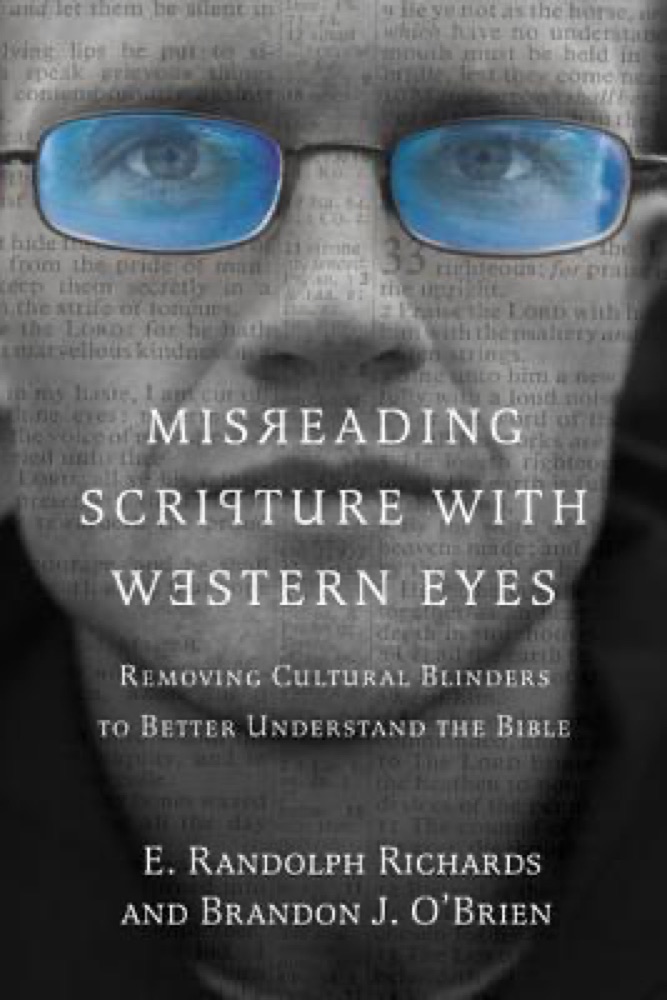 Misreading Scripture with Western Eyes: Removing Cultural Blinders to Better Understand the Bible
 Disciplines of a Godly Man
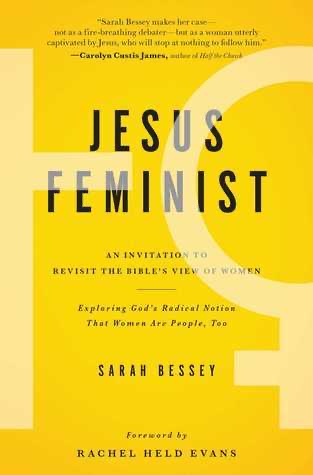 Jesus Feminist: An Invitation to Revisit the Bible's View of Women
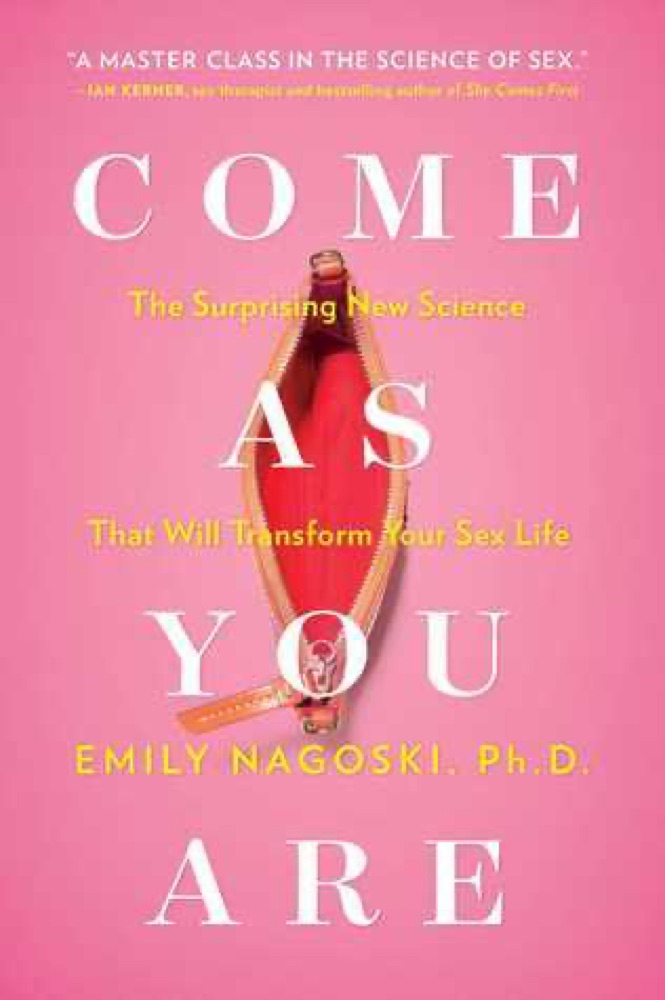 Come as You Are: The Surprising New Science that Will Transform Your Sex Life
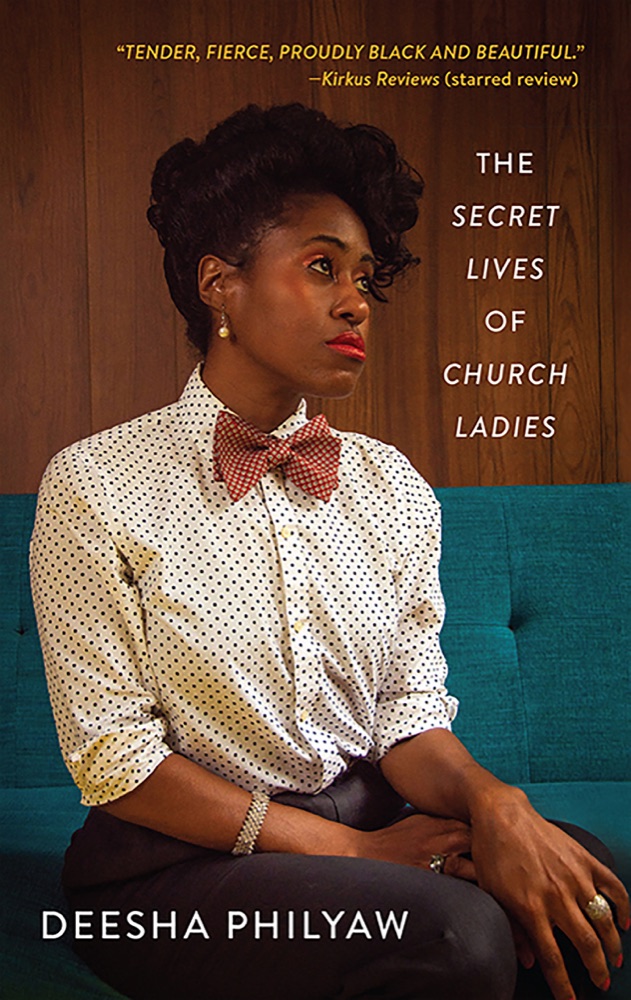 The Secret Lives of Church Ladies
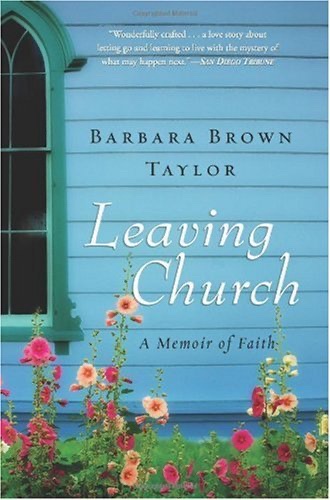 Leaving Church: A Memoir of Faith
 Blachart
 A Woman's Worth
 The Witches Are Coming
 The Truth: An Uncomfortable Book About Relationships
 Blessed Are the Misfits: Great News for Believers who are Introverts, Spiritual Strugglers, or Just Feel Like They're Missing Something