
 Reviving Ophelia: Saving the Selves of Adolescent Girls
Quotes from the Book
There is only one princess in the Disney tales, one girl who gets to be exalted. Princesses may confide in a sympathetic mouse or teacup, but they do not have girlfriends. God forbid Snow White should give Sleeping Beauty a little support. Let's review: princesses avoid female bonding. Their goals are to be saved by a prince, get married, and be taken care of the rest of their lives.
21
But it is Bella, not the supernaturals she falls in with, who is the true horror show here, at least as a female role model.
16
Although my body and I have reached if not peace, at least a state of détente, “fat” remains how I experience anger, dissatisfaction, disappointment. I feel “fat” if I can’t master a task at work. I feel “fat” if I can’t please those I love. “Fat” is how I blame myself for my failures. “Fat” is how I express my anxieties. A psychologist once told me, “Fat is not a feeling.” If only it were that simple. As for so many women, the pathology of self-loathing is permanently ingrained in me. I can give in to it, I can modify it, I can react against it with practiced self-acceptance, but I cannot eradicate it. It frustrates me to consider what else I might have done with the years of mental energy I have wasted on this single, senseless issue.
8
Let me be clear here: I object—strenuously—to the sexualization of girls but not necessarily to girls having sex. I expect and want my daughter to have a healthy, joyous erotic life before marriage. Long, long, long before marriage. I do, however, want her to understand why she’s doing it: not for someone else’s enjoyment, not to keep a boyfriend from leaving, not because everyone else is. I want her to do it for herself. I want her to explore and understand her body’s responses, her own pleasure, her own desire. I want her to be able to express her needs in relationship, to say no when she needs to, to value reciprocity, and to experience true intimacy.
8
You’re beautiful’ is not something you want to say over and over to your daughter, because it’s not something that you want her to think is so important. “That said,” she continued, “there are times when it is important to say it: when she’s messy or sweaty, when she’s not dressed up, so that she gets a sense that there is something naturally beautiful about her as a person. And it’s also important to connect beauty and love. To say, ‘I love you so much. Everything about you is beautiful to me—you are beautiful to me.’ That way you’re not just objectifying her body.
5
American Psychological Association, the girlie-girl culture’s emphasis on beauty and play-sexiness can increase girls’ vulnerability to the pitfalls that most concern parents: depression, eating disorders, distorted body image, risky sexual behavior.
5
How about this, I would counter: try not commenting on your own looks—on the size of your thighs or the tightness of your jeans. At least not in front of your daughter. Girls receive enough messages every day reducing them to their appearance without women they love delivering them, too.
4
Children weren’t color-coded at all until the early twentieth century: in the era before Maytag, all babies wore white as a practical matter, since the only way of getting clothes clean was to boil them. What’s more, both boys and girls wore what were thought of as gender-neutral dresses. When nursery colors were introduced, pink was actually considered the more masculine hue, a pastel version of red, which was associated with strength. Blue, with its intimations of the Virgin Mary, constancy, and faithfulness, symbolized femininity.
4
That said, pointing out inaccurate or unrealistic portrayals of women to younger grade school children-ages five to eight-does seem to be effective, when done judiciously:taking to little girls about body image and dieting, for example, can actually introduce them to disordered behavior rather than inoculating them against it. I may be taking a bit of a leap here, but to me all this indicated that if you are creeped out about the characters fromMonster High, it is fine to keep them out of your house.
4
...princess play feels like proof of our daughters' innocence, protection against the sexualization it may actually be courting. It reassures us that, despite the pressure to be precocious, little girls are still -- and ever will be -- little girls. And that knowledge restores our faith not only in wonder but, quite possibly, in goodness itself.
4
They too struggle with the expectation to look sexy but not to feel sexual, to provoke desire in others without experience it themselves. Our daughters may not be faced with the decision of whether to strip for maxim, but they will have to figure out how to become sexual beings without being objectified or stigmatized.
3
at best, young children who are drilled on letters and numbers show no later advantage compared with those in play-based programs. In some cases, by high school their outcomes are worse. That inappropriately early pressure seems to destroy the interest and joy in learning that would naturally develop a few years later.
2
There is, it’s worth noting, no “Mom-with-three-ungrateful-children Barbie.
2
If we start with that, with wanting girls to see themselves from the inside out rather than outside in , we will go a long way toward helping them find their true happily-ever-afters.
1
Maybe tangled will be a spectacular rump. maybe i will adore it: it could happen. But one thing is for sure: tangled will not be rapunzel. And thats too bad , because rapunzel is an specially layered and relevant fairytale, less about the love between a man and a woman than the misguided attempts of a mother trying to protect her daughter from (what she perceives ) as the worlds evils. The tale, you may recall, begins with a mother-to-bes yearning for the taste of rapunzel, a salad green she spies growing in the garden of the sorceress who happens to live next door. The womans craving becomes so intense , she tells her husband that if he doesn't fetch her some, she and their unborn baby will die. So he steals into the baby's yard, wraps his hands around a plant, and, just as he pulls... she appears in a fury. The two eventually strike a bargain: the mans wife can have as much of the plant as she wants- if she turns over her baby to the witch upon its birth. `i will take care for it like a mother,` the sorceress croons (as if that makes it all right). Then again , who would you rather have as a mom: the woman who would do anything for you or the one who would swap you in a New York minute for a bowl of lettuce? Rapunzel grows up, her hair grows down, and when she is twelve-note that age-Old Mother Gothel , as she calls the witch. leads her into the woods, locking her in a high tower which offers no escape and no entry except by scaling the girls flowing tresses. One day, a prince passes by and , on overhearing Rapunzel singing, falls immediately in love (that makes Rapunzel the inverse of Ariel- she is loved sight unseen because of her voice) . He shinnies up her hair to say hello and , depending on the version you read, they have a chaste little chat or get busy conceiving twins. Either way, when their tryst is discovered, Old Mother Gothel cries, `you wicked child! i thought i had separated you from the world, and yet you deceived me!` There you have it : the Grimm`s warning to parents , centuries before psychologists would come along with their studies and measurements, against undue restriction . Interestingly the prince cant save Rapuzel from her foster mothers wrath. When he sees the witch at the top of the now-severed braids, he jumps back in surprise and is blinded by the bramble that breaks his fall. He wanders the countryside for an unspecified time, living on roots and berries, until he accidentally stumbles upon his love. She weeps into his sightless eyes, restoring his vision , and - voila!- they rescue each other . `Rapunzel` then, wins the prize for the most egalitarian romance, but that its not its only distinction: it is the only well-known tale in which the villain is neither maimed nor killed. No red-hot shoes are welded to the witch`s feet . Her eyes are not pecked out. Her limbs are not lashed to four horses who speed off in different directions. She is not burned at the stake. Why such leniency? perhaps because she is not, in the end, really evil- she simply loves too much. What mother has not, from time to time, felt the urge to protect her daughter by locking her in a tower? Who among us doesn't have a tiny bit of trouble letting our children go? if the hazel branch is the mother i aspire to be, then Old Mother Gothel is my cautionary tale: she reminds us that our role is not to keep the world at bay but to prepare our daughters so they can thrive within it. That involves staying close but not crowding them, standing firm in one`s values while remaining flexible. The path to womanhood is strewn with enchantment , but it also rifle with thickets and thorns and a big bad culture that threatens to consume them even as they consume it. The good news is the choices we make for our toodles can influence how they navigate it as teens. I`m not saying that we can, or will, do everything `right,` only that there is power-magic-in awareness.
1
i get why manufacturers play to pink- it makes good business sense. A marketing executive i spoke with at LeapFrog which is based in Emeryville, California, told me that her company even had a name for it> the pink factor. If you make a pink baseball bat, parents will buy one for their daughter, she explained. then if they subsequently have a son, they'll have to buy a second bat in a different color. Or, if they have a boy first and then a daughter, they'll want to buy a pink one for their precious little girl. Either way, you double the sales.
1
Rather than freedom from traditional constraints, then, girls were free to "choose" them. Yet, the line between "get to" and "have to" blurs awfully fast.
1
When you're talking about over 26,000 items - and that's just Disney - it's a little hard to say where "want" ends and "coercion" begins.
A headline-grabbing 2005 British study revealed that girls aged six to twelve enjoyed torturing, mutilating, and microwaving their Barbies nearly as much as they liked dressing them up for the prom. What
I know that if i could imbue her with a superpower, it would be the ability to withstand the pressures of the cultures around her, to be her own woman despite the potential costs: i would give her the courage of her convictions
To bring home the point, she compared New Years resolutions of girls at the end of the nineteenth centyry with those at the end of the twentieth. Heres what a young woman of yore wrote: Resolved: to think before speaking. To work seriously. To be self-restrained in conversations and actions. Not to let my thoughts wander. To be dignified. Interest myself more in others. And the contemporary girl: I will try to make myself better in any way i possibly can.... I will lose weight, get new lenses, already got new haircut, good makeup, new clothes and accessories.
If toting the standard equipment is not what male or female, exactly what does? well, duh, its barrettes. At least thats what kids think it is your clothing, hairstyle, toy choice, favorite color. Slippery stuff, that. You can see how perilously easy would be to err
And that—Bella’s overweening blandness—as much as the guilty-pleasure rescue fantasy, may explain the series’ appeal: Twilight’s heroine is so insipid, so ordinary, so clumsy, so Not Hot. Isn’t that great? Think about it: what a relief that must be for girls who feel constant pressure to be physically, socially, and academically perfect! Bella does not spend two hours with a flatiron, ace her calculus test, score the winning goal in her lacrosse match, then record a hit song. Bella does not spout acidly witty dialogue. Bella does not wear $200 jeans on her effortlessly slim hips.
I’d believed I could keep out the tales and the toys but had failed on both counts.
Children as young as twelve to eighteen months can recognize brands, it went on, and are “strongly influenced” by advertising and marketing. Yikes!
Watch on YouTube
About Peggy Orenstein
We have collected 25 quotes from 1 book by Peggy Orenstein on BookQuoters.
More about the author →About the book
The acclaimed author of the groundbreaking bestseller Schoolgirls reveals the dark side of pink and pretty: the rise of the girlie-girl, she warns, is not that innocent.
Sweet and sassy or predatory and hardened, sexualized girlhood influences our daughters from infancy onward, telling them that how a girl looks matters more than who she is. Somewhere between the exhilarating rise of Girl Power in the 1990s and today, the pursuit of physical perfection has been recast as the source of female empowerment. And commercialization has spread the message faster and farther, reaching girls at ever-younger ages. But how dangerous is pink and pretty, anyway? Being a princess is just make-believe; eventually they grow out of it . . . or do they?
In search of answers, Peggy Orenstein visited Disneyland, trolled American Girl Place, and met parents of beauty-pageant preschoolers tricked out li
Book details
- First published
- 2011
- Author
- Peggy Orenstein
- Genre
- Nonfiction
- Goodreads rating
- 3.67 (16k ratings)
Keep reading
Reviving Ophelia: Saving the Selves of Adolescent Girls
 American Girls: Social Media and the Secret Lives of Teenagers
 The Favorite Sister
 Dear Ijeawele, or A Feminist Manifesto in Fifteen Suggestions
 This Is Not a Book About Benedict Cumberbatch: The Joy of Loving Something--Anything--Like Your Life Depends On It
 Living Dolls: The Return of Sexism
 Paris: A Memoir for Young Women in the Age of Influencers
 Tomboy: A Graphic Memoir
 You'll Grow Out of It
 The Big Book of Girl Stuff
 Where Am I Now?
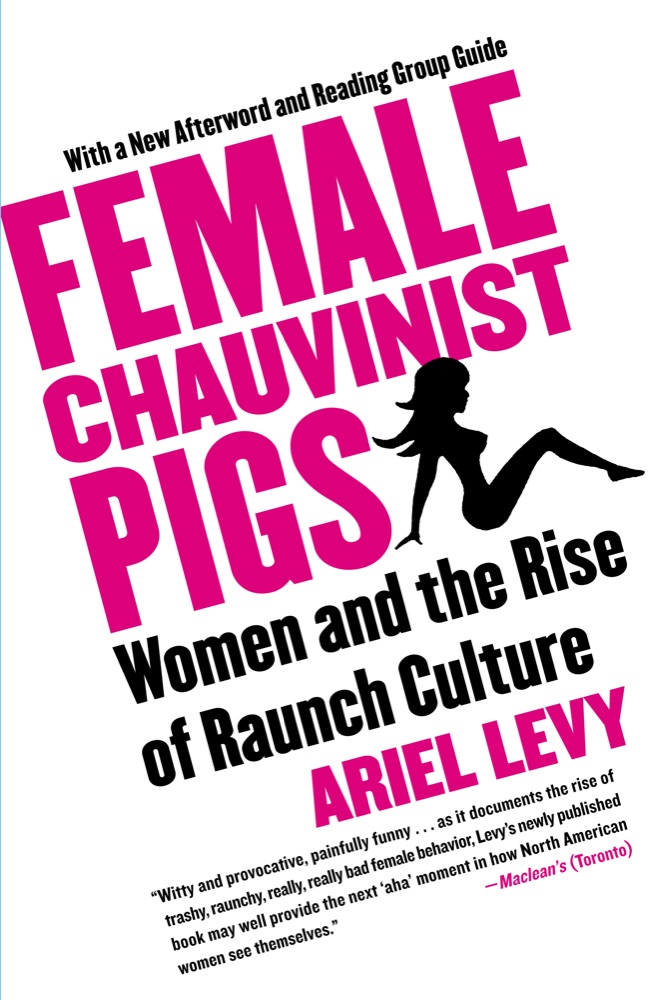 Female Chauvinist Pigs: Women and the Rise of Raunch Culture
 A Woman's Worth
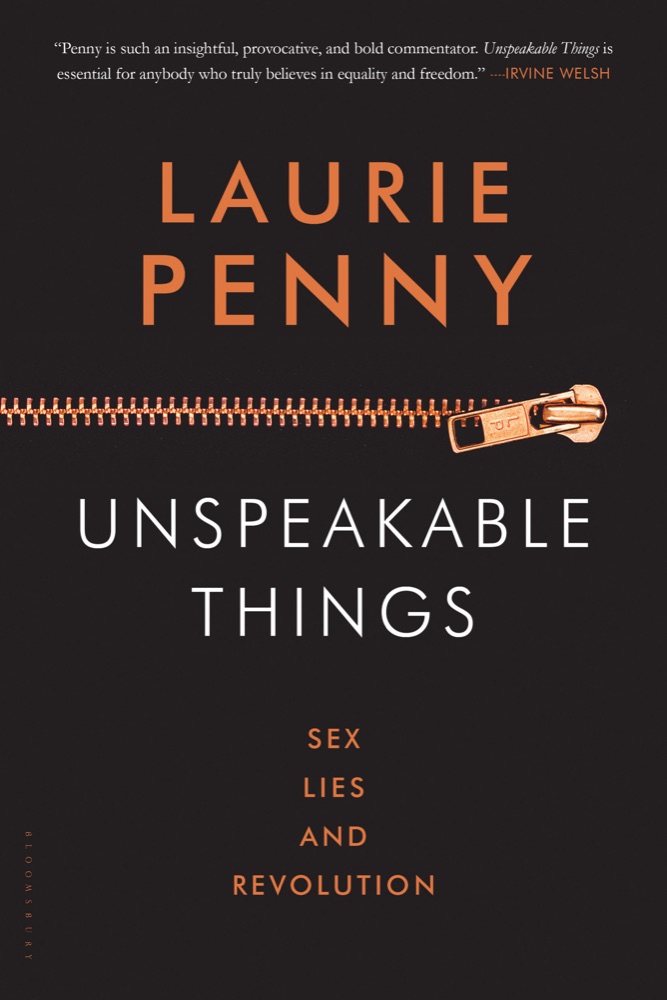 Unspeakable Things: Sex, Lies and Revolution
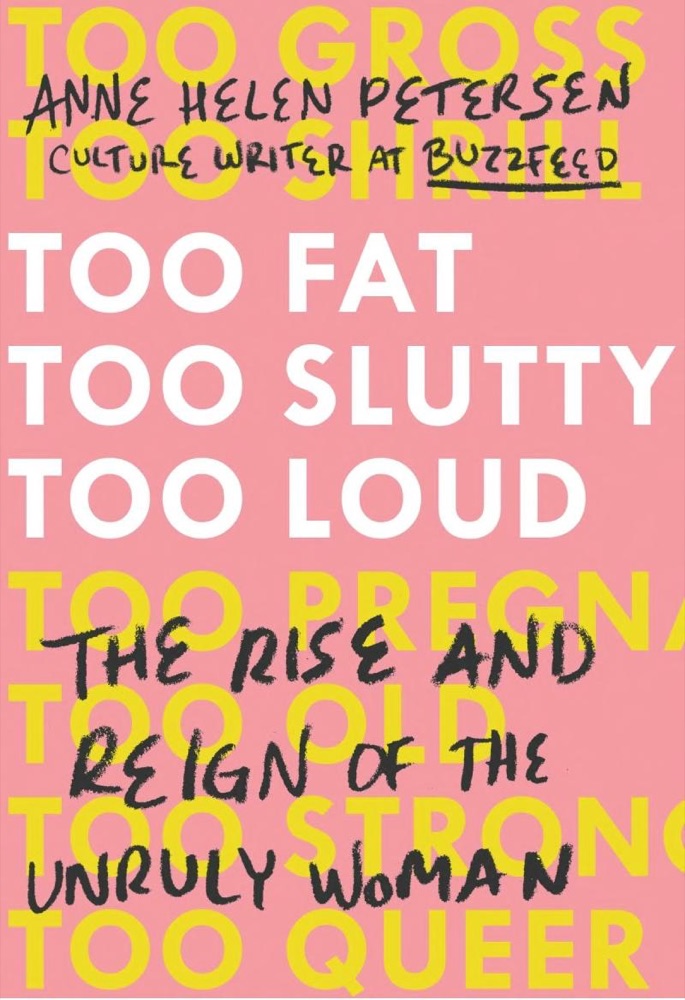 Too Fat, Too Slutty, Too Loud: The Rise and Reign of the Unruly Woman
 Girlchild
 Dear Girls: Intimate Tales, Untold Secrets, & Advice for Living Your Best Life
 Bitch: In Praise of Difficult Women
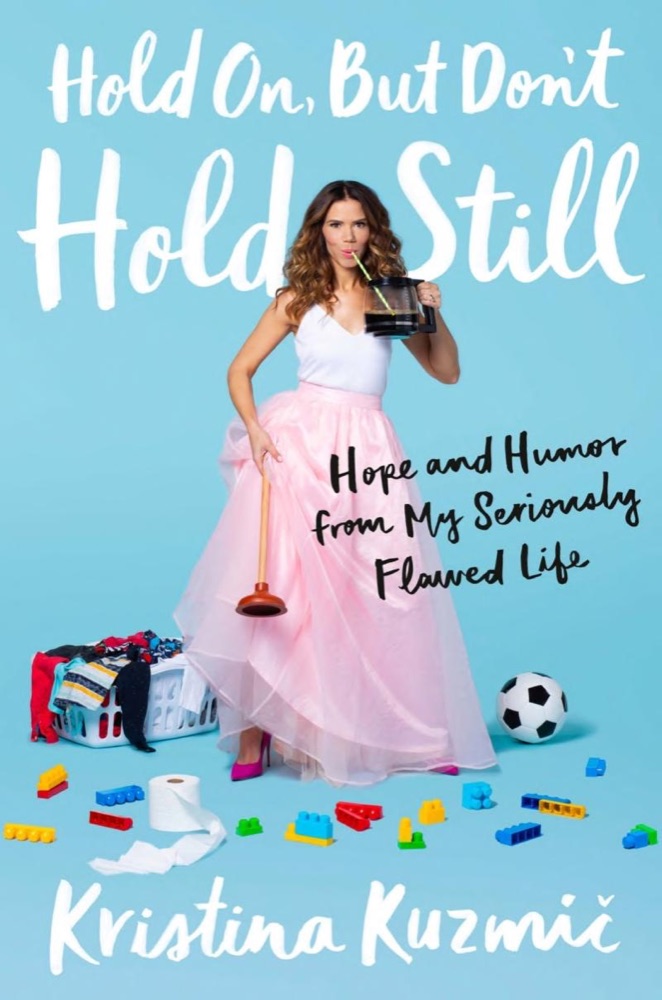 Hold On, But Don't Hold Still
 Beauty Queens
 Feminists Don't Wear Pink (And Other Lies): Amazing Women on What the F-Word Means to Them
 Brazen: Rebel Ladies Who Rocked the World
 Moxie
Moxie
 The Feminine Mystique
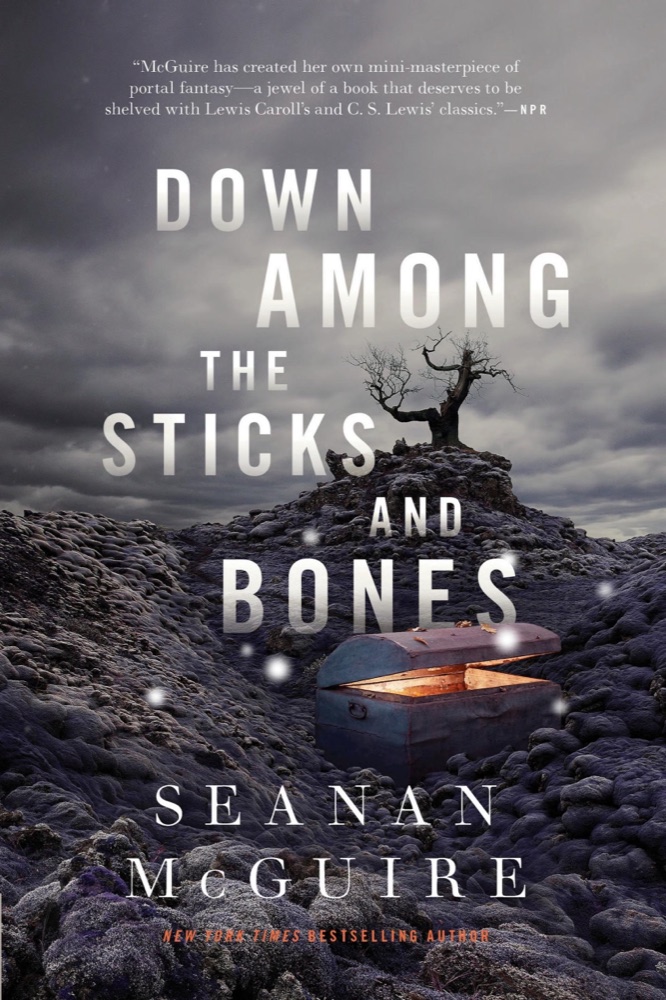 Down Among the Sticks and Bones
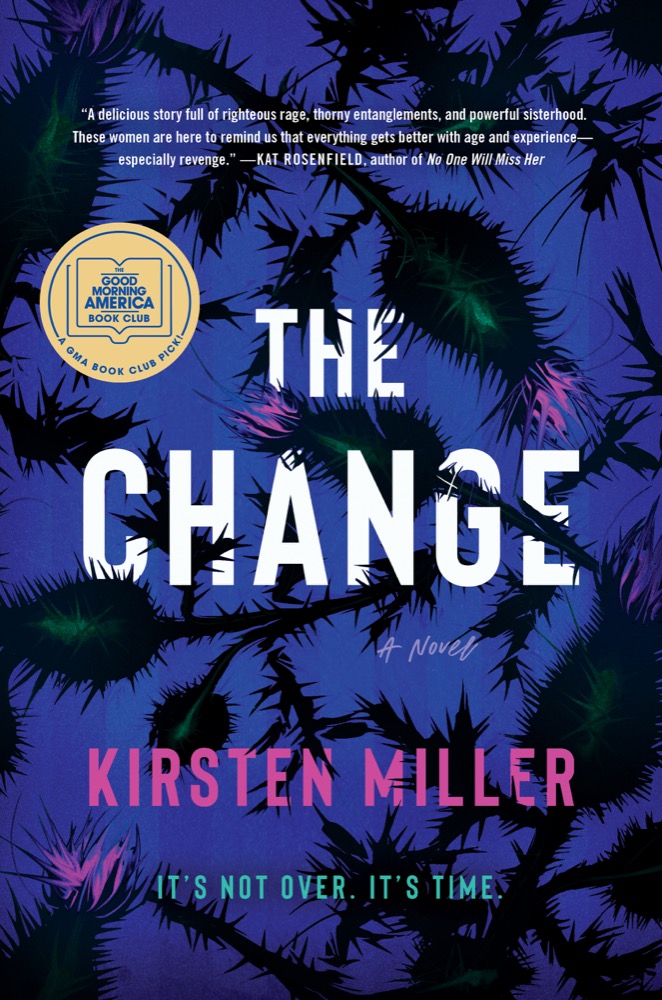 The Change
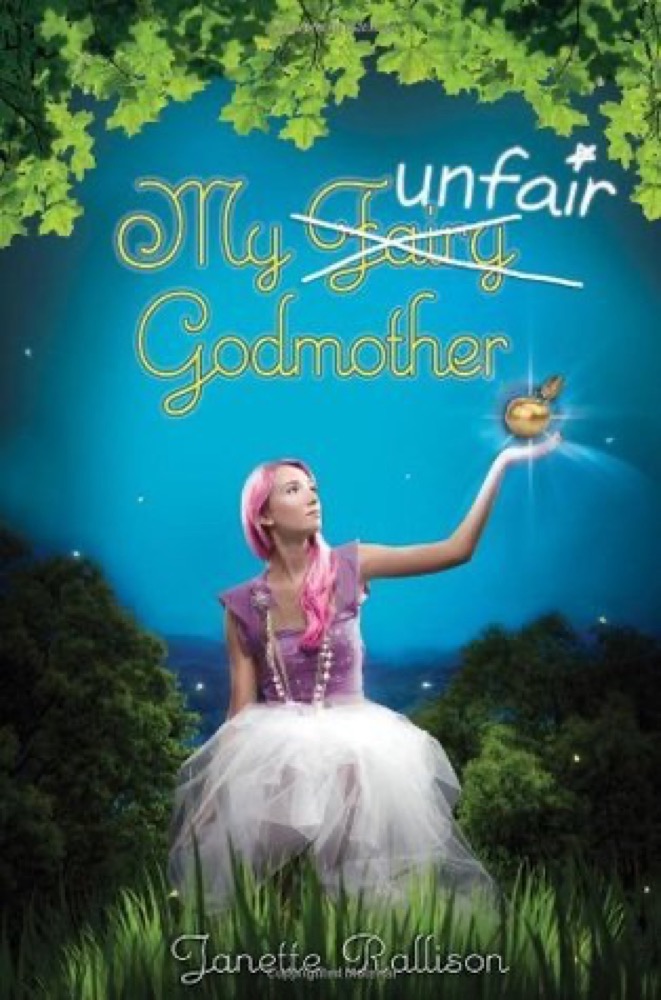 My Fair Godmother
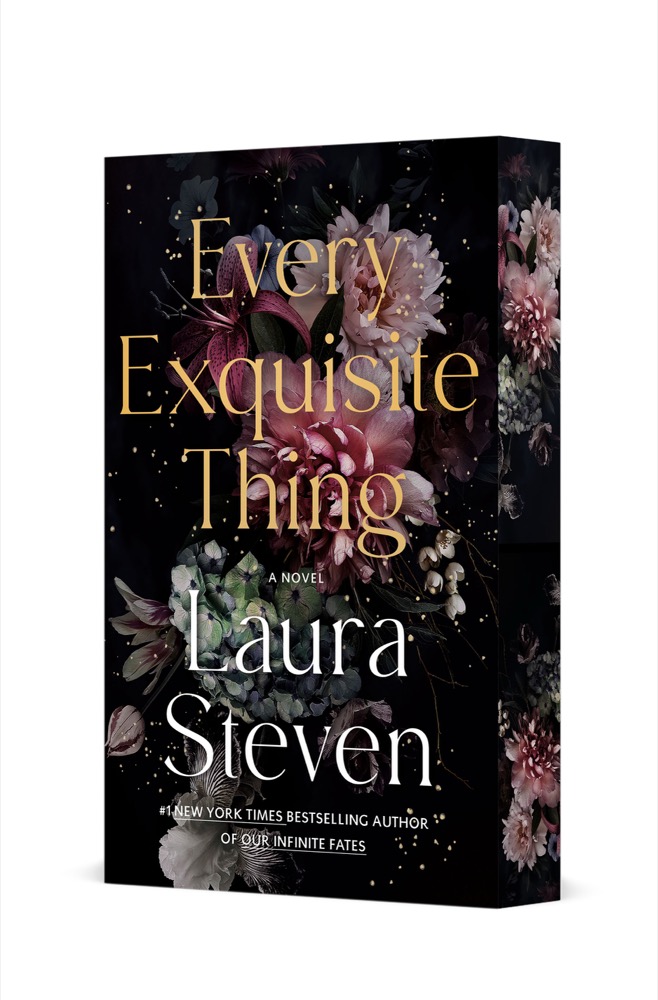 Every Exquisite Thing
 The Beauty Myth
 Full Frontal Feminism
 The Nature of Jade
 Mean
Mean
 Come as You Are: The Surprising New Science that Will Transform Your Sex Life
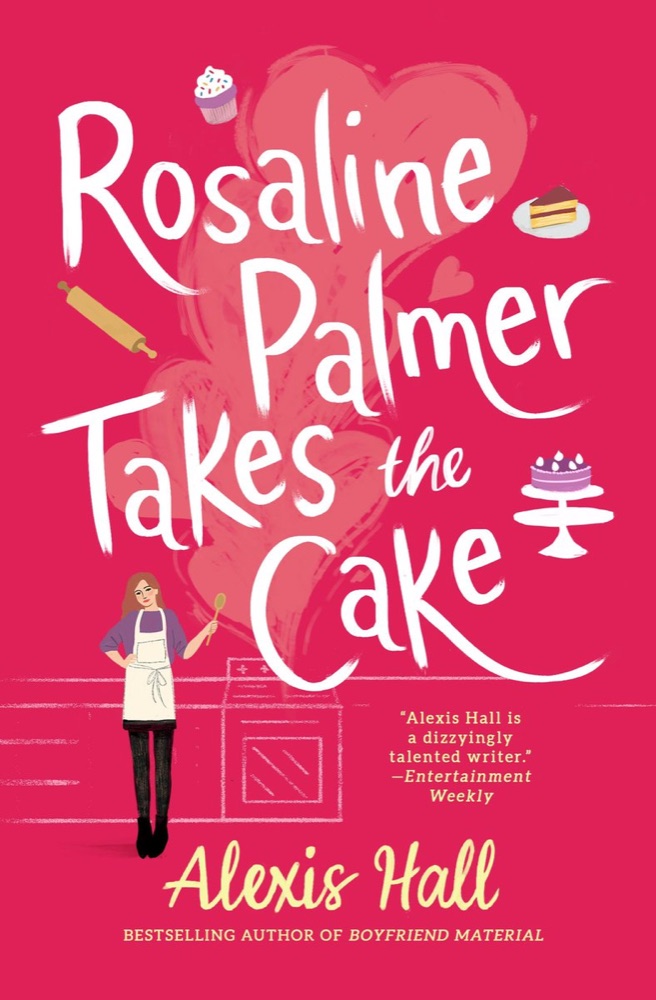 Rosaline Palmer Takes the Cake
 The Fortunes of Indigo Skye
 Love and Trouble: A Midlife Reckoning
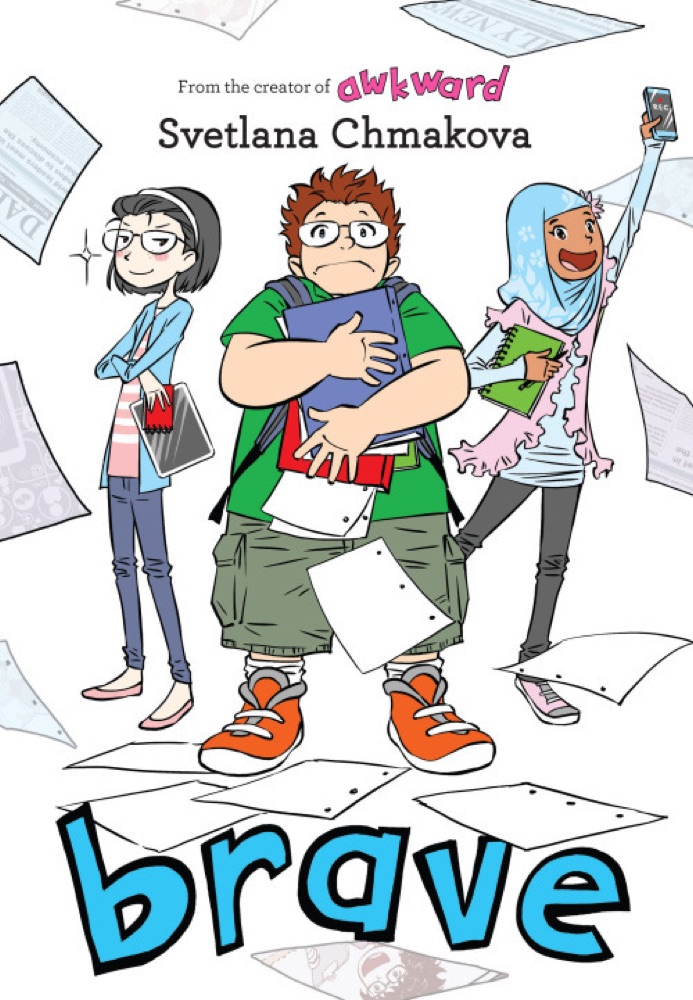 Brave
Brave
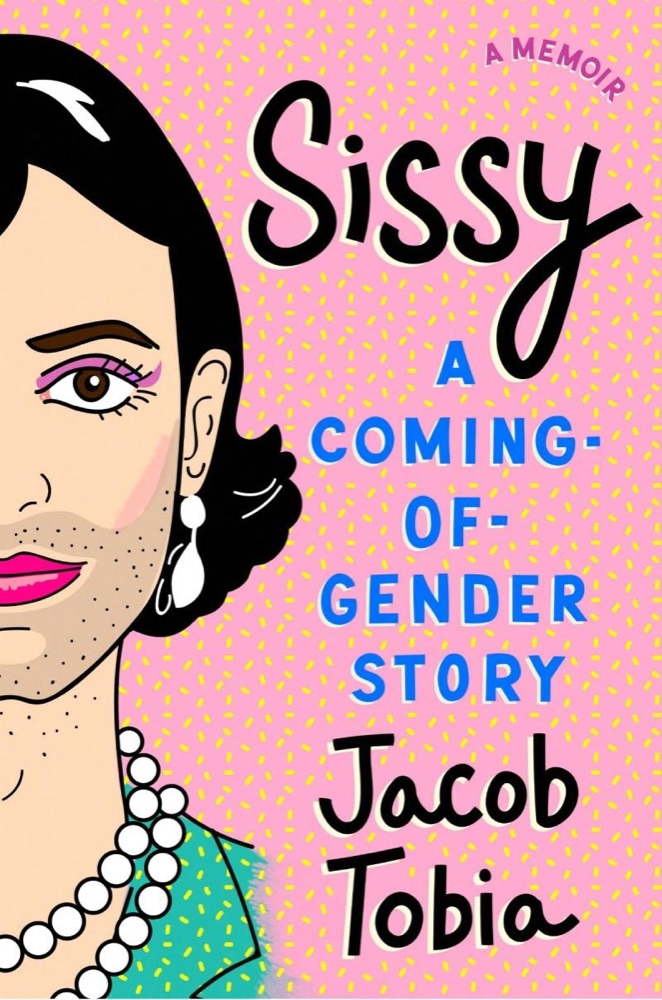 Sissy: A Coming-of-Gender Story
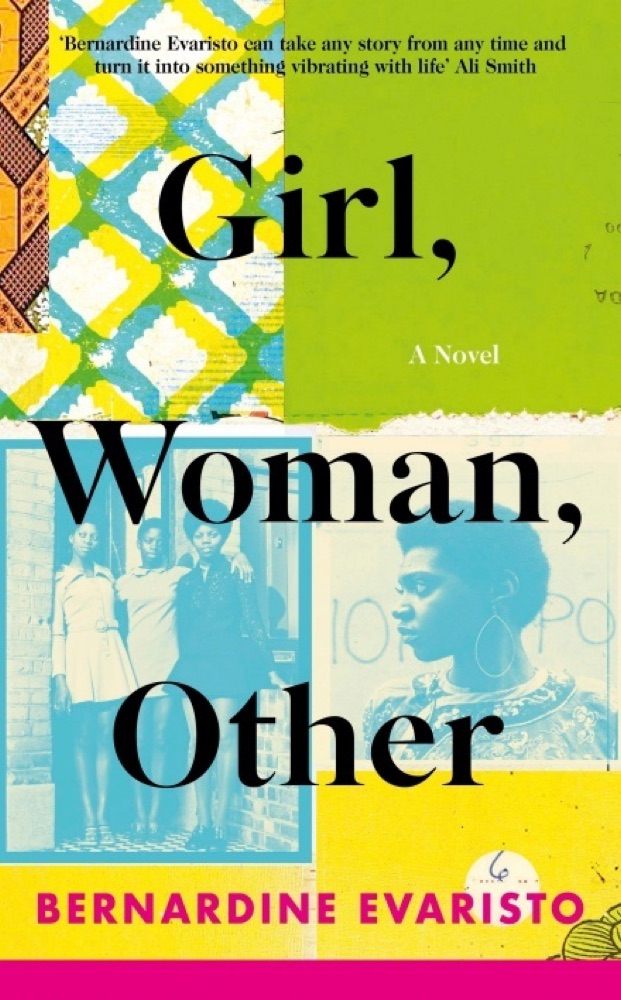 Girl, Woman, Other
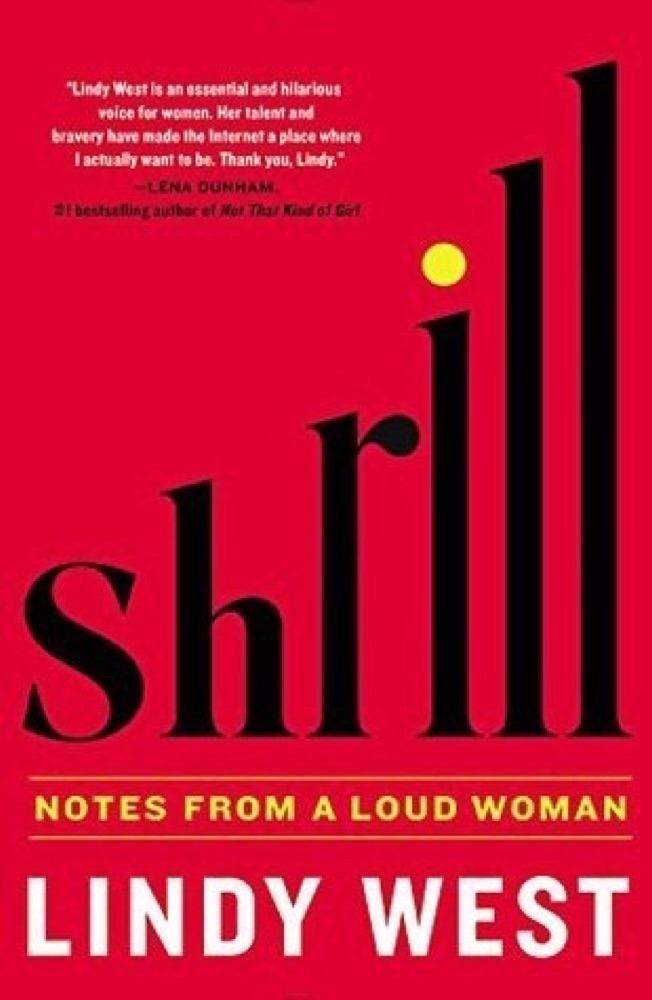 Shrill: Notes from a Loud Woman
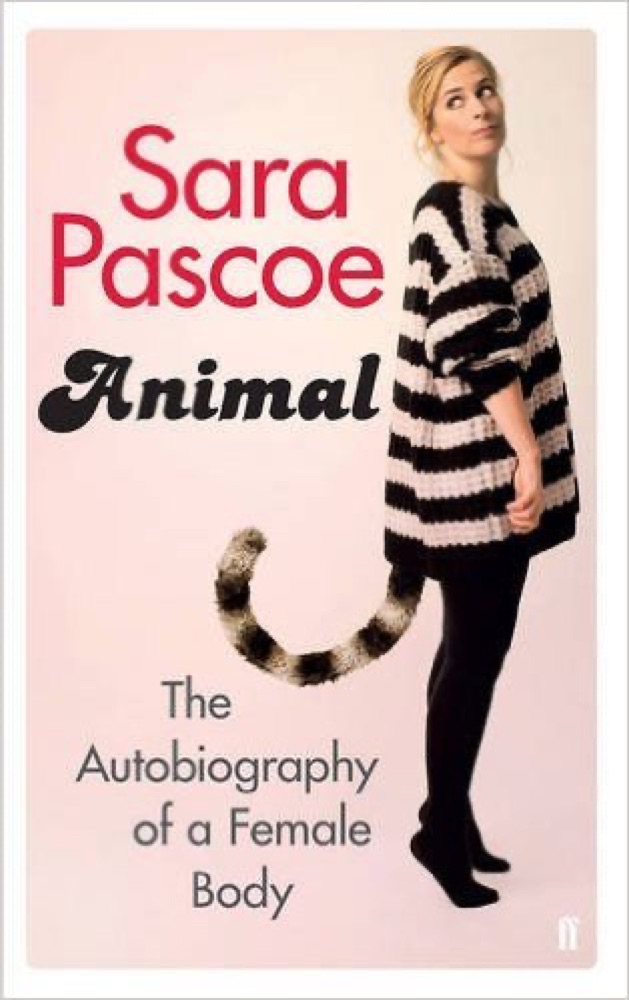 Animal: The Autobiography of a Female Body
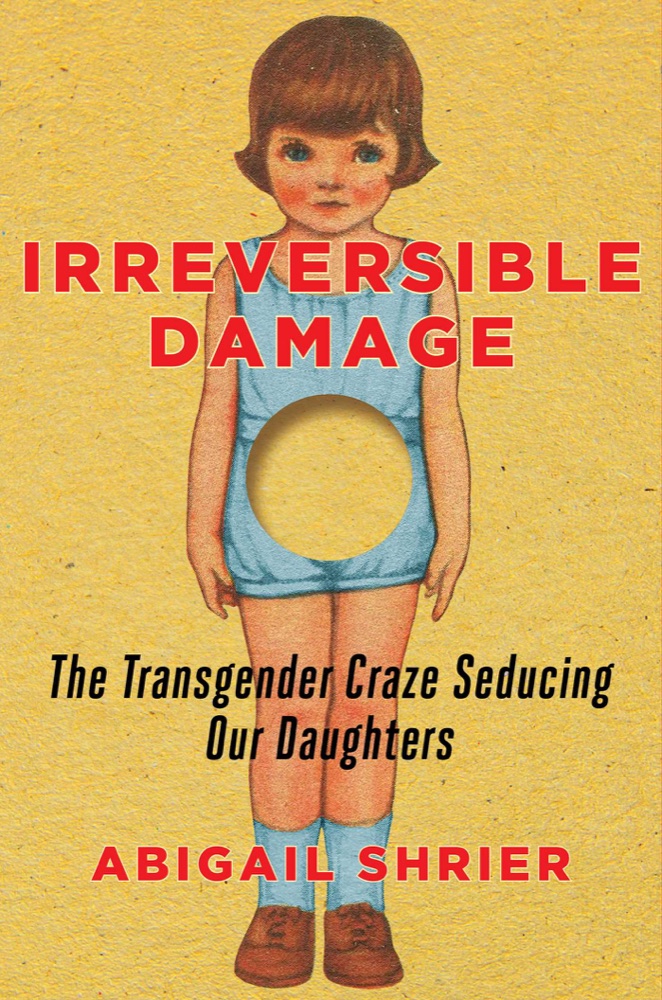 Irreversible Damage: The Transgender Craze Seducing Our Daughters
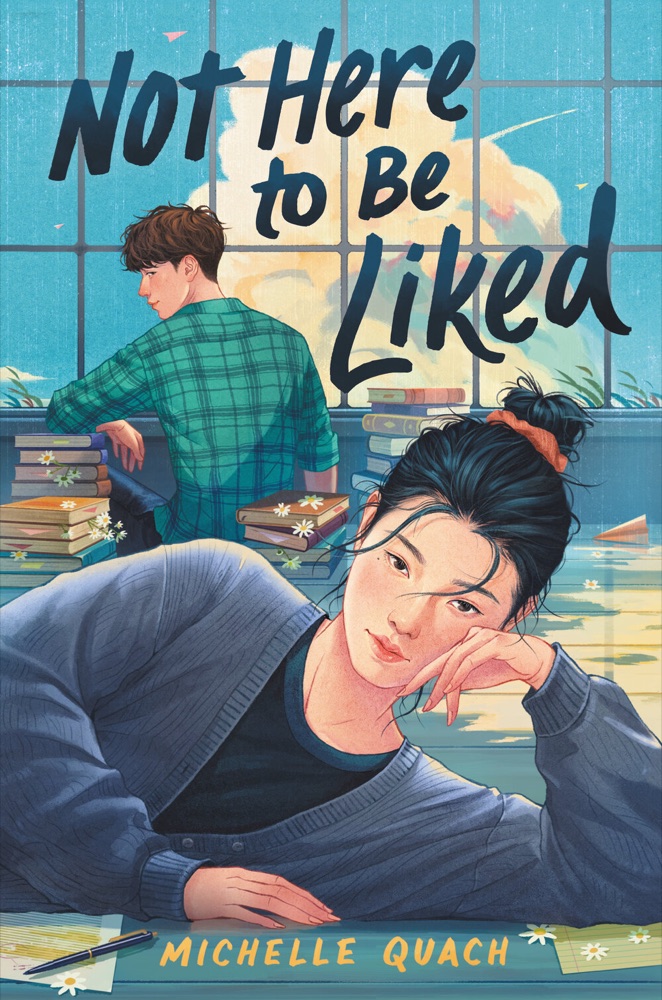 Not Here to Be Liked
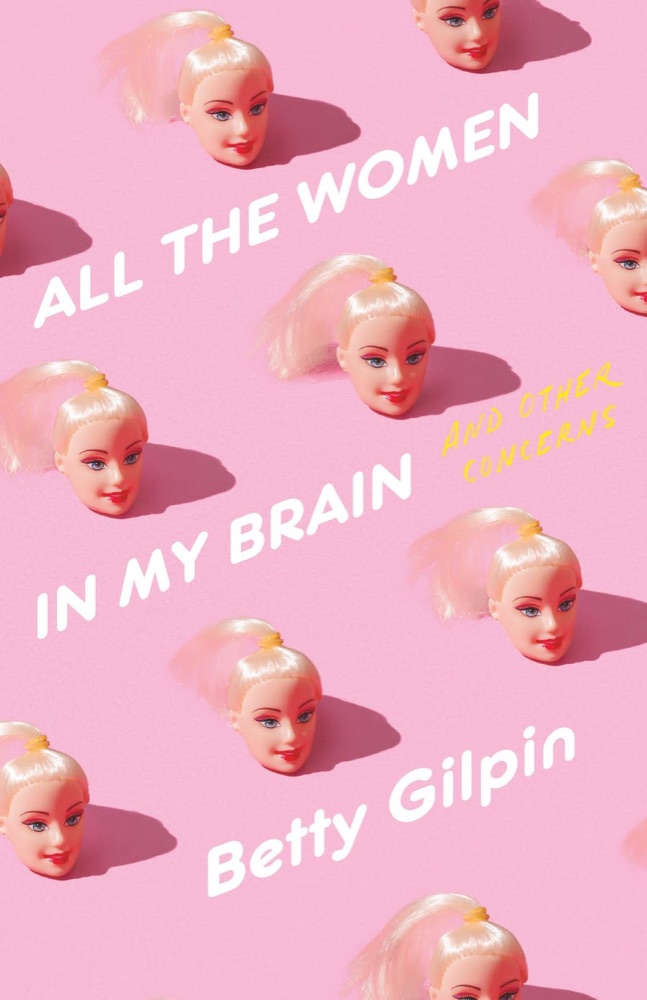 All the Women in My Brain: And Other Concerns
 My Body
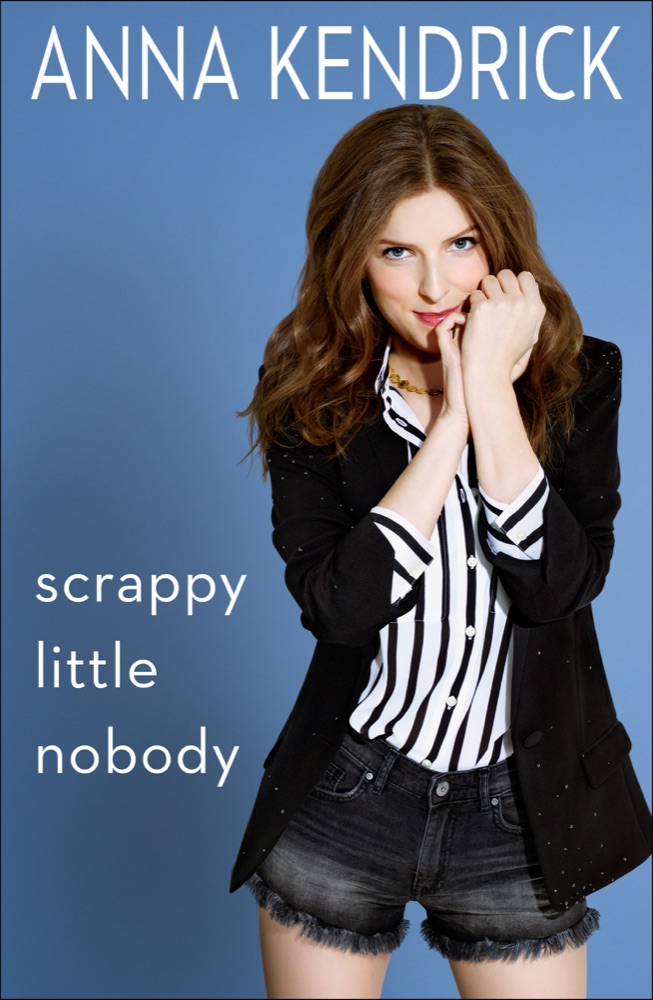 Scrappy Little Nobody
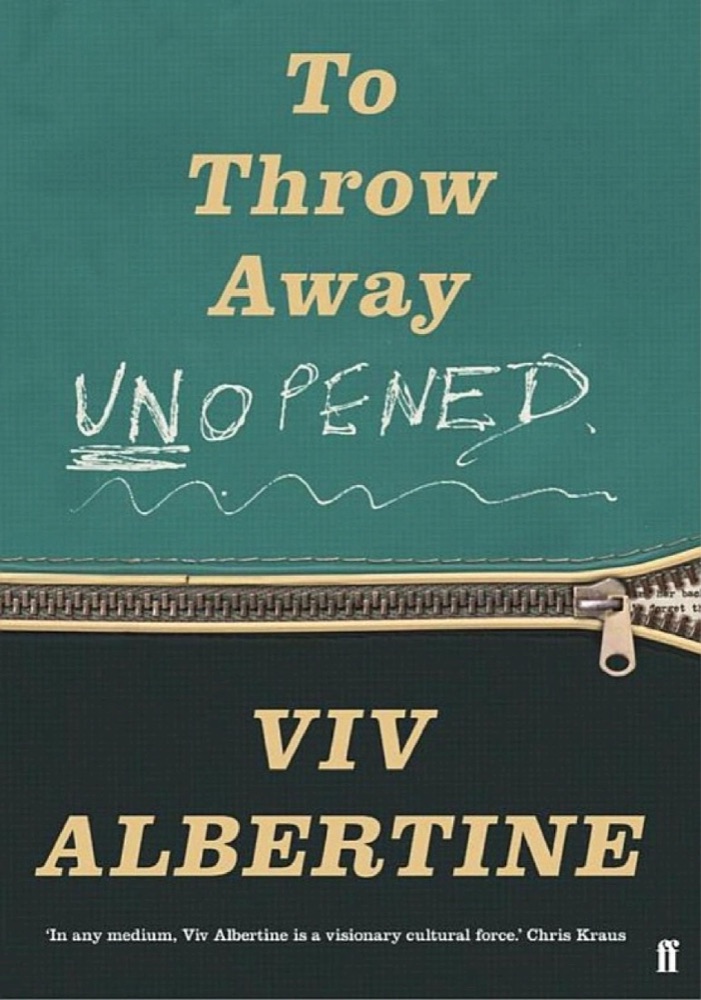 To Throw Away Unopened
 Her Majesty's Royal Coven
 The Female Man
 Woman: An Intimate Geography
 A Certain Hunger
 Moranifesto
 The Female Eunuch
 The Surface Breaks
 Thin Girls
 Shanghai Girls
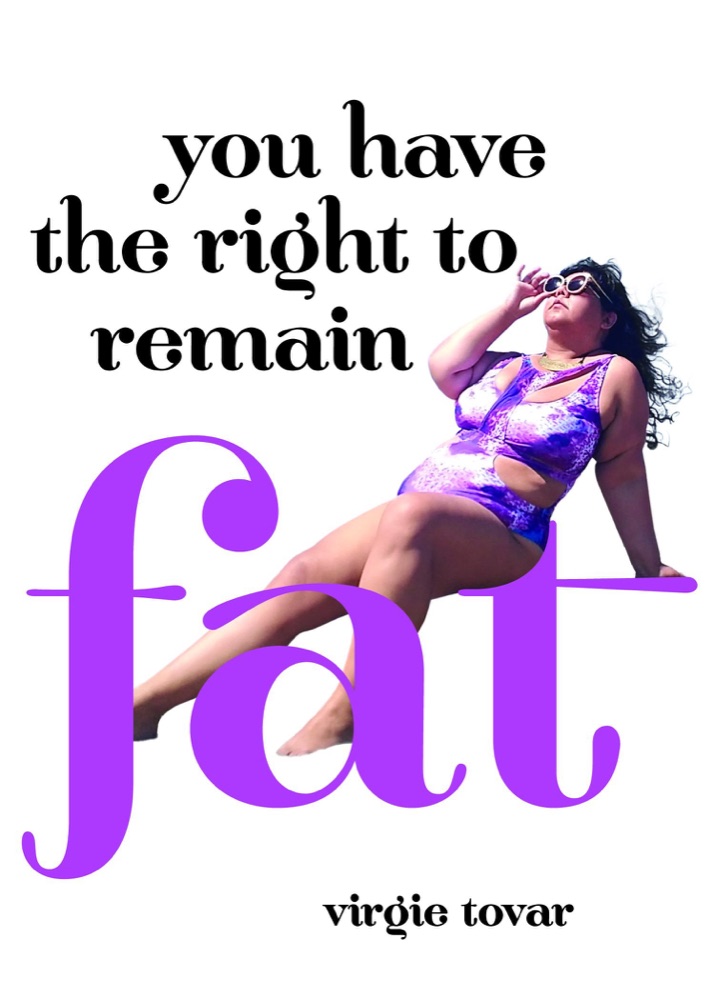 You Have the Right to Remain Fat
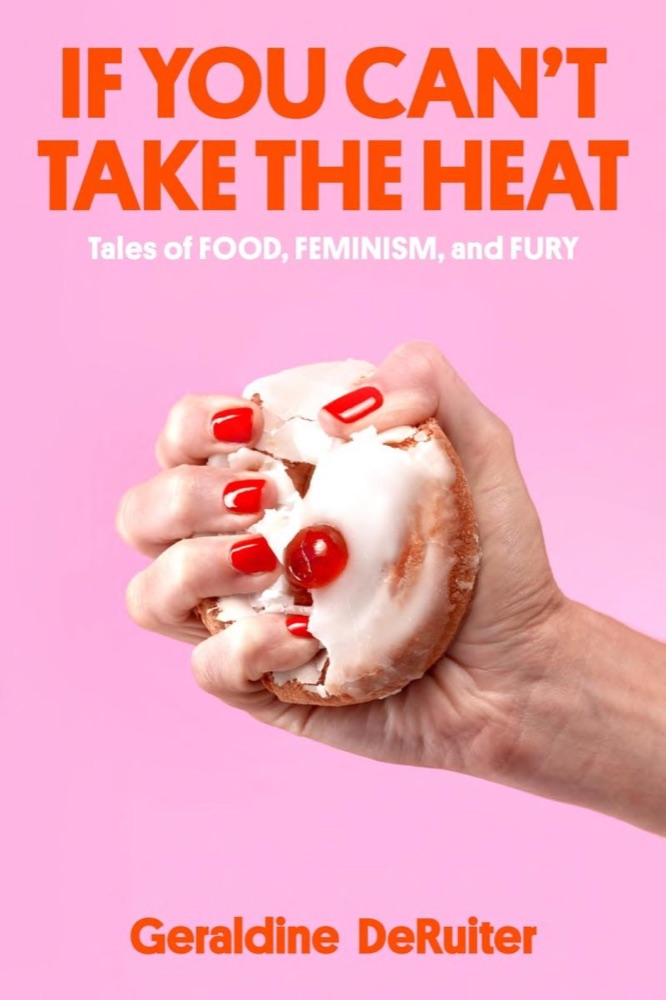 If You Can't Take the Heat: Tales of Food, Feminism, and Fury
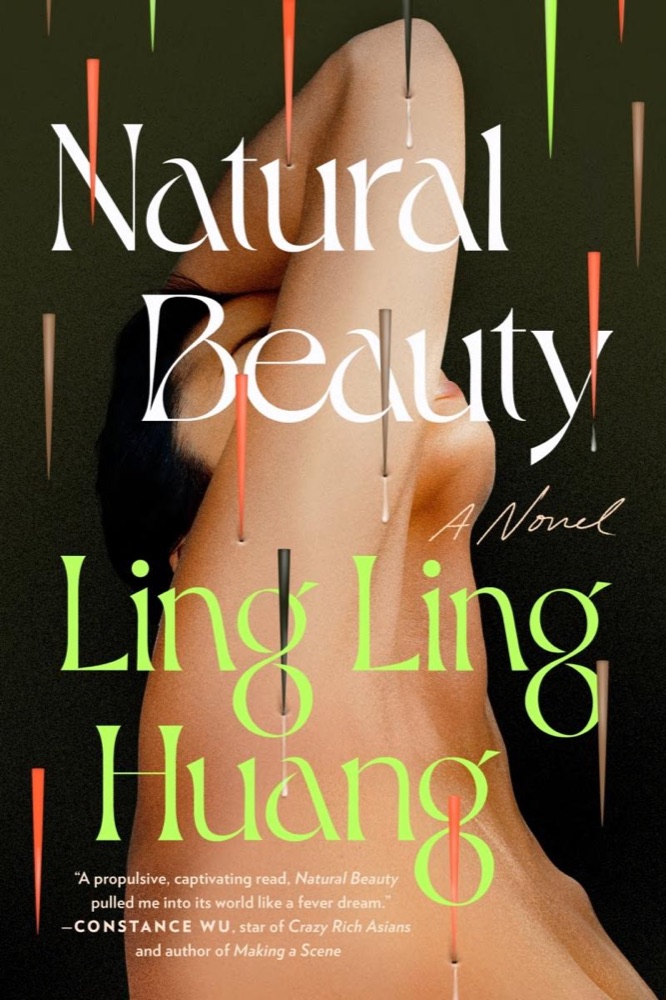 Natural Beauty