

 The Quotidian Mysteries: Laundry, Liturgy and Women's Work
Quotes from the Book
I wonder if children don't begin to reject both poetry and religion for similar reasons, because the way both are taught takes the life out of them.
30
Only Christ could have brought us all together, in this place, doing such absurd but necessary things.
9
Poets are immersed in process, and I mean process not as an amorphous blur but as a discipline. The hard work of writing has taught me that in matters of the heart, such as writing, or faith, there is no right or wrong way to do it, but only the way of your life. Just paying attention will teach you what bears fruit and what doesn't. But it will be necessary to revise--to doodle, scratch out, erase, even make a mess of things--in order to make it come out right.
6
if the scriptures don’t sometimes pierce us like a sword, we’re not paying close enough attention.
5
Anger, [Evagrius] wrote, is given to us by God to help us confront true evil. We err when we use it casually, against other people, to gratify our own desires for power or control.
4
Anyone who listens to the world, anyone who seeks the sacred in the ordinary events of life, has “problems about how to believe.
3
Any life lived attentively is disillusioning as it forces us to know us as we are.
3
The darkness is still with us, O Lord. You are still hidden and the world which you have made does not want to know you or receive you . . . You are still the hidden child in a world grown old . . . You are still obscured by the veils of this world’s history, you are still destined not to be acknowledged in the scandal of your death on the cross . . . But I, O hidden Lord of all things, boldly affirm my faith in you. In confessing you, I take my stand with you . . . If I make this avowal of faith, it must pierce the depths of my heart like a sword, I must bend my knee before you, saying, I must alter my life. I have still to become a Christian. —Karl Rahner, PRAYERS FOR MEDITATION
2
Cities remind us that the desire to escape from the problems of other people by fleeing to a suburb, small town, or a monastery, for that matter, is an unholy thing, and ultimately self-defeating. We can no more escape from other people than we can escape from ourselves.
2
Monastic people have long known--and I've experienced it in a small way myself--that the communal reciting, chanting, and singing of the psalms brings a unique sense of wholeness and order to their day, and even establishes the rhythm of their lives.
2
The tragedy of sin is that it diverts gifts. The person who has a genuine capacity for loving becomes promiscuous, maybe sexually, or maybe by becoming frivolous and fickle, afraid to make a commitment to anyone or anything. The person with a gift for passionate intensity squanders it in angry tirades and, given power, becomes a demagogue.
2
To eat in a monastery refectory is an exercise in humility; daily, one is reminded to put communal necessity before individual preference. While consumer culture speaks only to preferences, treating even whims as needs to be granted (and the sooner the better), monastics sense that this pandering to delusions of self-importance weakens the true self, and diminishes our ability to distinguish desires from needs. It's a price they're not willing to pay.
2
One difficulty that people seeking to modernize hymnals and the language of worship inevitably run into is that contemporaries are never the best judges of what works and what doesn’t. This is something all poets know; that language is a living thing, beyond our control, and it simply takes time for the trendy to reveal itself, to become so obviously dated that it falls by the way, and for the truly innovative to take hold.
2
In our culture, time can seem like an enemy....But the monastic perspective welcomes time as a gift from God and seeks to put it to good use rather than allowing us to be used up by it.....Liturgical time is essentially poetic time, oriented toward process rather than productivity, willing to wait attentively in stillness, rather than always pushing to get the job done,
1
Exile, like memory, may be a place of hope and delusion. But there are rules of light there and principles of darkness. . . . The expatriate is in search of a country, the exile in search of a self. —Eavan Boland, OBJECT LESSONS
1
A prophet’s task is to reveal the fault lines hidden beneath the comfortable surface of the worlds we invent for ourselves, the national myths as well as the little lies and delusions of control and security that get us through the day. And Jeremiah does this better than anyone.
1
As I listened to the Book of Revelation over several weeks I found in it a healing vision, a journey through the heart of pain and despair, and into hope. And I was consistently reminded of how subtly this vision works on us. It asserts that the evils of this world are not incurable, that injustice does not have the last word. And that can be terrifying or consoling, depending on your point of view, your place within the world.
1
I could suddenly grasp that not ever having to think about what to wear was freedom, that a drastic stripping down to essentials in one's dress might also be a drastic enrichment of one's ability to focus on more important things.
1
Poets understand that they do not know what they mean, and that this is a source of their strength. I wonder, if in our modern, literal-minded age, being able to declare 'what I do not see I do not know' is a mark, even a cornerstone, of a poet's faith.
Our idol of the autonomous individual is a sham; the truth is we expect everyone to be the same, and dismiss as elitist those who are working through a call to any genuine vocation. It may be that our culture so fears the necessary other that it has grown unable to identify and name real differences without becoming defensive about them.
Who can be good, if not made so by loving? —St. Augustine
Listening to Jeremiah is one hell of a way to get your blood going in the morning; it puts caffeine to shame.
...and she came to the monk wearing cosmetics, much gold jewelry, and an elaborate silk dress. The monk admonished her gently; 'By supposing your body to require [all this],' he said,'you condemn the Creator for deficiency.' It is a remark that might be interpreted as misogyny, but in the context of the story--the monk pleads that he is only a man with the same nature as hers, and has no special access to God--it is clear that the monk believes the woman to be made in the image of God, good as she is, without unnecessary adornment.
Watch on YouTube
About Kathleen Norris
We have collected 76 quotes from 3 books by Kathleen Norris on BookQuoters.
More about the author →More by Kathleen Norris
The Quotidian Mysteries: Laundry, Liturgy and Women's Work
 Amazing Grace: A Vocabulary of Faith
About the book
Why would a married woman with a thoroughly Protestant background and often more doubt than faith be drawn to the ancient practice of monasticism, to a community of celibate men whose days are centered around a rigid schedule of prayer, work, and scripture? This is the question that poet Kathleen Norris asks us as, somewhat to her own surprise, she found herself on two extended residencies at St. John's Abbey in Minnesota. Part record of her time among the Benedictines, part meditation on various aspects of monastic life, The Cloister Walk demonstrates, from the rare perspective of someone who is both an insider and outsider, how immersion in the cloistered world -- its liturgy, its ritual, its sense of community -- can impart meaning to everyday events and deepen our secular lives. In this stirring and lyrical work, the monastery, often considered archaic or otherworldly, becomes immedi
Book details
- First published
- 1996
- Author
- Kathleen Norris
- Genre
- Nonfiction
- Goodreads rating
- 4.05 (9k ratings)
Keep reading
Amazing Grace: A Vocabulary of Faith
 The Life You've Always Wanted: Spiritual Disciplines for Ordinary People
 The Deeply Formed Life: Five Transformative Values to Root Us in the Way of Jesus
 Reflections on the Psalms
 The Seven Storey Mountain
 Out of Sorts: Making Peace with an Evolving Faith
 Walking on Water: Reflections on Faith and Art
 The Holy Longing: The Search for a Christian Spirituality
 Celebration of Discipline: The Path to Spiritual Growth
 Studies in the Sermon on the Mount
 Everything Belongs: The Gift of Contemplative Prayer
 Rediscover Catholicism
 Letters to Malcolm: Chiefly on Prayer
 Liturgy of the Ordinary: Sacred Practices in Everyday Life
The Quotidian Mysteries: Laundry, Liturgy and Women's Work
Liturgy of the Ordinary: Sacred Practices in Everyday Life
The Quotidian Mysteries: Laundry, Liturgy and Women's Work
 The Spiral Staircase: My Climb Out of Darkness
 Searching for God Knows What
 The Benedict Option: A Strategy for Christians in a Post-Christian Nation
 The World's Last Night: And Other Essays
 Leaving Church: A Memoir of Faith
 This Here Flesh: Spirituality, Liberation, and the Stories That Make Us
 Hallelujah Anyway: Rediscovering Mercy
 The Bible Jesus Read
 Letters and Papers from Prison
 A Year of Biblical Womanhood
 A Pilgrimage to Eternity: From Canterbury to Rome in Search of a Faith
 Tattoos on the Heart: The Power of Boundless Compassion
 Wholehearted Faith
 The Journey Home
 Prayer in the Night: For Those Who Work or Watch or Weep
 My Bright Abyss: Meditation of a Modern Believer
 New Seeds of Contemplation
 The Secret Thoughts of an Unlikely Convert: An English Professor's Journey Into Christian Faith
 The Divine Conspiracy: Rediscovering Our Hidden Life in God
 The Life of Saint Teresa of Ávila by Herself
 Interior Castle
 Renovation of the Heart: Putting On the Character of Christ
 Contemplative Prayer
 The Good Man Jesus and the Scoundrel Christ
 The Spirit of the Disciplines: Understanding How God Changes Lives
 What We Talk about When We Talk about God
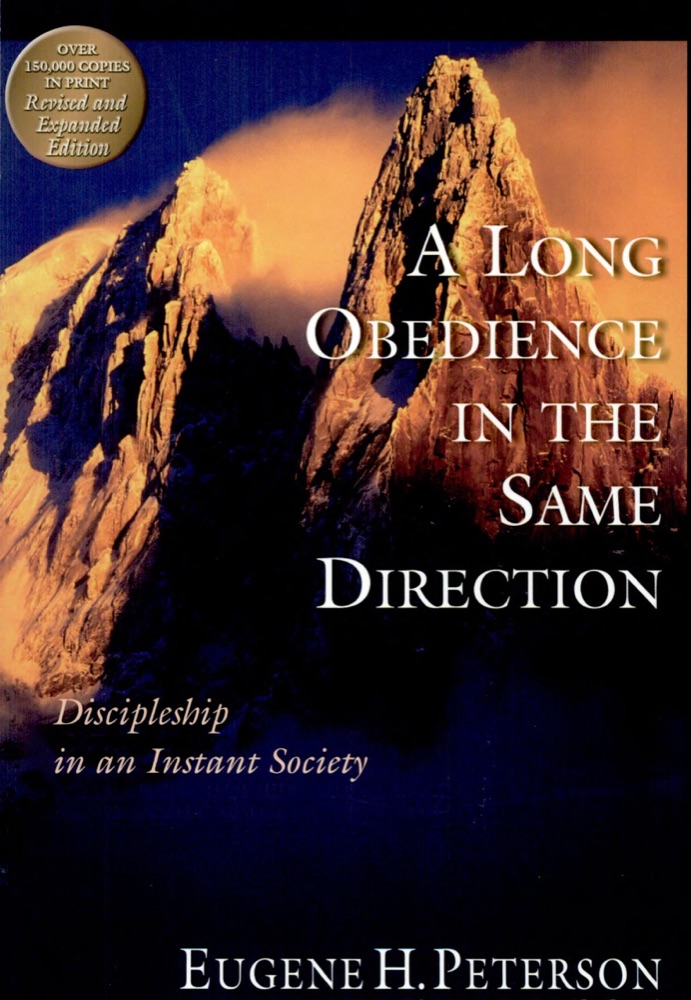 A Long Obedience in the Same Direction: Discipleship in an Instant Society
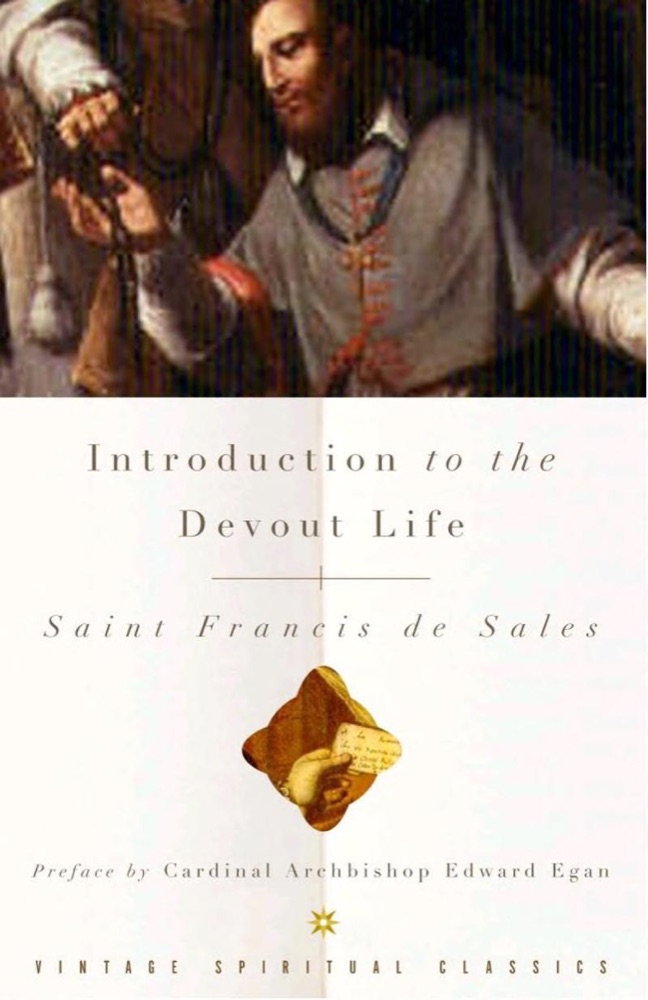 Introduction to the Devout Life
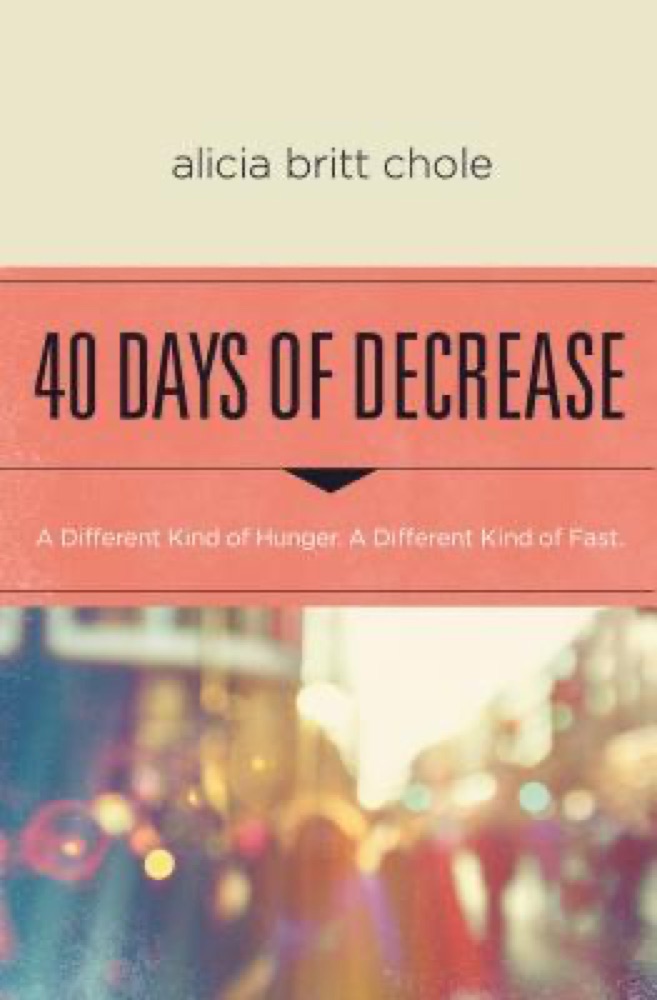 40 Days of Decrease: A Different Kind of Hunger. A Different Kind of Fast.
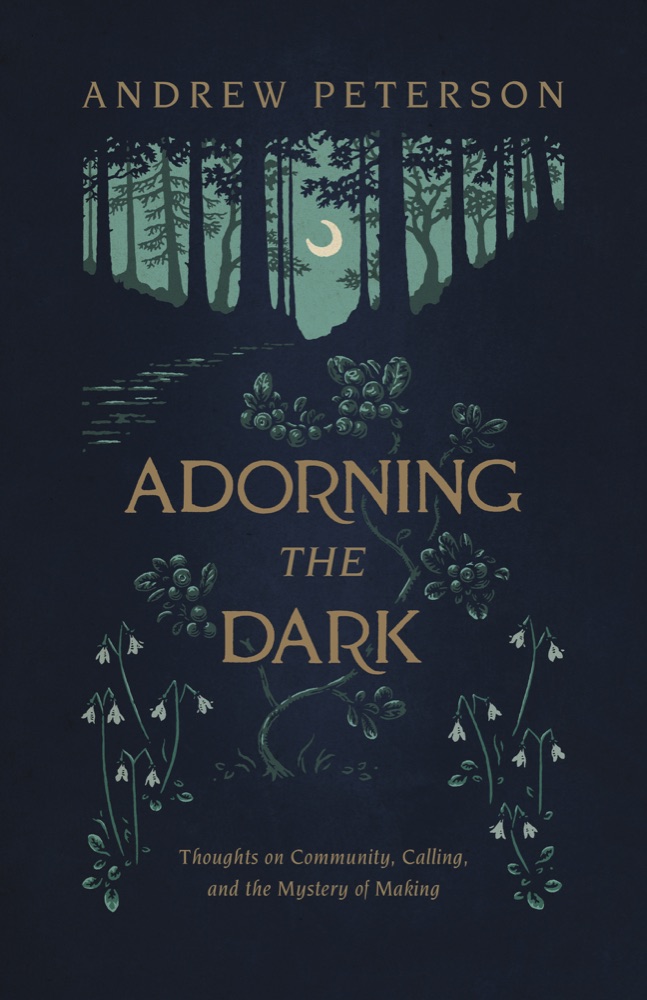 Adorning the Dark: Thoughts on Community, Calling, and the Mystery of Making
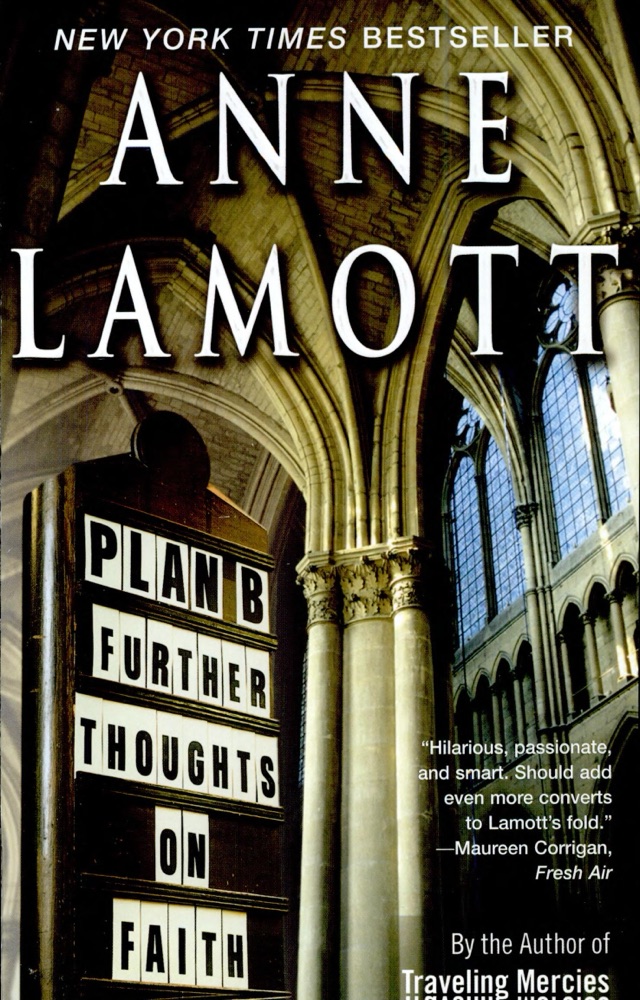 Plan B: Further Thoughts on Faith
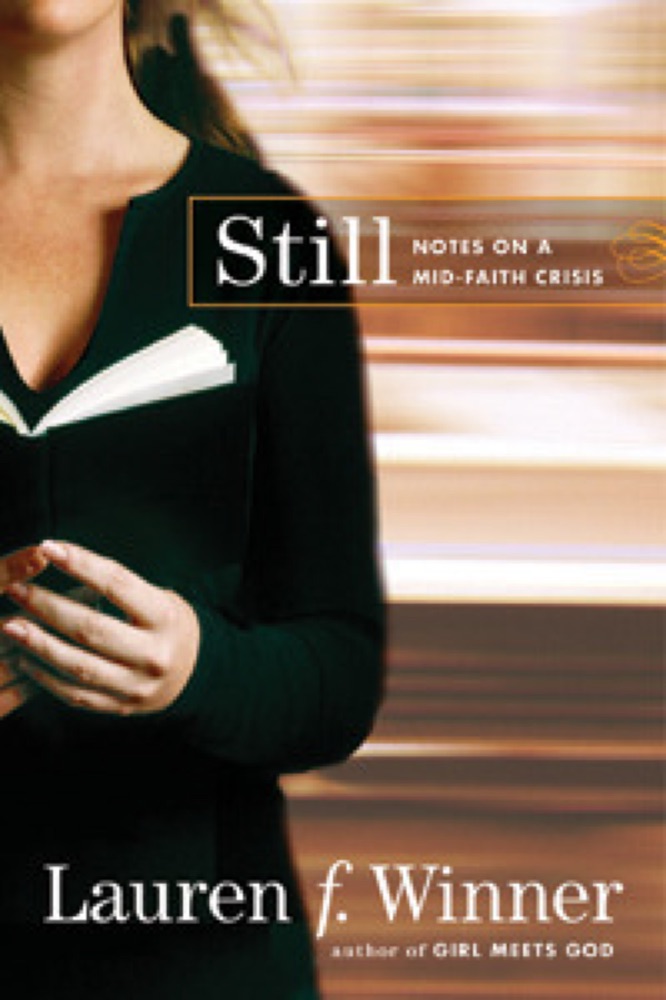 Still: Notes on a Mid-Faith Crisis
 Orthodoxy
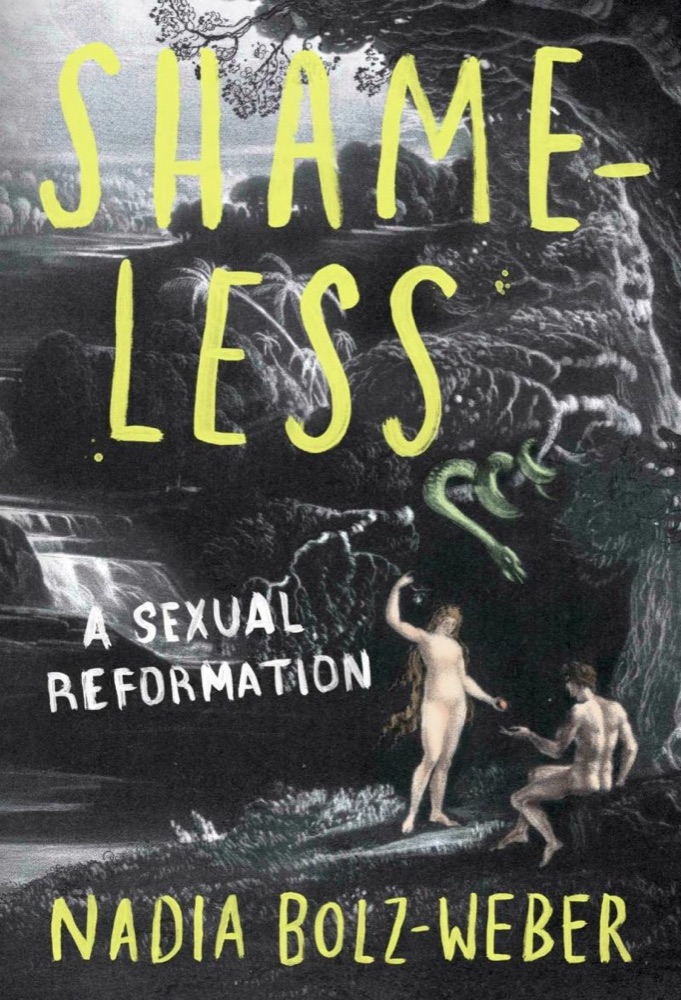 Shameless: A Case for Not Feeling Bad About Feeling Good
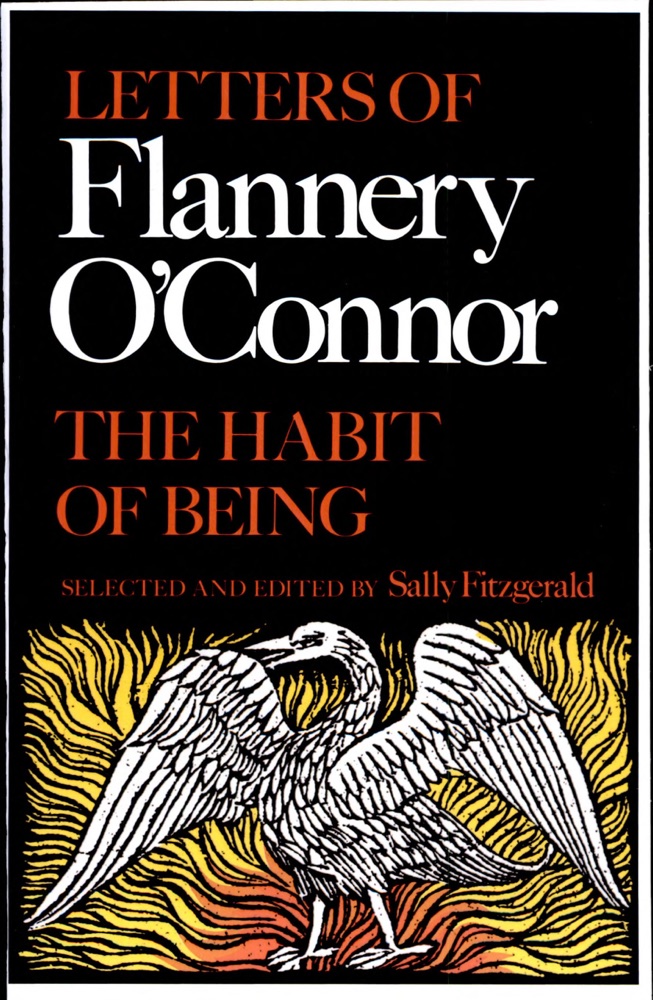 The Habit of Being: Letters of Flannery O'Connor
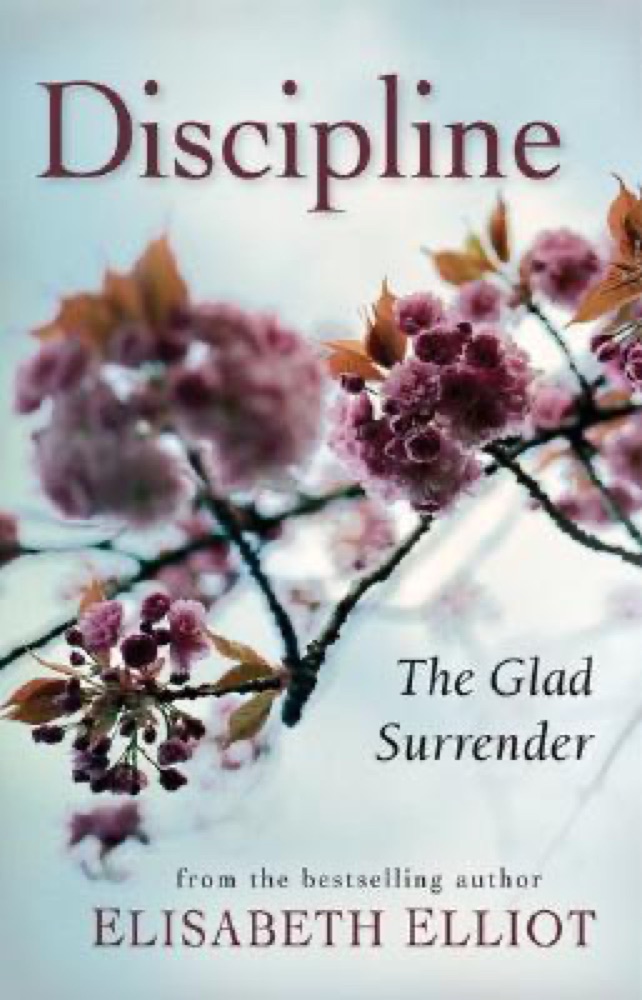 Discipline: The Glad Surrender
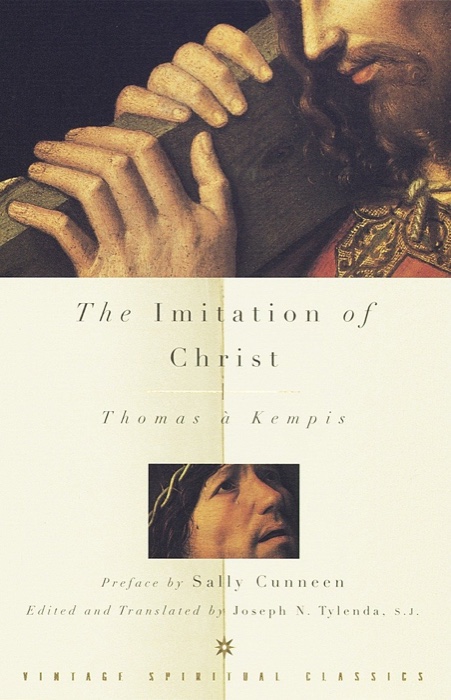 The Imitation of Christ
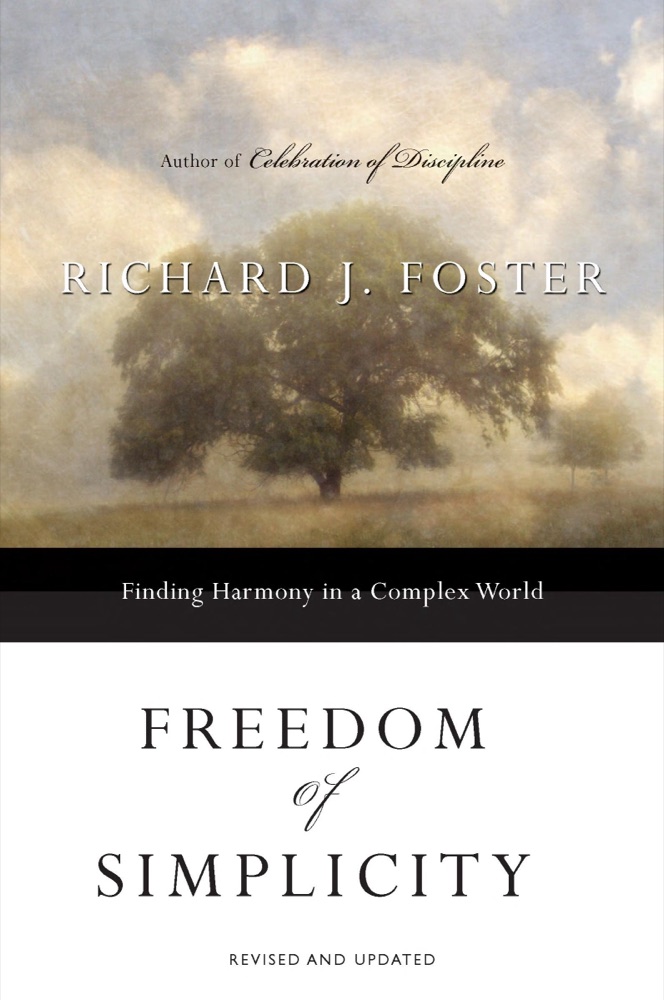 Freedom of Simplicity: Finding Harmony in a Complex World
 Father Joe: The Man Who Saved My Soul
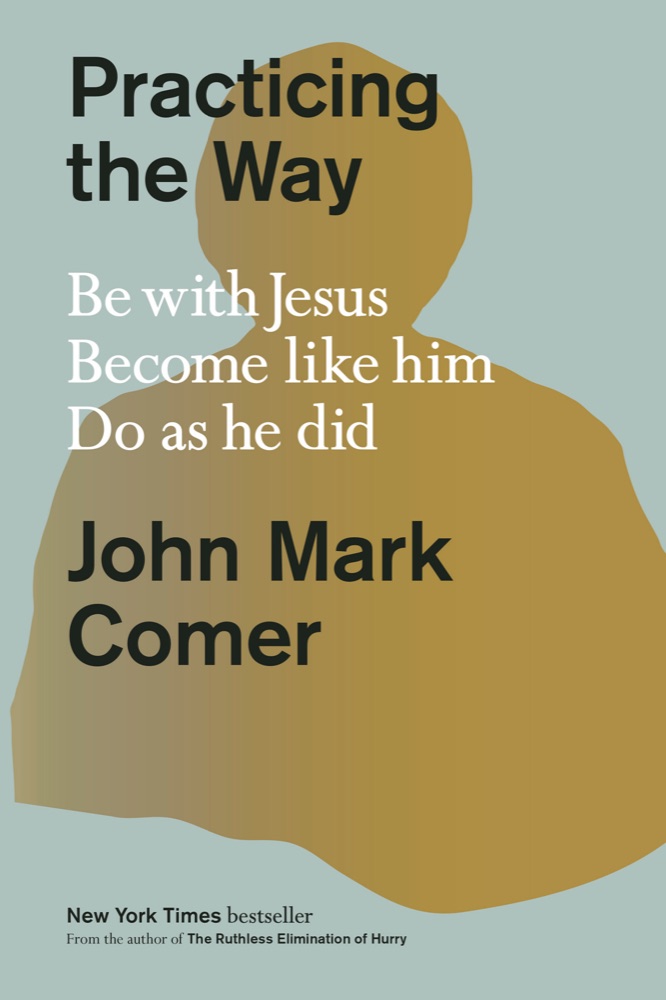 Practicing the Way: Be with Jesus, Become Like Him, Do As He Did
 Breakfast with Buddha
 When I Was a Child I Read Books
 The Crucible of Doubt: Reflections On the Quest for Faith
 The God Who Weeps: How Mormonism Makes Sense of Life