

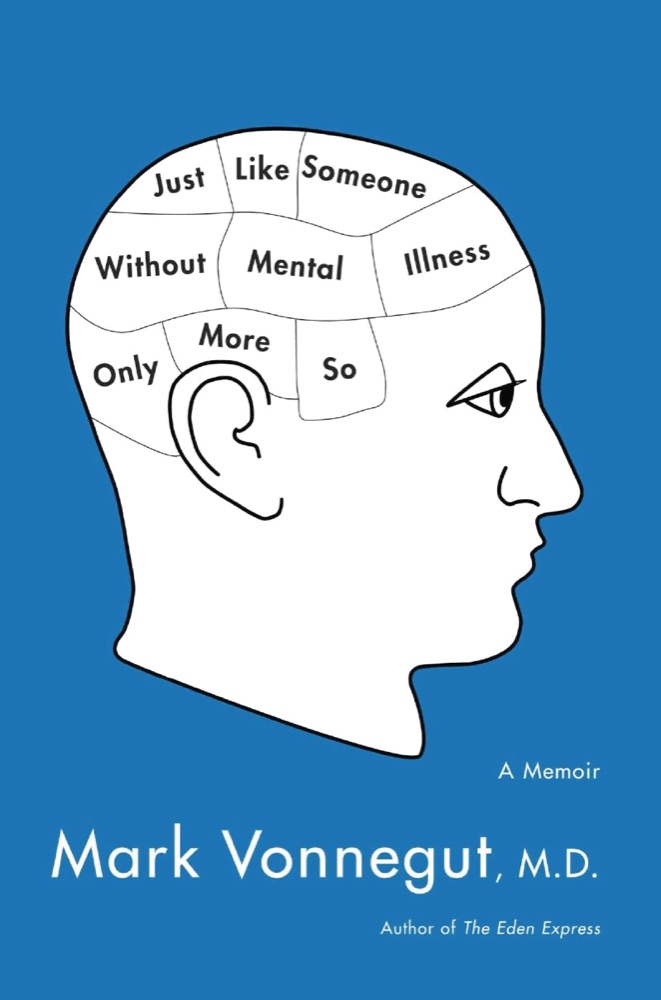
 Just Like Someone Without Mental Illness Only More So
Quotes from the Book
Knowing that you're crazy doesn't make the crazy things stop happening.
It's regrets that make painful memories. When I was crazy I did everything just right.
Fear that I was very different from everyone else. Fear that deep down inside I was a shallow fraud, that after the revolution or after Jesus came down to straighten everything out, everyone from hippies to hard-hats would unfold and blossom into the beautiful people they were while I would remain a gnarled little wart in the corner, oozing bile and giving off putrid smells.
I often took him as one of God's little jokes on me. When I was in desperate trouble, what saved me from a fate worse than death? To what do I owe my life? Was it love, affection, understanding, friends, wisdom? No no no. It was a man who looks like a poor copy of Walt Disney, drives pink Cadillacs, wears baby-blue alligator shoes, and appears to have the emotional depth of a slightly retarded potato.
The way I played music there was the way I wanted to farm, chop wood, cook, make love, raise children. Everything. A lo of it had to do with things I felt while I played. If only I could feel that sense of total absorption in what I was doing when I was doing other things. It was more than absorption, it was spontaneity, competence, a sense of grace and playfulness, of being in touch with an inexhaustible source of energy and beauty.
After my first few tastes I was pretty much hooked. I'd have dry spells, months without any or only piddling amounts of grace, but I never forgot about it or stopped wanting it.
The first meeting I really remember with the good doctor was when I was starting to be able to speak English again and making a brave attempt to regain some of my dignity. Trying to be very sane, I went up to him and asked if he was my doctor. He said he didn't think so. "You're Dr. Dale, aren't you?" "Why, Mark, of course. I didn't recognize you with clothes on." He had a talent for saying just the right thing.
I’m willing to make sense as soon as the rest of the world does.
I was back to being polite, the well-tempered paranoid. I didn't have much of a choice. If I wasn't polite, they could stick me with those needles or put me back in that little room or take away my visitor privileges or any number of other things. Besides, there didn't seem to be any urgency or anything to be gained by not being polite, the way there had been before. So I was polite. There was time.
I’m subject to occasional theological nightmares. The one that leaves me in a cold sweat every time is, I arrive at the pearly gates and the first thing I’m asked is where I went to college.
The Doc. Virginia and Simon had told me that Dr. Dale was my doctor. I have a fuzzy recollection of walking up to some doctor-looking person and being totally absorbed by his gold tie clip. I suspected it was the button to end the world so I didn't touch it. I'm pretty sure it was Dr. Dale. I don't know who else would be so tasteless as to walk around a mental hospital wearing the button to end the world.
But my biggest joy and best education and proudest achievement has been being able to show up for work and life and not cause too much trouble a day at a time in spite of my hysterical, somewhat dramatic, nature.
At the time I would have endorsed the radical notions of R. D. Laing that insanity was a sane reaction to an insane society. Leaving the insane society to set up an independent self-sufficient commune seemed like a very sensible noble brave thing to do—plus it figured to be good for my mental health. Had I gone crazy in Boston or New York I would have blamed my culture and society without a second thought. The arguments were all packed, polished, and ready to fly.
Looking at mental health problems the same way we look at other medical problems is factually correct—the best bet for reducing the disabling symptoms and the only way to lessen the stigma and blame that traditionally double or triple the pain.
Having rationally decided to become less rational, we hoped to find new, meaningful, exciting, useful truths. Folk
Maybe just being open to things being connected made us see more. Now I shudder whenever I find that sort of connectedness creeping into my life.
In a funny way it's almost fun, having everything be so fucked up and managing to adjust. I guess you might say I'm proud. Proud of me, proud of my friends for managing to deal with this thing so well. For most people this would be the end of the world. They'd panic, their friends would panic. Things would get trampled in the stampede. But we've kept our heads, made the necessary allowances, ad can just ride this thing out. I'm pretty much just putting in time waiting for this cloud to blow over. Waiting for something to come along to make some sense out of all this. Killing time, waiting for some sort of cavalry to come over the hill. There's really not an awful lot I can do but wait. As long as there's no panic, we can hold out for damn near forever.
In my more lucid moments I realized that insanity was a fairly reasonable explanation for what was happening to me. The problem was that it wasn't useful information. Realizing I was crazy didn't make the crazy stuff stop happening. Nor did it give me any clues about what I should do next.
For me to have sat around calling the crazy stuff "crazy" would have been the most wasteful, unimaginative thing I could have done. There were so many much better things to do with it.
I was back to being polite, the well-tempered paranoid. I didn't have much choice. If I wasn't polite, they could stick me with those needles or put me back in that little room or take away my visitor privileges or any number of other things. Besides, there didn't seem any urgency or anything to be gained by not being polite, the way there had been before. So I was polite. There was time.
About Mark Vonnegut
We have collected 48 quotes from 2 books by Mark Vonnegut on BookQuoters.
More about the author →More by Mark Vonnegut
Just Like Someone Without Mental Illness Only More So
Book details
- Author
- Mark Vonnegut
- Genre
- Nonfiction
- Goodreads rating
- 3.88 (4k ratings) →
Keep reading
 Madness: A Bipolar Life
 Wishful Drinking
 Brain on Fire: My Month of Madness
 Scar Tissue
 Lust & Wonder
 Legion
 American on Purpose: The Improbable Adventures of an Unlikely Patriot
 Girl, Interrupted
 My Booky Wook
 An Unquiet Mind: A Memoir of Moods and Madness
 Get Me Out of Here: My Recovery from Borderline Personality Disorder
 More, Now, Again: A Memoir of Addiction
 The Center Cannot Hold: My Journey Through Madness
 Committed: On Meaning and Madwomen
 The Quiet Room: A Journey Out of the Torment of Madness
 Toil & Trouble
 Riding the Elephant: A Memoir of Altercations, Humiliations, Hallucinations, and Observations
 Magical Thinking: True Stories
 The Sweet Hereafter
 Let's Pretend This Never Happened: A Mostly True Memoir
 I'm Fine...And Other Lies
 Heart Berries
 Dyscalculia: A Love Story of Epic Miscalculation
 The Marvelous Misadventures of Ingrid Winter
 The Golden Notebook
 One's Company
 The Likeness
Just Like Someone Without Mental Illness Only More So
The Likeness
Just Like Someone Without Mental Illness Only More So
 Hyperbole and a Half: Unfortunate Situations, Flawed Coping Mechanisms, Mayhem, and Other Things That Happened
 Me
Me
 The Wasp Factory
 The Madness Underneath
 The Folded Clock: A Diary
 Tales of Ordinary Madness
 Darkly Dreaming Dexter
 The Hour I First Believed
 To Shake the Sleeping Self: A Journey from Oregon to Patagonia, and a Quest for a Life with No Regret
 Sleepwalk With Me and Other Painfully True Stories
 Dark Places
 Apathy and Other Small Victories
 Managing Expectations: A Memoir in Essays – A Poignant Collection of Personal Stories on Acting, Failure, and Motherhood's Joy
 The Story of a New Name
 The Dud Avocado
 Operation Shylock: A Confession
 Sybil: The Classic True Story of a Woman Possessed by Sixteen Personalities
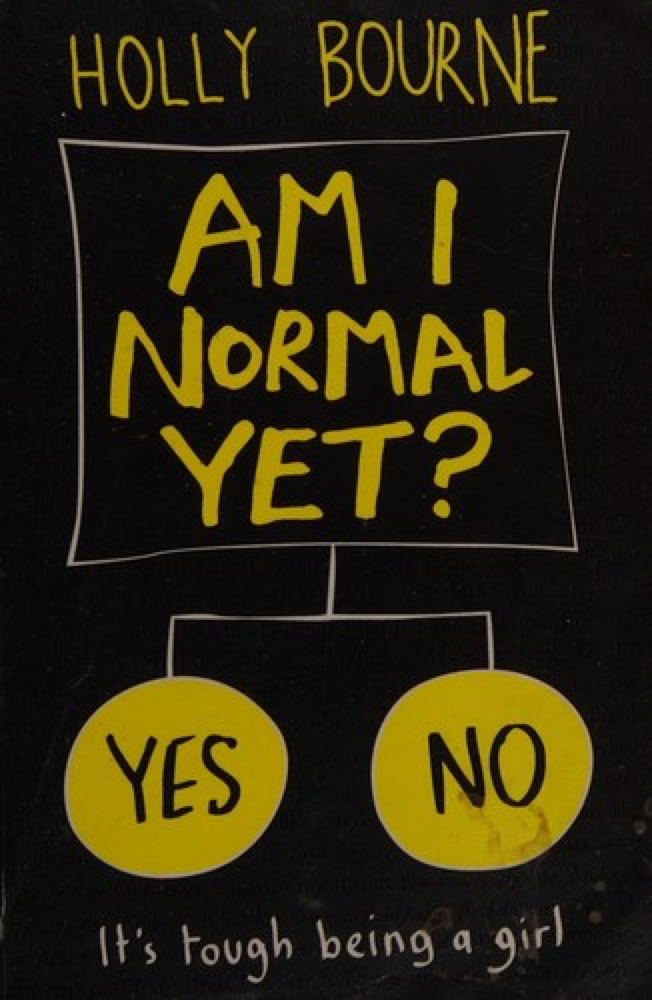 Am I Normal Yet?
 The Bedwetter: Stories of Courage, Redemption, and Pee
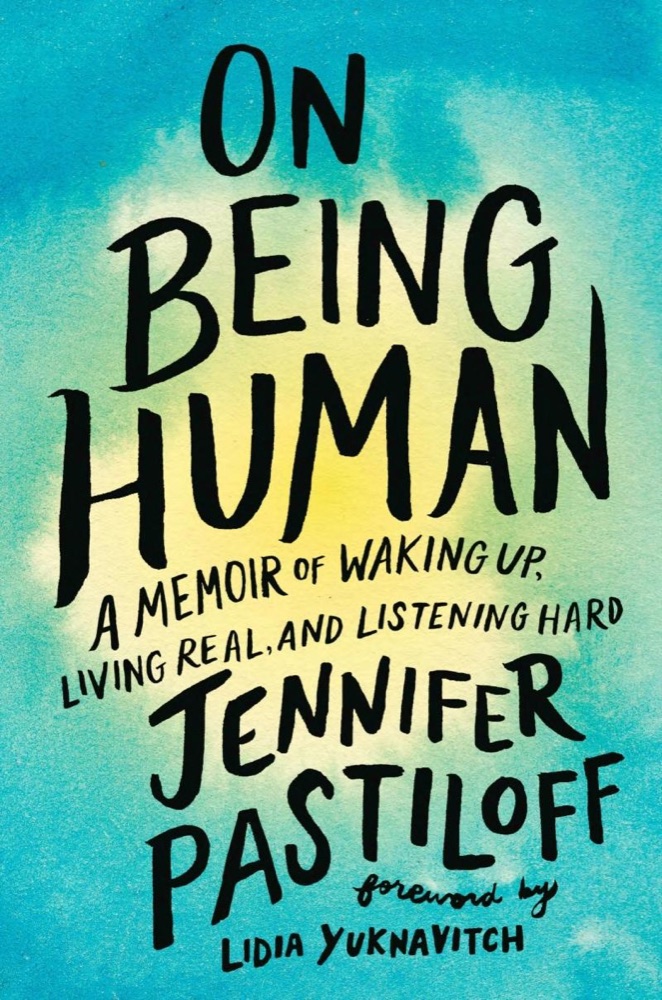 On Being Human: A Memoir of Waking Up, Living Real, and Listening Hard
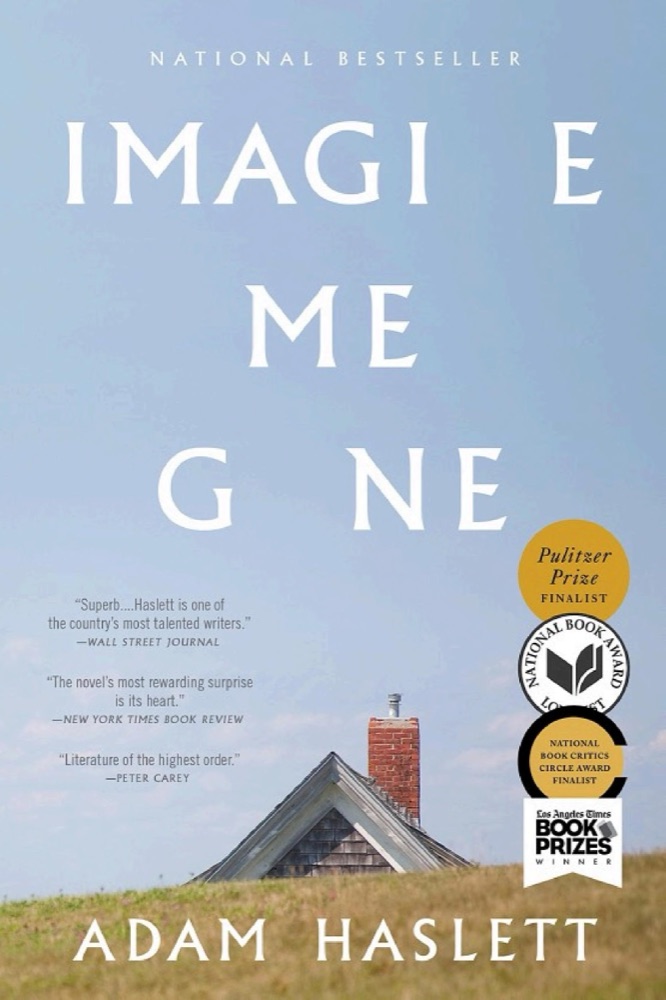 Imagine Me Gone
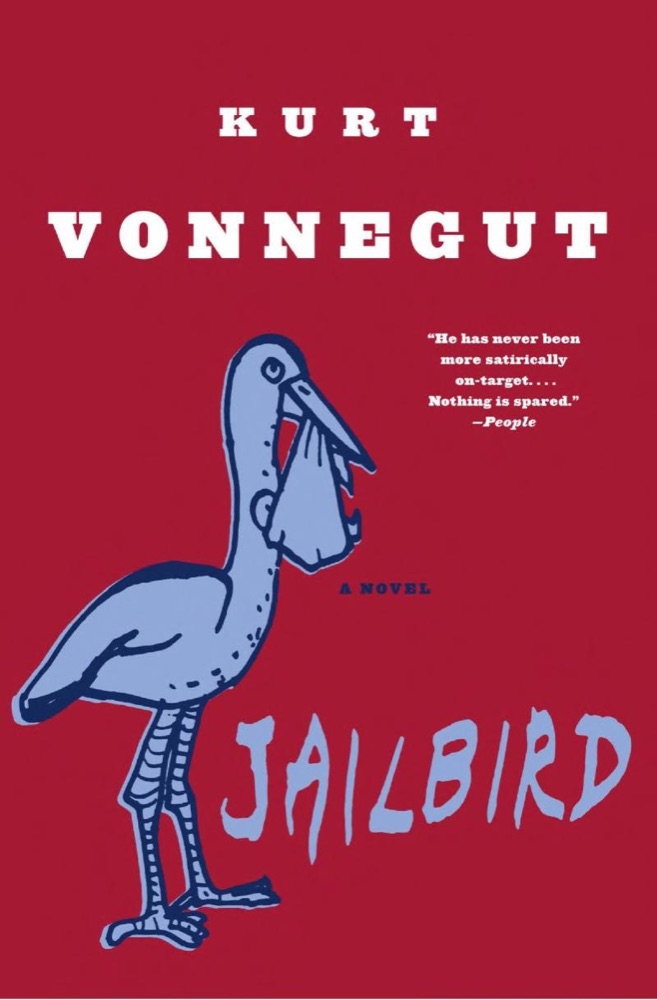 Jailbird
 The Bachman Books
 Permanent Midnight
 Devotion
 Don't Get Too Comfortable: The Indignities of Coach Class, the Torments of Low Thread Count, the Never-Ending Quest for Artisanal Olive Oil, and Other First World Problems
 Look Me in the Eye
 Infinite Jest
 Dinner for Vampires: Life on a Cult TV Show
 The Discomfort Zone: A Personal History
 A Thousand Acres