
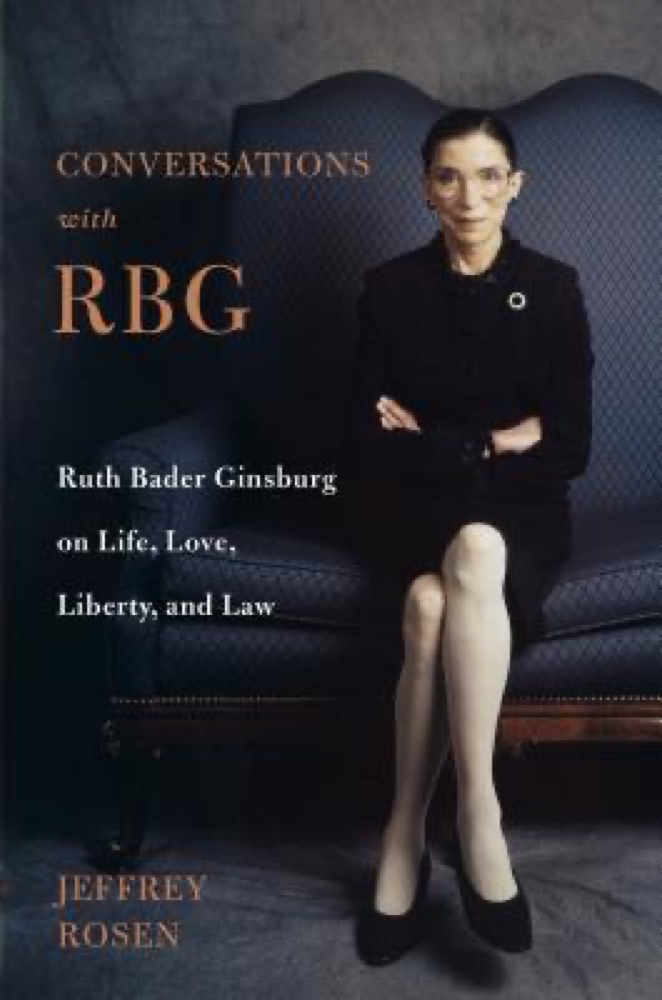
 Conversations with RBG: Ruth Bader Ginsburg on Life, Love, Liberty, and Law
Quotes from the Book
Women have come so far in a few decades, and the law, even with its flaws and its anachronisms, has been a quiet, persistent source of order and meaning in a world that feels ever more out of our control. It’s been a source of power beyond just rage. We have a long way to go, the road will be bumpy, and the destination still feels less than clear. But women plus law equals magic; we prove that every day. And bearing witness to what it can and will achieve has been the great privilege of my lifetime. ACKNOWLEDGMENTS When people tell you their stories about Tina Bennett, super agent, believe them.
2
The law doesn't change the culture and the culture only very slowly shapes the law.
1
Getting a law degree is just about using the master's tools to destroy the master's home (quoting Becca Heller)
1
None of our legal and constitutional progress happened in a straight path from light to dark . . . It has been a chiaroscuro journey through a legal system designed chiefly by men, for men, for the principal purpose of advancing the lot of men.
1
Being told you are believed without consequences being levied is neither justice nor power. And that is the real problem when women's pain is substituted for actual justice. Pain seems to have a sell-by date. Justice does not.
1
Lock her up”—as a prong of Make America Great Again—became a promise to weaponize the machinery of law to silence, threaten, and isolate women. In the end it didn’t even matter whom the pronoun “her” referenced. For crowds who embraced it, it was a generalized promise that after centuries of women’s diligent efforts at bending and shaping and coaxing the law into affording them equal protection and dignity, their gender itself could become a crime.
1
I was constantly frustrated by the tension between those who walked away from collapsing institutions and those who remained to try to mitigate the damage. For myself, I felt that the country had betrayed Dr. Ford and her testimony, and there was a connection between the paternalism that led us to pity her, and yet step over her, and the paternalism of a legal system that would increasingly treat all women the same way.
1
But the fact that so much of the #MeToo movement is social rather than legal creates a problem: how to secure justice and protect equal dignity when punishment is meted out not by impartial legal institutions but by shaming and stigmatization.
1
But as Warren explained in a law review article published in 2021, this endless, exhausting work of bearing witness is at least theoretically important because “there is virtue in screaming into the face of deafening indifference, if only because the sound of my voice reminds me that I have not yet succumbed to it.
1
The truth about how legal decisions involving women . . . have been framed in the American courtrooms until very recently: by husbands and fathers with good intentions and staggeringly low information
The threat of “Lock her up”—so chilling to women who heard it hurled at Hillary Clinton, Nancy Pelosi, and Christine Blasey Ford—is the threat that what looks like law will become the mechanism for undoing the law. For the millions of American women who witnessed Ford’s testimony and Kavanaugh’s response, the icy realization that male entitlement, threats, and fury could still outrun and overmaster the truth, even in a process that purported to surface the truth, was another earthquake in the Trump years. Law or the trappings of law could be used to silence and sideline women. That isn’t a fight about equality; it’s a fear of retribution.
In an interview years later, I asked Anita Hill whether and when it was appropriate to give up on the legal system, to walk away and claim that it was a force for more harm than good. So many of the women in this book shrugged and told me that the law is an imperfect solution at best, but Anita Hill recoiled when I suggested as much: “Without law it’s chaos, right? Because we will lose. We will lose with chaos. We will always lose.” Perhaps more than anyone else she articulated the special relationship that exists by necessity between vulnerable communities and the legal system. “Chaos,” she told me, “allows for behavior you could not anticipate. With institutions, if you understand an institution, you know how things work. They may not work perfectly for you, but you know how they work. Chaos, you don’t know how it works, and it’s survival of the fittest. And people can really act on their worst instincts. That may be true, to some extent, in institutions. But there is something that you can navigate.” Women have a special relationship with the law, because the next best alternative is violence. Women have a special relationship with the justice system, Hill believes, because it is something we can navigate. But for the law, she told me, January 6, 2021, the day on which rioters stormed the US Capitol seeking to halt the certification of the 2020 presidential election, “could have been passed off as just like any other day in the White House or in the Capitol.” So we rely upon the law, she explained, because without it we have far less. And perhaps because we are so vulnerable to its failures, we tend to be especially vigilant, maybe even hypervigilant, when it feels as if it were sliding away.
Among other things, Hill cited a recent survey by the Department of Defense showing that sexual harassment and assault in the military rose by 38 percent from 2016 to 2018, and CDC reports that one in three women and one in four men will experience sexual violence during their lifetimes. According to the EEOC, claims of sexual harassment increased by more than 12 percent from 2017 to 2018.
Researchers have been studying the data on women judges for several decades, trying to ascertain whether women make different kinds of judicial decisions from men. The bulk of this research suggests that having women on the bench leads to different results in cases that have to do with gender; that when appellate judges sit together on three-judge panels, a single woman can impact the opinions of her male colleagues on cases about gender discrimination or sexual harassment. (I have always loved these studies insofar as they seem to suggest that feminism is contagious and that men are susceptible to catching it.)
Watch on YouTube
About Dahlia Lithwick
We have collected 14 quotes from 1 book by Dahlia Lithwick on BookQuoters.
More about the author →About the book
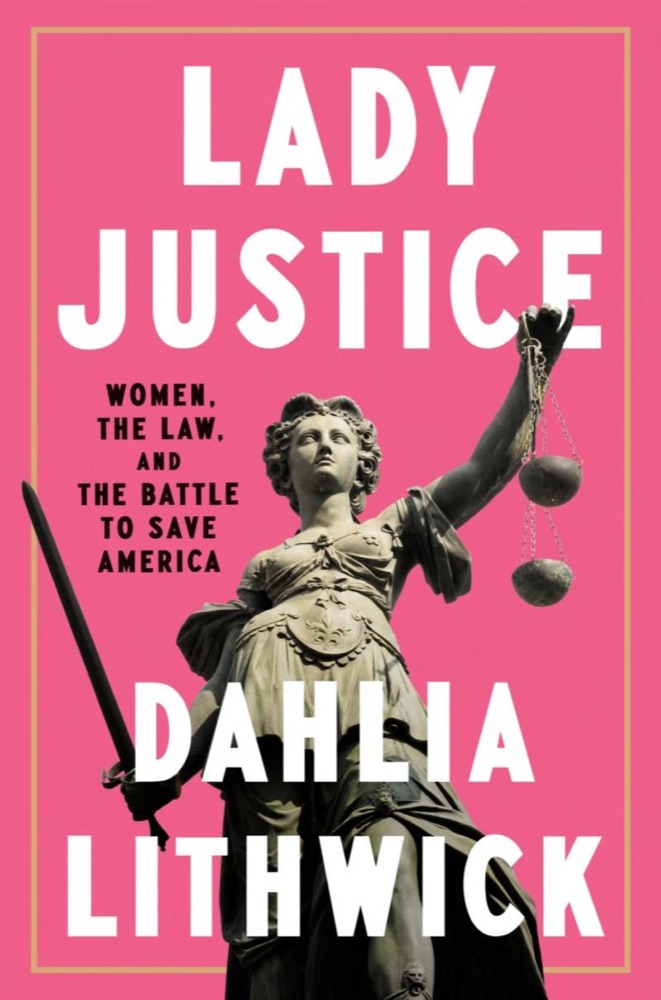
"Dahlia Lithwick, one of the nation's foremost legal commentators, tells the gripping and heroic story of the women lawyers who fought the racism, sexism, and xenophobia of Donald Trump's presidency-and won. After the sudden shock of Donald Trump's victory over Hillary Clinton in 2016, many Americans felt lost and uncertain. It was clear he and his administration were going to pursue a series of retrograde, devastating policies. What could be done? Immediately, women lawyers all around the country, independently of each other, sprang into action, and they had a common they weren't going to stand by in the face of injustice, while Trump, Mitch McConnell, and the Republican party did everything in their power to remake the judiciary in their own conservative image. Over the next four years, the women worked tirelessly to hold the line against the most chaotic and malign presidency in livin
Book details
- First published
- 2022
- Author
- Dahlia Lithwick
- Genre
- Nonfiction
- Goodreads rating
- 4.36 (3k ratings)
The buzz
- Kirkus ReviewsReview in Kirkus Reviewsprofessional review (via Book Marks)
- Publishers WeeklyReview in Publishers Weeklyprofessional review (via Book Marks)
- The Boston GlobeReview in The Boston Globeprofessional review (via Book Marks)
- BooklistReview in Booklistprofessional review (via Book Marks)
Keep reading
Conversations with RBG: Ruth Bader Ginsburg on Life, Love, Liberty, and Law
 Boys Will Be Boys: Power, Patriarchy and the Toxic Bonds of Mateship
 Men Explain Things to Me
 Fix the System, Not the Women
 My Own Words
 Whose Story Is This? Old Conflicts, New Chapters
 The Right to Sex: Feminism in the Twenty-First Century
 The Witches Are Coming
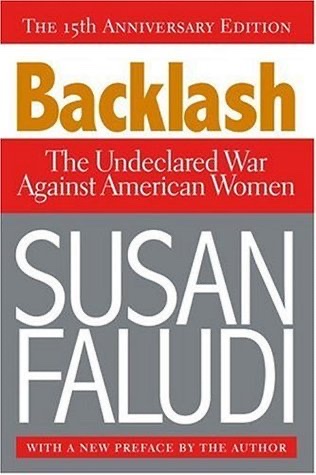 Backlash: The Undeclared War Against American Women
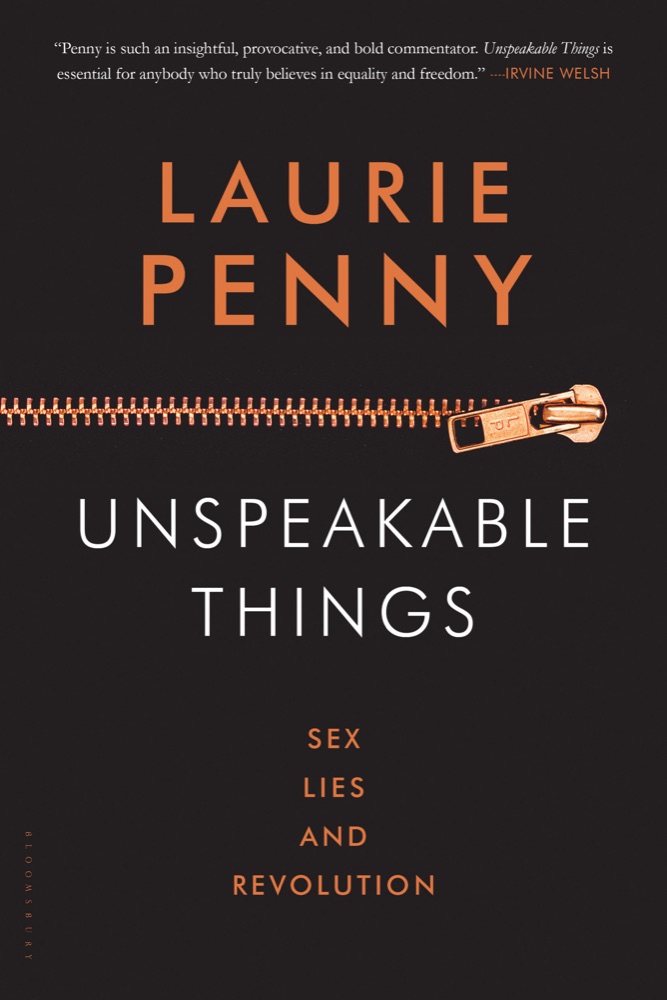 Unspeakable Things: Sex, Lies and Revolution
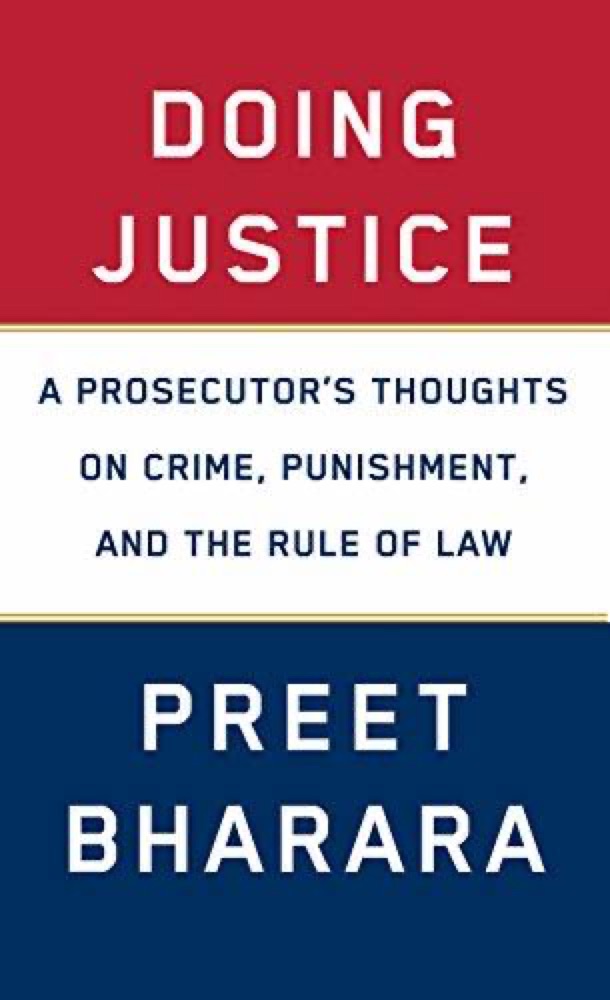 Doing Justice: A Prosecutor's Thoughts on Crime, Punishment, and the Rule of Law
 What Happened
 Disclosure
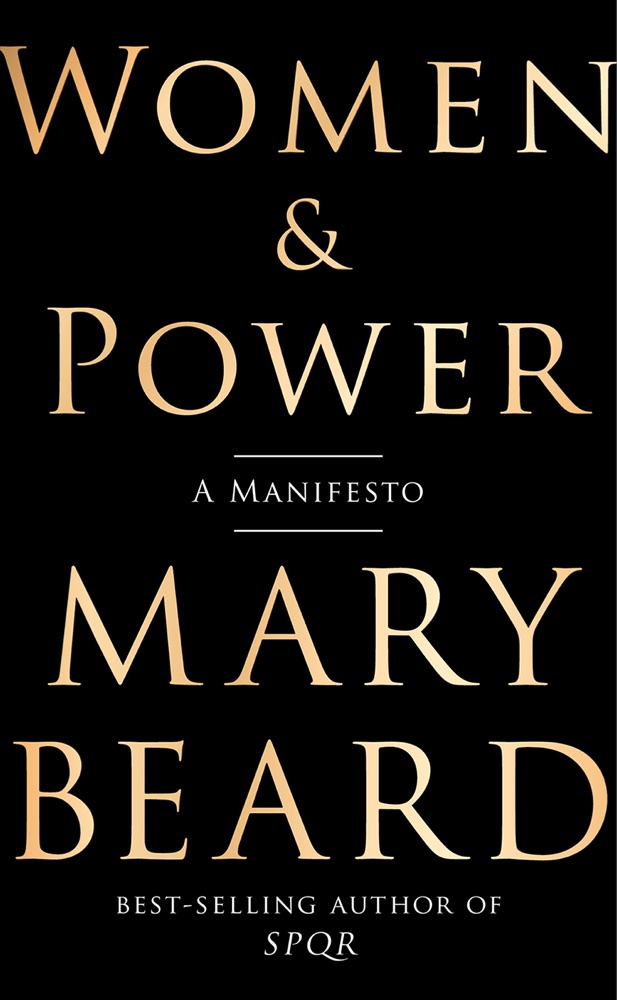 Women & Power: A Manifesto
 Everyday Sexism
 The Soul of a Woman
 Bright Young Women
 The Geek Feminist Revolution
 Outrageous Acts and Everyday Rebellions
 The Madness of Crowds: Gender, Race and Identity
 The Truth Will Set You Free, But First It Will Piss You Off!: Thoughts on Life, Love, and Rebellion
 The Mother of All Questions
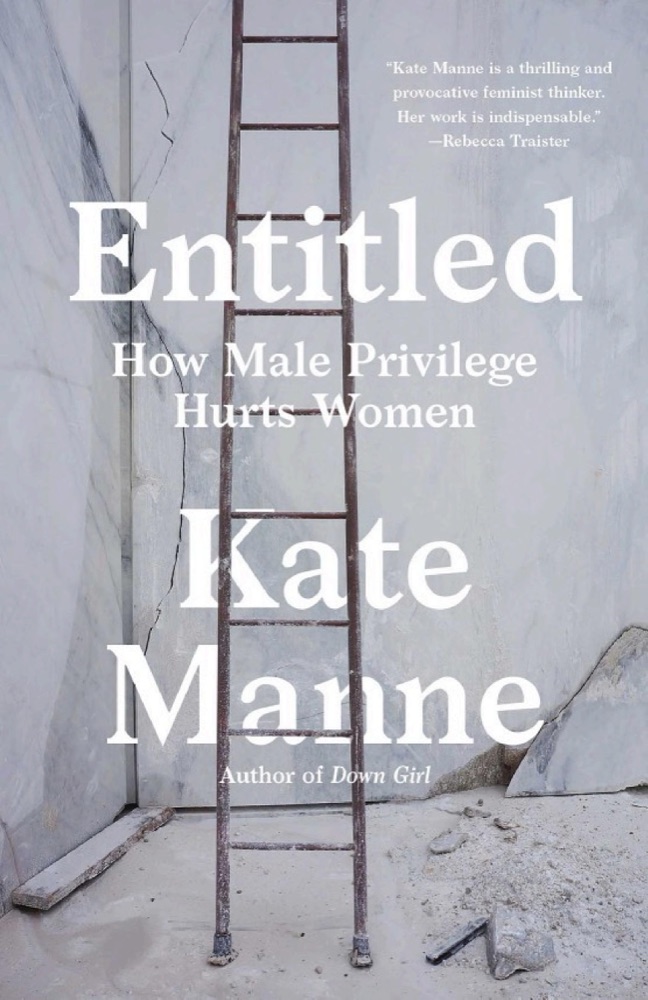 Entitled: How Male Privilege Hurts Women
 Persist
 Sex Object: A Memoir
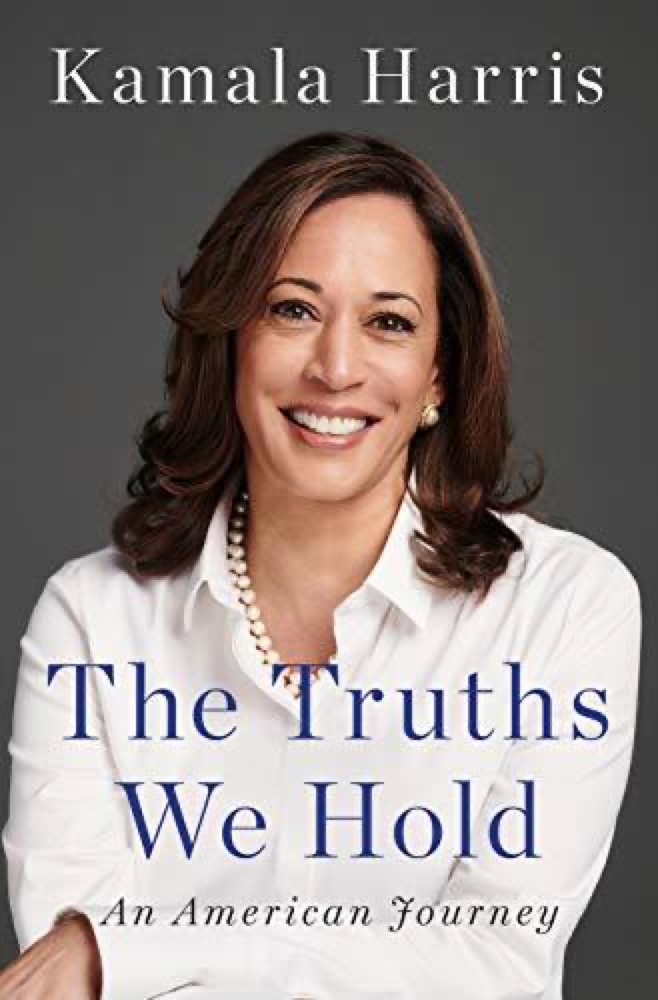 The Truths We Hold: An American Journey
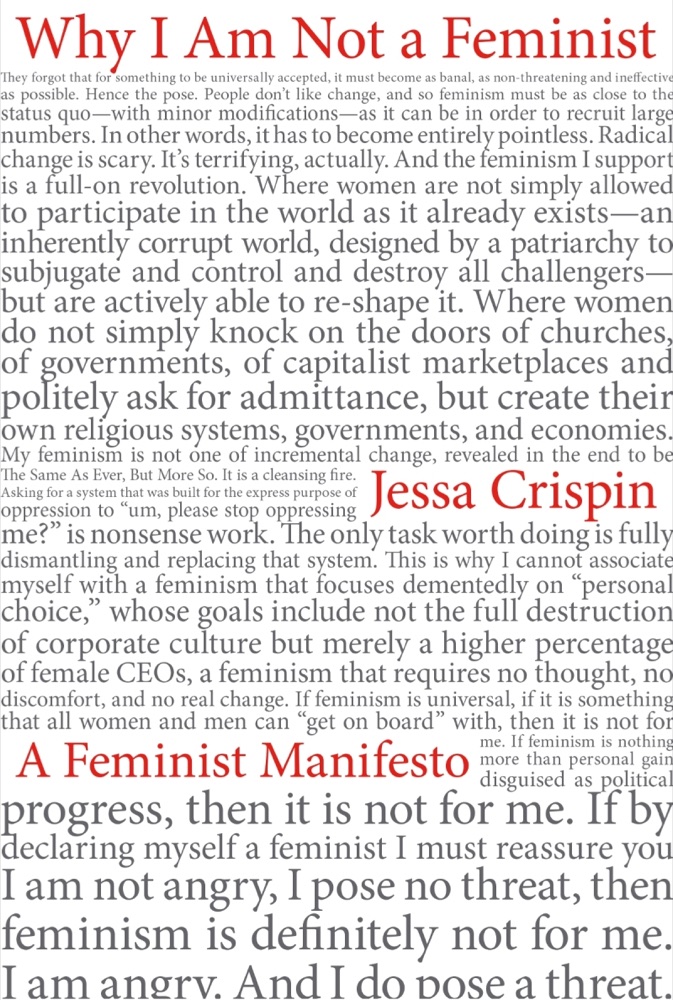 Why I Am Not a Feminist: A Feminist Manifesto
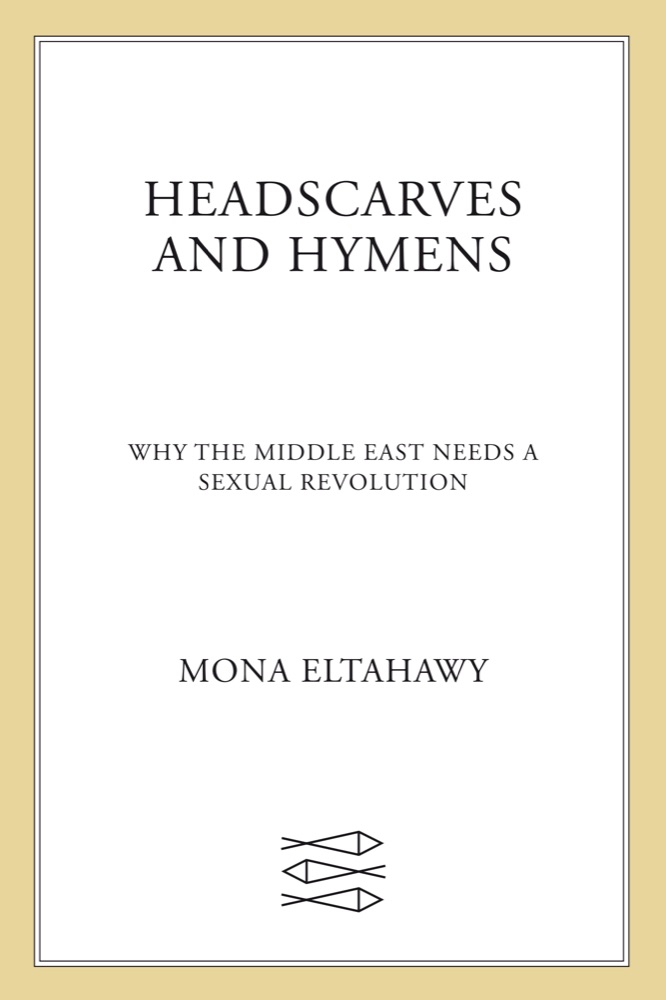 Headscarves and Hymens: Why the Middle East Needs a Sexual Revolution
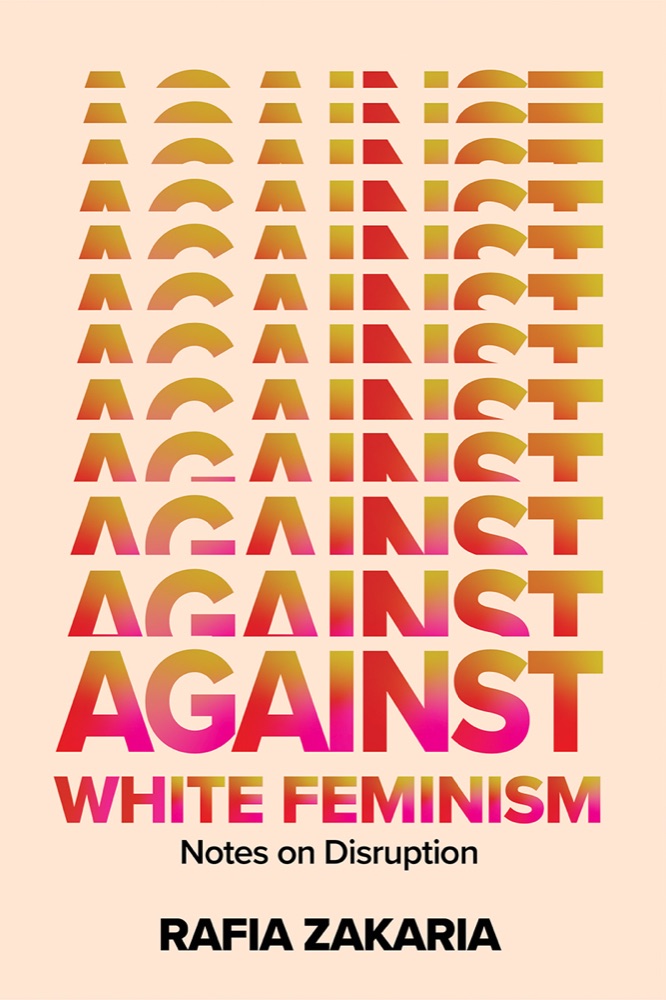 Against White Feminism: Notes on Disruption
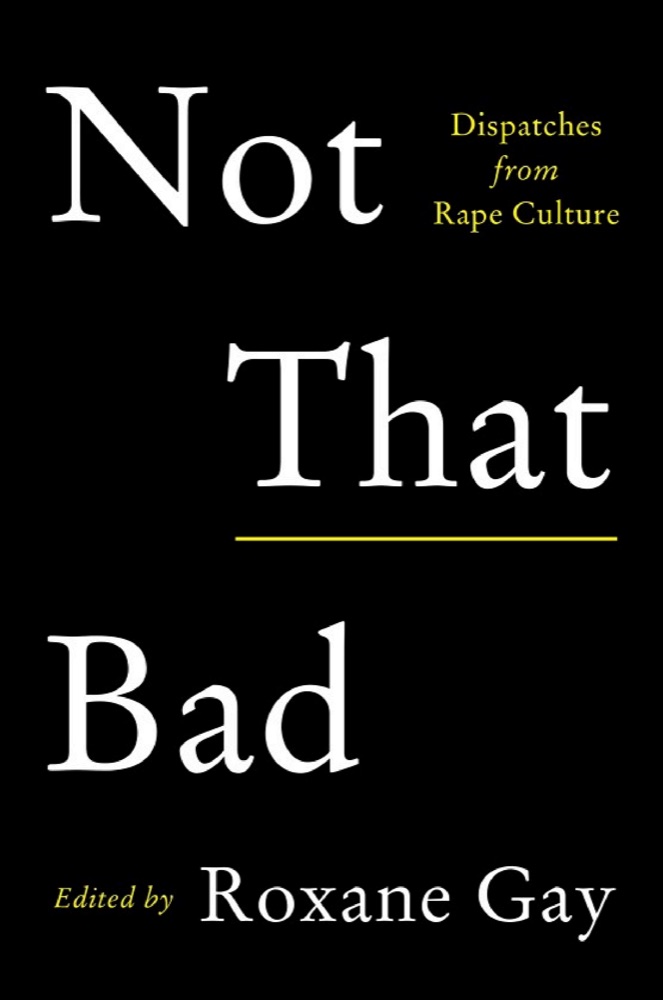 Not That Bad: Dispatches from Rape Culture
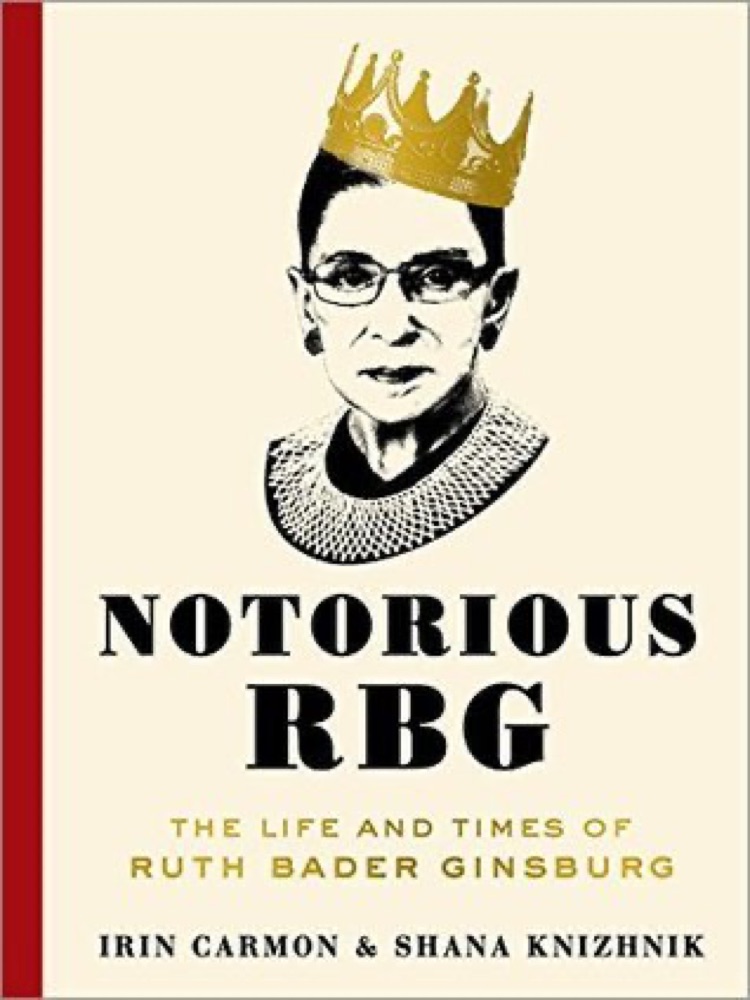 Notorious RBG: The Life and Times of Ruth Bader Ginsburg
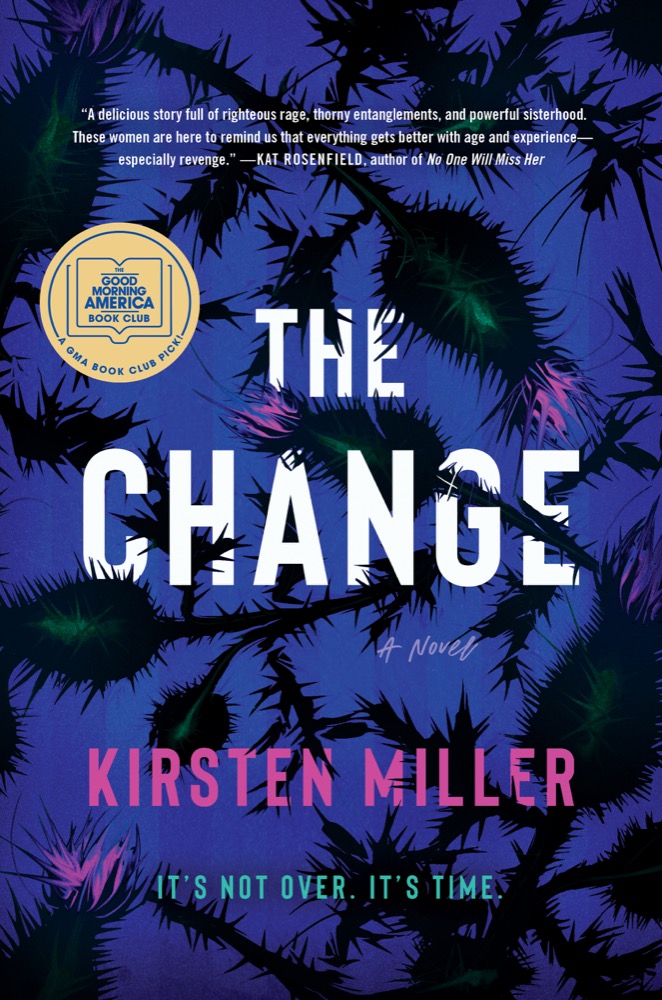 The Change
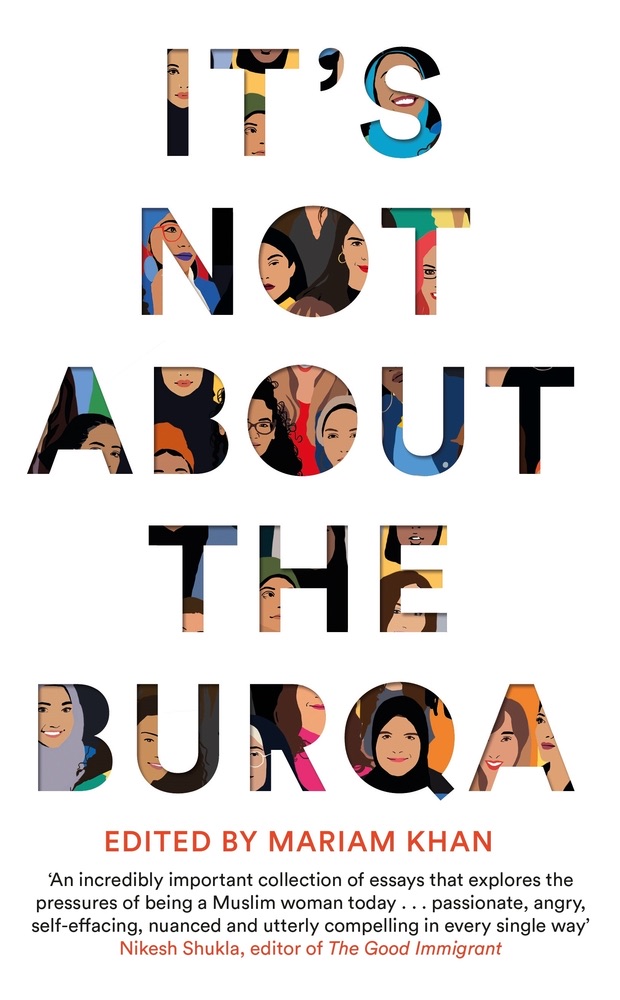 It's Not About the Burqa
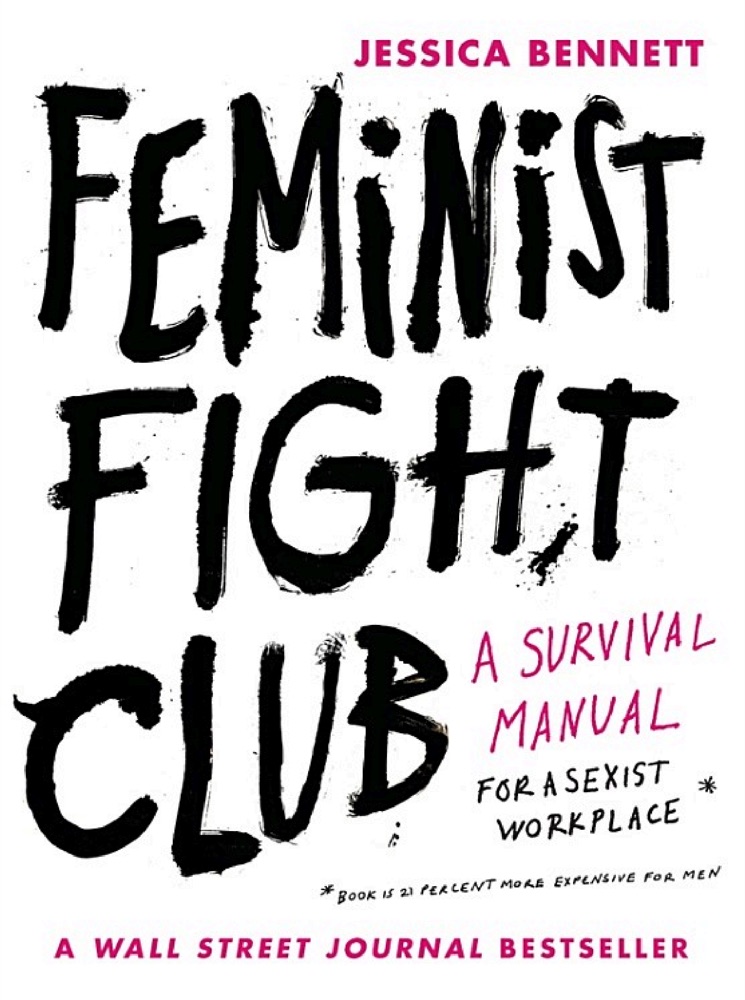 Feminist Fight Club: An Office Survival Manual for a Sexist Workplace
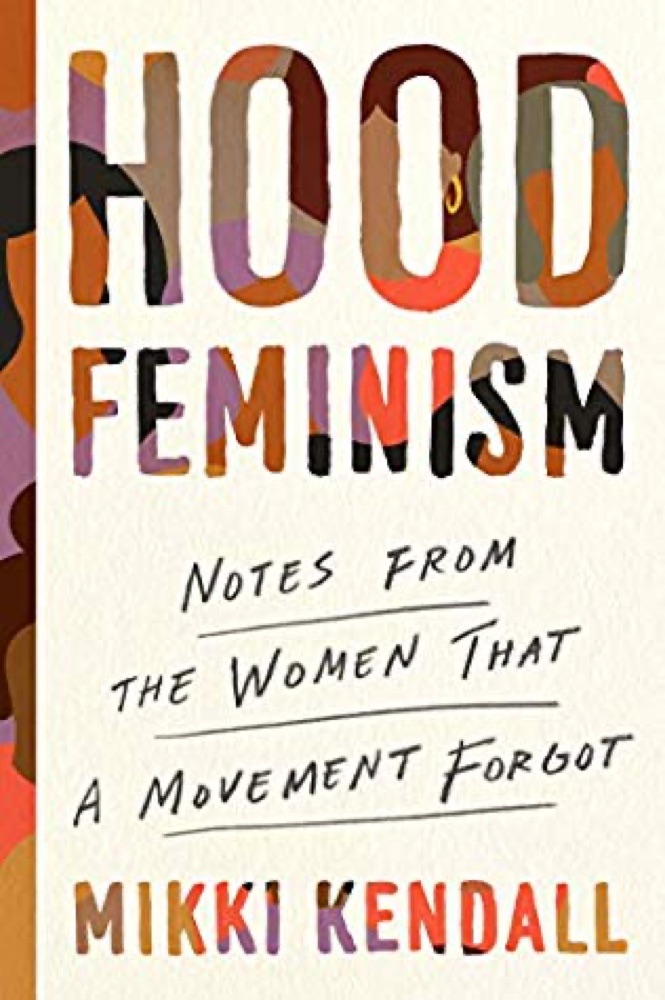 Hood Feminism: Notes from the Women That a Movement Forgot
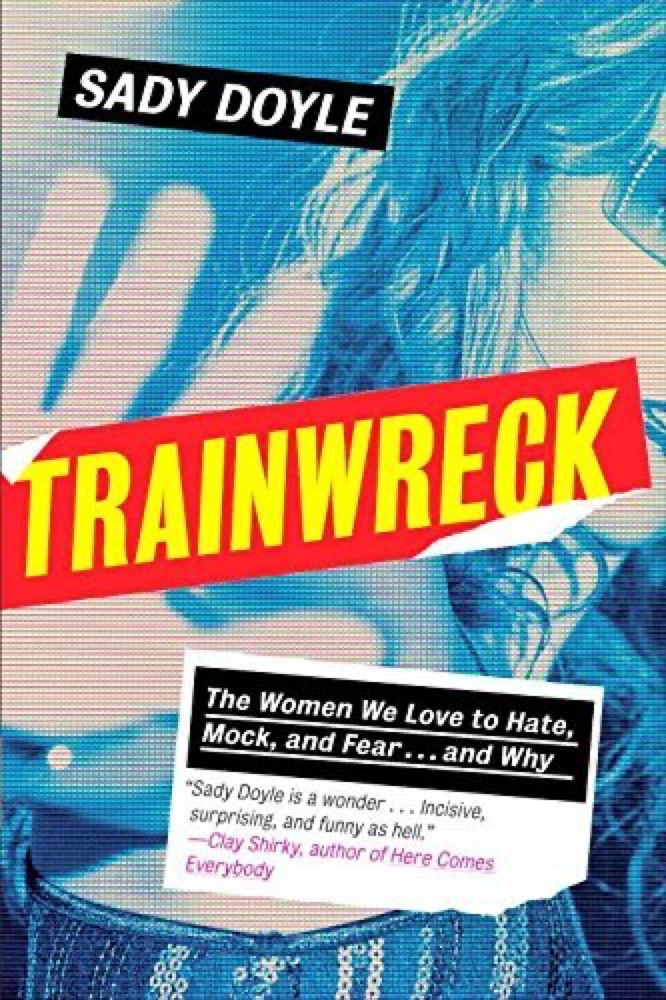 Trainwreck: The Women We Love to Hate, Mock, and Fear... and Why
 The Simple Art of Killing a Woman
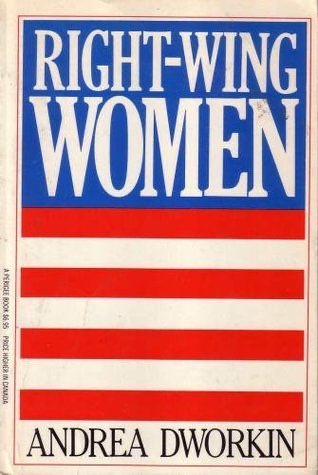 Right Wing Women
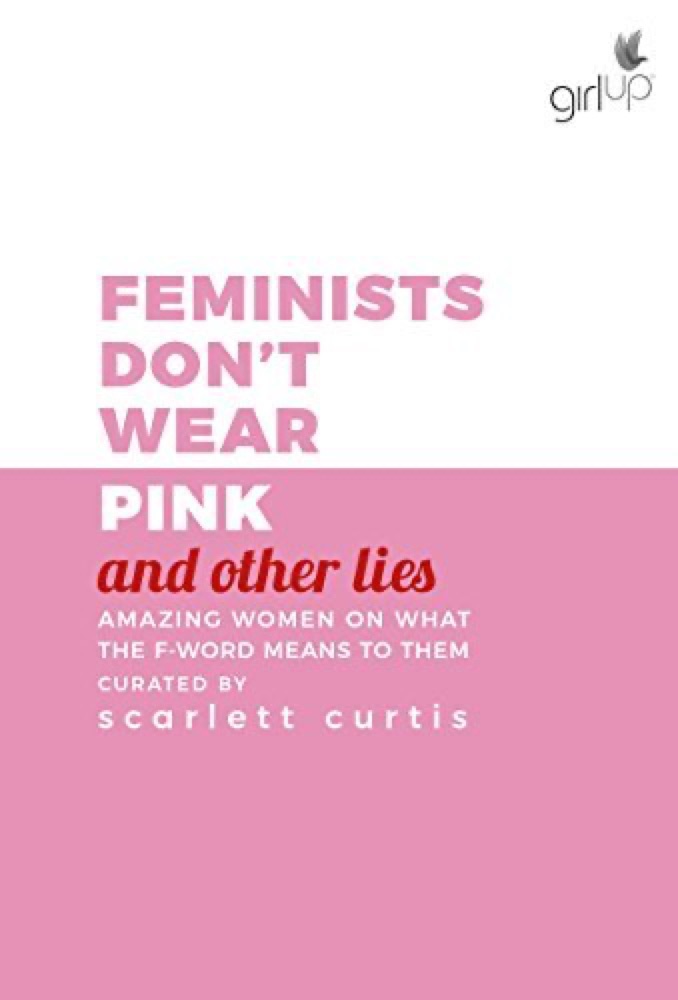 Feminists Don't Wear Pink (And Other Lies): Amazing Women on What the F-Word Means to Them
 When They Call You a Terrorist: A Black Lives Matter Memoir
 You Can't Be Neutral on a Moving Train: A Personal History of Our Times
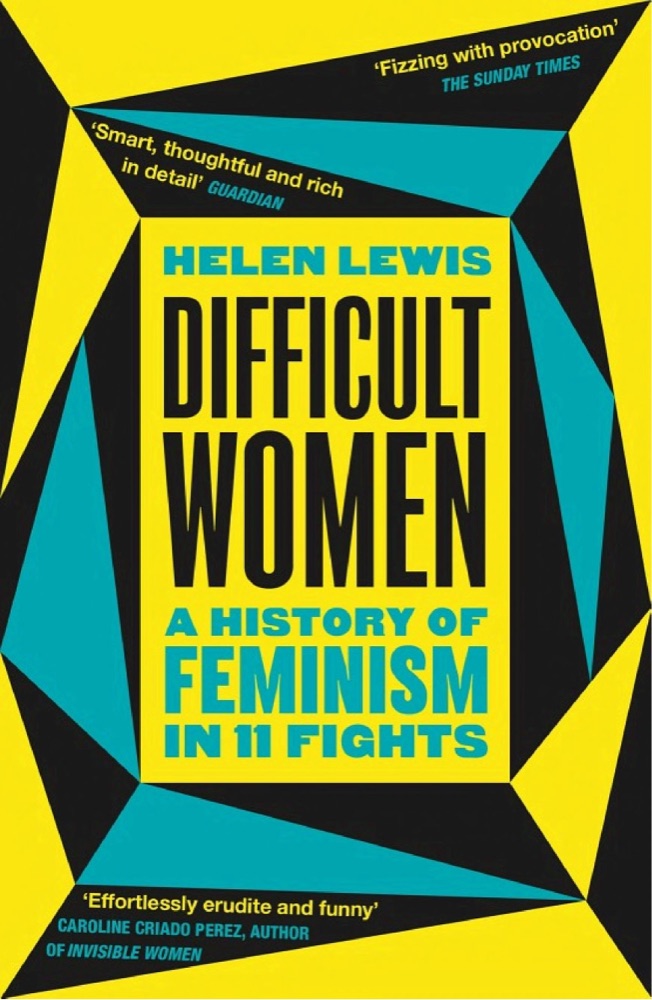 Difficult Women: A History of Feminism in 11 Fights
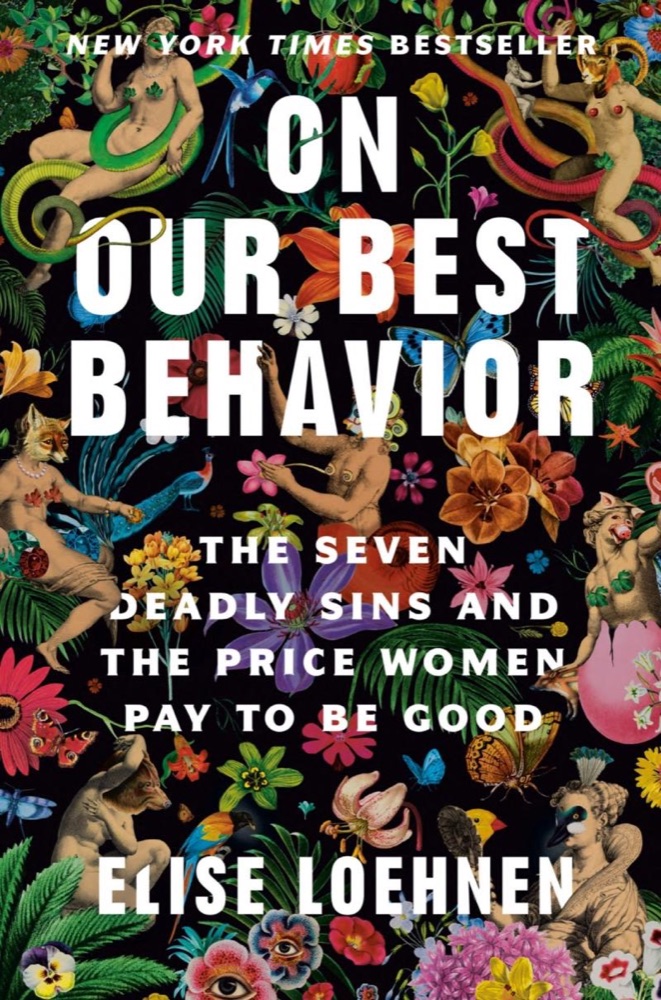 On Our Best Behavior: The Seven Deadly Sins and the Price Women Pay to Be Good
 The Dialectic of Sex: The Case for Feminist Revolution
 My Life on the Road
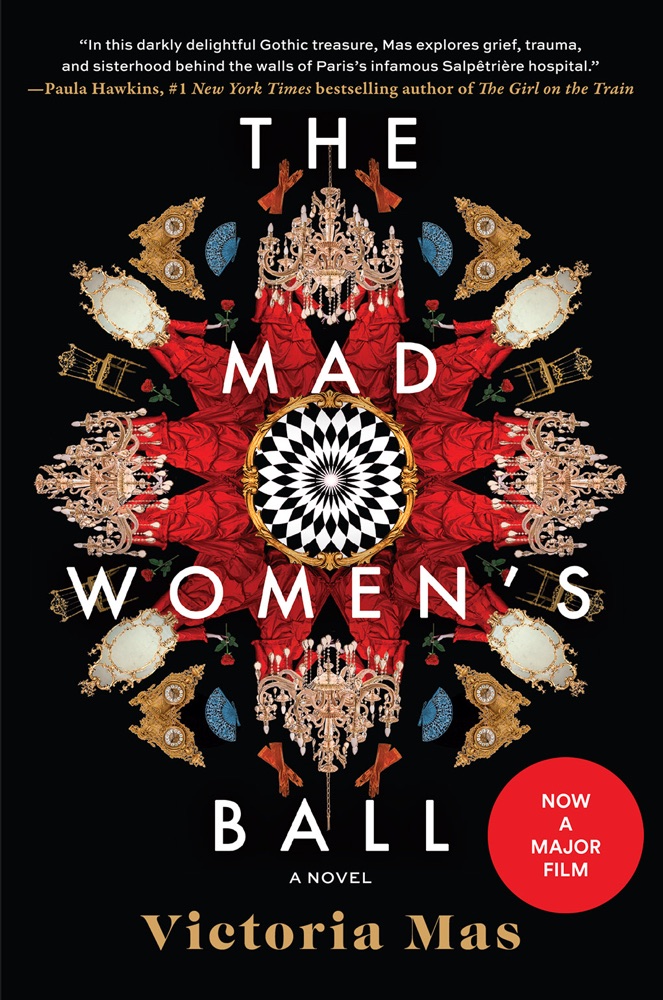 The Mad Women's Ball
 This Bridge Called My Back: Writings by Radical Women of Color
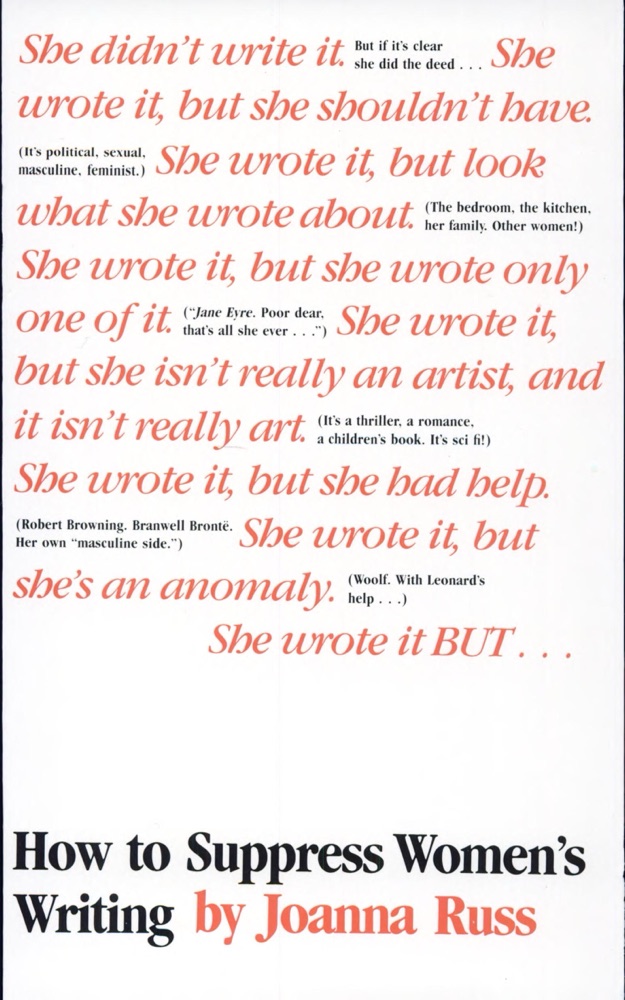 How to Suppress Women's Writing
 The View From Flyover Country: Essays by Sarah Kendzior
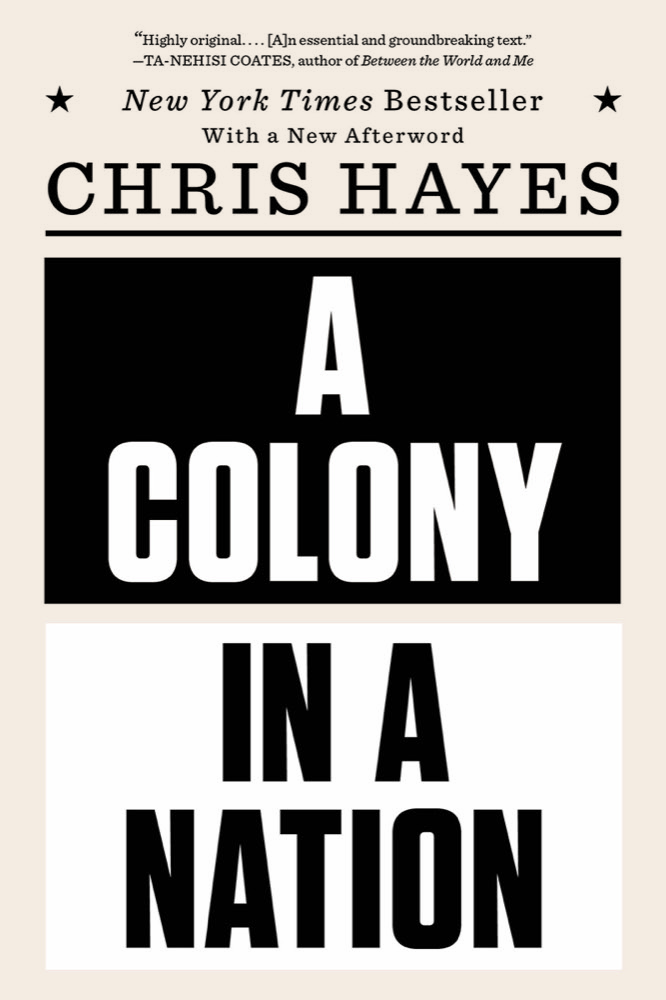 A Colony in a Nation
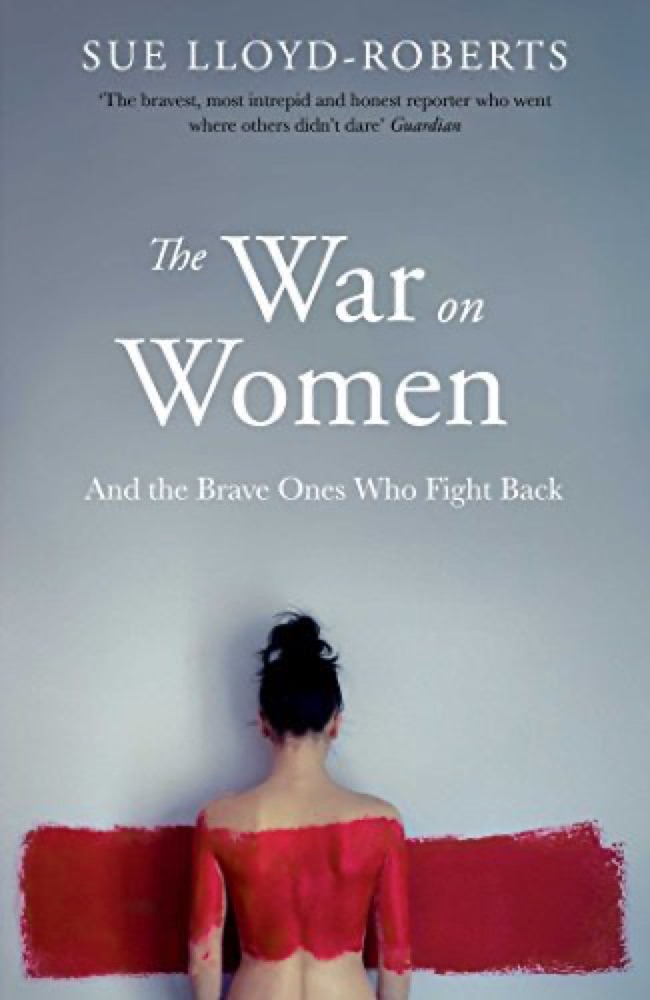 The War on Women
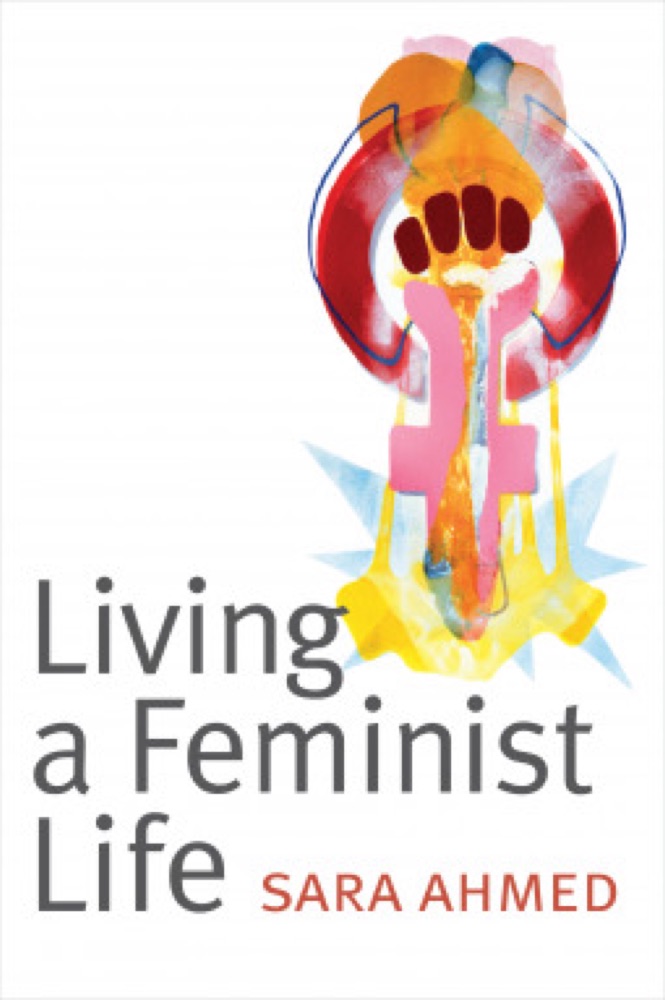 Living a Feminist Life
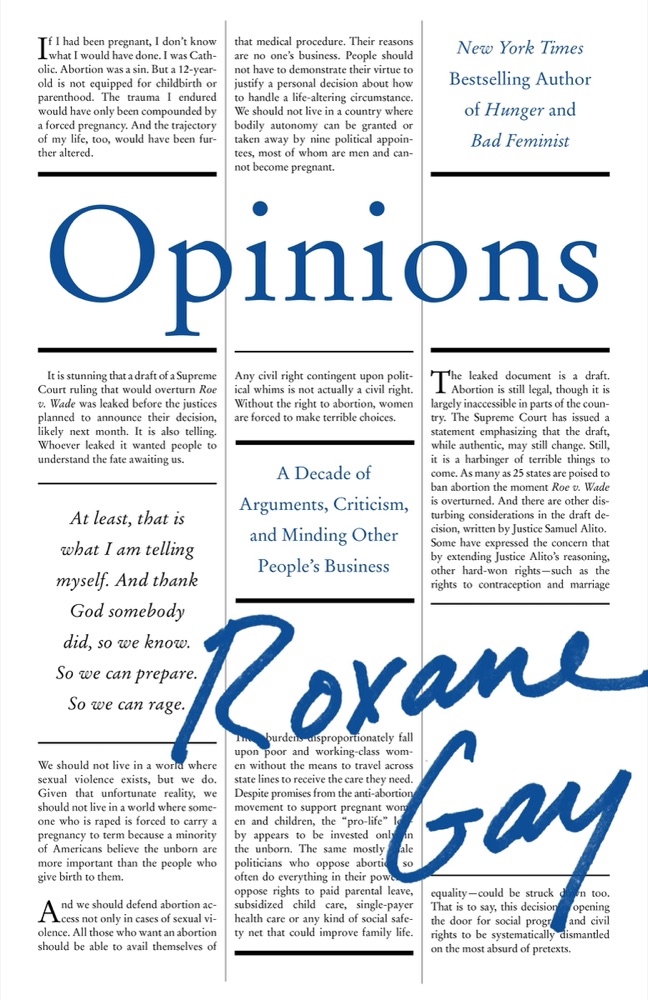 Opinions: A Decade of Arguments, Criticism, and Minding Other People’s Business
 The Women's Room
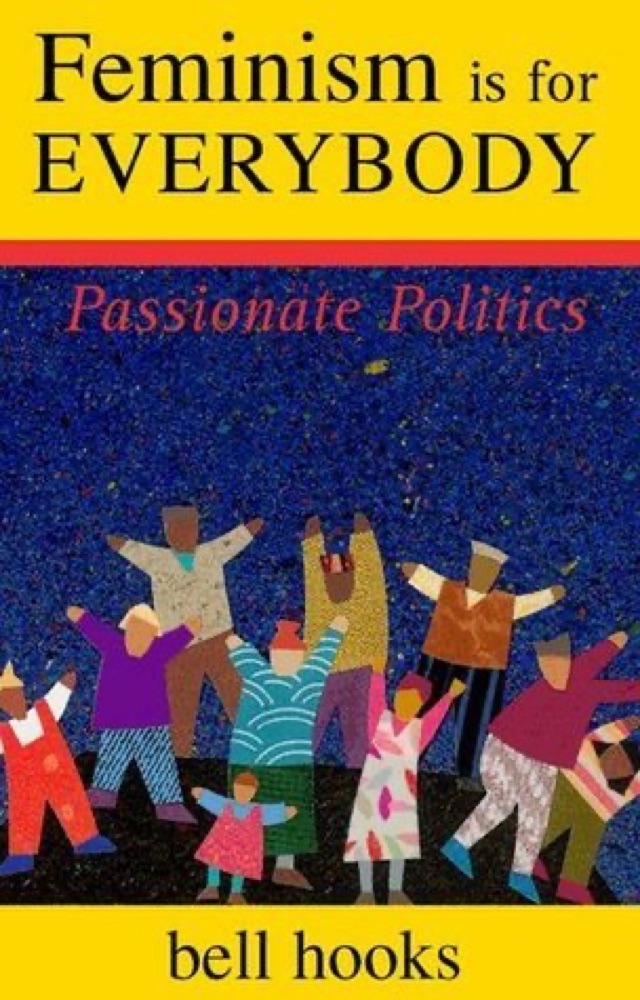 Feminism Is for Everybody: Passionate Politics
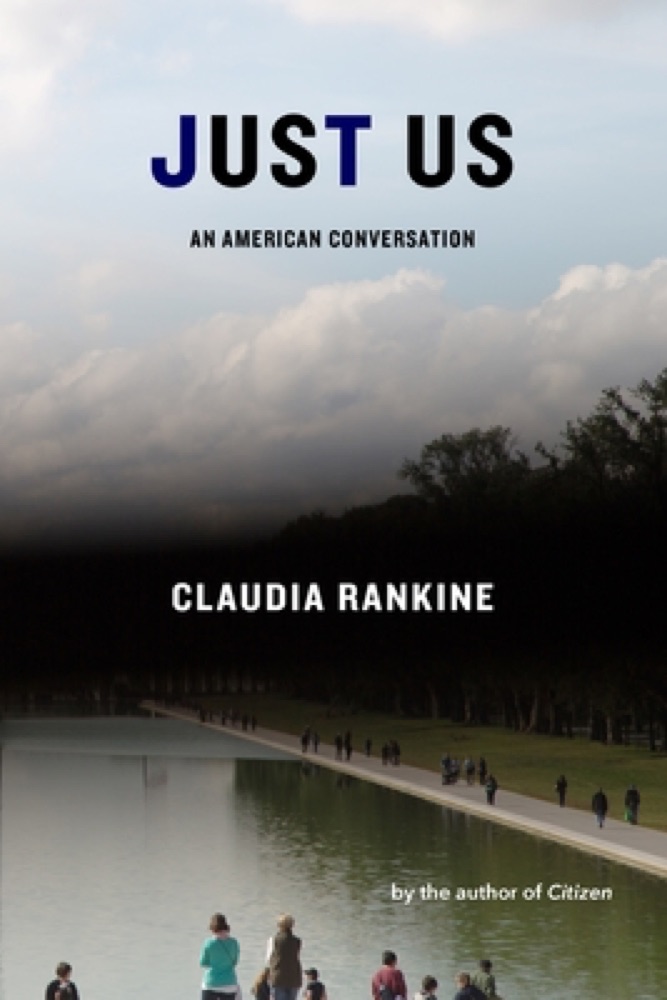 Just Us: An American Conversation
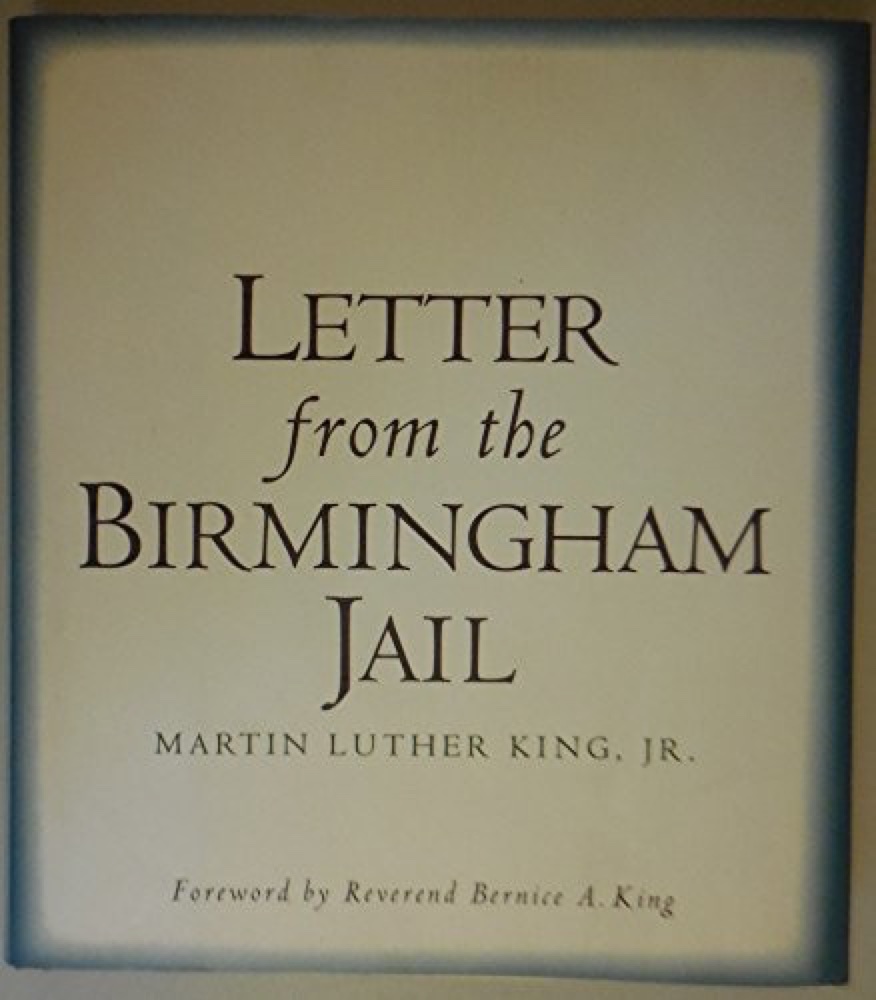 Letter from the Birmingham Jail
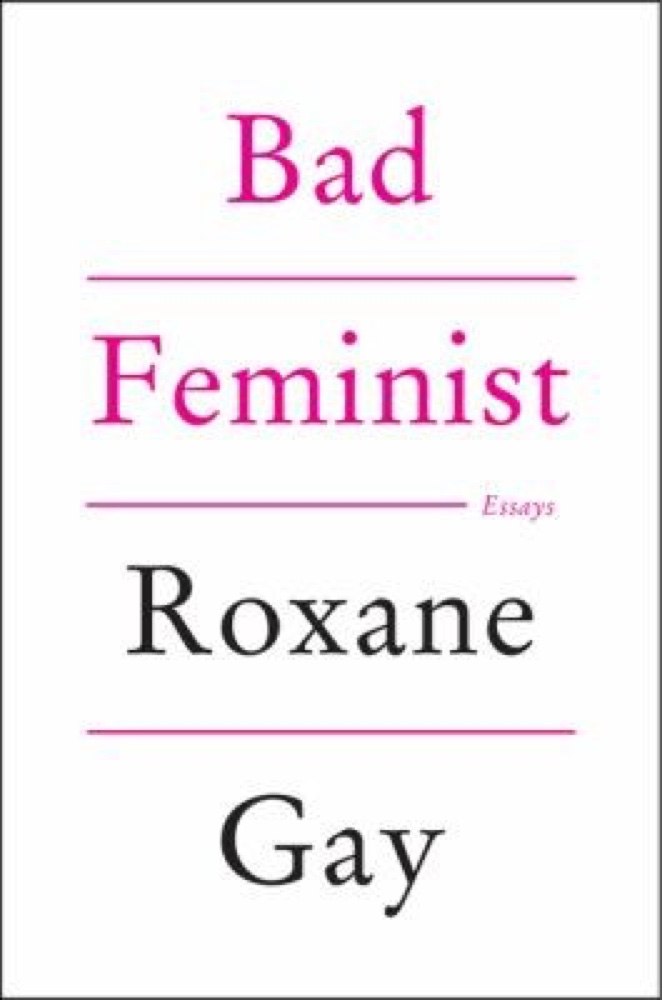 Bad Feminist
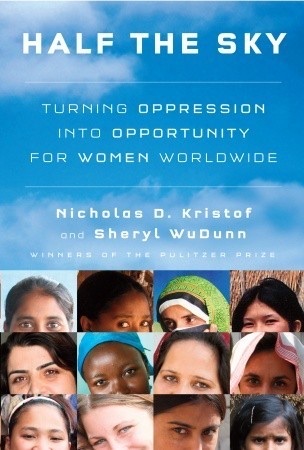 Half the Sky: Turning Oppression Into Opportunity for Women Worldwide
 The Lincoln Lawyer