
 Full Frontal Feminism
Quotes from the Book
Still, somehow, inexplicably, “man-hater” is a word tossed around with insouciance as if this was a real thing that did harm. Meanwhile we have no real word for men who kill women. Is the word just “men”?
32
A high school teacher once told me that identity is half what we tell ourselves and half what we tell other people about ourselves. But the missing piece he didn’t mention—the piece that holds so much weight, especially in the minds of young women and girls—is the stories that other people tell us about ourselves. Those narratives become the ones we shape ourselves into. They’re who we are, even if so much of it is a performance. This
24
Ignoring men, whether romantically or rhetorically, is existential violence to them.
19
Women are raising children, picking up socks, and making sure you feel like a man by supporting you when you need it and looking sexy (but not trying too hard, because that would be pathetic). We're being independent and bad bitches while wearing fucking lipstick and heels so as not to offend your delicate aesthetic sensibility, yet even just the word "feminist" pisses you off. How dare we.
19
Because even subversive sarcasm adds a cool-girl nonchalance, an updated, sharper version of the expectation that women be forever pleasant, even as we're eating shit.
18
But no one wants to listen to our sad stories unless they are smoothed over with a joke or nice melody. And even then, not always. No one wants to hear a woman talking or writing about pain in a way that suggests that it doesn't end. Without a pat solution, silver lining, or happy ending we're just complainers -- downers who don't realize how good we actually have it. Men's pain and existential angst are the stuff of myth and legends and narratives that shape everything we do, but women's pain is a backdrop- a plot development to push the story along for the real protagonists. Disrupting that story means we're needy or shellfish, or worst of all, man-haters - as if after all men have done to women over the ages the mere act of not liking them for it is most offensive.
13
Being treated nicely felt wrong somehow, as if we were acting out what a relationship should be rather than being in it. For men who hate women, an admission like this one is proof that see, women want a guy who treats them like shit but that's not true either. What is closer to the truth is that when confronted with the love you deserve, it is easier to mock it than accept it.
13
I am tired of faking confidence or being told that my lack thereof is a fault when it seems to me the most natural reaction I could possibly have to the lifelong feedback women are given. I don't want to be confident or inspirational and I don't really want to buck up anymore because the faking takes more energy sometimes than the work itself.
12
No matter the content, the message is clear: we are here for their enjoyment and little else. We have to walk through the rest of our day knowing that our discomfort gave someone a hard-on.
9
Yet despite all these things we know to be true- despite the preponderance of evidence showing the mental and emotional distress people demonstrate in violent and harassing environments- we still have no name for what happens to women living in a culture that hates them.
7
Because while my daughter lives in a world that knows what happens to women is wrong, it has also accepted this wrongness as inevitable.
7
We say "misogynist"; I've written that "misogyny kills," but the world falls flat on your tongue - it's too academic sounding, not raw or horrifying enough to relay the truth of what it means.
7
Yes, we love the good men in our lives and sometimes, oftentimes, the bad ones too- but that we're not in full revolution against the lot of them is pretty amazing when you consider this truth: men get to rape and kill women and still come home to a dinner cooked by one.
6
My father took me aside one day soon after and told me this: The things you do in your twenties are just things you do. But as you approach thirty what you do starts to become who you are. And there are some things you do not want to be forever.
5
When you look hard enough and long enough at your own face, everything about it starts to seem hideous.
5
Edgar Allan Poe once called the death of a beautiful woman “the most poetical topic in the world” and I’ve often found myself wondering how many woman writers who have killed themselves or let themselves be otherwise obliterated were trying, somehow, to fulfill this most popular of narratives. We’re most valuable when we’re smiling, dead, posing, our words hanging on the page with no real body behind them. I’m
5
I spoke on a panel once with a famous new age author/guru in leather pants and she said that the problem with women is that we don't "speak from our power," but from a place of victimization. As if the traumas forced upon us could be shaken off with a steady voice- as if we had actual power to speak from.
4
just the word “feminist” pisses you off. How dare we. Still, no name for the men who kill women because we have the audacity not to do what we’re supposed to do: fuck you, accept you, want you, let you hurt us, be blank slates for your desires. You are entitled to us but we’re not even allowed to call you what you are.
4
but there is a difference between loving someone and having the ability to feel that love.
4
All women live in objectification the way fish live in water. —Catharine A. MacKinnon WHEN
4
Still, somehow, inexplicably, "man-hater" is a word tossed around with insouciance as if this was a real thing that did harm. Meanwhile we have no word for men who kill women. Is the word just "men"?
3
Pretending these offenses roll off of our backs is strategic—don’t give them the fucking satisfaction—but it isn’t the truth. You lose something along the way. Mocking the men who hurt us—as mockable as they are—starts to feel like acquiescing to the most condescending of catcalls, You look better when you smile. Because even subversive sarcasm adds a cool-girl nonchalance, an updated, sharper version of the expectation that women be forever pleasant, even as we’re eating shit.
3
If we have no place to go where we can escape that reaction to our bodies, where is it that we're not forced? The idea that these crimes are escapable is the blind optimism of men who don't understand what it means to live in a body that attracts a particular kind of attention with magnetic force.
3
What is closer to the truth is that when confronted with the love you deserve, it is easier to mock it than accept it. Especially when everything else you have experienced of love and connection is based on something more like control or disdain.
3
Edgar Allan Poe once called the death of a beautiful woman "the most poetical topic in the world" and I have often found myself wondering how many women writers who have killed themselves or let themselves be otherwise obliterated were trying, somehow, to fulfil this most popular of narratives. We're most valuable when we're smiling, dead, posing, our words hanging on the page with no real body behind them.
2
Sometimes we call these men domestic abusers when the victim is someone they know, but when they kill strangers to them, we just call these men crazy. Lone wolves. Unbalanced. But here's the thing - what is crazy about killing a woman in a culture that tells you women's lives are worth nothing?
2
Men's pain and existential angst are the stuff of myth and legend and narratives that shape everything we do, but women's pain is a backdrop - a plot development to push the story along for the real protagonists. Disrupting that story means we're needy or selfish, or worst of all, man-haters - as if after all men have done to women over the ages the mere act of not liking them for it is most offensive.
1
Watch on YouTube
About Jessica Valenti
We have collected 53 quotes from 3 books by Jessica Valenti on BookQuoters.
More about the author →More by Jessica Valenti
Full Frontal Feminism
 Abortion: Our Bodies, Their Lies, and the Truths We Use to Win
About the book
Author and Guardian US columnist Jessica Valenti has been leading the national conversation on gender and politics for over a decade. Now, in a darkly funny and bracing memoir, Valenti explores the toll that sexism takes from the every day to the existential.
Sex Object explores the painful, funny, embarrassing, and sometimes illegal moments that shaped Valenti’s adolescence and young adulthood in New York City, revealing a much shakier inner life than the confident persona she has cultivated as one of the most recognizable feminists of her generation.
In the tradition of writers like Joan Didion and Mary Karr, this literary memoir is sure to shock those already familiar with Valenti’s work and enthrall those who are just finding it.
Book details
- First published
- 2016
- Author
- Jessica Valenti
- Genre
- Nonfiction
- Goodreads rating
- 3.66 (14k ratings)
Keep reading
 Not That Bad: Dispatches from Rape Culture
 Trainwreck: The Women We Love to Hate, Mock, and Fear... and Why
 Men Explain Things to Me
 The Mother of All Questions
 Shrill: Notes from a Loud Woman
 A Certain Hunger
 Unspeakable Things: Sex, Lies and Revolution
 The Women's Room
 Cunt: A Declaration of Independence
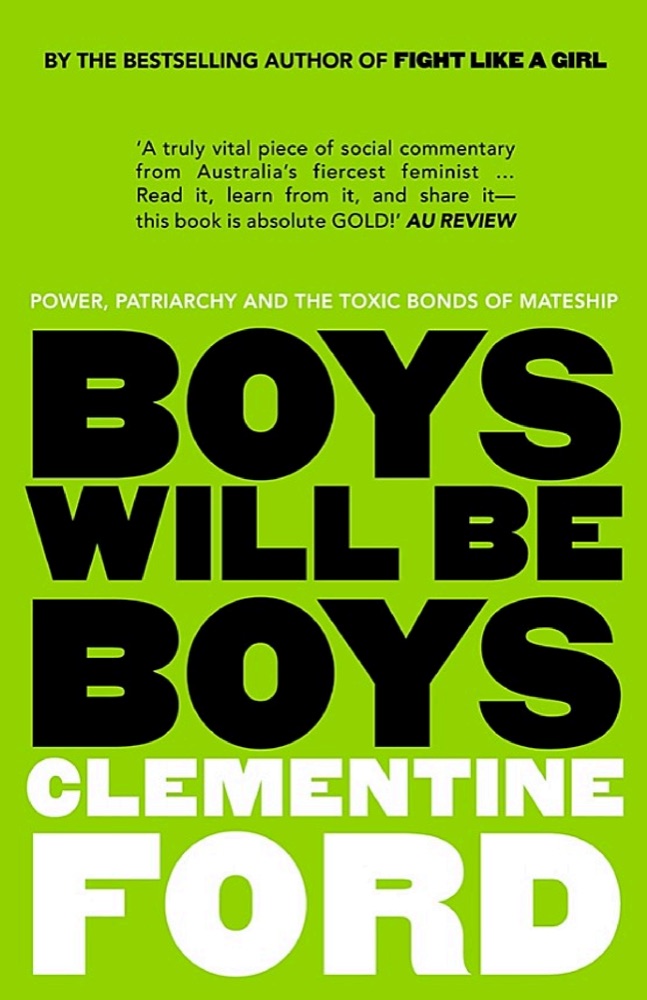 Boys Will Be Boys: Power, Patriarchy and the Toxic Bonds of Mateship
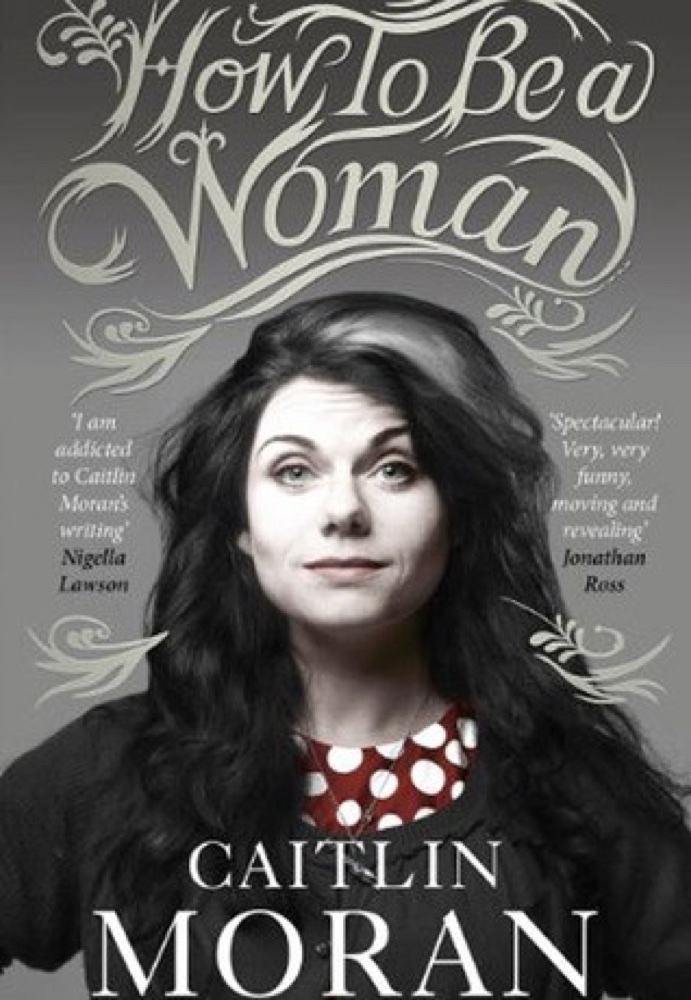 How to Be a Woman
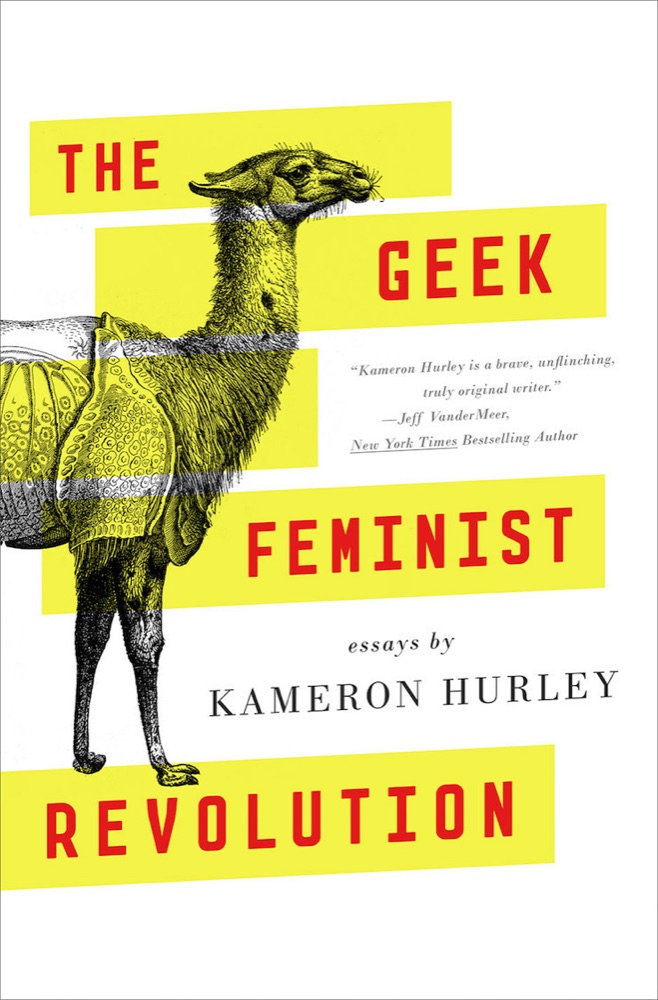 The Geek Feminist Revolution
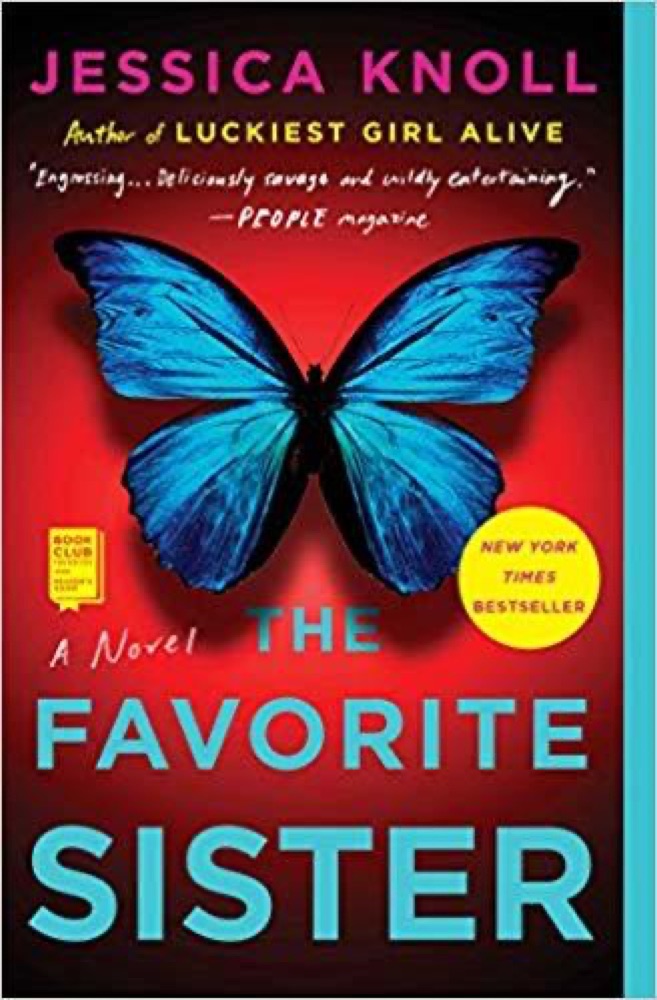 The Favorite Sister
Full Frontal Feminism
The Favorite Sister
Full Frontal Feminism
 Brave
Brave
 The Soul of a Woman
 The Witches Are Coming
 Headscarves and Hymens: Why the Middle East Needs a Sexual Revolution
 Why I Am Not a Feminist: A Feminist Manifesto
 Brief Interviews with Hideous Men
 A Woman's Worth
 Rage Becomes Her: The Power of Women's Anger
 Bad Feminist
 The Truth Will Set You Free, But First It Will Piss You Off!: Thoughts on Life, Love, and Rebellion
 Feminists Don't Wear Pink (And Other Lies): Amazing Women on What the F-Word Means to Them
 The Female Eunuch
 Everyday Sexism
 Bitch: In Praise of Difficult Women
 Dead Blondes and Bad Mothers
 Recollections of My Nonexistence: A Memoir
 Trick Mirror: Reflections on Self-Delusion
 You'll Grow Out of It
 Female Chauvinist Pigs: Women and the Rise of Raunch Culture
 I Love Dick
 The Female Man
 Bright Young Women
 Where Am I Now?
 The Argonauts
 It's Not About the Burqa
 The Change
 Conviction
 I'm Afraid of Men.
 What Happened
 We Should All Be Feminists
 Monsters: A Fan's Dilemma
 MILF: Motherhood, Identity, Love and F*ckery
 This Is Not a Book About Benedict Cumberbatch: The Joy of Loving Something--Anything--Like Your Life Depends On It
 Life of the Party
 On Our Best Behavior: The Seven Deadly Sins and the Price Women Pay to Be Good
 Mean
Mean
 Cassandra Speaks: When Women Are the Storytellers, the Human Story Changes
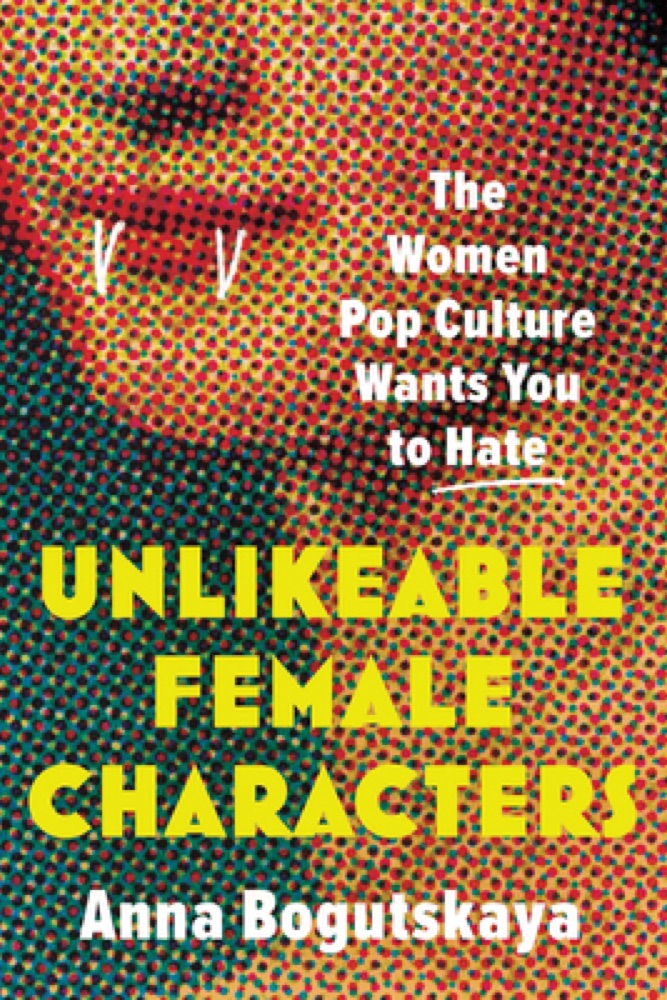 Unlikeable Female Characters: The Women Pop Culture Wants You to Hate
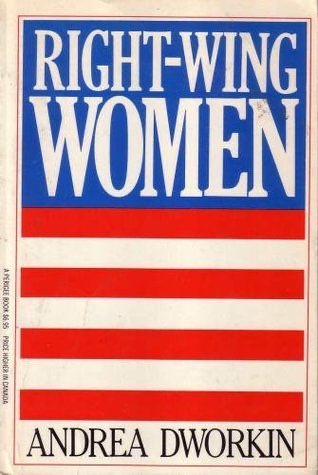 Right Wing Women
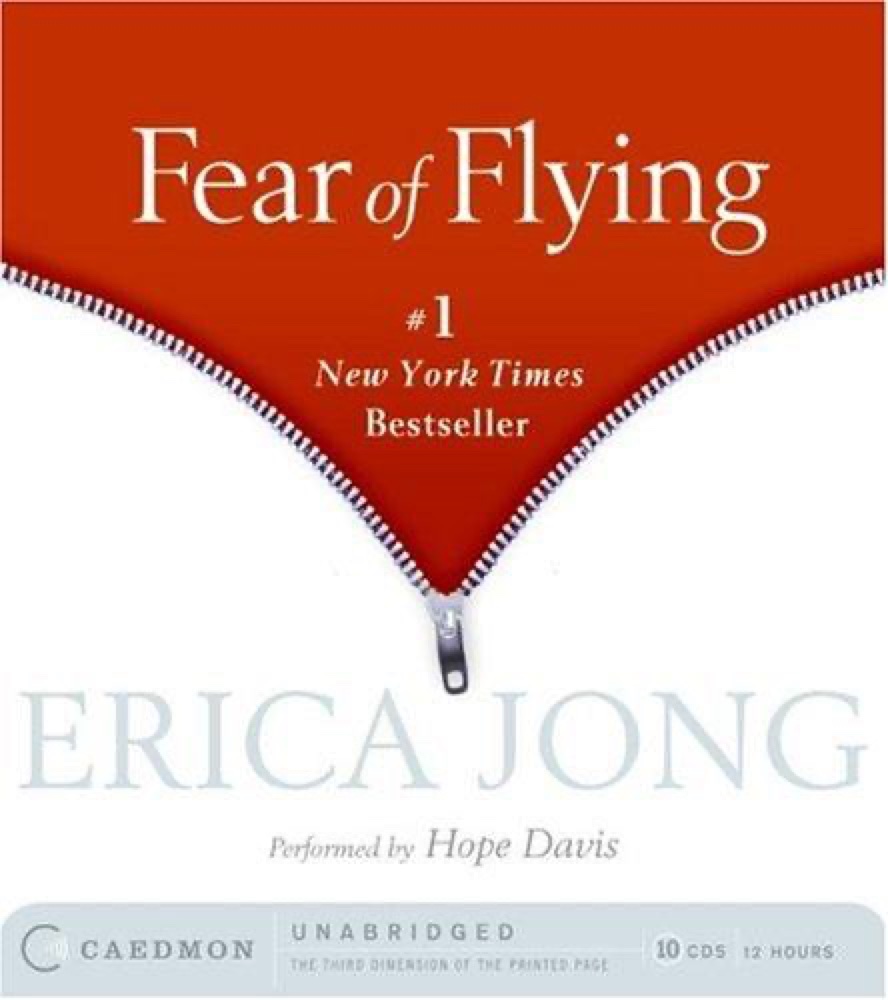 Fear of Flying
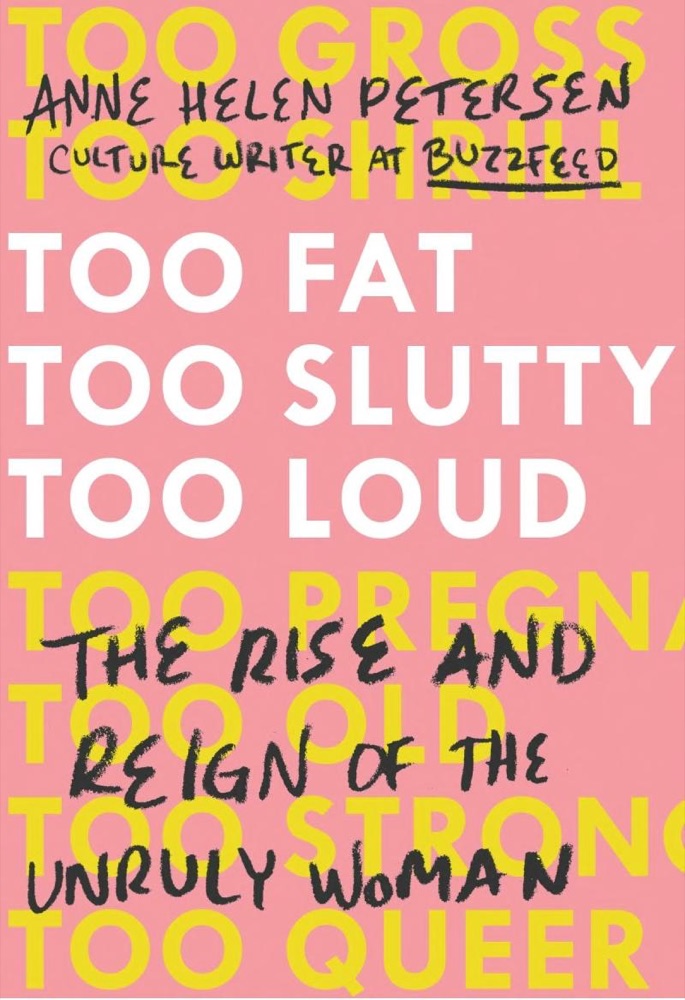 Too Fat, Too Slutty, Too Loud: The Rise and Reign of the Unruly Woman
 Detransition, Baby
 Breasts and Eggs
 Come as You Are: The Surprising New Science that Will Transform Your Sex Life
 The Beauty Myth
 The Feminine Mystique