
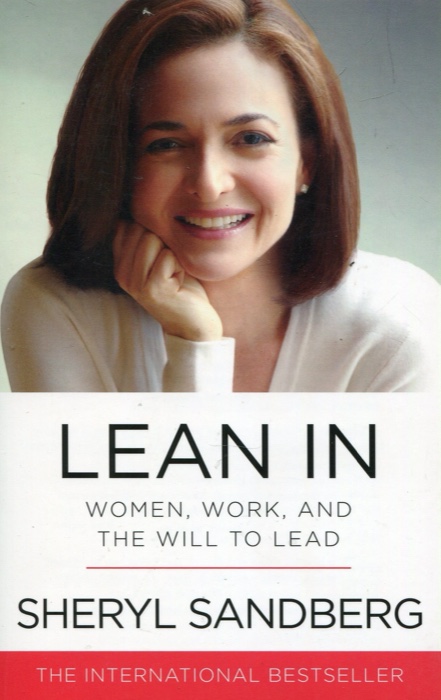
 Lean In: Women, Work, and the Will to Lead
Quotes from the Book
Imposter syndrome” wasn’t coined as a term until the 1970s, but it’s safe to assume women have always felt it: that nagging feeling that, even after you’ve just done something great, maybe you actually don’t deserve the praise.
8
Remember: white men constitute just 31 percent of the American population. There is no situation in which they should be constituting the majority of the room.
6
Recognizing sexism is harder than it once was. Like the micro-aggressions that people of color endure daily—racism masked as subtle insults or dismissals—today’s sexism is insidious, casual, politically correct, even friendly. It
6
The law cannot do it for us. We must do it for ourselves. Women in this country must become revolutionaries.” —Shirley Chisholm, the first African American woman elected to the U.S. Congress
6
THE LESBIAN AVENGERS Their motto playfully proclaimed “we recruit,” and recruit this group did. Formed in the 1990s to bring attention to lesbian causes, the Lesbian Avengers spent Valentine’s Day handing out chocolate kisses in Grand Central Station that read, “You’ve just been kissed by a lesbian.” In Bryant Park, they unveiled a papier-mâché sculpture of Alice B. Toklas embracing her lover, Gertrude Stein. The Avengers also ate fire, which would become their dramatic trademark—first practiced as an homage to an Oregon gay man and lesbian woman who were burned to death after a Molotov cocktail was thrown into the apartment they shared.
5
long-ingrained attitudes don’t just evaporate in a generation.
5
In his book "Originals," the business professor Adam Grant describes how there are two kinds of failures: those centered on action and those centered on inaction--or, failing by botching the thing you tried, or failing by not trying at all. Most people think, ahead of time, that it's the failed actions they'll regret the most: the anguish of a tanked business or the humiliation of a botched marriage proposal. But guess what? When people reflect on their biggest regrets, what they regret most are the inactions--or the failure to try, not the failure itself.
3
A woman will apply to an open job listing if and only if she thinks she meets all—that is, 100 freaking percent—of the requirements listed for that job. But a man? He’ll apply for that job when he meets just 60 percent.2 Perhaps it’s the product of what one study dubbed “honest overconfidence”—in which men rate their performance as better than it actually is, while women tend to judge theirs as worse.3 Who’s actually more qualified for the job? That’s a great question. But it’s safe to assume most hiring managers will never find out—because you haven’t sent them your résumé.
3
And when a woman does fail, she is more likely to believe it’s personal—she sucked—while men view it as circumstantial (the business sucked). It’s not all bad. Women’s fear of failure may prompt them to become better informed; they take the time to read up on their ideas so they can supply evidence. But then of course there’s the feedback loop: People who fear failure are less likely to put forward ideas, to take intellectual risks, and more likely to quit. They tend to avoid new challenges in favor of sticking to what they’re already good [at].
3
Writing down your successes is another method—so you can look back on them every time you feel a hint of self-doubt coming
3
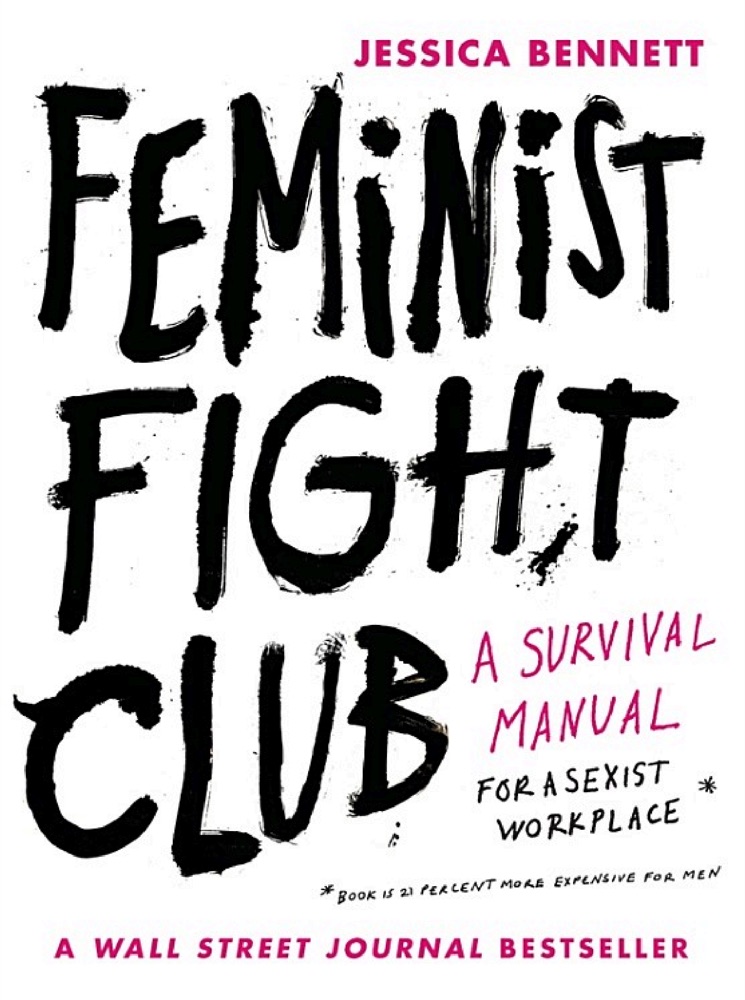
Fem-i-nist Fight Club / n. Your crew, your posse, your girl gang; your unconditionally helpful professional support system; your ride-or-die homies.
3
Diversity training doesn’t solve the problem of women being perceived as “pushy” and unlikable if they dare to seek power; our legal system isn’t equipped to deal with the fact that Americans still prefer male bosses (and politicians). Sexual harassment is still rampant in our modern workplaces, and often HR departments are all but powerless to do anything to stop it.
2
Você é contratada por uma empresa que vive propalando seu compromisso com “diversidade”, mas você é uma das poucas mulheres na equipe. Dia após dia, você se vê em salas de maioria masculina e branca, passando por eles nos corredores, ouvindo pedidos para ajudá-los em seus projetos, e de repente você começa a pensar se estão te olhando estranho, te escrutinando, porque você é a única diferente no recinto. Um dia, um deles questiona seu trabalho. Outro pergunta, inocentemente ou não, “Você nasceu aqui ou é de fora?”. A pressão vai aumentando e você começa a duvidar de si mesma. Você está brava, irritada, mas também aflita: simplesmente não pode errar, ou vai provar que o estereótipo está certo. Você precisa ser invencível. Aí comete um pequeno erro e começa a espiral de preocupação. É uma espécie de síndrome de Estocolmo institucional, só que pior: uma mistura de síndrome da impostora (fenômeno no qual mulheres e minorias de ótimo desempenho sentem que não fazem parte de um lugar), incluída aí a ameaça do estereótipo (medo de confirmar o pior estereótipo que têm sobre você – e por isso seu desempenho acabar caindo); assim como machismo e racismo reais (sim[…]” Excerpt From: Jessica Bennett. “Clube da luta feminista: Um manual de sobrevivência (para um ambiente de trabalho machista).” Apple Books.
2
Determining how (and whether) the Slackluster is affecting your job. If he's just annoying, try to tune him out--you've got bigger battles to wage.If he's making your life impossible, if he's jeopardizing your work, then consider speaking up (to him or directly to your boss). If you choose the latter, come prepared. You need a concrete and non-speculative record of Slackluster misconduct, and for delivering that news, there's power in numbers: a solo tattle tale is just a snitch, but a group of people pointing out inefficiencies is in the company's best interest.
2
...politically charged punk that combined activism and art. Forged out of a meeting of friends who decided they wanted to start a “girl riot,” the women gave rise to bands like Bikini Kill and Sleater-Kinney, addressing rape and violence in their songs, publishing zines, popularizing “girl power"...
2
Try the following: say no to everything that does not provide something crucial in return—so no more “shoulds,” only “musts” and “wants” (and sometimes even “wants” need to be cut back)
2
You could argue that our country was founded on a bropropriation of sorts: a white man (Columbus) and his crew (more white dudes) claiming credit for discovering a New World that wasn’t actually new (or theirs). In
2
There is no conclusive evidence to support that women are actually more emotional at work. But there is research to support that female emotion is perceived differently than men’s.
1
Every job is different--and, as with all the advice here, consider your specific situation--but the point is to veer away from the female tendency to ask instead of take. Don't issue a press release about your plans just 'cause. Sometimes less information is more.
1
Yes, in the same way we are not supposed to hedge our language, but research has found that hedging can offset the likability penalty women face when they do negotiate. One script that negotiation expert Hannah Riley Bowles suggests: "I don't know how typical it is for people at my level to negotiate, but I'm hopeful that you'll see my skill at negotiating as something important that I can bring to the job." Basically, you've reframed your greedy, unfeminine need for money as a professional asset.
1
How do these women do it all?' Tina Fey has declared this "the rudest question you can ask a woman," and it's answer is simple: we're doing it the same way a dude would, except that he doesn't have to answer to answer questions.
1
Cut the word "nice" from your vocabulary--along with all those other nurturing words we use to describe women ("kind," helpful," "a team player). Not only are women more likely to be described by such language, but research has found that those words cause them to be viewed as less qualified--perceived as pushovers, not somebody capable of running a team. So next time you have the urge to describe your female colleague as "sympathetic," try one of these "male" words instead: independent, confident, intelligent, fair.
1
It's what besties Ann Friedman and Aminatou Sow, hosts of the podcast Call Your Girlfriend, call "Shine Theory"--the idea that another woman's success, or shine, is going to make you look brighter, not duller, by comparison. So instead of competing with awesome women or feeling jealous of their success, surround yourself with them--and bask in their glow.
1
If he's simply an obnoxious, heckling colleague--and if undermining the Undermine-Her isn't going to hurt you--then toss the politeness. "My 'pretty little head' outsold your figures by three last month. But thanks fir asking." "I think by 'young lady' you mean 'woman in charge.' That's how we refer to female leaders nowadays.
1
La formación sobre diversidad no resuelve el problema de que se perciba como «mandonas» y antipáticas a las mujeres que se atreven a ambicionar el poder;
1
But find out some basics about the going rate so you don’t throw out something that’s absurd (when in doubt try Glassdoor, PayScale, or Salary.com).
1
law professor Joan C. Williams in her book What Works for Women at Work:
1
It wasn’t until 1973 that secretaries in our very own White House were allowed to wear pants—when the energy crisis led to lowered thermostats and chillier working conditions.
1
Carly Fiorina took over Hewlett-Packard shortly before the tech bubble burst. Anne Mulcahy got a shot at being the first female CEO at Xerox—precisely as the company was being investigated by the SEC. What do these leaders have in common? They are women. Women who were given big responsibilities right as the shit hit the fan. Which meant that when they failed—almost inevitably—the problem was blamed on them, not the surrounding circumstances.
1
Watch on YouTube
About Jessica Bennett
We have collected 29 quotes from 1 book by Jessica Bennett on BookQuoters.
More about the author →About the book
Part manual, part manifesto, a humorous yet incisive guide to navigating subtle sexism at work—a pocketbook Lean In for the Buzzfeed generation that provides real-life career advice and humorous reinforcement for a new generation of professional women.
It was a fight club—but without the fighting and without the men. Every month, the women would huddle in a friend’s apartment to share sexist job frustrations and trade tips for how best to tackle them. Once upon a time, you might have called them a consciousness-raising group. But the problems of today’s working world are more subtle, less pronounced, harder to identify—and, if Ellen Pao is any indication, harder to prove—than those of their foremothers. These women weren’t just there to vent. They needed battle tactics. And so the fight club was born.
Hard-hitting and entertaining, Feminist Fight Club blends personal stories with r
Book details
- First published
- 2016
- Author
- Jessica Bennett
- Genre
- Nonfiction
- Goodreads rating
- 3.76 (8k ratings)
Keep reading
Lean In: Women, Work, and the Will to Lead
 How to Be Successful without Hurting Men's Feelings: Non-threatening Leadership Strategies for Women
 How to Be a Woman
 Feminists Don't Wear Pink (And Other Lies): Amazing Women on What the F-Word Means to Them
 The Truth Will Set You Free, But First It Will Piss You Off!: Thoughts on Life, Love, and Rebellion
 Men Explain Things to Me
 What Happened
 Living a Feminist Life
 Why I Am Not a Feminist: A Feminist Manifesto
 Invisible Women: Data Bias in a World Designed for Men
 The Favorite Sister
 Of Boys and Men: Why the Modern Male Is Struggling, Why It Matters, and What to Do About It
 How to Suppress Women's Writing
 Disclosure
 The Geek Feminist Revolution
 Unspeakable Things: Sex, Lies and Revolution
 More Than a Woman: A Brutally Honest and Hilarious Feminist Memoir on Parenting, Marriage, and Middle-Age
 Boys Will Be Boys: Power, Patriarchy and the Toxic Bonds of Mateship
 Bad Feminist
 Difficult Women: A History of Feminism in 11 Fights
 The Mother of All Questions
 Bossypants
 The Witches Are Coming
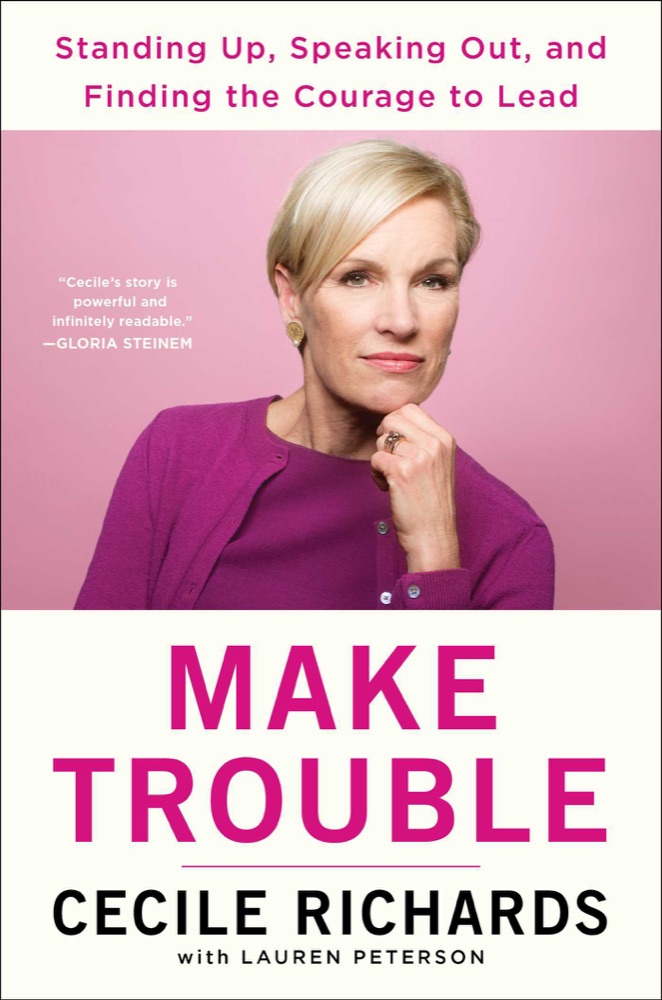 Make Trouble: Standing Up, Speaking Out, and Finding the Courage to Lead
 Whose Story Is This? Old Conflicts, New Chapters
 Radical Candor: Be a Kickass Boss Without Losing Your Humanity
 The Soul of a Woman
 Stay Sexy & Don't Get Murdered: The Definitive How-To Guide
 Outrageous Acts and Everyday Rebellions
 Ladyparts
 Full Frontal Feminism
 Everyday Sexism
 Brave
Brave
 The Moment of Lift: How Empowering Women Changes the World
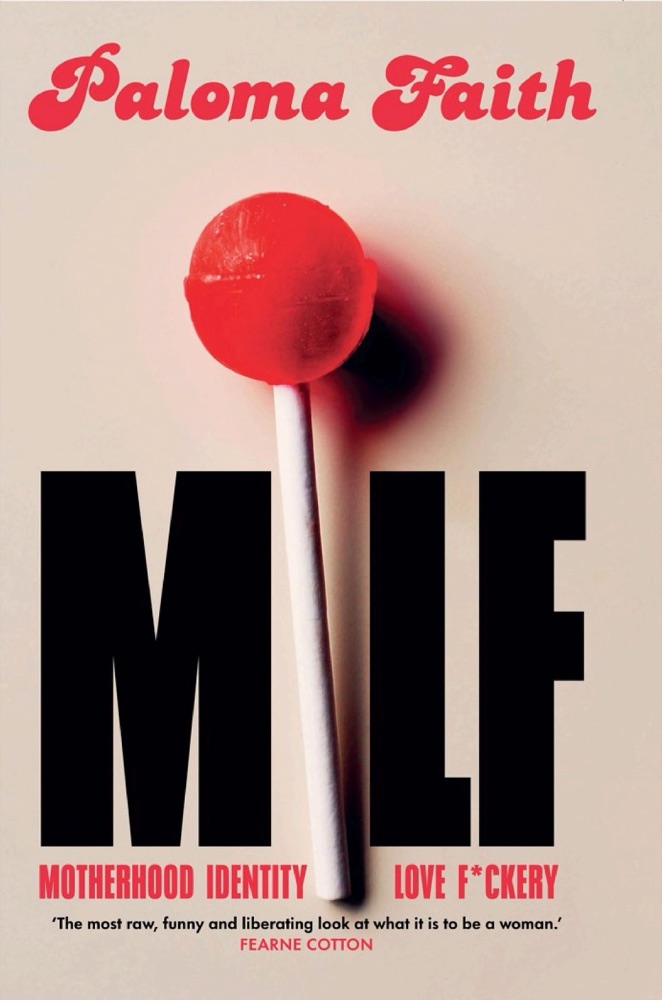 MILF: Motherhood, Identity, Love and F*ckery
 We Should All Be Feminists
 Sex Object: A Memoir
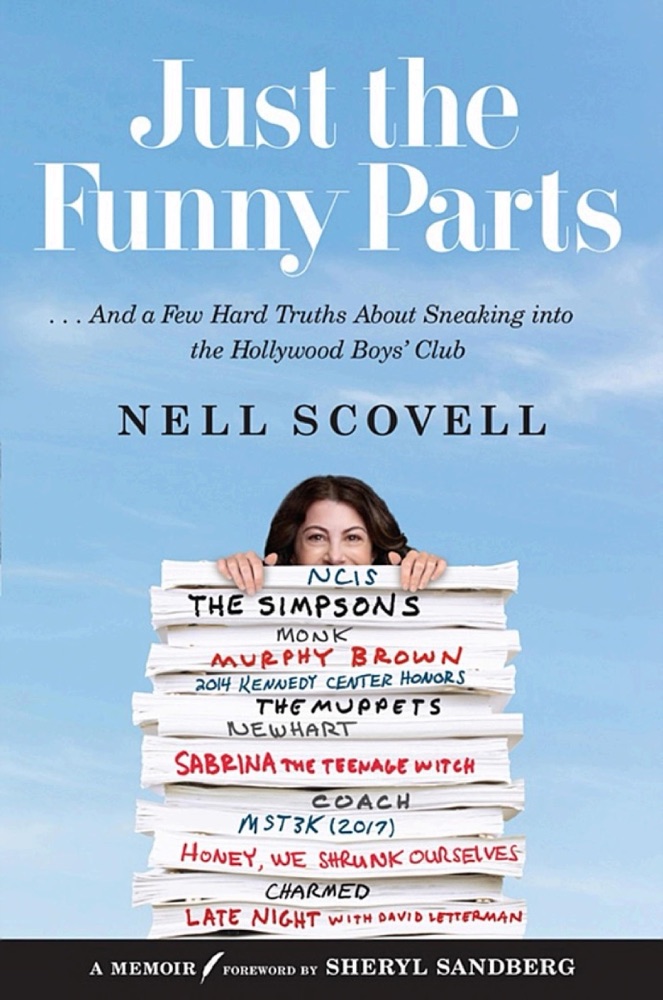 Just the Funny Parts: ... And a Few Hard Truths About Sneaking Into the Hollywood Boys' Club
 Who Thought This Was a Good Idea?: And Other Questions You Should Have Answers to When You Work in the White House
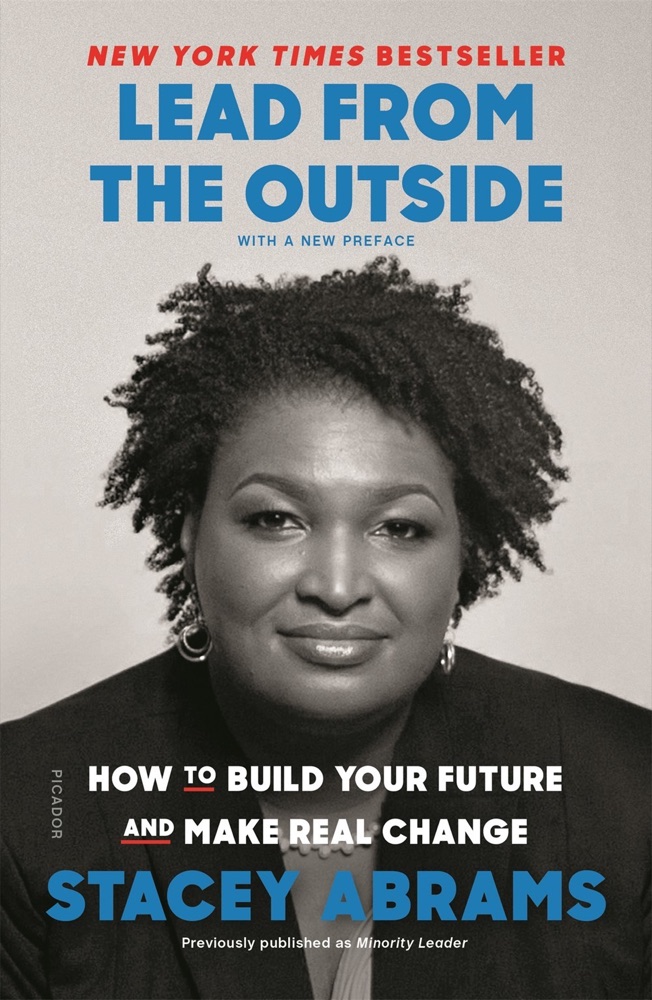 Lead from the Outside: How to Build Your Future and Make Real Change
 Too Fat, Too Slutty, Too Loud: The Rise and Reign of the Unruly Woman
 Not That Bad: Dispatches from Rape Culture
 The Change
 Dear Ijeawele, or A Feminist Manifesto in Fifteen Suggestions
 On Our Best Behavior: The Seven Deadly Sins and the Price Women Pay to Be Good
 Entitled: How Male Privilege Hurts Women
 Getting More: How to Negotiate to Achieve Your Goals in the Real World
 You'll Grow Out of It
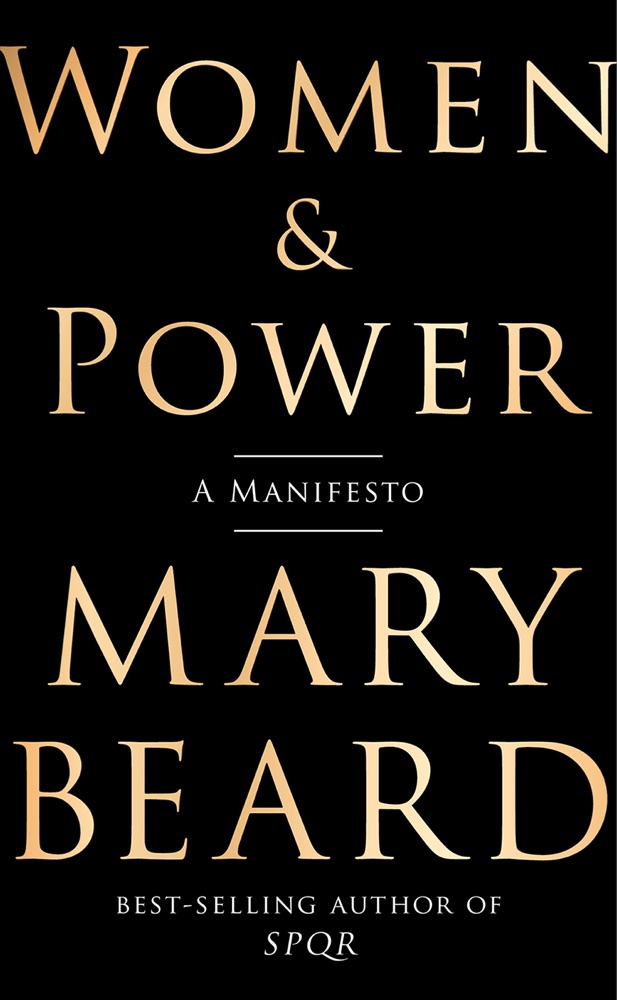 Women & Power: A Manifesto
 Cunt: A Declaration of Independence
 My Life on the Road
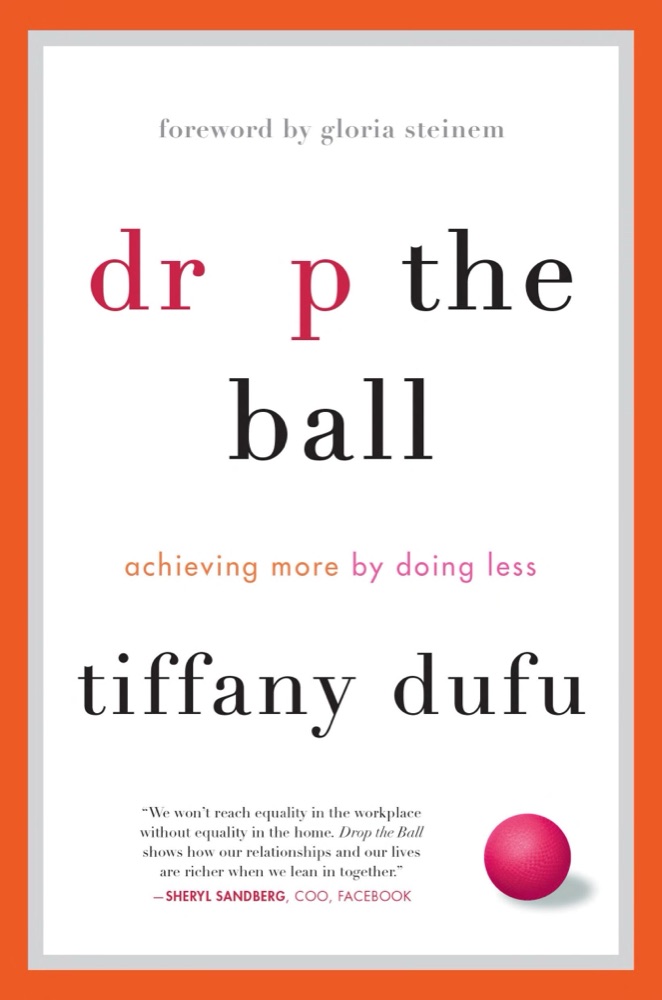 Drop the Ball: Achieving More by Doing Less
 Rage Becomes Her: The Power of Women's Anger
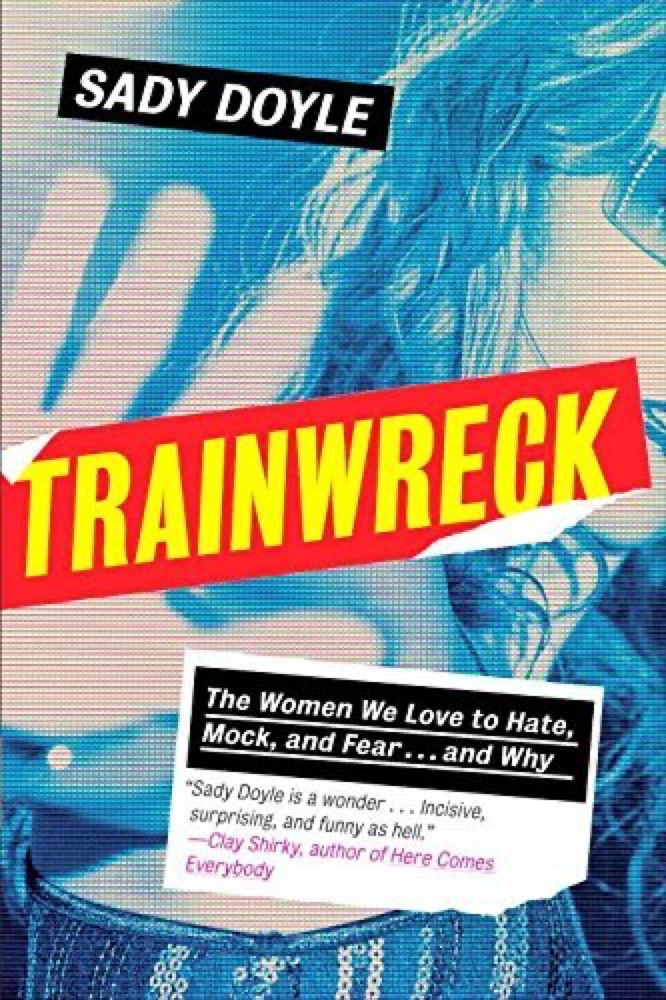 Trainwreck: The Women We Love to Hate, Mock, and Fear... and Why
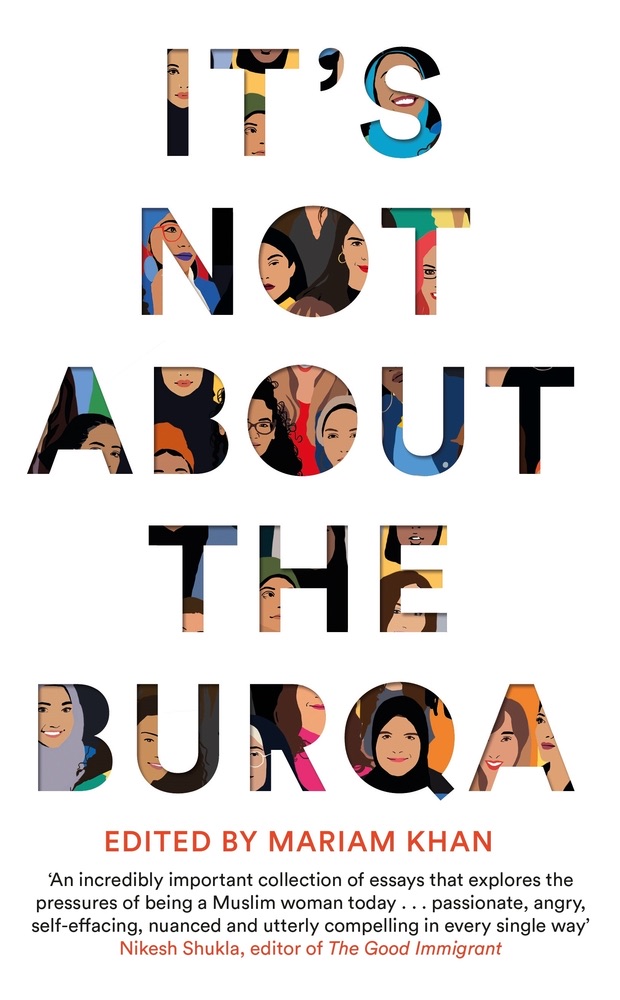 It's Not About the Burqa
 A Woman's Worth
 It Worked for Me: In Life and Leadership
 Shrill: Notes from a Loud Woman
 You Just Don't Understand: Women and Men in Conversation
 Do Over: Rescue Monday, Reinvent Your Work, and Never Get Stuck