
 Nine Parts of Desire: The Hidden World of Islamic Women
Quotes from the Book
I want to scream when I hear him use the word 'tradition' by way of explanation. How many crimes are committed against women in the name of tradition the world over? Why, as humankind grows better informed, globalised and apparently more knowledgeable, does the reverence for outdated and inexplicable tradition persist, flouting reason and even the law? How convenient for the aura of tradition to obscure misogyny and even legitimise criminal behaviour.
2
Women are seen as unthinking, unfeeling items of property to be denied any chance of a mature, mutually loving adult relationship. Their virginity and unquestioning obedience are associated with family honour and honour is so important that it is worth killing for.
2
Nerves of steel were wired to a soft heart.
1
The secretariat of the G20 group of nations, which includes India, has declared India the worst place on earth to be born a woman, even worse than Saudi Arabia.
In India, a woman is killed in a ‘dowry death’ every hour24 and a baby girl is aborted every twelve seconds.
A common proverb in northern India has it that ‘the lord of a woman is a man; a man’s lord is his livelihood
Like in so many cultures we have looked at, a girl’s sole worth lies in her virginity
A girl is far more responsible for rape than a boy,’ he says. ‘A decent girl wouldn’t roam around at nine o’clock at night. Housework and housekeeping is for girls, not roaming in discos and bars at night doing wrong things, wearing wrong clothes.
If a woman, a wife or daughter disobeys or runs away, she takes away a man’s honour,’ Samir tells me. ‘To restore it, he has to punish or kill her. It is our tradition. We have to do it.
Premeditated murder in Jordan carries the death penalty, except for men who kill female members of their family who have committed adultery or behaved in a way the male members of her family deem morally unacceptable.
I had to have sex with any man who asked for me. I had to have sex at least three times a night, sometimes seven or eight times in one night. The majority were Americans. They like to have fun and you can’t imagine how they act. They drink a lot, they speak loudly they make fun of the girls and treat us like rubbish. I wanted to stop them behaving this way. They shouldn’t do this. It is not fair, not only for me but for all the girls in this situation.’ Her clients, she explains, were members of the UN peacekeeping forces, the SFOR or Stabilisation Force, and the UN-appointed IPTF, the International Police Task Force, policemen who had been recruited from all over the world to help the process of nation-building in Bosnia in the late 1990s. It was these men, tasked with rebuilding a broken country, who refused to help Monica when she pleaded for help.
But most of us are so desperate to compete in what was until very recently a man’s world and we are so afraid of missing out on the next assignment that we seldom complain.
After lunch, the Queen had asked her royal guest whether he would like a tour of the estate. Prompted by his Foreign Minister, the urbane Prince Saud, an initially hesitant Abdullah agreed. The royal Land Rovers were drawn up in front of the castle. As instructed, the Crown Prince climbed into the front seat of the front Land Rover, with his interpreter in the seat behind. To his surprise, the Queen climbed into the driving seat, turned the ignition and drove off. Women are not – yet – allowed to drive in Saudi Arabia, and Abdullah was not used to being driven by a woman, let alone a queen. His nervousness only increased as the Queen, an Army driver in wartime, accelerated the Land Rover along the narrow Scottish estate roads, talking all the time. Through his interpreter, the Crown Prince implored the Queen to slow down and concentrate on the road ahead.
I realize, on reflection, that there had been no risk in inviting me to join them. I was no more a proper woman demanding protection than the Bangladeshi shop assistant is a man.
In 2002, members of these morality police prevented fifteen schoolgirls from fleeing a fire because they were inappropriately dressed. With flames and smoke reaching up to the windows of their dormitory, the girls did not have time to grab their abayas before rushing for the doors. They were turned back in order to observe a dress code and they all died.
Wahhabism treats women as perpetual minors and as mentally defective. A woman needs a male guardian at all times whose permission must be given before she can leave the house, undergo medical treatment, open a bank account and enrol for further education or travel. She can be married off at any age by her guardians. If she is divorced and has no father or brother, she may find herself asking permission for these privileges from her teenage son.
But the rights of women are in short supply in Saudi Arabia where the Prophet’s words are interpreted to suit a misogynistic clergy.
Work only brings a woman self-esteem, intellectual stimulation, the company of adults and financial independence – all anathema to the Saudi male whose job it is to control the female members of his family
There was opposition from Muslim clerics who warned that women working in shops would encourage them to defy their husbands and it would end up by corrupting the country’s morals.
For her, the difficulty women have in buying a bra in Saudi Arabia sums up the craziness of attitudes towards women in the only country in the world where women cannot drive.
Now watch,’ she says as a Pakistani male shop assistant comes up and asks if he can help. ‘I need a female assistant,’ she says to the man, ‘because I want to be measured.’ ‘I am sorry, ma’am,’ says the assistant, ‘we have no female assistants.’ She buys three bras and takes them up four escalators to the public toilets on the top floor to try them on. They don’t fit. She returns the bras and buys three more. She carries out this procedure four times before she finds a bra that will fit her.
The government responded but there was surprise when, in 2011, the then prime minister, Enda Kenny, called on Senator Martin McAleese, a devout Roman Catholic, to research the issue and report back.
Back at University College Dublin, Earner-Byrne reminds us that: ‘You have to understand the position of women in society. They had no say and no voice. They were constantly reminded that they had duties and responsibilities. They had no rights in a society that was profoundly influenced by faith.
Rita McCann, eighty-six, came from Co. Kerry and, unfamiliar with Dublin, couldn’t find the venue. ‘Then I spotted two women limping and said to myself, “I’m sure they are heading for it.” When you see the limps, you get the message.
Doctors in Ireland came up with a novel idea. If a woman’s pelvis was too small to allow for a normal birth, then the accepted procedure should be to break the pelvic bone. ‘I saw the doctor go over and get a hacksaw,’ Nora Clarke remembers. ‘I know it was a hacksaw because I had seen one in the butcher’s where he used it to cut up animals. He started to cut through my bone. The blood spurted out like a fountain. It went everywhere. The nurses were being physically sick. The doctor was angry because the blood splashed his glasses.
Marie O’Connor, a contemporary writer who campaigned against symphysiotomy, accuses the Catholic Church of promoting ‘medicine from the Dark Ages, encouraged by senior clerics who were obsessed by sexuality and utterly opposed to the crime of birth prevention. The driving forces were control, ambition and religion.
Denied real power themselves, they abuse the women under their control in a desperate attempt to win praise from the men who in turn control them.
The research shows one of the biggest pay gaps is between male and female health professionals. It’s been calculated at 27 per cent, which works out as the difference between £18.50 an hour and £25.33.1 The TUC says a key reason for the size of the pay gap in health is the earnings of the best-paid professionals. Top male professionals in health earn nearly £50 an hour, almost twice as much as top-earning women who earn £24.90 an hour. The TUC has found women working in manufacturing occupations experience the next biggest pay gap at 22 per cent less than men. Women working as managers, directors and senior officials experience the next biggest pay gap at 21 per cent, which works out at men getting £26.80 an hour whilst women get just £21.
How is it that a country that gave us Emily Pankhurst and Margaret Thatcher is currently number twenty-eight in the list of countries offering equal pay – behind Bulgaria and Burundi? For every £1 earned by a man, a woman earns 85p. We are all aware of the heart-warming story of the female Dagenham workers who fought for equal pay in the 1960s. It is still happening. Why does a man working in the warehouse at Asda today earn more than a woman at the checkout, whose skills require numeracy and customer relations? Why do women earn, on average, 21 per cent less than men at corporate, managerial level? Why are there so few women at this level? There are mandatory quotas in France, Italy, Spain, the Netherlands and Germany. Why is the UK so far behind? Institutionalized misogyny say the Fawcett Society, the campaigning group on equal pay. But, looking back at my own career and the regrets I have about family life, I ask whether women can and should try and compete.
Watch on YouTube
About Sue Lloyd-Roberts
We have collected 29 quotes from 1 book by Sue Lloyd-Roberts on BookQuoters.
More about the author →About the book
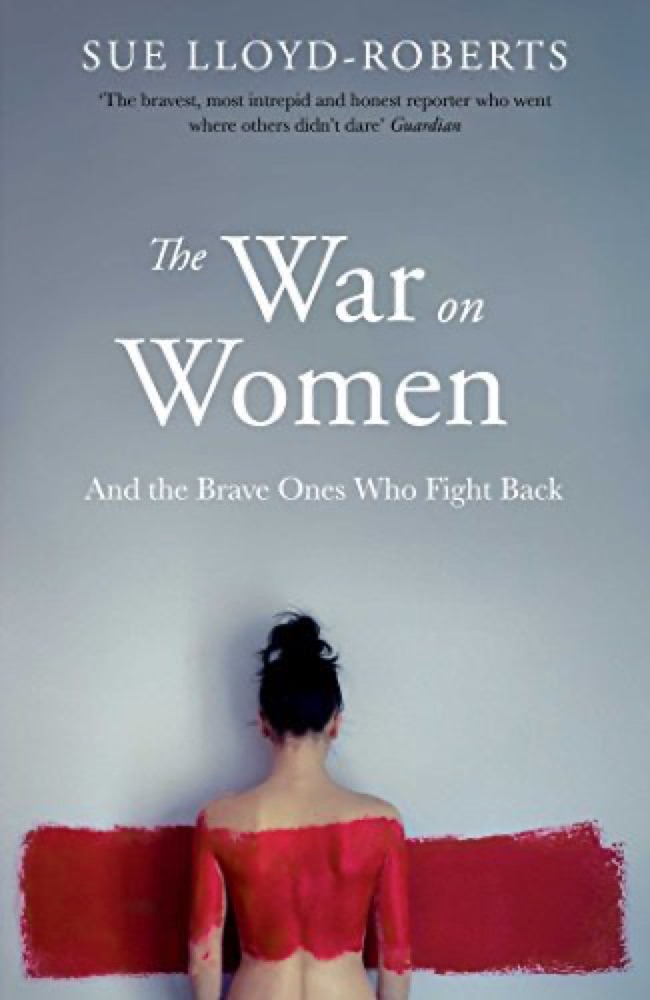
In 1973, Sue Lloyd Roberts joined ITN as a news trainee and went on to be the UK's first female video-journalist to report alone from the bleak outposts of the Soviet Union, China and Iran. During her 30-year-long career she travelled the world and witnessed the worst atrocities inflicted on women. But in observing first-hand the war on the female race she also documented their incredible determination to fight back. The War on Women brings to life the inconceivable and dangerous life Sue led, it tells the story of Mary Merritt who was imprisoned in a baby laundry in Dublin, and of Monica, who was trafficked and forced into the sex trade in Bosnia. She gives voice to Maimouna, the woman responsible for taking over her mother’s role as the village female circumciser in The Gambia and provides a platform for the 11-year-old Manemma, who was married off in Jaipur at the age of six. From th
Book details
- First published
- 2016
- Author
- Sue Lloyd-Roberts
- Genre
- Nonfiction
- Goodreads rating
- 4.72 (2k ratings)
Keep reading
Nine Parts of Desire: The Hidden World of Islamic Women
 The Mad Women's Ball
 The Underground Girls of Kabul: In Search of a Hidden Resistance in Afghanistan
 Right Wing Women
 Brazen: Rebel Ladies Who Rocked the World
 Misogyny: The World's Oldest Prejudice
 The Female Eunuch
 Headscarves and Hymens: Why the Middle East Needs a Sexual Revolution
 Half the Sky: Turning Oppression Into Opportunity for Women Worldwide
 Bygone Badass Broads: 52 Forgotten Women Who Changed the World
 A Girl Is a Body of Water
 Her Majesty's Royal Coven
 The Soul of a Woman
 It's Not About the Burqa
 The Dialectic of Sex: The Case for Feminist Revolution
 Unspeakable Things: Sex, Lies and Revolution
 Women Talking
 Princess Sultana's Daughters
 The Change
 Heart Lamp: Selected Stories
 Petals of Blood
 Outrageous Acts and Everyday Rebellions
 Princess: A True Story of Life Behind the Veil in Saudi Arabia
 The Women's Room
 America's Women: 400 Years of Dolls, Drudges, Helpmates, and Heroines
 Infidel
 The Bandit Queens
 Dead Blondes and Bad Mothers
 Men Explain Things to Me
 The Feminine Mystique
 The Benevolent Society of Ill-Mannered Ladies
 An Experiment in Love
 Seven Women: And the Secret of Their Greatness
 Not That Bad: Dispatches from Rape Culture
 Boys Will Be Boys: Power, Patriarchy and the Toxic Bonds of Mateship
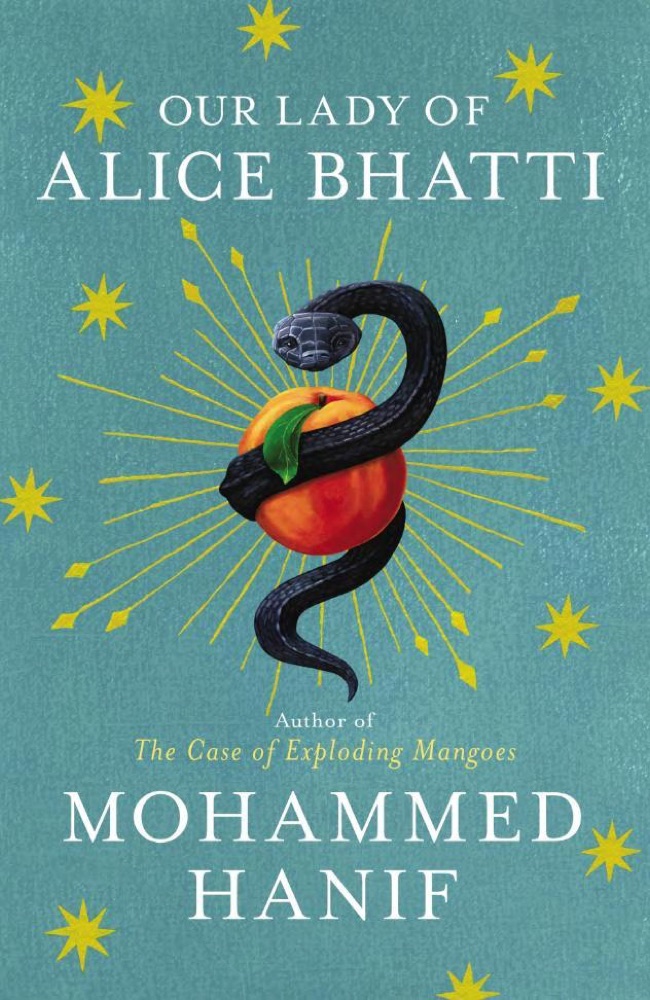 Our Lady of Alice Bhatti
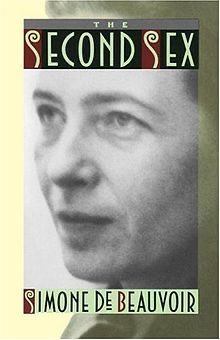 The Second Sex
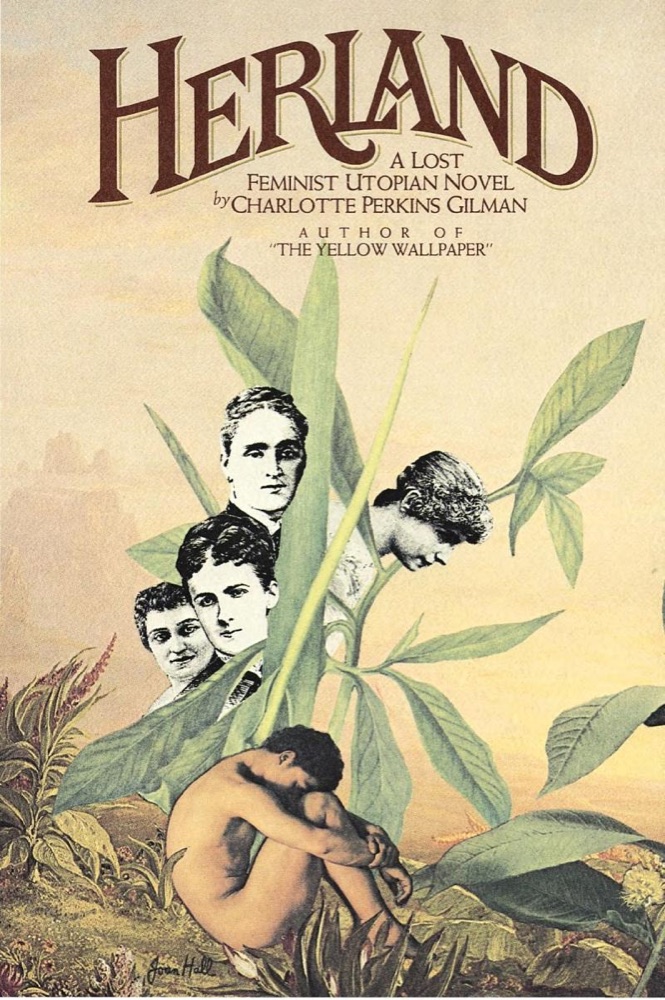 Herland
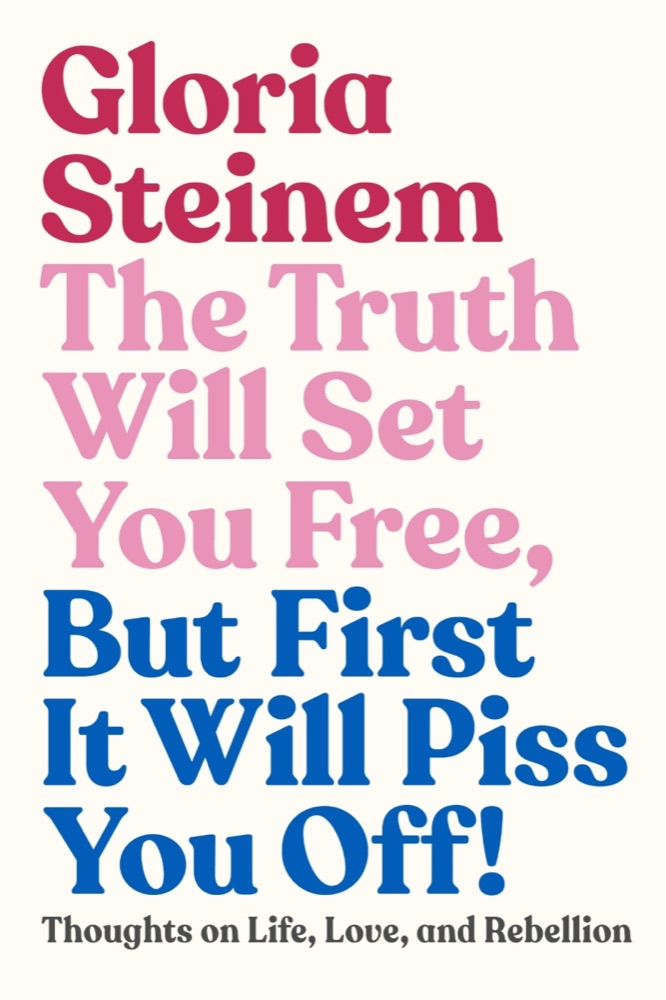 The Truth Will Set You Free, But First It Will Piss You Off!: Thoughts on Life, Love, and Rebellion
 Sexual Politics
 Everyday Sexism
 Femina: A New History of the Middle Ages, Through the Women Written Out of it
 How to Be a Woman
 Nomad: From Islam to America: A Personal Journey Through the Clash of Civilizations
 The Right to Sex: Feminism in the Twenty-First Century
 Native Tongue
 Women & Power: A Manifesto
 Difficult Women: A History of Feminism in 11 Fights
 A Call to Action: Women, Religion, Violence, and Power
 The Full Cupboard of Life
 Ladyparts
 The Simple Art of Killing a Woman
 The No. 1 Ladies' Detective Agency
 Cunt: A Declaration of Independence
 Women's Liberation and the African Freedom Struggle
 Invisible Women: Data Bias in a World Designed for Men
 Feminists Don't Wear Pink (And Other Lies): Amazing Women on What the F-Word Means to Them
 The White Plague
 The Devil and the Dark Water
 Entitled: How Male Privilege Hurts Women