
 I Keep My Exoskeletons to Myself
Quotes from the Book
I felt breathless, like every question was a step up a stairway.
73
Nothing is too ugly for this world, I think. It’s just that people pretend not to see.
71
In white culture, forgiveness is synonymous with letting go. In my culture, I believe we carry pain until we can reconcile with it through ceremony. Pain is not framed like a problem with a solution. I don’t even know that white people see transcendence the way we do. I’m not sure that their dichotomies apply to me.
70
When you told me that I want too much, I considered how much you take.
53
I think self-esteem is a white invention to further separate one person from another. It asks people to assess their values and implies people have worth. It seems like identity capitalism.
50
You said you would be on the other a side of the door. That’s how perfect love is at first. Solutions are simple and problems are laid out simply.
50
You think weakness is a problem. I want to be torn apart by everything.
35
Observation is a skill. Observation isn’t easy, and the right eyes can make me feel like a deer, while the wrong ones make me feel like a monster.
27
I woke up as the bones of my ancestors locked in government storage.
25
My therapists didn’t pity me, not the good ones; they made me strip myself of pandering, manipulation, presentation—they wanted the truth more desperately than I did, and then they wanted me to speak it—live it every moment. I feel like writing is that way. Writing can be hard therapy.
23
I learned that any power asks you to dedicate your life to its expansion.
23
I couldn't distinguish the symptoms from my heart. It was polarizing to be told there was a diagnosis for the behaviors I felt justified in having.
21
I can hear my aunt's voice, telling me that if my security depends on a man's words or action, I've lost sight of my power.
20
I wanted to know what I looked like to you. A sin committed and a prayer answered, you said.
19
I think it’s dangerous to let go of a transgression when the transgressor is not contrite.
19
I can't believe my reserve of water—from my nose and eyes. I have dormant fluid in my body, every woman does. I don't know if I am a cavern or a river. Once, you said I was a geyser: a hole in the ground—bursting.
18
I washed my face again and again and considered that, if you knew more about my pain, I might feel less of it.
17
To ascend there must be a dark, a descent.
17
In my culture, I believe we carry pain until we can reconcile with it through ceremony. Pain is not framed like a problem with a solution.
15
You are such a home to me.
14
My people cultivated pain. In a way that god cultivated his garden with the foresight that he could not contain or protect the life within it. Humanity was born out of pain.
13
I realized that love can be mediocre and a safe comfort, or it can be unhinged and hurtful. Either seemed like a good life.
13
I'm a river widened by misery, and the potency of my language is more than human.
13
Sometimes I know part of me is still a ghost, walking next to my mother, looking for something to make an offering to, holding her hand. Either this feeling means that part of me is dead, or that she's alive, somewhere inside of me.
13
I wanted as much of the world as I could take, and I didn't have the conscience to be ashamed.
12
The way being healed is never real unless every moment of every day you remind yourself of your progress and remind yourself not to go back, or hurt someone, or do the wrong thing - it's not healing unless you keep moving - you're never done.
11
I was not right to want to die. I didn't want to leave my family. I liked my mind and its potential. I knew the type of burden I was. I was like my mother.
10
People have a right to think things will change. I allowed myself that much.
10
Today, in front of a slew of white authors, during a fellowship, with a drink in my hand, I said that I was untouchable. There was a gasp, and maybe it was a hundred years of work for my name to arrive here, where I can name my pain so well that people are afraid of the consequences and the power.
10
Watch on YouTube
About Terese Marie Mailhot
We have collected 29 quotes from 1 book by Terese Marie Mailhot on BookQuoters.
More about the author →About the book
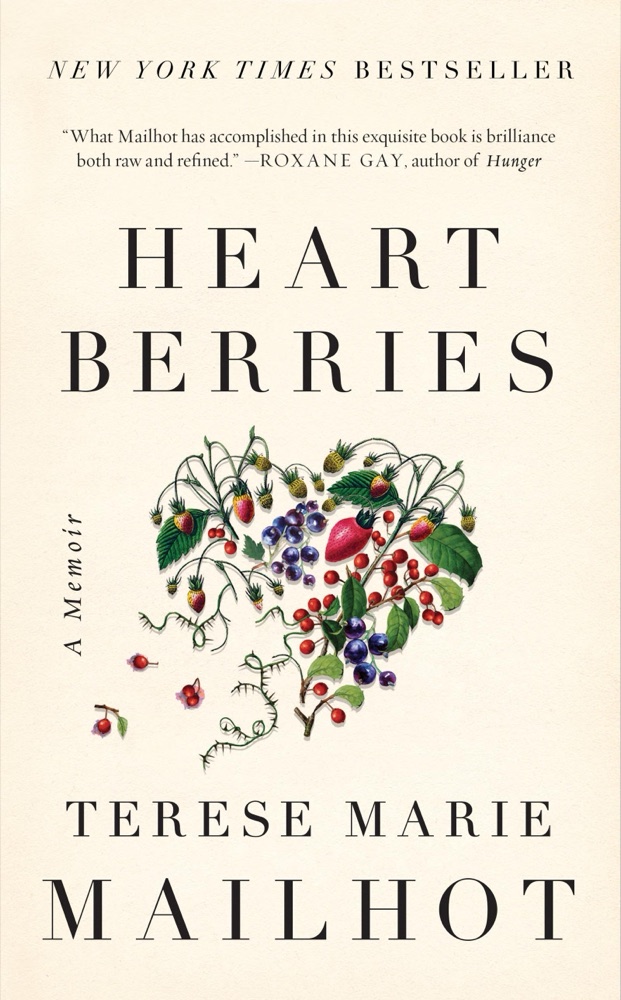
Heart Berries is a powerful, poetic memoir of a woman's coming of age on the Seabird Island Indian Reservation in the Pacific Northwest. Having survived a profoundly dysfunctional upbringing only to find herself hospitalized and facing a dual diagnosis of post traumatic stress disorder and bipolar II disorder; Terese Marie Mailhot is given a notebook and begins to write her way out of trauma. The triumphant result is Heart Berries, a memorial for Mailhot's mother, a social worker and activist who had a thing for prisoners; a story of reconciliation with her father―an abusive drunk and a brilliant artist―who was murdered under mysterious circumstances; and an elegy on how difficult it is to love someone while dragging the long shadows of shame.
Mailhot trusts the reader to understand that memory isn't exact, but melded to imagination, pain, and what we can bring ourselves to accept. He
Book details
- First published
- 2018
- Author
- Terese Marie Mailhot
- Genre
- Biography
- Goodreads rating
- 3.81 (31k ratings)
The buzz
- The New York TimesReview in The New York Timesprofessional review (via Book Marks)
- The GuardianReview in The Guardianprofessional review (via Book Marks)
- Kirkus ReviewsReview in Kirkus Reviewsprofessional review (via Book Marks)
- Toronto StarReview in Toronto Starprofessional review (via Book Marks)
- Star TribuneReview in Star Tribuneprofessional review (via Book Marks)
- BooklistReview in Booklistprofessional review (via Book Marks)
Keep reading
I Keep My Exoskeletons to Myself
 Somebody's Daughter
 I'm Telling the Truth, but I'm Lying: Essays
 Hot Milk
 Take Me With You
 Dyscalculia: A Love Story of Epic Miscalculation
 Stone Butch Blues
 The Harder I Fight the More I Love You: A Memoir
 A Different Blue
 Rainbow Black
 Her Body and Other Parties
 The Beauty of Living Twice
 Sharp Objects
 The Chronology of Water
 Dark Places
 Dear Senthuran: A Black Spirit Memoir
 Paperweight
 Scar Tissue
 Lord of the Butterflies
 The Lies About Truth
 Get Me Out of Here: My Recovery from Borderline Personality Disorder
 Women We Buried, Women We Burned: A Memoir
 On Being Human: A Memoir of Waking Up, Living Real, and Listening Hard
 A Small Indiscretion
 Traveling Mercies: Some Thoughts on Faith
 The Tell: A Memoir
 Notes of a Crocodile
 Volition
 Stay with Me
 When You Ask Me Where I'm Going: Young Adult Prose Poetry on Trauma, Feminism, and Empowerment
 Marrow
 The Hour I First Believed
 The Spirit Bares Its Teeth
 And the Mountains Echoed
 White Oleander
 The Mermaid Chair
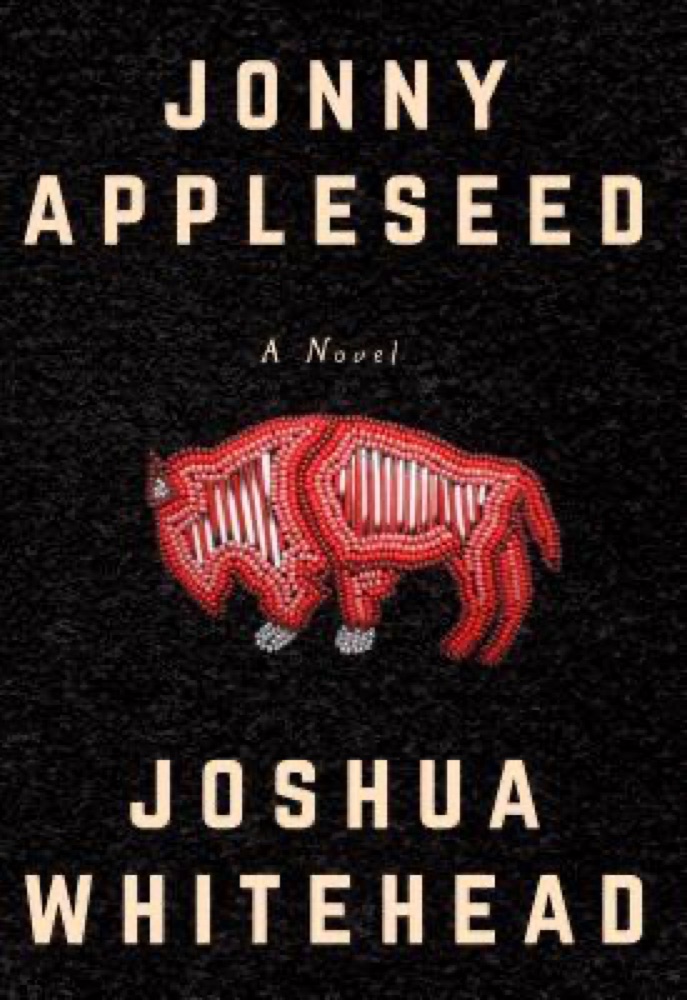 Jonny Appleseed
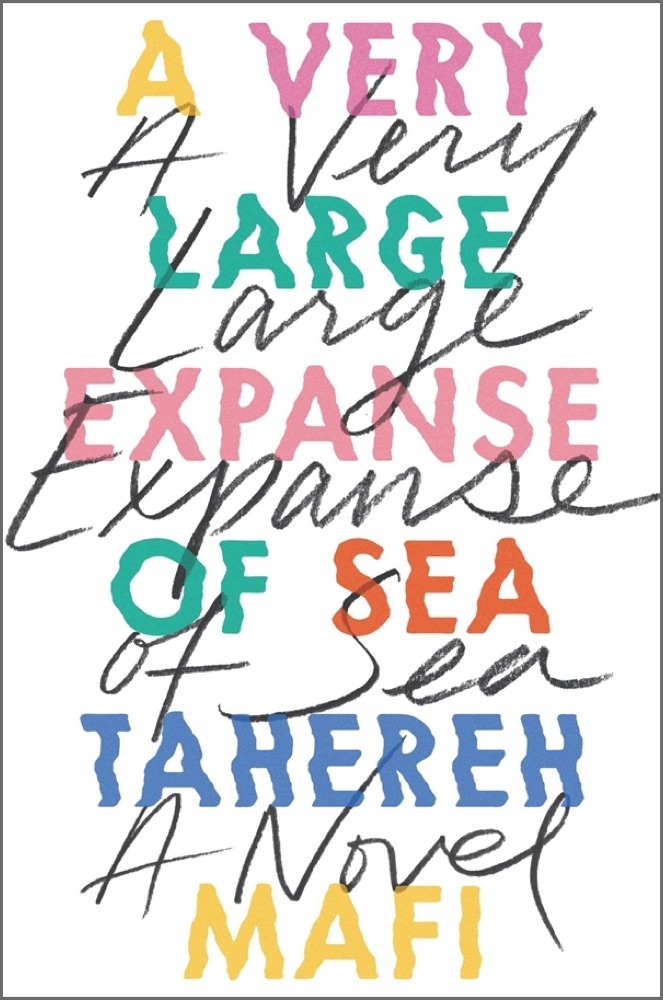 A Very Large Expanse of Sea
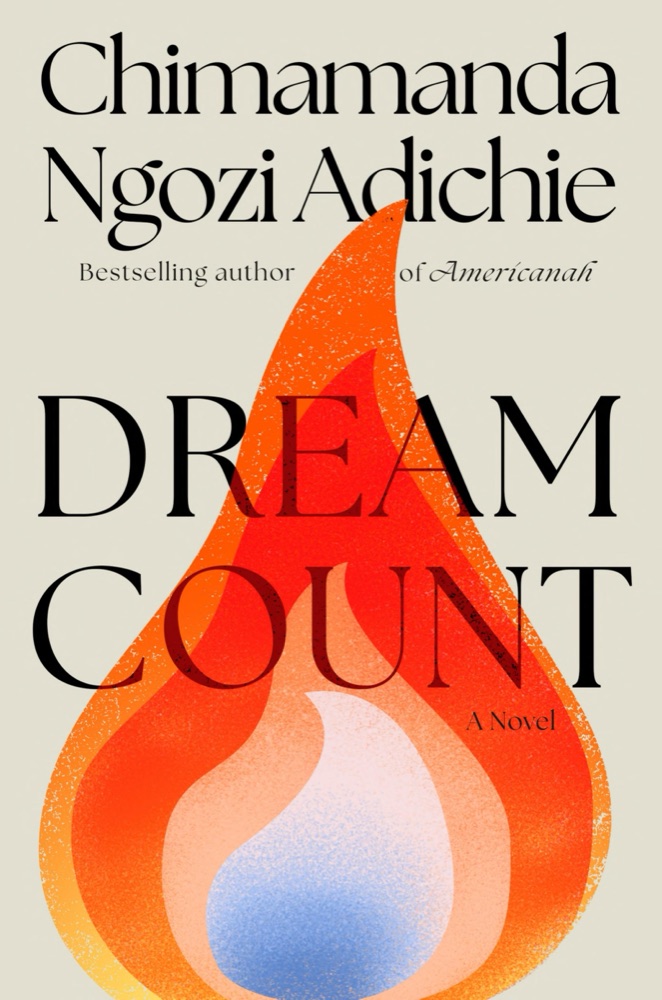 Dream Count
 Broken Horses
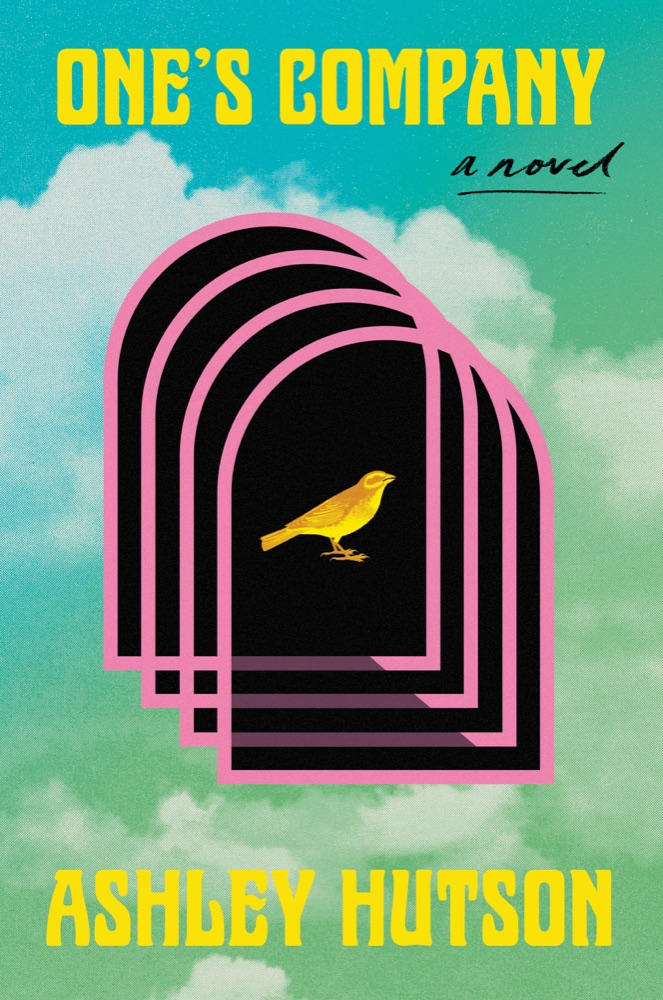 One's Company
 Fire Shut Up in My Bones: A Memoir
 Tell the Wolves I'm Home
 Down the Drain
 Inside Out
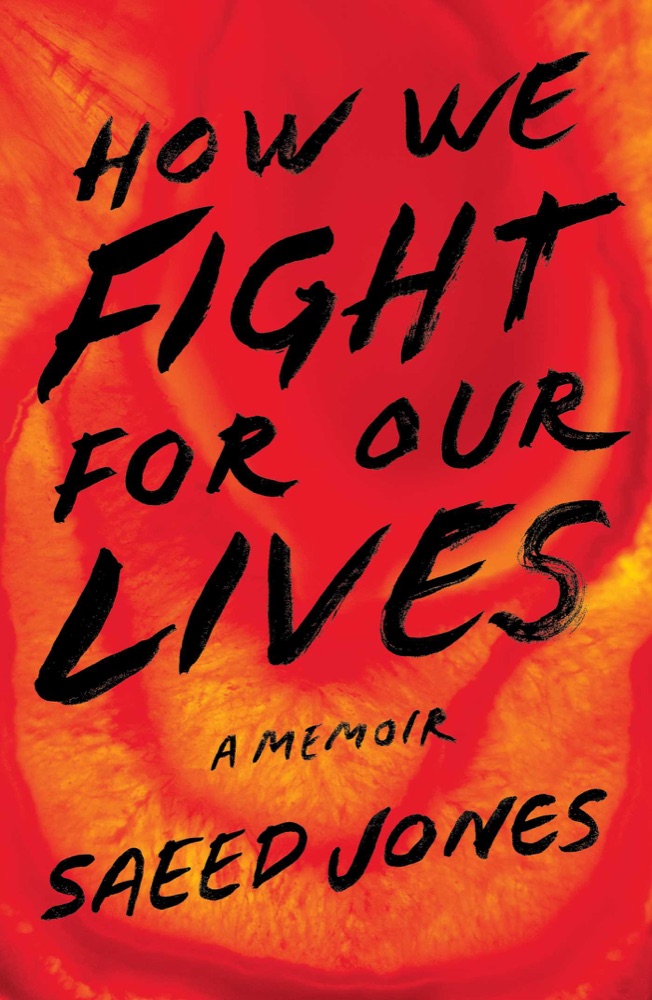 How We Fight For Our Lives
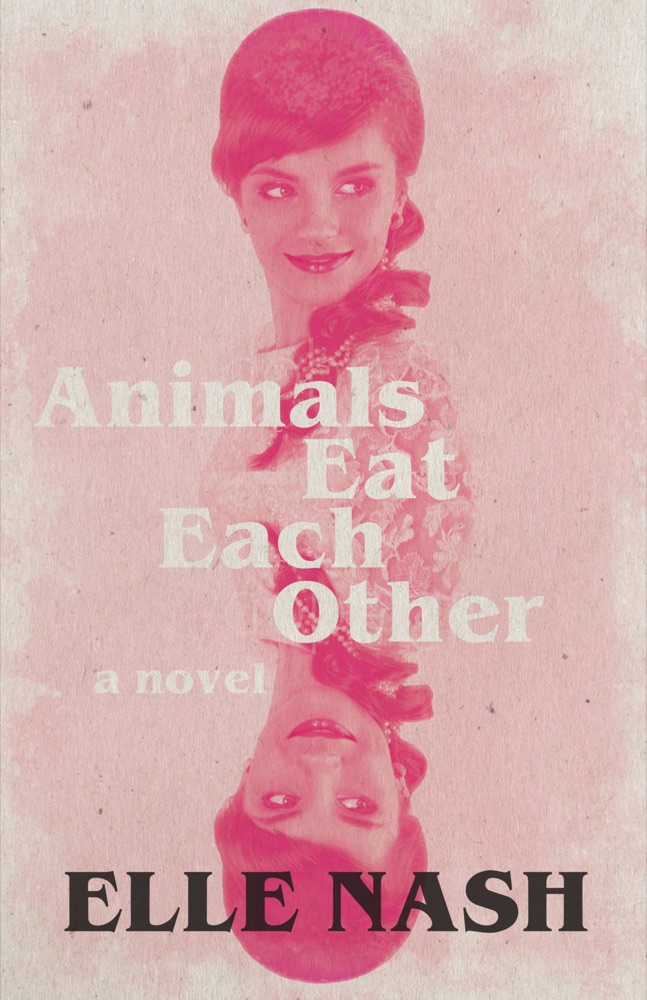 Animals Eat Each Other
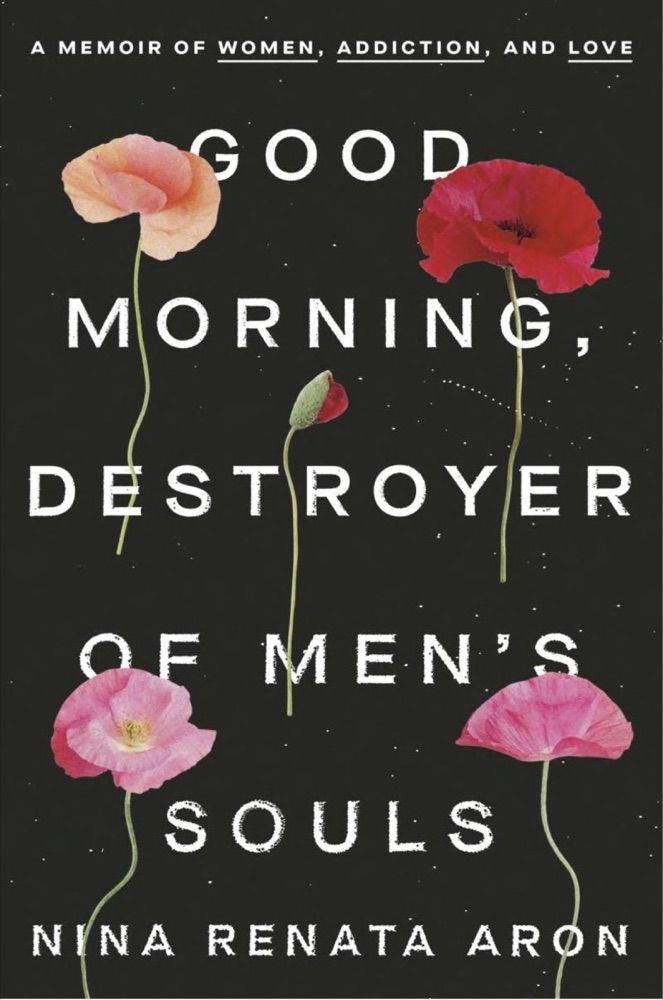 Good Morning, Destroyer of Men's Souls: A Memoir of Women, Addiction, and Love
 Good in Bed
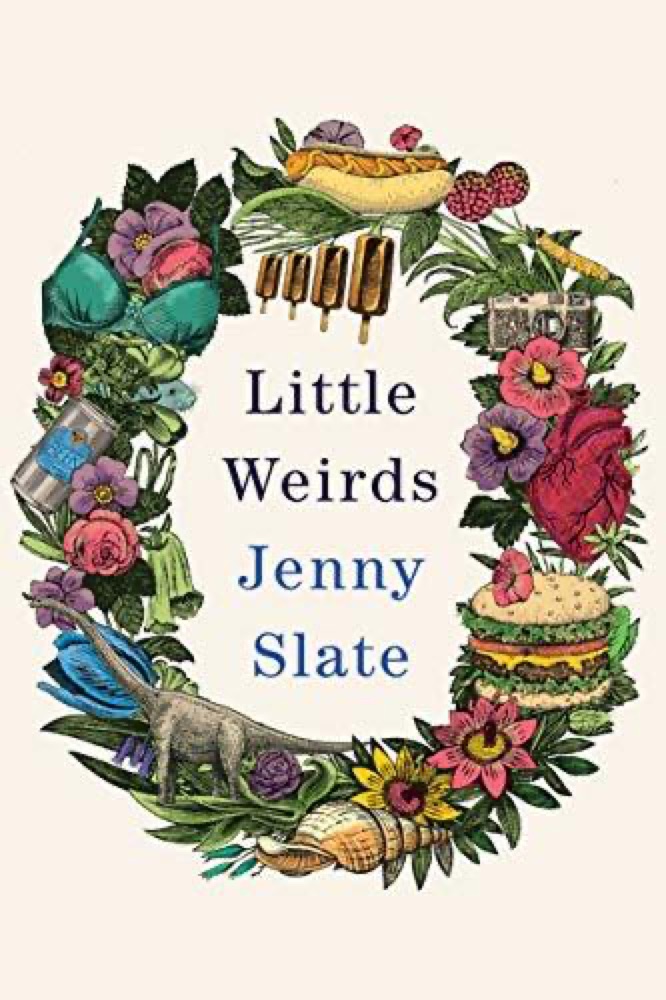 Little Weirds
 You Don't Have to Say You Love Me
 The First Time She Drowned
 Gut Symmetries
 The Hurting Kind: Poems
 Change of Heart
 I Was Here
 Grace (Eventually): Thoughts on Faith
 The Journals of Sylvia Plath
 Lust & Wonder
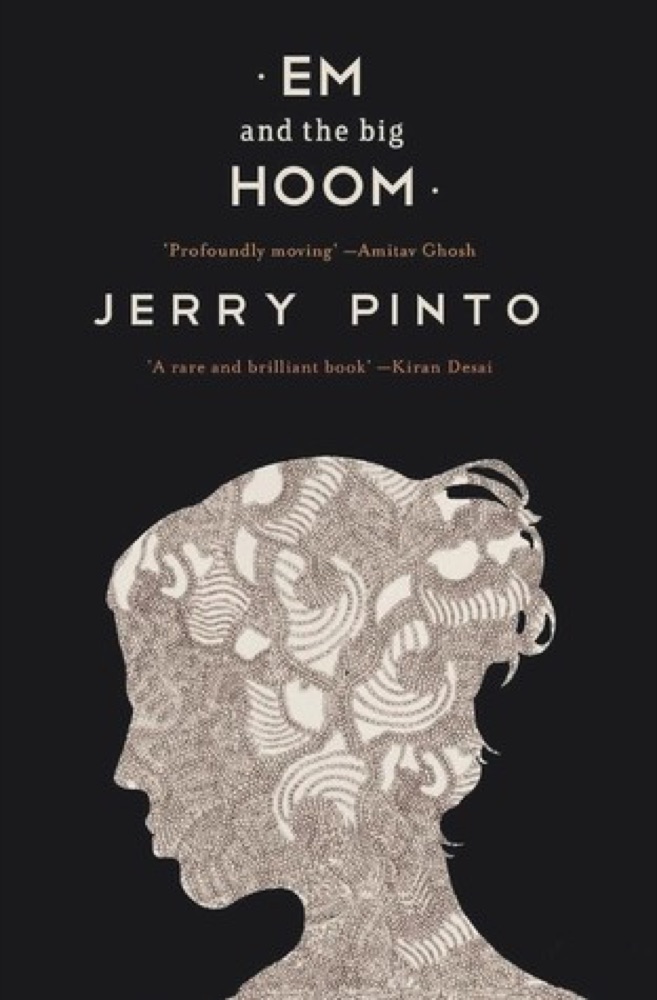 Em and The Big Hoom