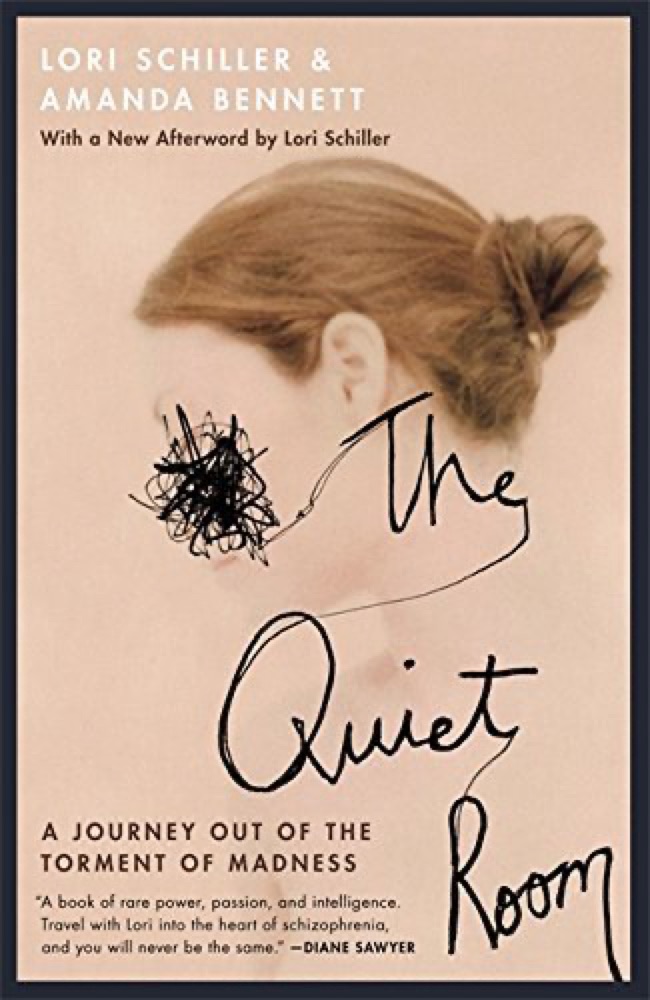
 Get Me Out of Here: My Recovery from Borderline Personality Disorder
Quotes from the Book
I didn’t know how to communicate my suffering to anyone else. My anger was returning. I was screaming for help, but the language I was speaking no one seemed to understand. (183)
When I was up she taught me to recognize the feeling and savor it. “Remember how good you feel now,” she said. “There will be times later on when everything will seem bleak. I don’t want to minimize the grim and harsh times. I know how bad you feel then. But they won’t last forever. Capture the good moments,” she said. (219)
Even though the Voices were far more intense in the hospital than before, in some ways they were less frightening. When I was in high school and college, they had sneaked up on me, blasting out of the airwaves almost without warning. By now, they had become almost familiar. I hated them. I suffered from them. But they seemed almost a normal part of living. I knew them. I understood them and they understood me. (96)
If you decide you have to kill yourself,” he said, “in the last second before you act, picture my face. Listen to me giving you one last plea not to do it. And know that someone really cares.” (228)
I felt hopeless. I was never going to get better. All I was doing was spending time that was really wasted since I was ultimately going to get done what had to be done. Put your finger in a bucket of water and pull it out. The hole left is how much I’d be missed. Killing myself was my job, my responsibility. (131)
A long time ago I realized that, as psychiatrists, we had to have a healthy respect for our own humanness, and our own smallness in the face of what we were dealing with. If a person got better, we could appreciate that we had done a good job, but we also needed to realize that God – or luck – was on our side. If the person got worse and had to go to a state hospital, we had to keep ourselves from feeling that we hadn’t done enough. For the truth is, we were powerless in so many of these situations. We did what we could, but sometimes the illness was just bigger than we were. (233)
Over and over I had to reassure her. “You hate me,” she would say. “Lori, I don’t hate you. I love you.” Finally it began to dawn on me. When she challenged me like that, she wasn’t making a statement. She was asking a question. And she needed to hear the answer. She needed to hear that I still accepted her. She needed to hear that I still cared for her. Over and over again she needed to hear me tell her that I loved her. (117)
I didn’t know how to communicate my suffering to anyone else. My anger was returning. I was screaming for help, but the language I was speaking no one seemed to understand.
21
When I was up she taught me to recognize the feeling and savor it. “Remember how good you feel now,” she said. “There will be times later on when everything will seem bleak. I don’t want to minimize the grim and harsh times. I know how bad you feel then. But they won’t last forever. Capture the good moments,” she said.
9
Even though the Voices were far more intense in the hospital than before, in some ways they were less frightening. When I was in high school and college, they had sneaked up on me, blasting out of the airwaves almost without warning. By now, they had become almost familiar. I hated them. I suffered from them. But they seemed almost a normal part of living. I knew them. I understood them and they understood me.
7
Over and over I had to reassure her. “You hate me,” she would say. “Lori, I don’t hate you. I love you.” Finally it began to dawn on me. When she challenged me like that, she wasn’t making a statement. She was asking a question. And she needed to hear the answer. She needed to hear that I still accepted her. She needed to hear that I still cared for her. Over and over again she needed to hear me tell her that I loved her.
6
I felt hopeless. I was never going to get better. All I was doing was spending time that was really wasted since I was ultimately going to get done what had to be done. Put your finger in a bucket of water and pull it out. The hole left is how much I’d be missed. Killing myself was my job, my responsibility.
5
If you decide you have to kill yourself,” he said, “in the last second before you act, picture my face. Listen to me giving you one last plea not to do it. And know that someone really cares.
5
A long time ago I realized that, as psychiatrists, we had to have a healthy respect for our own humanness, and our own smallness in the face of what we were dealing with. If a person got better, we could appreciate that we had done a good job, but we also needed to realize that God – or luck – was on our side. If the person got worse and had to go to a state hospital, we had to keep ourselves from feeling that we hadn’t done enough. For the truth is, we were powerless in so many of these situations. We did what we could, but sometimes the illness was just bigger than we were.
5
All my ideas had been wrong. Schizophrenia wasn't a split personality. It was a brain disease, a chemical imbalance. People with schizophrenia did hallucinate. They heard voices commanding them to do things. They heard voices talking about them. Sometimes they had delusions, like that they were the Prophet Elijah, or Moses. People with schizophrenia were very sick. Mostly the disease started in people who were very young, just starting their lives. Sometimes drugs helped get their hallucinations under control. Sometimes drugs didn't help at all. Very often people with schizophrenia didn't get better. Some of them spent their whole lives in institutions.
But partly it was my own professional background, my training in psychology, that rather than helping me—made it almost impossible for me to face what was happening. Back when I studied psychology in the 1950s, there was only one cause for all mental illnesses, even the most severe: a faulty upbringing. Everything was tied to the way you were raised. There were different schools of thought, of course. Some practitioners followed a Freudian model where understanding the id, the ego and the superego gave the answer to everything. Some followed Jung, with his emphasis on unconscious myths. But everyone believed that it was early life experiences that were behind mental disorders. A patient with serious mental problems had been subject at an early age to unacceptable pressures, to confusing messages, or to some destructive behavior on the part of the parents.
Dr. Fischer and I kept in touch with each other for about a year after she left the hospital. Then one day I received a letter telling me she was about to have a baby. I couldn’t take it. I destroyed all the letters she had sent me, and never wrote her another one.
Now that I’m back to my college weight—118 pounds—I feel chic and pretty again.
I learned how to put aluminum foil in the bottom of a pan when cooking steak or chicken to make cleaning up easier.
She weighed 170 pounds. She was enormous.
Once Dad brought a lobster dinner—complete with melted butter, claw crackers and bibs. When they brought food for me, they often brought enough for everyone on the unit.
Mom just shook her head that I would be so stupid as to add drug addiction to my other problems.
And patients weren’t even allowed to handle matches. Staff walked around with lighters hung from their necks to light patients’ cigarettes when they asked.
We continued to have long silences punctuated by discussions about medication.
And as for my newfound “cure,” that was all a matter of control too. Everyone needs to breathe, but people can still hold their breath underwater. If you practice, you can hold your breath for much longer than you ever believed possible. That’s what holding my Voices inside was like. Sure, I could hold it for a few seconds longer. But the explosive rage was building inside all the more for not being allowed to be expressed.
Killing myself was my job, my responsibility. I mentally punished myself each day for not having done it yet. The
Watch on YouTube
About Lori Schiller
Book details
- First published
- 1994
- Author
- Lori Schiller
- Genre
- Nonfiction
- Goodreads rating
- 4.10 (10k ratings)
Keep reading
Get Me Out of Here: My Recovery from Borderline Personality Disorder
 Hello I Want to Die Please Fix Me: Depression in the First Person
 How to Murder Your Life
 Girl, Interrupted
 Committed: On Meaning and Madwomen
 Brain on Fire: My Month of Madness
 The Eden Express: A Memoir of Insanity
 The Center Cannot Hold: My Journey Through Madness
 More, Now, Again: A Memoir of Addiction
 Somebody's Daughter
 The Good Samaritan
 Heart Berries
 Imagine Me Gone
 Paperweight
 Dyscalculia: A Love Story of Epic Miscalculation
 Sybil: The Classic True Story of a Woman Possessed by Sixteen Personalities
 Madness: A Bipolar Life
 Shoot the Damn Dog: A Memoir of Depression
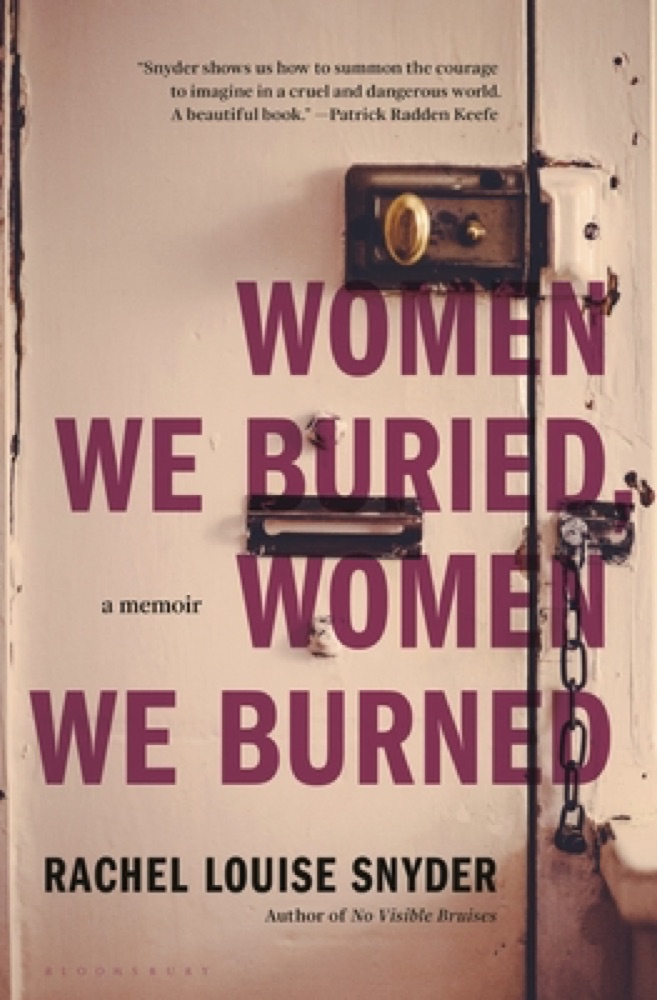 Women We Buried, Women We Burned: A Memoir
 I'm Telling the Truth, but I'm Lying: Essays
 Wasted: A Memoir of Anorexia and Bulimia
 My Story
 Dark Places
 Between Two Kingdoms: A Memoir of a Life Interrupted
 All My Puny Sorrows
 Lust & Wonder
 Today I'm Alice: Nine Personalities, One Tortured Mind
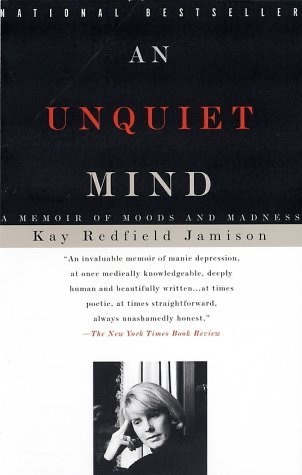 An Unquiet Mind: A Memoir of Moods and Madness
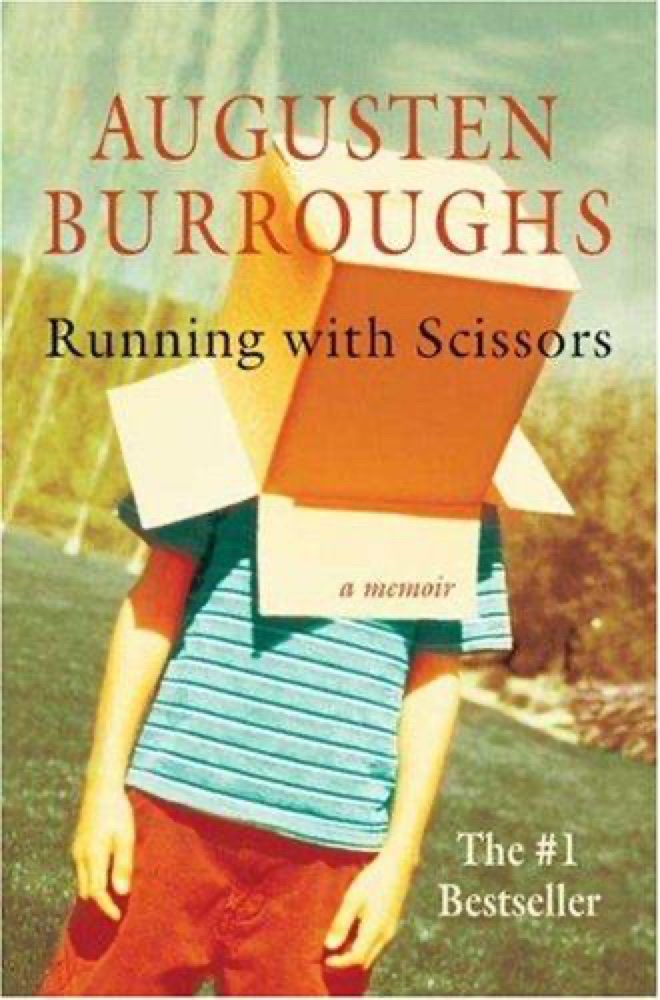 Running with Scissors
 Scar Tissue
 Skin Game
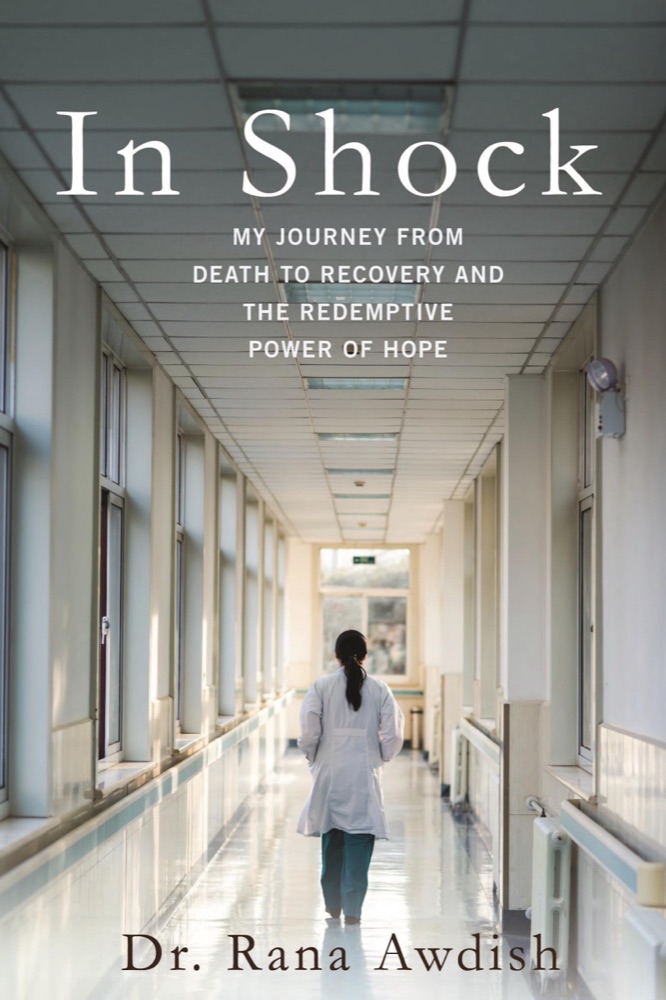 In Shock: My Journey from Death to Recovery and the Redemptive Power of Hope
 Tell No One
 Just Like Someone Without Mental Illness Only More So
 My Name Is Mahtob: The Story that Began the Global Phenomenon Not Without My Daughter Continues
 Milk Fed
 Prozac Nation
 A Mother's Reckoning: Living in the Aftermath of Tragedy
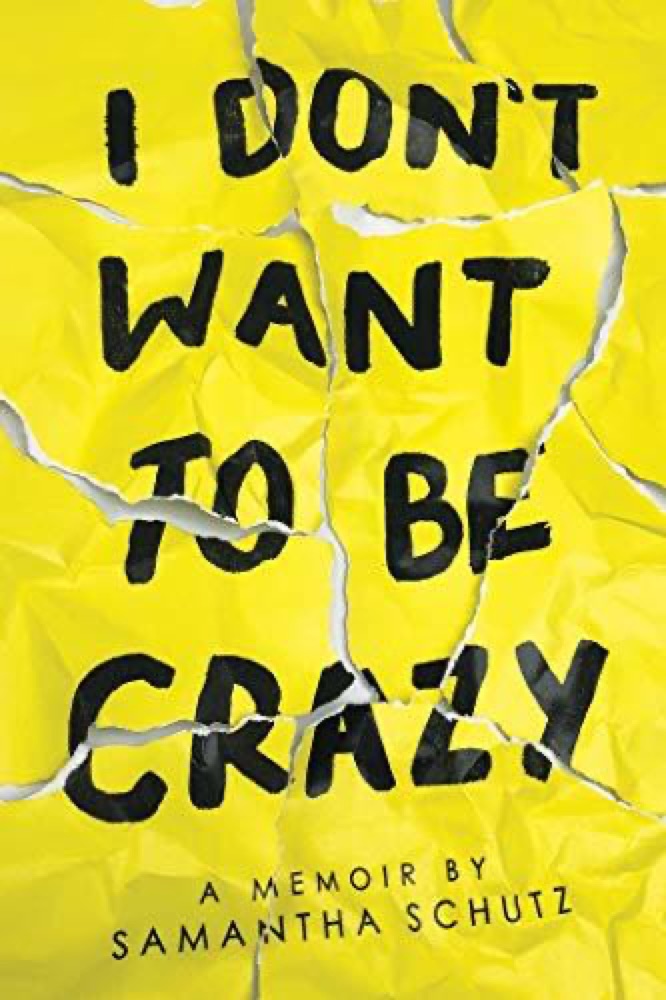 I Don't Want To Be Crazy
 A Very Large Expanse of Sea
 Hot Milk
 The First Time She Drowned
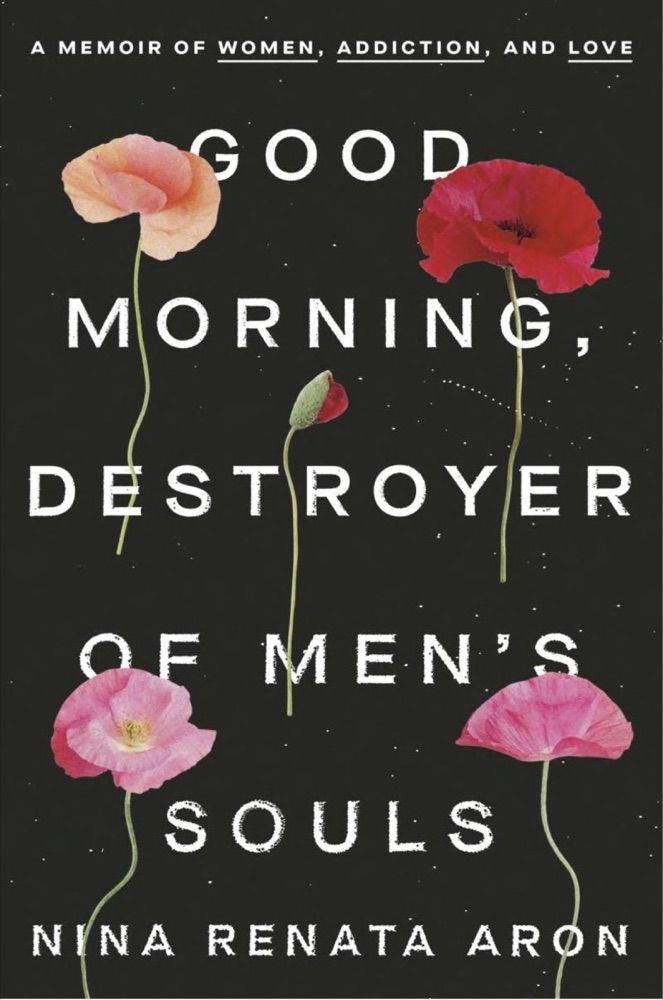 Good Morning, Destroyer of Men's Souls: A Memoir of Women, Addiction, and Love
 Em and The Big Hoom
 What I Didn't Say
 The Days of Abandonment
 Open Book
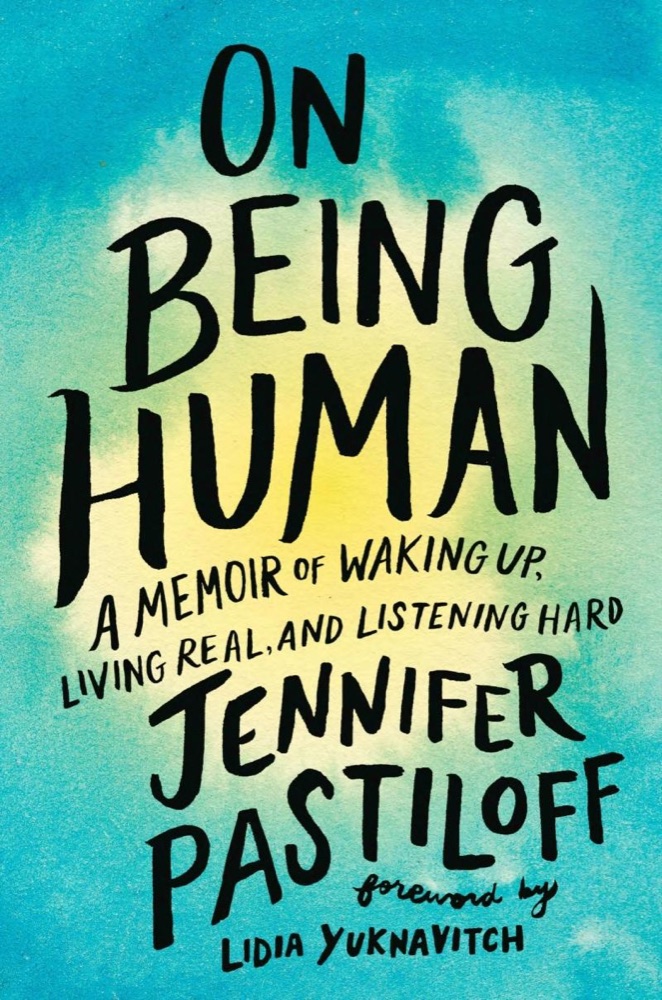 On Being Human: A Memoir of Waking Up, Living Real, and Listening Hard
 Left Neglected
 All But My Life: A Memoir
 Loud in the House of Myself: Memoir of a Strange Girl
 I Was Here
 Jesus' Son
 Dinner for Vampires: Life on a Cult TV Show
 Tweak: Growing Up On Methamphetamines
 Phantom Limb
 The Beauty of Living Twice
 The Harder I Fight the More I Love You: A Memoir
 The Bedwetter: Stories of Courage, Redemption, and Pee
![It's Not OK to Feel Blue [and other lies]](/i/book/g/ed/its-not-ok-to-feel-blue-and-other-lies.jpg) It's Not OK to Feel Blue [and other lies]
It's Not OK to Feel Blue [and other lies]