
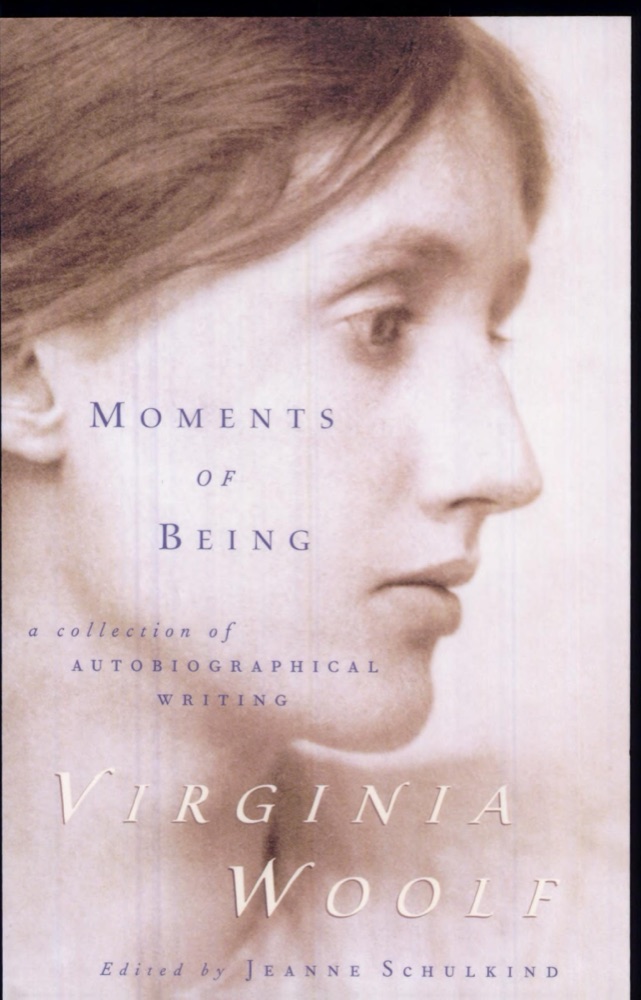
 Moments of Being: A Collection of Autobiographical Writing
Quotes from the Book
My china boy seemed to embody the way no story reaches us without having its heels chipped off or its face scratched away. And how lacunae and gaps are the constant companions of survival, its hidden engine, fueling its acceleration. How only trauma makes individuals — singly and unambiguously us — from the mass product. And yes, finally, the way in which I am the little boy, the product of mass manufacturing and also of the collective catastrophe of the last century, the survivor and unwitting beneficiary, here by some miracle.
1
To start writing was to cease to be a curious listener, an addressee, and to become instead the horizon point of the family line, the destination for the many-eyed, many-decked ship of family history. I would become a stranger, a teller of tales, a selector and a sifter, the one who decides what part of the huge volume of the unsaid must fit in the spotlight's circle, and what part will remain outside it in the darkness.
1
Break open a notebook at any point and be reminded of your own reality, because a notebook is a series of proofs that life has continuity and history, and (this is most important) that any point in your own past is still within your reach.
1
The impossibility of exact knowledge is in the physical disintegration which protects the past from our trespasses; it forms a hygiene barrier against mixing with us, the present. For us, this impossibility is an advantage. The owners have left the house, they’ve gone away, and there is no one to see how we are dividing up all their many goods. For the full enjoyment of those olden days we need those who once peopled them to die - then we can begin the yearning process, trying out the role of rightful heirs. The heaped mass of witness accounts only teases us in our hunger: rifle through the bank of pictures, enlarge them, bring them up close to your eyes, spend a lifetime gazing at a single iconic image. It’s all pointless: scoop it all out, to the very bottom of the cup, it’s thin walls, you can walk into the house of the past, but you can’t penetrate it, nor will it enter you, like a chill slick of a ghost that appears out of nowhere in the warm twilight of a July evening.
1
Our delight in vintage, as we call it now, comes precisely from entering a past life not as equals, but like a little girl in her mother’s wardrobe, knowing full well we are trying on someone else’s belongings.
Instead of one, the only, photograph, there are hundreds. No one, not even the photographer, manages to look at every snap: it would take years. But it doesn't matter, the important thing is to store all these many moments, to keep them safe for the Great Looking, the Grand Viewer who has all the time and attention in the world, more than would fit in any lifetime, and who will draw all that has happened into one line of events. There is no one else to do it.
But guilt at the missing details hampered my ability to remember, forced me to put off asking more detailed questions. It was already clear that I would one day (when I became that better version of myself) open a special notebook and sit down with my mother, and she would start at the very beginning, and then there would be some meaning to it all – and a system, a family tree, and every cousin and nephew would be in their rightful place, and at the end of it there would be a book.
I was sixteen, wild, errant, in the afterglow of a love affair that felt as if it had defined everything in my life.
You know, my love, I never imagined that the suffering and grief of another could give me so much happiness. Now I understand your desire to see my tears, and I forgive you for all the suffering you forced me to endure. I’ve never felt such blessedness. To see a person who is endlessly dear to you suffering terribly, simply to avoid causing you suffering, to feel how dear and necessary you are to that person — my darling, that is happiness!
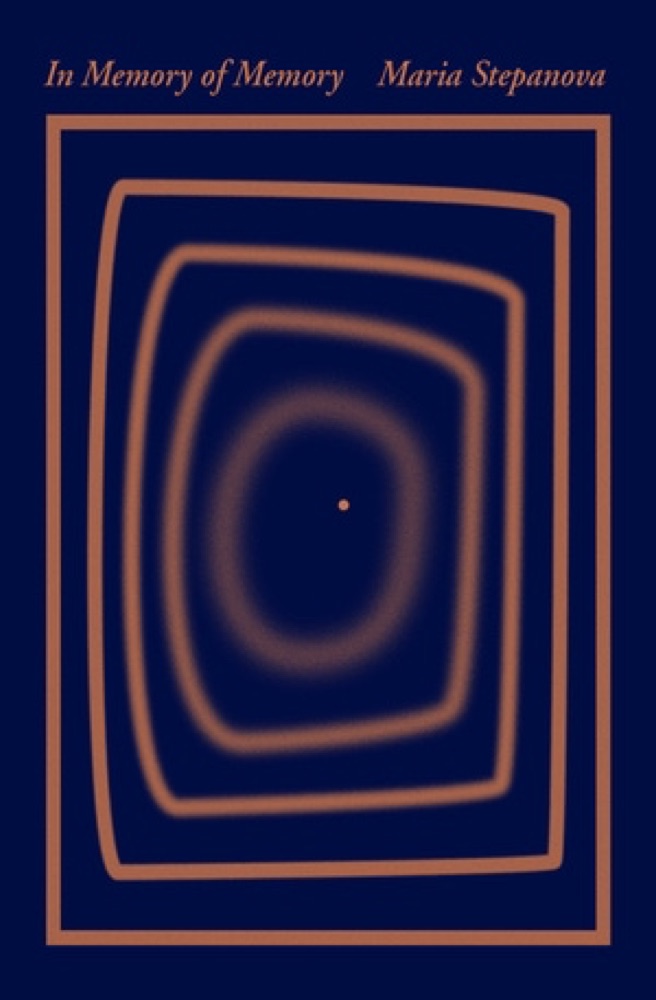
I once read that the important factor in discerning the human face was not the combination of features, but the oval shape. Life itself, while it continues, can be that same oval, or after death, the thread of life running through the tale of what has been. The meek contents of her apartment, feeling themselves to be redundant, immediately began to lose their human qualities and, in doing so, ceased to remember or to mean anything.
Watch on YouTube
About Maria Stepanova
We have collected 10 quotes from 1 book by Maria Stepanova on BookQuoters.
More about the author →About the book
With the death of her aunt, the narrator is left to sift through an apartment full of faded photographs, old postcards, letters, diaries, and heaps of souvenirs: a withered repository of an entire century of life in Russia. Carefully reassembled with calm, steady hands, these shards tell the story of an ordinary family that somehow managed to survive the myriad persecutions and repressions of the last century. The family’s pursuit of a quiet, civilized, ordinary life—during such atrocious times—is itself a strange odyssey.
In dialogue with thinkers like Roland Barthes, W. G. Sebald, Susan Sontag, and Osip Mandelstam, In Memory of Memory is imbued with rare intellectual curiosity and a wonderfully soft-spoken, poetic voice. Dipping into various genres—essay, fiction, memoir, travelogue, and history—Stepanova assembles a vast panorama of ideas and personalities and offers a bold explora
Book details
- First published
- 2017
- Author
- Maria Stepanova
- Genre
- Fiction
- Goodreads rating
- 3.85 (2k ratings)
The buzz
- The New York TimesReview in The New York Timesprofessional review (via Book Marks)
- The Wall Street JournalReview in The Wall Street Journalprofessional review (via Book Marks)
- The GuardianReview in The Guardianprofessional review (via Book Marks)
- The Times Literary SupplementReview in The Times Literary Supplementprofessional review (via Book Marks)
- LA Review of BooksReview in LA Review of Booksprofessional review (via Book Marks)
- New StatesmanReview in New Statesmanprofessional review (via Book Marks)
Keep reading
Moments of Being: A Collection of Autobiographical Writing
 The Notebooks of Malte Laurids Brigge
 Hold Still: A Memoir with Photographs
 Inheritance: A Memoir of Genealogy, Paternity, and Love
 Warlight
 The Hare With Amber Eyes: A Family's Century of Art and Loss
 Divisadero
 The Postcard
 Cold Enough for Snow
 Lost Children Archive
 Memorial Drive: A Daughter's Memoir
 Shame
Shame
 Ongoingness: The End of a Diary
 In Search of Lost Time
 The Clockmaker's Daughter
 Memory Wall
 Speak, Memory
 What I Loved
 The Paper Menagerie and Other Stories
 Hourglass: Time, Memory, Marriage
 The Trauma Cleaner: One Woman's Extraordinary Life in the Business of Death, Decay, and Disaster
 The Shock of the Fall
 The Swan Thieves
 Housekeeping
 The Chimes
 Imagine Me Gone
 The Secret History
 Fugitive Pieces
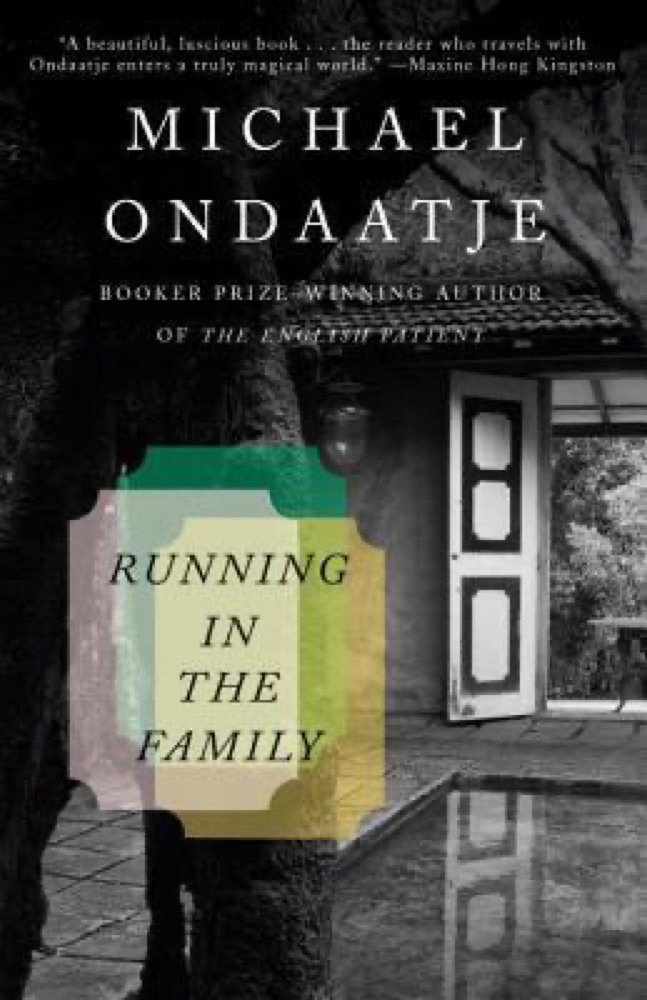 Running in the Family
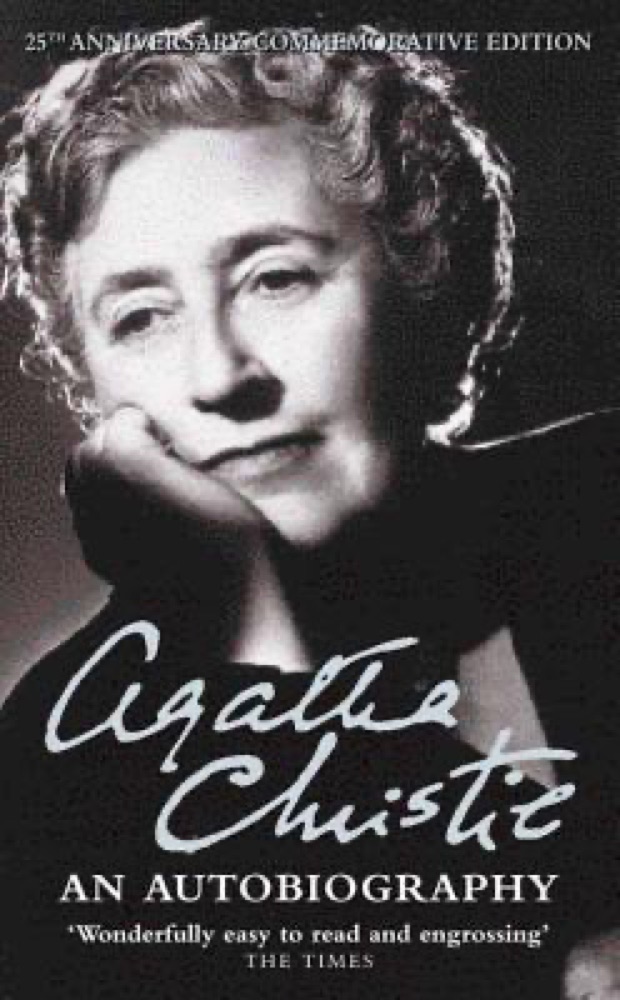 Agatha Christie: An Autobiography
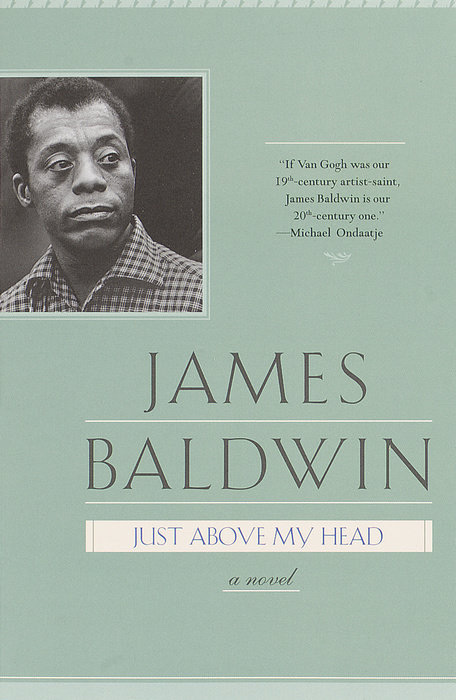 Just Above My Head
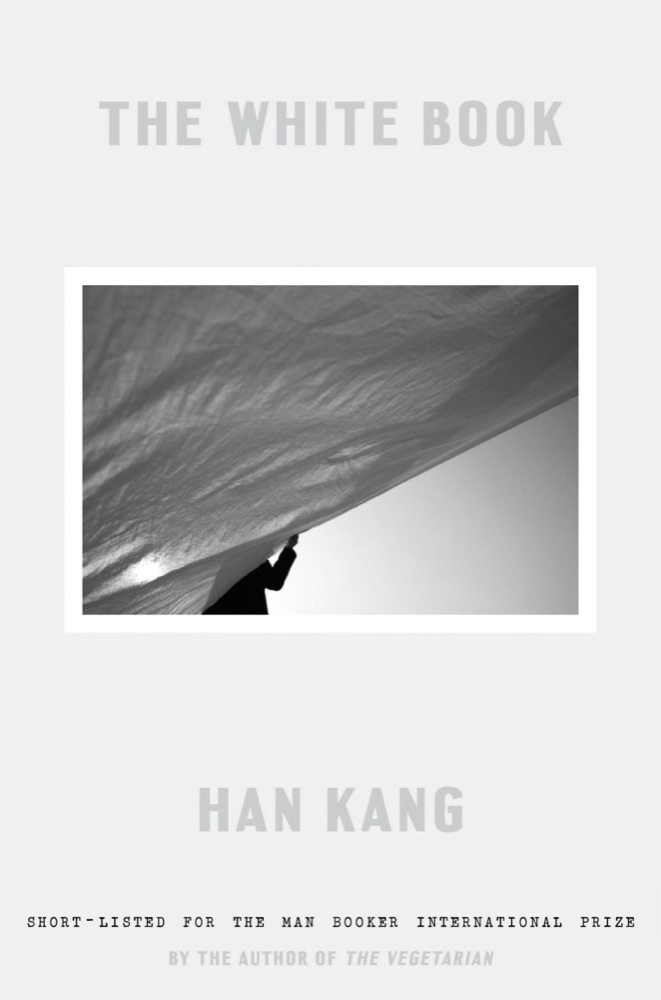 The White Book
 Flights
 Underworld
 The Year of Magical Thinking
 The Hidden Girl and Other Stories
 Moon Tiger
 The Dream of Perpetual Motion
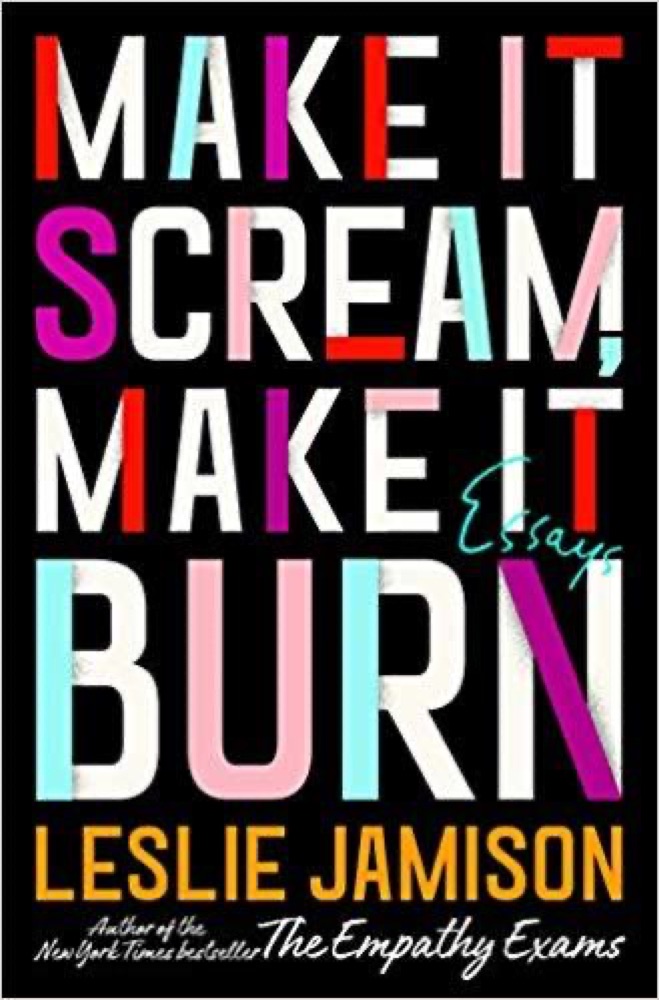 Make It Scream, Make It Burn
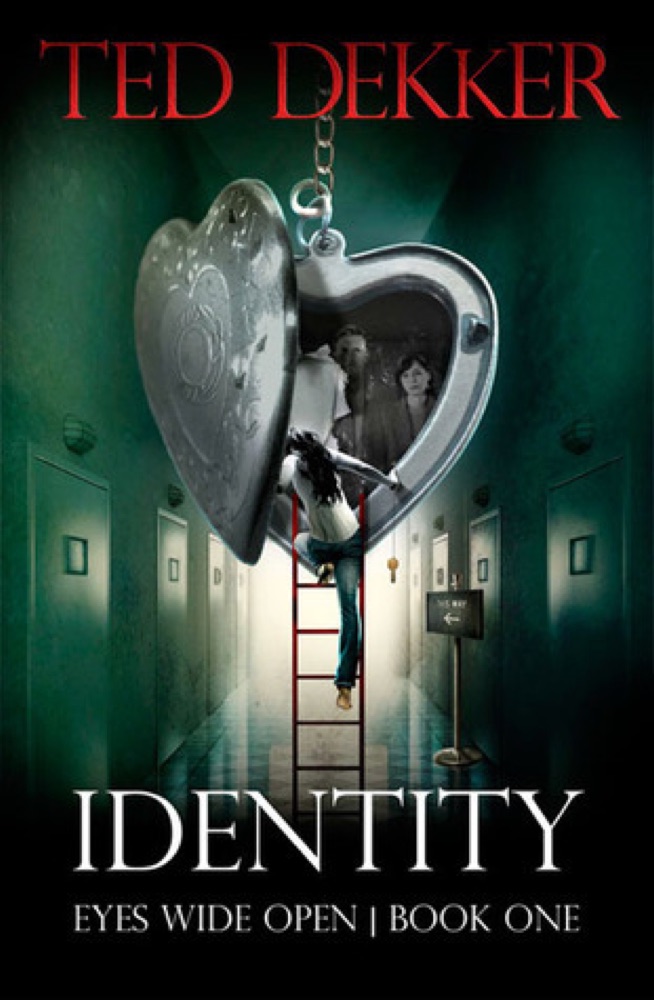 Identity
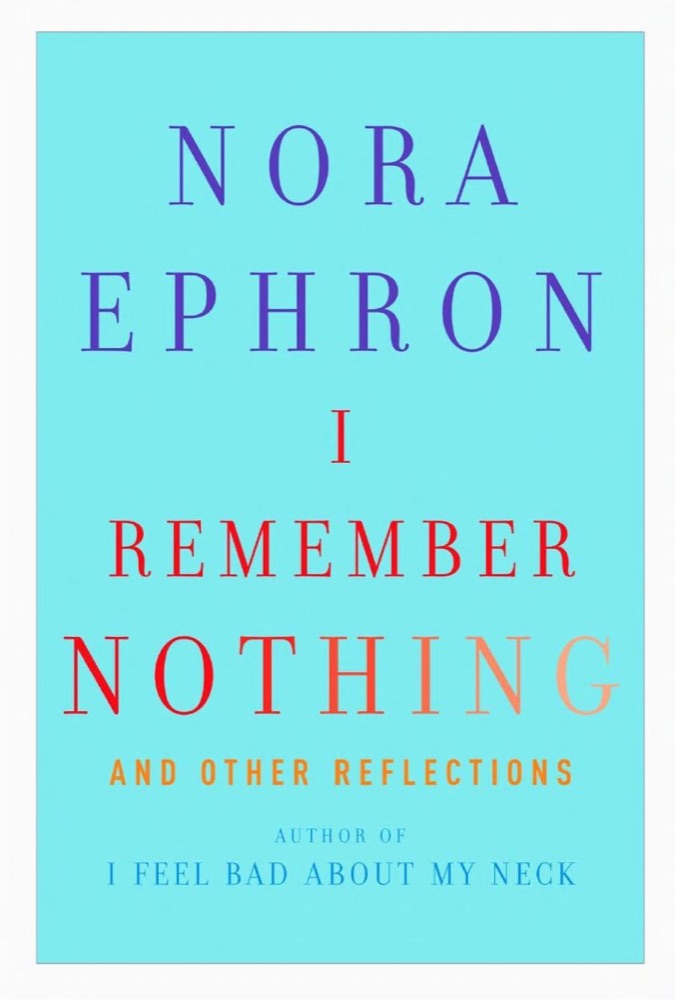 I Remember Nothing: and Other Reflections
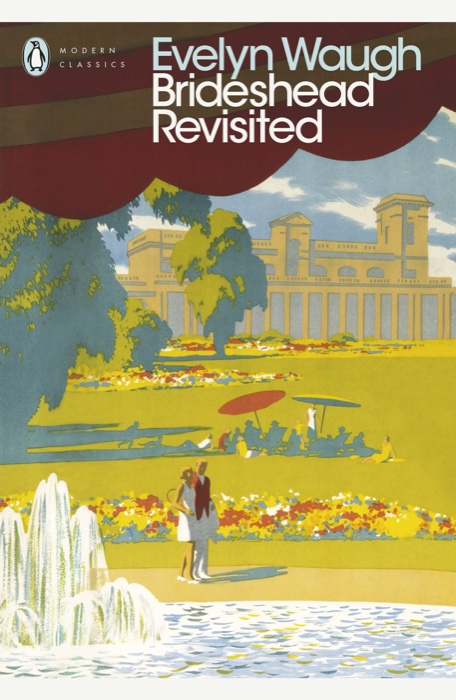 Brideshead Revisited: The Sacred and Profane Memories of Captain Charles Ryder
 How to Write an Autobiographical Novel
 The Story of the Lost Child
 Time Regained
 The Likeness
 I Am, I Am, I Am: Seventeen Brushes with Death
 Blueberries: Essays Concerning Understanding
 This Strange Eventful History
 And Our Faces, My Heart, Brief as Photos
 Aftershocks
 The Book of Goose
 Thrust
 The Book of Dreams
 Checkout 19
 Devotion
 The Book of Lost and Found
 Swann's Way
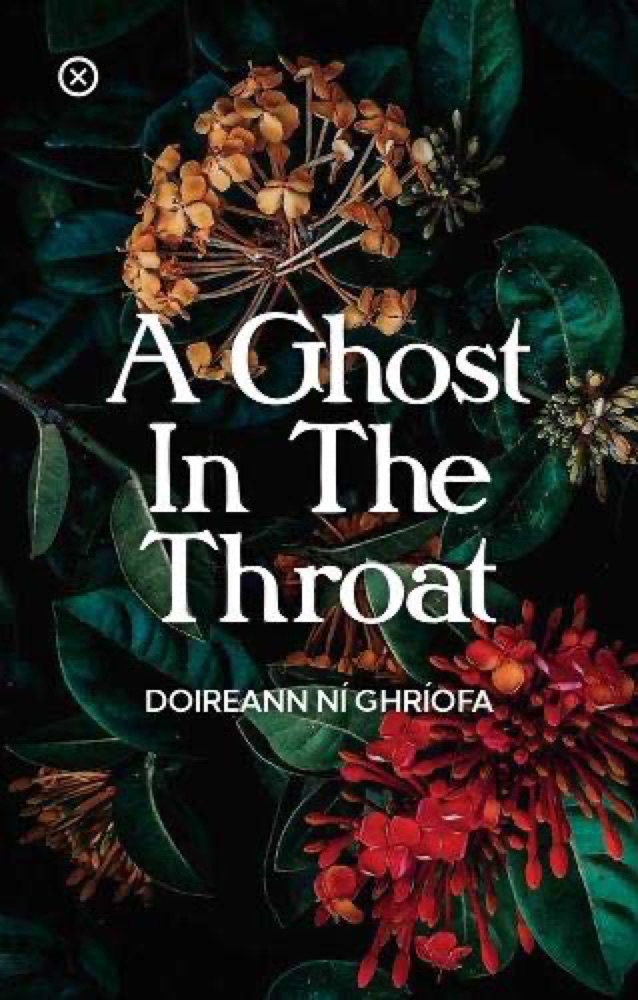 A Ghost in the Throat
 Childhood, Boyhood, Youth