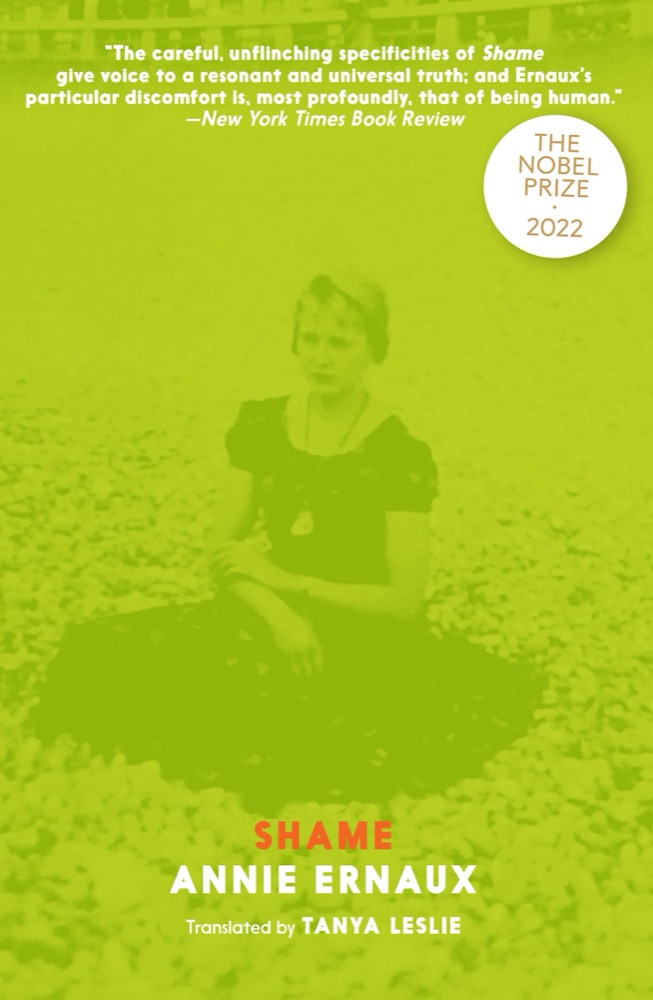

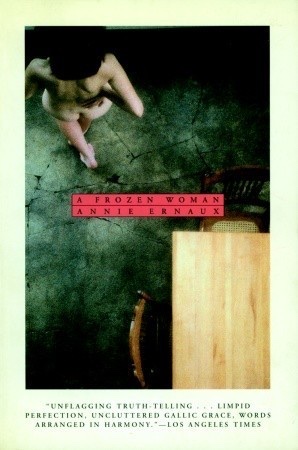
 A Frozen Woman
Quotes from the Book
I realize that I have left part of myself in a place where I shall probably never come back.
28
In his writings, Proust suggests that our memory is separate from us, residing in the ocean breeze or the smells of early autumn—things linked to the earth that recur periodically, confirming the permanence of mankind. For me and no doubt many of my contemporaries, memories are associated with ephemeral things such as a fashionable belt or a summer hit and therefore the act of remembering can do nothing to reaffirm my sense of identity or continuity. It can only confirm the fragmented nature of my life and the belief that I belong to history.
19
This can be said about shame: those who experience it feel that anything can happen to them, that the shame will never cease and that it will only be followed by more shame.
4
I expect nothing from Psychoanalysis or therapy, whose rudimentary conclusions became clear to me a long time ago--- a domineering mother, a father whose submissiveness is shattered by a murderous gesture... To state "it's a childhood trauma" or "that day the idols were knocked off their pedestal" does nothing to explain a scene which could only be conveyed by the expression that came to me at the time: to breathe disaster. Here abstract speech fails to reach me.
4
This is where I am sitting, one evening in late May or early June, before that Sunday. I have finished my homework; there is a pervading sweetness in the air. I feel intoxicated by the future. It’s the same feeling I get when I sing Mexico and Miami Beach Rhumba in my bedroom at the top of my voice, the same feeling as when I marvel at the mystery of a whole lifetime stretching ahead of me.
1
We have no true memory of ourselves.
1
Quel che mi importa, invece, è ritrovare le parole attraverso le quali pensavo me stessa e il mondo circostante. Stabilire ciò che per me era normale e ciò che era inammissibile, persino inimmaginabile. Ma la donna che sono nel ‘95 è incapace di ricollocarsi nella ragazzina del ‘52 che conosceva soltanto la sua cittadina, la sua famiglia, la sua scuola privata, e aveva a sua disposizione un vocabolario ridotto. E, davanti a lei, l’immensità del tempo da vivere. Non esiste un’autentica memoria di sé.
1
A lifetime is split up into successive stages when people become “old enough to”: —take Holy Communion... —start having their period... —drink wine... —get a job and go dancing... —do one's military service —go and see naughty films —get married and have kids —wear black —stop working —die In our lives nothing is thought, everything is done. People are forever remembering.
La vergüenza siempre lleva consigo la sensación de que, a partir de ese momento, puede sucederte cualquier cosa, de que es algo que no tiene fin, pues la verngüenza se alimenta de vergüenza
This is the first time I am writing about what happened. Until now, I have found it impossible to do so, even in my diary. I considered writing about it to be a forbidden act that would call for punishment.
Day after day, year after year, the private school tells us the same story over and over again, cultivating familiarity with invisible yet omnipresent characters who are neither dead nor alive-----the Virgin Mary, the Infant Jesus, the angels-----whose lives are closer to us than those of our own grandparents.
anyone who doesn't speak "the way we do" is, to some extent, labeled a foreigner.
When it comes to illustrating social change, newspapers can only provide collective evidence.
Naturally I shall not opt for narrative, which would mean inventing reality instead of searching for it. Neither shall I content myself with merely picking out and transcribing the images I remember; I shall process them like documents, examining them from different angles to give them meaning. In other words, I shall carry out an ethnological study of myself.
From then on, that Sunday was like a veil that came between me and everything I did. I would play, I would read, I would behave normally but somehow I wasn't there. Everything had become artificial. I had trouble learning my lessons, when before I only needed to read them once to know them by heart. Acutely aware of everything around me and yet unable to concentrate., I lost my insouciance and natural ability to learn. (...) I waited for the scene to be repeated. I was positive it would happen again. I found the presence of customers comforting, dreading the moments when my parents and I were alone, in the evenings and on Sunday afternoons. I was on the alert as soon as they raised their voices; I would scrutinize my father, his expression, his hands. In every sudden silence I would read the omens of disaster. Every day at school I wondered whether, on returning home, I would be faced with the aftermath of a tragedy.
A partir de entonces, les he dicho a varios hombres: «Cuando yo estaba a punto de cumplir doce años, mi padre intentó matar a mi madre». El hecho de haber necesitado decírselo demuestra lo unida que me sentía a ellos. Sin embargo, todos se quedaron en silencio después de oírlo. Y yo me daba cuenta de que había cometido un error, de que no estaban preparados para escucharlo.
About Annie Ernaux
We have collected 150 quotes from 9 books by Annie Ernaux on BookQuoters.
More about the author →More by Annie Ernaux
All books by Annie Ernaux →
About the book
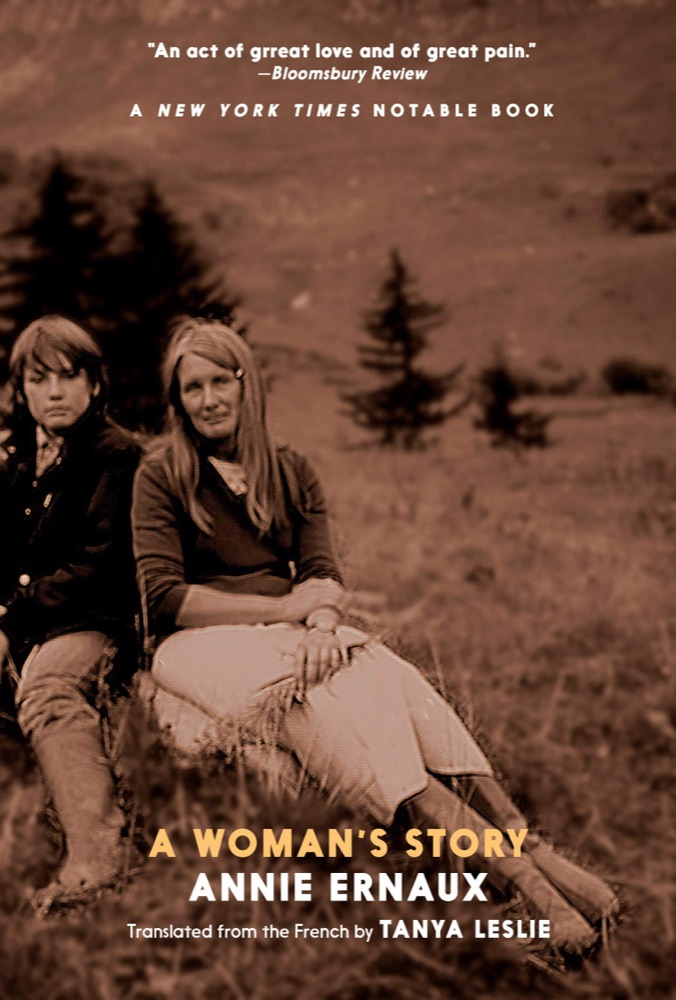
"My father tried to kill my mother one Sunday in June, in the early afternoon." Thus begins Shame, the probing story of the twelve-year-old girl who will become the author herself, and the single traumatic memory that will echo and resonate throughout her life.
With the emotionally rich voice of great fiction and the diamond-sharp analytical eye of a scientist, Annie Ernaux provides a powerful reflection on experience and the power of violent memory to endure through time, to determine the course of a life.
Book details
- First published
- 1997
- Author
- Annie Ernaux
- Genre
- Nonfiction
- Goodreads rating
- 3.64 (21k ratings) →
Keep reading
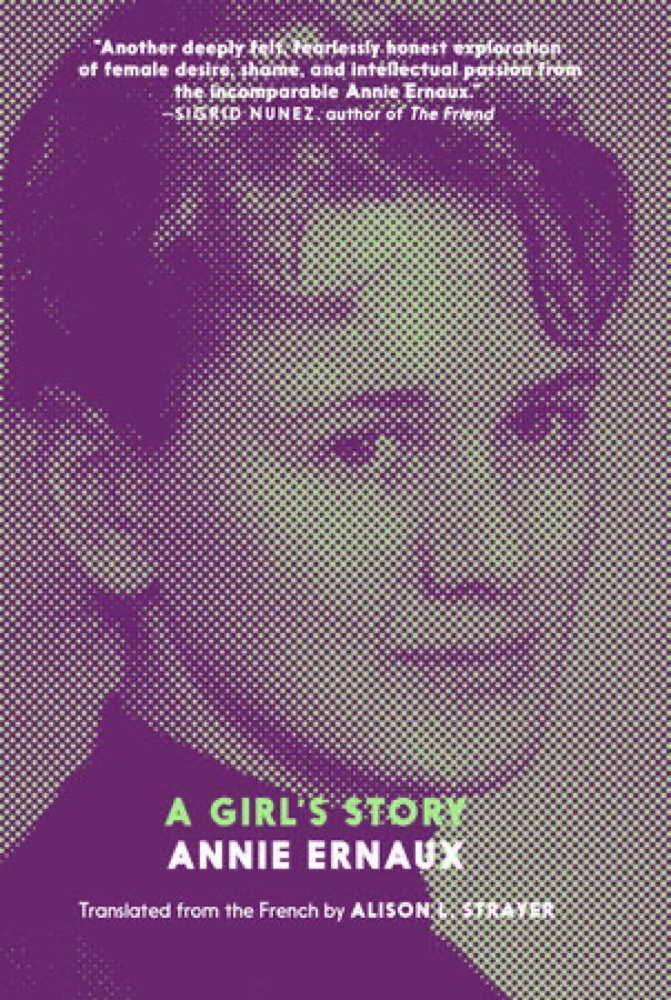 A Girl's Story
 The Sound of Things Falling
 All That I Am
 Lost Children Archive
 Identity
 Memories, Dreams, Reflections
 I Am, I Am, I Am: Seventeen Brushes with Death
 Disoriental
 Inheritance: A Memoir of Genealogy, Paternity, and Love
 The Hidden Girl and Other Stories
 Night Train to Lisbon
 The Postcard
 Moments of Being: A Collection of Autobiographical Writing
 The Notebooks of Malte Laurids Brigge
 Burnt Sugar
 The Book of Goose
 The Story of a New Name
 The Red Parts
 The Reader
 Imagine Me Gone
 The Tunnel
 All Is Not Forgotten
 The Story of the Lost Child
 Notes To Self
 The Lost Daughter
 The Shock of the Fall
 The Complete Stories
 The Tsar of Love and Techno
 The Passion According to G.H.
 Warlight
 Divisadero
 Biography of X
 The Moth Diaries
 Lost in Translation: A Life in a New Language
 Soul Mountain
 Let Me Tell You What I Mean
 The Secret History
 In the Dream House
 Concrete
 The Drowning Girl
 The Summer Without Men
 The Blind Assassin
 Travels With My Aunt
 The Cocktail Party
 When Women Were Dragons
 Hardboiled & Hard Luck
 Brideshead Revisited: The Sacred and Profane Memories of Captain Charles Ryder
 Memorial Drive: A Daughter's Memoir
 Anthropology of an American Girl
 In Search of Lost Time
 The Candy House
 Just Above My Head
 Speak, Memory
 Aftershocks
 Hiddensee: A Tale of the Once and Future Nutcracker
 Flights
 The Illusion of Separateness
 The Devil in the Flesh
 Underground: The Tokyo Gas Attack and the Japanese Psyche
 Simple Passion