
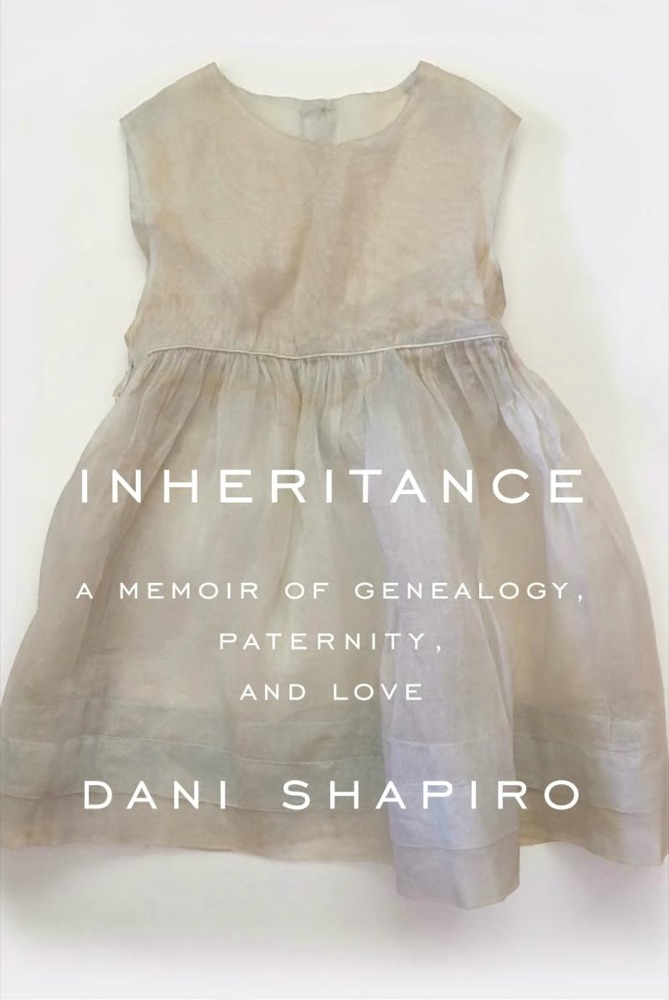
 Inheritance: A Memoir of Genealogy, Paternity, and Love
Quotes from the Book
To survive trauma one must be able to tell a story about it.
11
What matters is the transformative power of metaphor and the stories we tell ourselves about the arc and meaning of our lives.
10
Of course, we’re made up of what we’ve forgotten too, what we’ve tried to bury or suppress. Some forgetting is necessary and the mind works to shield us from things that are too painful; even so, some aspect of trauma lives on in the body, from which it can reemerge unexpectedly
9
In Poetry as Survival, Gregory Orr asks the survivor’s questions about violence: How could I have been that close and not been destroyed by it? Why was I spared?—questions that can initiate in a writer the quest for meaning and purpose. “But this quest born out of trauma doesn’t simply lead the survivor forward,” he writes. “First it leads him or her backward, back to the scene of the trauma where the struggle must take place with the demon or angel who incarnates the mystery of violence and the mystery of rebirth and transformation.” He is referring to Lorca’s idea of duende: a demon that drives an artist, causing trouble or pain and an acute awareness of death. Of the demon’s effect on an artist’s work, Lorca wrote: “In trying to heal the wound that never heals lies the strangeness.
7
In every family, at some point, there must be someone who feels like an outsider: the one always standing or sitting a little farther from the group in pictures; the older sibling when a new baby comes along; the child from a previous marriage, sometimes with a different last name. Suddenly, I was all of those.
6
Do you know what it means to have a wound that never heals?
5
I have always loved the feel of books, the way they give a literal weight to words and make of them a sacred object.
5
In the narrative of my life, which is the look backward rather than forward into the unknown and unstoried future, I emerged from the pool as from a baptismal font—changed, reborn—as if I had been shown what would be my calling even then. This is how the past fits into the narrative of our lives, gives meaning and purpose. Even my mother’s death is redeemed in the story of my calling, made meaningful rather than merely senseless. It is the story I tell myself to survive.
4
For my father, the myth of Cassandra had been just another way he sought to guide me toward what he thought I needed to know. In some versions, Cassandra's fate is that she is merely misunderstood--not unlike what my father imagined to be the obvious fate of a mixed-race child born in a place like Mississippi. "She was a prophet," he told me, "but no one would believe her." Over the years, though, this second naming would come to weigh heavily on me. It was as if, in giving me that name, he had given me not only the burden of foresight but also the notion of causation--that whatever it was, if I could imagine it, see it in my mind's eye, it would happen because I had envisioned it. As if I had willed it into being.
3
Mommy," you say quietly, so as not to be overheard. "Do you know how, when you love someone and you know they are hurting, it hurts you, too?
2
The way you got sideswiped was by going back. —JOAN DIDION
2
Frost wrote, “is that unless you are at home in the metaphor, unless you have had your proper poetical education in the metaphor, you are not safe anywhere. Because you are not at ease with figurative values: you don’t know the metaphor in its strength and its weakness. . .
2
For as long as I can remember, my father had been telling me that one day I would have to become a writer, that because of the nature of my experience I would have something necessary to say.
2
Of course, we're made up of what we've forgotten too, what we've tried to bury or suppress.
1
My whole life people have wondered "what" I am, what race or nationality. ... It's happened again and again: someone looking at me furtively, or calling me "exotic" and asking me "What's your heritage?" Once when I was making a purchase in a department store, the white salesman behind the counter was too nervous or too polite to ask--most likely not wanting to offend a white woman by assuming that she was anything but white. He needed to write on the back of my check the additional identifying information required back then: race and gender. Hesitating, his pen hovering, he tried to look at me without my notice. I watched his face as he deliberated after a second and third glance at my features, my straight, fine hair, my skin color and clothing. He must have considered, too, how I had spoken and whether any of those factors matched his notions of certain people--black people. I stood there and said nothing as he scribbled the letters WF, the designation for white female. In the same week, with a different clerk, I had been given the designation BF. That time I had not been alone: I had been standing in line at the grocery store with a friend who is black.
1
The mind works such that we see and perceive new things always through the lens of what we have already seen.
But the photograph hints, too, at another story. I can see it in the tall grass brushing her ankles, the blades bent as if moved by wind.
As the smoke rose from the car toward the skyline, I couldn’t help thinking that, at any moment, everything we had would be consumed by flames.
Watch on YouTube
About Natasha Trethewey
We have collected 18 quotes from 1 book by Natasha Trethewey on BookQuoters.
More about the author →About the book
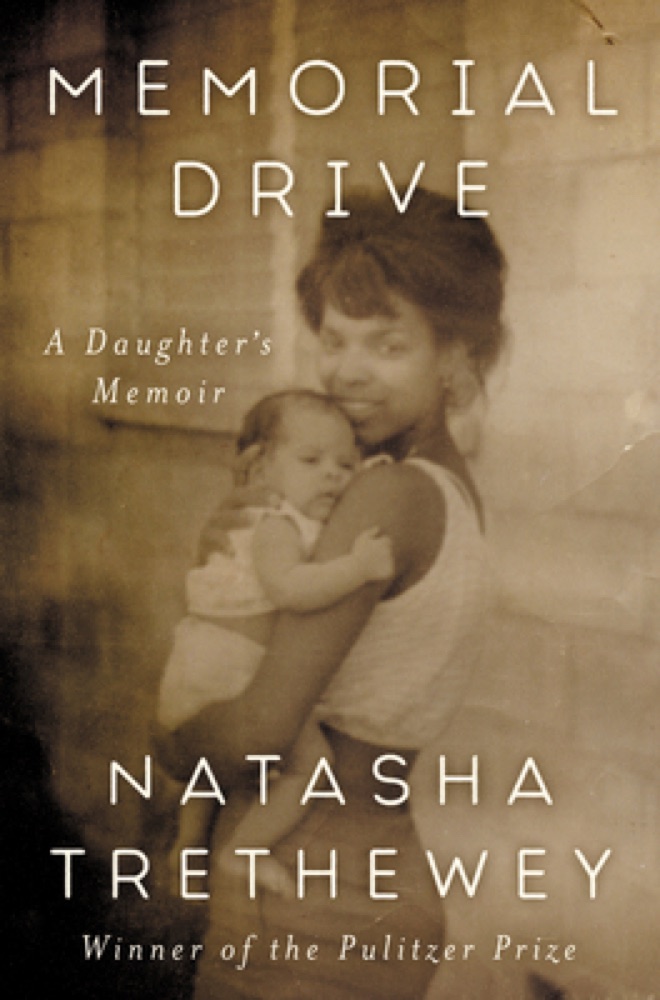
At age nineteen, Natasha Trethewey had her world turned upside down when her former stepfather shot and killed her mother. Grieving and still new to adulthood, she confronted the twin pulls of life and death in the aftermath of unimaginable trauma and now explores the way this experience lastingly shaped the artist she became.
Pulitzer Prize–winning poet Natasha Trethewey explores this profound experience of pain, loss, and grief as an entry point into understanding the tragic course of her mother’s life and the way her own life has been shaped by a legacy of fierce love and resilience. Moving through her mother’s history in the deeply segregated South and through her own girlhood as a “child of miscegenation” in Mississippi, Trethewey plumbs her sense of dislocation and displacement in the lead-up to the harrowing crime that took place on Memorial Drive in Atlanta in 1985.
Book details
- First published
- 2020
- Author
- Natasha Trethewey
- Genre
- Biography
- Goodreads rating
- 4.25 (23k ratings)
The buzz
- The New York TimesReview in The New York Timesprofessional review (via Book Marks)
- The New YorkerReview in The New Yorkerprofessional review (via Book Marks)
- The Washington PostReview in The Washington Postprofessional review (via Book Marks)
- NPRReview in NPRprofessional review (via Book Marks)
- Los Angeles TimesReview in Los Angeles Timesprofessional review (via Book Marks)
- The TimesReview in The Timesprofessional review (via Book Marks)
Keep reading
Inheritance: A Memoir of Genealogy, Paternity, and Love
 Warlight
 The Shock of the Fall
 How to Write an Autobiographical Novel
 Aftershocks
 The Hidden Girl and Other Stories
 Everything Under
 Trigger Warning: Short Fictions and Disturbances
 The Shaking Woman, or A History of My Nerves
 Lost Children Archive
 The Year of Magical Thinking
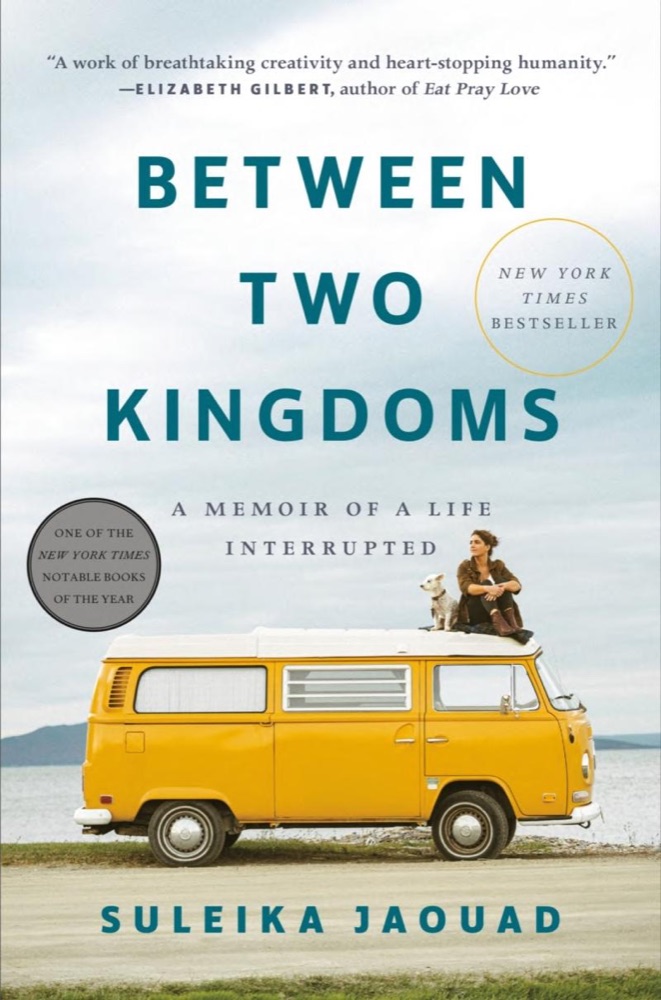 Between Two Kingdoms: A Memoir of a Life Interrupted
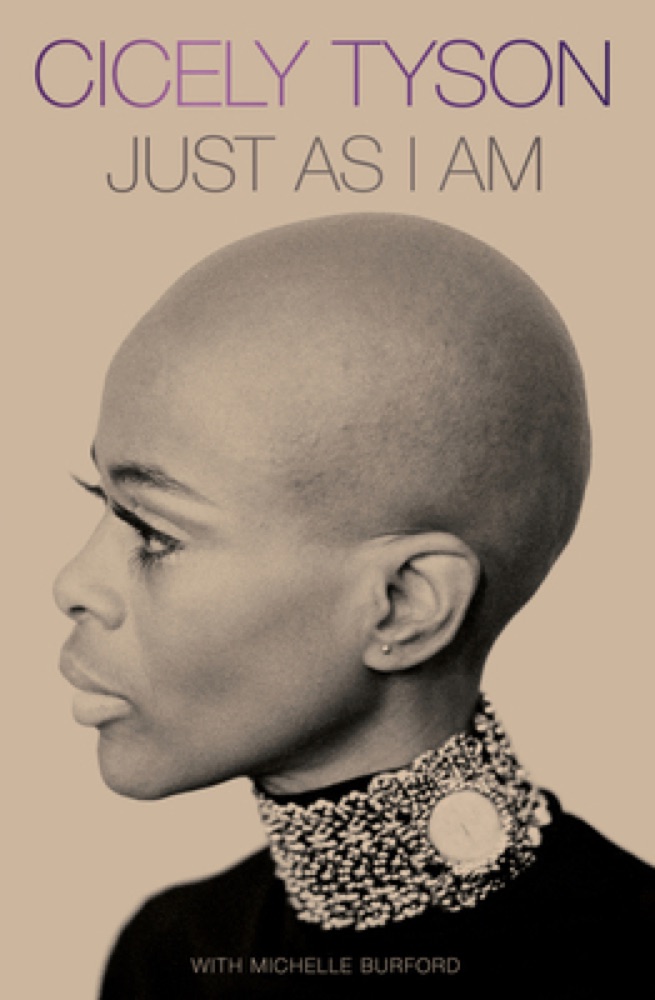 Just as I Am
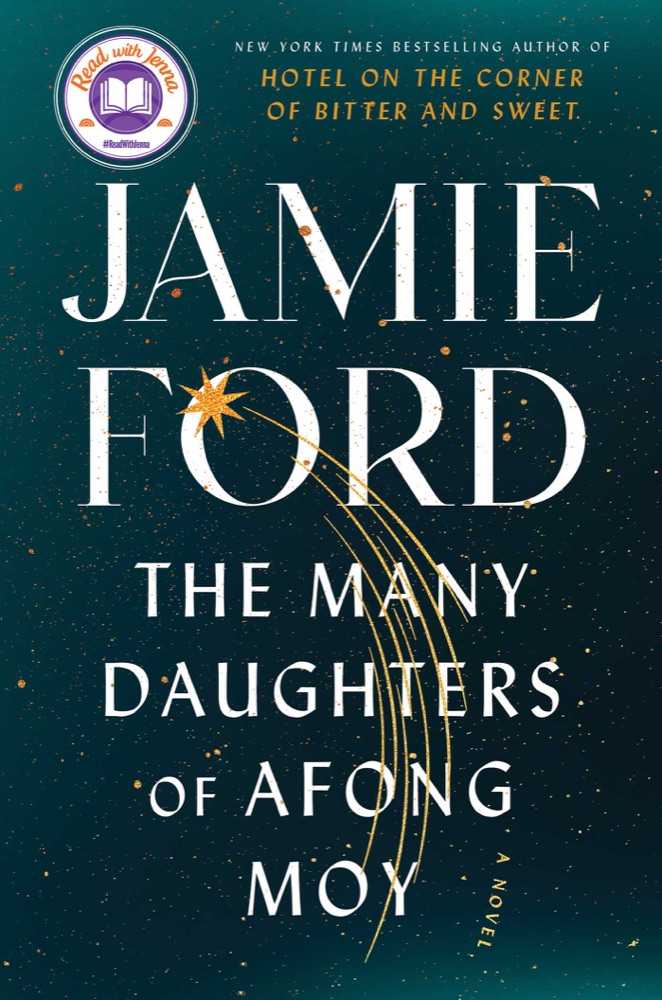 The Many Daughters of Afong Moy
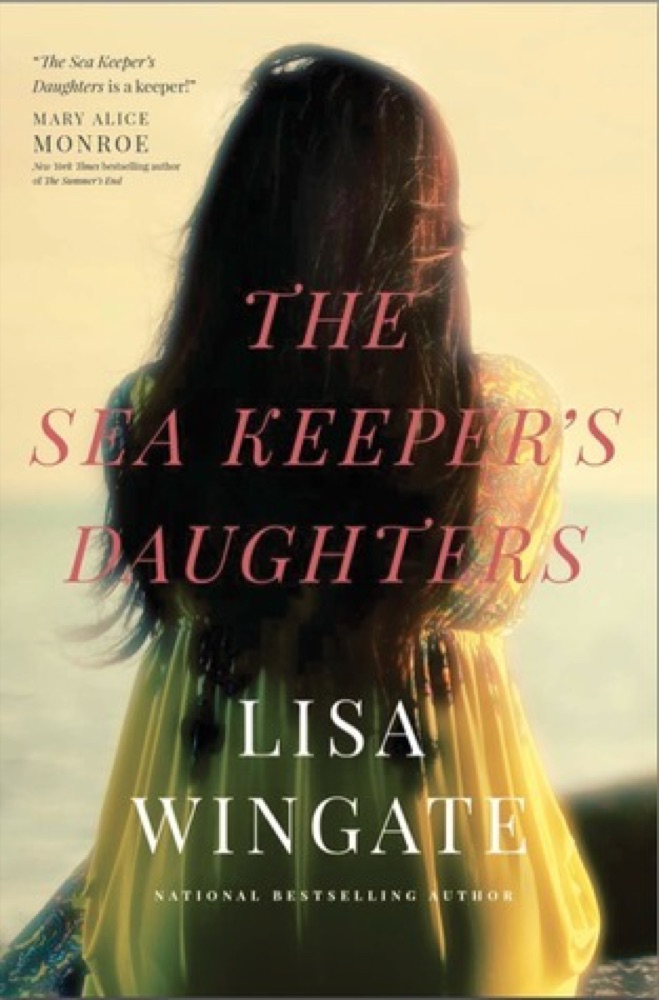 The Sea Keeper's Daughters
 The Bookshop at Water's End
 Thrust
 A Ghost in the Throat
 Divisadero
 Devotion
 Fragile Things: Short Fictions and Wonders
 The Trauma Cleaner: One Woman's Extraordinary Life in the Business of Death, Decay, and Disaster
 Imagine Me Gone
 Hourglass: Time, Memory, Marriage
 The Fact of a Body: A Murder and a Memoir
 The White Book
 The Tell: A Memoir
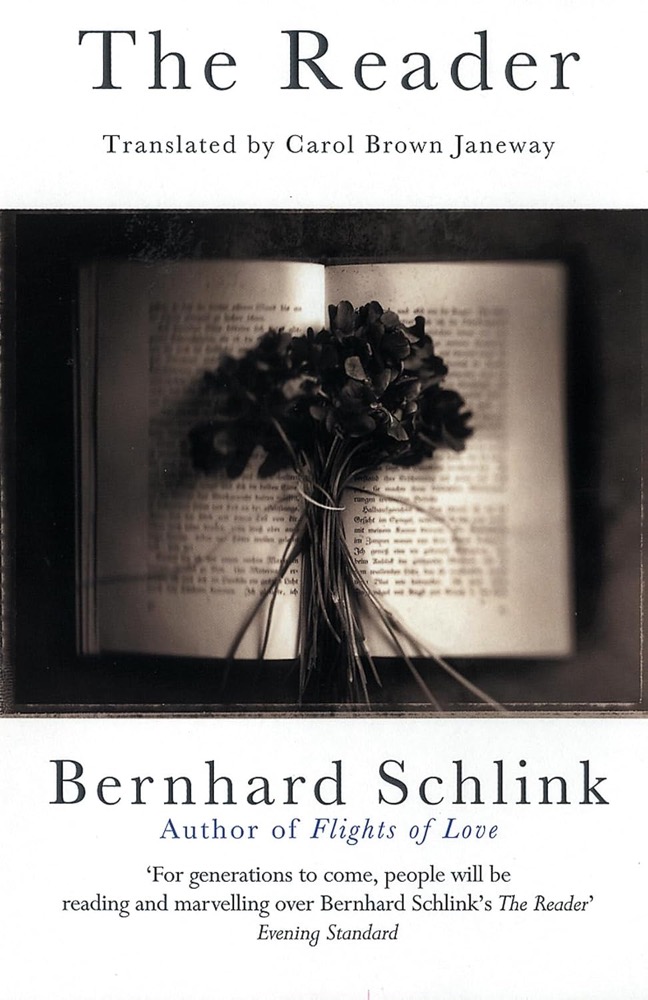 The Reader
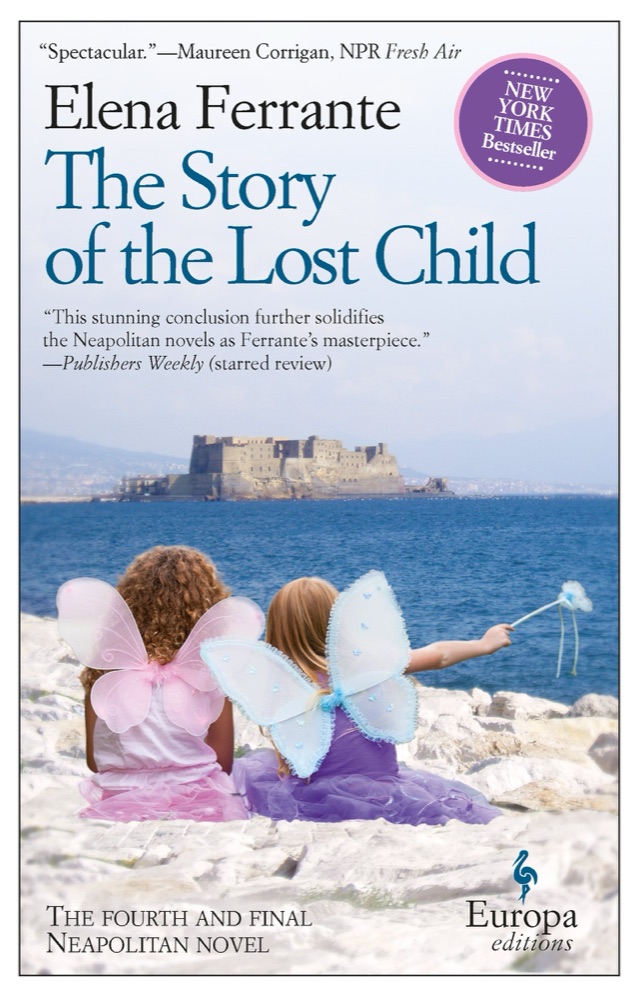 The Story of the Lost Child
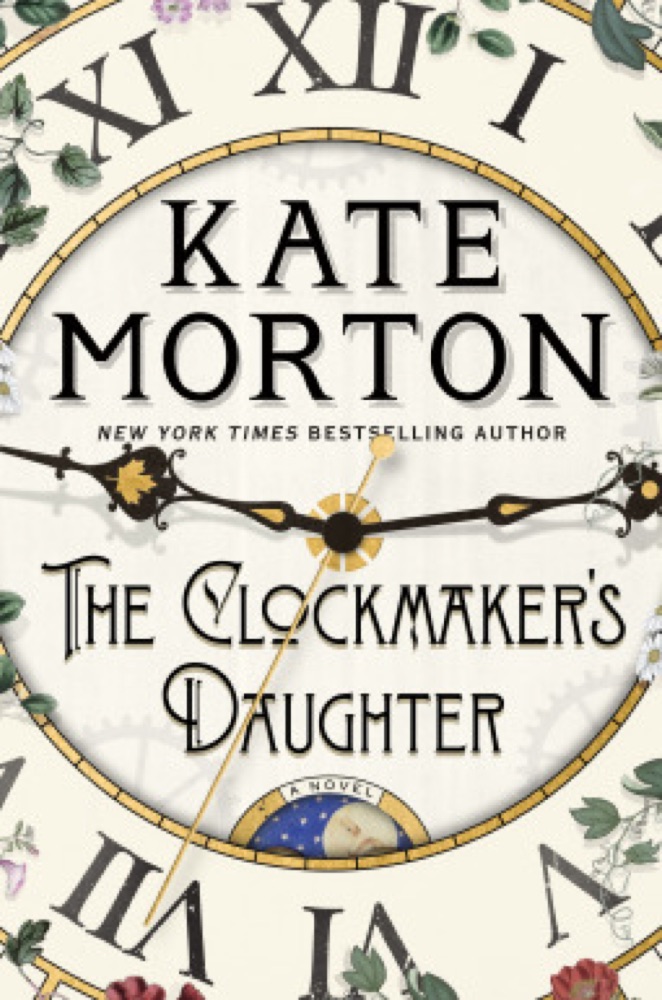 The Clockmaker's Daughter
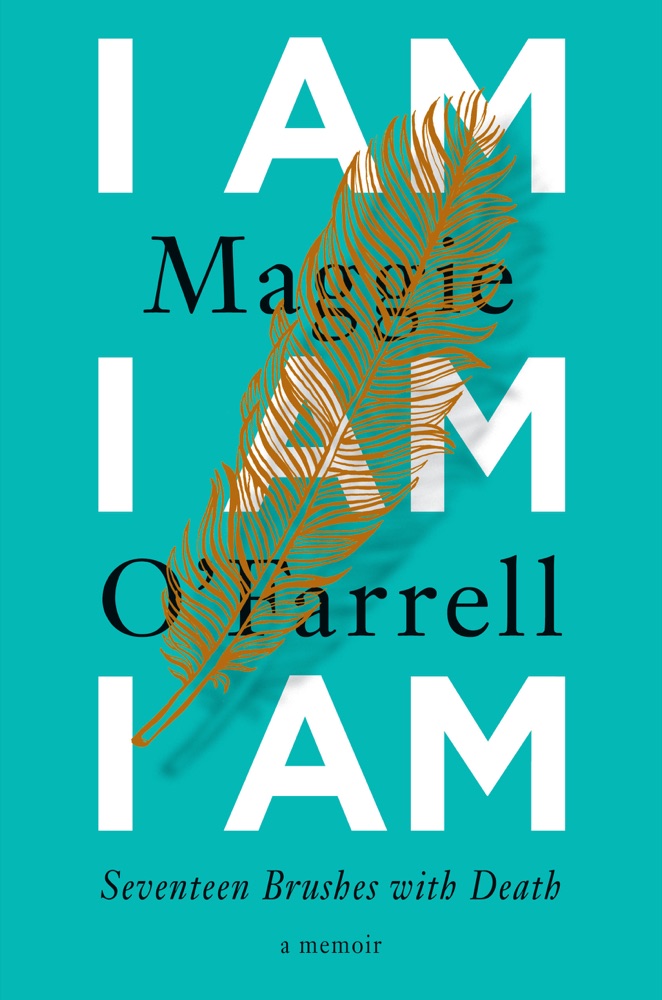 I Am, I Am, I Am: Seventeen Brushes with Death
 Blueberries: Essays Concerning Understanding
 Managing Expectations: A Memoir in Essays – A Poignant Collection of Personal Stories on Acting, Failure, and Motherhood's Joy
 Shame
Shame
 The Sweet Taste of Muscadines
 Fire Shut Up in My Bones: A Memoir
 The Stories We Tell: Every Piece of Your Story Matters
 Let's Take the Long Way Home: A Memoir of Friendship
 Wild Game: My Mother, Her Lover, and Me
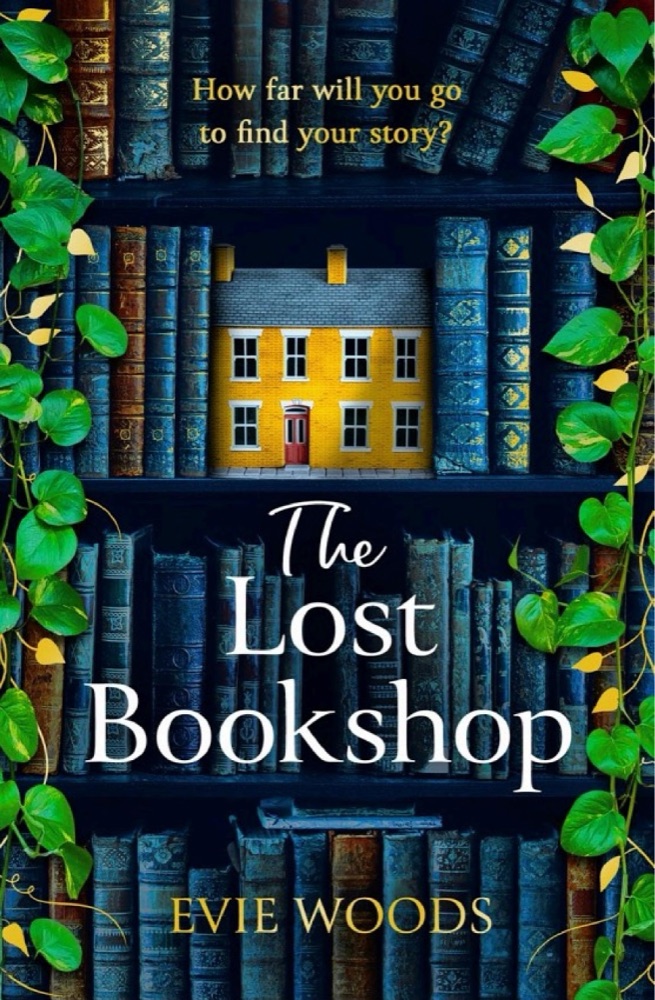 The Lost Bookshop
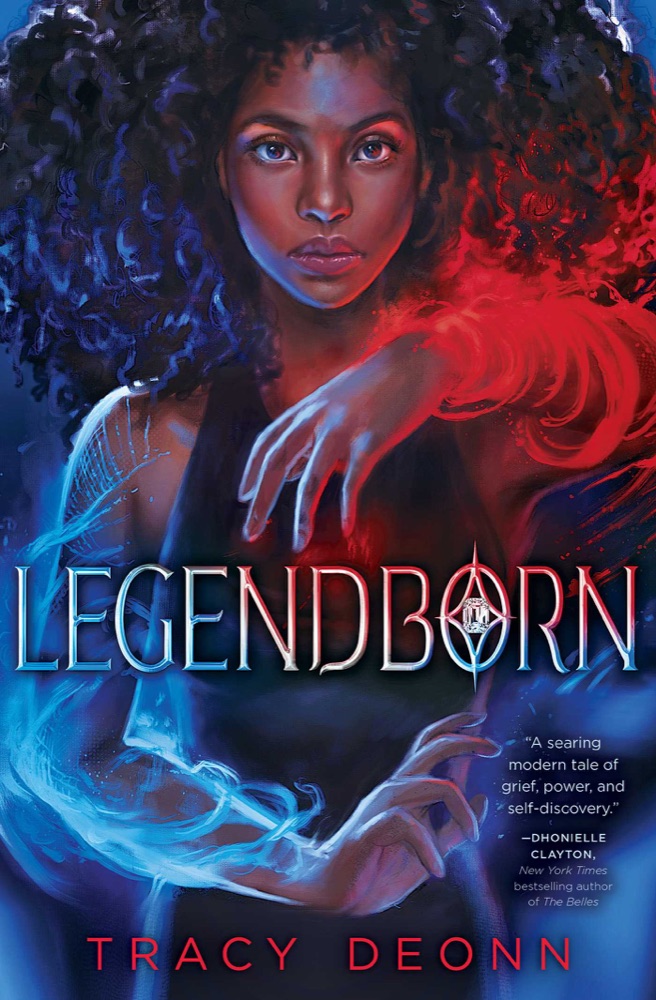 Legendborn
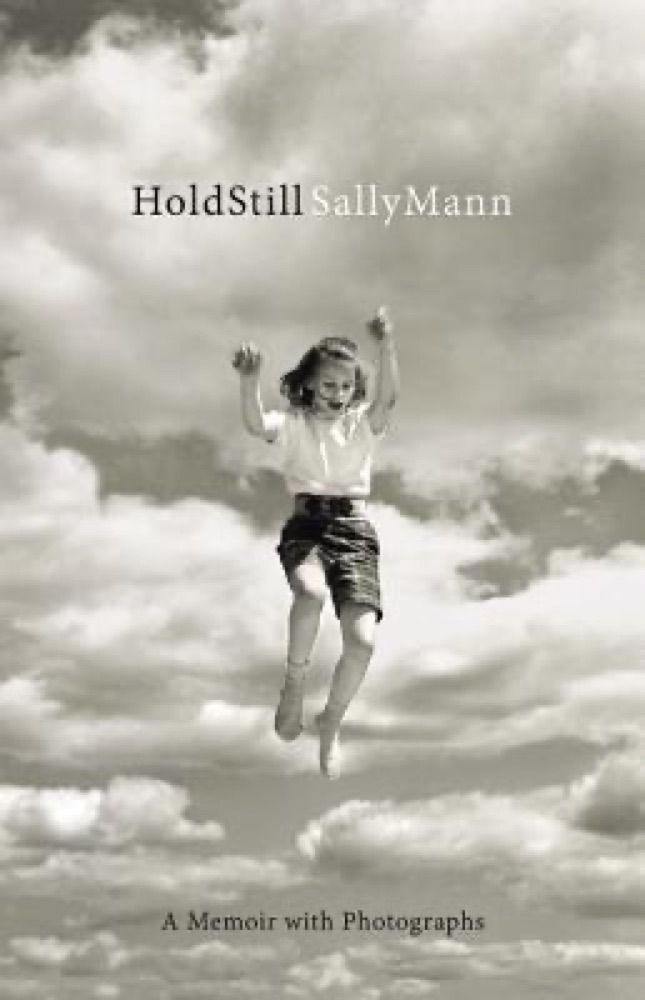 Hold Still: A Memoir with Photographs
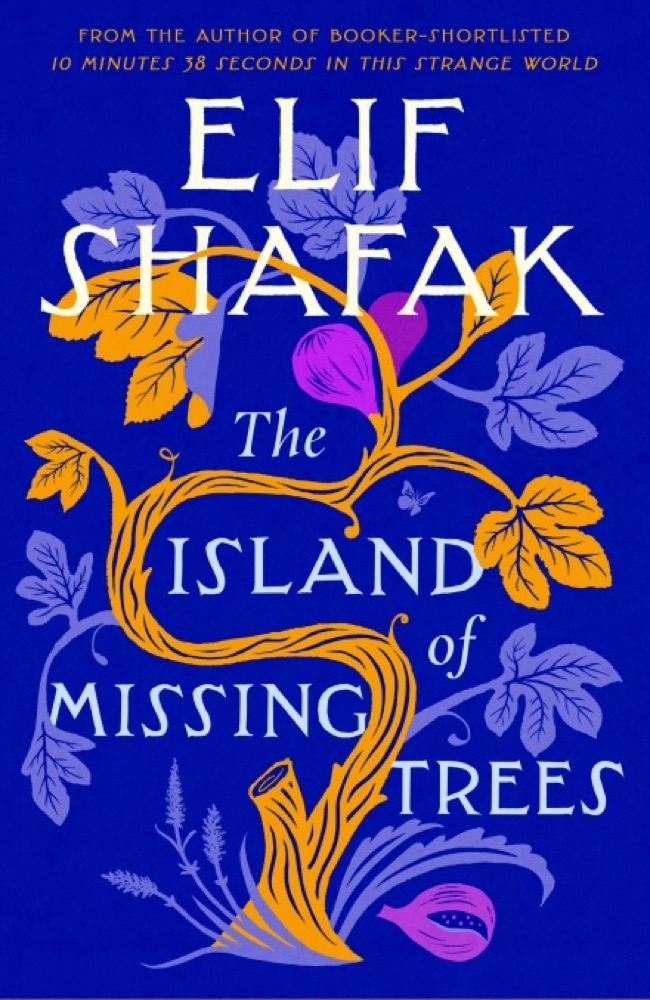 The Island of Missing Trees
 In the Dream House
 Ghost Music
 The Girl and the Stars
 The Gap of Time
 The Book That Broke the World
 You Don't Have to Say You Love Me
 Make It Scream, Make It Burn
 Borne
Borne
 Cold Enough for Snow
 The Storyteller
 Biography of X
 In Memory of Memory
 The Bonesetter's Daughter
 Moments of Being: A Collection of Autobiographical Writing
 Outline
 Now Is the Time to Open Your Heart
 On Such a Full Sea