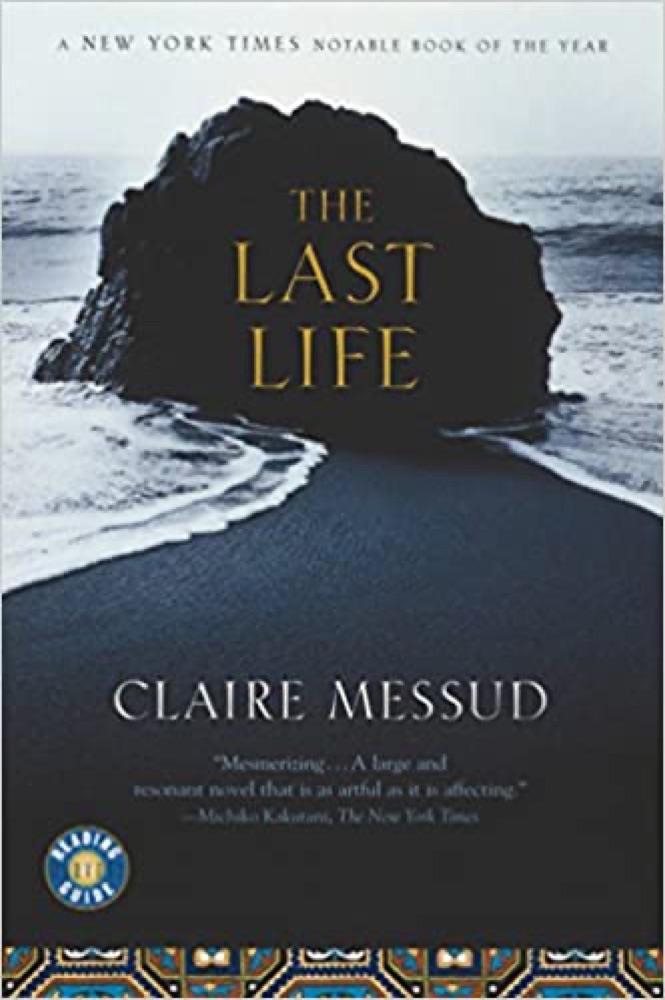
 The Last Life
Quotes from the Book
A story is not a line; it is a richer thing, one that circles and eddies, rises and falls, repeats upon itself.
2
He, who had wandered all his life unseen, so little known, so often feeling alone and unloved - I wanted him, his departing spirit, to know that we were with him, that we accompanied him, filled with love, to the gate. There is not more, as humans, that we can do.
1
His life, in which nothing, absolutely nothing, happened. He embarked on no adventures, he was in no war. He was never in prison, he never killed anyone. He neither won nor lost a fortune. All he ever did was live in this century. But that alone was enough to give his life dimension, both of feeling and of thought. —Elias Canetti, Notes from Hampstead
God how she’d cared; and who, in their turn, had reciprocated? Who’d cared about her?
That their love was not enough. And that as more and more of these familiars passed away, the world around you became less and less interesting, less and less real.
That night they were all thinking, although they did not say it, that if only they hurried down to the seafront, they could still, surely, clamber onto the boat, they could still find him and throw their arms around him and urge him not to go.
while they returned to shore, and to their first evening of being three, without him.
but what he wouldn’t have given to drive the Mazda one more time to the Food Emporium and wait in the parking lot with the AC on, and WQXR, while Barbara disappeared into the supermarket for twice as long as she’d promised and returned with enough food for a family of eight. How swiftly life vanished. What he wouldn’t give to take the kids to the Beach House restaurant and sit in one of the booths near the door, not so comfortable but cheery, the black-and-white tile and the pretty green-eyed waitress, and he’d hold Barb’s hand under the table like high school sweethearts—the American high school fantasy he knew only from the movies—while the grandchildren, beauteous in their youth without knowing it, Ines, newly silent, long-legged like a foal, arms crossed over her tiny breast buds, watching everything with those Byzantine blue eyes; chubby Lev with his blond curls and porcelain-white skin, his high giggle, in whose face François saw his own, only fairer; Aude, sparkles on her little fingernails, her spindly waving hands like seaweed in the current, singing pop songs under her breath; and her solid little brother, named after François’s beloved long-vanished mother, a different mirror of his youthful self, always the clown . . . what he would have given to pay their absurd prices one more time, to order the ceviche—not very good—which slithered cold down his throat and snap the bland breadsticks, their sprinkled sesame seeds their only source of flavor. . . . All that was most banal was revealed to him, again, as beautiful, each physical sensation a tiny explosion of life, a burst of love . . . but it was better, perhaps, not to have known which visit was the last. What was the saying? It’s always later than you think. He’d hoped—he’d always been an optimist, in spite of everything—for more.
where had she gone? As if someone with an eraser had smudged her edges little by little, removing her outline, but had left her smile, her beautiful eyes—where did a person go, in this strange neurological decline?
If nobody lived here, if nobody opened the books, switched on the lamps, ate off the chipped plates, sat in the hard armchair by the window to watch the sea night and day in its ceaseless rhythm—then what was this place? And, more urgently, without him in this place—he who had assured me, when I was young, that family was all that mattered, that family, for the itinerant certainly, for those with no country, was home—who were we?
Because, I thought, my father had wanted—needed—to get away. Or because he didn’t realize he was leaving when he left—but that made no sense. Time and again he had chosen: the fellowship, graduate school, my mother, the work postings outside France. . . . Even now, in retirement, though his pension came from France, he insisted that he couldn’t possibly live there: the taxes were too high, he claimed. But really he just didn’t wish to, he had never wished to. He had all his life been torn between his filial duty and the desire to
He sometimes felt that getting older was like inhabiting a mansion you couldn’t afford, so that you were forced to shut down one room after another, eventually entire wings, until you huddled in the kitchen, breaking up the furniture for firewood.
And after this one, only death. But just as she had herself been in the hands of Nature, so too Grand-père was now laboring, as she had labored, to a different end. Dying was long, hard work.
He’d told me, around the same time, when I’d announced that my friends mattered more to me than anything, that I spoke out of youthful ignorance and would discover, in time, that family was all that ultimately mattered.
You’re much too good for me, is the trouble. You should have had a sister who could follow you in all your worries, all your discussions, a sister you would’ve wanted to talk to about your life. But I’m incapable of that. Which must pain you. Know, though, that as long as I live, I’m ready to do anything for you. I’m not in the habit of bragging, but I think few sisters love and admire their brothers the way I do you. I so wish I were a remarkable person. Maybe in the next life.” She paused, reread what she’d written, wondered if it was too heartfelt—François made a joke out of everything. She didn’t want this to be something he could mock; this was her heart, on paper. S
I’m a writer; I tell stories. I want to tell the stories of their lives. It doesn’t really matter where I start. We’re always in the middle; wherever we stand, we see only partially. I know also that everything is connected, the constellations of our lives moving together in harmony and disharmony. The past swirls along with and inside the present, and all time exists at once, around us. The ebb and flow, the harmonies and dissonance—the music happens, whether or not we describe it. A story is not a line; it is a richer thing, one that circles and eddies, rises and falls, repeats upon itself.
But remember, we Jews came here as refugees, expelled from Spain in 1492, resettled at the mercy—and the whim—of the Ottoman sultan. The reason so many of us have Spanish names—yes, I see you know. My point is: five hundred years is not enough to make us forget that we are exiles, that even where we seem most at home we may need to leave—
But our people have always understood uncertainty, and have lived with it. We expect it. We live always as though we might have to leave at a moment’s notice.
Each of us needs to be awake to the present . . . in all our senses, with our bodies and minds as one . . . only then are we in a state of sacredness.
The past swirls along with and inside the present, and all time exists at once, around us.
They, too, carry the source within them. But for their children, cast into a windblown century without God, where is there to be but alone and unseen, anonymous in the crowd? Who will carry us back to a place that lives only in the vast imaginary? 'Do you not see how a caged bird, oh youth, / Breaks into song when it recalls its ancestral home?
Her brother was dying. She wasn't curious any longer: much that she now knew caused her pain, and she strove, chiefly, to numb that pain when she could.
This strange eventful history that made a life. Not good or bad - rather, both good and bad - but that was not the point. Above all, they had been, for so long, wildly curious. Just to see, to experience all that they could, to set foot anywhere, to speak to anyone, taste anything, to learn, to know.
She knew loss too well, knew that your dear ones never left, that they stayed with you, spoke to you, attempted to console you, but that these ghosts had no arms to hold you, that no one else could hear their jokes. That their love was not enough. And that as more and more of these familiars passed away, the world around you became less and less interesting, less and less real.
... never allowing his eyes to meet his eyes in the mirror, never permitting himself fully to take stock, afraid, yes, of what he might see there, a bottomless space for which there was no word, though the closest word was 'grief'...
Look at all the others with whom you share the boat. Beyond the most immediate, you can't choose your companions for a crossing or a generation. You can't know the weather in store, the size of the waves. All in this strange eventful history is uncertain.
How differently from me my grandparents and aunt lived, formed and bolstered by their beliefs - in God, in patriotic hierarchies, in antique social constraints - and by a lost world order.
I believed in their wisdom, and their gifts for happiness, or at least contentment, gifts that had eluded the next generation of my mother, my father, and my aunt.
How exhausting it was, Denise reflected as she regained her chair, simply to be alive, well past life's midpoint, alone in her heart, and every interaction a labor.
Watch on YouTube
About Claire Messud
We have collected 34 quotes from 2 books by Claire Messud on BookQuoters.
More about the author →More by Claire Messud
The Last Life
About the book
An immersive, masterful story of a family born on the wrong side of history, from one of our finest contemporary novelists.
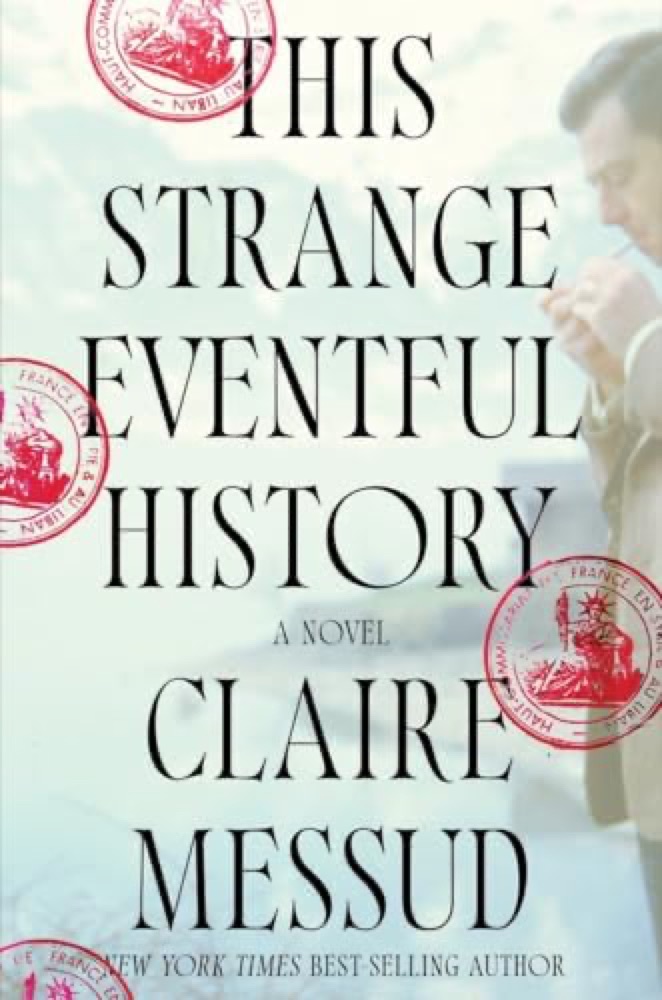
Over seven decades, from 1940 to 2010, the pieds-noirs Cassars live in an itinerant state—separated in the chaos of World War II, running from a complicated colonial homeland, and, after Algerian independence, without a homeland at all. This Strange Eventful History, told with historical sweep, is above all a family story: of patriarch Gaston and his wife Lucienne, whose myth of perfect love sustains them and stifles their children; of François and Denise, devoted siblings connected by their family’s strangeness; of François’s union with Barbara, a woman so culturally different they can barely comprehend one another; of Chloe, the result of that union, who believes that telling these buried stories will bring them all peace.
Inspired in part by long-ago storie
Book details
- First published
- 2024
- Author
- Claire Messud
- Genre
- Historical
- Goodreads rating
- 3.56 (6k ratings)
The buzz
- The New York TimesReview in The New York Timesprofessional review (via Book Marks)
- The New YorkerReview in The New Yorkerprofessional review (via Book Marks)
- The Washington PostReview in The Washington Postprofessional review (via Book Marks)
- The Wall Street JournalReview in The Wall Street Journalprofessional review (via Book Marks)
- The GuardianReview in The Guardianprofessional review (via Book Marks)
- Los Angeles TimesReview in Los Angeles Timesprofessional review (via Book Marks)
Keep reading
 The Brutal Telling
 Warlight
 The Inheritance of Loss
 The Clockmaker's Daughter
 Homeseeking
 Birdcage Walk
 Another Country
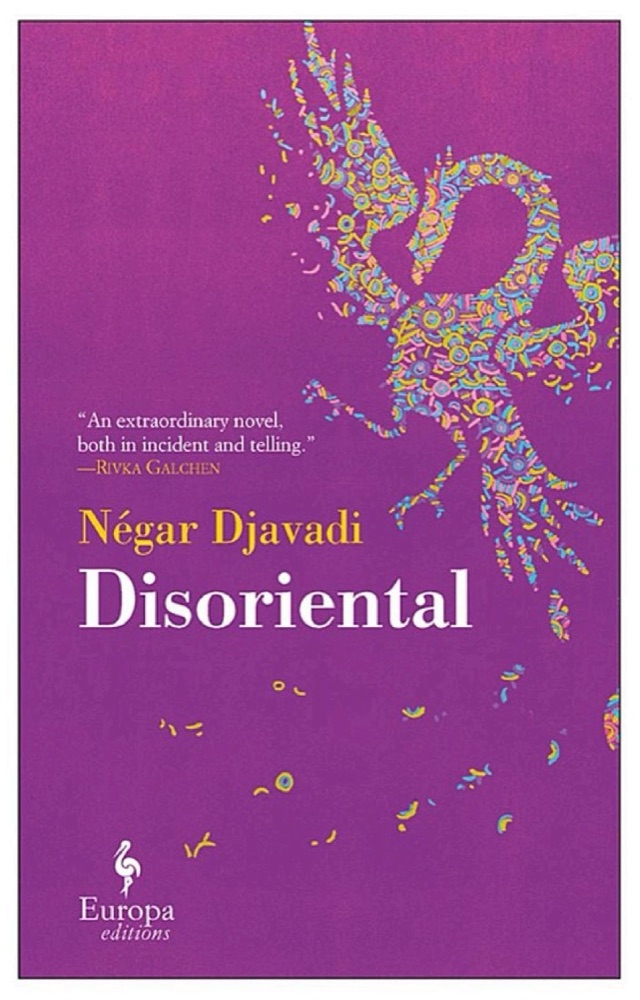 Disoriental
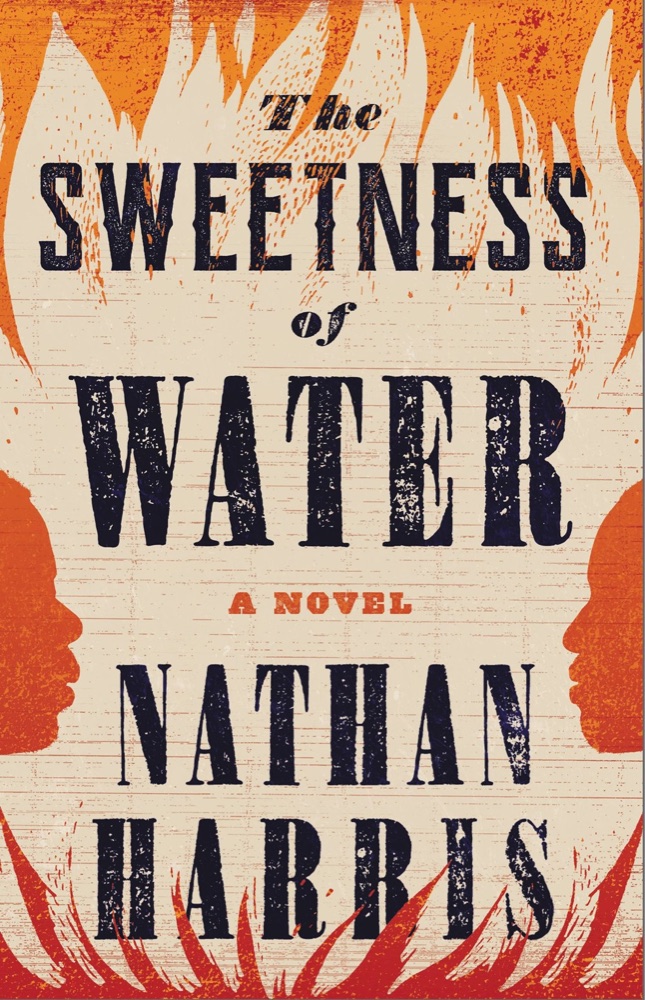 The Sweetness of Water
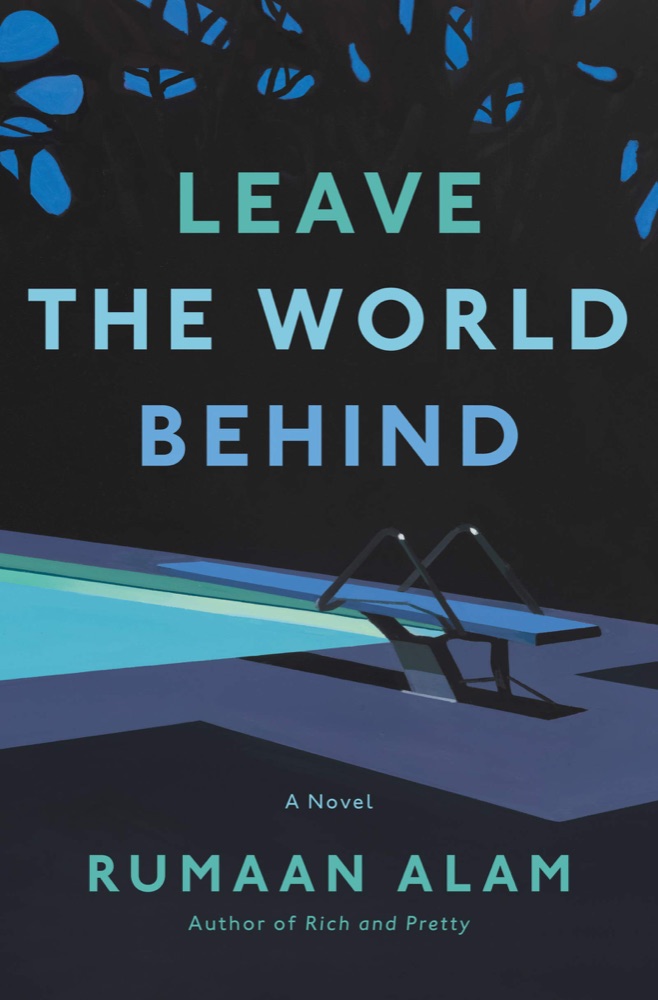 Leave the World Behind
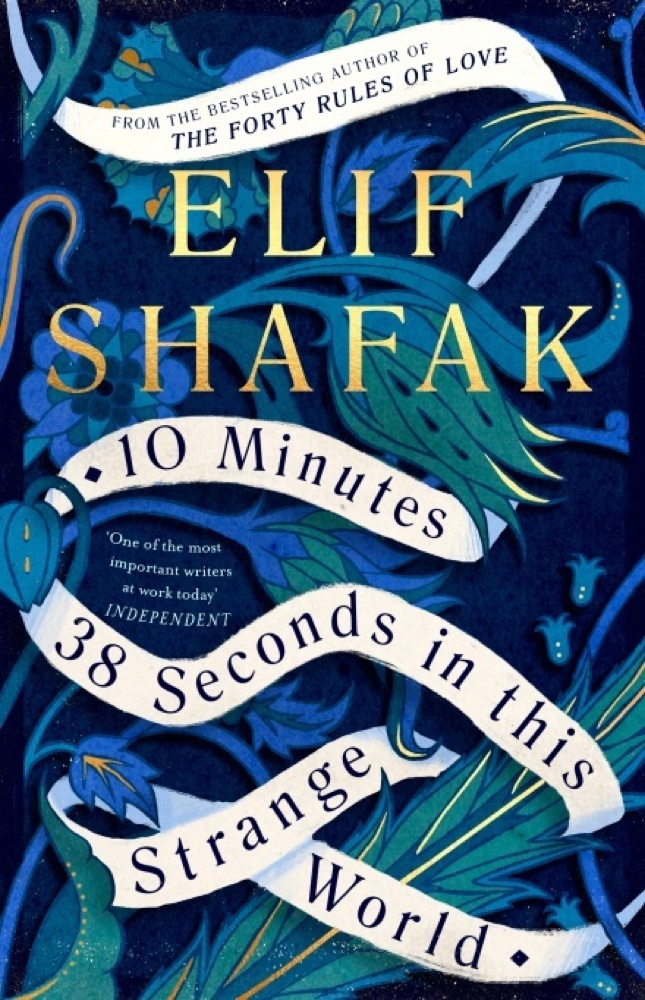 10 Minutes 38 Seconds in This Strange World
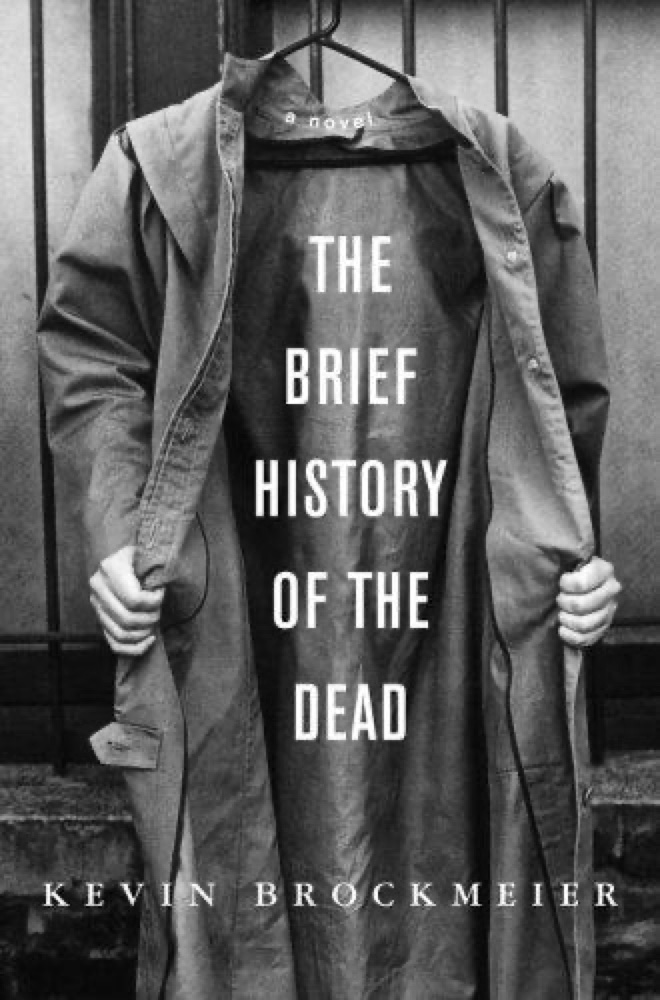 The Brief History of the Dead
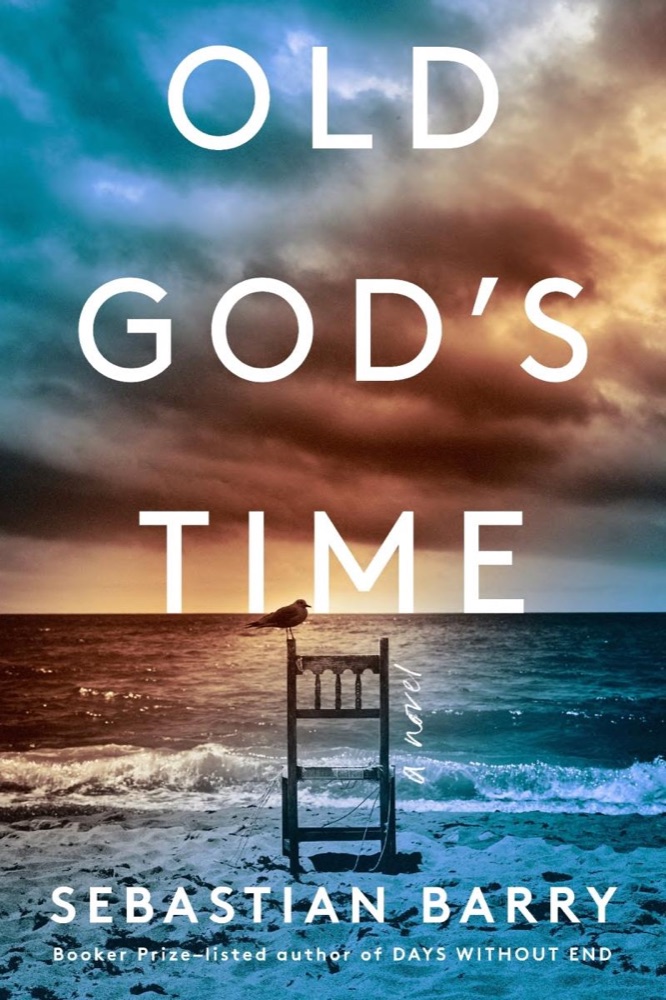 Old God's Time
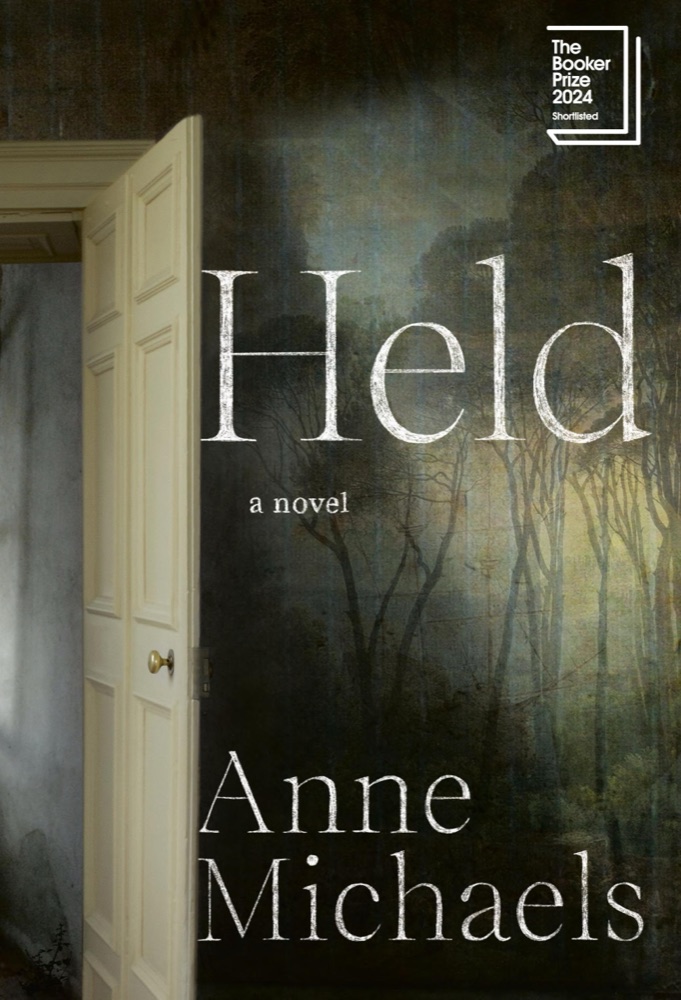 Held
Held
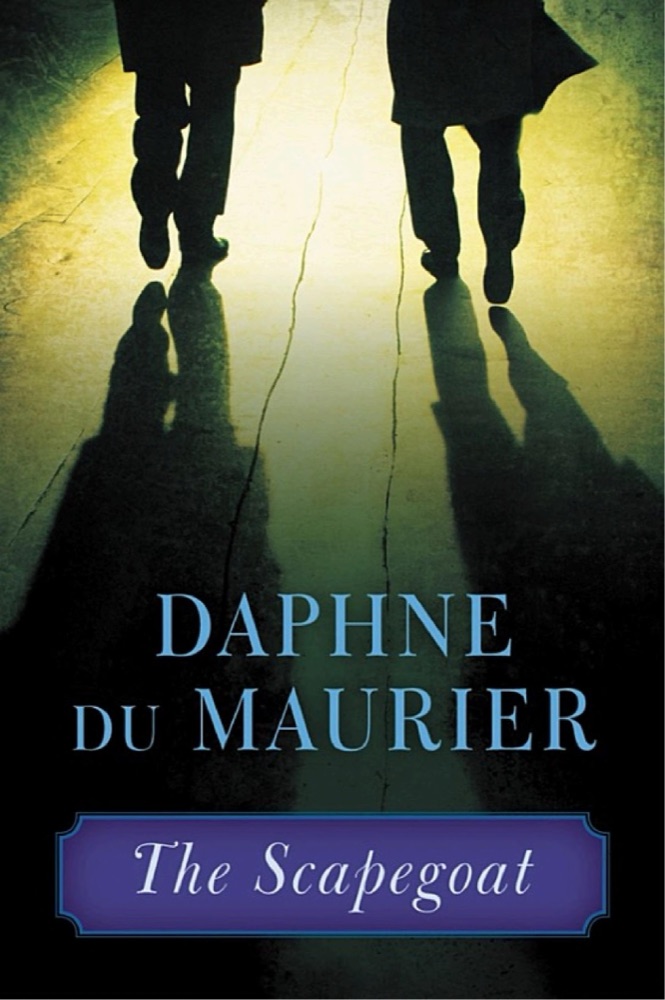 The Scapegoat
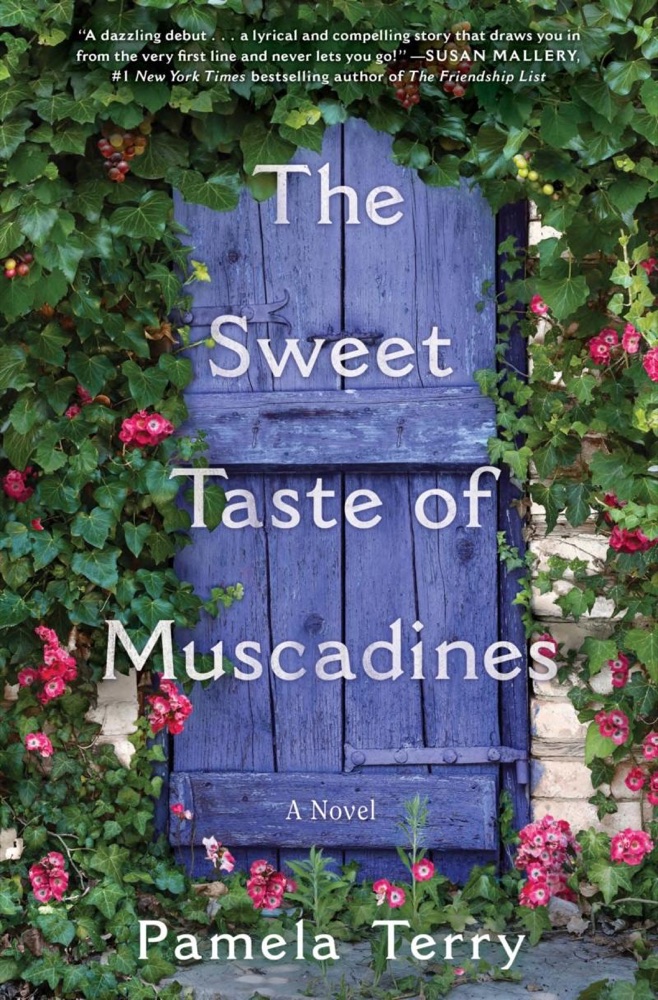 The Sweet Taste of Muscadines
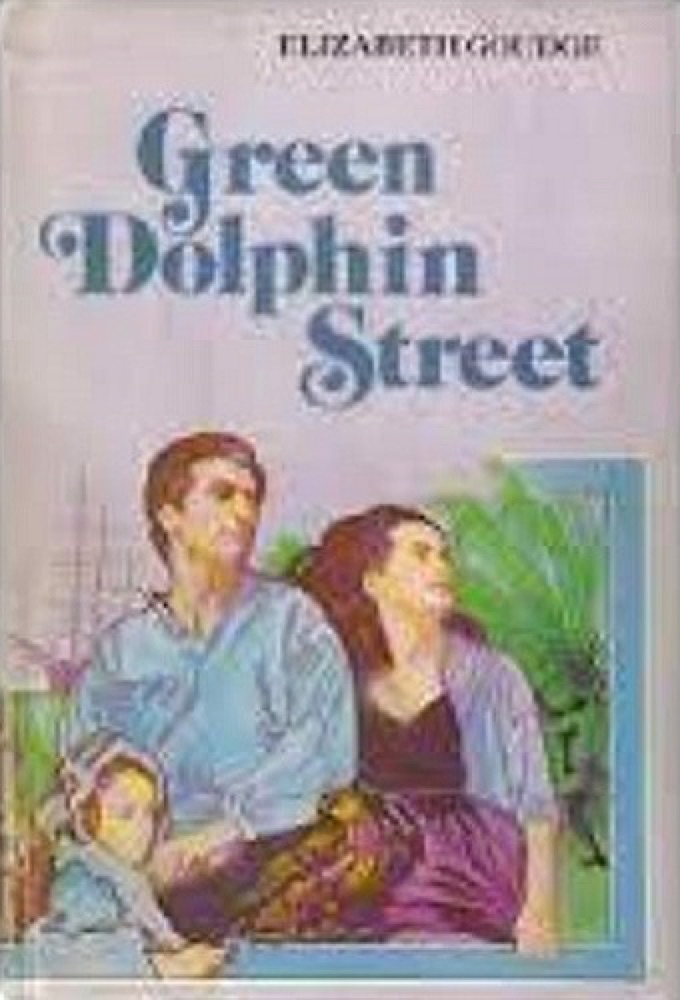 Green Dolphin Street
 Death Watch
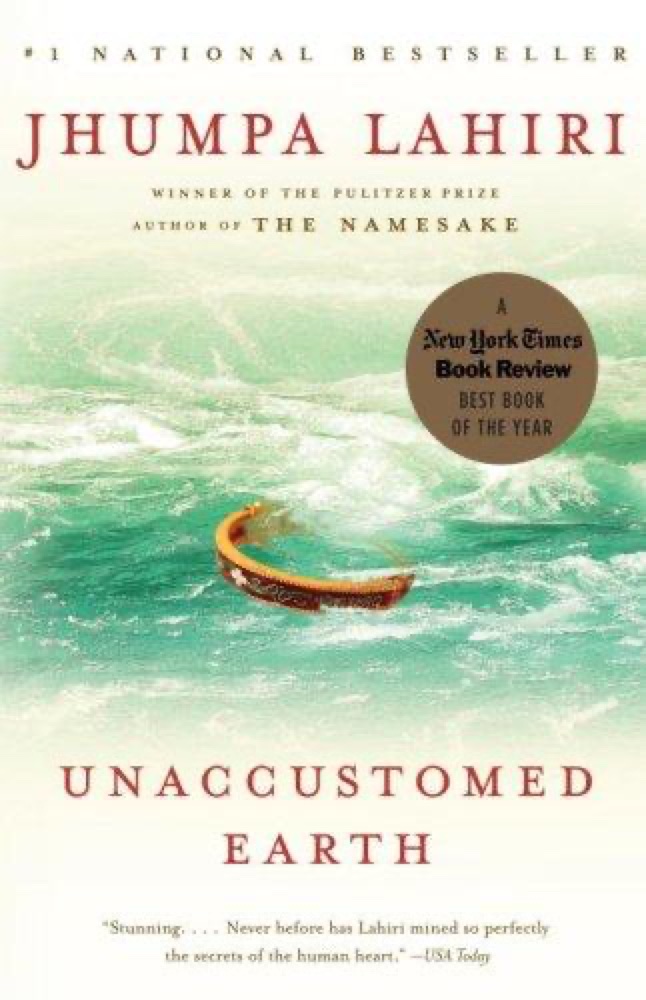 Unaccustomed Earth
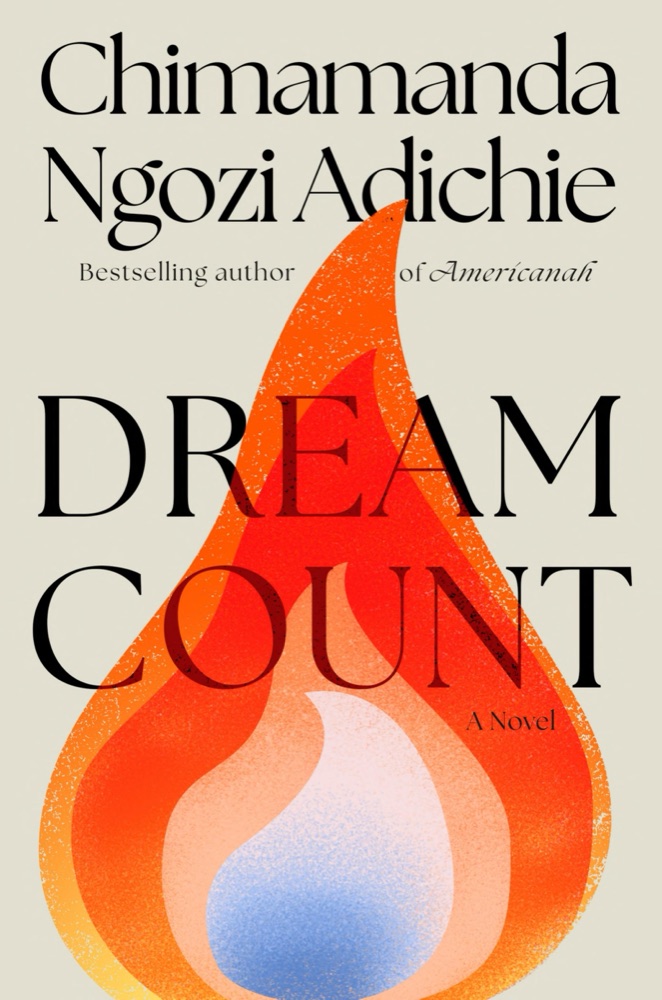 Dream Count
 Outline
 Dinner at the Homesick Restaurant
 Housekeeping
 Lincoln in the Bardo
 The Giver
 To Paradise
 Last Night in Montreal
 My Friends
 Brideshead Revisited: The Sacred and Profane Memories of Captain Charles Ryder
 Divisadero
 Too Much Happiness: Stories
 The Years
 The Round House
 The Twelve
 TransAtlantic
 Moonglow
 The Cat's Table
 A Slow Fire Burning
 When God Was a Rabbit
 The Voyage Out
 The Stories of John Cheever
 Biography of X
 The Stone Diaries
 Pew
Pew
 Homecoming
 The Narrow Road to the Deep North
 The City and Its Uncertain Walls
 Home Fire
 One of Ours
 The Passage
 Life After Life
 A Marriage at Sea: A True Story of Love, Obsession, and Shipwreck
 The Glass-Blowers
 Men We Reaped
 Moments of Being: A Collection of Autobiographical Writing
 In Search of Lost Time
 The Place of Tides
 Where Late the Sweet Birds Sang
 The Silence of Bones
 Those Who Leave and Those Who Stay