
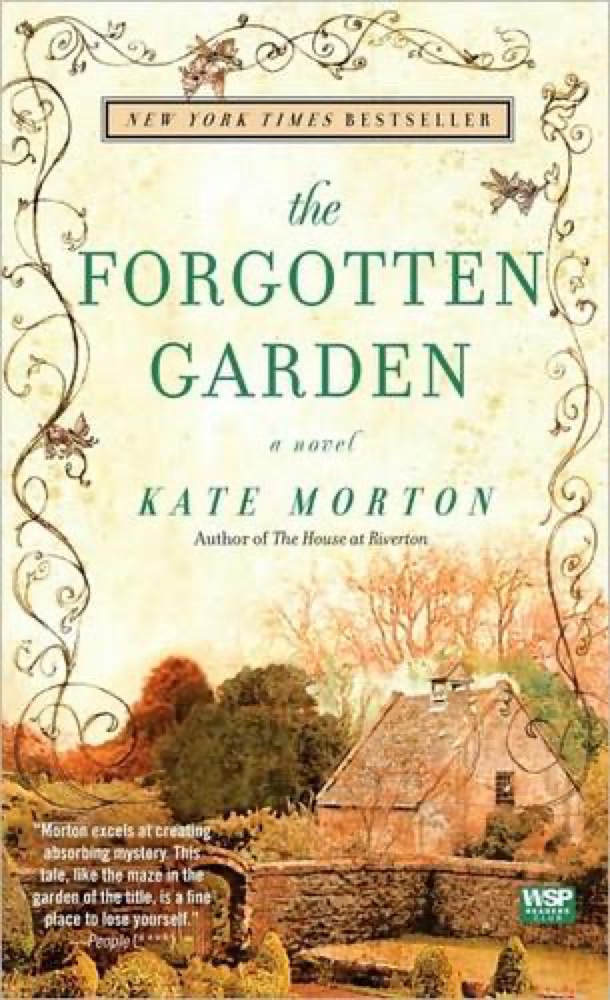
 The Forgotten Garden
Quotes from the Book
Parents and children. The simplest relationship in the world and yet the most complex. One generation passes to the next a suitcase filled with jumbled jigsaw pieces from countless puzzles collected over time and says, ‘See what you can make out of these.
53
Human beings are curators. Each polishes his or her own favoured memories, arranging them in order to create a narrative that pleases. Some events are repaired and polished for display; others are deemed unworthy and cast aside, shelved below ground in the overflowing storeroom of the mind. There, with any luck, they are promptly forgotten. The process is not dishonest: it is the only way that people can live with themselves and the weight of their experiences.
45
People value shiny stones and lucky charms, but they forget that the most powerful talismans of all are the stories that we tell to ourselves and to others.
38
Each clock is unique,’ he used to tell me. ‘And just like a person, its face, whether plain or pretty, is but a mask for the intricate mechanism it conceals.
28
She used to say that the human heartbeat was the first music that a person heard, and that every child was born knowing the rhythm of her mother's song.
25
I have learned that one must forgive oneself the past or else the journey into the future becomes unbearable
25
It struck her now that maybe she needed to let go a bit more often. To try and, yes, occasionally to fail. To accept that life is messy and sometimes mistakes are made; that sometimes they’re not even really mistakes, because life isn’t linear, and it comprises countless small and large decisions every day.
25
Being a parent’s a breeze,” came Alan’s cheerful voice on the wind. “No more difficult than flying a plane with a blindfold on and holes in your wings.
24
There was no going back. Time only moved in one direction. And it didn't stop. It never stopped moving, not even to let a person think. The only way back was in one's memories.
22
There are very few certainties in this world, Mr. Gilbert, but I will tell you something I know: the truth depends on who it is that’s telling the story.
22
Sentimentality was mawkish and cloying, where nostalgia was acute and aching. It described yearning of the most profound kind: an awareness that time’s passage could not be stopped and there was no going back to reclaim a moment or a person or to do things differently.
19
The camera is ubiquitous. They all carry one now. Even as I watch, they traipse through the rooms of the house, pointing their devices at this chair or those tiles. Experiencing the world at one remove, through the windows of their phones, making images for later so that they do not need to bother seeing or feeling things now.
17
We are traveling each towards his sunset.
14
Love—that’s what she felt, an odd, strong, general love that seemed to flow from everything she saw and heard: the sunlit leaves, the dark hollows beneath the trees, the stones of the house, the birds that called as they flew overhead. And in its glow, she glimpsed momentarily what religious people must surely feel at church: the sense of being bathed in the light of certainty that comes with being known from the inside out, from belonging somewhere and to someone. It was simple. It was luminous, and beautiful, and true.
14
No matter what evil might come one's way to be loved is to be protected.
12
What a dignified object was a book, almost noble in its purpose.
12
he was always so brave. So resilient, I suppose—that seems to be the word du jour. It wasn’t that he didn’t feel things—many’s the time I saw him weep—but he dealt with his disappointment, with his hardship and grief; he picked himself up and went on, every time. And not like a mad person who refuses to recognize adversity, but like someone who accepts that life is inherently unfair. That the only truly fair thing about it is the randomness of its unfairness.” She topped up their glasses. “I’m telling you all this not because I feel like a stroll down memory lane or because I like to tell my young friends sad stories on sunny Friday evenings; I just— I wanted you to understand. I wanted you to see what a balm love is. What it is to share one’s life, to really share it, so that very little matters outside the certainty of its walls. Because the world is very noisy, Elodie, and although life is filled with joy and wonder, there’s evil and sorrow and injustice, too.
12
I don’t think I was planned exactly.” “I should say not,” he agreed. “But you were loved, which is arguably more important.
12
Don't slide down the rabbit hole. The way down is a breeze, but climbing back's a battle.
11
life’s only nod to fairness was the blindness with which it dealt unfair blows.
11
Stories have to be told or else they die.
10
Life is long” was all he’d said, his voice calm; he hadn’t looked up from the film. “Being human isn’t easy.
10
Human beings had ever been captivated by the great burning sphere in the heavens, he said, 'for not only does it give us warmth, but also light. The foremost craving of our souls.
10
Time is a strange and powerful beast. It has a habit of making the impossible possible.
9
I have come to understand that loss leaves a hole in a person and holes like to be filled. It is the natural order.
9
It wasn’t that he didn’t feel things—many’s the time I saw him weep—but he dealt with his disappointment, with his hardship and grief; he picked himself up and went on, every time. And not like a mad person who refuses to recognize adversity, but like someone who accepts that life is inherently unfair. That the only truly fair thing about it is the randomness of its unfairness.
8
Some nights she lay awake wondering how she could best divide her lifetime: there simply wasn’t enough of it for a person to ensure that they learned everything they wished to know.
8
What was real, he knew now, was the soil beneath a man's feet. The earth, the natural world, from which could be derived every necessity. and on which were preserved the imprints of every man, woman, and child that had ever lived.
8
Which wasn’t to say that loyalty wasn’t important, because Elodie believed strenuously that it was; only—maybe, just maybe—things weren’t as black-and-white as she had always believed. As her father and Tip kept trying to tell her, life was long; being a human wasn’t easy. And who was she to judge, anyway?
8
one must forgive oneself the past or else the journey into the future becomes unbearable.
7
Did you know?
- The novel is narrated in part by a timeless, watching female voice who has lingered at Birchwood Manor.
- Much of the story unfolds across multiple timelines centered on the same house on the Upper Thames.
- It was a nominee for the 2018 Goodreads Choice Award for Historical Fiction.
- The book's Victorian thread follows a group of artists who spend the summer of 1862 at the manor.
About Kate Morton
Kate Morton is an Australian author born in 1976 in Berri, South Australia, known for atmospheric historical mysteries. Her novels, including "The House at Riverton" and "The Forgotten Garden," have sold millions of copies worldwide and been translated into numerous languages.
More about the author →More by Kate Morton
All books by Kate Morton →
About the book
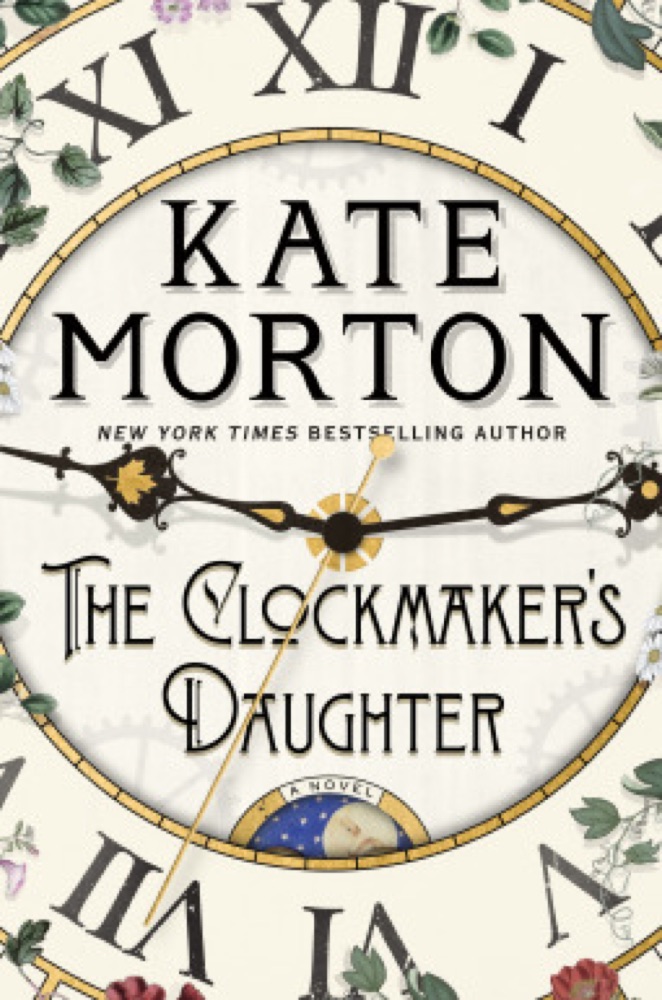
"The Clockmaker's Daughter" is a historical mystery by Australian author Kate Morton, published in 2018. It centers on Birchwood Manor, a house on a bend of the Upper Thames, and weaves together several timelines: a group of Victorian artists who spend a fateful summer there in 1862, the lives that brush against the house across the following century, and Elodie Winslow, a present-day London archivist who stumbles upon clues that draw her toward the manor's buried history. Binding the strands together is the disembodied narrative voice of a woman who has lingered at the house, observing the people who pass through it.
Like Morton's earlier novels, the book is preoccupied with memory, time, storytelling, and the way places hold the residue of the lives lived in them. It explores how histories are lost and partially recovered, how identity can be erased from the record, and the pull of art, love, and grief across generations. The clock-and-time motif and the device of a watching, timeless narrator underscore its meditation on what endures and what slips through the cracks of the past.
The novel was a commercial success and a bestseller, continuing Morton's track record with readers of atmospheric historical fiction, and it was a nominee for the Goodreads Choice Award for Historical Fiction in 2018. Critical reception was somewhat more mixed than for her earlier books: many reviewers praised the lush, immersive prose and intricate structure, while others found the multiple narrators and timelines demanding to follow.
Key characters
- Birdie BellThe clockmaker's daughter, an artist's muse whose voice narrates from beyond time
- Elodie WinslowA present-day London archivist drawn to the manor's mystery
- Edward RadcliffeA Victorian artist who brings his circle to Birchwood Manor
- Lucy RadcliffeEdward's younger sister, connected to the house's history
Book details
- First published
- 2018
- Length
- 485 pages
- Reading time
- 7 hours
- Author
- Kate Morton
- Genre
- Historical
- Goodreads rating
- 3.75 (109k ratings)
Keep reading
 Warlight
 This Is Happiness
 The Bonesetter's Daughter
 The Midnight Train
 The Stone Diaries
 The City of Mirrors
 The Passage
 Colorless Tsukuru Tazaki and His Years of Pilgrimage
 The Sea Keeper's Daughters
 My Friends
 The Gap of Time
 The Light Between Oceans
 The Book of Lost Hours
 Ghosts of Harvard
 The Wolf Gift
 10 Minutes 38 Seconds in This Strange World
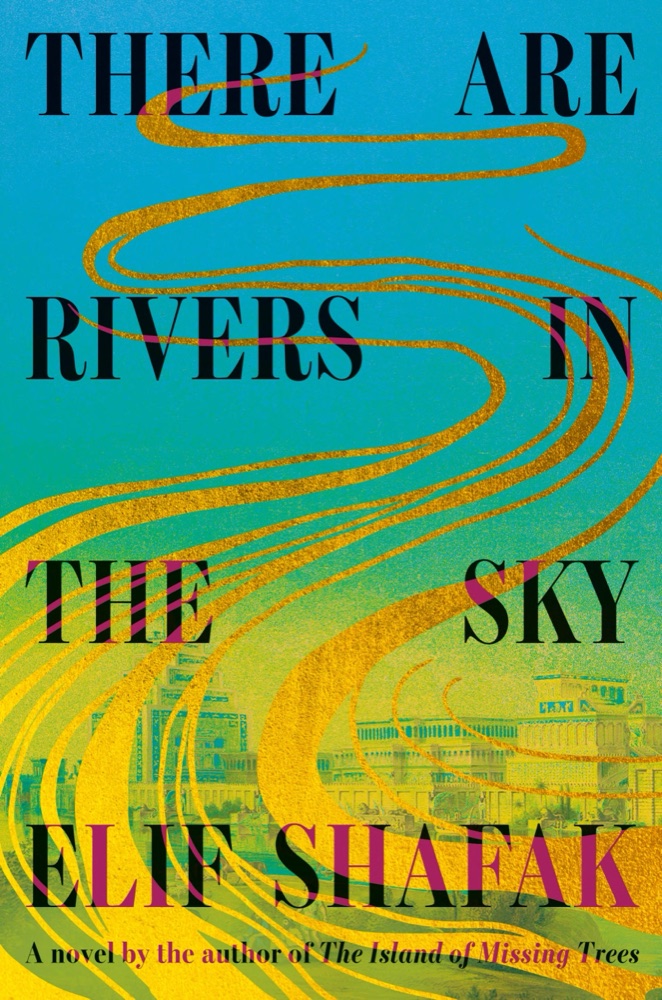 There Are Rivers in the Sky
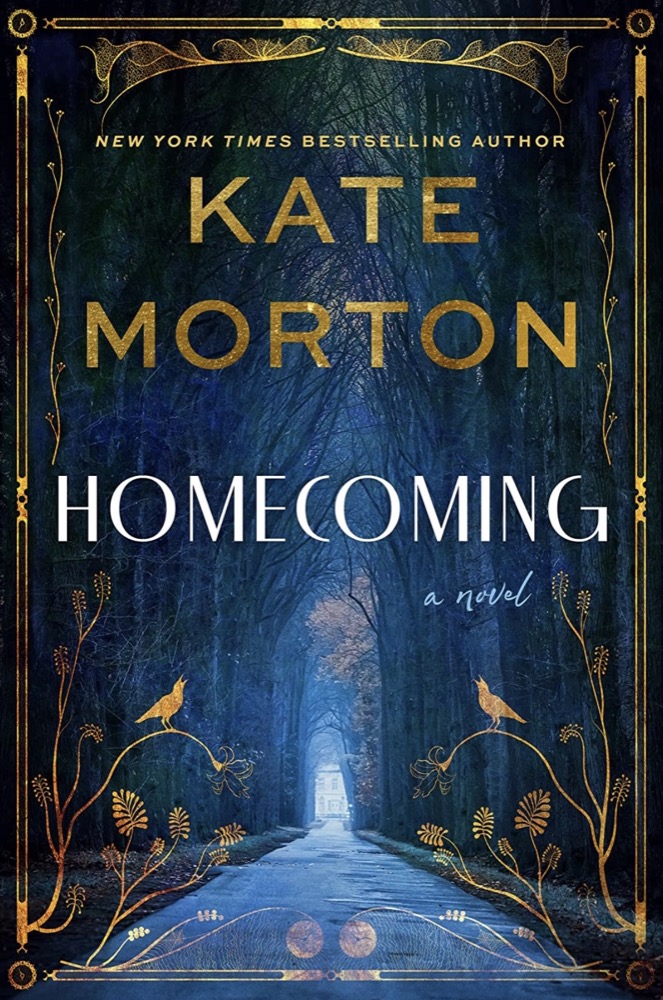 Homecoming
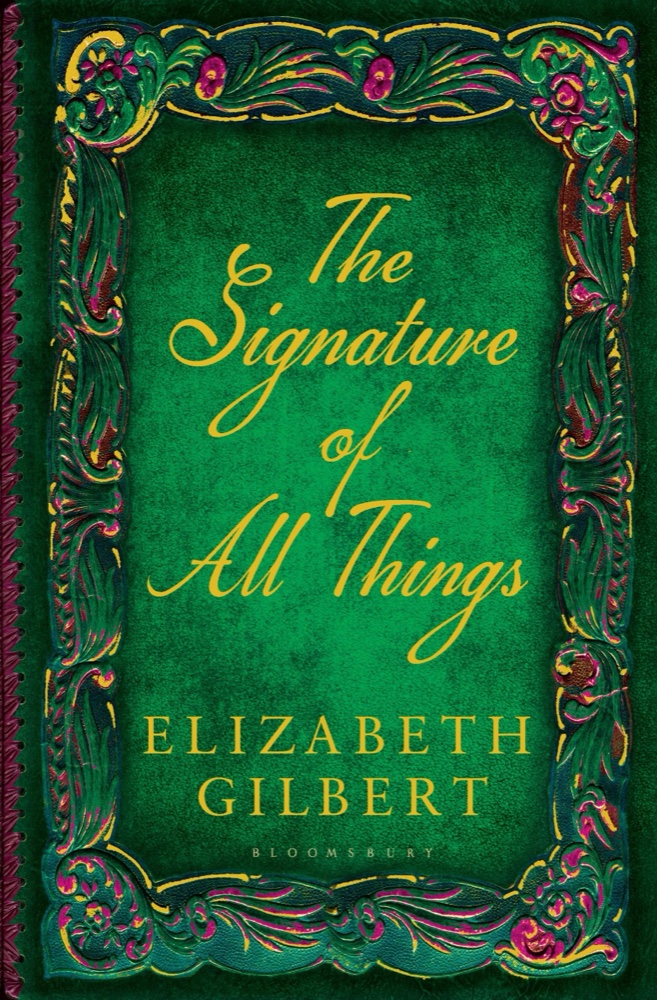 The Signature of All Things
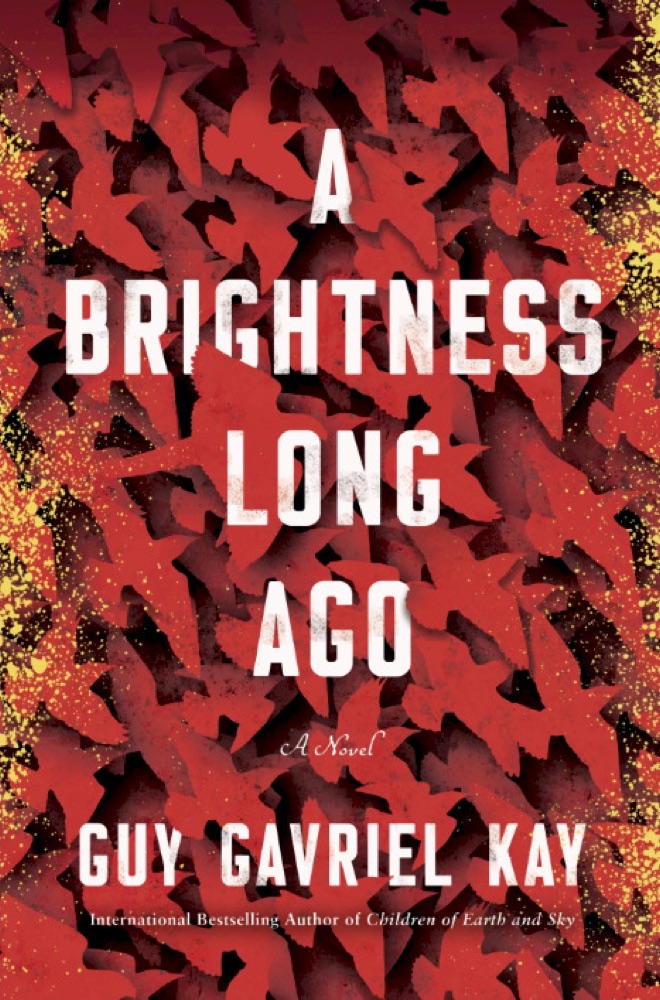 A Brightness Long Ago
 All the Colors of the Dark
 The Book of Love
 In Search of Lost Time
 Held
Held
 Out of Oz
 The Covenant of Water
 Killing Commendatore
 Varina
 The Gift of Rain
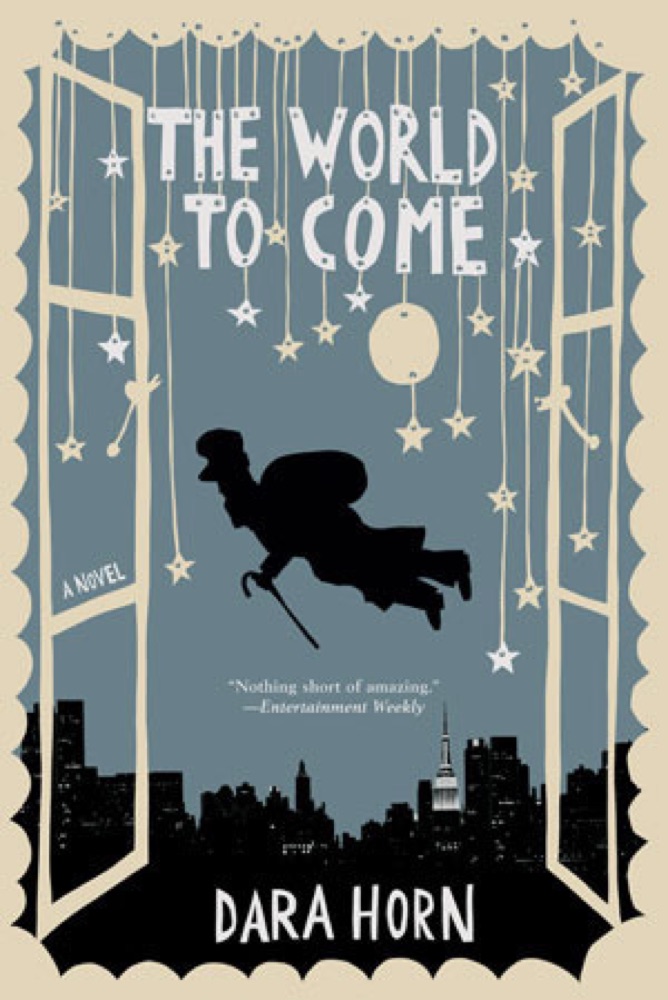 The World to Come
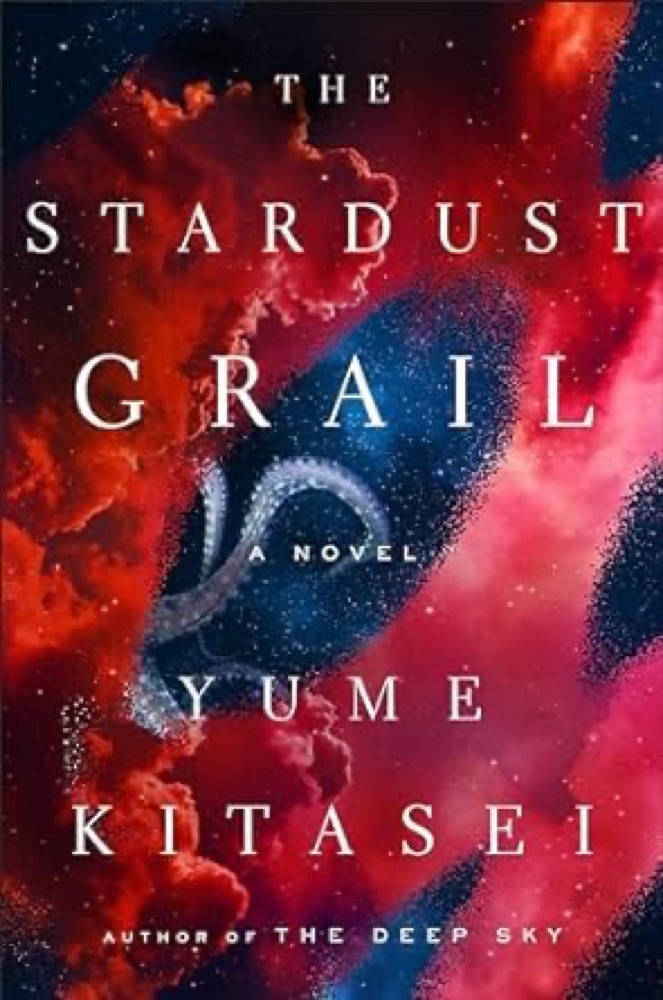 The Stardust Grail
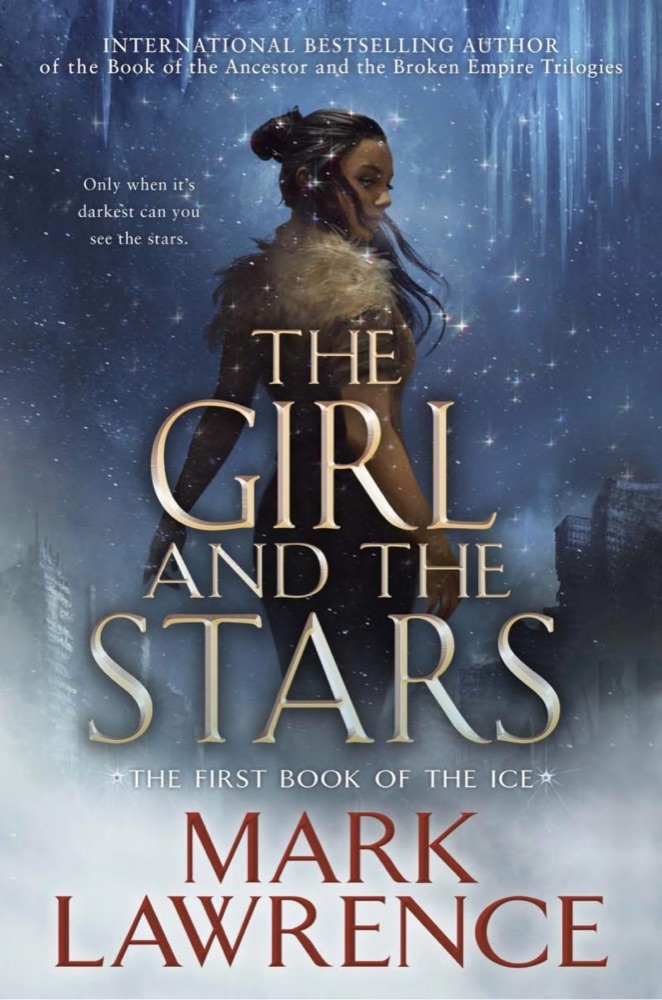 The Girl and the Stars
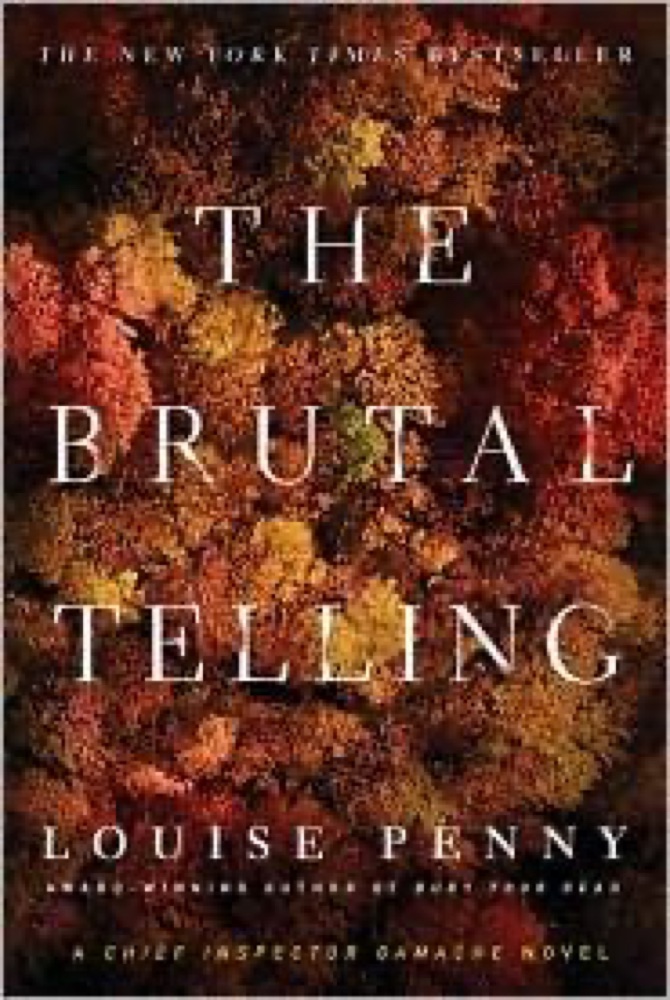 The Brutal Telling
 Embers
 Tales from the Cafe
 Simply Love
 A Lion Among Men
 The Illusion of Separateness
 The Story of Edgar Sawtelle
 The Secret Keeper
 The Story of the Lost Child
 The Memory Keeper's Daughter
 Good Dirt
 Cloud Cuckoo Land
 Chances Are...
 The Jewel in the Crown
 Death Watch
 The Book of Goose
 In Sunlight and in Shadow
 Weaveworld
 The Great Mistake
 Light Years
 The Man with the Compound Eyes
 The Book That Broke the World
 TransAtlantic
 The Secret Book of Flora Lea
 Hiddensee: A Tale of the Once and Future Nutcracker
The Forgotten Garden
Hiddensee: A Tale of the Once and Future Nutcracker
The Forgotten Garden
 Brideshead Revisited: The Sacred and Profane Memories of Captain Charles Ryder
 Too Much Happiness: Stories