
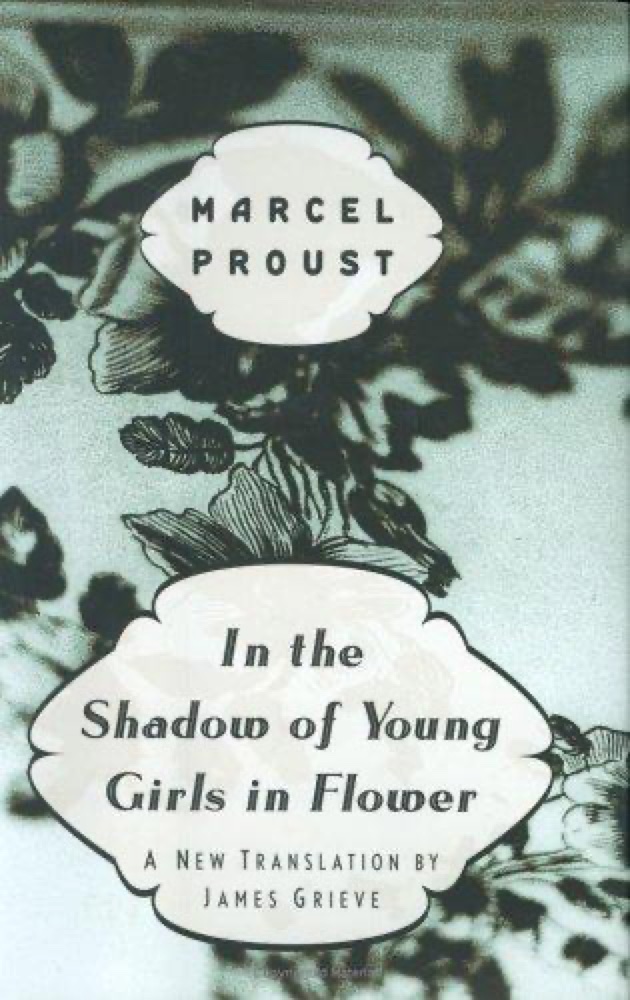
 In the Shadow of Young Girls in Flower
Quotes from the Book
Always try to keep a patch of sky above your life.
The thirst for something other than what we have…to bring something new, even if it is worse, some emotion, some sorrow; when our sensibility, which happiness has silenced like an idle harp, wants to resonate under some hand, even a rough one, and even if it might be broken by it.
Now are the woods all black, But still the sky is blue.
In his younger days a man dreams of possessing the heart of the woman whom he loves; later, the feeling that he possesses the heart of a woman may be enough to make him fall in love with her.
The places we have known do not belong solely to the world of space in which we situate them for our greater convenience. They were only a thin slice among contiguous impressions which formed our life at that time; the memory of a certain image is but regret for a certain moment; and houses, roads, avenues are as fleeting, alas, as the years.
One cannot change, that is to say become a different person, while continuing to acquiesce to the feelings of the person one has ceased to be.
Even in the most insignificant details of our daily life, none of us can be said to constitute a material whole, which is identical for everyone, and need only be turned up like a page in an account-book or the record of a will; our social personality is created by the thoughts of other people.
Perhaps it is not-being that is the true state, and all our dream of life is inexistent; but, if so, we feel that these phrases of music, these conceptions which exist in relation to our dream, must be nothing either. We shall perish, but we have as hostages these divine captives who will follow and share our fate. And death in their company is somehow less bitter, less inglorious, perhaps even less probable.
Many years have passed since that night. The wall of the staircase up which I had watched the light of his candle gradually climb was long ago demolished. And in myself, too, many things have perished which I imagined would last for ever, and new ones have arisen, giving birth to new sorrows and new joys which in those days I could not have foreseen, just as now the old are hard to understand.
Even from the simplest, the most realistic point of view, the countries which we long for occupy, at any given moment, a far larger place in our actual life than the country in which we happen to be.
A little tap at the window, as though some missile had struck it, followed by a plentiful, falling sound, as light, though, as if a shower of sand were being sprinkled from a window overhead; then the fall spread, took on an order, a rhythm, became liquid, loud, drumming, musical, innumerable, universal. It was the rain
These dreams reminded me that, since I wished some day to become a writer, it was high time to decide what sort of books I was going to write. But as soon as I asked myself the question, and tried to discover some subject to which I could impart a philosophical significance of infinite value, my mind would stop like a clock, my consciousness would be faced with a blank, I would feel either that I was wholly devoid of talent or perhaps that some malady of the brain was hindering its development.
I cannot express the uneasiness caused in me by this intrusion of mystery and beauty into a room I had at last filled with myself to the point of paying no more attention to the room than to that self. The anesthetizing influence of habit having ceased, I would begin to have thoughts, and feelings, and they are such sad things.
Even the simple act which we describe as 'seeing someone we know' is, to some extent, an intellectual process. We pack the physical outline of the creature we see with all the ideas we already formed about him, and in the complete picture of him which we compose in our minds those ideas have certainly the principal place. In the end they come to fill out so completely the curve of his cheeks, to follow so exactly the line of his nose, they blend so harmoniously in the sound of his voice that these seem to be no more than a transparent envelope, so that each time we see the face or hear the voice it is our own ideas of him which we recognize and to which we listen.
I feel that there is much to be said for the Celtic belief that the souls of those whom we have lost are held captive in some inferior being, in an animal, in a plant, in some inanimate object, and thus effectively lost to us until the day (which to many never comes) when we happen to pass by the tree or to obtain possession of the object which forms their prison. Then they start and tremble, they call us by our name, and as soon as we have recognised them the spell is broken. Delivered by us, they have overcome death and return to share our life. And so it is with our own past. It is a labour in vain to attempt to recapture it: all the efforts of our intellect must prove futile. The past is hidden somewhere outside the realm, beyond the reach of intellect, in some material object (in the sensation which that material object will give us) of which we have no inkling. And it depends on chance whether or not we come upon this object before we ourselves must die.
And then, gradually, the memory of her would fade away, I had forgotten the girl of my dream.
in my cowardice I became at once a man, and did what all we grown men do when face to face with suffering and injustice; I preferred not to see them
But, when nothing subsists of an old past, after the death of people, after the destruction of things, alone, frailer but more enduring, more immaterial, more persistent, more faithful, smell and taste still remain for a long time, like souls, remembering, waiting, hoping, on the ruin of all the rest, bearing without giving way, on their almost impalpable droplet, the immense edifice of memory.
He knew that the very memory of the piano falsified still further the perspective in which he saw the elements of music, that the field open to the musician is not a miserable stave of seven notes, but an immeasurable keyboard (still almost entirely unknown) on which, here and there only, separated by the thick darkness of its unexplored tracts, some few among the millions of keys of tenderness, of passion, of courage, of serenity, which compose it, each one differing from all the rest as one universe differs from another, have been discovered by a few great artists who do us the service, when they awaken in us the emotion corresponding to the theme they have discovered, of showing us what richness, what variety lies hidden, unknown to us, in that vast, unfathomed and forbidding night of our soul which we take to be an impenetrable void.
For what we suppose to be our love or our jealousy is never a single, continuous and indivisible passion. It is composed of an infinity of successive loves, of different jealousies, each of which is ephemeral, although by their uninterrupted multiplicity they give us the impression of continuity, the illusion of unity.
the comfort of reclusion, the poetry of hibernation
I loved her [Gilberte]; I was sorry not to have had the time and the inspiration to insult her, to hurt her, to force her to keep some memory of me. I thought her so beautiful that I should have liked to be able to retrace my steps so as to shake my fist at her and shout, "I think you're hideous, grotesque; how I loathe you!"_
Facts do not find their way into the world in which our beliefs reside; they did not produce our beliefs, they do not destroy them; they may inflict on them the most constant refutations without weakening them, and an avalanche of afflictions or ailments succeeding one another without interruption in a family will not make it doubt the goodness of its God or the talent of its doctor.
People don't know when they are happy. They're never so unhappy as they think they are.
Sometimes in the afternoon sky the moon would pass white as a cloud, furtive, lusterless, like an actress who does not have to perform yet and who, from the audience, in street clothes, watches the other actors for a moment, making herself inconspicuous, not wanting anyone to pay attention to her.
In the sort of screen dappled with different states of mind which my consciousness would simultaneously unfold while I read, and which ranged from the aspirations hidden deepest within me to the completely exterior vision of the horizon which I had, at the bottom of the garden, before my eyes, what was first in me, innermost, the constantly moving handle that controlled the rest, was my belief in the philosophical richness and beauty of the book I was reading, and my desire to appropriate them for myself, whatever that book might be.
She poured out Swann's tea, inquired "Lemon or cream?" and, on his answering "Cream, please," said to him with a laugh: "A cloud!" And as he pronounced it excellent, "You see, I know just how you like it." This tea had indeed seemed to Swann, just as it seemed to her; something precious, and love has such a need to find some justification for itself, some guarantee of duration, in pleasures which without it would have no existence and must cease with its passing.
Asparagus, tinged with ultramarine and rosy pink which ran from their heads, finely stippled in mauve and azure, through a series of imperceptible changes to their white feet, still stained a little by the soil of their garden-bed: a rainbow-loveliness that was not of this world. I felt that these celestial hues indicated the presence of exquisite creatures who had been pleased to assume vegetable form, who, through the disguise which covered their firm and edible flesh, allowed me to discern in this radiance of earliest dawn, these hinted rainbows, these blue evening shades, that precious quality which I should recognise again when, all night long after a dinner at which I had partaken of them, they played (lyrical and coarse in their jesting as the fairies in Shakespeare’s Dream) at transforming my humble chamberpot into a bower of aromatic perfume.
The novelist’s happy discovery was to think of substituting for those opaque sections, impenetrable by the human spirit, their equivalent in immaterial sections, things, that is, which the spirit can assimilate to itself. After which it matters not that the actions, the feelings of this new order of creatures appear to us in the guise of truth, since we have made them our own, since it is in ourselves that they are happening, that they are holding in thrall, while we turn over, feverishly, the pages of the book, our quickened breath and staring eyes. And once the novelist has brought us to that state, in which, as in all purely mental states, every emotion is multiplied ten-fold, into which his book comes to disturb us as might a dream, but a dream more lucid, and of a more lasting impression than those which come to us in sleep; why, then, for the space of an hour he sets free within us all the joys and sorrows in the world, a few of which, only, we should have to spend years of our actual life in getting to know, and the keenest, the most intense of which would never have been revealed to us because the slow course of their development stops our perception of them.
Watch on YouTube
About Marcel Proust
We have collected 225 quotes from 9 books by Marcel Proust on BookQuoters.
More about the author →More by Marcel Proust
In the Shadow of Young Girls in Flower
 The Guermantes Way
 Sodom and Gomorrah
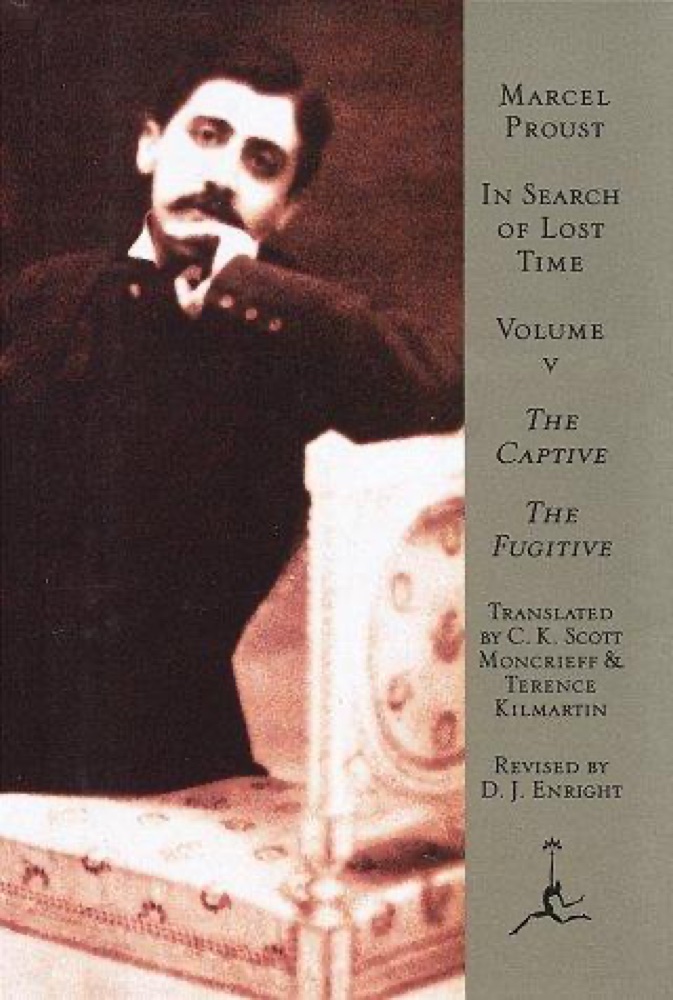 The Captive & The Fugitive
Book details
- Author
- Marcel Proust
- Genre
- Classics
- Goodreads rating
- 4.16 (70k ratings) →
Keep reading
 In Search of Lost Time
The Captive & The Fugitive
The Guermantes Way
In Search of Lost Time
The Captive & The Fugitive
The Guermantes Way
 Housekeeping
 Sexing the Cherry
 Brideshead Revisited: The Sacred and Profane Memories of Captain Charles Ryder
 Speak, Memory
 A Room with a View
 The Mill on the Floss
 This Is Happiness
 The Stone Diaries
 Memoirs of a Geisha
 The Secret History
 The Grass Harp, Including A Tree of Night and Other Stories
 The Illusion of Separateness
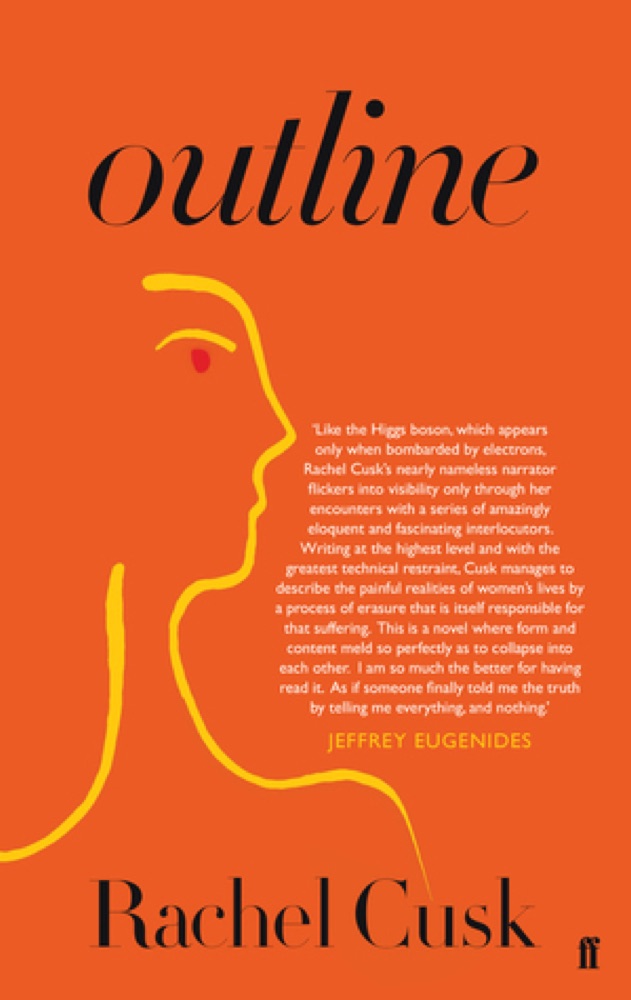 Outline
 Killing Commendatore
 Wind, Sand and Stars
 The Death of the Heart
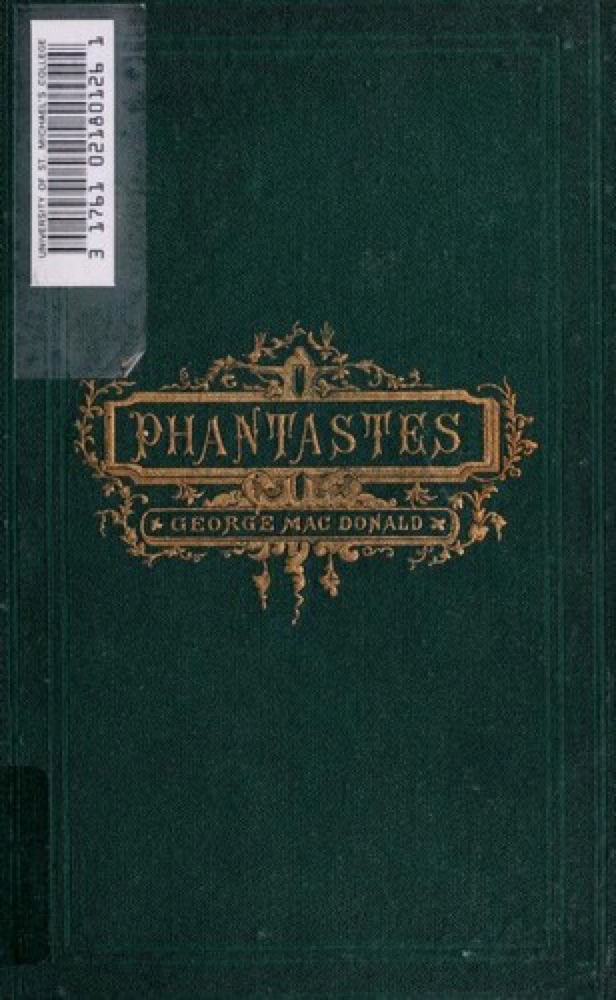 Phantastes
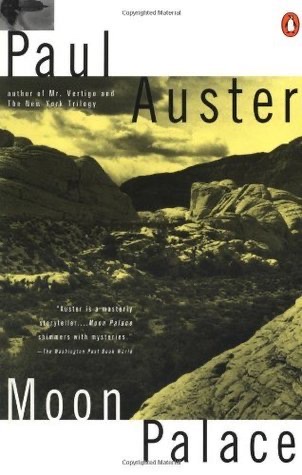 Moon Palace
 A Sport and a Pastime
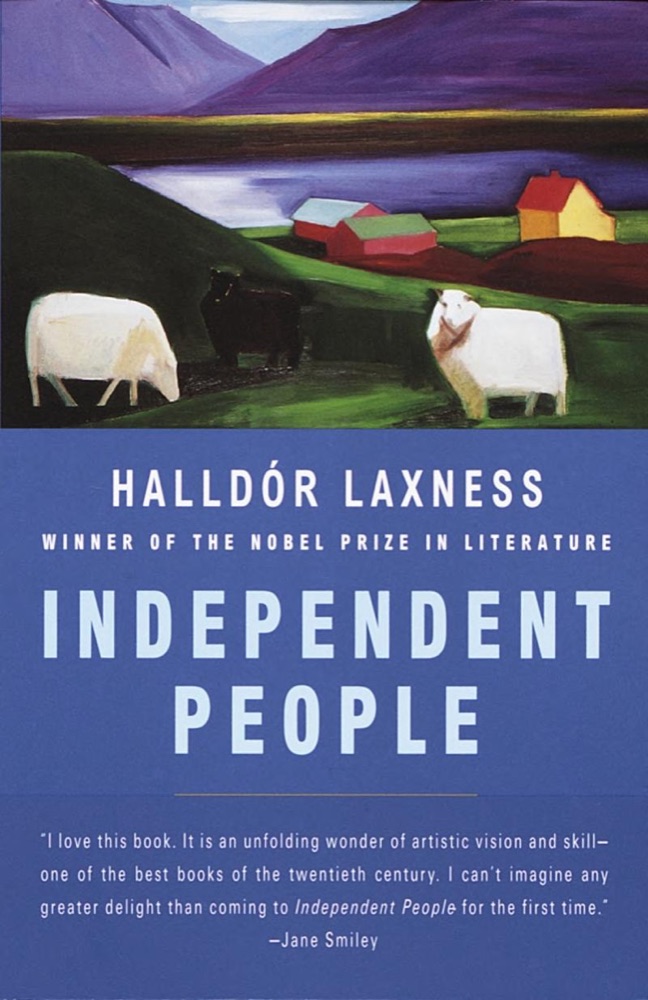 Independent People
 The Notebooks of Malte Laurids Brigge
 Possession
 The People in the Trees
 My Friends
 Poems, 1962-2012
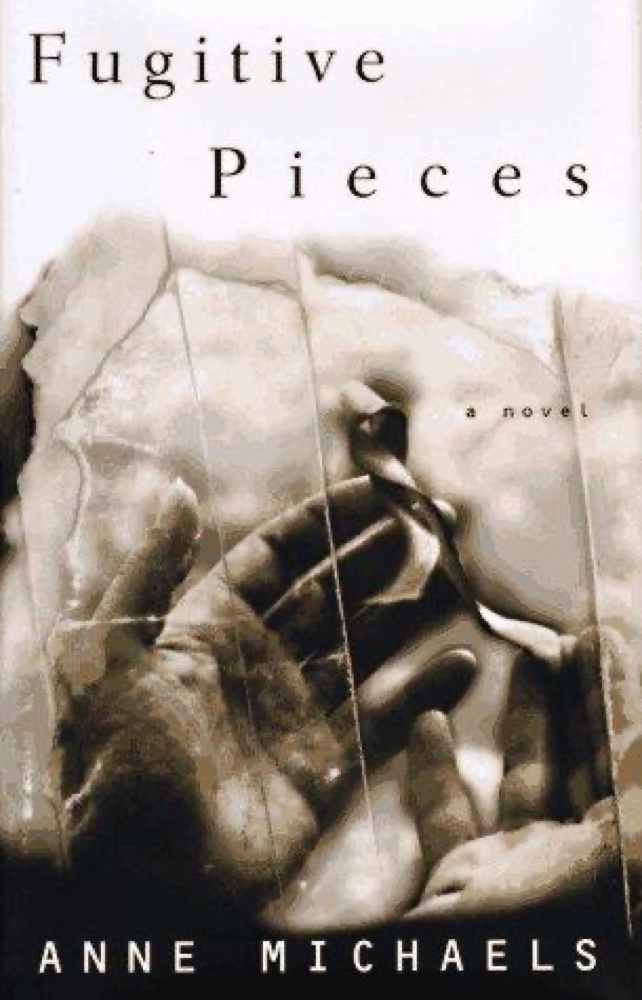 Fugitive Pieces
 The Lifted Veil
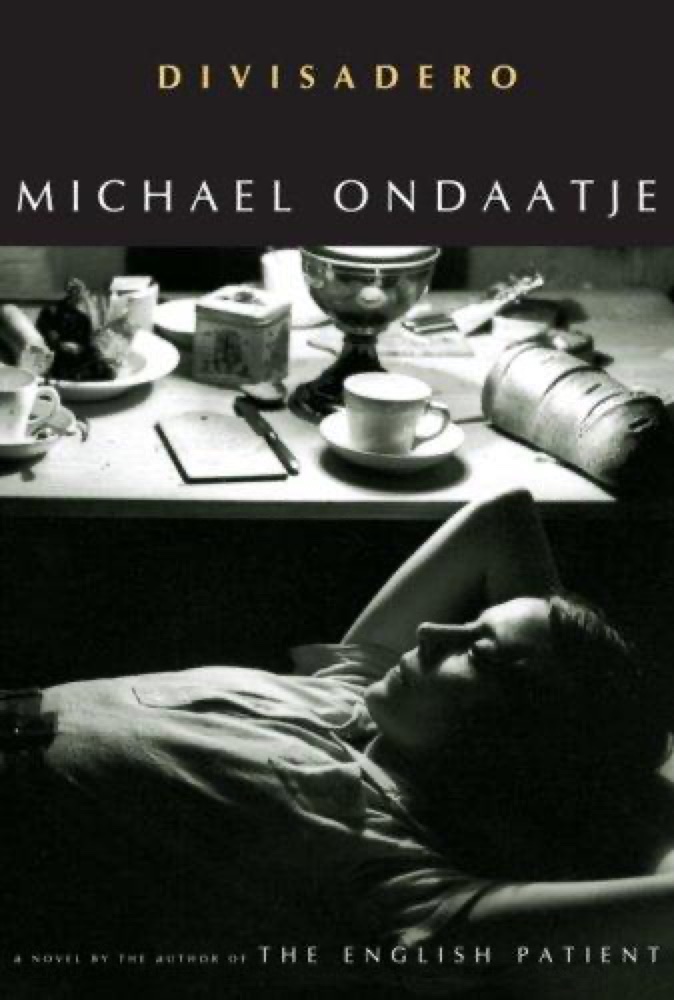 Divisadero
 West with the Night
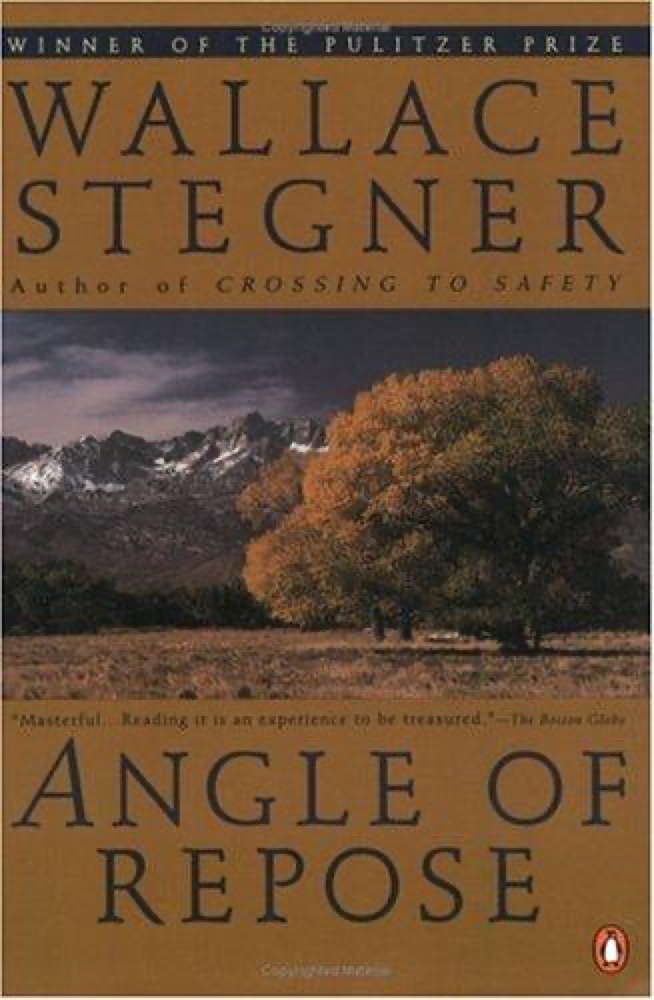 Angle of Repose
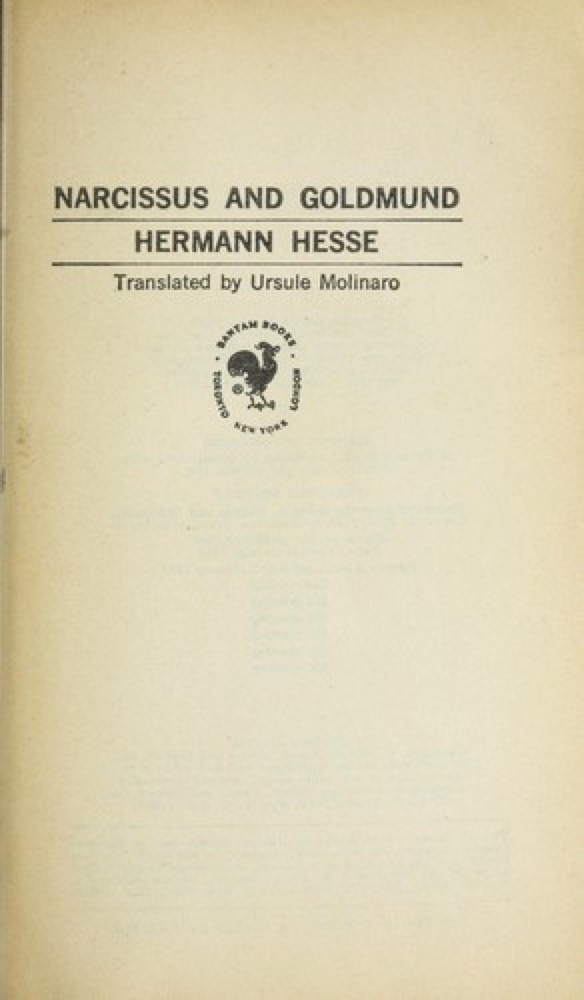 Narcissus and Goldmund
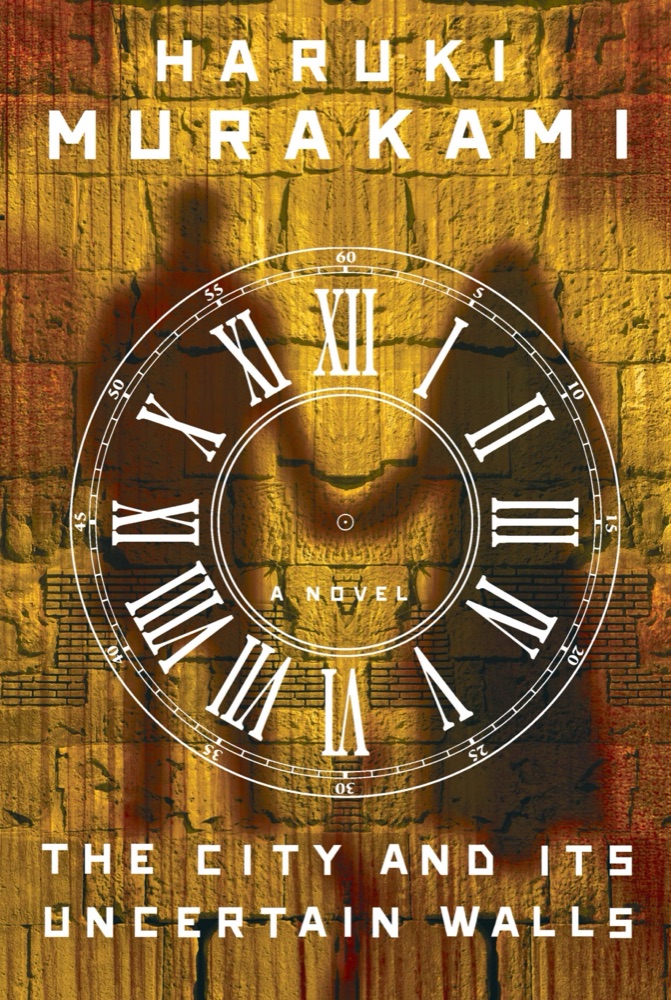 The City and Its Uncertain Walls
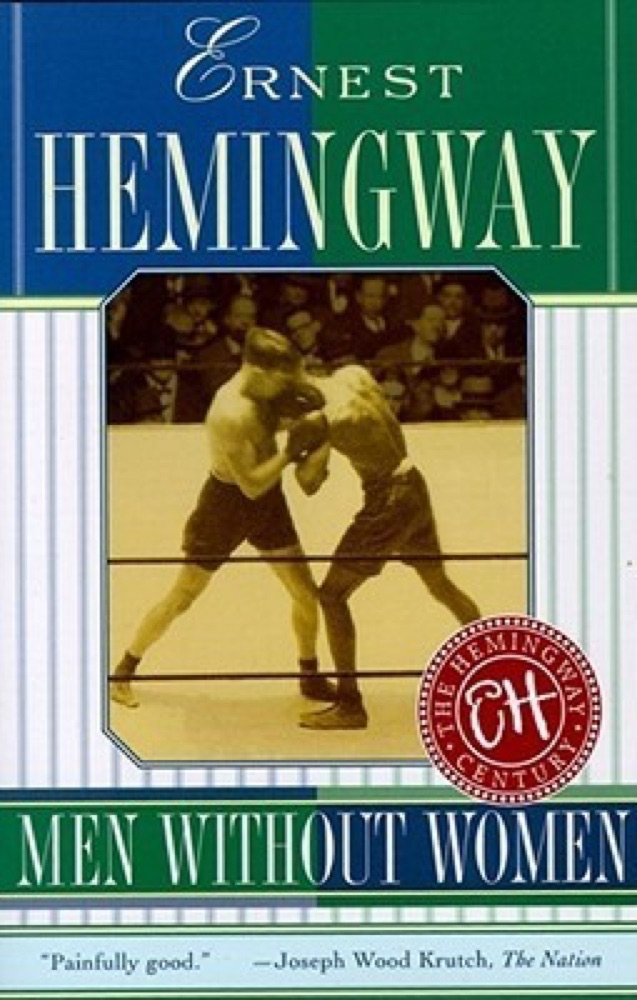 Men Without Women
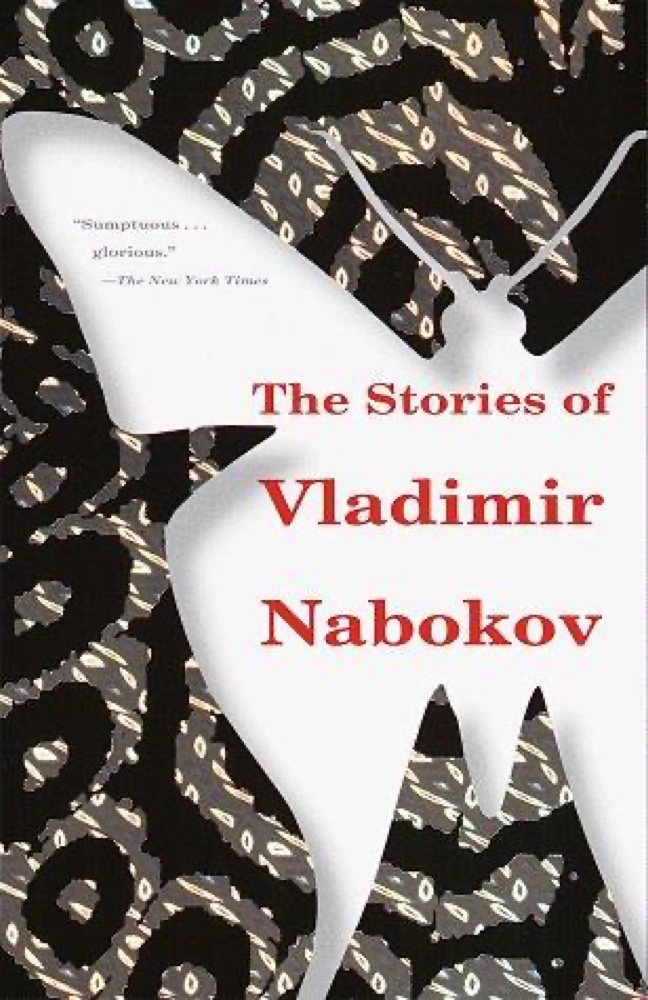 The Stories of Vladimir Nabokov
 Spring Snow
 Flights
 Justine
 Lord Jim
 Orlando
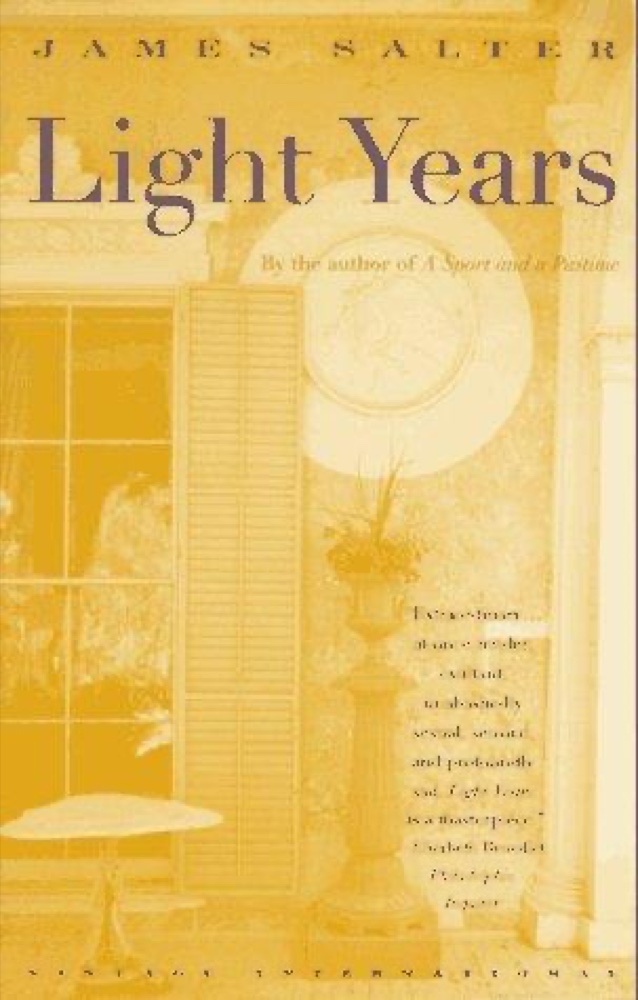 Light Years
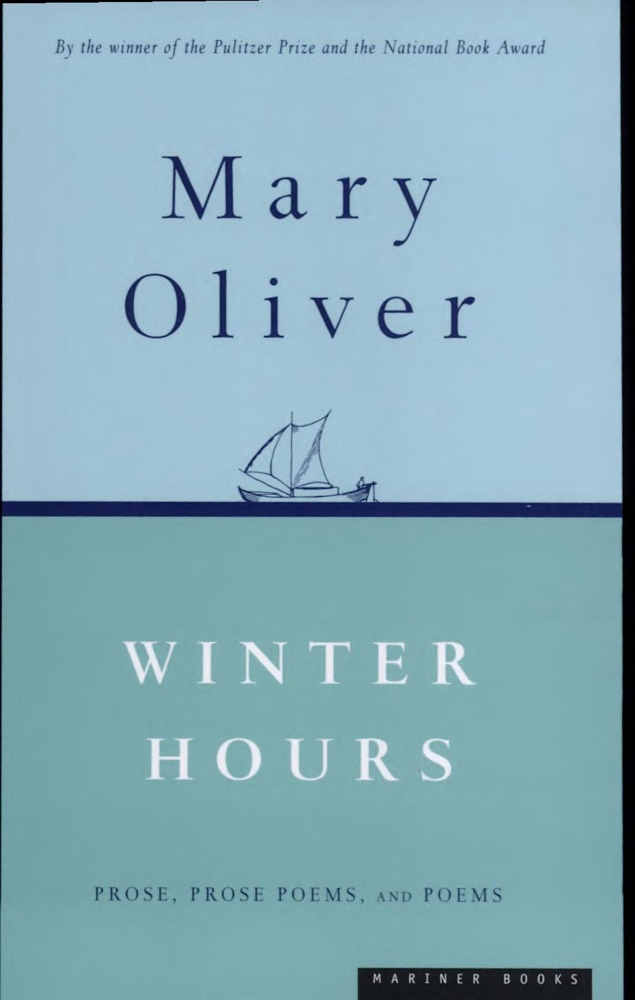 Winter Hours: Prose, Prose Poems, and Poems
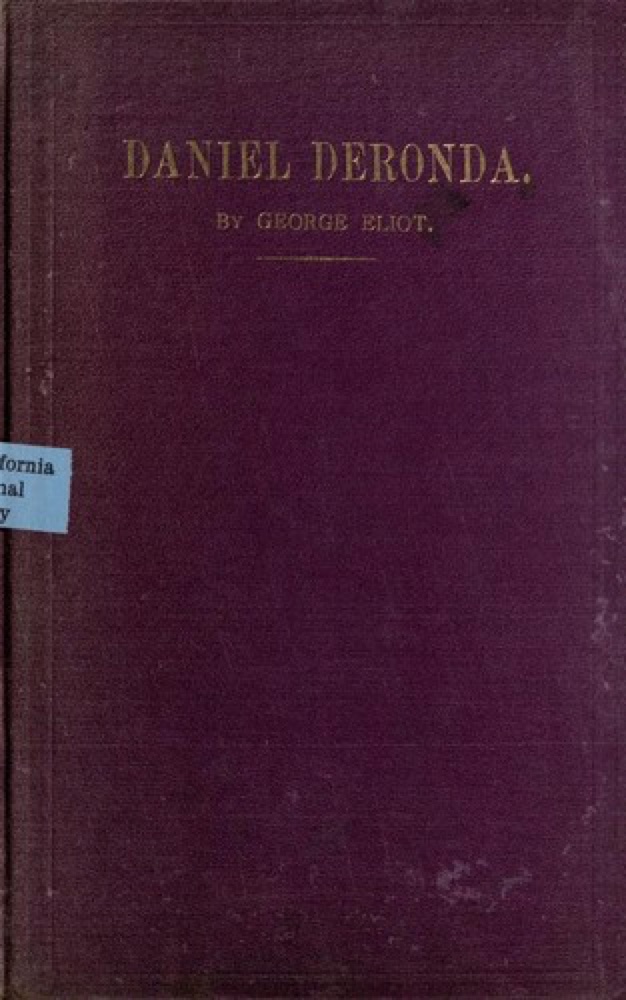 Daniel Deronda
 The Luminaries
 A Lion Among Men
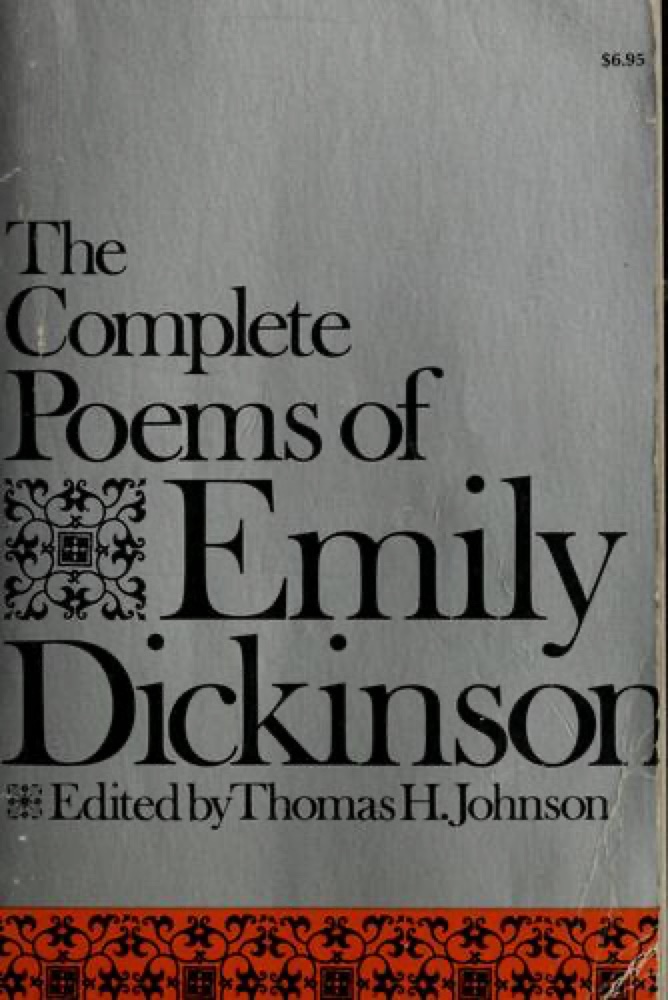 The Complete Poems of Emily Dickinson
 Weaveworld
 Saturday
 Three Comrades
 The Goldfinch
 The Sea, the Sea
 In the Heart of the Heart of the Country and Other Stories
 Embers
 The Tunnel
 Rebecca
 The Narrow Road to the Deep North
 Winter
 Selected Stories