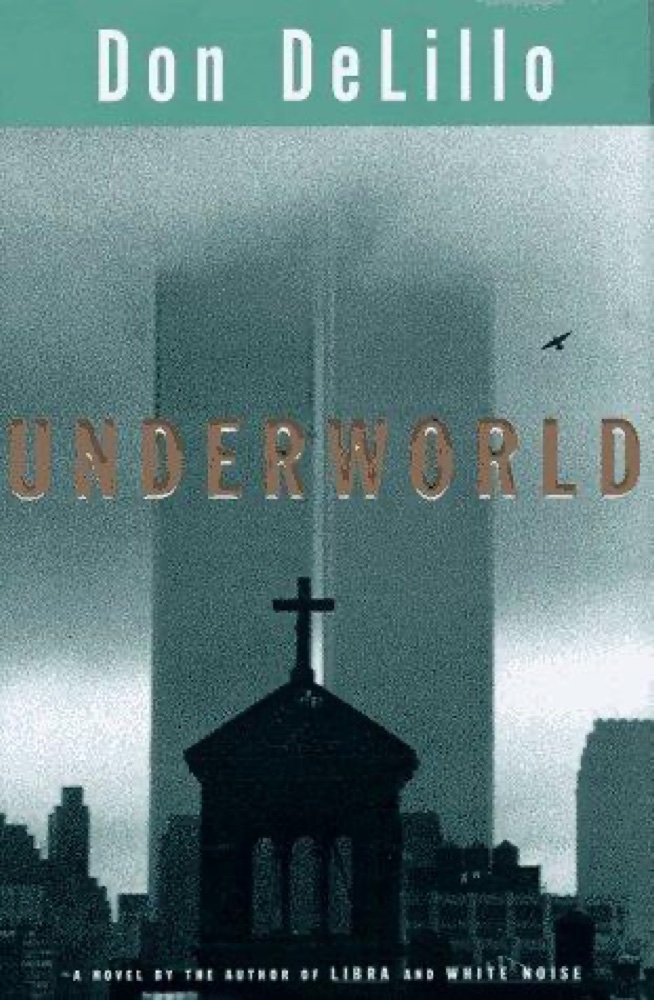
 Underworld
Quotes from the Book
I tend to agree with the theory that if you want to keep a memory pristine, you must not call upon it too often, for each time it is revisited, you alter it irrevocably, remembering not the original impression left by experience but the last time you recalled it. With tiny differences creeping in at each cycle, the exercise of our memory does not bring us closer to the past but draws us further away.
44
As for me, I see both beauty and the dark side of the things; the loveliness of cornfields and full sails, but the ruin as the well. And I see them at the same time, and chary of that ecstasy. The Japanese have a phrase for this dual perception: mono no aware. It means "beauty tinged with sadness," for there cannot be any real beauty without the indolic whiff of decay. For me, living is the same thing as dying, and loving is the same thing as losing, and this does not make me a madwoman; I believe it can make me better at living, and better at loving, and, just possibly, better at seeing.
24
I believe that photographs actually rob all of us of our memory.
10
Maybe you’ve made something mediocre—there’s plenty of that in any artist’s cabinets—but something mediocre is better than nothing, and often the near-misses, as I call them, are the beckoning hands that bring you to perfection just around the blind corner.
7
…we can only hope that the evocative Welsh word hiraeth will be preserved. It means ‘distant pain’, and I know all about it…But, and this is important, it always refers to a near-umbilical attachment to a place, not just free-floating nostalgia or a droopy houndlike wistfulness of the longing we associate with human love. No, this is a word about the pain of loving a place.
7
The proverbial hospitality of the South may be selectively extended but it is not a myth.
5
You lost the remembrance of pain through inflicting it.
5
Before the invention of photography, significant moments in the flow of our lives would be like rocks placed in a stream: impediments that demonstrated but didn’t diminish the volume of the flow and around which accrued the debris of memory, rich in sight, smell, taste, and sound. No snapshot can do what the attractive mnemonic impediment can: when we outsource that work to the camera, our ability to remember is diminished and what memories we have are impoverished.
4
The writer Lee Smith, who once had a New York copy editor query in the margin of her manuscript “Double-wide what?” tells a perfectly marvelous, spot-on story about Eudora Welty when she came to Hollins College, where Smith was a student. Welty read a short story in which one female character presents another with a marble cake. In the back of the audience Smith noted a group of leather-elbowed, goatee-sporting PhD candidates, all of whom were getting pretty excited. One started waving his hand as soon as she stopped reading and said, “Miz Welty, how did you come up with that powerful symbol of the marble cake, with the feminine and masculine, the yin and the yang, the Freudian and the Jungian all mixed together like that?” Smith reported that Welty looked at him from the lectern without saying anything for a while. Finally she replied mildly, “Well, you see, it’s a recipe that’s been in my family for some time.
4
think my father came to believe long ago what Rhett Butler told Scarlett: reputation is something people with character can do without. Character and character
4
When I was shooting with collodion, I wasn’t just snapping a picture. I was fashioning, with fetishistic ceremony, an object whose ragged black edges gave it the appearance of having been torn from time itself.
3
As ephemeral as our footprints were in the sand along the river, so also were those moments of childhood caught in the photographs. And so will be our family itself, our marriage, the children who enriched it, and the love that has carried us through so much. All this will be gone. What we hope will remain are these pictures telling our brief story, but what will last, beyond all of it, is the place.
2
That's the way it sometimes goes for me: I start on a new series of pictures and right away, in some kind of perverse bait-and-switch, I get a good one. This freak of a good picture inevitably inspires a cocky confidence, making me think this new project will be a stroll in the park. But, then, after sometimes two or three more good ones, the next dozen are duds, and that cavalier stroll becomes an uphill slog. It isn't long before I have to take a breather, having reached the first significant plateau of doubt and lightweight despair. The voice of that despair suggests seducingly to me that I should give it up, that I'm a phony, that I've made all the good pictures I'm ever going to, and I have nothing more worth saying. That voice is easy to believe, and, as photographer and essayist (and my early mentor) Ted Orland has noted, it leaves me with only two choices: I can resume the slog and take more pictures, thereby risking further failure and despair, or I can guarantee failure and despair by not making more pictures. It's essentially a decision between uncertainty and certainty and, curiously, uncertainty is the comforting choice.
2
Part of the artist's job is to make the commonplace singular, to project a different interpretation onto the conventional.
2
How can a sentient person of the modern age mistake photography for reality? All perception is selection, and all photographs--no matter how objectively journalistic the photographer's intent--exclude aspects of the moment's complexity. Photographs economize the truth; they are always moments more or less illusorily abducted from time's continuum.
2
The Texas Republic, whose constitution expressed an overheated enthusiasm for America’s peculiar institution, had been created in 1836 in part as a way for slave-owners to keep their human property by effectively seceding from Mexico where slavery was illegal. These are well-known facts, except possibly in Texas,
2
I smoked, I drank, I skipped classes, I snuck out, I took drugs, I stole quarts of ice cream for my dorm by breaking into the kitchen storerooms, I made out with my boyfriends in the library basement, I hitchhiked into town and down I-91, and when caught, I weaseled out of all of it . . . There is no need to switch on the fog machine of ambiguity around these facts: I was still a problem child.
2
I will confess that in the interest of narrative I secretly hoped I'd find a payload of southern gothic: deceit and scandal, alcoholism, domestic abuse, car crashes, bogeymen, clandestine affairs, dearly loved and disputed family land, abandonments, blow jobs, suicides, hidden addictions, the tragically early death of a beautiful bride, racial complications, vast sums of money made and lost, the return of a prodigal son, and maybe even bloody murder. If any of this stuff lay hidden in my family history, I had the distinct sense I'd find it in those twine-bound boxes in the attic. And I did: all of it and more.
2
Certain moments in the creative process, moments when I am really seeing, are weirdly expansive, and I develop a hyper-attuned visual awareness, like the aura-ringed optical field before a migraine. Radiance coalesces about the landscape, rich in possibility, supercharged with something electric, insistent. Time slows down, becomes ecstatic.
1
If you want to keep a memory pristine, you must not call upon it too often, for each time it is revisited, you alter it irrevocably, remembering not the original impression left by experience but the last time you recalled it.
1
The act of looking appraisingly at a man, studying his body and asking to photograph him, is a brazen venture for a woman; for a male photographer, these acts are commonplace, even expected.
1
[...] this is the way our minds recall and our hearts remember.
There are nimble justifications for making potentially injurious imagery, some grounded in expediency and others cloaked with the familiar Faulknerian conceit: “If a writer has to rob his mother, he will not hesitate; the ‘Ode on a Grecian Urn’ is worth any number of old ladies.” But most of us are not Keatsian in our talents, so does our lesser work deserve what my friend the writer Jim Lewis calls “Faulkner’s moral pass”? Lewis thinks not: “An asshole who makes great art is an asshole who makes great art; but an asshole who makes lousy art is just an asshole.
I think my father came to believe long ago what Rhett Butler told Scarlett: reputation is something people with character can do without.
But, while bodacious and impious, my father was also compassionate. He believed in socialized medicine, stating often that medical care is like education: everyone should have access to it. When the community doctors met and agreed to raise the rates for an office visit to seven dollars, Daddy lowered his to five. My mother, who at first kept his books, despaired of his refusal to charge those who could not afford to pay. She once saw a patient who had not paid for the last several babies my father had delivered by lantern light at his remote home. The man was leaving the liquor store with an armload of bourbon as she was going in. Indignantly she confronted my father about it at dinner that night and he responded flatly, “If you owed the doctor as much as that man owes me, you would want a drink, too.
And, of course, there was also in the attic the residue of my own unexamined past: the many variously sized boxes, secured with brittle masking tape, containing letters, journals, childhood drawings, and photographs. These had been left untouched for decades as I ignored Joan Didion’s sage advice to remain on nodding terms, at least, with the people we used to be, lest they show up to settle accounts at some dark 4:00 a.m. of the soul.
Photographs economize the truth; they are always moments more or less illusorily abducted from time’s continuum.
I remembered how Alfred Stieglitz, by making the altogether too-perfect images of Brancusi’s sculptures, provoked Brancusi to grab up his own camera and overexpose, blur, and generally screw up his way to photographic sublimity.
Watch on YouTube
About Sally Mann
We have collected 28 quotes from 1 book by Sally Mann on BookQuoters.
More about the author →About the book
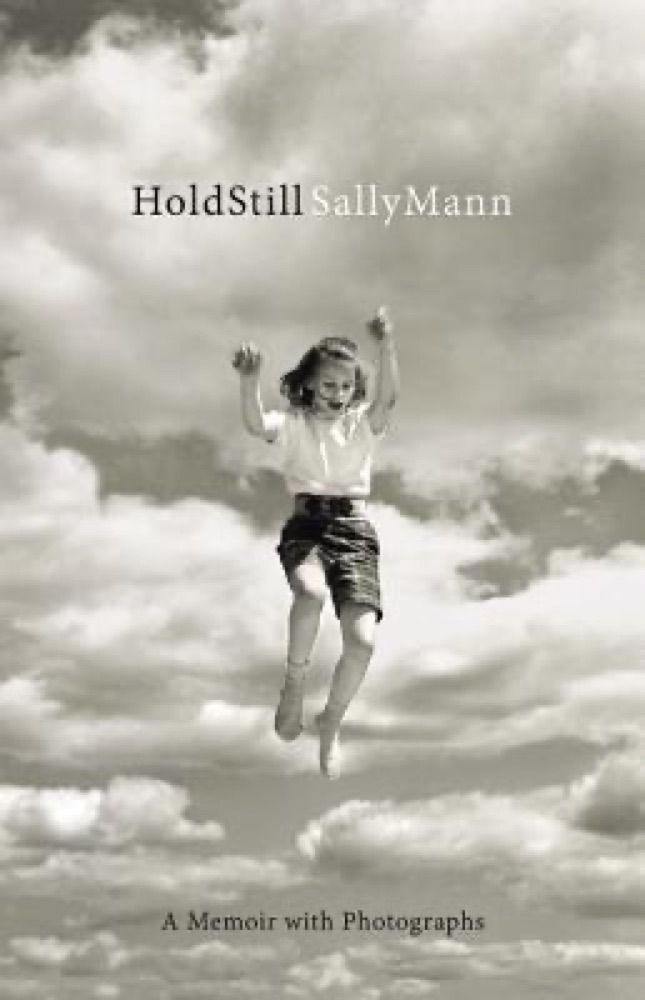
A revealing and beautifully written memoir and family history from acclaimed photographer Sally Mann.
In this groundbreaking book, a unique interplay of narrative and image, Mann's preoccupation with family, race, mortality, and the storied landscape of the American South are revealed as almost genetically predetermined, written into her DNA by the family history that precedes her.
Sorting through boxes of family papers and yellowed photographs she finds more than she bargained for: "deceit and scandal, alcohol, domestic abuse, car crashes, bogeymen, clandestine affairs, dearly loved and disputed family land . . . racial complications, vast sums of money made and lost, the return of the prodigal son, and maybe even bloody murder."
In lyrical prose and startlingly revealing photographs, she crafts a totally original form of personal history that has the page-turning drama of a gr
Book details
- First published
- 2015
- Author
- Sally Mann
- Genre
- Biography
- Goodreads rating
- 4.07 (9k ratings)
Keep reading
Underworld
 Lost Children Archive
 Speak, Memory
 The Hidden Girl and Other Stories
 In Memory of Memory
 Camera Lucida: Reflections on Photography
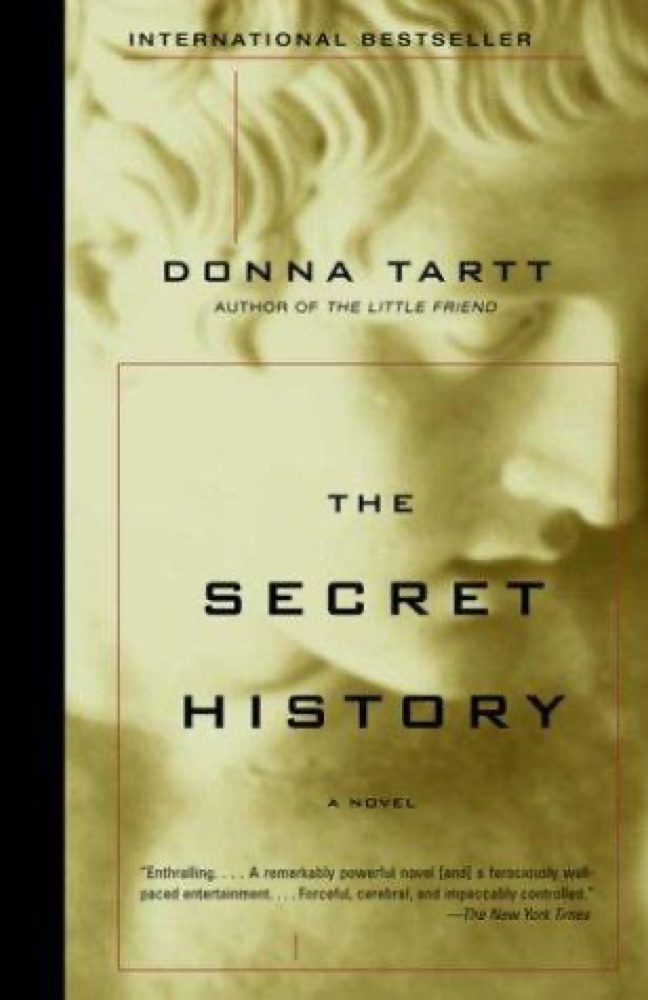 The Secret History
 Mao II
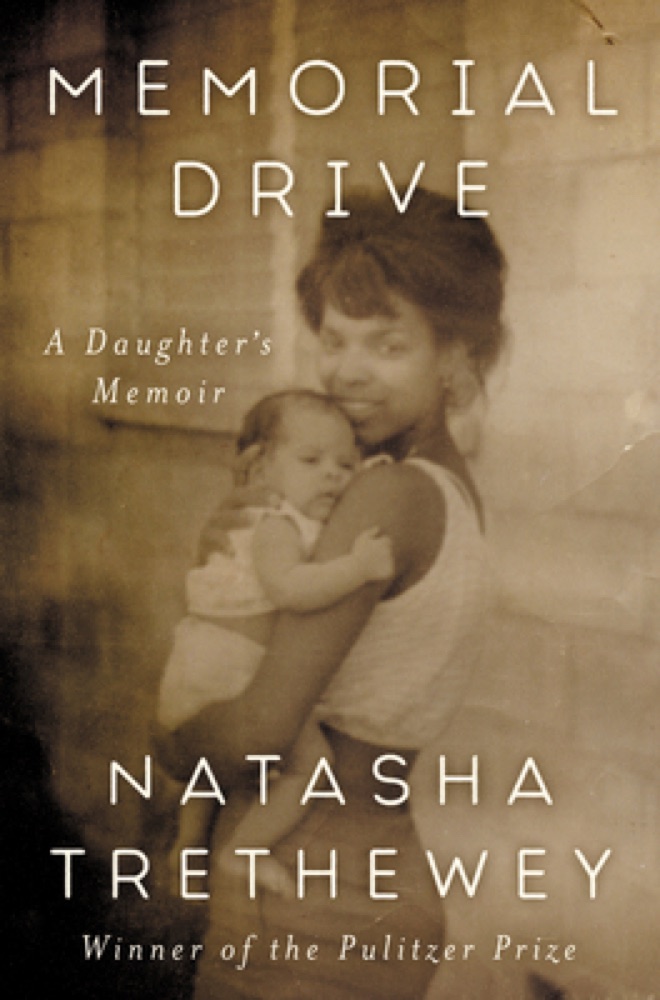 Memorial Drive: A Daughter's Memoir
 The Tsar of Love and Techno
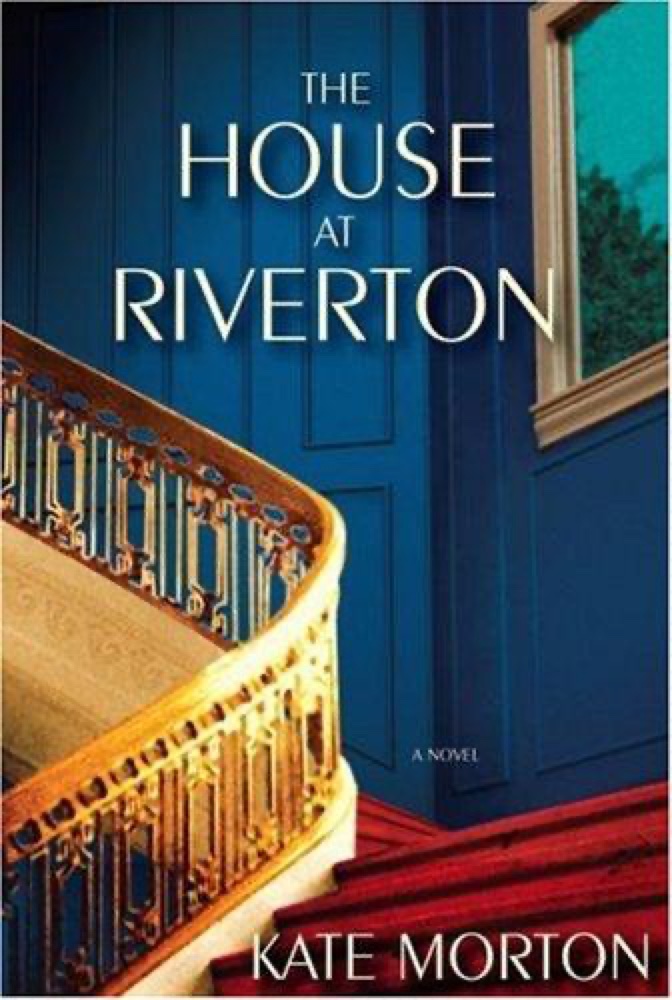 The House at Riverton
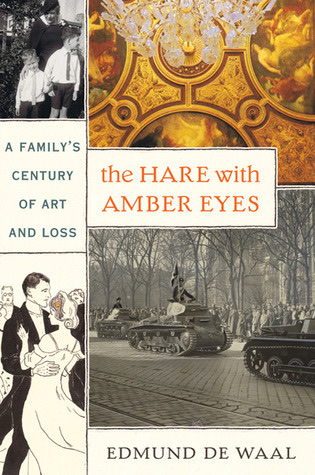 The Hare With Amber Eyes: A Family's Century of Art and Loss
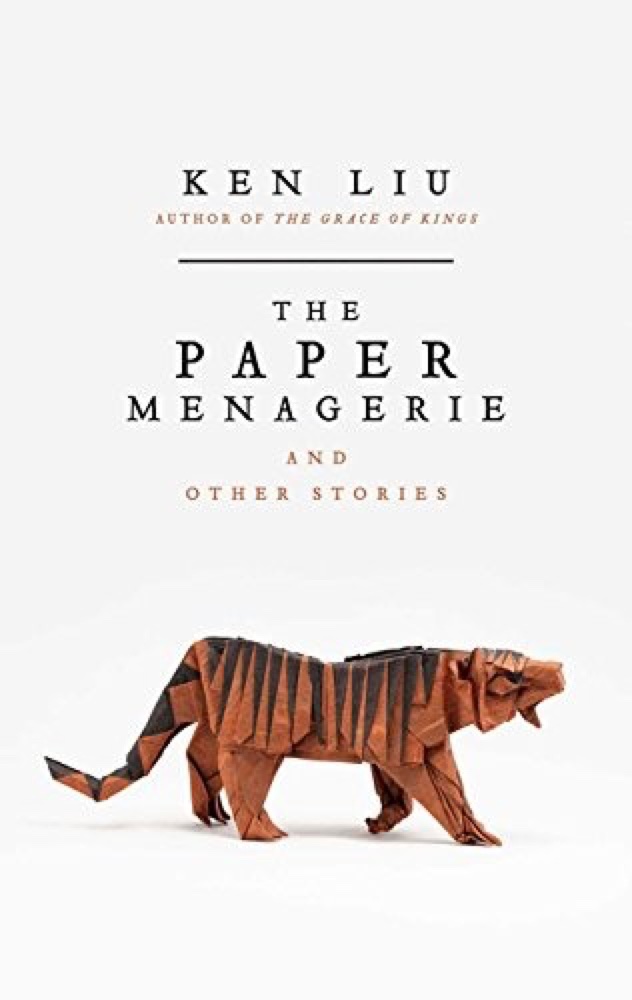 The Paper Menagerie and Other Stories
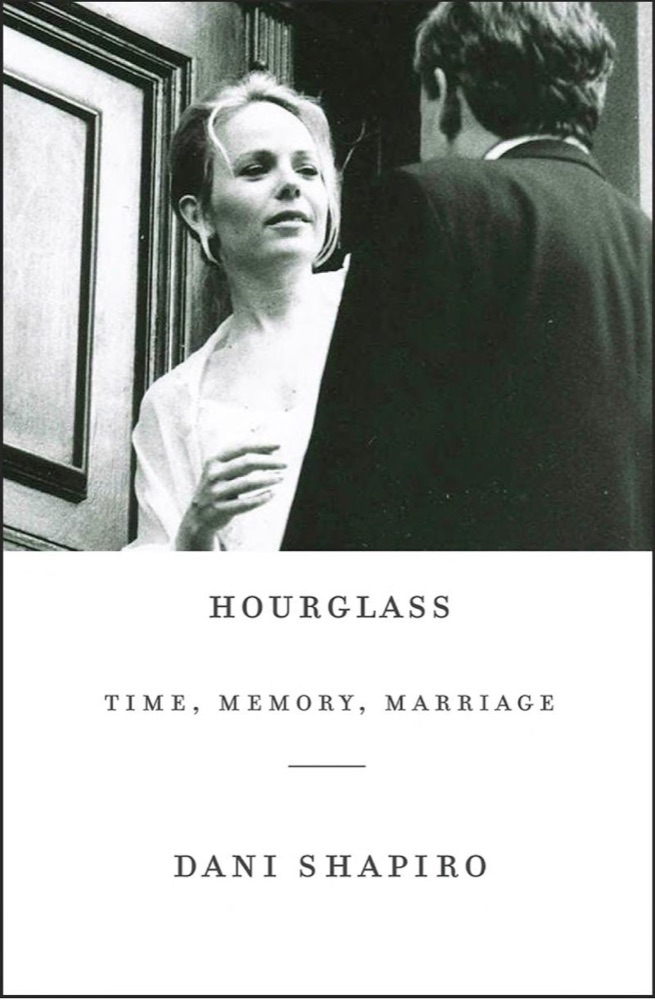 Hourglass: Time, Memory, Marriage
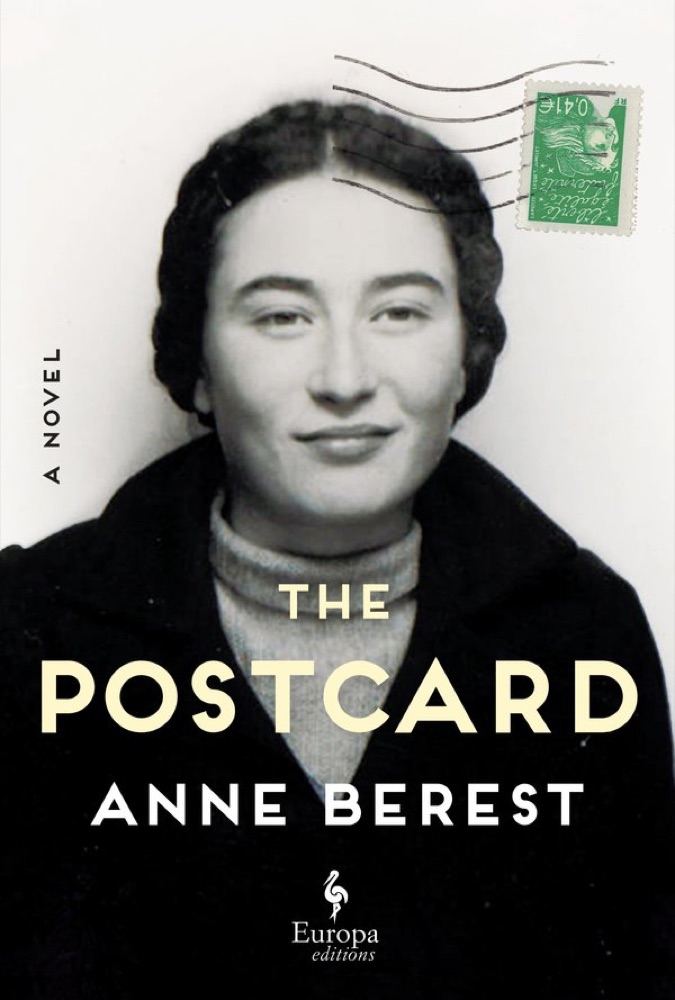 The Postcard
 Flights
 Fugitive Pieces
 The Likeness
 Illuminations: Essays and Reflections
 The Recognitions
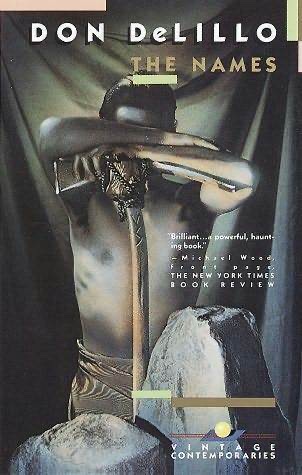 The Names
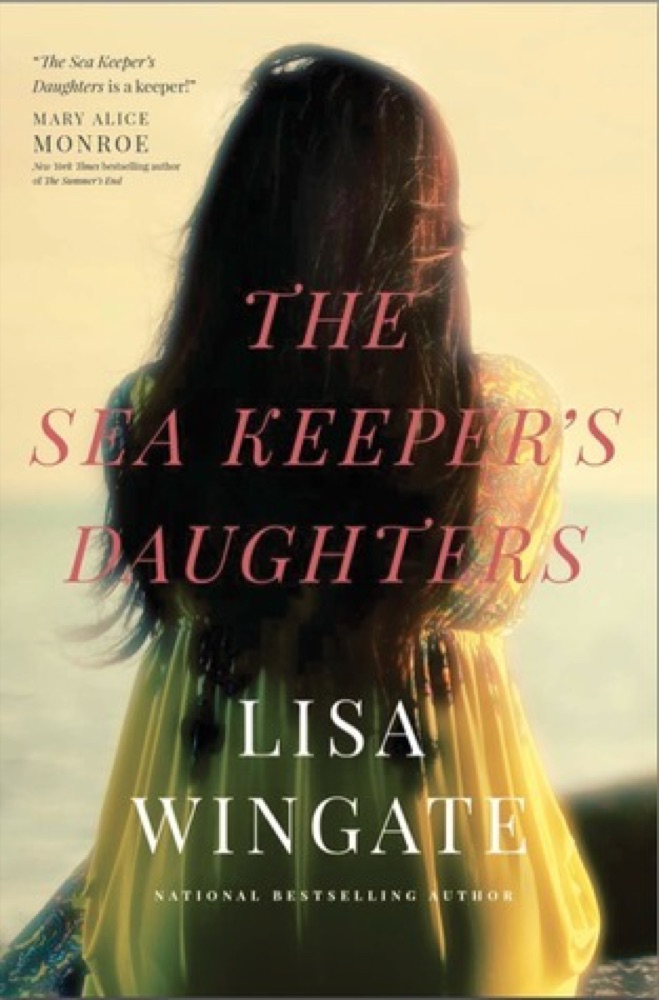 The Sea Keeper's Daughters
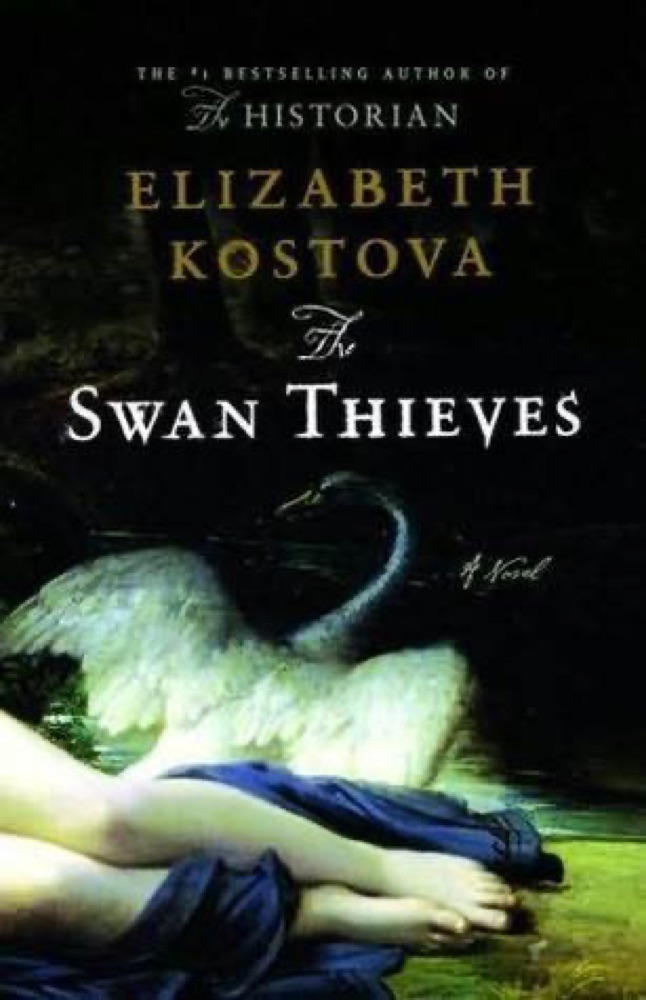 The Swan Thieves
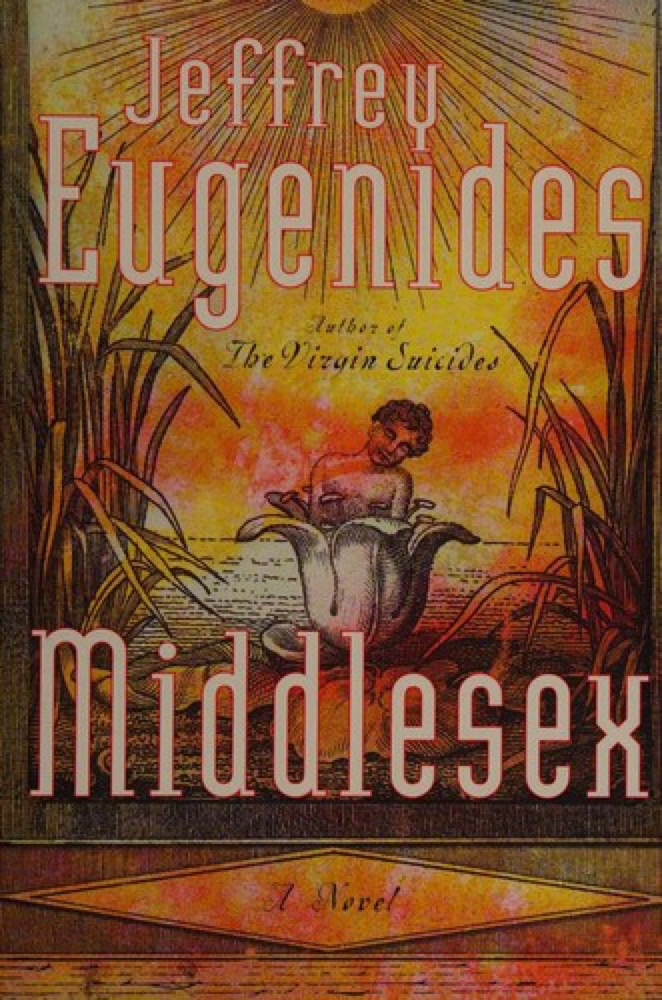 Middlesex
 What I Loved
 Swann's Way
 Angle of Repose
 The Sweet Taste of Muscadines
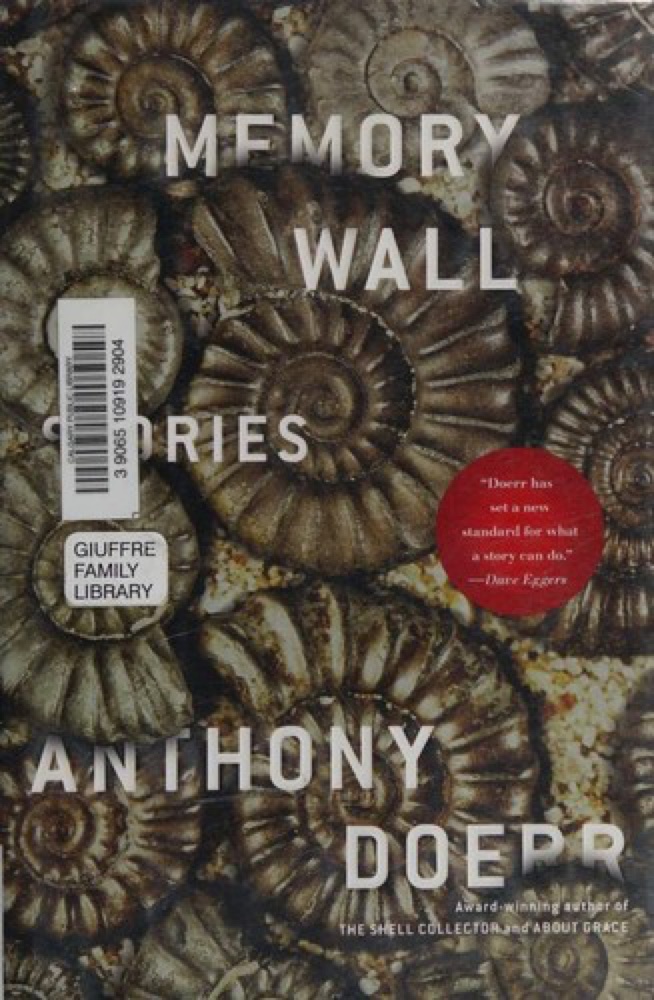 Memory Wall
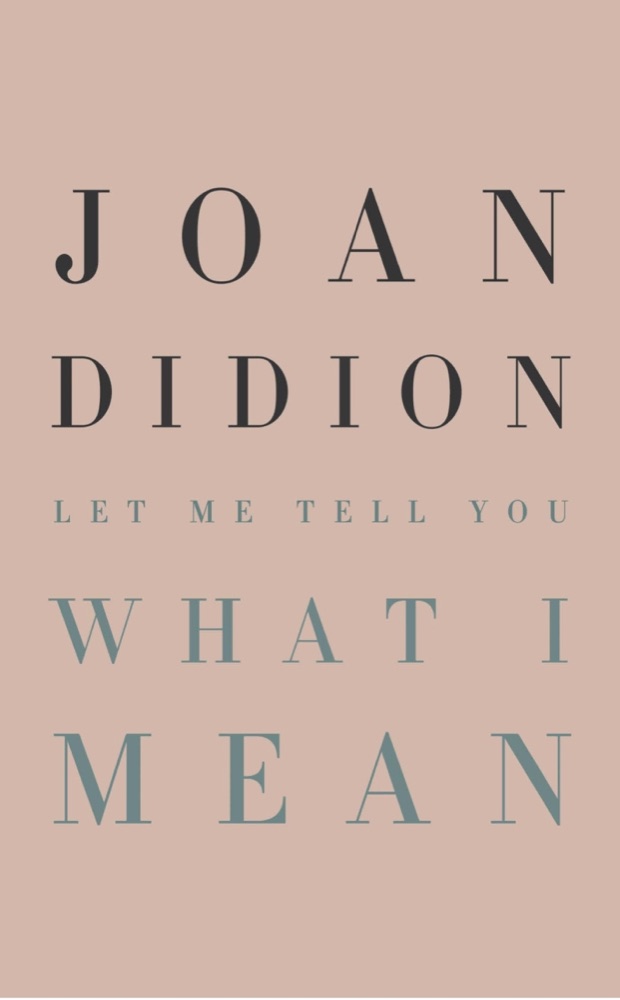 Let Me Tell You What I Mean
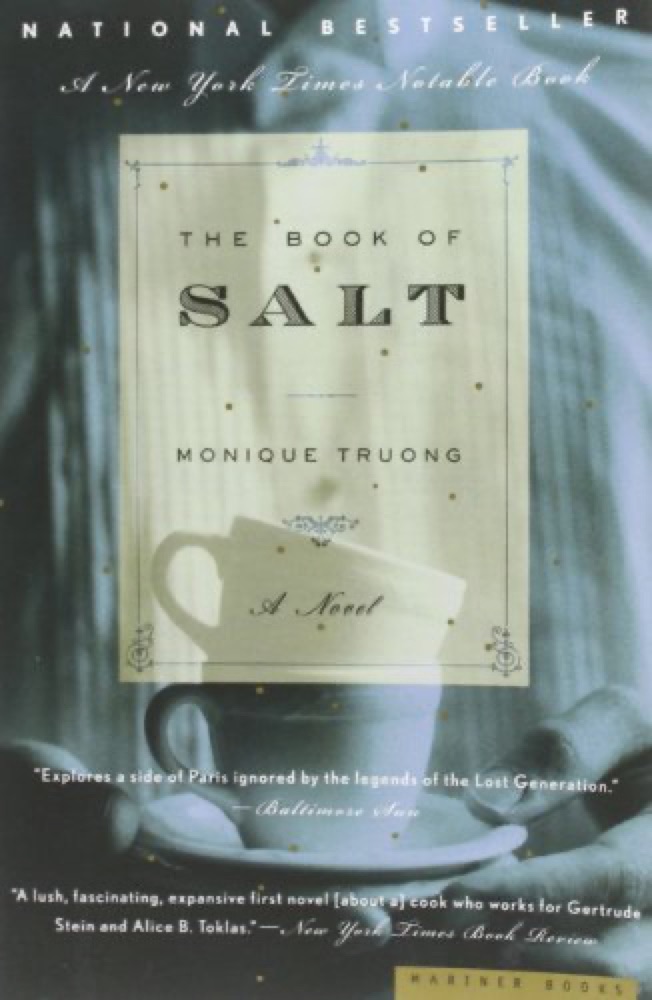 The Book of Salt
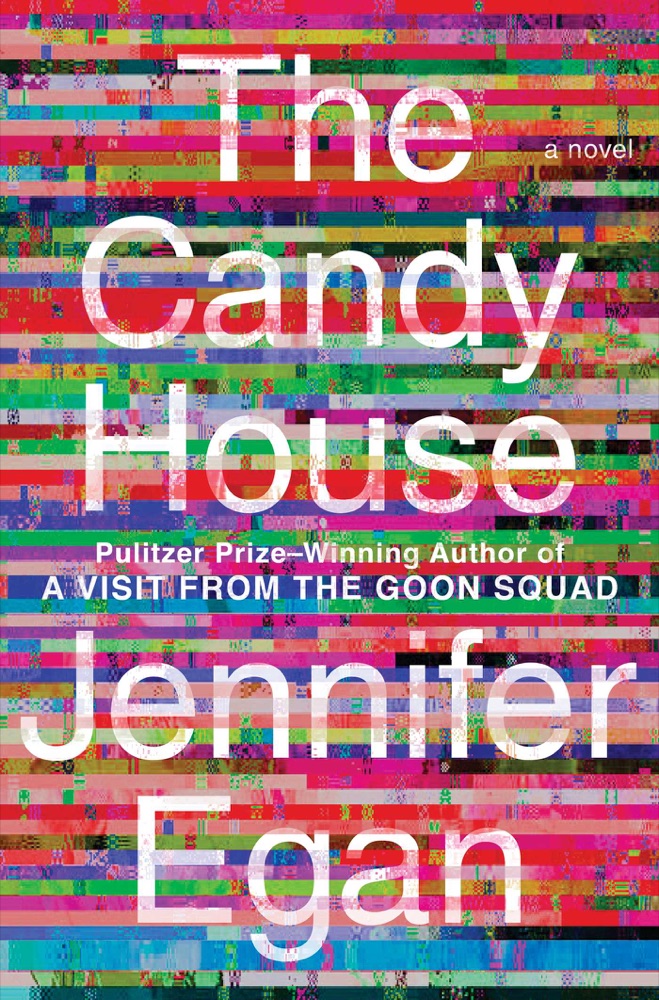 The Candy House
 Sixty Stories
 Divisadero
 Ilustrado
 Shame
Shame
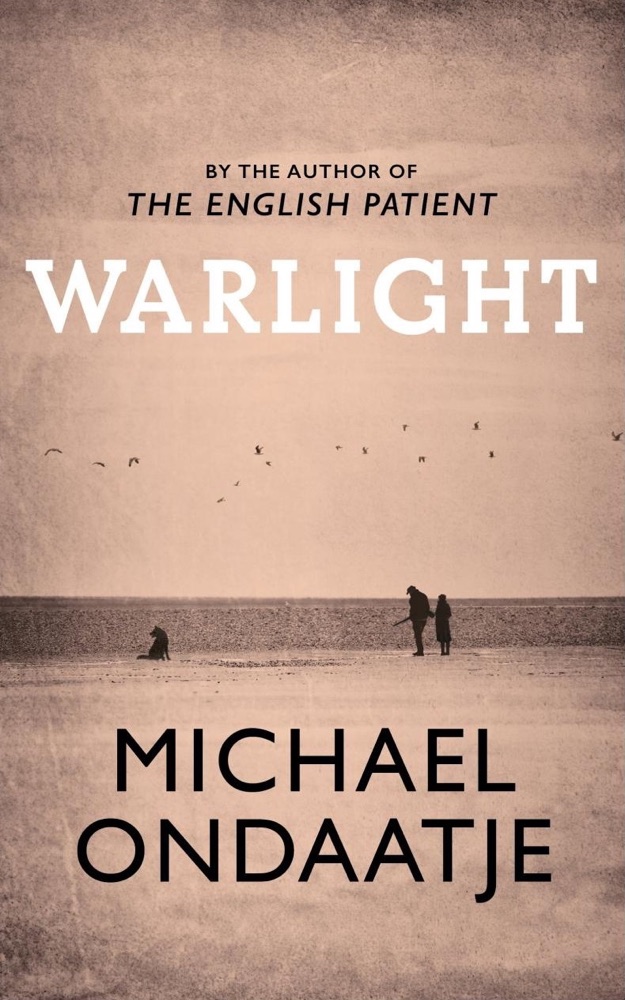 Warlight
 White Tears
 Blue Nights
 The Glass Hotel
 The Summer Without Men
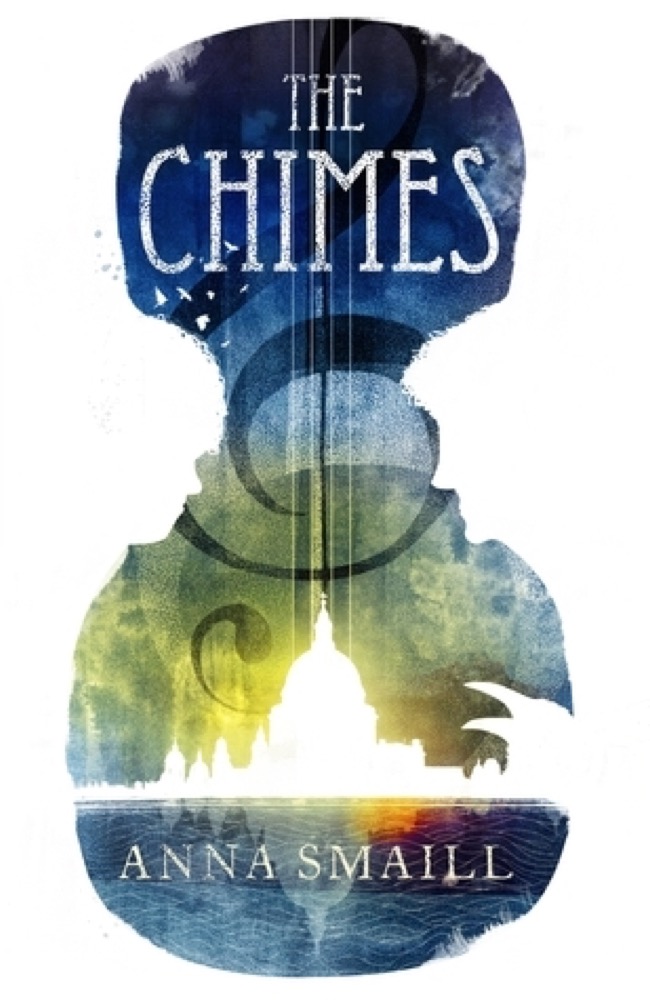 The Chimes
 The Sorrows of an American
 The White Album
 Make It Scream, Make It Burn
 Coventry: Essays
 Time Regained
 Horror Stories: A Memoir
 Imagine Me Gone
 Inheritance: A Memoir of Genealogy, Paternity, and Love
 Asymmetry
 The Shock of the Fall
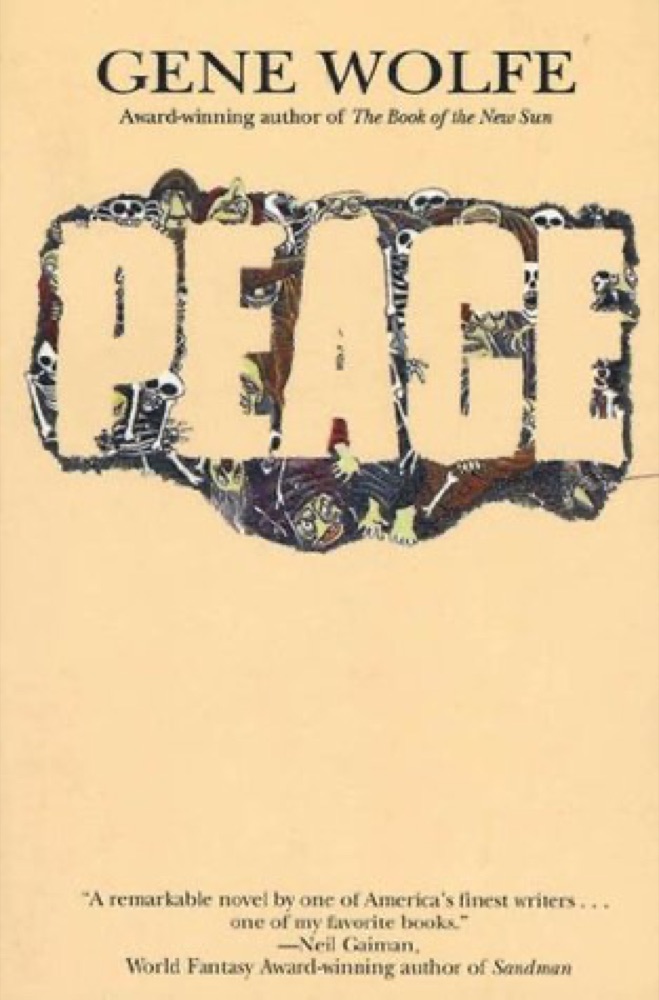 Peace
Peace
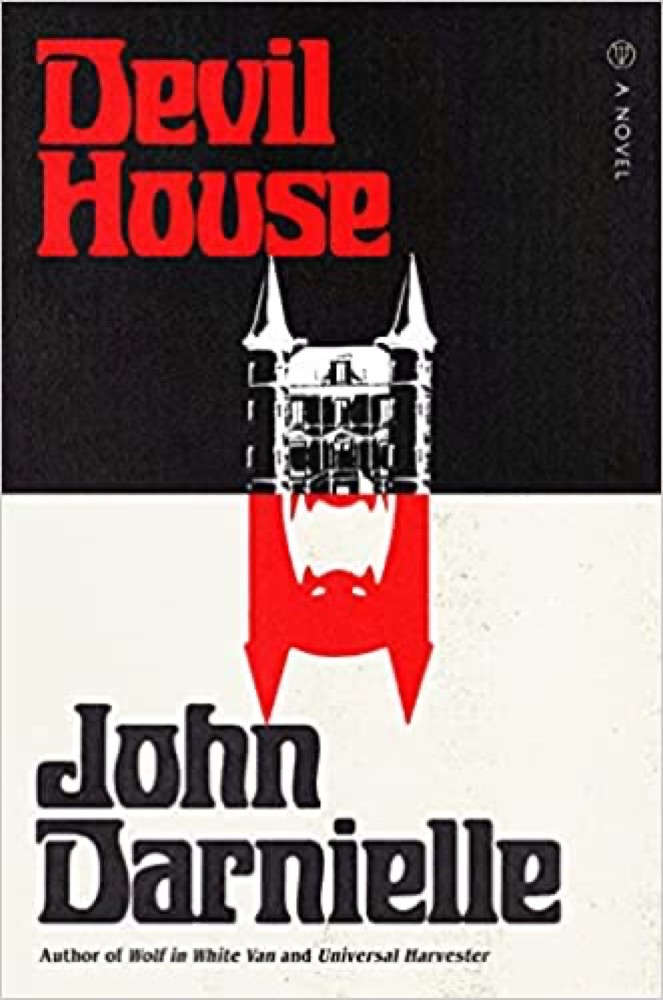 Devil House
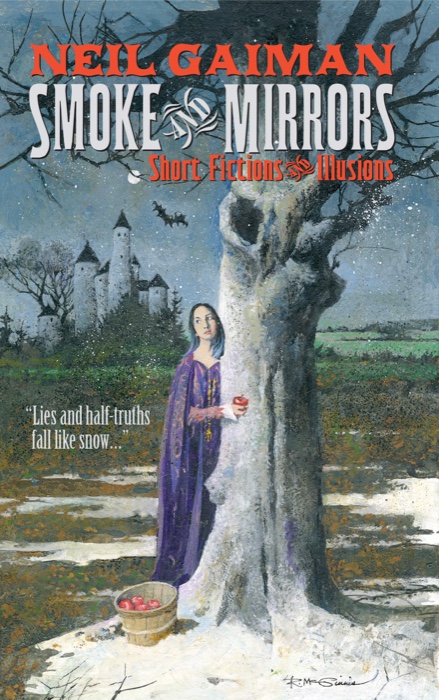 Smoke and Mirrors: Short Fiction and Illusions
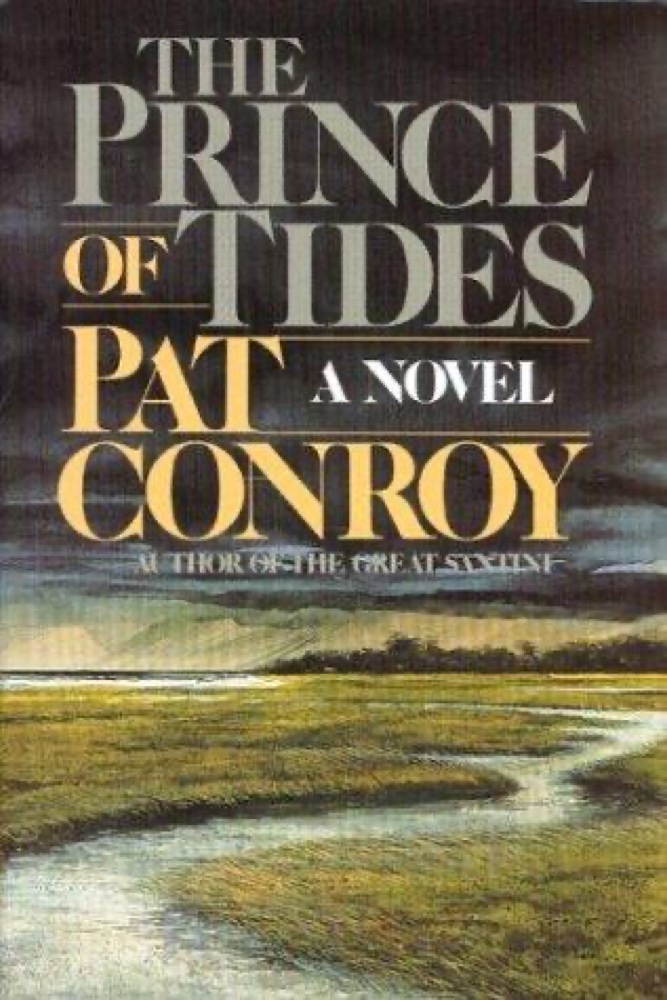 The Prince of Tides
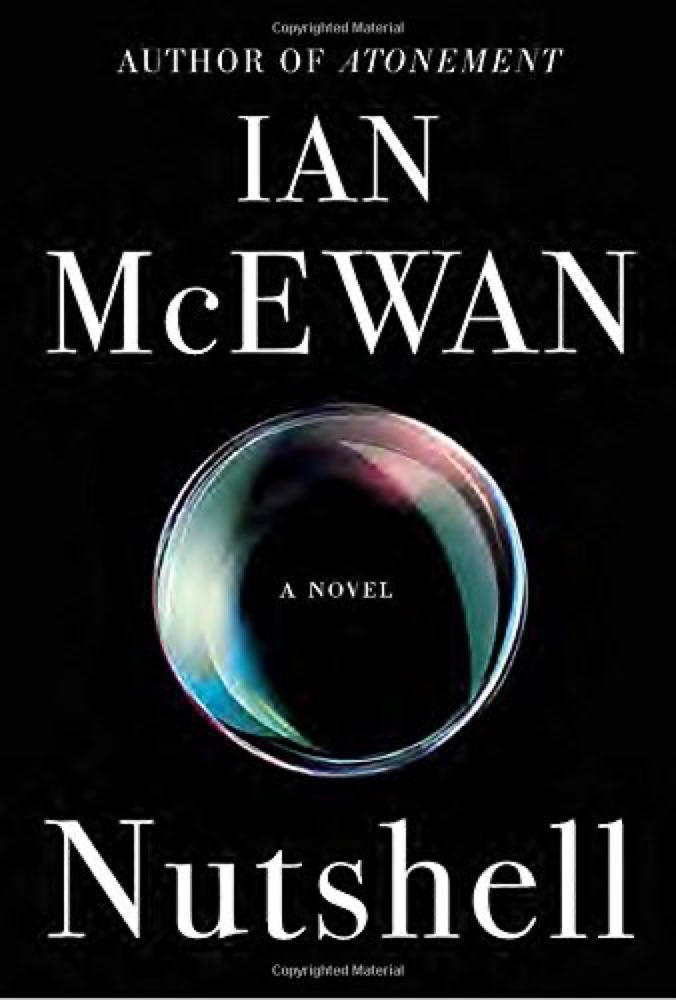 Nutshell
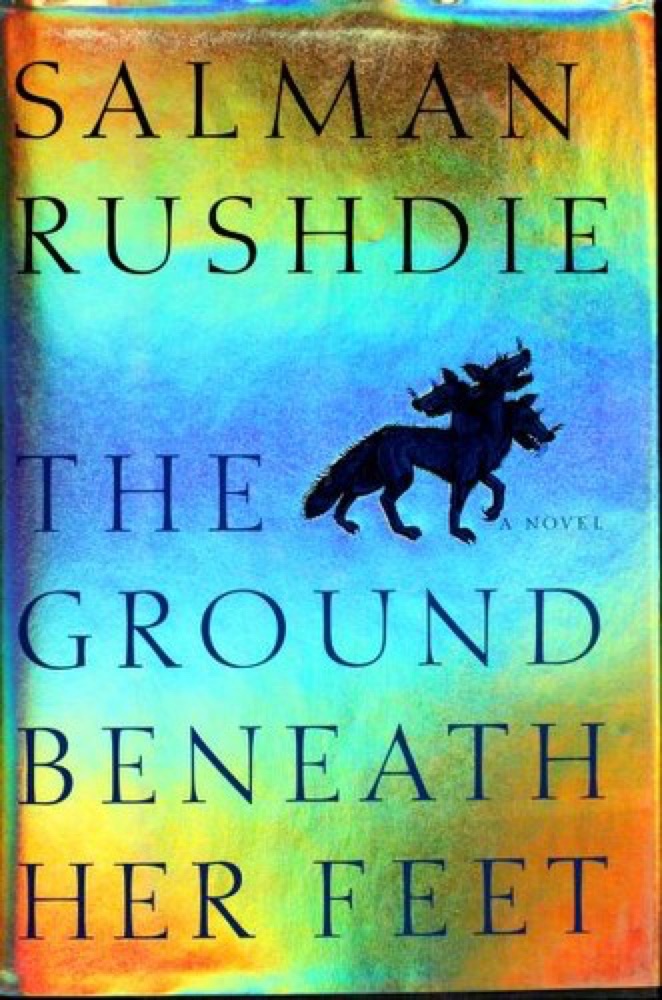 The Ground Beneath Her Feet
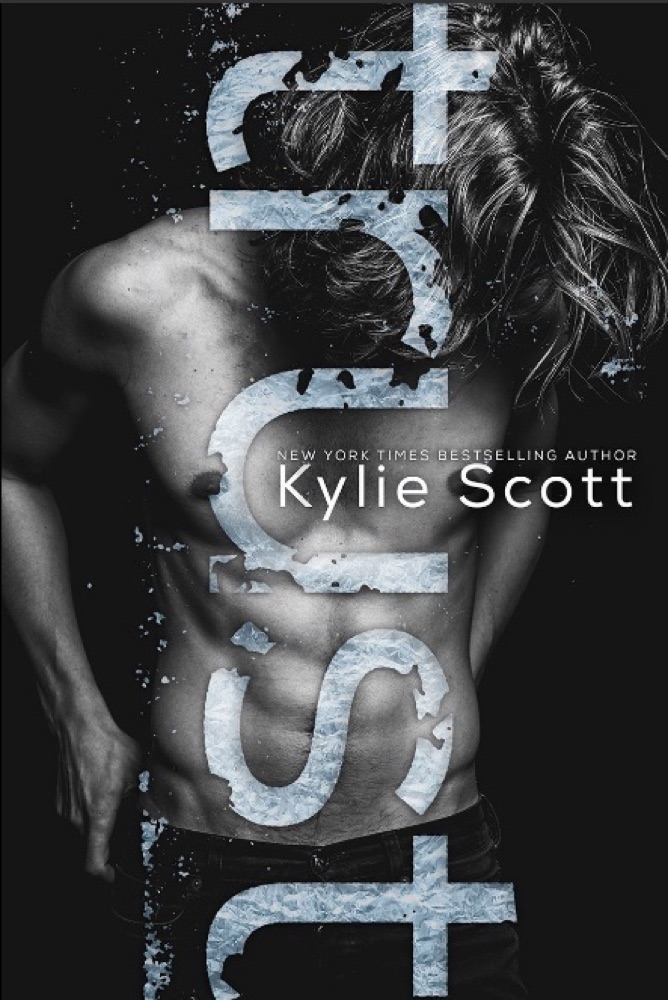 Trust
Trust
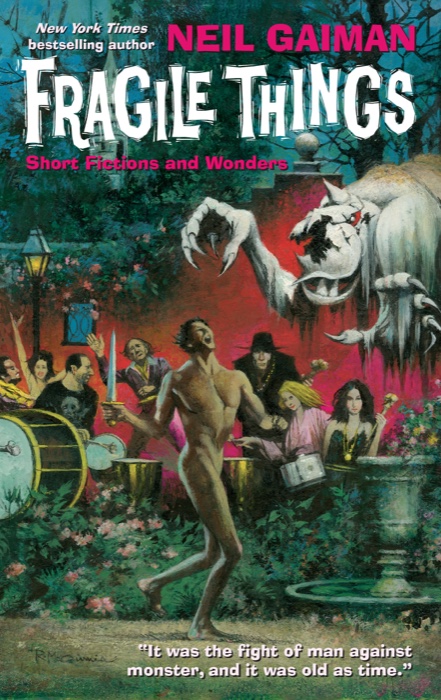 Fragile Things: Short Fictions and Wonders