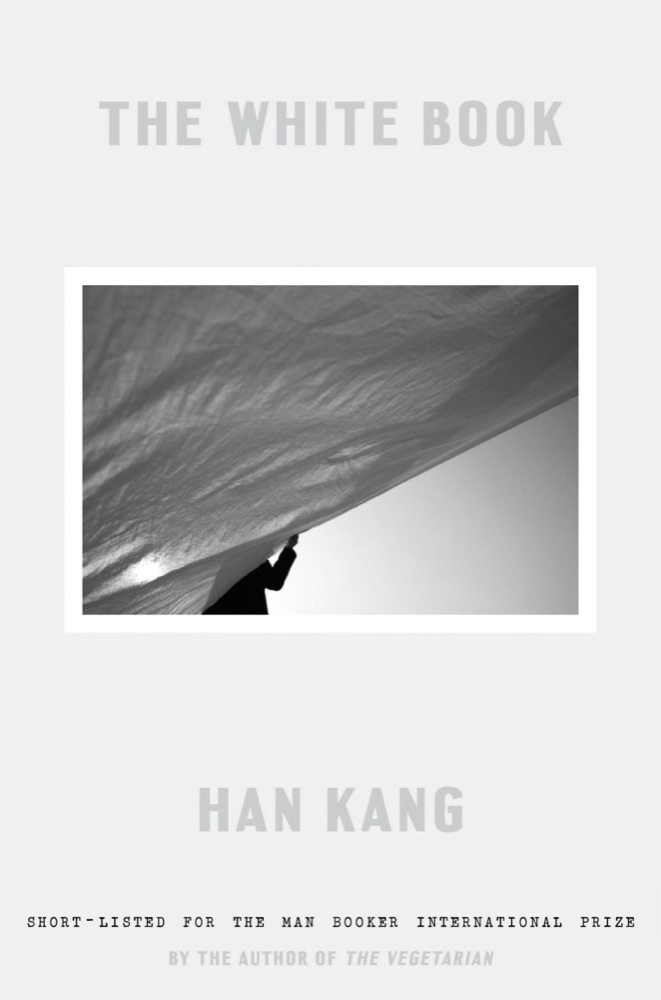

 The Vegetarian
Quotes from the Book
Standing at this border where land and water meet, watching the seemingly endless recurrence of the waves (though this eternity is in fact illusion: the earth will one day vanish, everything will one day vanish), the fact that our lives are no more than brief instants is felt with unequivocal clarity.
55
There are certain memories that remain inviolate to the ravages of time. And to those of suffering. It is not true that everything is colored by time and suffering. It is not true that they bring everything to ruin.
37
Each moment is a leap forwards from the brink of an invisible cliff, where time’s keen edges are constantly renewed. We lift our foot from the solid ground of all our life lived thus far, and take that perilous step out into the empty air. Not because we can claim any particular courage, but because there is no other way.
33
Looking at herself in the mirror, she never forgot that death was hovering behind that face. Faint yet tenacious, like black writing bleeding through thin paper.
21
Now and then, the passage of time seems acutely apparent. Physical pain always sharpens the awareness.
20
Learning to love life again is a long and complicated process
19
Sand And she frequently forgot, That her body (all our bodies) is a house of sand. That it had shattered and is shattering still. Slipping stubbornly through fingers.
19
White hair. She remembers one of her bosses, a middle-aged man who used to say how he longed to see a former lover again in old age, when her hair would be feather-white. When we’re really old... when every single strand of our hair has gone white, I want to see her then, absolutely. If there was a time when he would want to see her again, it would certainly be then. When both young and flesh would have fallen away. When there would be no time left for desire. When only one thing would remain to be done once that meeting was over: to separate. To part from their own bodies, and thus to part forever.
19
Now and then she finds herself wondering, and not out of self-pity, but with a detached, almost idle curiosity: If you could add up all the pills she’d ever taken, what would the total be? How many hours of pain has she lived through? As though life itself wished to impede her progress, she was brought up short again and again. As though the force that prevents her moving forward to the light stands always at the ready inside her own body. All those hours when she had lost her way, in hesitation and in doubt. How many would there be? How many small white pills?
15
There is none of us whom life regards with any partiality. Sleet falls as she walks these streets, holding this knowledge inside her. Sleet that leaves cheeks and eyebrows heavy with moisture. Everything passes.
13
This life needed only one of us to live. If you had lived beyond those first few hours, I would not be living now. My life means yours is impossible. Only in the gap between darkness and light, only in that blue-tinged breach, do we manage to make out each other’s faces.
12
I hold nothing dear. Not the place where I live, not the door I pass through every day, not even, damn it, my life.
10
Breath-cloud. On cold mornings, that first white cloud of escaping breath is proof that we are living. Proof of our bodies’ warmth. Cold air rushes into dark lungs, soaks up the heat of our body and is exhaled as perceptible form, white flecked with grey. Our lives’ miraculous diffusion, out into the empty air.
10
The more stubborn the isolation, the more vivid these unlooked-for fragments, the more oppressive their weight. So that it seems the place I flee to is not so much a city on the other side of the world as further into my own interior.
9
That human beings are also constructed of something other than flesh and muscle seemed to her like a strange stroke of luck.
7
At times my body feels like a prison, a solid, shifting island threading through the crowd.
7
Were it not the case that life stretches out in a straight line, she might at some point become aware of having rounded a bend. Bringing, perhaps, the realisation that nothing of that past could now be glimpsed were she to cast a quick glance over her shoulder.
6
If there was a time when he would want to see her again, it would certainly be then. When both youth and flesh would have fallen away. When there would be no time left for desire. When only one thing would remain to be done once that meeting was over: to separate. To part from their own bodies, and thus to part forever.
4
because at some point you'll inevitably cast me aside. When I am at my weakest, when I'm most in need of help, You will turn your back on me, cold and irrevocable. And that is something perfectly clear to me. And I cannot now return to the time before that knowledge.
4
Why do old memories constantly drift to the surface here In this unfamiliar city? When I go out into the streets, the scraps of conversation that pull into focus when the speaker brushes past me, the words stamped on street and stop signs, are almost all incomprehensible. At times my body feels like a prison, a solid, shifting island threading through the crowd. A sealed chamber carrying all the memories of the life I have lived and the mother tongue from which they are inseparable. The more stubborn the isolation, the more vivid these unlooked-for fragments, the more oppressive their weight. So that it seems the place I flee to is not so much a city on the other side of the world as further into my own interior.
4
Is it because of some billowing whiteness within us, unsullied, inviolate, that our encounters with objects so pristine never fail to leave us moved?
4
When only one thing would remain to be done once that meeting was over: to separate. To part from their own bodies, and thus to part forever.
3
Her spirit still had flesh to house it. Like the remaining section of a ruined brick wall, which the bombing had not managed to destroy completely, since moved and incorporated into another structure – from which the blood has been washed clean. Flesh which was now no longer young. As she walked she imitated the steady gait of one who had never been broken. A clean cloth veiling each unstitched place. Doing without farewells, without mourning. If she believes that she has never been shattered, she can believe that she will be shattered no more. And so, there are a few things left to her: To stop lying. To (open her eyes and) remove the veil. To light a candle for all the deaths and spirits she can remember – including her own.
3
Unable to fathom what on earth it could be, this thing so cold, so hostile. This vanishing fragility, this oppressive weight of beauty.
2
Because the girl had never learned language at all. For an hour she had held her eyes open, held them in the direction of our mother's face, but her optic nerves never had time to awaken and so that face had remained beyond reach. For her, there would have been only a voice. Don't die. For God's sake don't die. Unintelligible words, the only words she was ever to hear.
2
Your eyes I saw differently when I looked with your eyes. I walked differently when I walked with your body. I wanted to show you clean things. Before brutality, sadness, despair, filth, pain, clean things that were only for you, clean things above all. But it didn’t come off as I intended. Again and again I peered into your eyes, as though searching for form in a deep, black mirror. If only we’d been living in a city back then, I heard my mother say several times during my childhood. If only an ambulance could have taken me to hospital. If only they’d put her in an incubator, that tiny rice cake of a baby. They were a new thing then, incubators. If only you hadn’t stopped breathing. And had therefore been granted all this life in my stead, I who would then never have been born. If it had been granted to you to go firmly forwards, with your own eyes and your own body, your back to the dark mirror.
2
We lift our foot from the solid ground of all our life lived thus far, and take that perilous step out into the empty air. Not because we can claim any particular courage, but because there is no other way.
2
With those voices, those lights near at hand, our mother's ashes would lie in changeless calm inside a sealed stone drawe.
1
Watch on YouTube
About Han Kang
We have collected 139 quotes from 5 books by Han Kang on BookQuoters.
More about the author →More by Han Kang
About the book
While on a writer’s residency, a nameless narrator focuses on the color white to creatively channel her inner pain. Through lyrical, interconnected stories, she grapples with the tragedy that has haunted her family, attempting to make sense of her older sister’s death using the color white. From trying to imagine her mother’s first time producing breast milk to watching the snow fall and meditating on the impermanence of life, she weaves a poignant, heartfelt story of the omnipresence of grief and the ways we perceive the world around us.
In captivating, starkly beautiful language, The White Book offers a multilayered exploration of color and its absence, of the tenacity and fragility of the human spirit, and of our attempts to graft new life from the ashes of destruction.
Book details
- First published
- 2016
- Author
- Han Kang
- Genre
- Literature
- Goodreads rating
- 3.81 (40k ratings)
The buzz
- The New York TimesReview in The New York Timesprofessional review (via Book Marks)
- The GuardianReview in The Guardianprofessional review (via Book Marks)
- NPRReview in NPRprofessional review (via Book Marks)
- New StatesmanReview in New Statesmanprofessional review (via Book Marks)
- Sydney Morning HeraldReview in Sydney Morning Heraldprofessional review (via Book Marks)
- BooklistReview in Booklistprofessional review (via Book Marks)
Keep reading
 Housekeeping
 Burnt Sugar
 The City and Its Uncertain Walls
 We Do Not Part
 Now Is the Time to Open Your Heart
 Life on Mars: Poems
 Poems, 1962-2012
 It Lasts Forever and Then It's Over
 Killing Commendatore
 Hardboiled & Hard Luck
 Ghost Music
 Notes on an Execution
 The First Time She Drowned
 Warlight
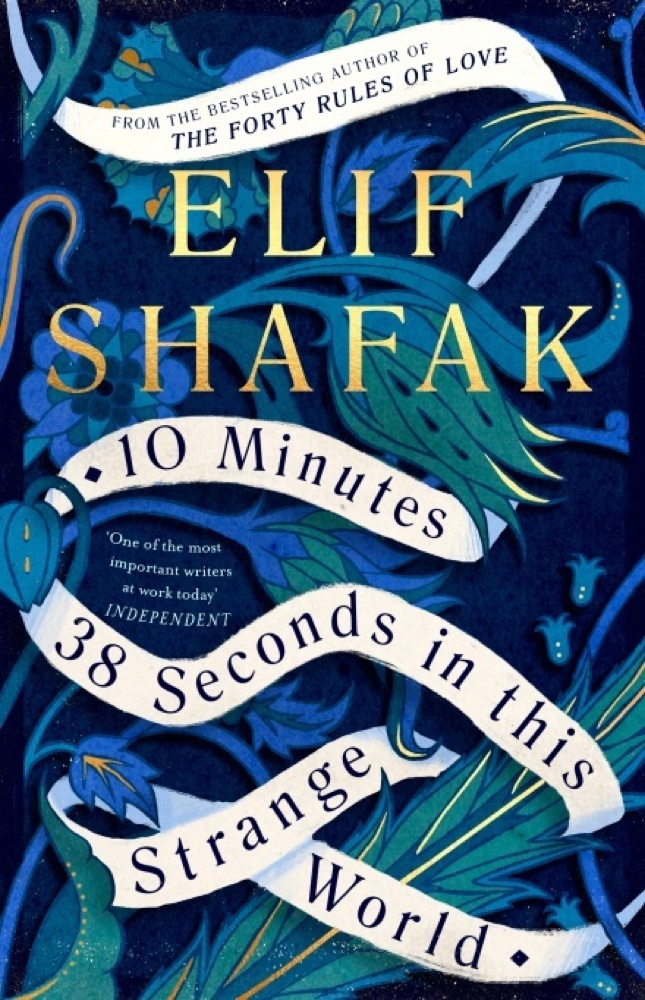 10 Minutes 38 Seconds in This Strange World
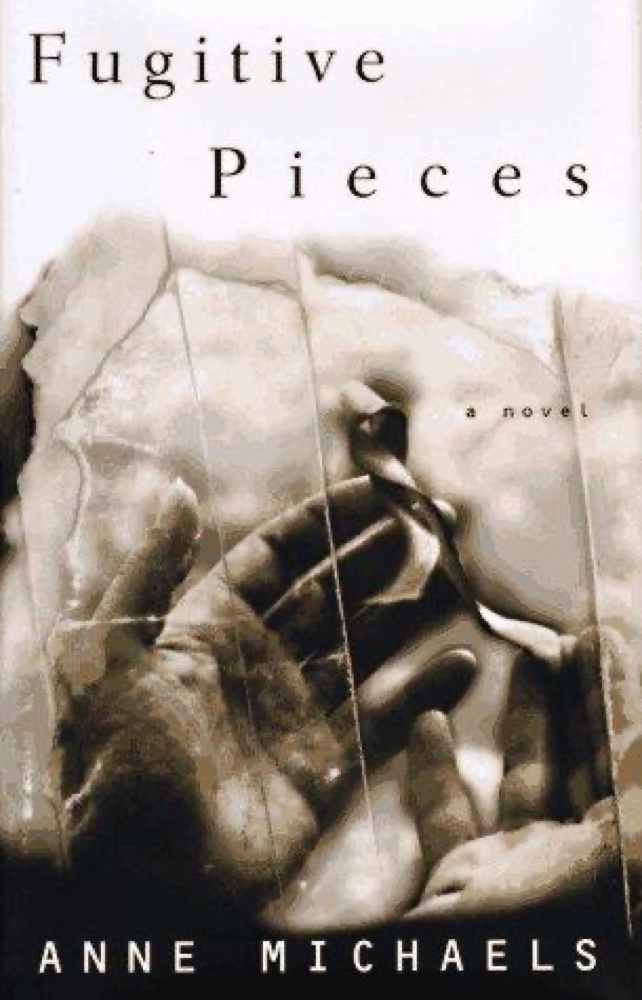 Fugitive Pieces
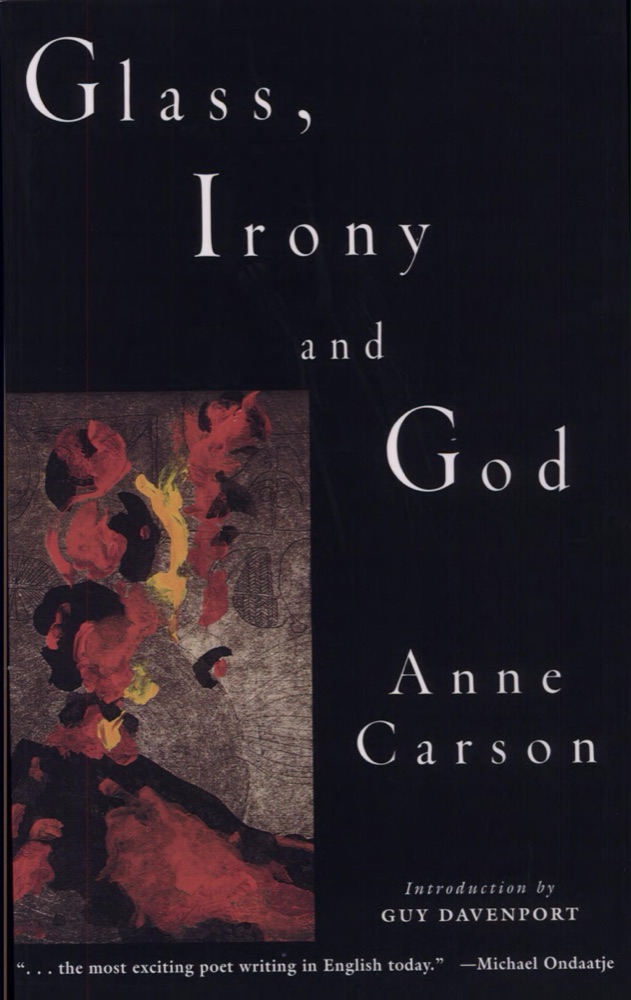 Glass, Irony and God
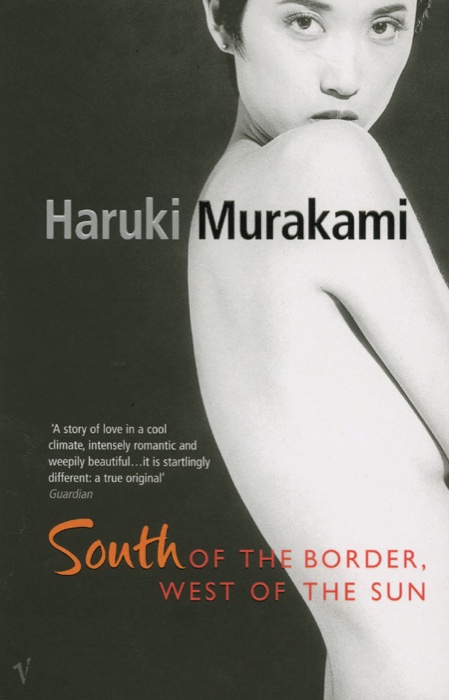 South of the Border, West of the Sun
 Held
Held
 Dearly
 Flights
 Moments of Being: A Collection of Autobiographical Writing
 Saint X
 The Skin and Its Girl
 Greek Lessons
 The Gap of Time
 Whereabouts
 The Invisible Life of Addie LaRue
 Bad Cree
 Cold Enough for Snow
 Future Home of the Living God
 Plainwater: Essays and Poetry
 In Search of Lost Time
 Imagine Me Gone
 The Girl and the Stars
 Night Train to Lisbon
 The Stone Diaries
 Everything Under
 Anthropology of an American Girl
 Autumn
 House of Leaves
 When You Ask Me Where I'm Going: Young Adult Prose Poetry on Trauma, Feminism, and Empowerment
 Swann's Way
 Dream Count
 Birdcage Walk
 Our Wives Under the Sea
 The Dead-Tossed Waves
 The Impossible Lives of Greta Wells
 Four Souls
 The Lovely Bones
 After the Flood
 The Sheltering Sky
 Pure Colour
 The Blind Assassin
 In the Wild Light
 The Promise
 Pew
Pew
 Human Acts
 Acceptance