
 The PARA Method: Simplify, Organize, and Master Your Digital Life
Quotes from the Book
You have a limited amount of time to get things done during the course of a given day. It follows that you should limit the scope of your to-do list to accommodate this constraint. If you only have four hours at your disposal, make sure the items on your to-do list can be completed within that time frame. Otherwise, you’ll set yourself up for failure.
3
The right verbs encourage execution. They encourage you to take action. The wrong ones do the opposite. They encourage procrastination. Verbs like explore, plan, and touch base lack specificity. As a result, they’re less effective than verbs like research, draft, and call. These latter choices have more impact because they imply specific actions. They leave nothing open to interpretation.
3
How To Create The Perfect To-Do List. The purpose of a batch list is to organize all of your tiny tasks in one place. Tiny tasks are items that take less than 10 minutes to complete. The idea is to batch them together and address them during a single work session.
1
Laundry Sandra’s birthday cake Accounts receivable report Car tires Breakfast with parents Notice how the tasks lack emotional and motivational power. We can fix that by adding verbs to them: Start a load of laundry Buy a cake for Sandra’s birthday Finish the accounts receivable report Check the pressure in my car’s tires Call parents to plan breakfast date Notice how the verbs (start, buy, finish, check, and call) tell us exactly what to do. There’s no ambiguity. You don’t have to guess at the type of activity the task involves.
1
No longer. I now organize tasks based on various contexts: by project, type, and location. I maintain multiple lists accordingly. (Note that these lists are
1
The simplest way to get through your daily to-do list is to assign a “why” to each item found on it. Know the reason the item is on your list. Determine why you need to get it done. Write the reason down next to the task.
1
The more options we have, the less capable we are to decide between them and the more anxiety we experience as a result.
1
motivate us to take action and finish tasks.
This is called decision fatigue. It’s a state in which you’re less able to make good decisions because you’re mentally exhausted from making decisions throughout the day. In other words, your cognitive resources have been exhausted. You’re running on fumes.
Do you assign deadlines - a specific date rather than “by the end of the month” - to each to-do item?
They write down (or record online) every task that comes to mind. But they fail to associate these tasks with specific goals. Consequently, they end up spending their limited time working on to-do items that matter little to them in the long run.
The point is, defining tasks too broadly is detrimental to their completion. Their vagueness ensures they linger. If you’re having trouble completing to-do items, check whether they can be broken down to smaller tasks.
The point is, it’s difficult to know whether you should tackle a to-do item without knowing its contextual details.
Without such context, it’s difficult to know which tasks deserve your immediate attention. In fact, it’s difficult to even know if you’re able to work on a particular task given your circumstances.
Deadlines are the enemy of procrastination. They motivate us to take action and finish tasks. They also help us to gauge the effectiveness of our time management efforts. If we’re consistently getting important things done on time, we must be doing something right.
41% of to-do items are never completed. 50% of completed to-do items are done within a day. 18% of completed to-do items are done within an hour. 10% of completed to-do items are done within a minute.
your cognitive resources have been exhausted.
Ato-do list without deadlines is a wish list. Nothing more. Without deadlines, we lean toward inaction. Deadlines do more than just impose
But the threat of feeling overwhelmed will always be present. If it gains a foothold in your mind, it will siphon your enthusiasm, extinguish your motivation, and block your creativity.
Many people do a brain dump of every task they need or want to get done. They record everything on a single list. The problem is, they neglect to categorize these tasks and put them on separate lists according to context, priority, and urgency.
Parkinson’s Law: “Work expands so as to fill the time available for its completion.
goals, how can you know whether you should work on it? If you don’t know whether you need access to certain resources to work on the task, how can you know whether working on it is even possible at a particular point in time?
If you don’t know how long something will take to finish, how important it is, and how it contributes to your
Items are written down without any indication about the time needed to complete them, their priority, and the roles they play in achieving specific goals.
Your task list isn’t a tool for getting everything done. Rather, it’s a tool that will ensure you get the right things done.
Work expands so as to fill the time available for its completion.
Call Bob on the phone Email Bob Send Bob a text message Stop by Bob’s office Leave Bob a message in his inbox There’s value in choosing the precise verb that defines the task. Again, be specific. Will you call Bob or email him? Will you text him or stop by his office?
Watch on YouTube
About Damon Zahariades
We have collected 27 quotes from 1 book by Damon Zahariades on BookQuoters.
More about the author →About the book
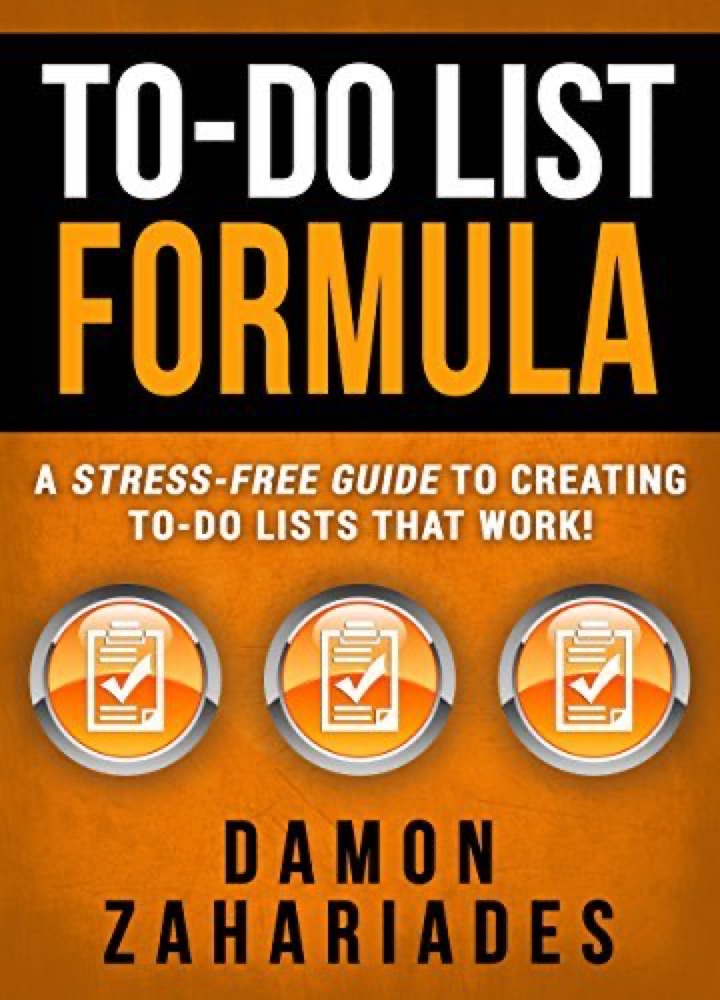
Finally! Discover How To Create To-Do Lists That Work! Do you feel frustrated because you can't seem to finish every item on your daily to-do lists? Do you feel discouraged because you're not effectively managing your workload and responsibilities at your office and home? If so, it's not your fault. Millions of people are using to-do lists that set them up for failure. No matter how hard they work, they're left with a laundry list of unfinished tasks at the end of each day. You can probably relate from experience. If you're creating to-do lists like most people, your lists are almost certainly failing to do their job. You're probably feeling aggravated and dispirited as a result. The good news is that there's a simple solution. It's a matter of using an approach specifically designed to help you organize, manage, and address every task and responsibility on your plate in a timely fashion
Book details
- First published
- 2016
- Author
- Damon Zahariades
- Genre
- Nonfiction
- Goodreads rating
- 3.95 (4k ratings)
Keep reading
The PARA Method: Simplify, Organize, and Master Your Digital Life
 How to ADHD: An Insider's Guide to Working with Your Brain
 The Productivity Project: Accomplishing More by Managing Your Time, Attention, and Energy
 Getting Things Done: The Art of Stress-Free Productivity
 The Power Of Less: The Fine Art of Limiting Yourself to the Essential
 The Bullet Journal Method: Track Your Past, Order Your Present, Plan Your Future
 Make Time: How to Focus on What Matters Every Day
 Eat That Frog! 21 Great Ways to Stop Procrastinating and Get More Done in Less Time
 Smarter Faster Better: The Secrets of Being Productive in Life and Business
 The Lazy Genius Way: Embrace What Matters, Ditch What Doesn't, and Get Stuff Done
 Procrastination: Why You Do It, What To Do About It
 Ready for Anything: 52 Productivity Principles for Getting Things Done
 Slow Productivity: The Lost Art of Accomplishment Without Burnout
 The Now Habit: A Strategic Program for Overcoming Procrastination and Enjoying Guilt-Free Play
 A Mind for Numbers: How to Excel at Math and Science
 The 12 Week Year
 I Didn't Do the Thing Today: Letting Go of Productivity Guilt
 The Accidental Creative: How to Be Brilliant at a Moment's Notice
 EntreLeadership: 20 Years of Practical Business Wisdom from the Trenches
 The 4-Hour Workweek
 Overwhelmed: Work, Love, and Play When No One Has the Time
 Hyperfocus: How to Be More Productive in a World of Distraction
 Do More Better: A Practical Guide to Productivity
 Four Thousand Weeks: Time Management for Mortals
 Be Your Future Self Now: The Science of Intentional Transformation
 Don't Make Me Think, Revisited: A Common Sense Approach to Web Usability
 Outer Order, Inner Calm: Declutter & Organize to Make More Room for Happiness
 Rework
 Better Than Before: Mastering the Habits of Our Everyday Lives
 How Will You Measure Your Life?
 Deep Work: Rules for Focused Success in a Distracted World
 How to Keep House While Drowning
 What the Most Successful People Do Before Breakfast: A Short Guide to Making Over Your Mornings--and Life
 Free to Focus: A Total Productivity System to Achieve More by Doing Less
 Essentialism: The Disciplined Pursuit of Less
 No Excuses!: The Power of Self-Discipline
 A World Without Email: Reimagining Work in an Age of Communication Overload
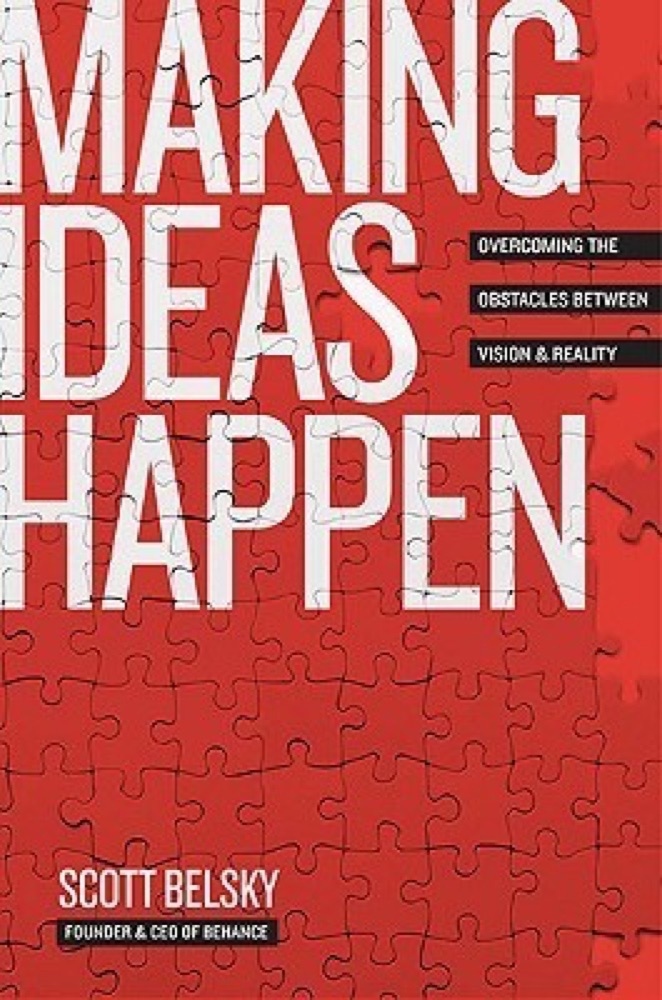 Making Ideas Happen: Overcoming the Obstacles Between Vision and Reality
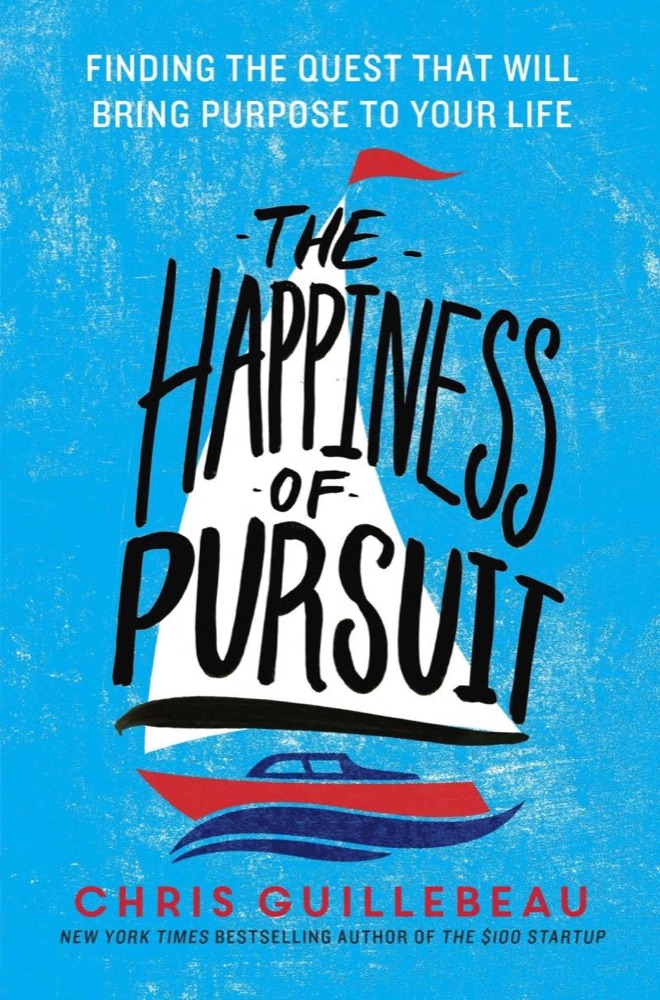 The Happiness of Pursuit: Finding the Quest That Will Bring Purpose to Your Life
 How to Take Smart Notes
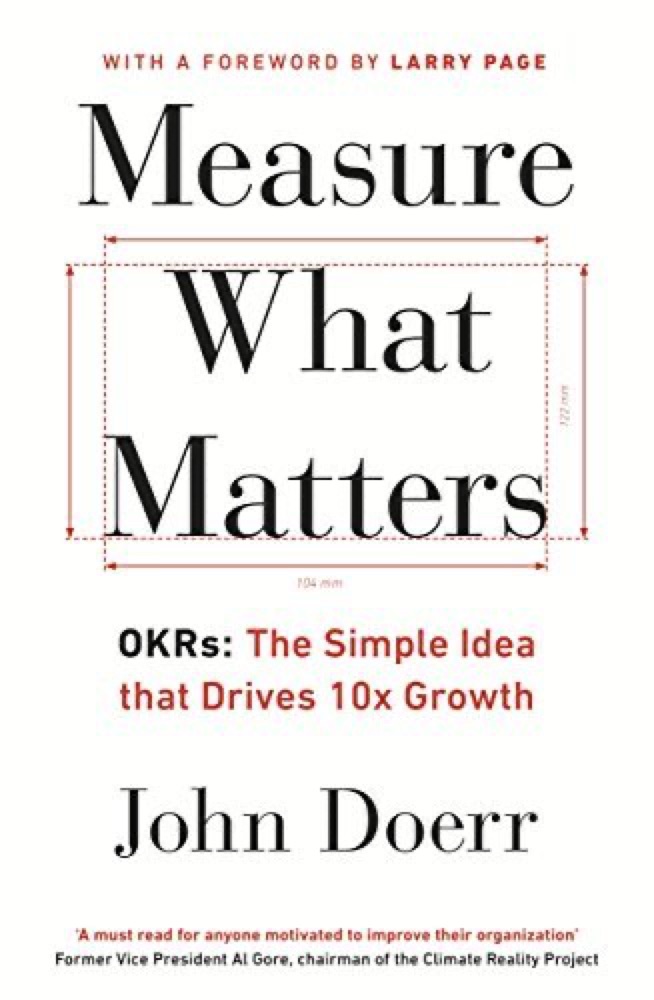 Measure What Matters
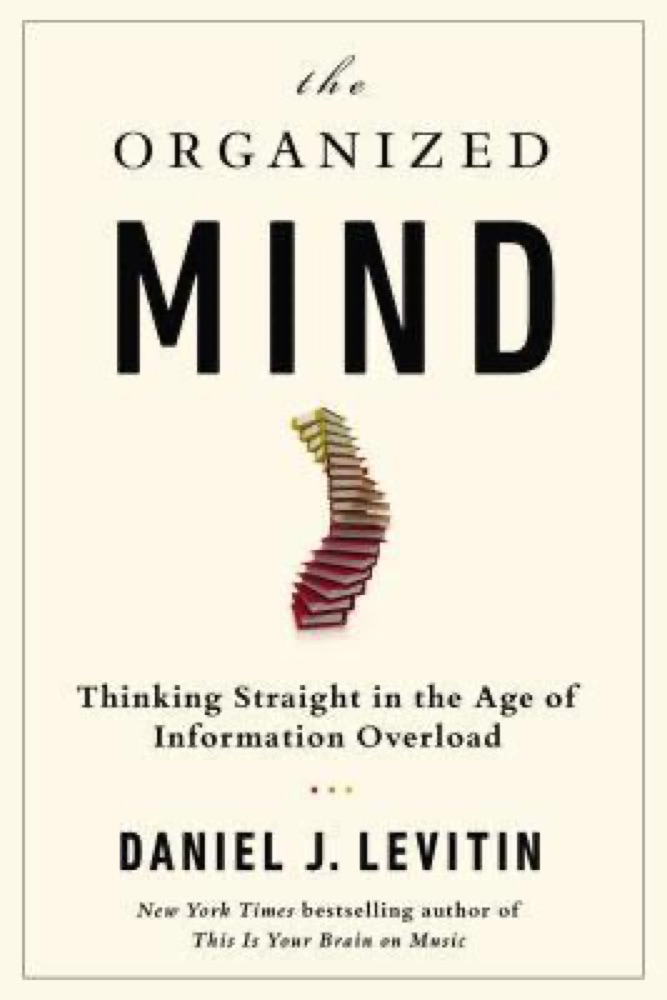 The Organized Mind: Thinking Straight in the Age of Information Overload
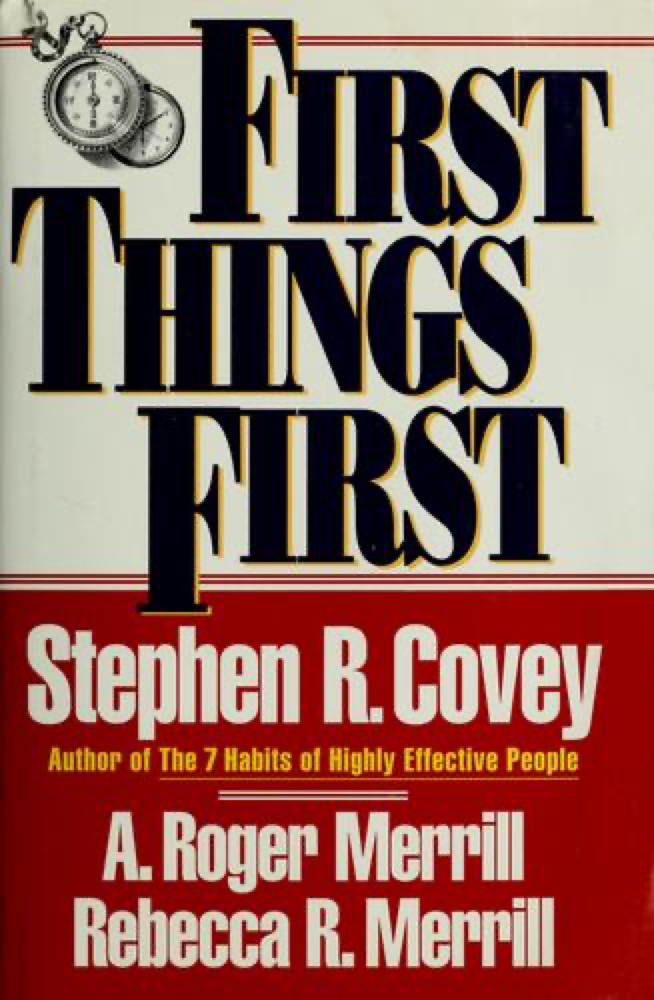 First Things First
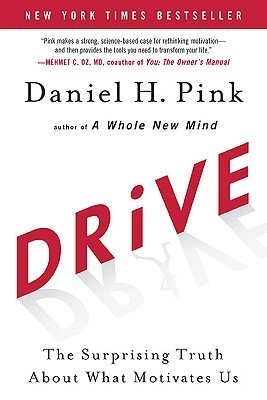 Drive: The Surprising Truth About What Motivates Us
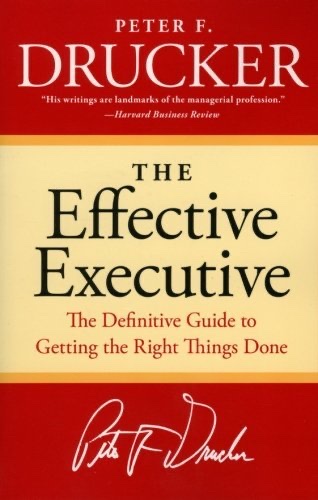 The Effective Executive: The Definitive Guide to Getting the Right Things Done
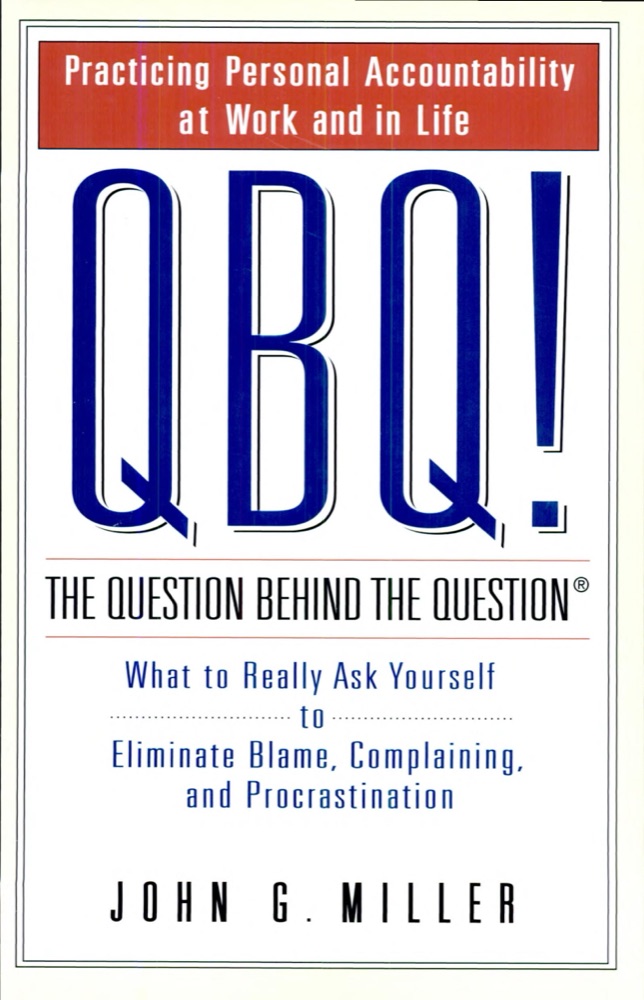 QBQ! The Question Behind the Question: Practicing Personal Accountability in Work and in Life
 The Last Lecture
 The Compound Effect: Jumpstart Your Income, Your Life, Your Success
 Discipline Equals Freedom: Field Manual
 Do Over: Rescue Monday, Reinvent Your Work, and Never Get Stuck
 Crazy Busy: A (Mercifully) Short Book about a (Really) Big Problem
 Getting There: A Book of Mentors
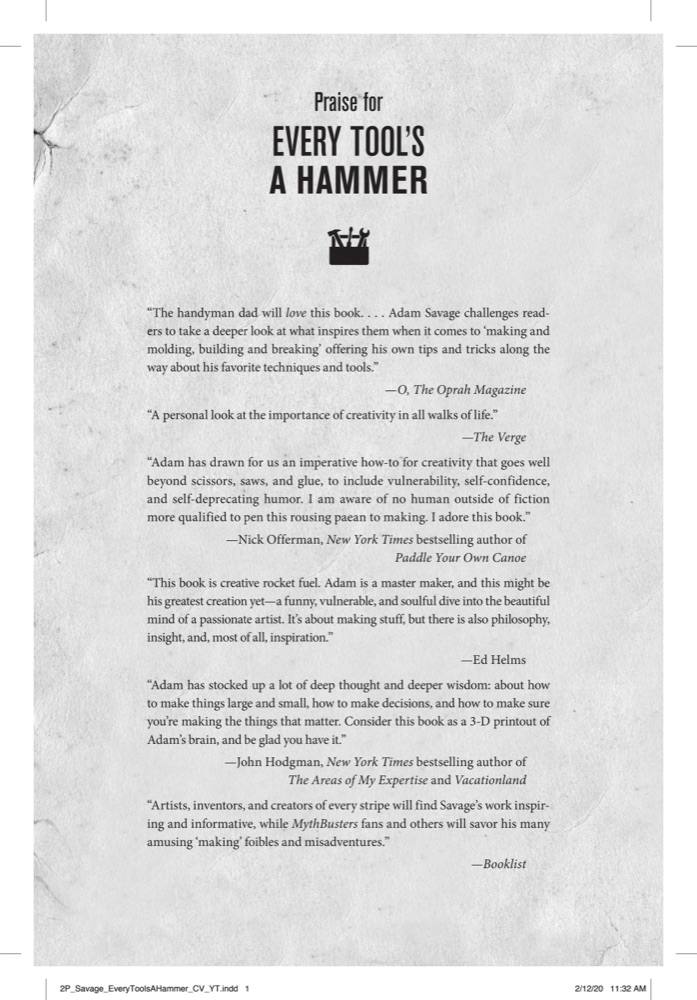 Every Tool's a Hammer: Life Is What You Make It
 Getting Real: The Smarter, Faster, Easier Way to Build a Web Application
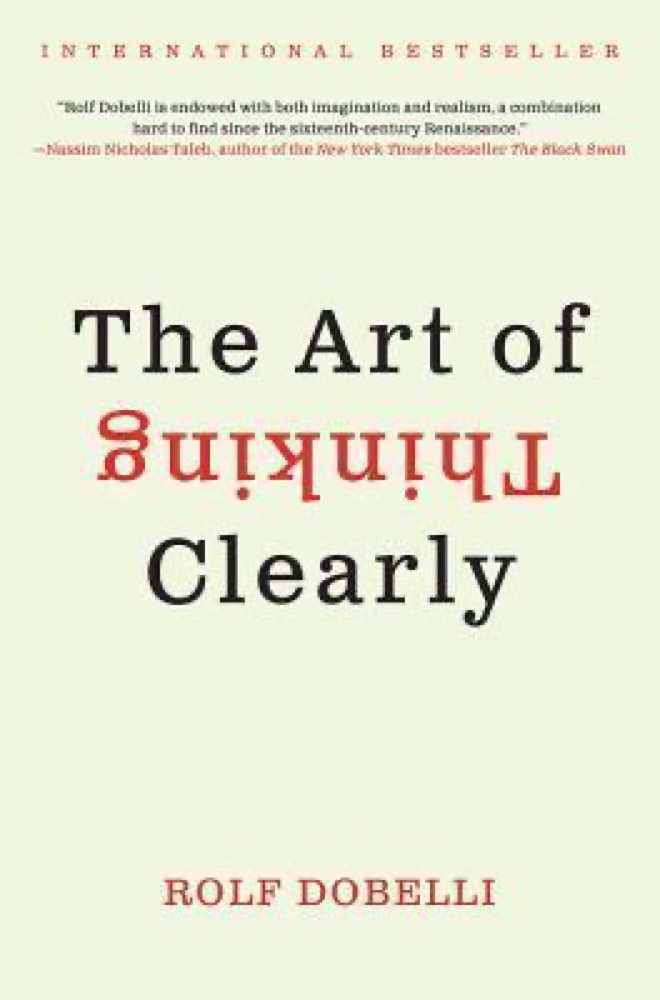 The Art of Thinking Clearly
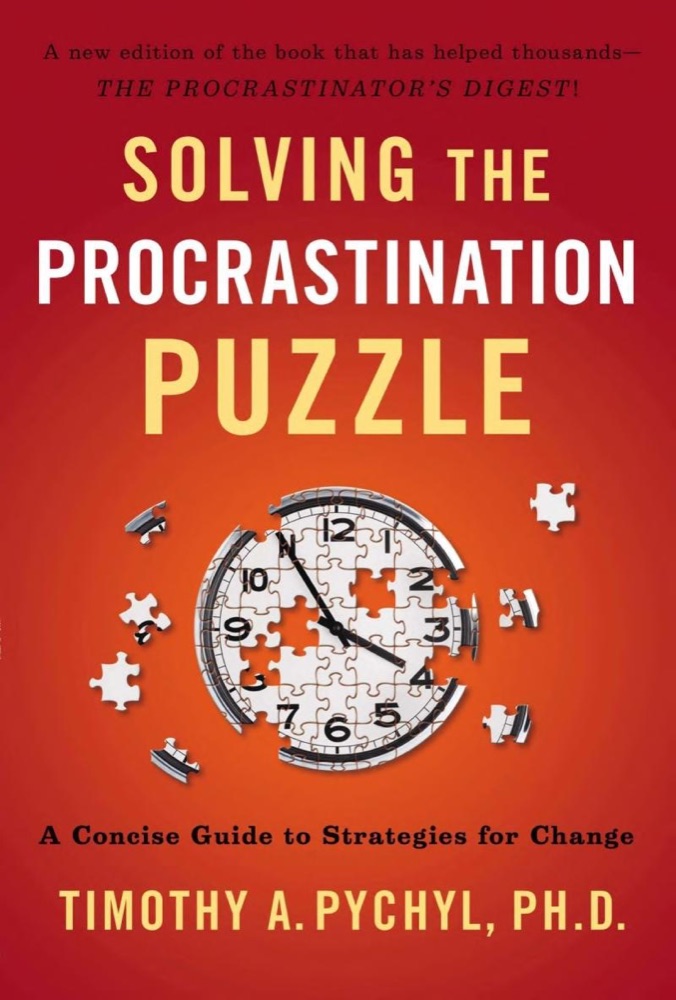 Solving the Procrastination Puzzle: A Concise Guide to Strategies for Change
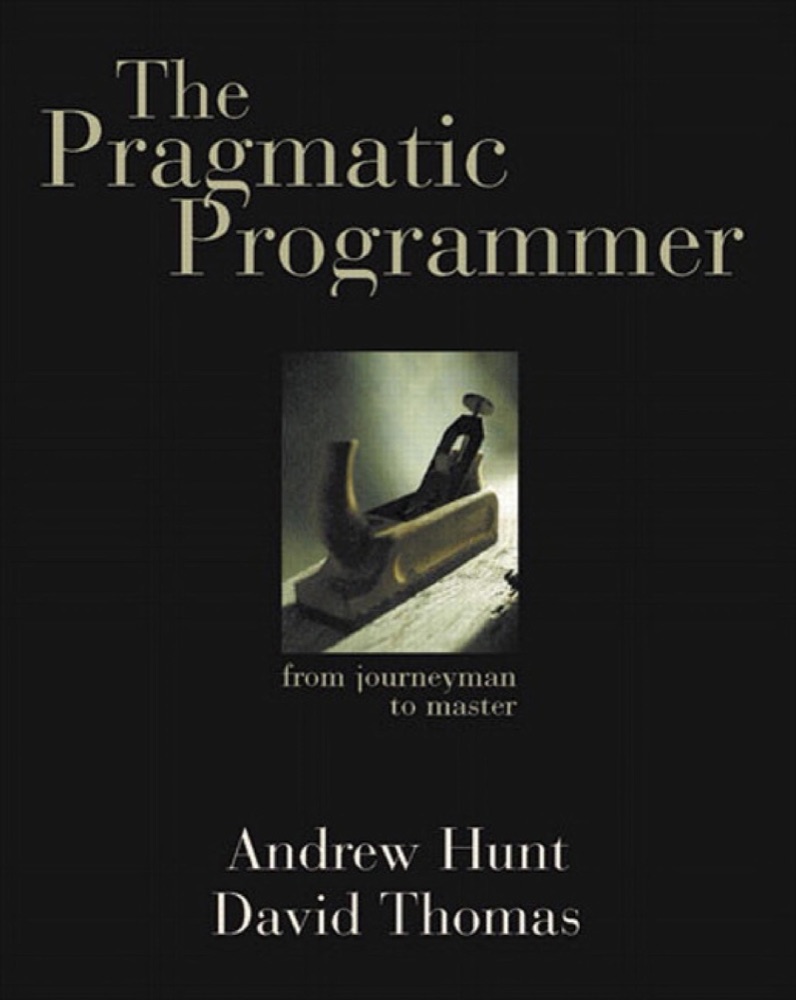 The Pragmatic Programmer: From Journeyman to Master
 Tribe Of Mentors: Transformative Wisdom From Icons and Innovators to Help You Navigate Life's Challenges
 Managing Humans: Biting and Humorous Tales of a Software Engineering Manager
 How to Fail at Almost Everything and Still Win Big: Kind of the Story of My Life