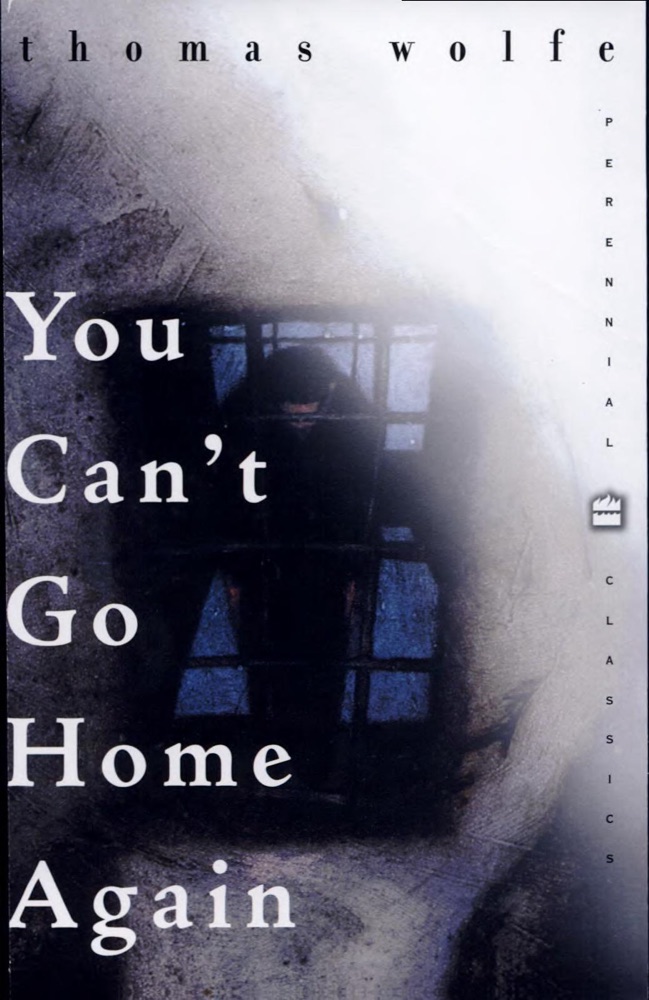
 You Can't Go Home Again
Quotes from the Book
At the age of eighty-three he had the self-awareness necessary to be patient with other people, but not always the facility to disguise the effort.
3
New York didn’t set out to charm you. It was like God that way. You had to bring a lot of the enthusiasm yourself.
2
exercise his brain and keep him fed, but how to gain any traction? Books, he thought. Books, books, books. Books to get him somewhere. Books to turn him into someone. Books to grab hold of on his way up. Books as a way to be alone without feeling so alone.
2
The difference, in the end, between life and death is perhaps nothing more than movement?
2
His family feared he might one day succumb to the catastrophe of being a poet.
2
There are certain grudges that are every bit as irrational as they are uplifting. A person must protect them at all costs, especially in old age.
2
A revelation is like a sneeze. Sounds unlikely, but it is. It can be lost, can simply vanish, if one does not look straight into the light and ask the inside to come out.
1
All the best paintings made you see various levels of reality at once. They sent you inward as well as outward.
1
If you pay too much attention to time, in certain tedious moments, it slows down to punish you.
1
There may be mistakes in the choice of means to attain an end. But success or failure also involves much that lies beyond our power. We are not responsible for the inevitable, nor for a knowledge that is beyond our reach. Solely the ends, honestly chosen, and consistently sought, determine the moral quality of a life.
1
You wake up one day and realize you are a different person. That seems to be how life happens, how it establishes its patterns. The adult becomes a stranger to the boy he used to be. You become distant from everybody, especially yourself, even if, in the secrecy of your heart, you feel mostly unchanged.
1
How do we picture the past? Does it become clearer as it drifts into the distance? Can it be seen from more angles, a better vantage, with finer instruments for optics, and more supporting documentation to draw from? Or has its essence already vanished, leaving space for lies to multiply and thrive, spreading across paperwork that is good for nothing except, perhaps, a nervous acting captain's next snack?
1
...the only category available to him [Andrew Haswell Green] in this bitter world of unequal wealth would be, at best, gentleman of four outs. Without money, his father said. Without credit. Without wit. That's three, Andrew said. Without manners. And in his father's eyes, as he concluded his assessment, were there not signs of a smile? Love was present, Andrew felt, but its shine was hard to find. He would go looking for it everywhere in the years to come. Love, love, love. As if it were a coin to be found in a field, or a park. As if it could be obtained without forfeiture.
1
Love. This was the way not to fall into forgetting. Love, and a good publicist.
1
So yes, he could be funny. If you thought such things were funny. And the coffee had to be made with a specific number of beans. He could taste any errors in arithmetic.
1
He would go looking for it everywhere in the years to come. Love, love, love. As if it were a coin to be found in a field, or a park. As if it could be obtained without forfeiture.
1
New York is a comedy to those who think, and a tragedy to those who feel.
A great lawyer is not only learned in the law, so that when the brief is laid before him he may place this fact with that. A great lawyer is also an artist. He is able to march into a land of untamed information and make it adhere to his own idea of order, creating a successful system where only chaos has hitherto reigned. In the mind of a great lawyer there exists a private tribunal of sense and feeling. He puts good with good, bad with bad, and resigns the false to the false. He strikes at vulnerable points in the evidence of others. He throws firm assertions into cloudy confusion. he finds the affinity that exists between actual events, connecting the everyday with the unexpected, and by weaving lines of testimony within and around the statements of strangers, through the most perplexing phases of fabrication, can bring the truth to light if it suits his client's case, or throw it into shadow if it doesn't. If he can master this art of light and dark, he can in the process become rather rich.
She had been hurrying along Park Avenue at a time approaching one thirty in the afternoon on Friday, swinging a walking stick she did not really need, one which she had in fact purchased for Mr. Green but which he refused to use, and as she walked she was whistling a tune she could not have described if asked, a mingling of various rhythms she had lived her life by, her feet moving at speeds that younger people seemed to find surprising, most probably because they associated old age with infirmity--whereas Experience, the experience of it, in her experience, in fact made you not an invalid but a warrior.
As Andrew stood before his students he felt the nerves that rack any amateur hypocrite.
She was here to get rich and richer and then get out from under these men, not to accommodate mediocre mumbling coves. A man should be able to afford his own expulsions.
the embrace—one that seems to lack a center. A feeling of being held only by the very edges of who you are. Of wanting, so intensely, to be brought into the heart.
There would be better years. It would take a long time to swim toward them. He wasn't sure, at first, that he had the energy. The breakthrough was realizing that there would be days when he did and days when he didn't, days to avoid the water at all costs and days to dive in, bold.
Two turtles dressed in their shells. This
Two errors, wrote Pascal, a thinker Andrew once admired. One: to take everything literally. Two: to take everything spiritually.
I believe that one can never be an elegant man without a taste for reading.
He...wondered if his own occasional doubts about the existence of God might in some way be mutual. Did anyone in the heavens really believe in him, Andrew Green, this awkward boy below, his spirit, his potential for good? His own question frightened him into muteness, the kind of silence the living rarely know, the moon hanging sullied by smoke in the sky, filthy with the expulsions of men.
It was funny how your whole past came into play as you worked toward a future. The concert of barely connected moments that make up any life. No one experience can be unlinked from the next. There were times when his [Andrew Haswell Green's] own past lives were the only ghosts he needed to visit for advice.
Andrew [Haswell Green]...thought of his impending travel on the brig. Of Samuel Tilden. Of why the friendship had vanished, the errors he must have made, too many signs of affection, or of desperation, neediness, the most appalling of all impressions to make on a fellow man. His only available course now was to put distance between his failures and his future, tighten the stranglehold on his feelings, and harden his heart protectively against the pain of further great mistakes.
We find, over time, the deepness of a thing. And if we fail to find it, then we invent it, to show ourselves we are not shallow.
Watch on YouTube
About Jonathan Lee
We have collected 30 quotes from 1 book by Jonathan Lee on BookQuoters.
More about the author →About the book
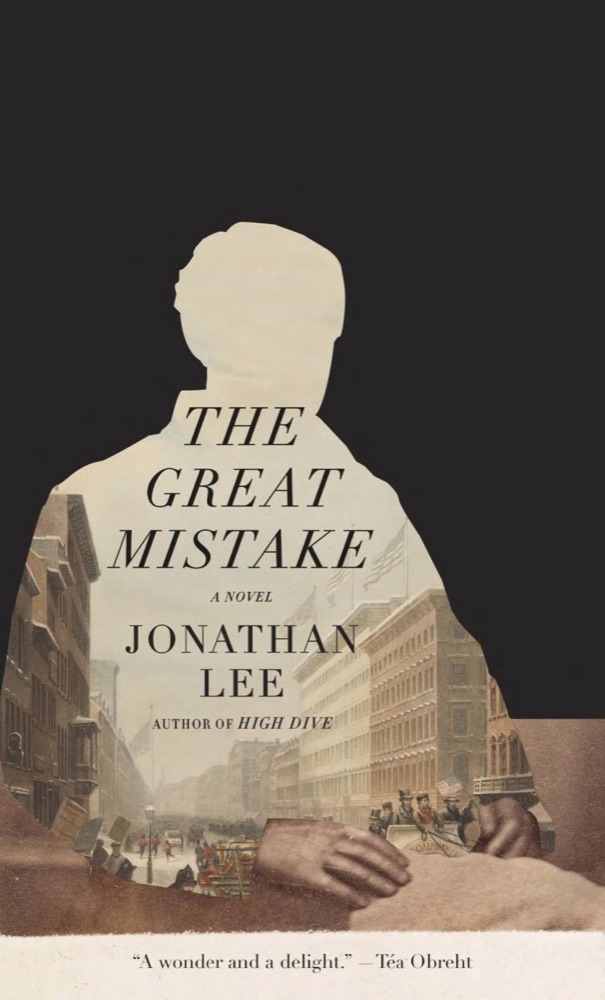
From the acclaimed author of High Dive comes an enveloping, exultant novel of New York City at the turn of the twentieth century, a story of one man's rise to fame and fortune, and his mysterious murder.
Andrew Haswell Green is dead, shot at the venerable age of eighty-three, when he thought life could hold no more surprises. The killing--on Park Avenue, in broad daylight, on Friday the thirteenth--shook the city. Green was born to a poor farmer, yet without him there would be no Central Park, no Metropolitan Museum of Art, no Museum of Natural History, no New York Public Library. And Green had a secret, a life locked within him that now, in the hour of his death--alone, misunderstood--is set to break free. As the detective assigned to Green's case chases his ghost across the city, we meet a wealthy courtesan, a brokenhearted man in a bowler hat, and a lawyer turned politician whose d
Book details
- First published
- 2021
- Author
- Jonathan Lee
- Genre
- Historical
- Goodreads rating
- 3.57 (3k ratings)
The buzz
- The New York TimesReview in The New York Timesprofessional review (via Book Marks)
- The Wall Street JournalReview in The Wall Street Journalprofessional review (via Book Marks)
- The GuardianReview in The Guardianprofessional review (via Book Marks)
- Los Angeles TimesReview in Los Angeles Timesprofessional review (via Book Marks)
- The Times Literary SupplementReview in The Times Literary Supplementprofessional review (via Book Marks)
- The TimesReview in The Timesprofessional review (via Book Marks)
Keep reading
You Can't Go Home Again
 The Post-Birthday World
 Sometimes a Great Notion
 The Clockmaker's Daughter
 The Art of Fielding
 Ragtime
 This Is Happiness
 A Sudden Light
 The Jewel in the Crown
 The Narrow Road to the Deep North
 Humboldt's Gift
 Underworld
 The Man Without Qualities
 American Pastoral
 The Secret History
 The Magic Mountain
 The Longest Journey
 The Corrections
 Brideshead Revisited: The Sacred and Profane Memories of Captain Charles Ryder
 The Ministry of Fear
 Chances Are...
 The Adventures of Augie March
 V.
V.
 The Cat's Table
 Saturday
 Knife: Meditations After an Attempted Murder
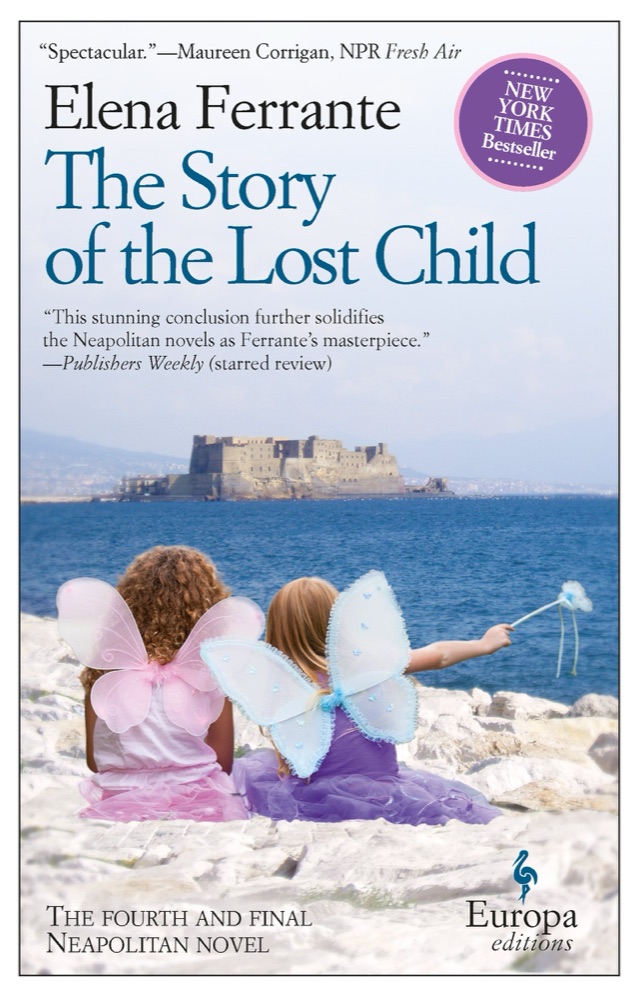 The Story of the Lost Child
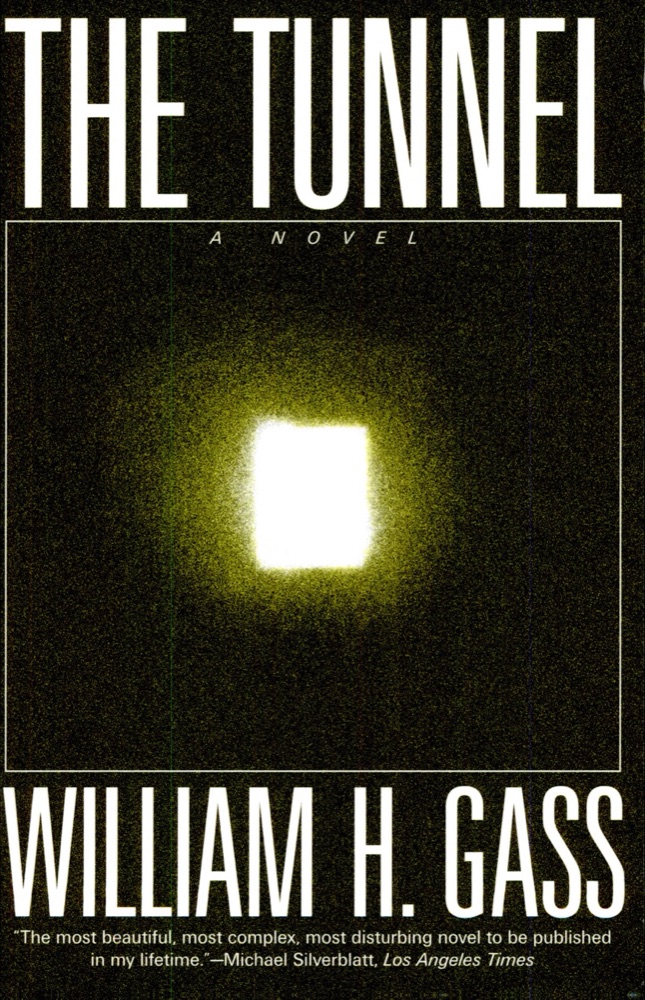 The Tunnel
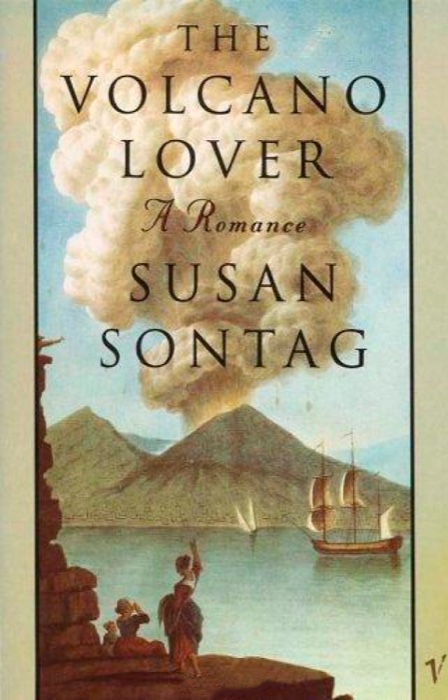 The Volcano Lover: A Romance
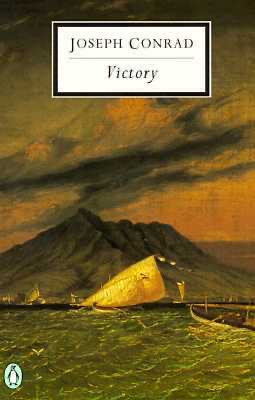 Victory
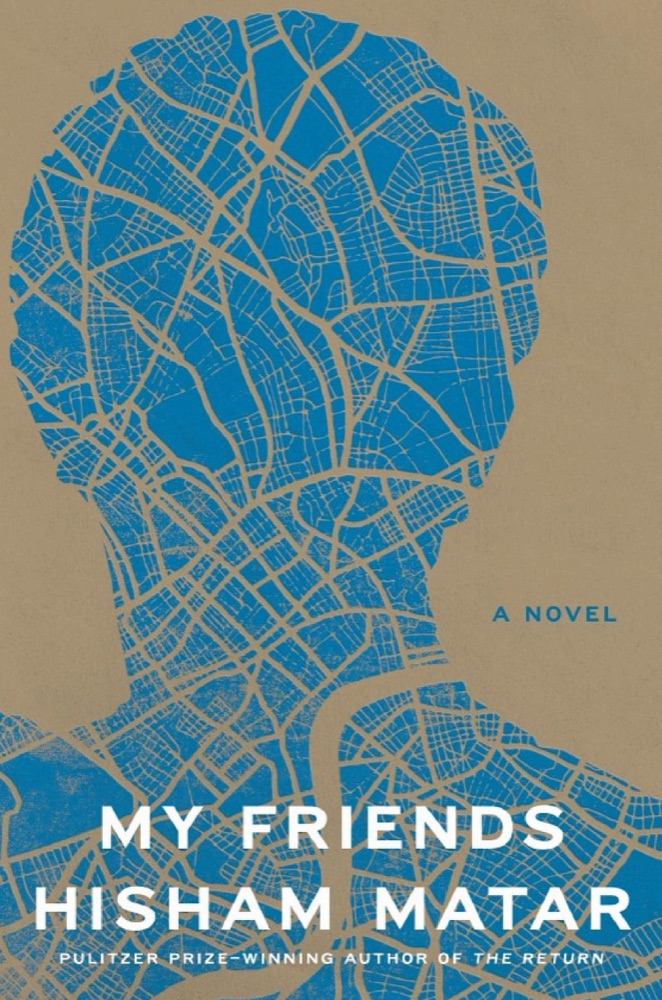 My Friends
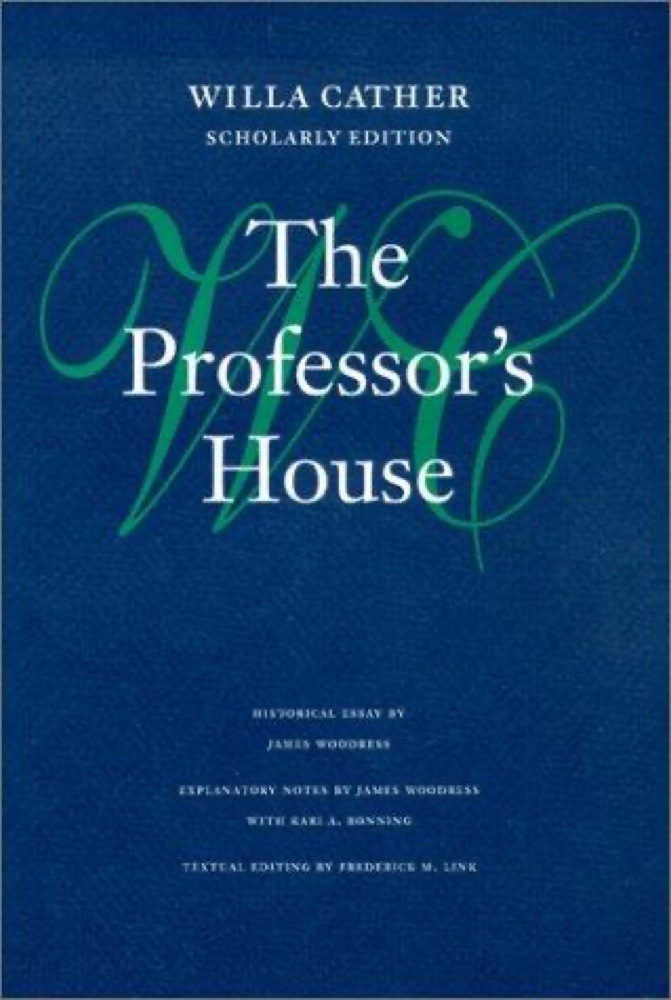 The Professor's House
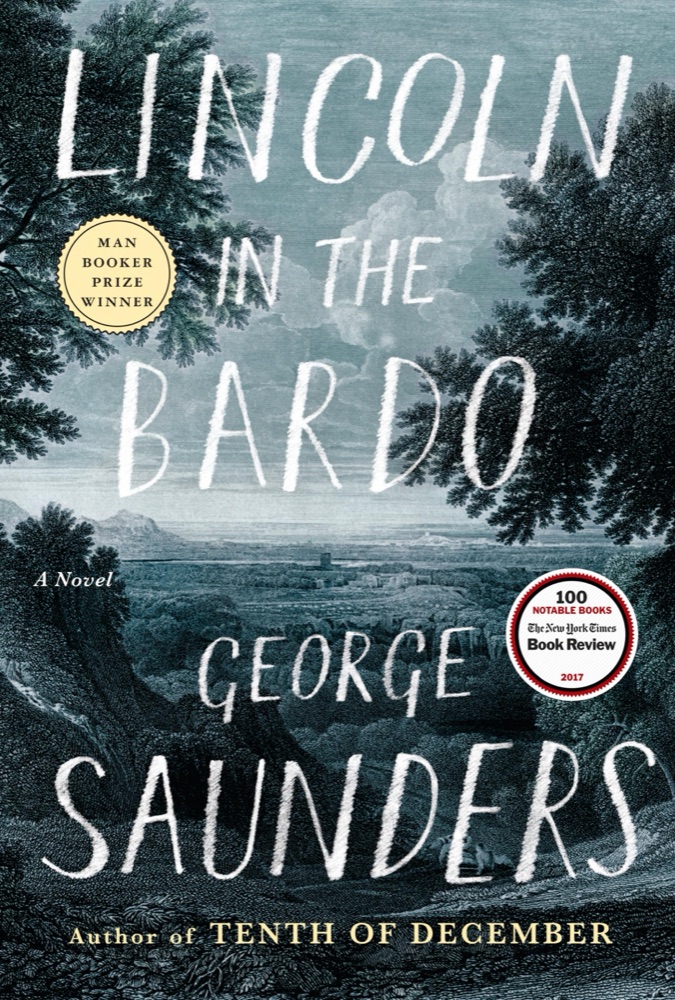 Lincoln in the Bardo
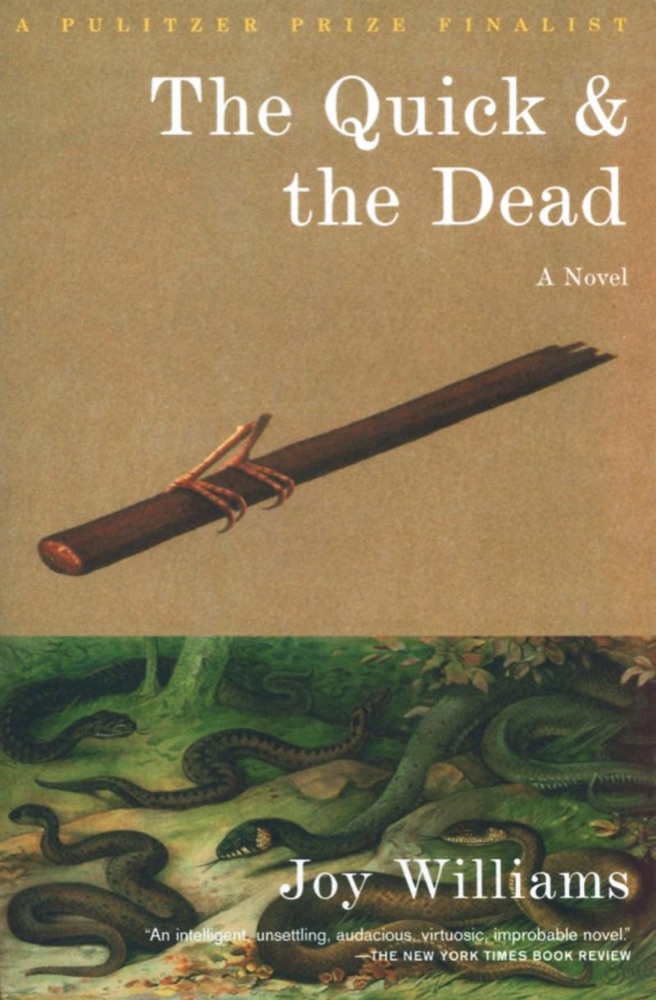 The Quick and the Dead
 The Lincoln Highway
 The Wolf Gift
 The Fall of Babel
 The Recognitions
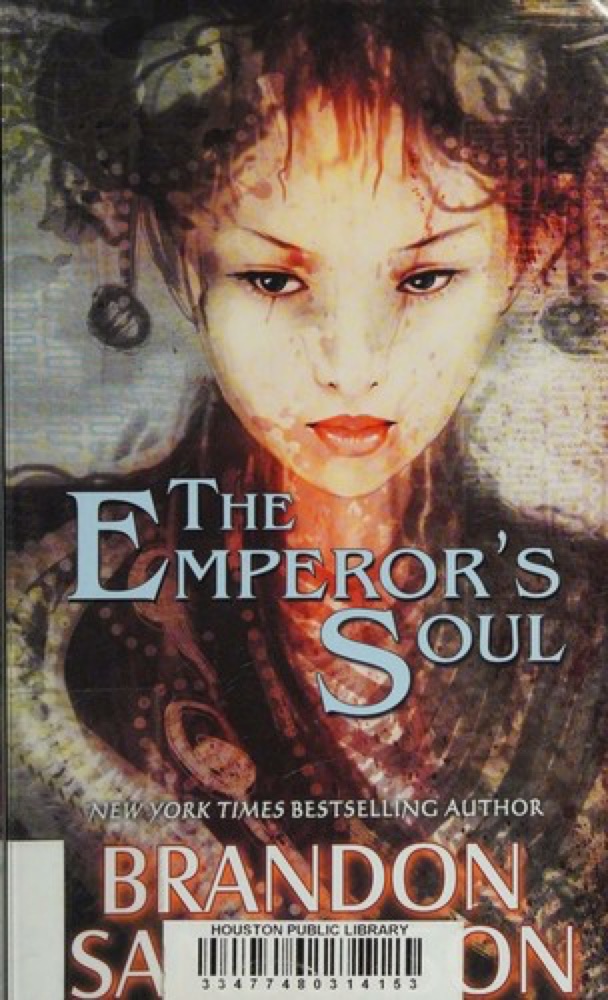 The Emperor's Soul
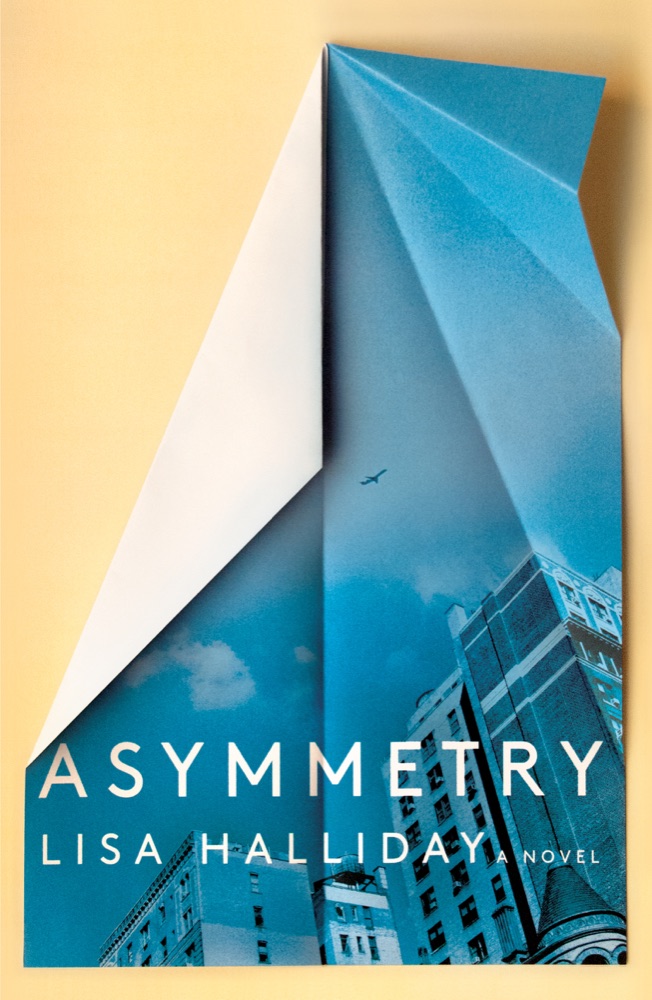 Asymmetry
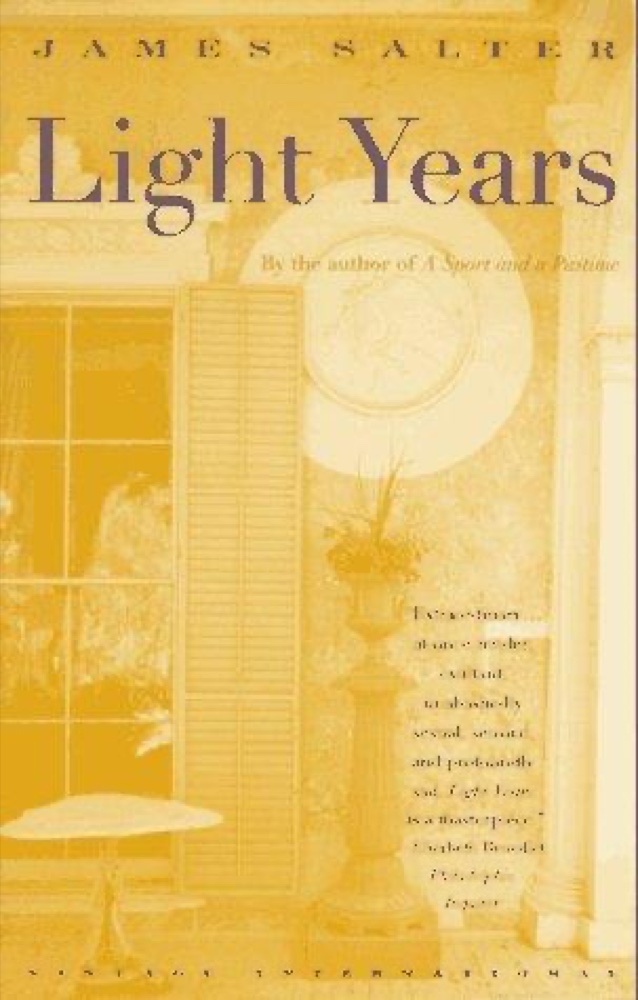 Light Years
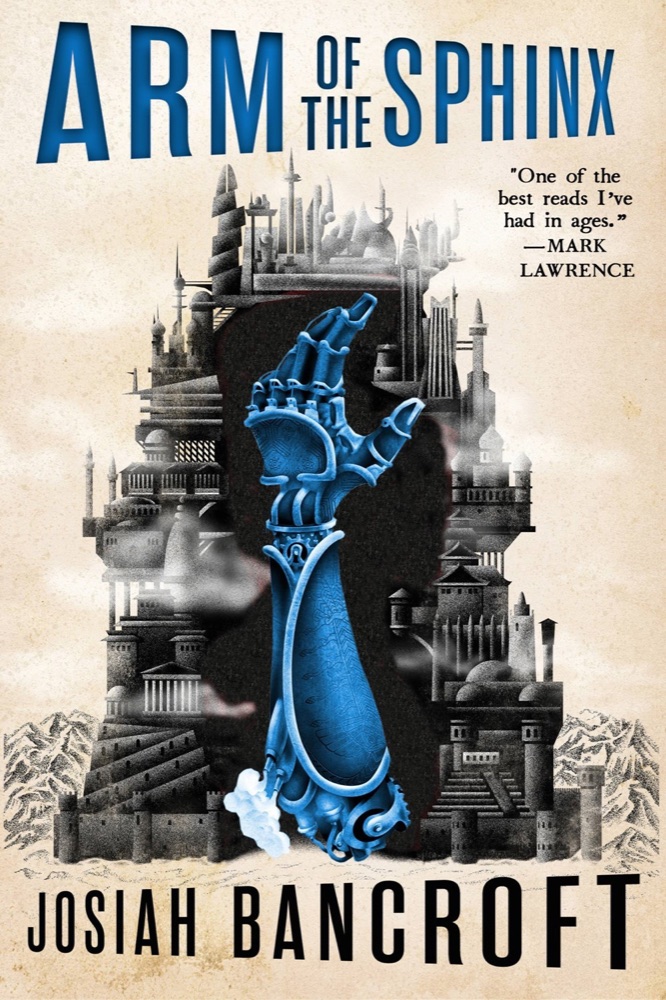 Arm of the Sphinx
 Miss Lonelyhearts
 The Brooklyn Follies
 In Search of Lost Time
 The Stone Diaries
 A Fatal Inversion
 The Razor's Edge
 A Soldier of the Great War
 Sixty Stories
 The Midnight Train
 Out of Oz
 A Lion Among Men
 The Tsar of Love and Techno
 A Passage to India
 Empire Falls
 The Hour I First Believed
 Warlight
 The Empusium
 The Etched City