 Erewhon
Quotes from the Book
Each one of us must suffer long to himself before he can learn that he is but one in a great community of wretchedness which has been pitilessly repeating itself from the foundation of the world.
10
Those novels with old-fashioned heroes and heroines in them -- are ruinous!
9
All civilization comes through literature now, especially in our country. A Greek got his civilization by talking and looking, and in some measure a Parisian may still do it. But we, who live remote from history and monuments, we must read or we must barbarise.
7
If he was not commonplace, it was through nothing remarkable in his mind, which was simply clear and practical, but through some combination of qualities of the heart that made men trust him, and women call him sweet--a word of theirs which conveys otherwise indefinable excellences.
6
Our theory of disaster, of sorrow, of affliction, borrowed from the poets and novelist, is that it is incessant; but every passage in our own lives and in the lives of others, so far as we have witnessed them, teaches us that this is false. The house of mourning is decorously darkened to the world, but within itself it is also the house of laughing. Burst of gaiety, as heartfelt as its grief, relieve the gloom, and the stricken survivors have their jest together, in which the thought of the dead is tenderly involved, and a fond sense, not crazier than many others, of sympathy and enjoyment beyond the silence, justifies the sunnier mood before sorrow rushes back, deploring and despairing, and make it all up again with the conventional fitness of things.
5
The novelist might be greater possible help to us if they painted life as it is, and human feelings in their true proportion and relation, but for the most part they have been and are altogether noxious.
5
Yes, there's sense in that. But the suddenly rich are on a level with any of us nowadays. Money buys position at once. I don't say that it isn't all right. The world generally knows what it's about, and knows how to drive a bargain. I dare say that it makes the new rich pay too much. But there's no doubt but money is to the fore now. It is the romance, the poetry of our age. It's the thing that chiefly strikes the imagination. The Englishmen who come here are more curious about the great new millionaires than about anyone else, and they respect them more. It's all very well. I don't complain of it.
3
We can trace the operation of evil in the physical world…but I am more and more puzzled about it in the moral world. There its course is often so very obscure; and often it seems to involve, so far as we can see, no penalty whatsoever.
3
It's a curious thing, this thing we call civilization...we think it is an affair of epochs, and nations. It's really an affair of individuals. One brother will be civilized and the other a barbarian...All civilization comes through literature now, especially in our country. A Greek got his civilization by talking and looking, and in some measure a Parisian may still do it. But we, who live remote from history and monuments, we must read or we must barbarise.
3
...I dare say if you'd asked him plumply what he meant in regard to the young lady, he would have told you - if he knew.' 'Why, don't you think he does know, Bromfield?' 'I'm not at all sure he does. You women think that because a young man dangles after a girl, or girls, he's attached to them. It doesn't at all follow. He dangles because he must, and doesn't know what to do with his time, and because they seem to like it. I dare say that Tom has dangled a good deal in this instance because there was nobody else in town.
3
No, no. I understand that. And I quite agree with you. But you know I've always contended that the affections could be made to combine pleasure and profit. I wouldn't have a man marry for money,--that would be rather bad,--but I don't see why, when it comes to falling in love, a man shouldn't fall in love with a rich girl as easily as a poor one. Some of the rich girls are very nice, and I should
2
It's very odd...that some values should have this peculiarity of shrinking. You never hear of values in a picture shrinking; but rents, stocks, real estate--all those values shrink abominably.
2
It's easy enough to be sensible for other people. But when it comes to myself, there I am! Especially, when I want to do what I oughtn't so much that it seems as if doing what I didn't want to do MUST be doing what I ought!
1
Ah, we shall never have a real aristocracy while this plebeian reluctance to live upon a parent or a wife continues the animating spirit of our youth. It strikes at the foot of the feudal system!
1
Watch on YouTube
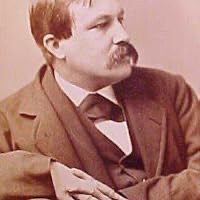
About William Dean Howells
We have collected 14 quotes from 1 book by William Dean Howells on BookQuoters.
More about the author →About the book
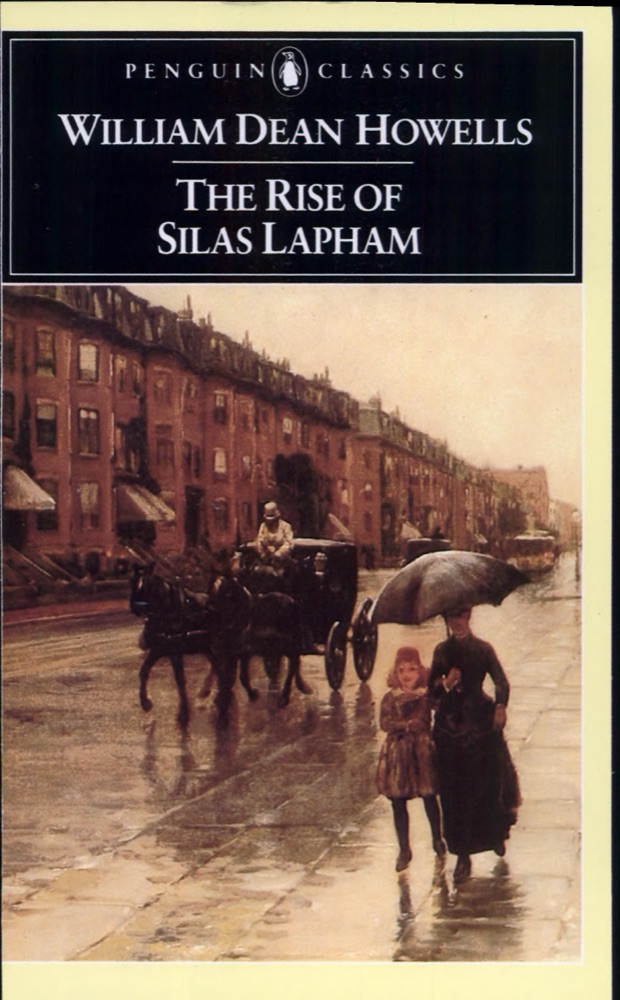
William Dean Howells' richly humorous characterization of a self-made millionaire in Boston society provides a paradigm of American culture in the Gilded Age.
After establishing a fortune in the paint business, Silas Lapham moves his family from their Vermont farm to the city of Boston, where they awkwardly attempt to break into Brahmin society.
Book details
- First published
- 1885
- Author
- William Dean Howells
- Genre
- Classics
- Goodreads rating
- 3.42 (4k ratings)
Keep reading
Erewhon
 What's Wrong with the World
 Lord Arthur Savile's Crime and Other Stories
 The Magnificent Ambersons
 The Good Soldier
 Walden and other writings
 Heretics
 The Manticore
 Phineas Finn
 Gaudy Night
 Too Like the Lightning
 The Fall of Babel
 The Accursed
 The Blithedale Romance
 The History of Tom Jones, a Foundling
 The Mark and the Void
 Heartbreak House
 Utopia
 The Picture of Dorian Gray and Other Fantastic Tales
 The Rebel Angels
 Man and Superman
 Past Imperfect
 Half Asleep in Frog Pajamas
 Arm of the Sphinx
 Flaubert's Parrot
 When I Was a Child I Read Books
 Villa Incognito
 Persian Letters
 The Volcano Lover: A Romance
 American Pastoral
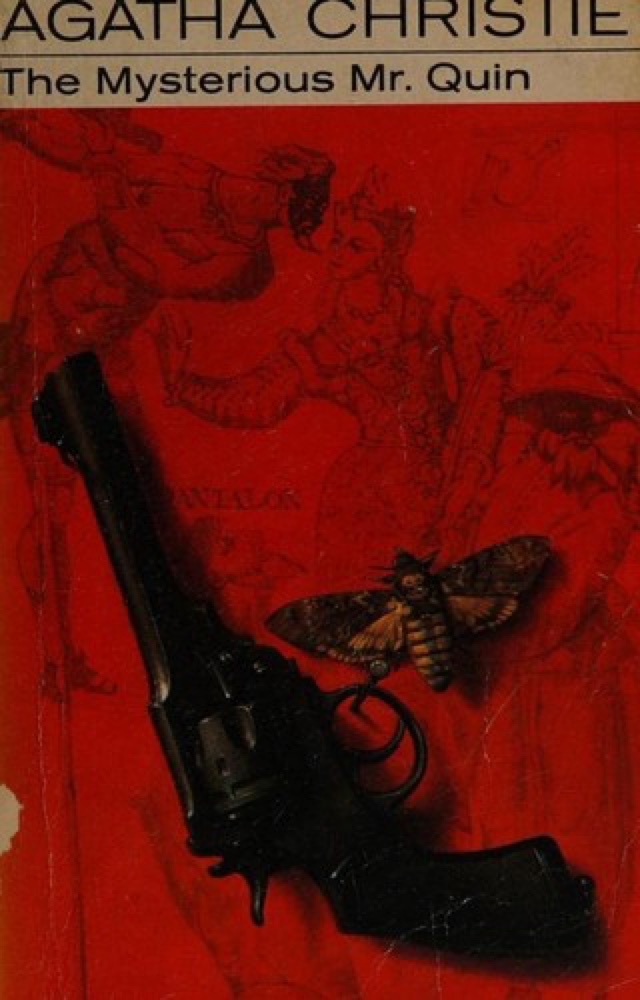 The Mysterious Mr. Quin
 The Fry Chronicles
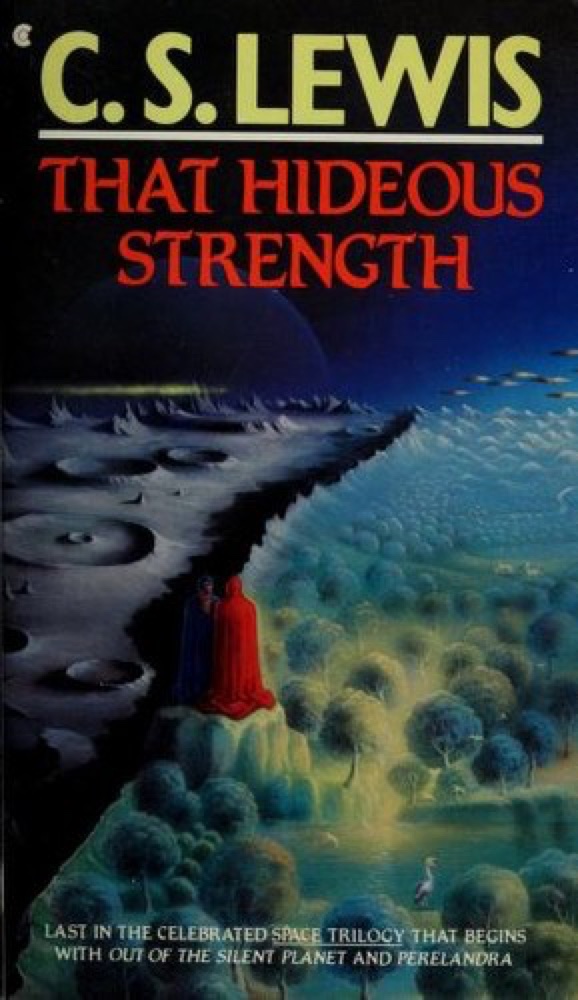 That Hideous Strength
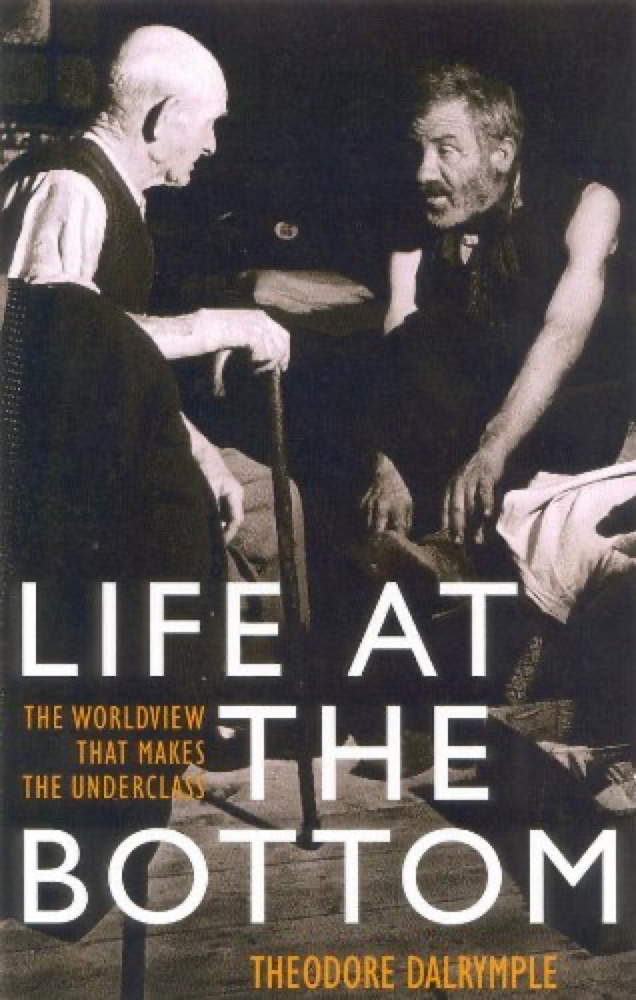 Life at the Bottom: The Worldview That Makes the Underclass
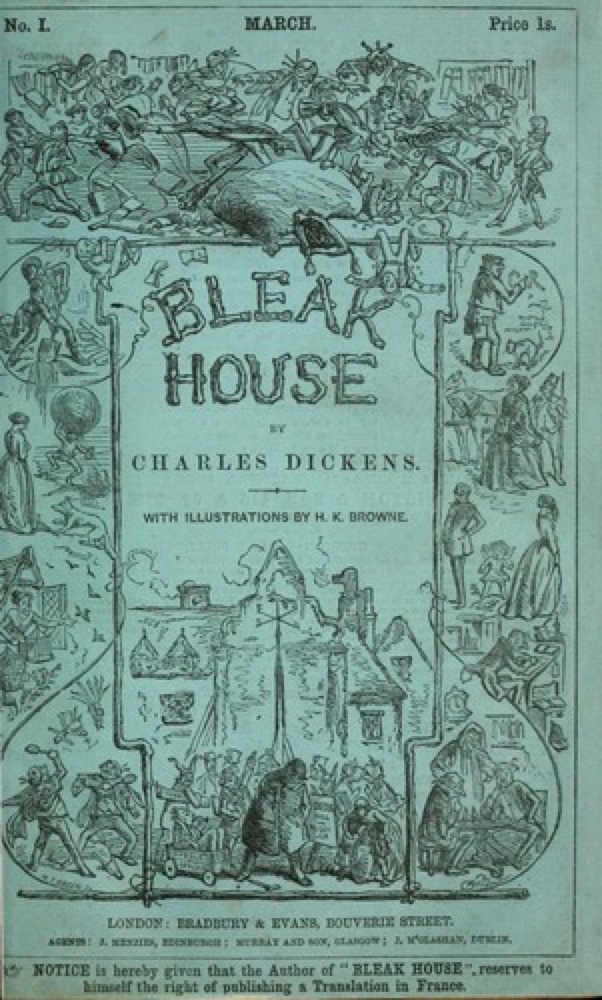 Bleak House
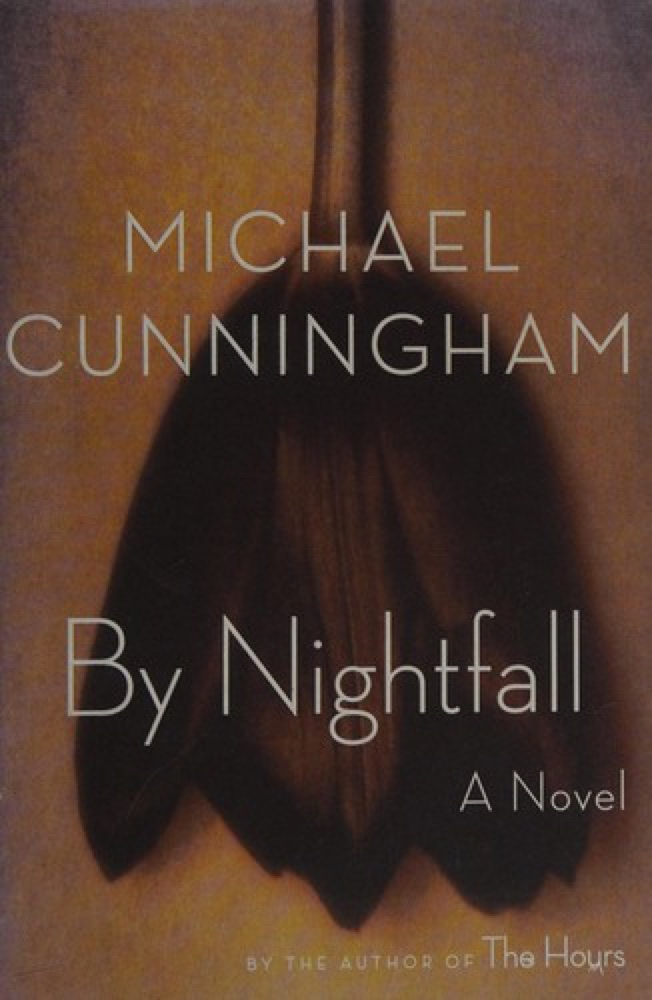 By Nightfall
 The Interpretation of Murder
 The Post-Birthday World
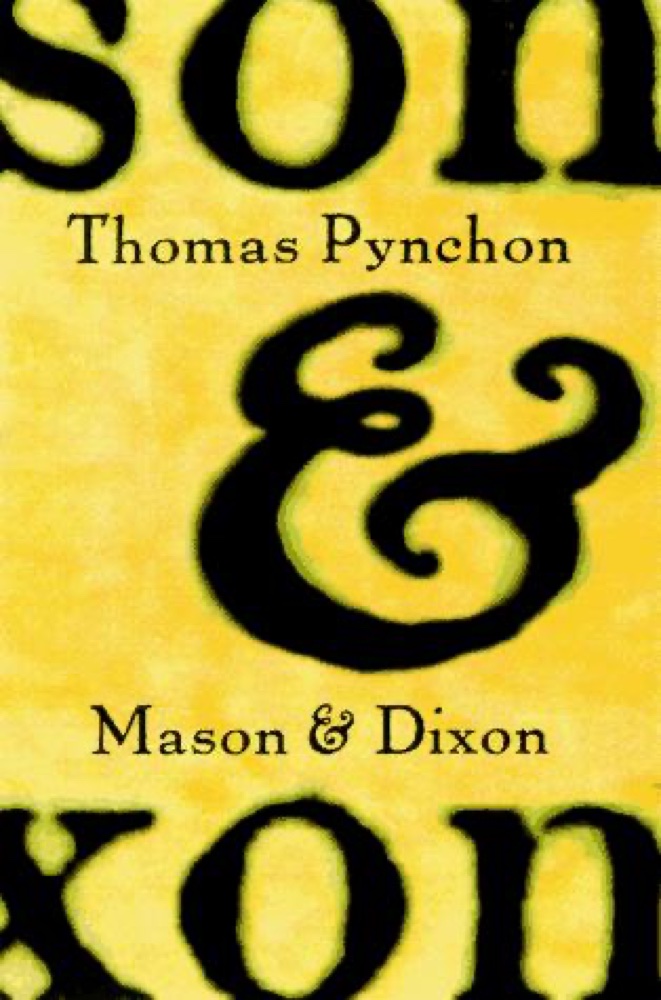 Mason & Dixon
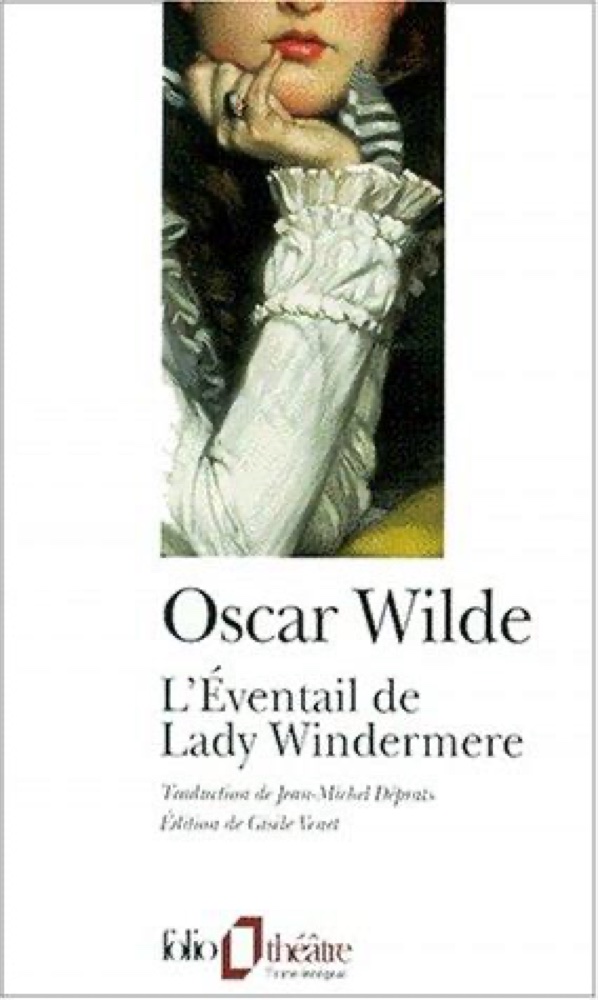 Lady Windermere's Fan
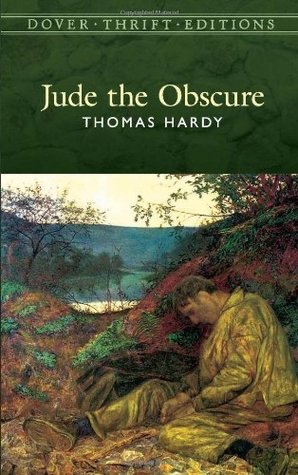 Jude the Obscure
 Human, All Too Human
 The Napoleon of Notting Hill
 Fifth Business
 The Way of All Flesh
 Walden Two
 Warlock
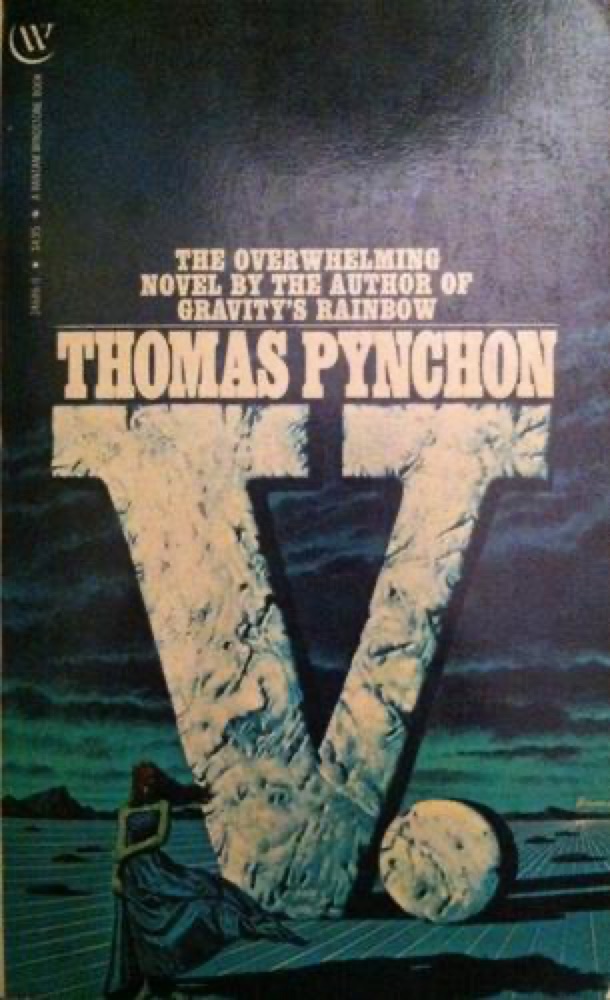 V.
V.
 Gnomon
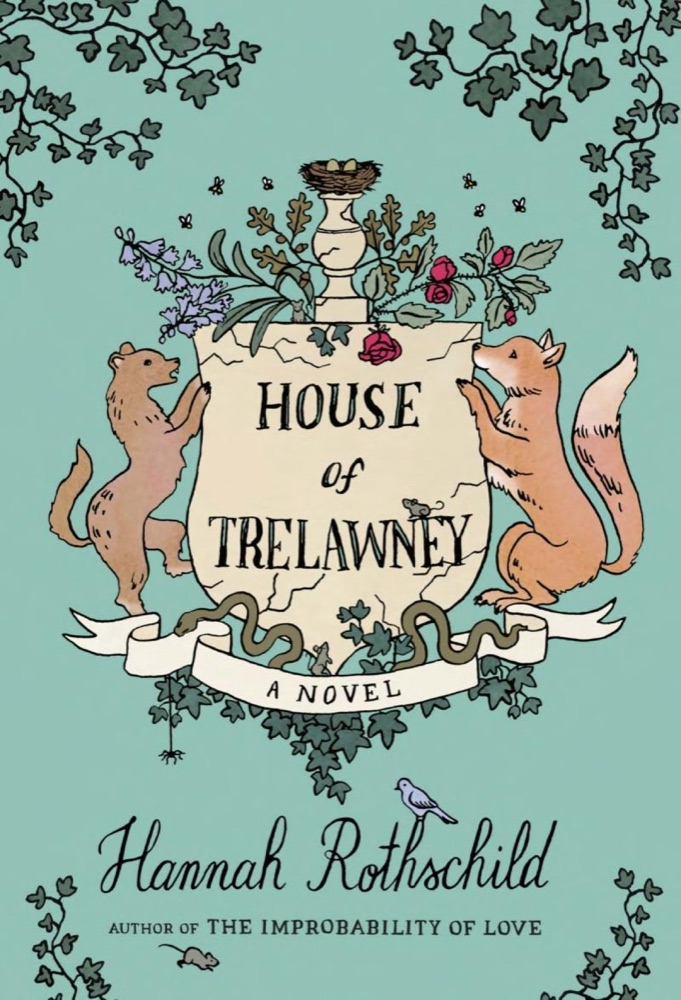 House of Trelawney
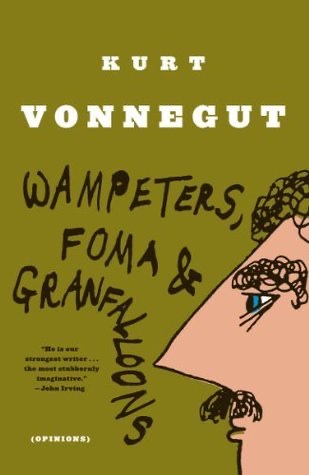 Wampeters, Foma and Granfalloons
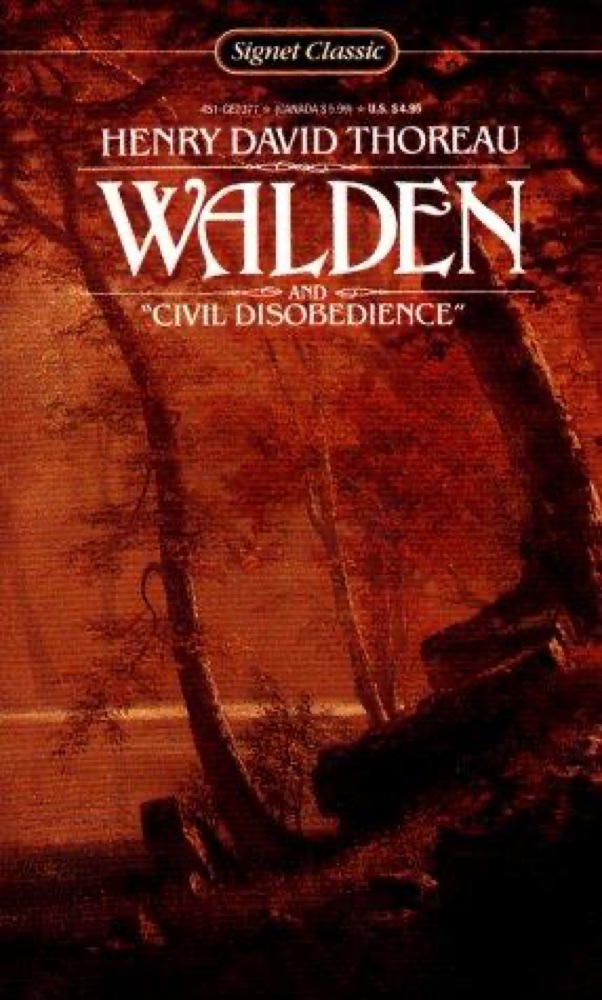 Walden & Civil Disobedience
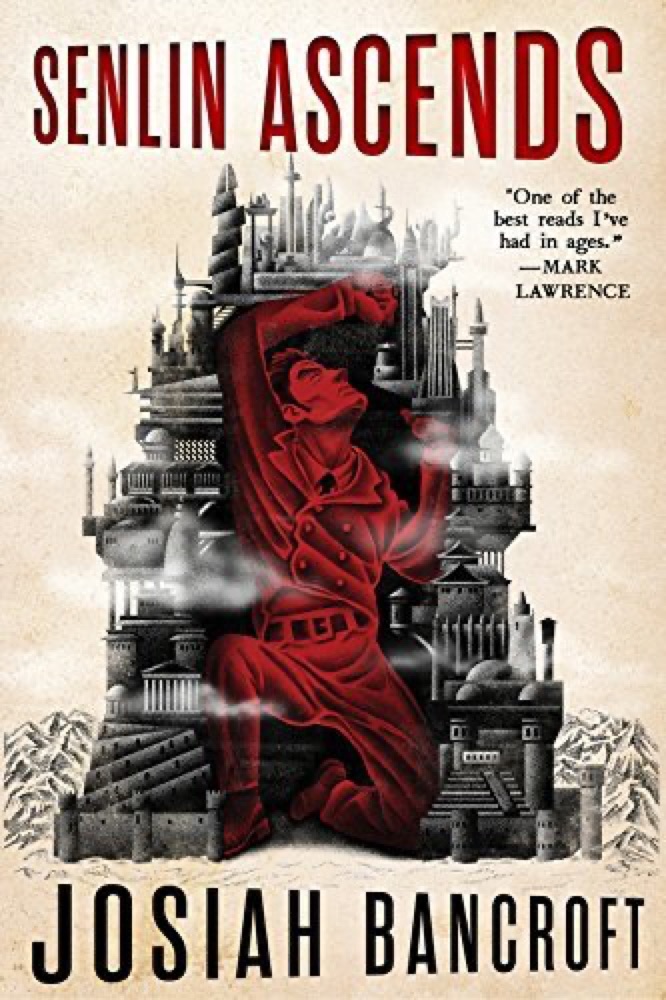 Senlin Ascends
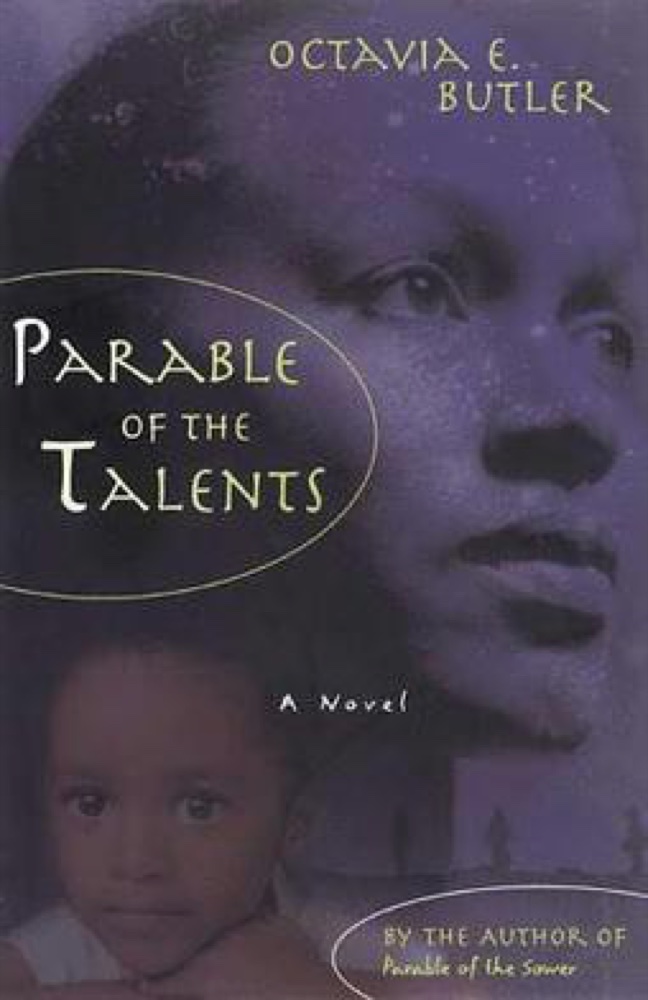 Parable of the Talents
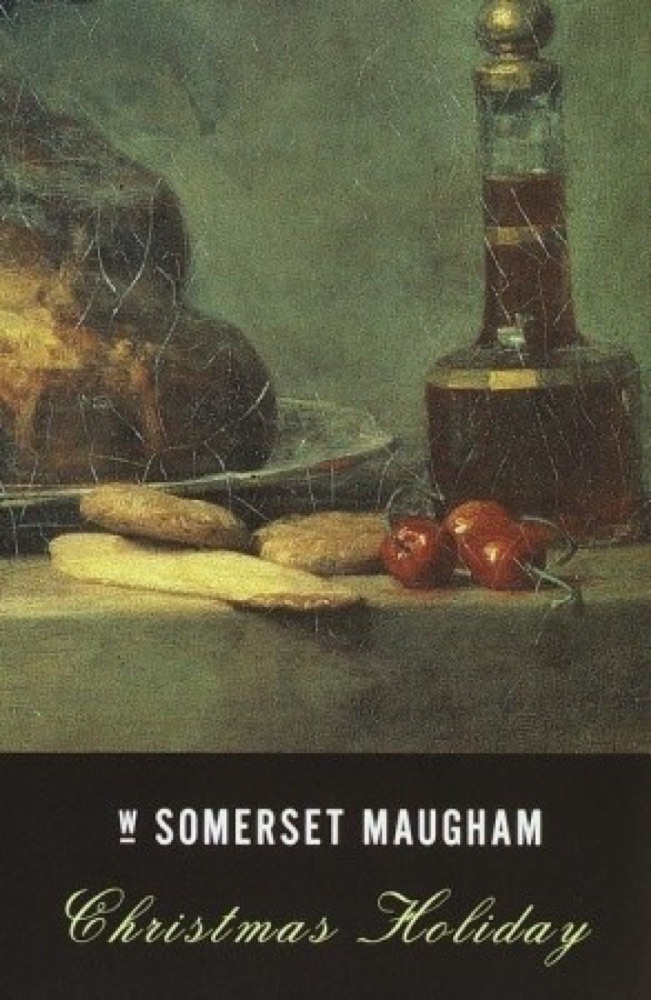 Christmas Holiday
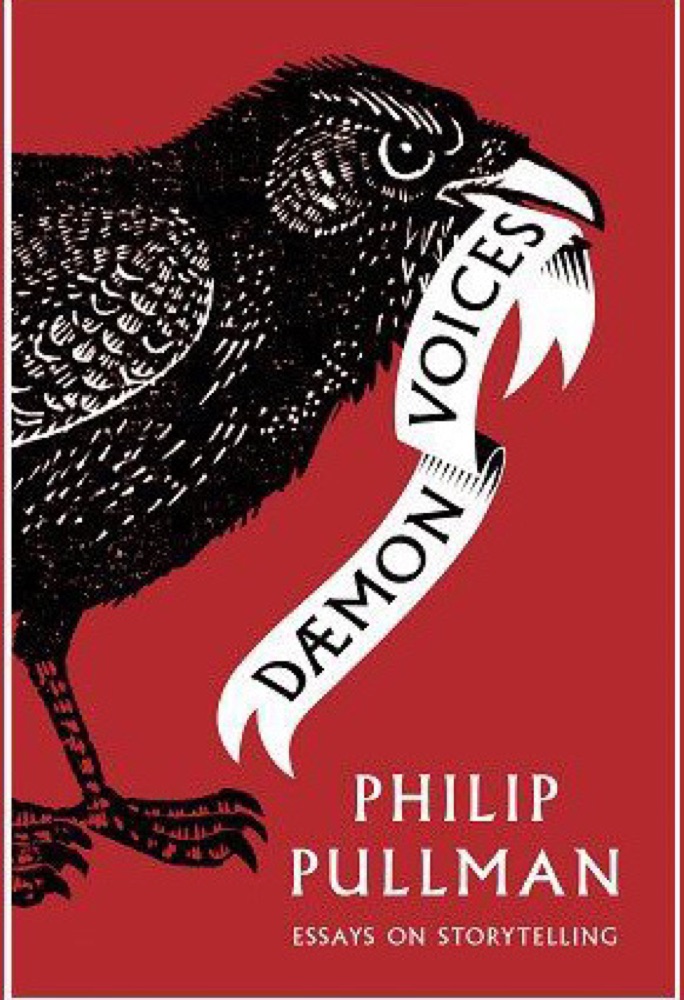 Dæmon Voices
 Allan Quatermain
 The Fencing Master
 Old Babes in the Wood: Stories
 The Golden House