
 Spin
Spin
Quotes from the Book
You must not make the mistake of thinking that because nothing lasts, nothing matters.
13
I want a better Bible, Adam. I want a Bible in which the Fruit of Knowledge contains the Seeds of Wisdom, and makes life more pleasurable for mankind, not worse. I want a Bible in which Isaac leaps up from the sacrificial stone and chokes the life out of Abraham, to punish him for the abject and bloody sin of Obedience. I want a Bible in which Lazarus is dead and stubborn about it, rather than standing to attention at the beck and call of every passing Messiah.
6
What a person runs from and what a person runs to aren't always as different as we hope.
4
Certainly it's a rare glimpse into the lives of the Secular Ancients. They don't seem as bad as the Dominion histories make them out to be. Though clearly they were imperfect." "I don't deny that they were imperfect," Julian said in a distant voice. "I'm not uncritical of the Secular Ancients, Adam. They had all sorts of vices, and they committed one sin for which I can never bring myself to entirely forgive them." "What sin is that?" "They evolved into us," he said.
2
I thought of Einstein, and his insistence that no particular point of view was more privileged than any other: in other words his ‘general relativity’, and its claim that the answer to the question ‘What is real?” begins with the question ‘Where are you standing?
1
I was east of Skepticism and north of Faith, with an unsettled compass and variable winds. But I could offer up a prayer as well as the next man, and leave it to Heaven to judge the result.
1
The territory through which we passed had been overbuilt in the days over the Secular Ancients, but only a few traces of that exuberant time remained, and a whole forest had grown up since then, maple and birch and pine, its woody roots no doubt entwined with artifacts from the Efflorescence of Oil and with the bones of the artifacts' owners. What is the modern world, Julian once asked, but a vast Cemetery, reclaimed by nature? Every step we took reverberated in the skulls of our ancestors, and I felt as if there were centuries rather than soil beneath my feet.
1
We call people rats, who desert a sinking ship; but in some cases the rat has the wisdom of the situation.
A man who submits himself wholeheartedly to God might handle them and not be harmed. That was the faith my father had professed. Certainly he trusted God, in his own case, and believed God manifested Himself in the rolled eyes of his congregants and in their babble of incomprehensible tongues. Trust and be saved, was his philosophy. And yet in the end it was the snakes that killed him. I wondered which element of the calculation had ultimately failed him—human faith or divine patience.
Our truest and best American antiquity, as the Dominion History of the Union insisted, was the nineteenth century, whose household virtues and modest industries we had been forced by circumstance to imperfectly restore, whose skills were unfailingly practical, and whose literature was often useful and improving.
… the vices and wickedness of the Secular Era, some of which still lingered, he said, in the cities of the East – irreligiosity, scepticism, occultism, depravity. And I thought of the ideas I had so casually imbibed from Julian and (indirectly) from Sam, some of which I had even begun to believe: Einsteinism, Darwinism, space travel …
The book was a pleasure to write, and I thought it both original and good, though what was original about it was not necessarily good, and what was good about it was not always original.
There is something mournful and uneasy about waking up late at night on a moving train. The wheels clicked a bony rhythm, the engine growled like a distant Leviathan, and from time to time the whistle sounded a cry so lonesome it seemed to speak for the whole wide moonless night.
God, he asserted, was not contained in any Book, but was a Voice, which every human being could hear (and which most of us chose to ignore). The common name of that voice was Conscience; but it was a God by any reasonable definition, Stepney claimed.
Gods, the pamphlets asserted, were not supernatural beings, but tenuously living things, like ethereal plants, that evolved in concert with the human species. We were simply their medium—our brains and flesh the soil in which they sprouted and grew.
The universe, it seemed, was full to brimming with lonesome places.
Watch on YouTube
About Robert Charles Wilson
We have collected 42 quotes from 3 books by Robert Charles Wilson on BookQuoters.
More about the author →More by Robert Charles Wilson
Spin
 Darwinia
About the book
In the reign of President Deklan Comstock, a reborn United States is struggling back to prosperity. Over a century after the Efflorescence of Oil, after the Fall of the Cities, after the Plague of Infertility, after the False Tribulation, after the days of the Pious Presidents, the sixty stars and thirteen stripes wave from the plains of Athabaska to the national capital in New York City. In Colorado Springs, the Dominion sees to the nation’s spiritual needs. In Labrador, the Army wages war on the Dutch. America, unified, is rising once again.Then out of Labrador come tales of a new Ajax—Captain Commongold, the Youthful Hero of the Saguenay. The ordinary people follow his adventures in the popular press. The Army adores him. The President is…troubled. Especially when the dashing Captain turns out to be his nephew Julian, son of the falsely accused and executed Bryce.Treachery and intrigu
Book details
- First published
- 2006
- Author
- Robert Charles Wilson
- Genre
- Science Fiction
- Goodreads rating
- 3.58 (3k ratings)
Keep reading
 The Everlasting Man
 The Etched City
 The Fall of Hyperion
 The Golden House
 One of Ours
 In the Garden of Iden
 In the Beauty of the Lilies
 Walden & Civil Disobedience
 Children of God
 Lost Horizon
 Songs of Distant Earth
 Two Years Eight Months and Twenty-Eight Nights
 You Can't Go Home Again
 Jayber Crow
 When I Was a Child I Read Books
 The Enchantress of Florence
 Too Like the Lightning
 A Severe Mercy: A Story of Faith, Tragedy and Triumph
 I Cheerfully Refuse
 Eifelheim
 Thirteen Moons
 A Canticle for Leibowitz
 Babylon's Ashes
 Mason & Dixon
 Walden and other writings
 TransAtlantic
 Earth Abides
 Good Omens
 Orthodoxy
 A Connecticut Yankee in King Arthur's Court
 Juneteenth
 Washington Black
 J
J
 Dust Tracks on a Road
 West with the Night
 Cities of the Plain
 The Narrow Road to the Deep North
 The Fall of Babel
 Allan Quatermain
 Foundation and Empire
 The Empusium
 Big Sur and the Oranges of Hieronymus Bosch
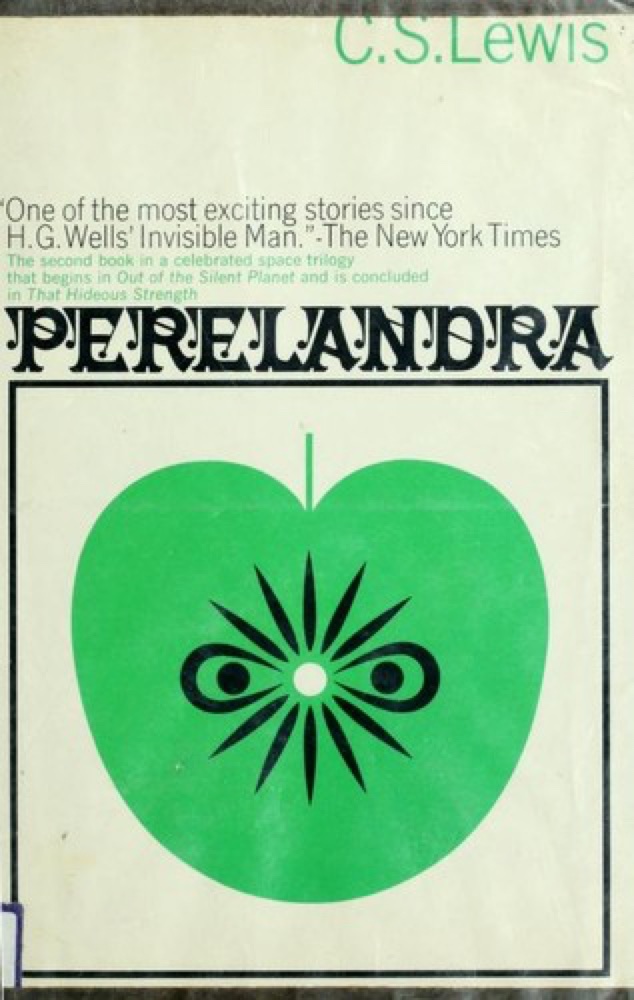 Perelandra
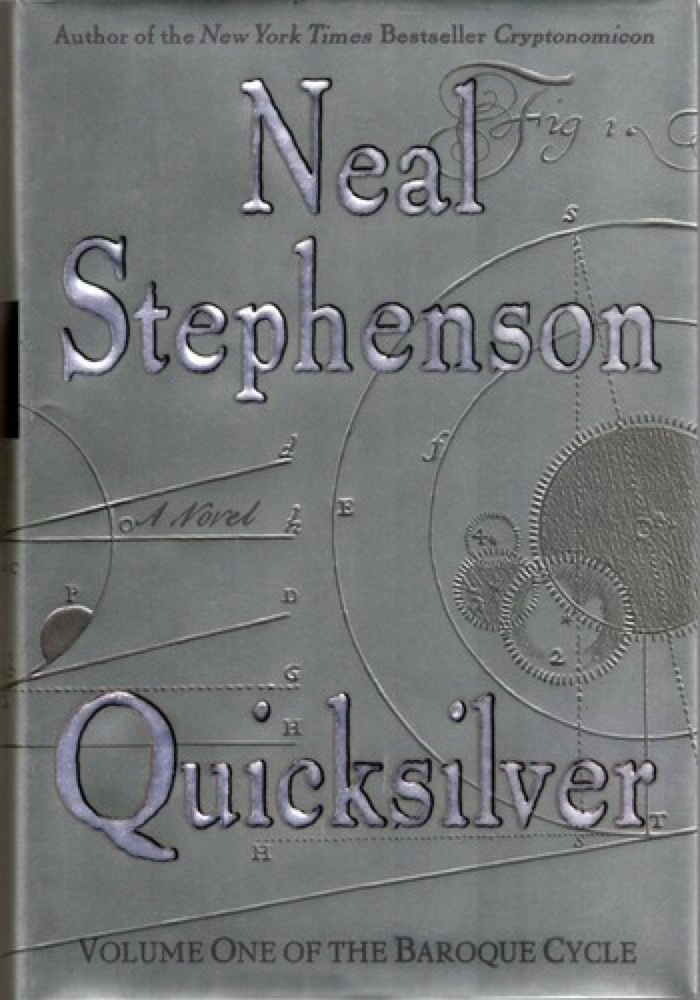 Quicksilver
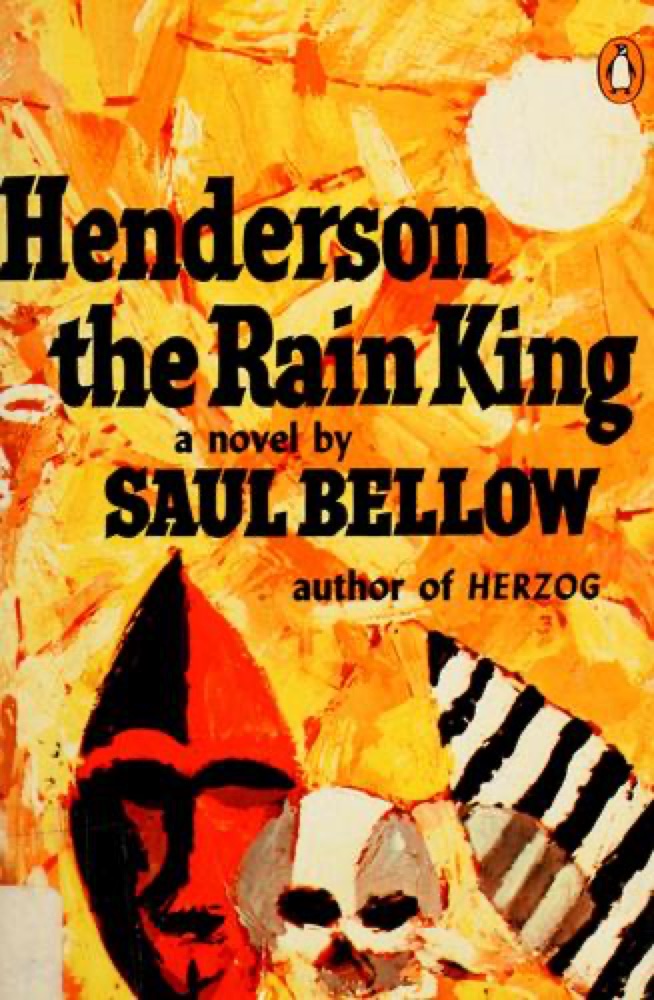 Henderson the Rain King
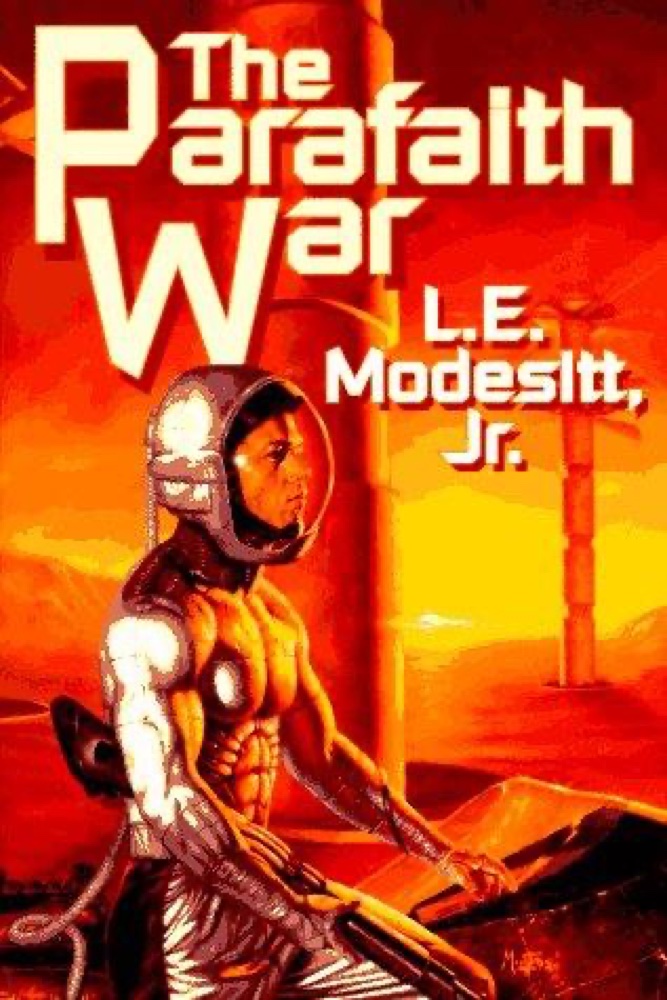 The Parafaith War
 The Cat's Table
 Victory
 Alas, Babylon
 The Great Mistake
 Consider Phlebas
 Arm of the Sphinx
 Essays of E.B. White
 The Magic Mountain
 The Gone-Away World
 The Wolf Gift
 Open City
 The Island of the Day Before
 Far North
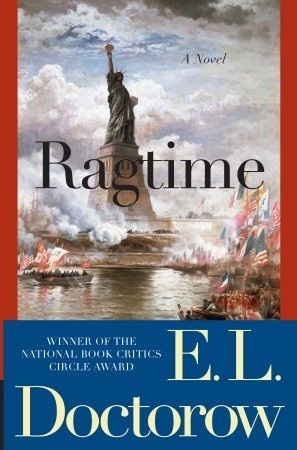 Ragtime