
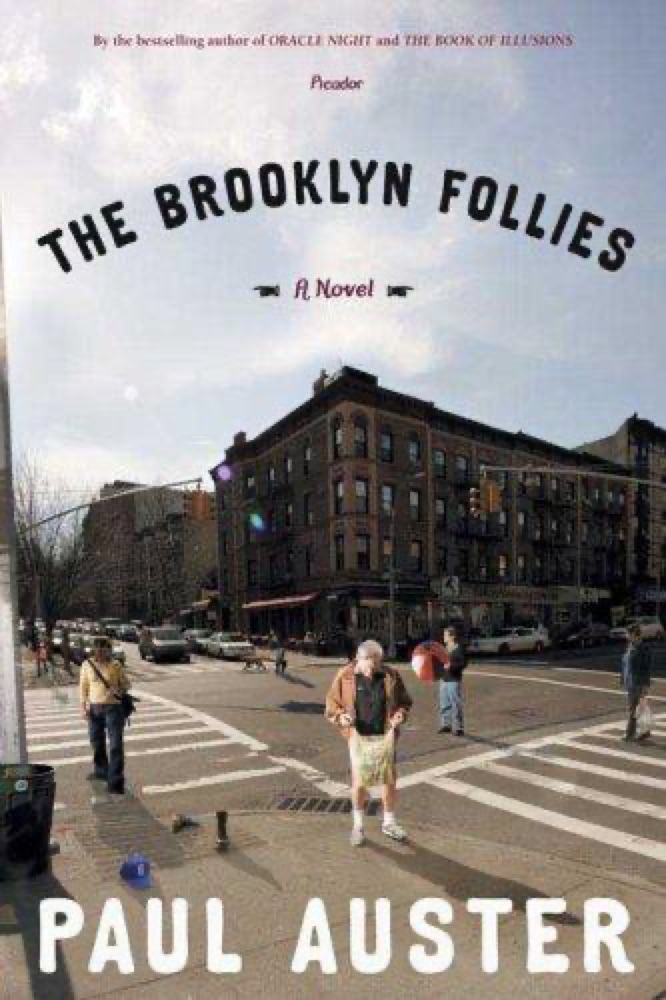
 The Brooklyn Follies
Quotes from the Book
Each time he took a walk, he felt as though he were leaving himself behind, and by giving himself up to the movement of the streets, by reducing himself to a seeing eye, he was able to escape the obligation to think, and this, more than anything else, brought him a measure of peace, a salutary emptiness within...By wandering aimlessly, all places became equal and it no longer mattered where he was. On his best walks he was able to feel that he was nowhere. And this, finally was all he ever asked of things: to be nowhere.
He would conclude that nothing was real except chance.
They had come to the end of what they could talk about. Beyond that point there was nothing: the random thoughts of men who knew nothing.
By wandering aimlessly, all places became equal, and it no longer mattered where he was.
Quinn froze. There was nothing he could do now that would not be a mistake. Whatever choice he made--and he had to make a choice--would be arbitrary, a submission to chance. Uncertainty would haunt him to the end. At that moment, the two Stillmans started on their way again. The first turned right, the second turned left. Quin craved an amoeba's body, wanting to cut himself in half and run off in two directions at once. (Chapter 7)
Would it be possible, he wondered, to stand up before the world and with the utmost conviction spew out lies and nonsense? To say that windmills were knights, that a barber’s basin was a helmet, that puppets were real people? Would it be possible to persuade others to agree with what he said, even though they did not believe him? In other words, to what extent would people tolerate blasphemies if they gave them amusement? The answer is obvious, isn’t it? To any extent. For the proof is that we still read the book. It remains highly amusing to us. And that’s finally all anyone wants out of a book—to be amused.
It was a wrong number that started it, the telephone ringing three times in the dead of night, and the voice on the other end asking for someone he was not.
And that's finally all anyone wants out of a book- to be amused
If some saw the Indians as living in prelapsarian innocence, there were others who judged them to be savage beasts, devils in the form of men. The discovery of cannibals in the Caribbean did nothing to assuage this opinion. The Spaniards used it as a justification to exploit the natives mercilessly for their own mercantile ends. For if you do not consider the man before you to be human, there are few restraints of conscience on your behavior towards him. It was not until 1537, with the papal bull of Paul III that the Indians were declared to be true men possessing souls.
The telephone was not his favorite object, and more than once he had considered getting rid of his. What he disliked most of all was its tyranny. Not only did it have the power to interrupt him against his will, but inevitably he would give in to its command.
I have come to New York because it is the most forlorn of places, the most abject. The brokenness is everywhere, the disarray is universal. You have only to open your eyes to see it. The broken people, the broken things, the broken thoughts. The whole city is a junk heap.
If you do not consider the man before you to be human, there are few restraints of conscience on your behavior towards him.
What will happen when there are no more pages in the red notebook?
What better portrait of a writer than to show a man who has been bewitched by books?
So...what are you working on now?" “Right now, an essay about Don Quixote.” “One of my favorite books.” “Mine too.” “What’s the gist?” “It has to do with the authorship of the books.” “Is there any question?” “I mean the book inside the book Cervantes wrote, the one he imagined he was writing.” “Ah.” “Cervantes claims he is not the author, that the original text was in Arabic.” “Right. It’s an attack on make-believe, so he must claim it was real.” “Precisely. Therefore, the story has to be written by an eyewitness yet Cid Hamete Benengeli, the acknowledged author, never makes an appearance. So who is he? Sancho Panza is of course the witness – illiterate, but with a gift for language. He dictated the story to the barber and the priest, Don Quixote’s friends. They had the manuscript translated into Arabic. Cervantes found the translation and had it rendered back into Spanish. The idea was to hold up a mirror to Don Quixote’s madness so that when he finally read the book himself, he would see the error of his ways. But Don Quixote, in my view, was no mad. He only pretended to be. He engineered the collaboration, and the translation from Arabic back into Spanish. I like to imagine Cervantes hiring Don Quixote in disguise to decipher the story of Don Quixote.” “But why did Quixote go to such lengths?” “He wanted to test the gullibility of man. To what extent would people tolerate blasphemies, lies, and nonsense if they gave them amusement? The answer: to any extent. For the book is still amusing us today. That’s finally all anyone wants out of a book. To be amused.
Anything for the truth. No sacrifice is too great.
You can't hate something so violently unless a part of you also loves it.
Time makes us grow old, but it also gives us the day and the night...Lying is a bad thing. It makes you sorry you were ever born. And not to have been born is a curse. You are condemned to live outside time. And when you live outside time, there is no day and night. You don't get a chance to die.
The impediment to the building of Babel—that man must fill the earth—would be eliminated. At that moment it would again be possible for the whole earth to be of one language and one speech. And if that were to happen, paradise could not be far behind.
Watch on YouTube
About Paul Auster
We have collected 312 quotes from 17 books by Paul Auster on BookQuoters.
More about the author →More by Paul Auster
All books by Paul Auster →
Book details
- Author
- Paul Auster
- Genre
- Literature
- Goodreads rating
- 3.74 (25k ratings) →
Keep reading
 Dhalgren
 The Man Without Qualities
 Winter's Tale
 All the King's Men
 V.
V.
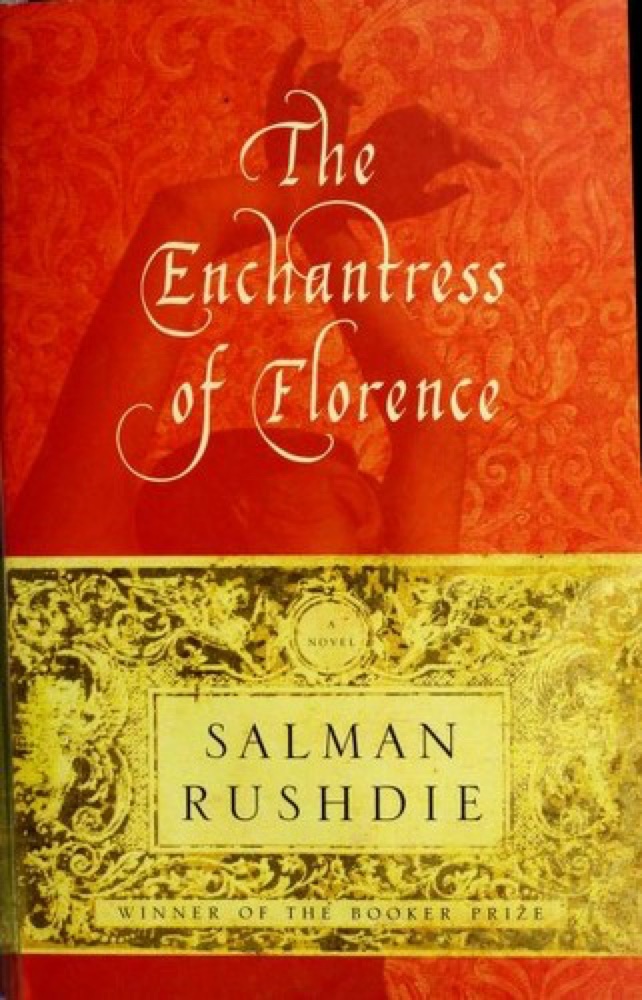 The Enchantress of Florence
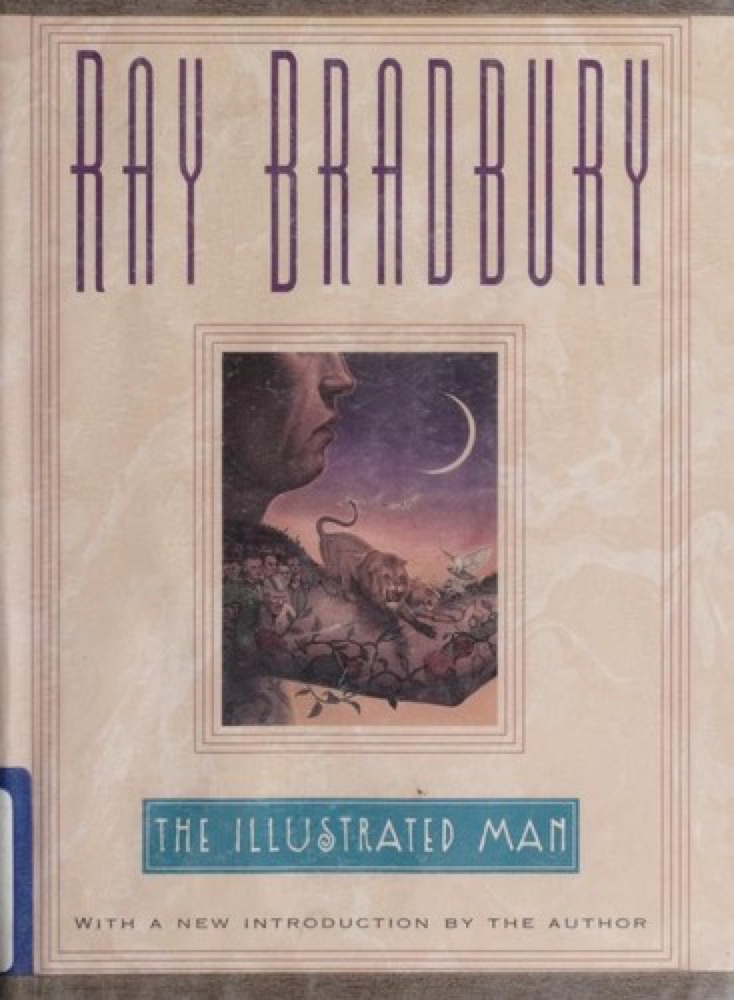 The Illustrated Man
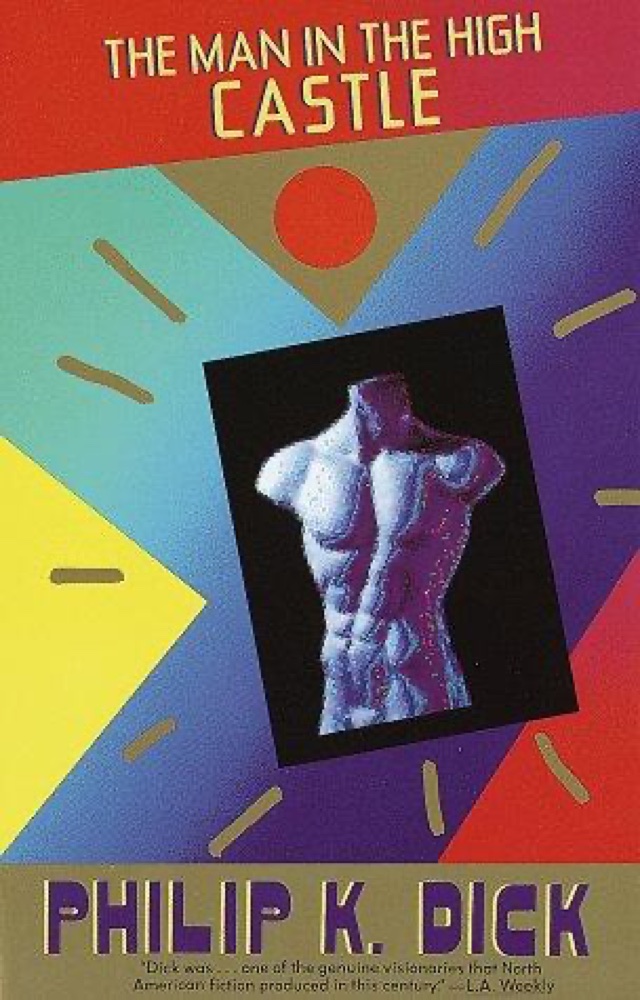 The Man in the High Castle
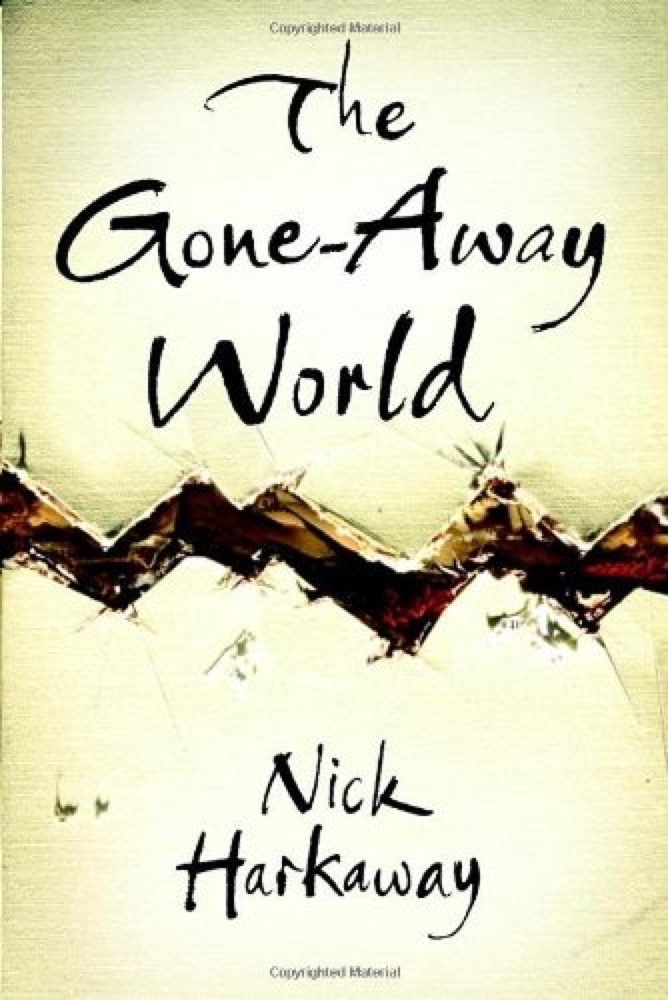 The Gone-Away World
The Brooklyn Follies
The Gone-Away World
The Brooklyn Follies
 The Fall of Babel
 Dead Souls
 The Magic Mountain
 Arm of the Sphinx
 Point Counter Point
 The Magus
 Eyeless in Gaza
 Sourcery
 The Wolf Gift
 The Mime Order
 Selected Stories
 Leviathan
 The Naked and the Dead
 Selected Poems
 Crome Yellow
 Neverwhere
 Another Country
 Everything's Eventual
 Labyrinths: Selected Stories and Other Writings
 Libra
Libra
 The Stories of Vladimir Nabokov
 Bradbury Stories: 100 of His Most Celebrated Tales
 The Third Policeman
 The Fear Institute
 City of Illusions
 Cities of the Plain
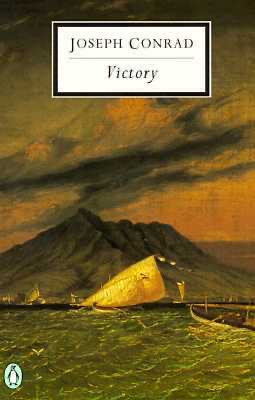 Victory
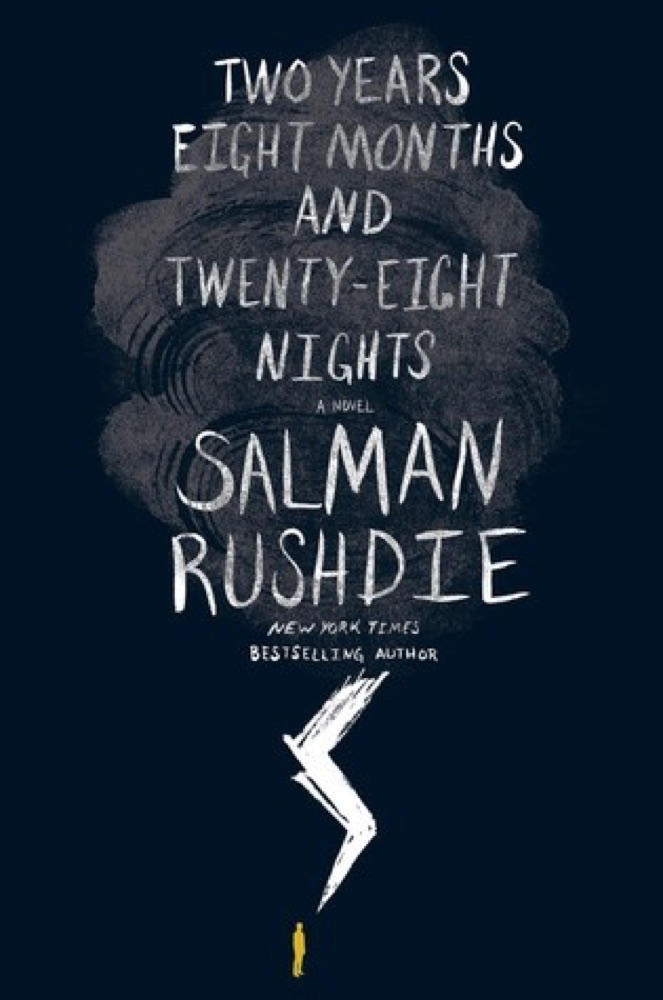 Two Years Eight Months and Twenty-Eight Nights
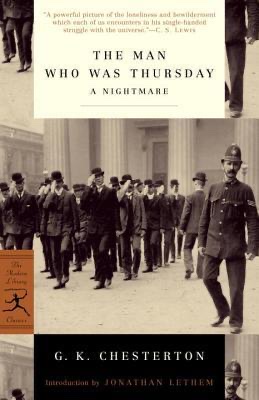 The Man Who Was Thursday
 The Narrow Road to the Deep North
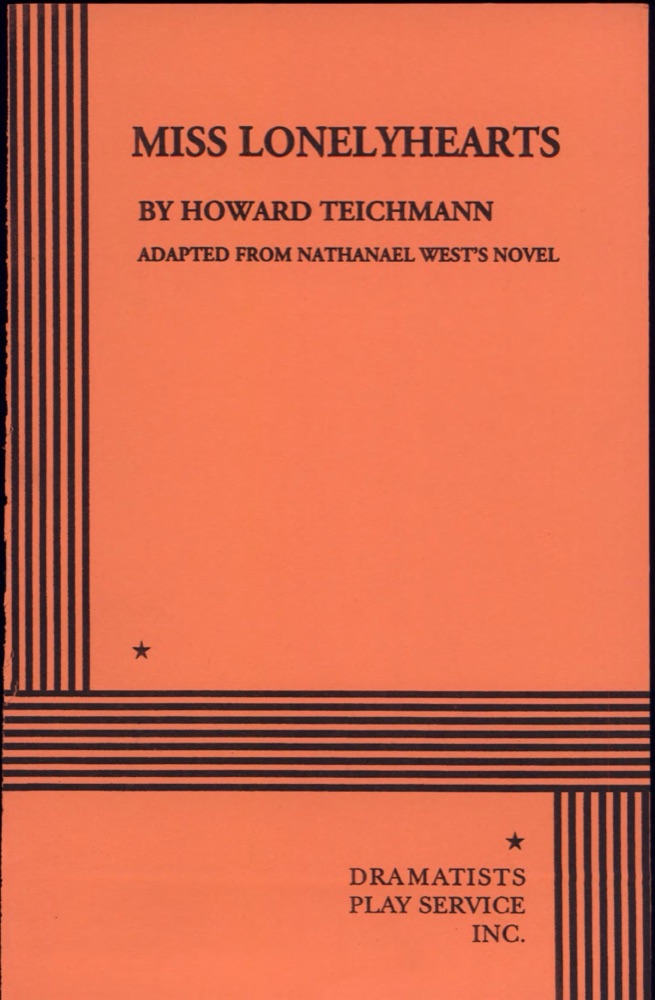 Miss Lonelyhearts
 Everything's Eventual
 The Sunlit Man
 A Connecticut Yankee in King Arthur's Court
 Absalom, Absalom!
 The Broken Eye
 Selected Stories of Anton Chekhov
 Perelandra
 Revolutionary Road
 Quicksilver
 Complete Works of Oscar Wilde
 Dreams and Shadows
 You Can't Go Home Again
 Fathers and Sons
 An Instance of the Fingerpost
 Sword & Citadel
 Weaveworld
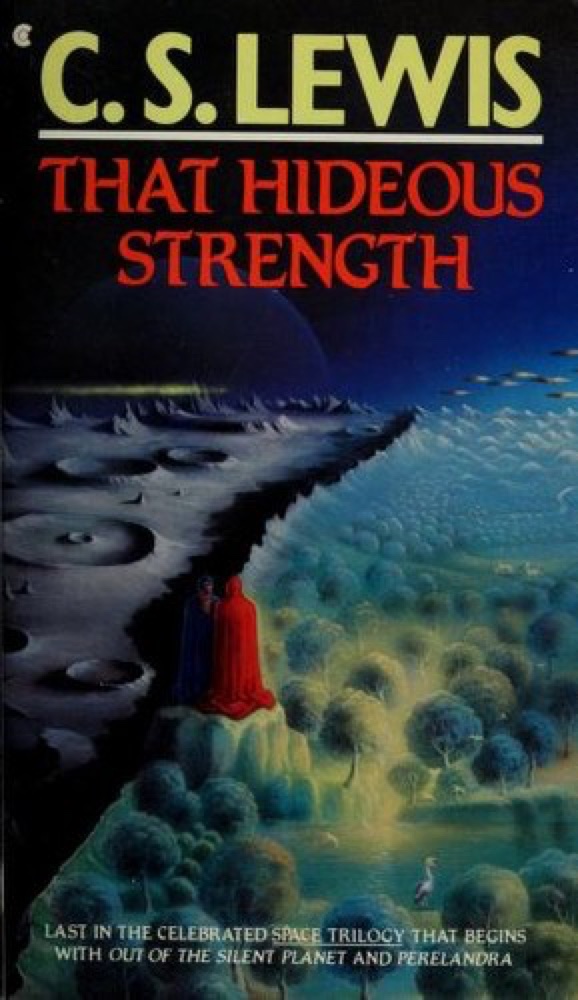 That Hideous Strength
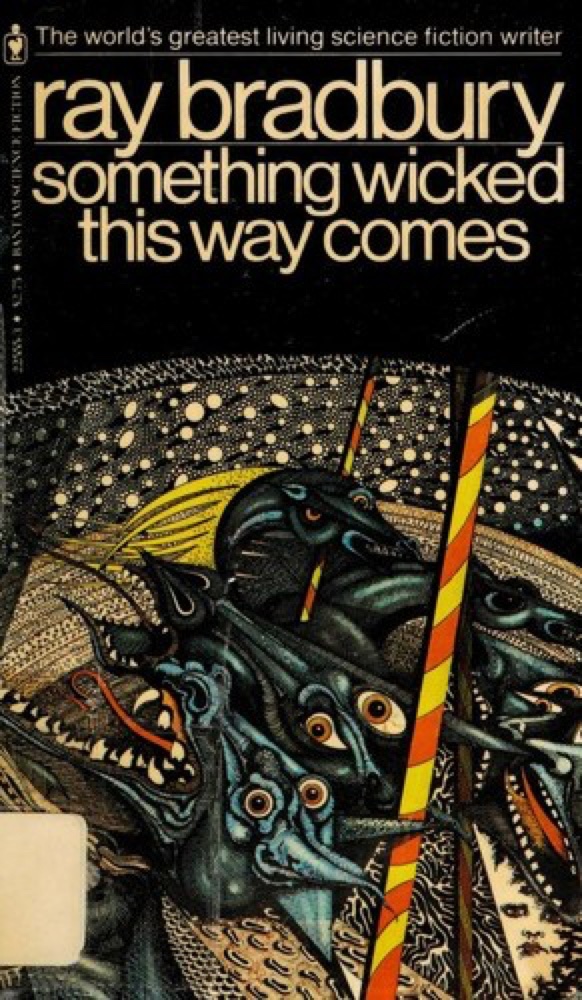 Something Wicked This Way Comes
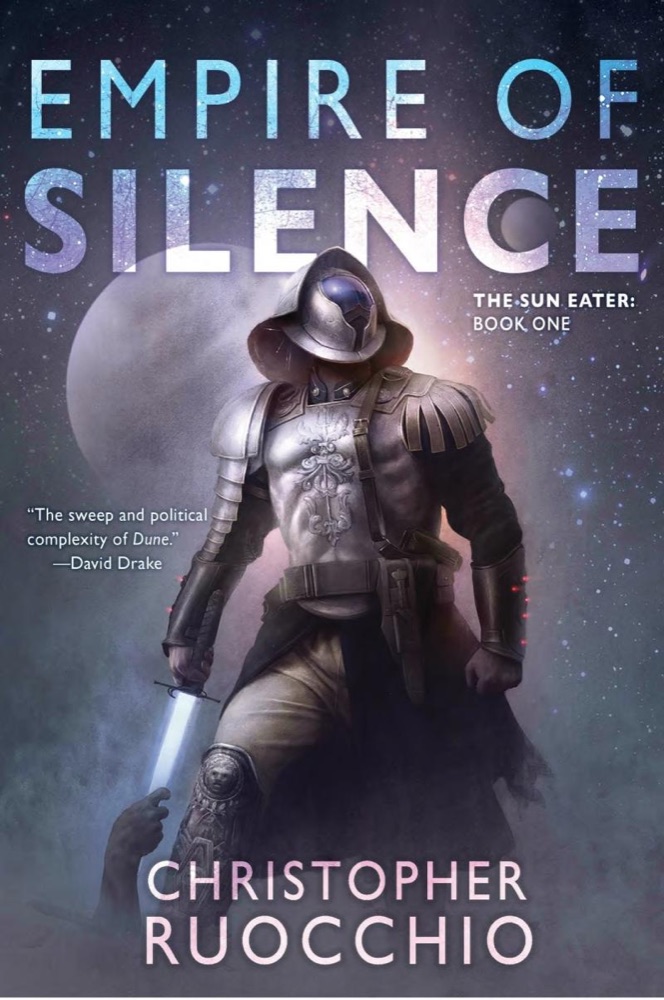 Empire of Silence