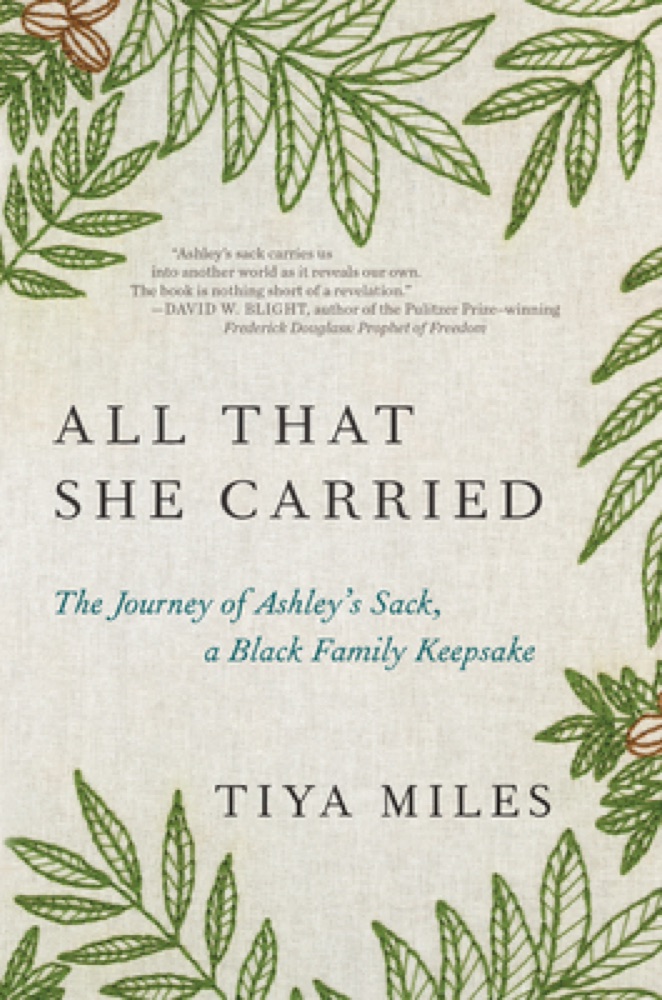

 The Love Songs of W.E.B. Du Bois
Quotes from the Book
Things become bearers of memory and information, especially when enhanced by stories that expand their capacity to carry meaning.
3
Historical visibility is everywhere related to social power.”1 It is a madness, if not an irony, that unlocking the history of unfree people depends on the materials of their legal owners, who held the lion’s share of visibility in their time and ours. Captive takers’ papers and government records are often the only written accounting of enslaved people who could not escape and survive to tell their own stories. The wealthier and more influential the slaveholder, the more likely it is that plantation and estate records were kept and preserved over centuries in private offices and, later, research repositories. As the richest U.S. colony for a span of time prior to the Revolutionary War and a nexus of economic growth into the nineteenth century, South Carolina has more than its share of these tainted but crucial, documents.
1
For women, cloth also tended to represent the work of their hands, the female branches of family trees, and notions of the feminine ideal. Passing on a textile, then, symbolized women's ability, creativity, and continuance.
1
The history of Africans in America is brutal, but we have made art out of pain, sustaining our spirits with sunbursts of beauty, teaching ourselves how to rise the next day.
1
As one historian of slavery and capitalism concluded: “The number of enslaved migrants who made it from the depths of the cotton and sugar frontiers all the way to the free states probably numbered under a thousand during all the years of slavery. That amounts to one-tenth of 1 percent of all forced migrants.
1
Researchers working in pre-twentieth-century records who care about Black lives are often left with the disparaging theorizations of slavery’s apologists and the cold notations of plantation diarists. What we might call the blood documents generated by the life of a “slave”—birth notations, food rations, clothing and blanket distributions, physician bills, bills of sale, death data—routinely confront researchers in Black women’s history and the history of slavery.
Evidence, or the lack thereof, presents a particular challenge for the study of Black women, women of color, and women on the whole as groups that have been socially disempowered and therefore often overlooked by the keepers of records and the intellectual architects of archives.
With this project, I sought to answer a series of questions: What is the story of this cloth? Who were the mothers and daughters that touched it? What compelled Black women to struggle in defense of life in a system that turned mere existence into hardship? How did they maintain their will across generations in bleak times? And what can Black women’s creative response to the worst of circumstances teach us about the past and offer us for the future?
Every scholar of early Black or Native women’s history, and the history of slavery, must confront the conundrum of the archives. Embarking on a search for evidence to verify the text of the sack compelled my turn to the traditional historical archive in these pages, notwithstanding its gruesomely violent episodes and unnervingly silent gaps.
There are bound to be errors in this book, and they are mine. I regret that even with the help of two able genealogists, I was unable to identify living descendants of Rose. If I have offended the spirits of Rose, Ashley, Rosa, Ruth, Dorothy, or their descendants in any way, I offer my apology. If I have contributed to love and life in any way, I offer my gratitude for the opportunity. Thank you to the ancestors for their company and forbearance. Thank you to the descendants for carrying on.
Rose’s sack was made of cotton grown by unfree people, produced by a poor and possibly enslaved working class in a factory, secured by a chain stitch eerily symbolic of the forced-labor ethos of the era, and intended to serve a mammoth agricultural industry that enriched an elite master class at the expense of those who made the sacks. That Rose took all of this in hand and renewed the sack’s original purpose feels mystically fitting.
In embellishing the cloth with her foremothers’ tale, Ruth committed this episode to family history and American history. And now that the sack is in our hands, we cannot forget its layered lessons. Horrible things take place. Nevertheless, survival is possible. Hope can gain ground, and generations can be sustained. When we bear into the future the full knowledge of our past, we walk with hearts unfolded. We recognize the brutality of our species and as well the light in our spirits. We see that nothing is preserved, and no child or grandchild is saved, without brash acts of love and wild visions of continuance.
By scripting a family history onto the bag that was core to the story, Ruth accomplished two crucial feats: she succeeded in attaching a special story to a precious object, permanently joining them together so that neither would be forgotten, and she entered her family’s humble sack into the written record from which histories of the nation are made. Ruth turned the story she had heard through the years into a remarkable document, a written record with the cultural power to augment history.
Ruth documents her name and the date, lending this textile the feel of an official report equal to any document and standing as a poetic rebuttal to the anonymizing archives of slavery.
Gayl Jones’s novel Corregidora insists upon when she passes down the family story of surviving slavery to her granddaughter: evidence. “They didn’t want to leave no evidence of what they done—so it couldn’t be held against them,” the grandmother insists. “And I’m leaving evidence. And you got to leave evidence too.” 79
Ruth turned the story she had heard through the years into a remarkable document, a written record with the cultural power to augment history.
Ruth united her own life and times with those of her foremothers through this craft project, “sewing together those [who] were torn asunder.” 21
By inscribing her foremothers’ story into cloth, Ruth made a series of strong assertions about her family and herself. 20 She stood as witness to the existence of the women in her family line, entering their plight and their intrinsic worth as human beings into the written record. She exposed the immorality of slavery and articulated her foremothers’ implicit criticism of the inhumane system that had harmed them.
For grandmother and grandchild both, “interpreting and reinterpreting the past [was] crucial for survival, strength, and carrying on.” 17 How apt, how perfect, as if a fabrication of the story itself, that the “carrying on” enacted through Ashley and Ruth’s exchanges is attached to an actual carrier in the form of the cotton seed sack?
even as the listener learns from the teller’s experience in a rehearsal of life’s potential challenges. What is more, telling may have become a way for Ashley, as well as Ruth, to move beyond the constraining role of a victim and take up the empowering stance of a witness.
The scenes of forced parting that shadow slave narratives are difficult for us to absorb as twenty-first-century readers. Vivid descriptions of fathers begging and mothers wailing as children cried out for rescue are almost too much for us to bear, even with the distance of time, which operates as our emotional shield.
And by writing herself into it, Ruth claimed a place for herself as heir of the magic sack in a long line of women survivors. “To inscribe one’s name on a material object assured some sort of immortality,” writes Ulrich. 24 By affixing her version of a family story to the textile that was its subject, Ruth Middleton kept her foremothers alive in memory and linked herself to a living legacy that she could then bequeath.
This loss of the material traces of history, which stands alongside a multitude of other losses in African American experience, has grave ramifications for well-being. Human values and human relations have been expressed and revealed through things for as long as we have been painting on cave walls and making tools. We come to know ourselves through things, cement community ties through things, think with things, and remember what is important to us with the aid of objects. 4
As with any archive, we cannot presume that this sack bears straightforward, unassailable facts. Using the object responsibly as a source for historical inquiry means asking questions of it and, as uncomfortable as it might feel, maintaining a willingness to poke holes into it. Placing this artifact in conversation with other sources and considering its various historical contexts can help us test its reliability in the service of historical understanding as well as the search for “symbolic truths” that transcend hard evidence and speak to the intangible meanings of our collective human lives. 10
Brown, a scholar of the recent past, agree on this: our foremothers wove spiritual beliefs, cultural values, and historical knowledge into their flax, woolen, silk, and cotton webs. The work of their hands can lead us back to their histories and serve as guide rails as we grope through the difficult past.
An essential medium of social messaging, fabric announced information (often about social status), triggered memory (of events and people), and even bestowed protective magic (through embedded sacred material and shared belief). Before word processors, the printing press, and wood-pulp paper, cloth fashioned by women makers preserved the “mythohistories” of entire groups. Noblewomen spun thread on gold and silver spindles, fashioning tapestries with grand visual narration. In ancient Greece, Europe, and the Mediterranean, cloth did the work of retaining stories of distant kin, as women “recorded the deeds and/ or myths of their clans in their weaving.” These tapestries, laden with messages of historical events and mythological symbolism, bore a critical record-keeping and cultural function as “story cloths.” 6 While few ancient women had the luxury of twining their thread on golden spindles, the tradition of the story cloth of yore continues in the pieced quilts and cotton windowpane coverlets, embroidery samplers and crocheted afghans that we hand down through families with stories attached.
But I know after twenty-five years of studying Black women’s history, and my grandmother must have known from experience as she told me the story back then, that a Black woman was better off hidden than smart when white men came calling in pre–civil rights Mississippi.
We are the ancestors of our descendants. They are the generations we’ve made. With a “radical hope” for their survival, what will we pack into their sacks? 2
As a signifier of past sexual relations between white men and enslaved women, long, straighter hair on Black children was also targeted by mistresses. One formerly enslaved woman, in describing how masters would impregnate the cooks in their households, remembered: “Sometimes the cook’s children favored him so much that the wife would be mean to them and make him sell them. If they had nice long hair she would cut it off and wouldn’t let them wear it long like the white children.” 59
About Tiya Miles
Tiya Miles is a professor of history at Harvard and a MacArthur fellow, originally from Ohio, who writes on the intersections of African American and Native American history. She is the author of All That She Carried, which won the National Book Award for Nonfiction, as well as earlier prize-winning histories such as The Dawn of Detroit.
More about the author →About the book
All That She Carried is a 2021 work of nonfiction history by Tiya Miles that traces the story of a single object: a rough cotton sack now known as Ashley's Sack. In 1850s South Carolina, an enslaved woman named Rose packed the sack with a tattered dress, a lock of her hair, three handfuls of pecans, and her love, and gave it to her nine-year-old daughter Ashley when the girl was sold away to a different owner and the two were permanently separated. Decades later, in 1921, Ashley's granddaughter Ruth Middleton embroidered the sack with the family's history in spare, haunting language, including Rose's wish that it "be filled with my Love always." Miles builds the book around this artifact, using it to reconstruct the lives of three generations of Black women spanning slavery and freedom, the South and the North.
The book confronts what Miles calls "the conundrum of the archives": the near-total absence of first-hand records left by enslaved people, whose history must often be unlocked through the documents of their legal owners. Unable to find primary sources on Rose or Ashley directly, Miles draws on plantation records, the testimony of other enslaved people such as Harriet Jacobs, and the material meaning of each item in the sack to paint a portrait of these women. Her central themes are maternal love and separation, the violence of family rupture under chattel slavery, survival, and the way ordinary objects can carry memory across generations. She also reads the sack's contents as historical evidence, noting, for example, how the tattered dress reflects laws restricting what enslaved women could wear and how the pecans hint at Rose's possible skill as a cook.
All That She Carried was a critical and commercial success, becoming a bestseller and winning the 2021 National Book Award for Nonfiction, the 2022 Frederick Douglass Book Prize, the 2022 Cundill History Prize, and the 2022 Ralph Waldo Emerson Award. Reviewers praised its innovative method: The New York Times noted how delicately Miles balances documented fact with careful speculation given the paucity of slave narratives, while The Guardian described her use of an ordinary cotton sack as a template to thread an extraordinary tale through the generations. The Washington Post placed the story within the broader American history of family separation, and Kirkus and Publishers Weekly both singled out the book as an exquisitely crafted, compassionate account of transformative love.
Book details
- First published
- 2021
- Author
- Tiya Miles
- Genre
- Nonfiction
- Goodreads rating
- 3.92 (9k ratings)
Keep reading
The Love Songs of W.E.B. Du Bois
 Black in Blues: How a Color Tells the Story of My People
 Wake: The Hidden History of Women-Led Slave Revolts
 Women's Work: The First 20,000 Years: Women, Cloth, and Society in Early Times
 How the Word Is Passed: A Reckoning with the History of Slavery Across America
 Femina: A New History of the Middle Ages, Through the Women Written Out of it
 Four Hundred Souls: A Community History of African America, 1619-2019
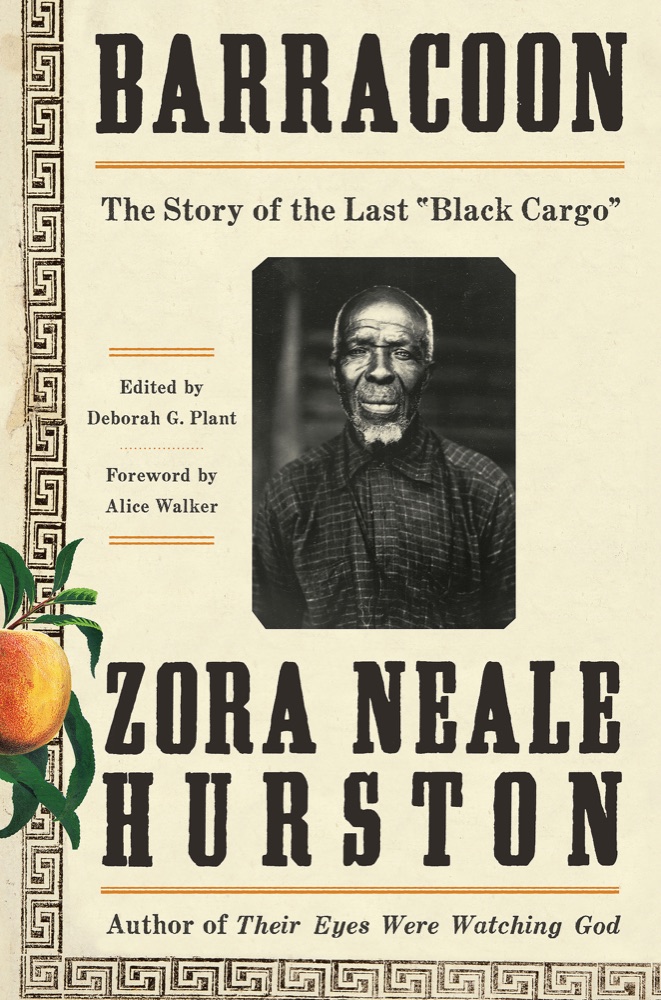 Barracoon: The Story of the Last "Black Cargo"
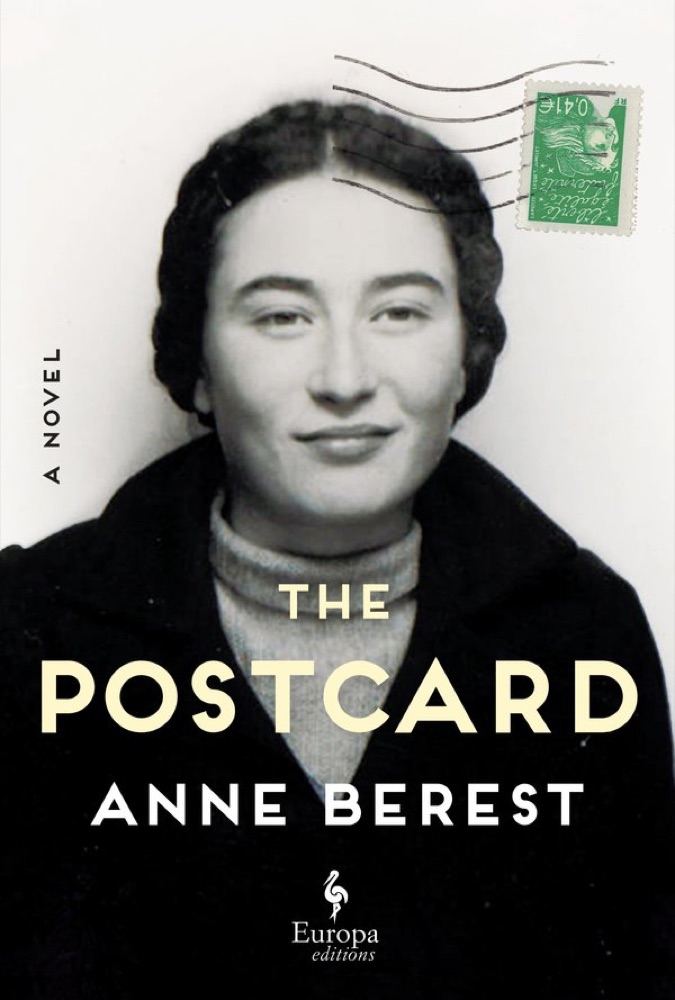 The Postcard
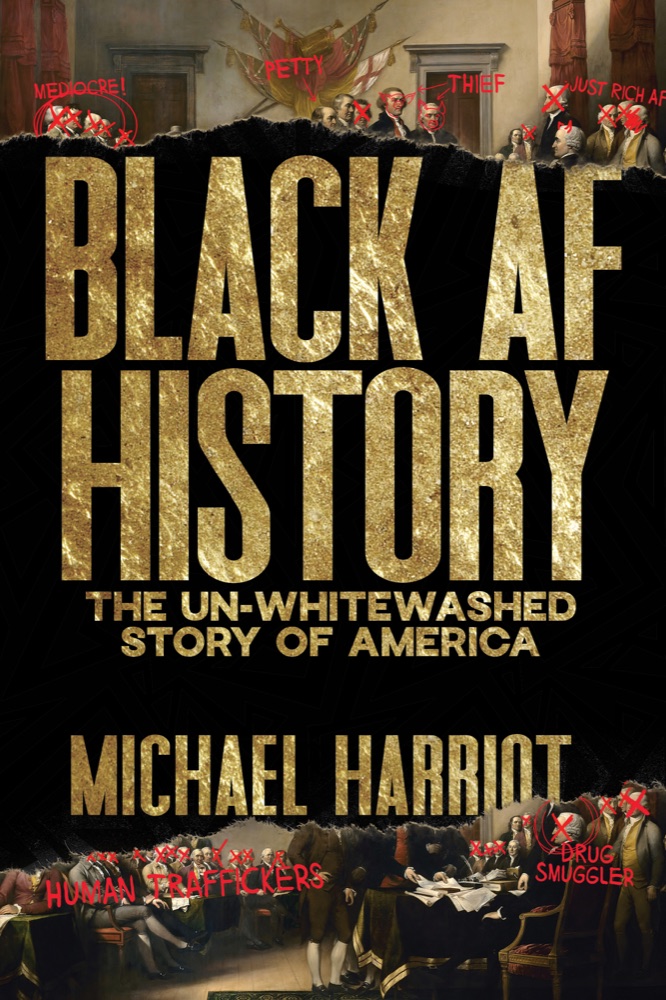 Black AF History: The Un-Whitewashed Story of America
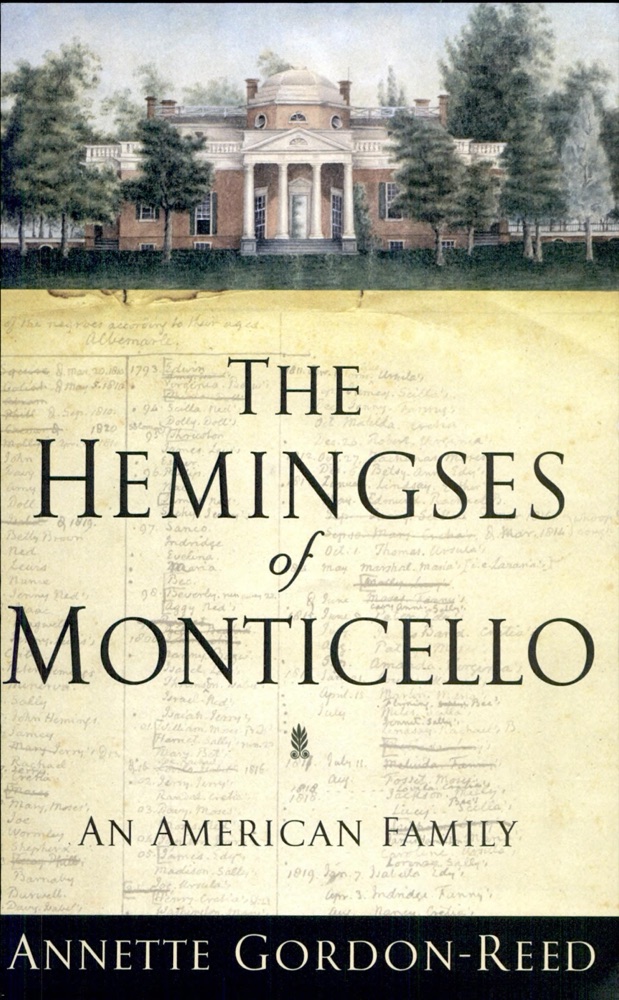 The Hemingses of Monticello: An American Family
 Thrust
 They Were Her Property: White Women as Slave Owners in the American South
 The Hare With Amber Eyes: A Family's Century of Art and Loss
 The Sea Keeper's Daughters
 Prairie Fires: The American Dreams of Laura Ingalls Wilder
 The Frozen River
 America's Women: 400 Years of Dolls, Drudges, Helpmates, and Heroines
 Aftershocks
 The 1619 Project: A New Origin Story
 The Water Dancer
 The Fire This Time: A New Generation Speaks About Race
 Black Is the Body: Stories from My Grandmother's Time, My Mother's Time, and Mine
 Stony the Road: Reconstruction, White Supremacy, and the Rise of Jim Crow
 Men We Reaped
 Homegoing
 A Song Flung Up to Heaven
 In Search of Our Mothers' Gardens: Womanist Prose
 The Half Has Never Been Told: Slavery and the Making of American Capitalism
 Blanche on the Lam
 Sassafrass, Cypress & Indigo
 The Warmth of Other Suns: The Epic Story of America's Great Migration
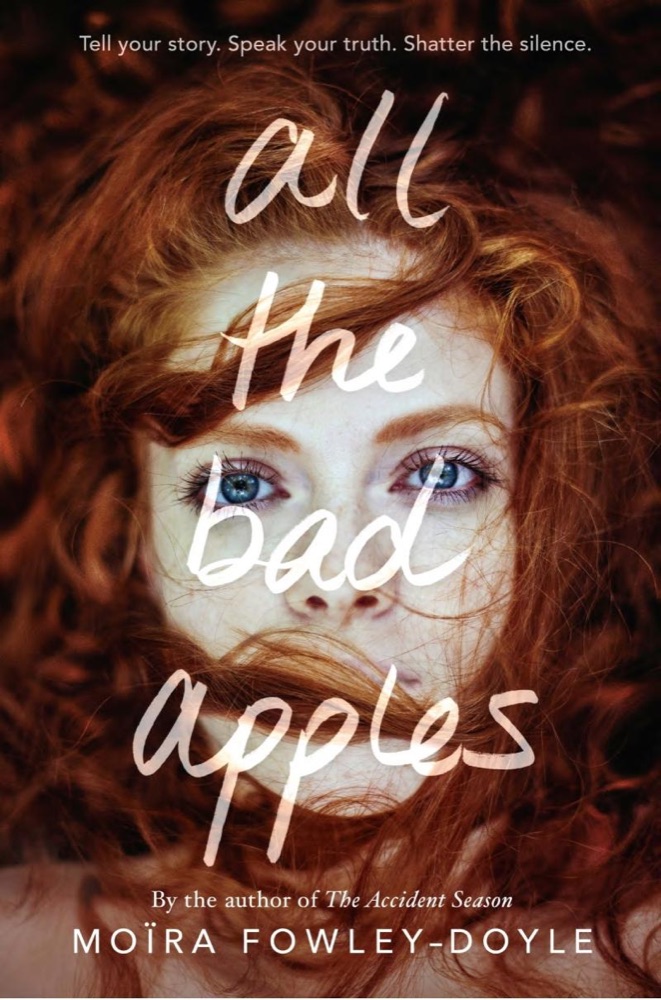 All the Bad Apples
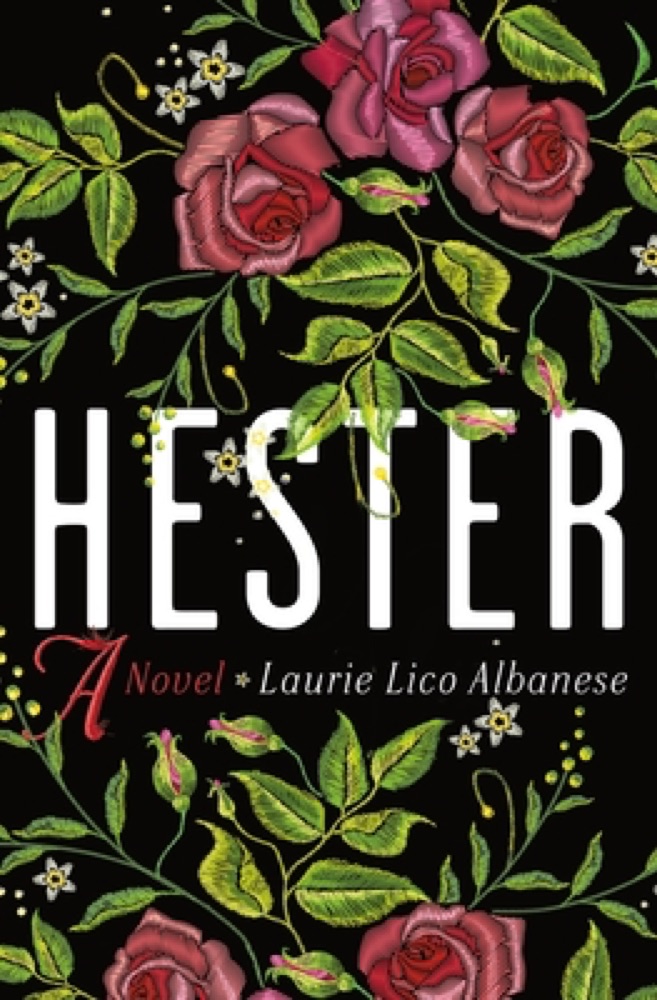 Hester
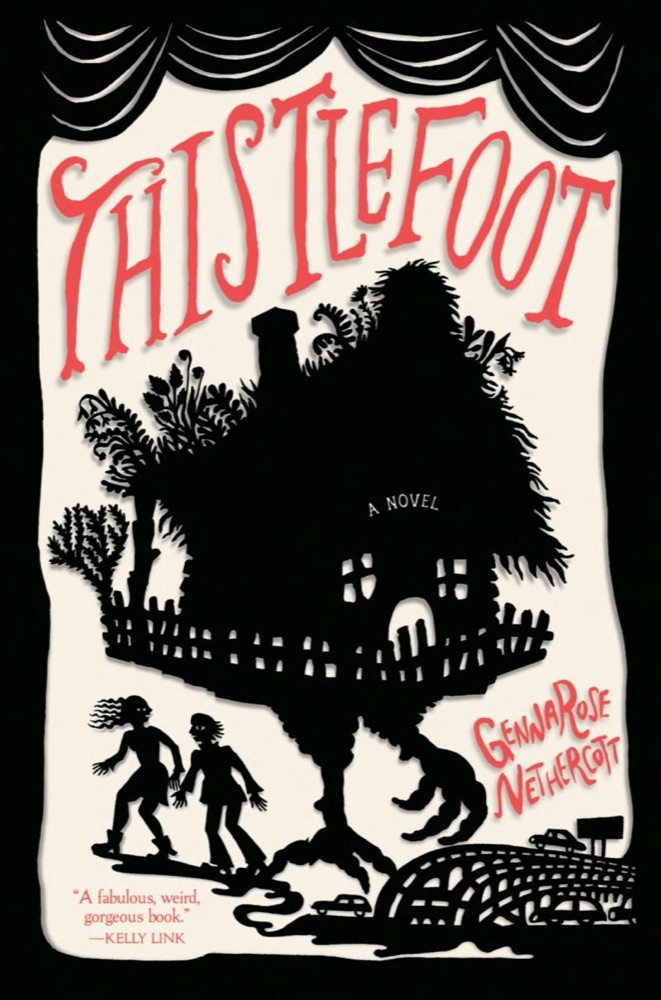 Thistlefoot
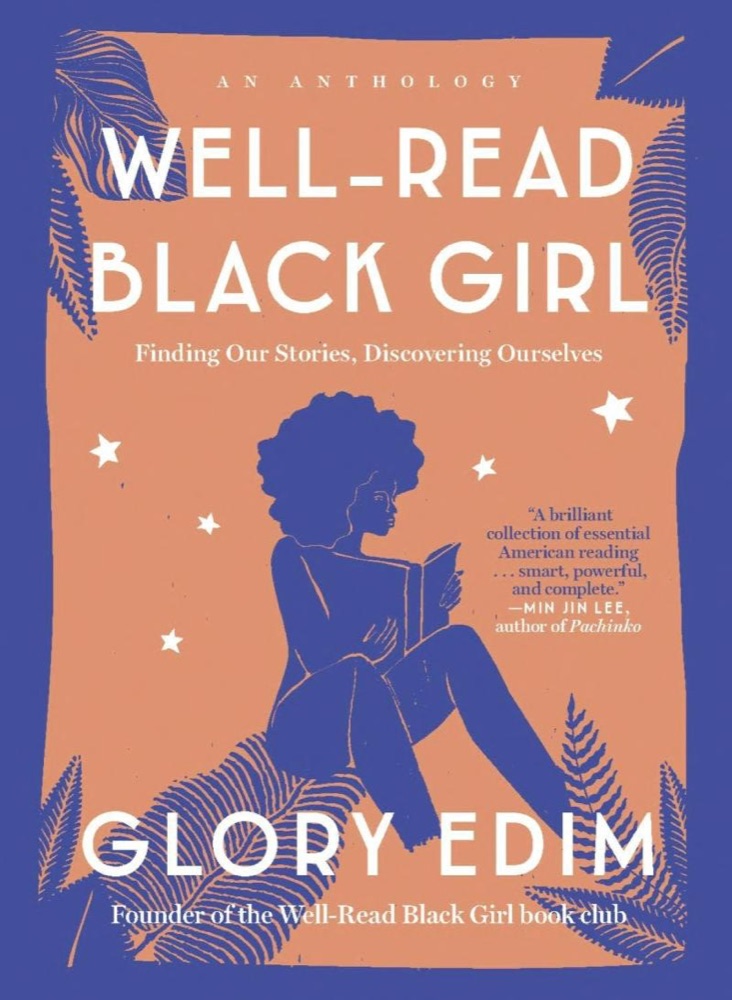 Well-Read Black Girl: Finding Our Stories, Discovering Ourselves
 Becoming Kin: An Indigenous Call to Unforgetting the Past and Reimagining Our Future
 Dust Child
 The Underground Railroad
 Sisters in the Wind
 The Dragons, the Giant, the Women: A Memoir
 Four Souls
 Blood Done Sign My Name: A True Story
 In Memory of Memory
 Whiskey Tender: A Memoir
 Hold Still: A Memoir with Photographs
 These Truths: A History of the United States
 The Book That Broke the World
 The Heretic's Daughter
 Memorial Drive: A Daughter's Memoir
 The Clockmaker's Daughter
 Notes of a Native Son
 The Moor's Account
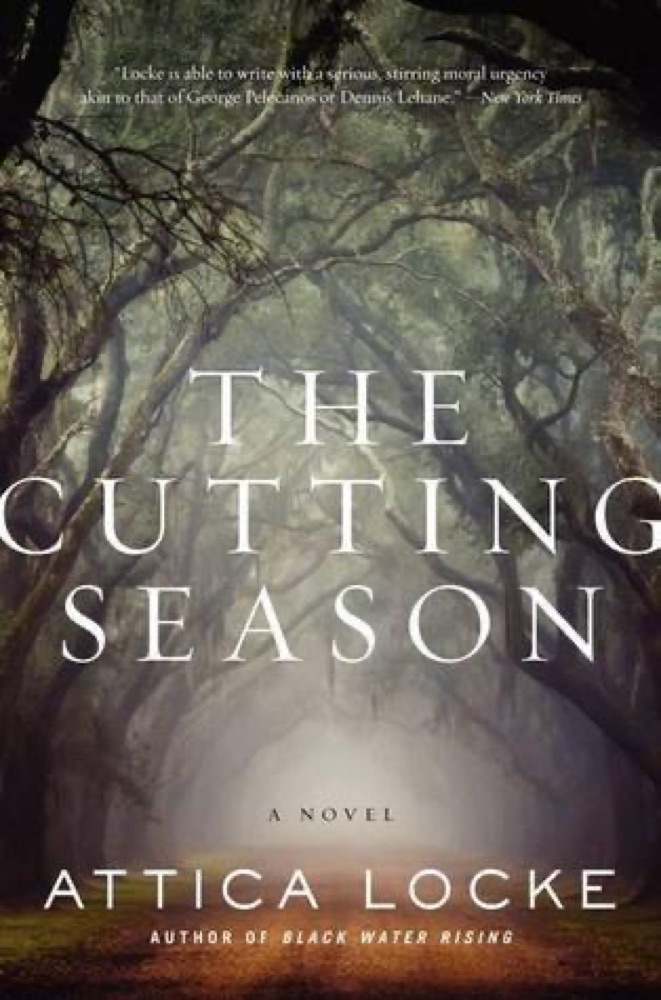 The Cutting Season
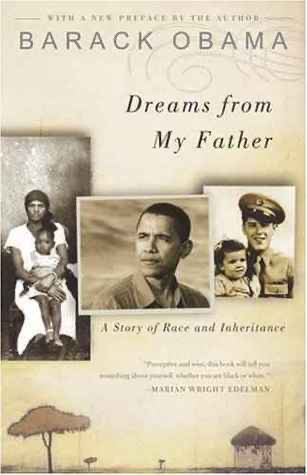 Dreams from My Father: A Story of Race and Inheritance
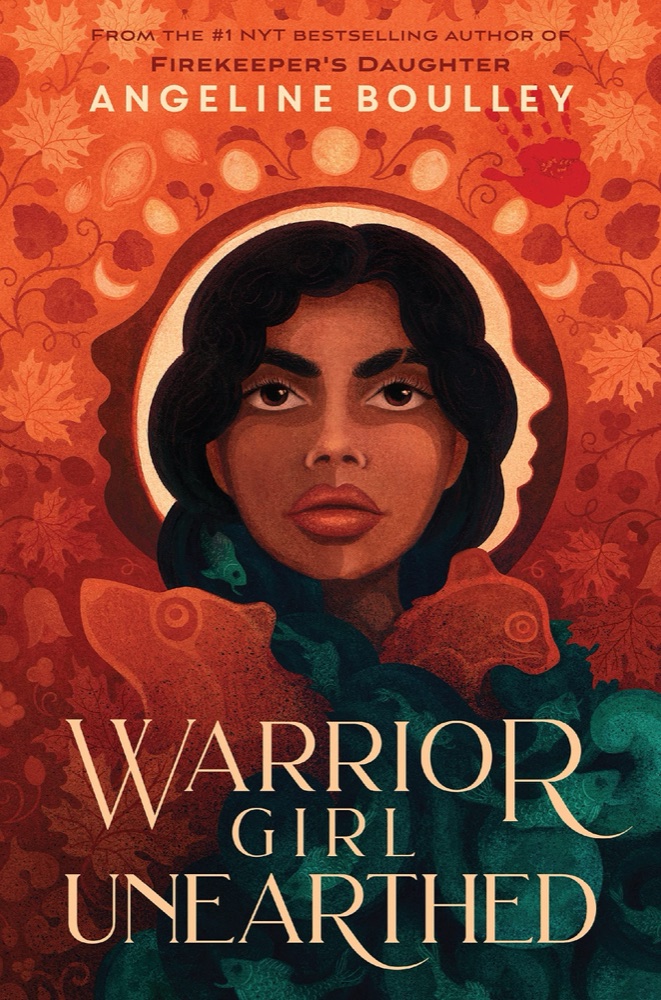 Warrior Girl Unearthed
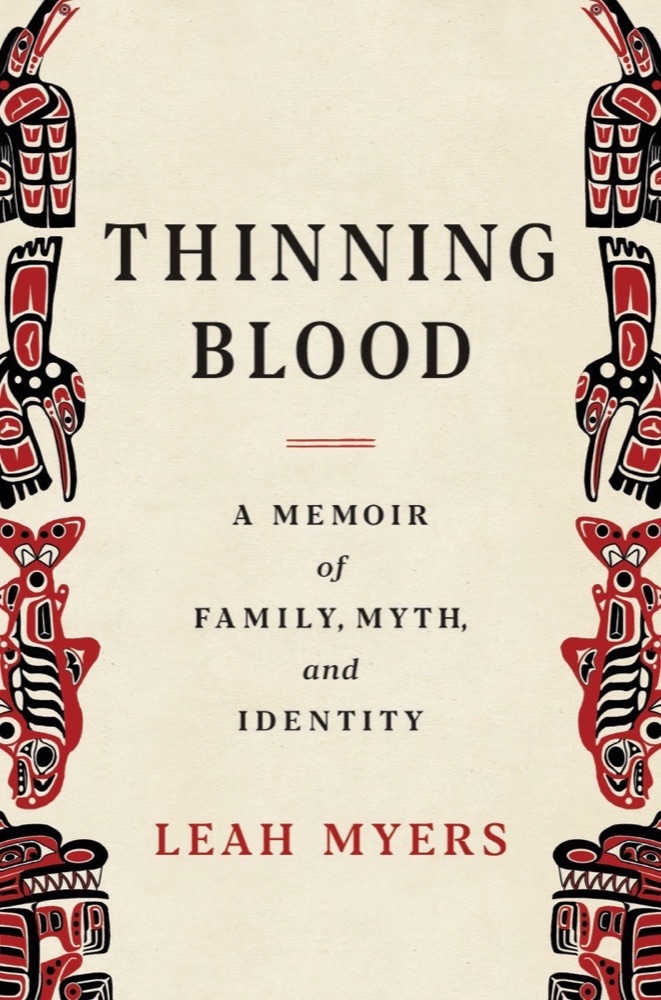 Thinning Blood: A Memoir of Family, Myth, and Identity
 Varina
 The Thread Collectors
 Homecoming