 A History of the World in 100 Objects
Quotes from the Book
So powerful, in fact, is simple string in taming the world to human will and ingenuity that I suspect it to be the unseen weapon that allowed the human race to conquer the earth, that enabled us to move out into every econiche on the globe during the Upper Paleolithic. We could call it the String Revolution.
5
Words, as. it happens, sometimes survive the millennia better than material objects, and they do so best in areas in which the culture changed only very slowly - as in the far north, where the intense winter cold discouraged immigrants.
3
I have also paid some attention to what language can tell us. Messages perish as they are uttered, but language itself is remarkably durable. Sometimes it preserves useful clues to a more abstract and thought-oriented part of the human past than material artifacts do.
3
Earliest preserved string, reconstructed: a heavy cord twisted from three two-ply fiber strings, found fossilized in the painted caves of Lascaux, France, ca. 15,000 B.C.
1
Furthermore, material remains tell us little about the intangible parts of culture: about marriage and dinner recipes and how the world was categorized. (Anyone who has ever learned a second language knows that different cultures look at the world differently, from what colors and how many of them form the rainbow to who is counted as kin.)
1
Along the way I kept running across wonderful bits of information about the women - virtually always women - who produced these textiles and about the values that different societies put on the products and their makers. When I talked about my work, people seemed especially eager for these vignettes, stories that told of women's lives thousands of years ago.
1
Of course, being perishable, the textiles themselves are not easy to learn about -- just like most of the rest of women's products (such as food and the recipes for preparing it). Therefore, to recover the reality of women's history, we must develop excellent techniques ... using not just the obvious data but learning to ferret out every helpful detail. Practical experiments like reweaving some of the surviving ancient cloths are a case in point. Among the thousands of archaeologists who have written about pottery or architecture, how many have actually tried to to make a pot or build a building? Precious few; but with so much data available for study in these fields, scholars felt flooded with information already, and such radical steps hardly seemed necessary. Our case is different; we must use every discoverable clue.
the process of recreating ancient artifacts step by step can shed light on the lives and habits of the original craftworkers that no amount of armchair theorizing can give.
Soft, flexible thread of this sort is a necessary prerequisite to making woven cloth. On a far more basic level, string can be used simply to tie things up - to catch, to hold, to carry. From these notions come snares and fishlines, tethers and leashes, carrying nets, handles, and packages, not to mention a way of binding objects together to form more complex tools.
But what, I ask, was life really like? What hard evidence do we have for what we might want to know about women's lives? No evidence means no real knowledge.
Once upon a time an Athenian princesss named Prokne was wed to Tereus, king of the barbarous Thracians of the north. When Prokne's unfortunate sister, Philomela, came for a visit, Tereus fell madly in love with the girl locked her away and raped her, then cut out her tongue to prevent her from telling anyone of the crime. Philomela, however, wove into a cloth the story of her misfortune. When Prokne, receiving the cloth, understood what had befallen, she freed her sister, killed her own son, Itys, whom she had borne to Tereus, and served the child up to his father at a feast--the vilest revenge she could think of. When Tereus discovered the truth, in wrath he pursued the two sisters, thinking to kill them, but the gods transformed all three into birds: Tereus into the hoopoe (a large, crested bird with a daggerlike beak), Philomela into the swallow, which can only twitter unintelligibly, and Prokne into the nightingale, which spends the night singing 'Itys Itys!' in mourning for her dead son. All these birds have reddish spots, it is said, from getting spattered with the blood of the child. ... It is interesting in our purposes because it shows in yet another way the great importance that clothmaking had in women's lives, becoming central to their mythology as well.
Watch on YouTube
About Elizabeth Wayland Barber
About the book
New discoveries about the textile arts reveal women's unexpectedly influential role in ancient societies.
Twenty thousand years ago, women were making and wearing the first clothing created from spun fibers. In fact, right up to the Industrial Revolution the fiber arts were an enormous economic force, belonging primarily to women.
Despite the great toil required in making cloth and clothing, most books on ancient history and economics have no information on them. Much of this gap results from the extreme perishability of what women produced, but it seems clear that until now descriptions of prehistoric and early historic cultures have omitted virtually half the picture.
Elizabeth Wayland Barber has drawn from data gathered by the most sophisticated new archaeological methods—methods she herself helped to fashion.
Book details
- First published
- 1994
- Author
- Elizabeth Wayland Barber
- Genre
- History
- Goodreads rating
- 4.31 (3k ratings)
Keep reading
A History of the World in 100 Objects
 All That She Carried: The Journey of Ashley's Sack, a Black Family Keepsake
 At Home: A Short History of Private Life
 Femina: A New History of the Middle Ages, Through the Women Written Out of it
 Stuff Matters: Exploring the Marvelous Materials That Shape Our Man-Made World
 The Horse, the Wheel, and Language: How Bronze-Age Riders from the Eurasian Steppes Shaped the Modern World
 1491: New Revelations of the Americas Before Columbus
 Children of Ash and Elm: A History of the Vikings
 2312
2312
 The Dawn of Everything: A New History of Humanity
 Genome
 Magicians of the Gods: The Forgotten Wisdom of Earth's Lost Civilization
 Burning Questions: Essays and Occasional Pieces, 2004 to 2021
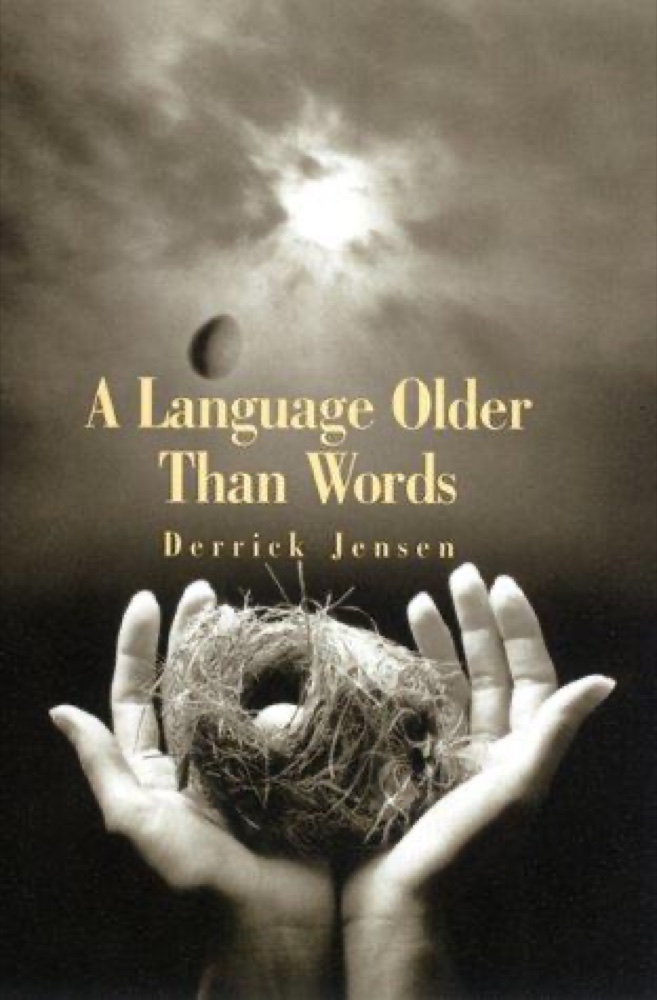 A Language Older Than Words
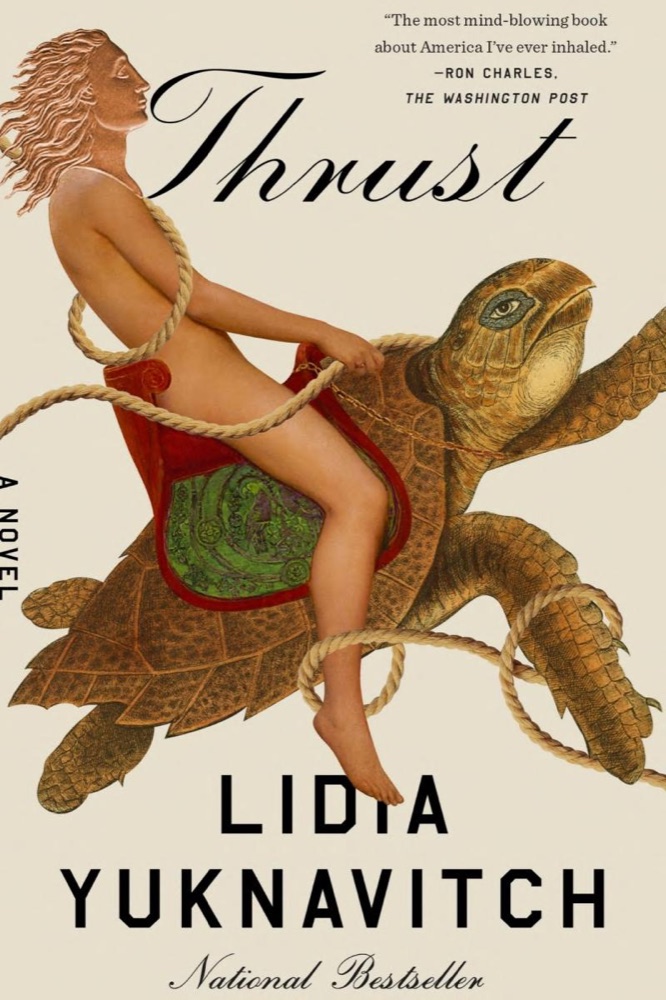 Thrust
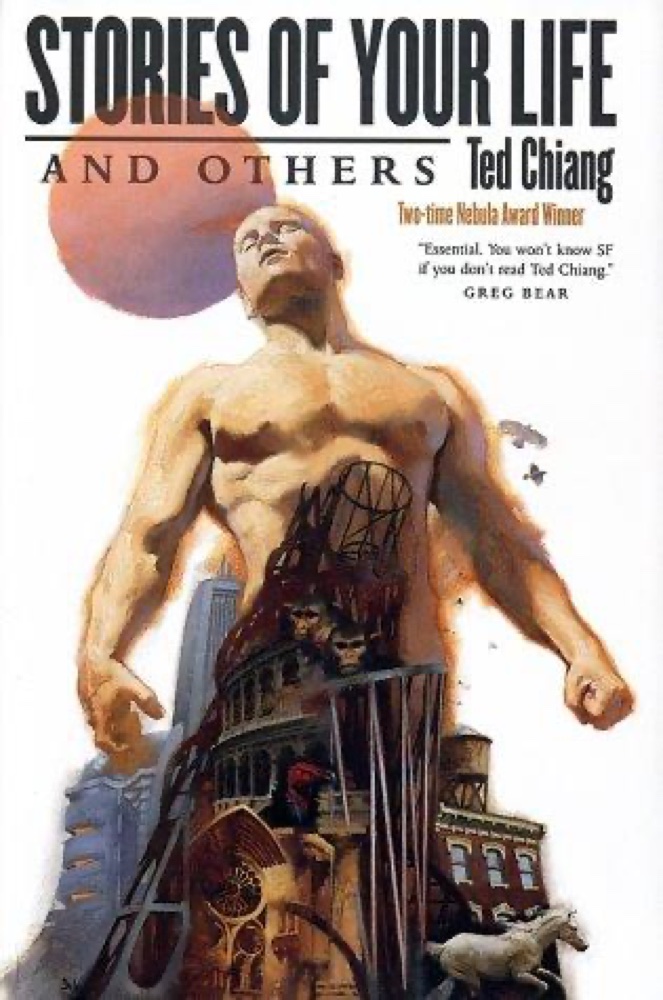 Stories of Your Life and Others
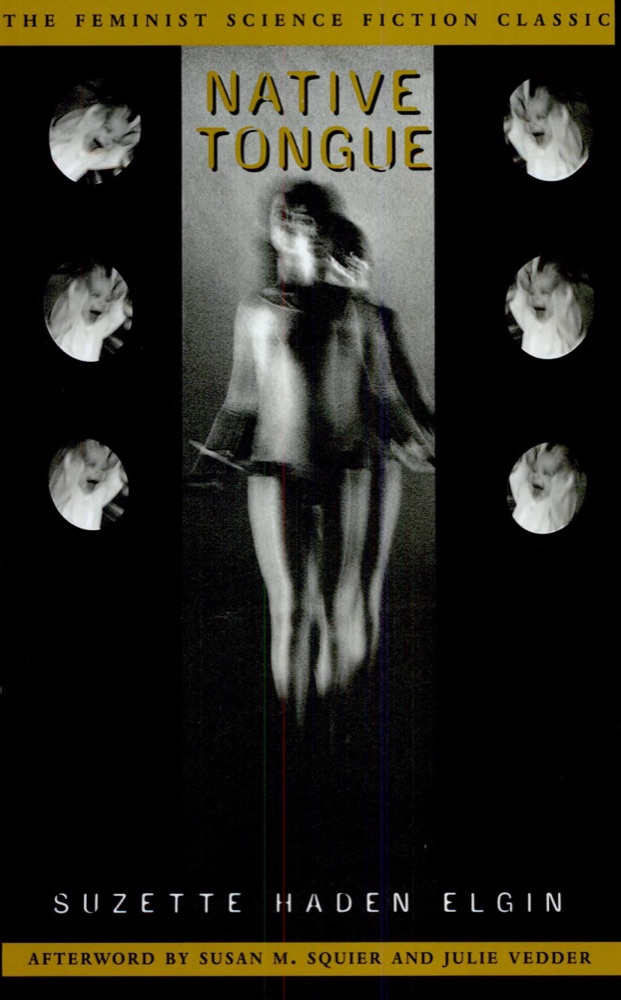 Native Tongue
 The Spell of the Sensuous: Perception and Language in a More-Than-Human World
 The Historian's Craft: Reflections on the Nature and Uses of History and the Techniques and Methods of Those Who Write It.
 The Cosmic Serpent: DNA and the Origins of Knowledge
 The Years of Rice and Salt
 A Short History of Progress
 Civilization: The West and the Rest
 Herland
 Trilobite: Eyewitness to Evolution
 Collapse: How Societies Choose to Fail or Succeed
 From Dawn to Decadence: 500 Years of Western Cultural Life, 1500 to the Present
 Gathering Moss: A Natural and Cultural History of Mosses
 The Hare With Amber Eyes: A Family's Century of Art and Loss
 The Wayfinders: Why Ancient Wisdom Matters in the Modern World
 Always Coming Home
 The Book That Broke the World
 The Chalice and the Blade: Our History, Our Future (Updated With a New Epilogue)
 The Family Tree
 Maelstrom
 Sea People: The Puzzle of Polynesia
 A Hunter-Gatherer's Guide to the 21st Century: Evolution and the Challenges of Modern Life
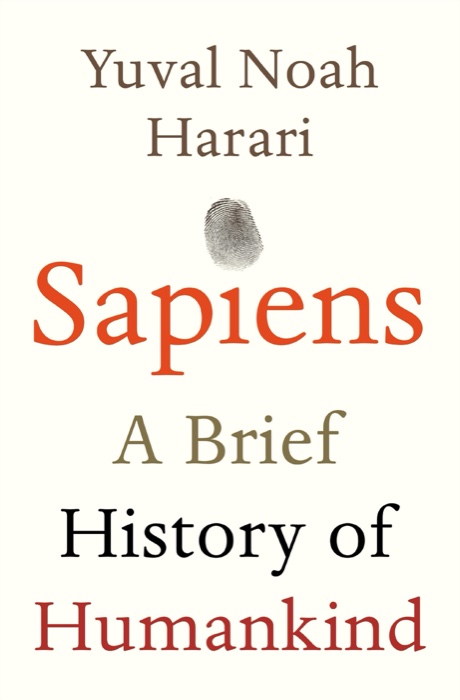 Sapiens: A Brief History of Humankind
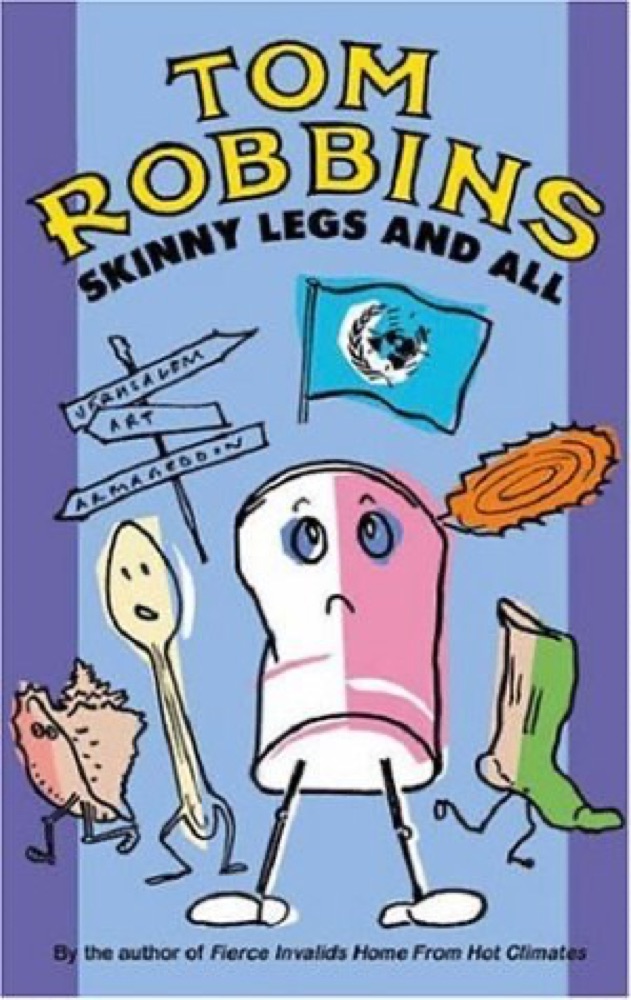 Skinny Legs and All
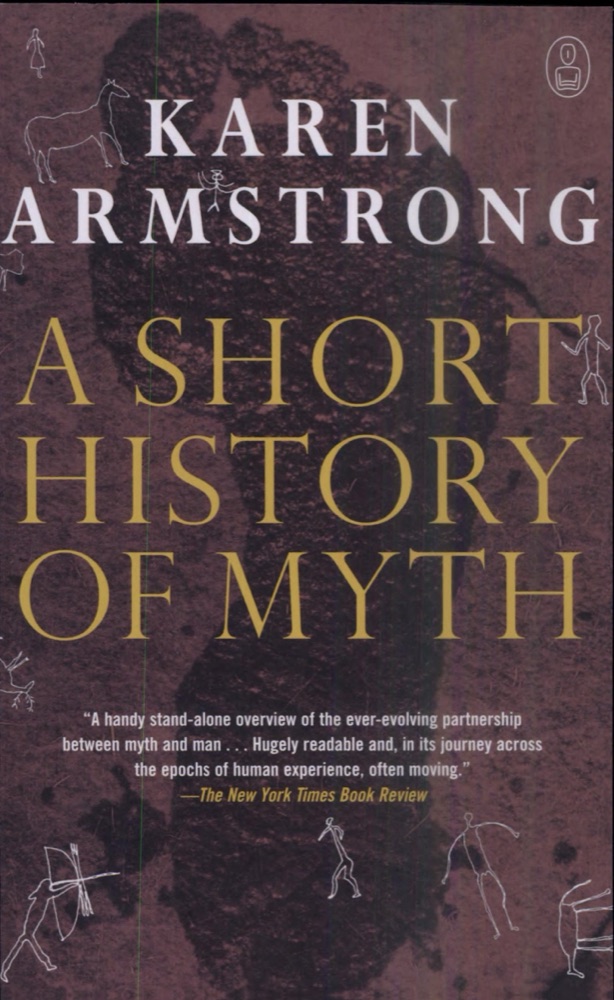 A Short History of Myth
 Fingerprints of the Gods: The Evidence of Earth's Lost Civilization
 Billions & Billions: Thoughts on Life and Death at the Brink of the Millennium
 Proto: How One Ancient Language Went Global
 Guns, Germs, and Steel: The Fates of Human Societies
 The Violinist's Thumb: And Other Lost Tales of Love, War, and Genius, as Written by Our Genetic Code
 Bicycle Diaries
 Old Babes in the Wood: Stories
 The Medium is the Massage
 The Futurological Congress: From the Memoirs of Ijon Tichy
 Distrust That Particular Flavor
 The Mountain in the Sea
 Arcadia
 The Unfolding of Language: An Evolutionary Tour of Mankind's Greatest Invention
 The Wave in the Mind: Talks and Essays on the Writer, the Reader and the Imagination
 Homo Deus: A History of Tomorrow
 Fatal Voyage
 The Abundance
 The Telling
 The Culture of Make Believe
 Beyond Civilization: Humanity's Next Great Adventure