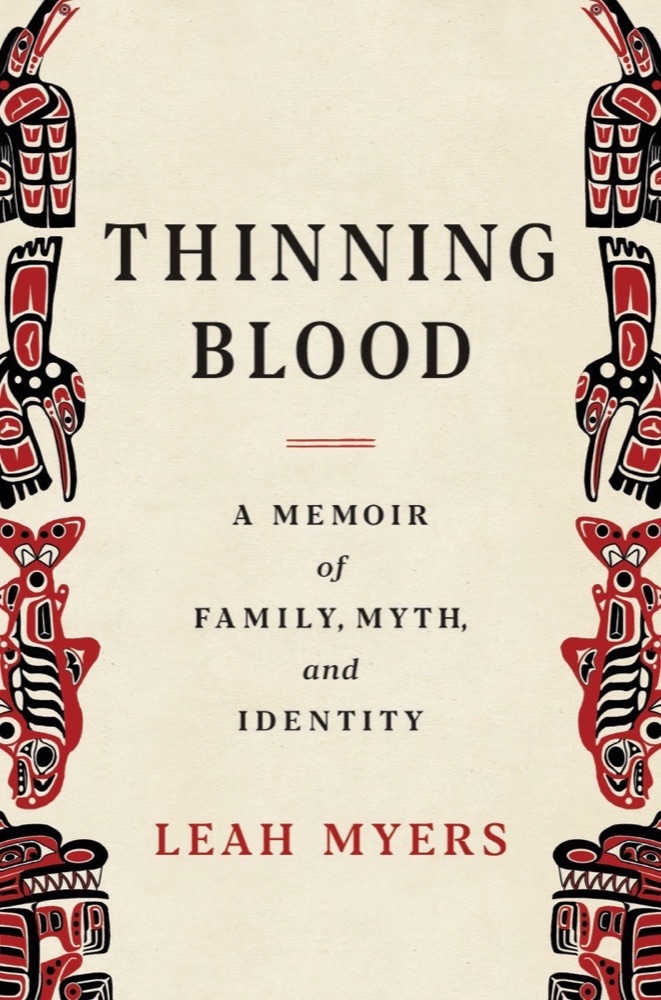
 Thinning Blood: A Memoir of Family, Myth, and Identity
Quotes from the Book
She drove me home in silence. Back then, there was always silence. I couldn't speak up, I realize now, because protest requires hope.
2
This story is as common as dirt. Thousands of Native Americans in California, Arizona, and New Mexico could tell it. Anyone with a grandpa who was haunted by Indian boarding school, who stung his family like a dust devil when he drank. Anyone with a grandma who washed laundry until her fingernails cracked and bled, who went without eating when there weren’t enough groceries because she wanted her ten kids to have a few extra bites. Anyone with a mother who kept secrets so her kids wouldn’t find out about their father’s jailbird past. Anyone with a father who chose the violence of industrial labor over the violence of reservation life because he wanted his kids to get through private school and make better lives for themselves. So many people could tell this story, it is shocking how rarely it has been told. Too many mothers have watched their kids thrown into cop cars without protest. Too many aunties have put ice on black eyes without saying a word. Too many grandmothers have watched their grandchildren, their hope for the future, head out to a party and never come home. Too many girls have pretended nothing happened after experiencing sexual harassment, only to redirect the hate toward the innocent face staring back at them in the mirror.
1
Trees and cacti are social beings. The earth’s plants use electric signals through a fungal network to warn one another of danger. They watch, keep track, and remember. They nourish the stumps of fallen companions for centuries by feeding them a sugar solution through their roots. They nourish and nurse the sick, including me.
We had always been both everywhere and nowhere
it would not have alleviated his cultural cringe
and this ensured that years later I would have to live with the insult of how vague my self-awareness was
And some lessons must be learned more than once
Injustice was when someone privileged like me, someone who has reaped the benefits of money, comfort, and electricity, turned around and vilified a struggling Father who is trying to take care of his kids.
At school, my science teacher talked about the ozone layer even as aerosol hairspray kept clouding the bathroom stalls. I tried to tell Mom about climate change, but she acted like I was gullible. If I was mad about losing our land, I was even angrier about what they'd done to it. While I still didn't know about the massacres, I knew enough to feel robbed. Manhatten was purchased with beads. Valuable furs had been traded for whiskey. White people used empty promises as tender, and in exchange, we Indians got blood quantum, our lineages tracked like thoroughbreds or dogs, destined to be turned into glue.
Granny Ethel insisted, claiming they needed a Western education if they wanted to avoid being swindled by unethical people who weaponized numbers and words.
I may have been born into a poor reservation world, but Dad said we came from a family of tribal leaders, and I was destined to do great things. I had the beauty and talent to rise above my half-breed status. I was destined for a better life, and Sadie had walked thirty miles to kiss me because she smelled my bright future on my cheeks.
Speaking to the U.S. vice president, leaders of the Iroquois Nation said, “We represent the oldest, though smallest, democracy in the world today. . . . It is the unanimous sentiment among the Indian people that the atrocities of the Axis nations are violently repulsive to all sense of righteousness of our people.” The Navajo Nation’s council pledged their loyalty “to the system which recognizes minority rights.
My father was born in 1941 and he taught me never to confuse pity with comprehension. His Quechan (Yuma) grandfather was born in a time when California’s Indian population had plummeted 90 percent because of foreign diseases, Catholic slave-labor, and the government’s hiring of private militia to bring in Indian scalps. California’s first governor, Peter Hardeman Burnett, openly promoted genocide, calling for “a war of extermination” in his 1851 second state address. With the help of the U.S. Army, the California legislature distributed weapons to vigilantes, who raided Native homes and killed 100,000 of my ancestors in the first two years of the gold rush alone. The legislature paid $1.1 million to these murderers, and when it was done, the U.S. Congress agreed to reimburse the state.
My Laguna grandmother, Esther, is the one who taught me that a deep intimacy with a homeland requires three things: sensory experiences of particular geographies, a storied history of the trails, and a deep caring about them.
Watch on YouTube
About Deborah Jackson Taffa
About the book
Reminiscent of the works of Mary Karr and Terese Marie Mailhot, a memoir of family and survival, coming-of-age on and off the reservation, and of the frictions between mainstream American culture and Native inheritance; assimilation and reverence for tradition.
Deborah Jackson Taffa was raised to believe that some sacrifices were necessary to achieve a better life. Her grandparents—citizens of the Quechan Nation and Laguna Pueblo tribe—were sent to Indian boarding schools run by white missionaries, while her parents were encouraged to take part in governmental job training off the reservation. Assimilation meant relocation, but as Taffa matured into adulthood, she began to question the promise handed down by her elders and by American society: that if she gave up her culture, her land, and her traditions, she would not only be accepted, but would be able to achieve the “American Dream
Book details
- First published
- 2024
- Author
- Deborah Jackson Taffa
- Genre
- Biography
- Goodreads rating
- 4.10 (5k ratings)
The buzz
- The Washington PostReview in The Washington Postprofessional review (via Book Marks)
- Kirkus ReviewsReview in Kirkus Reviewsprofessional review (via Book Marks)
- Publishers WeeklyReview in Publishers Weeklyprofessional review (via Book Marks)
- BooklistReview in Booklistprofessional review (via Book Marks)
Keep reading
Thinning Blood: A Memoir of Family, Myth, and Identity
 Neither Wolf Nor Dog: On Forgotten Roads with an Indian Elder
 Dreams from My Father: A Story of Race and Inheritance
 The Seed Keeper
 Notes from No Man's Land
 All God's Children Need Traveling Shoes
 We Were Dreamers: An Immigrant Superhero Origin Story
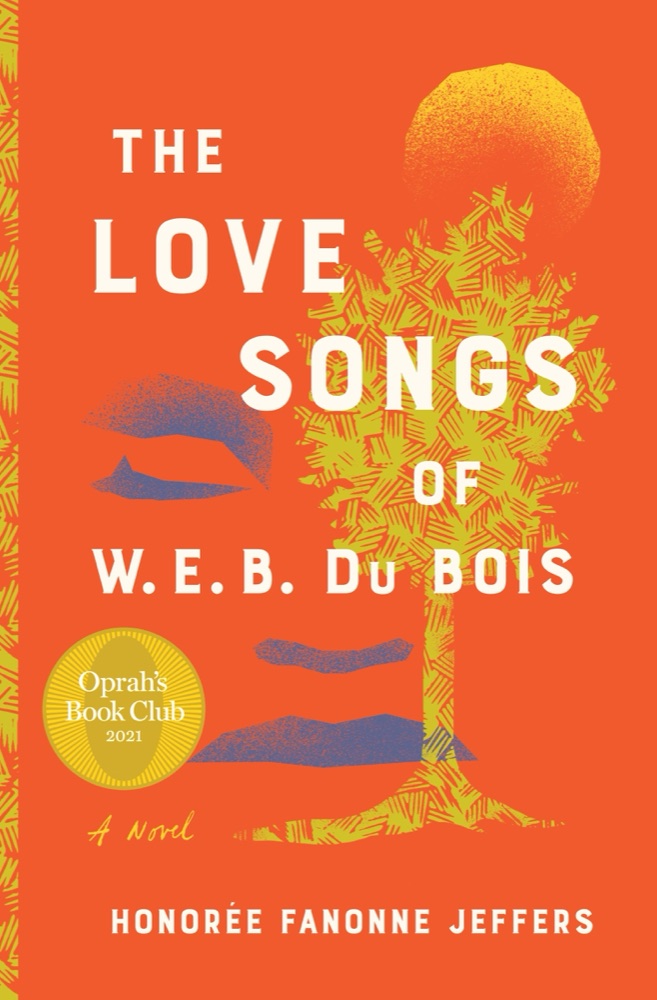 The Love Songs of W.E.B. Du Bois
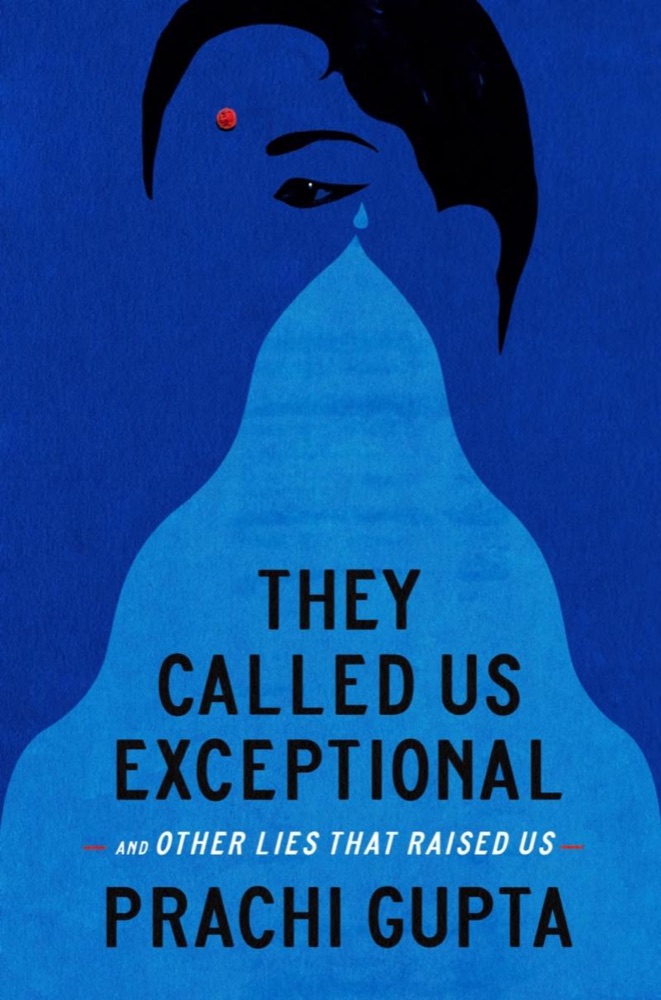 They Called Us Exceptional: And Other Lies That Raised Us
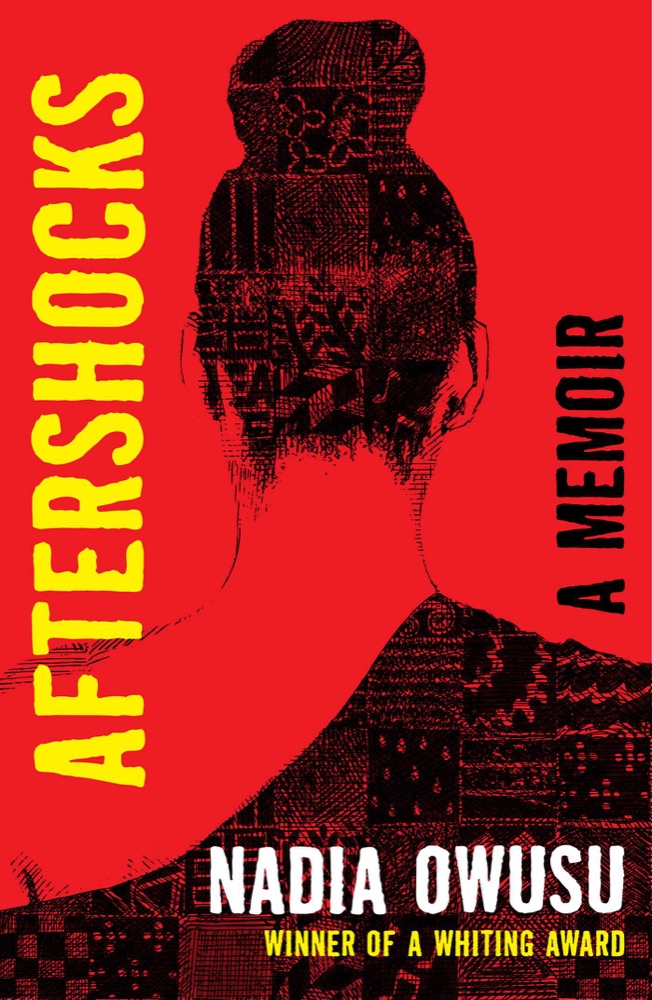 Aftershocks
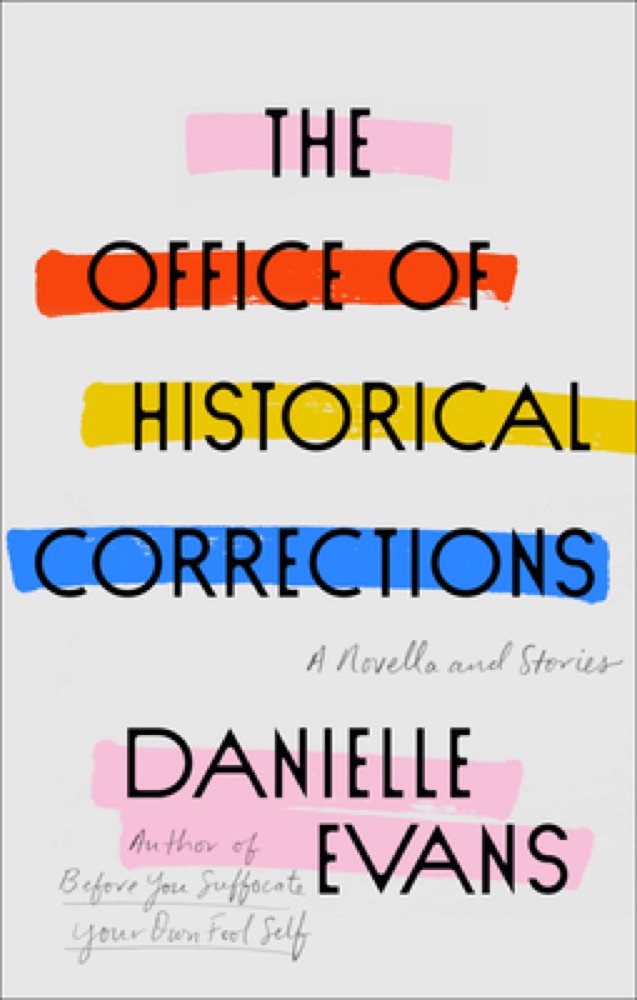 The Office of Historical Corrections
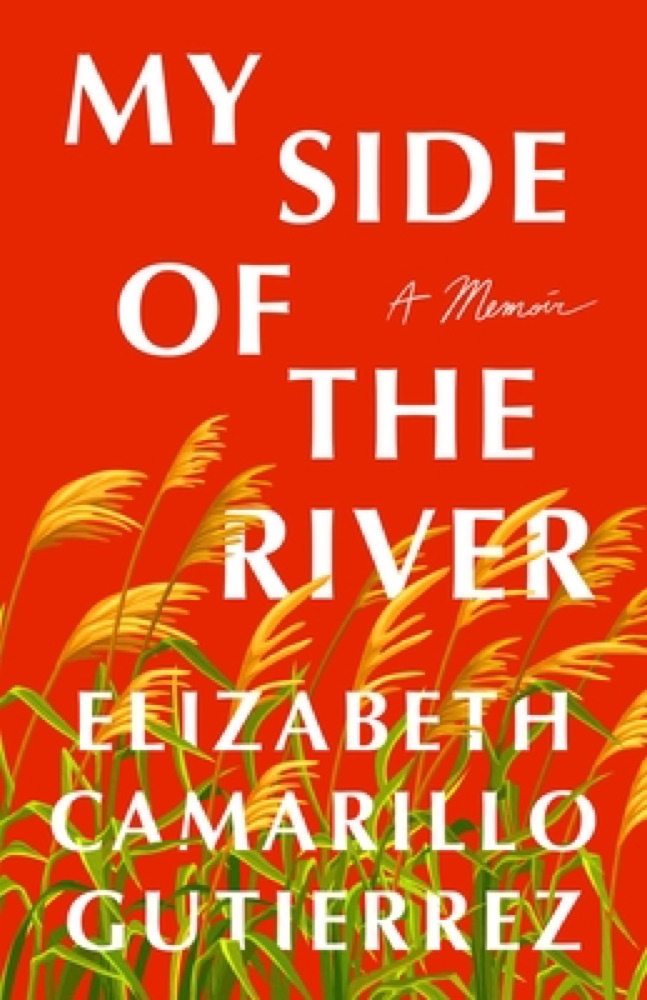 My Side of the River
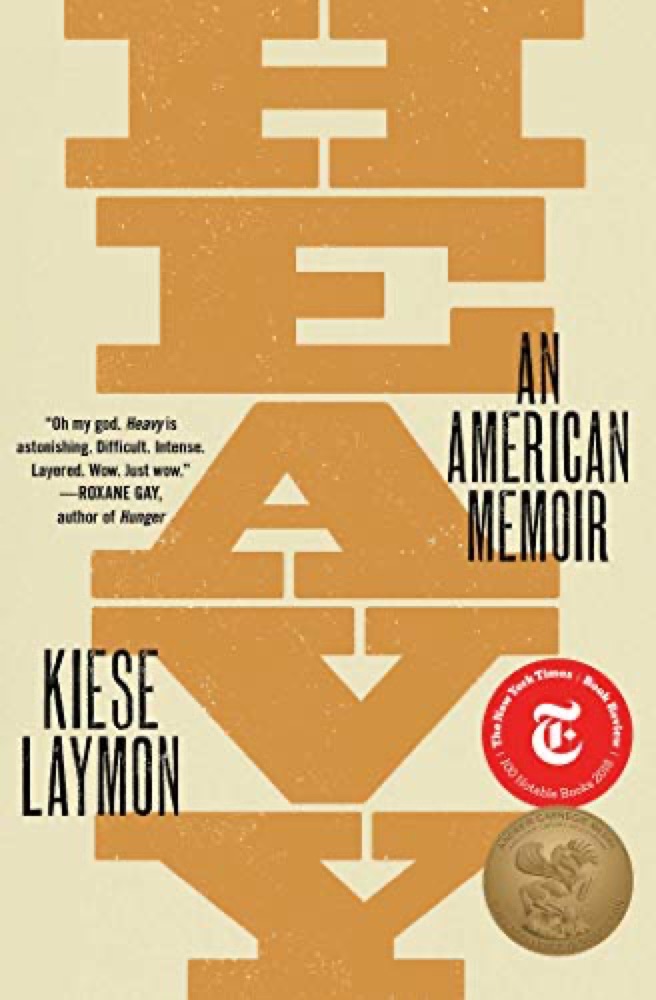 Heavy
Heavy
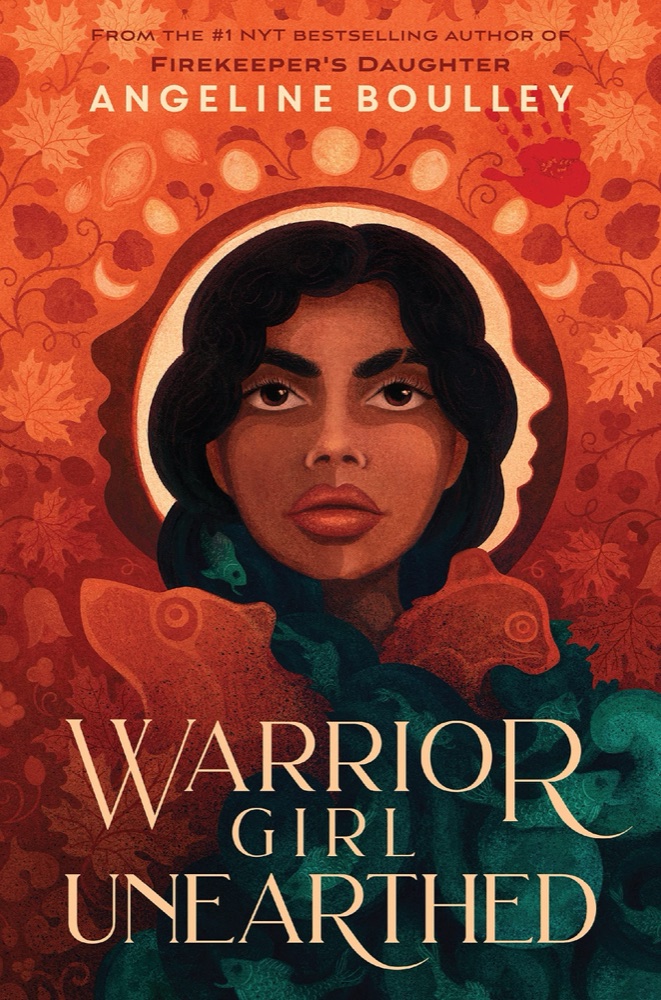 Warrior Girl Unearthed
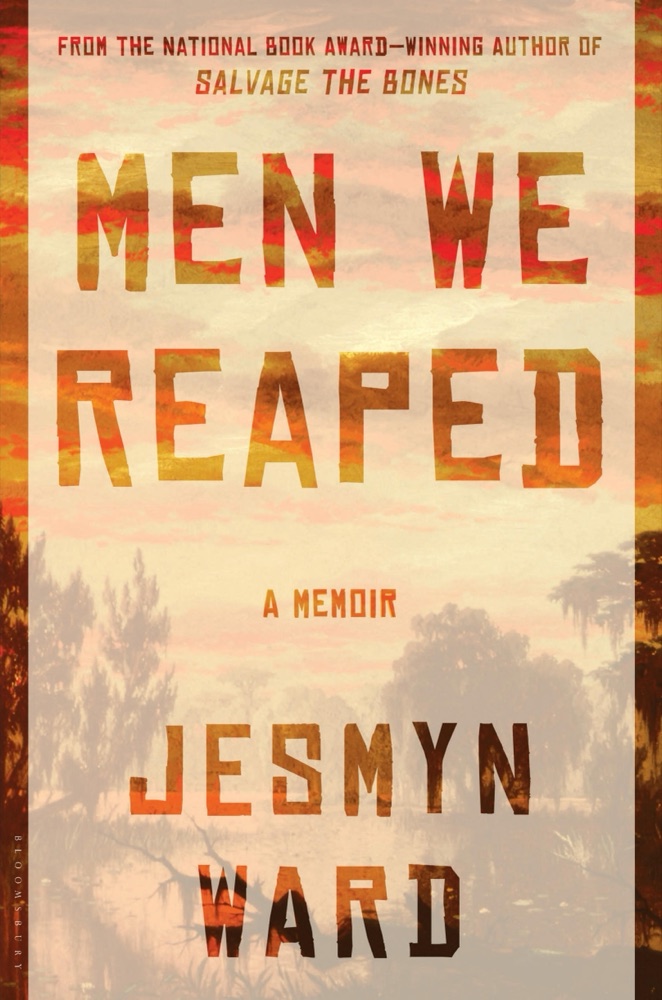 Men We Reaped
 A Promised Land
 The Latehomecomer: A Hmong Family Memoir
 The Pale-Faced Lie
 Indian Horse
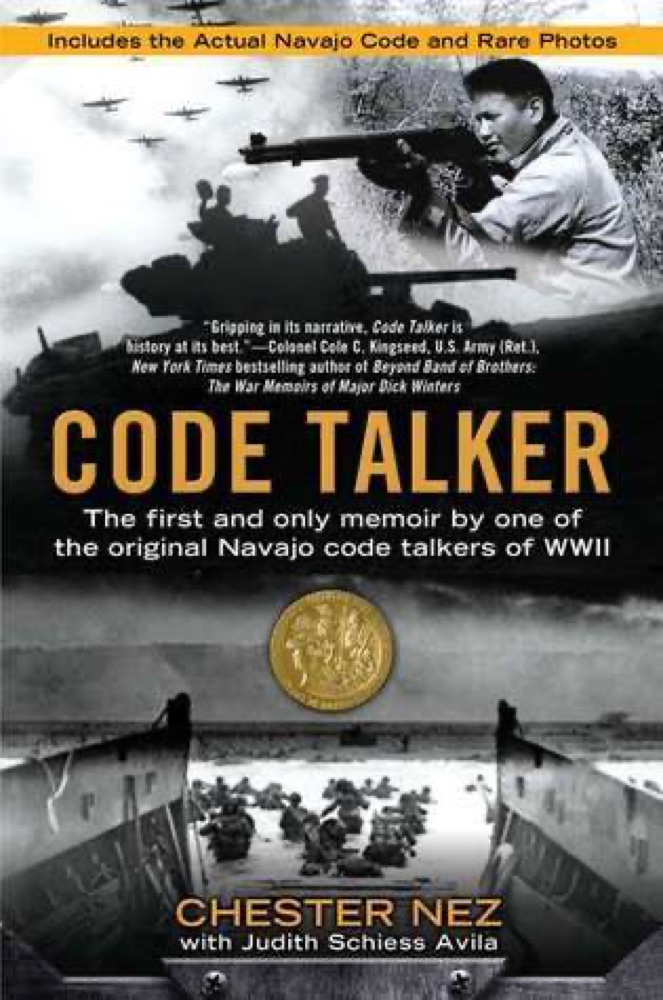 Code Talker: The First and Only Memoir By One of the Original Navajo Code Talkers of WWII
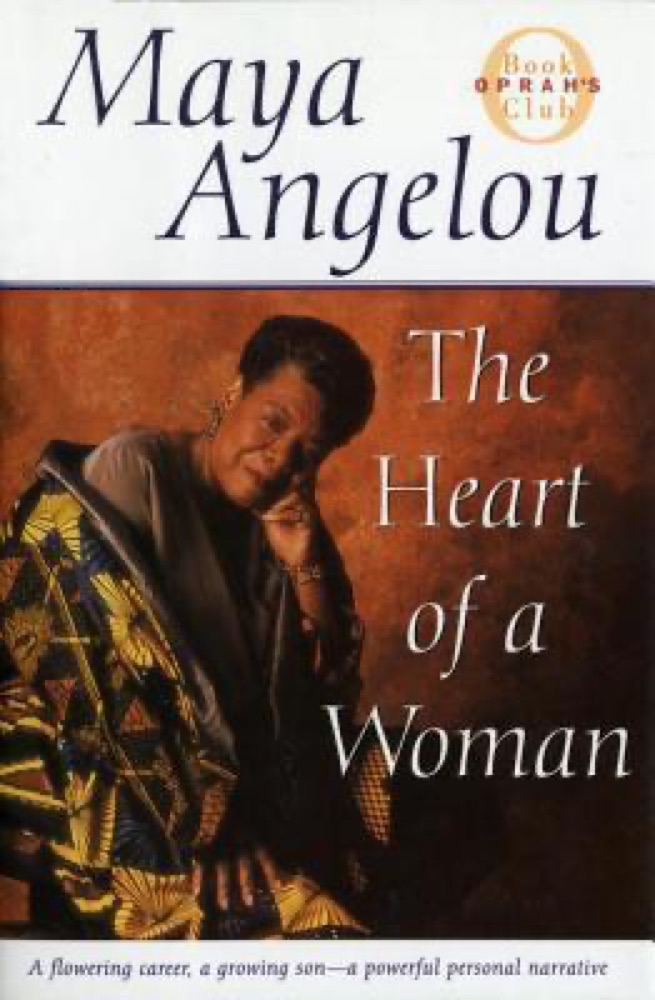 The Heart of a Woman
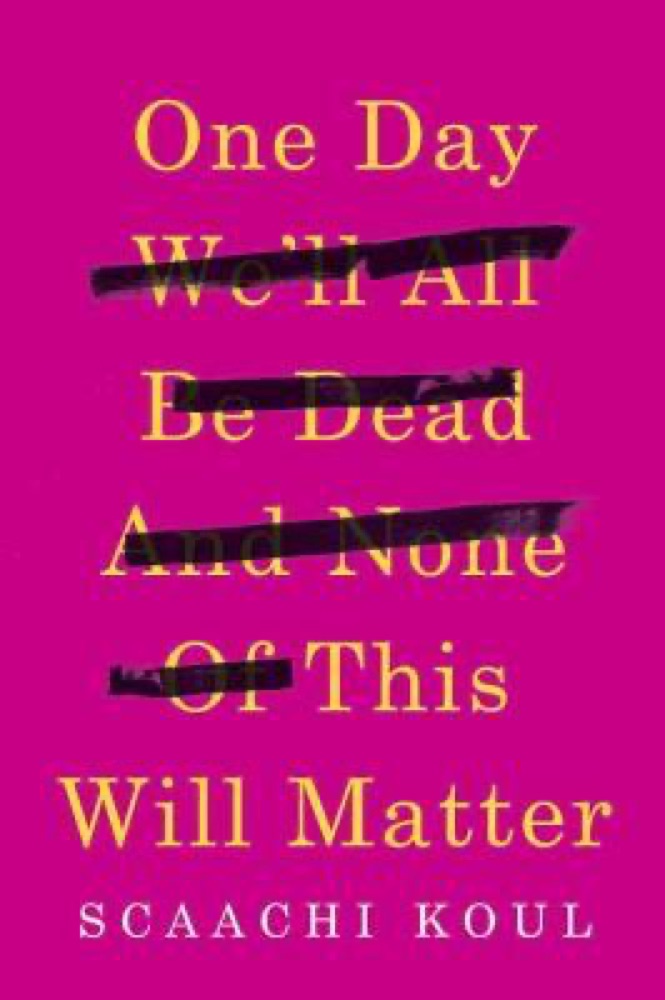 One Day We'll All Be Dead and None of This Will Matter
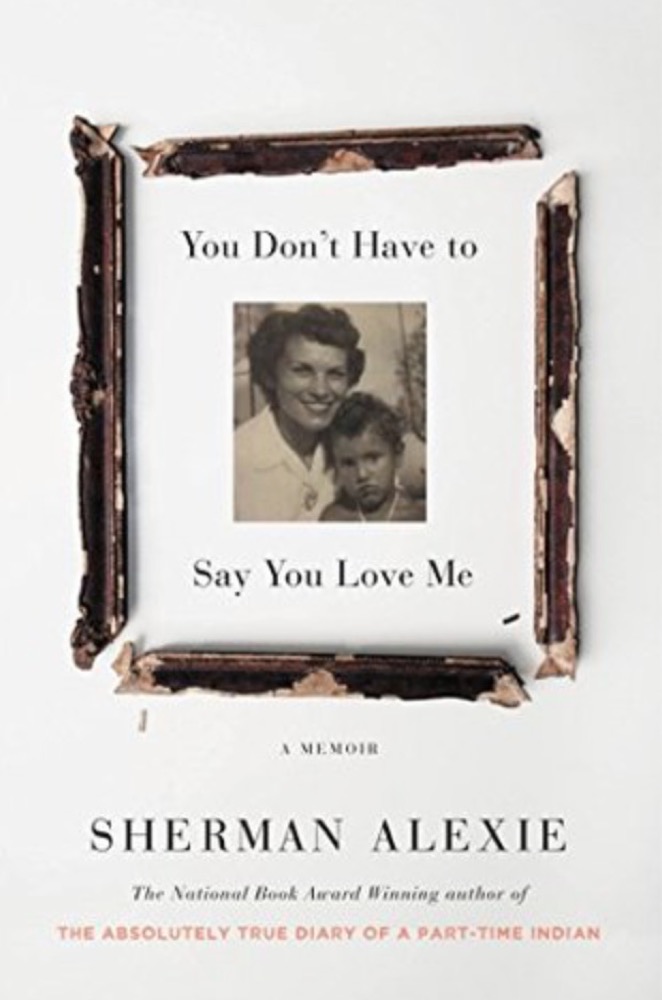 You Don't Have to Say You Love Me
 Homegoing
 The Girl Who Smiled Beads: A Story of War and What Comes After
 The Toughest Indian in the World
 Uncultured: A Memoir
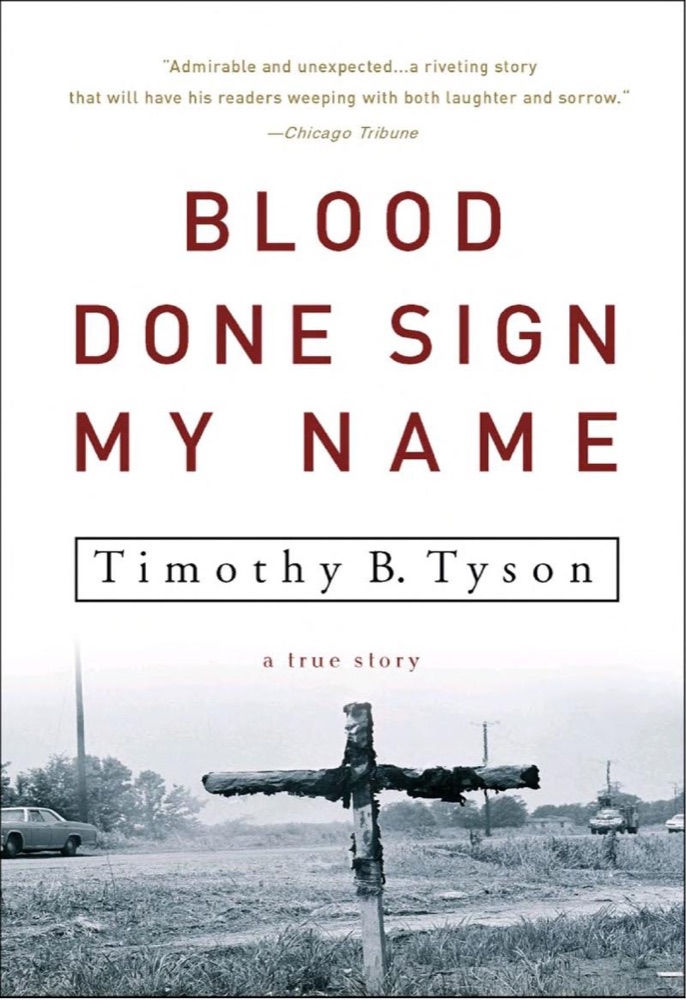 Blood Done Sign My Name: A True Story
 The Son
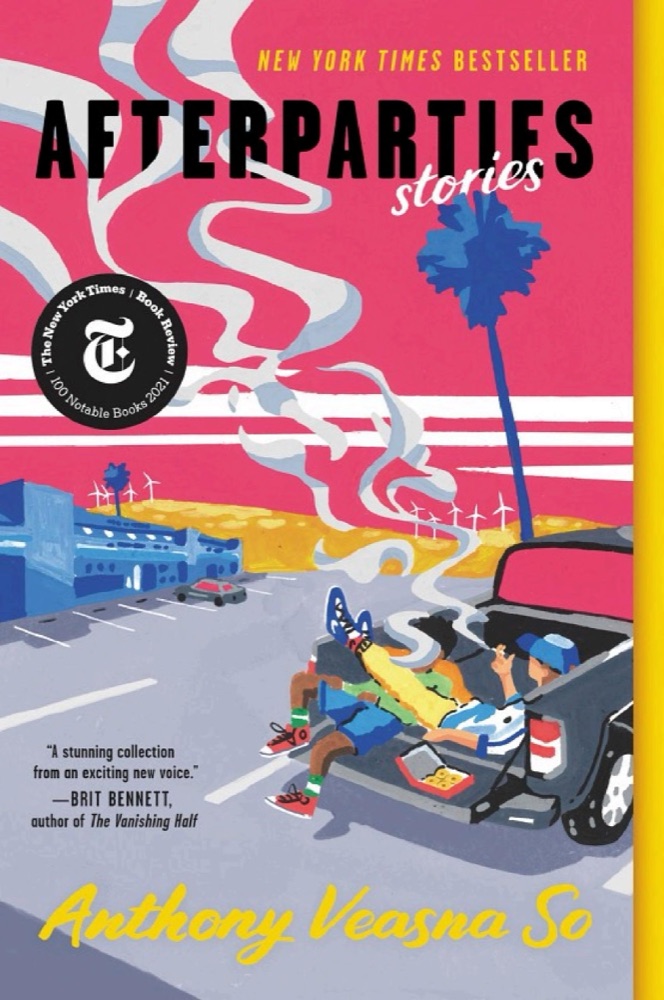 Afterparties
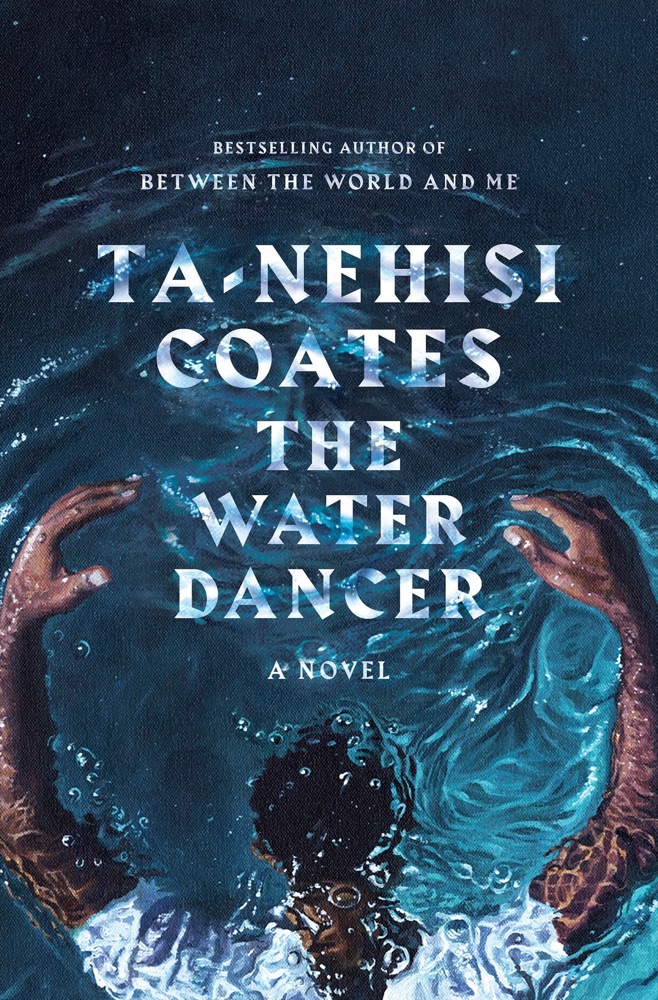 The Water Dancer
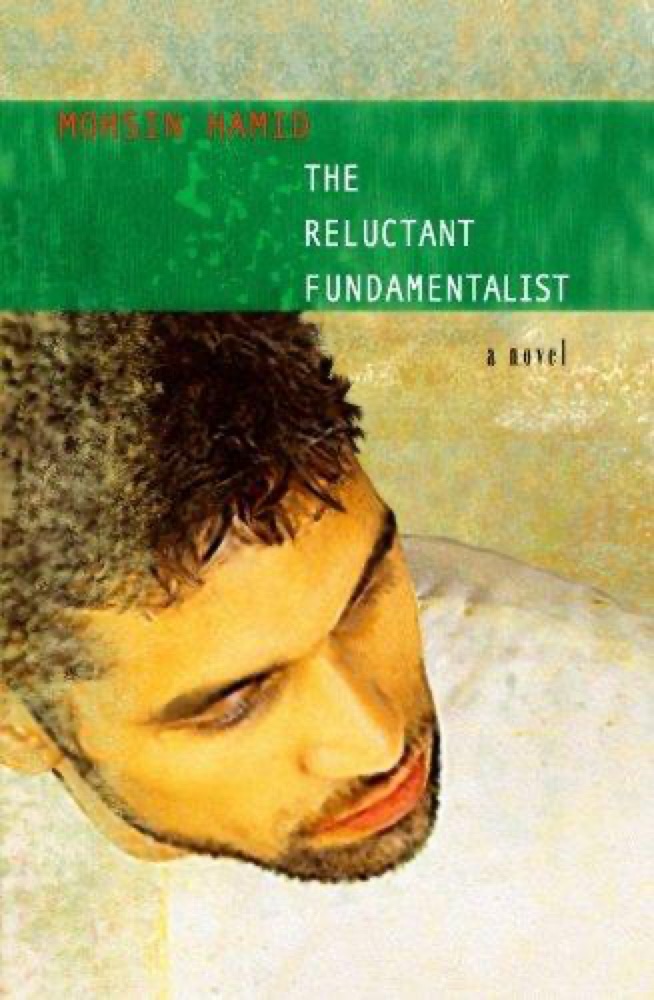 The Reluctant Fundamentalist
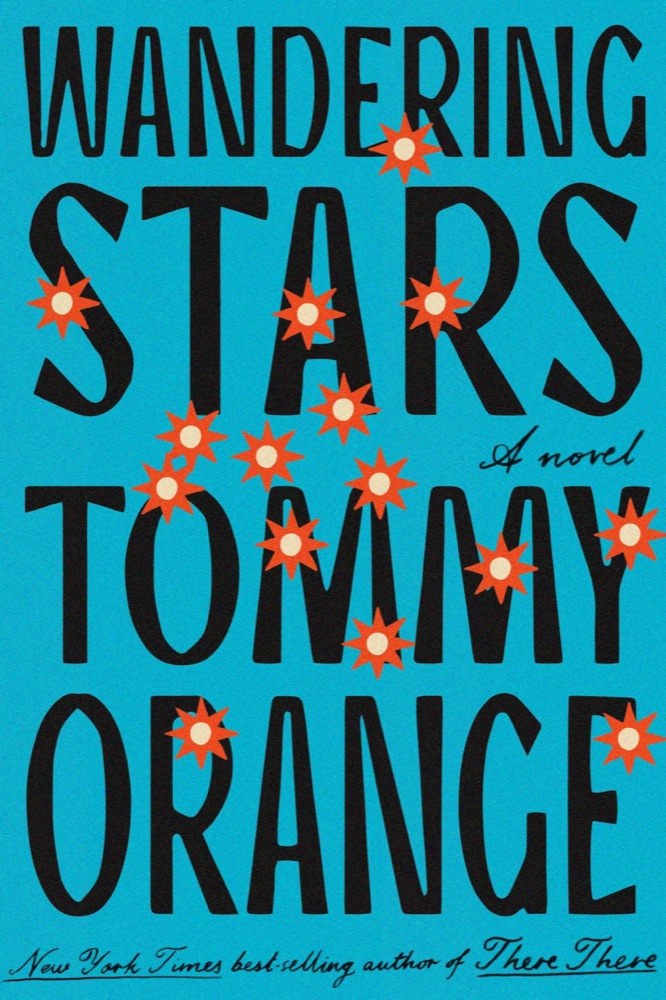 Wandering Stars
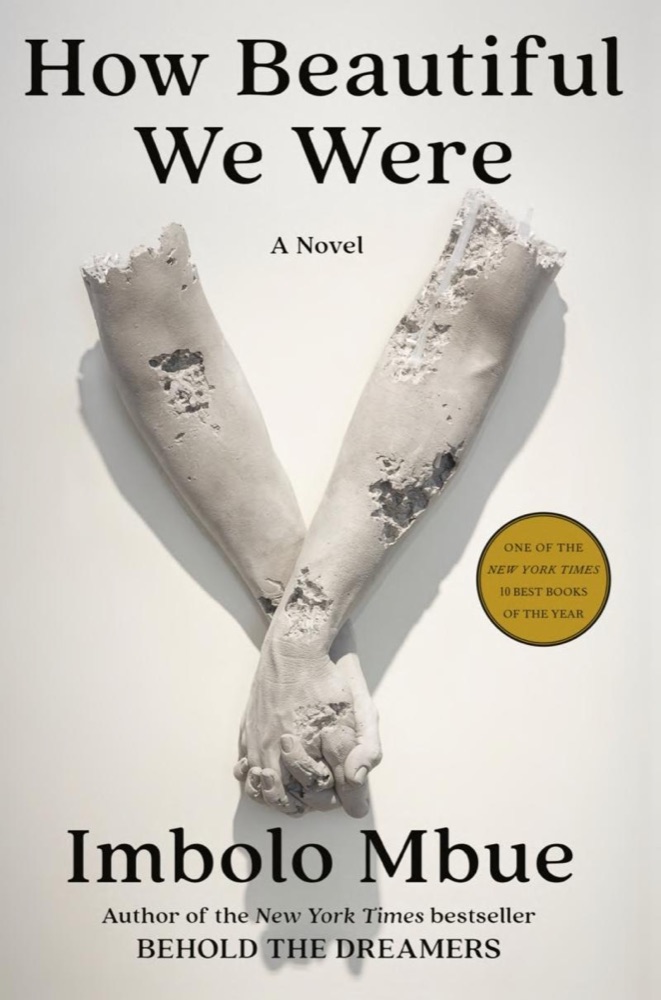 How Beautiful We Were
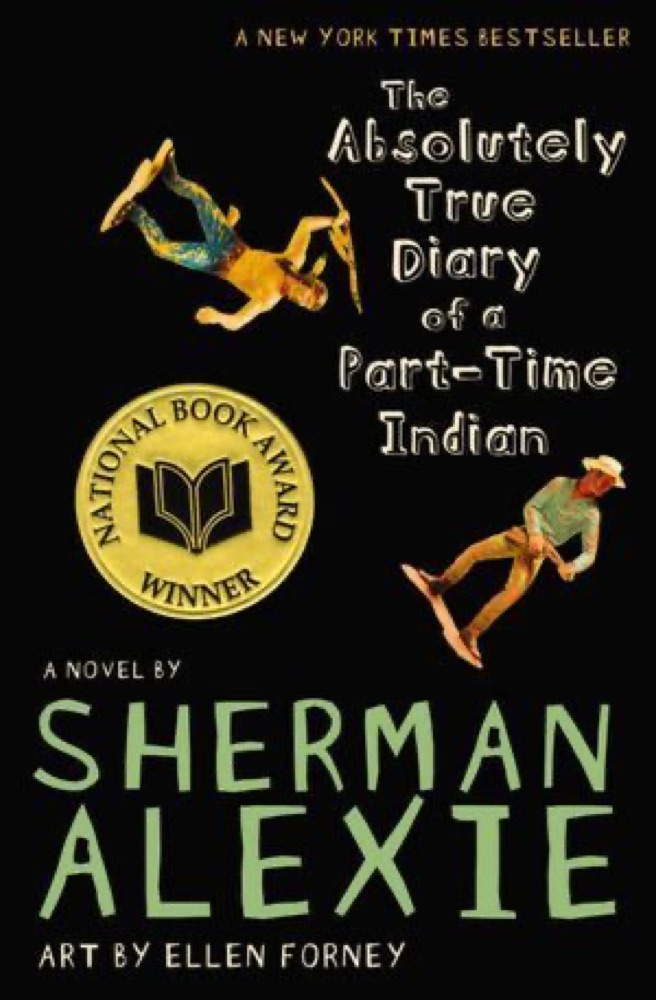 The Absolutely True Diary of a Part-Time Indian
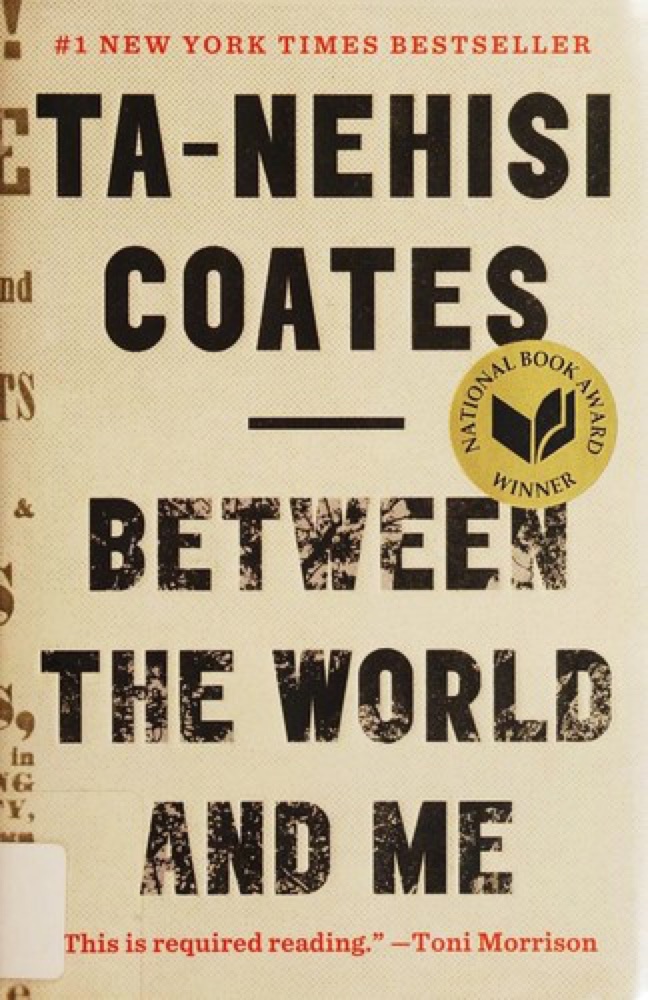 Between the World and Me
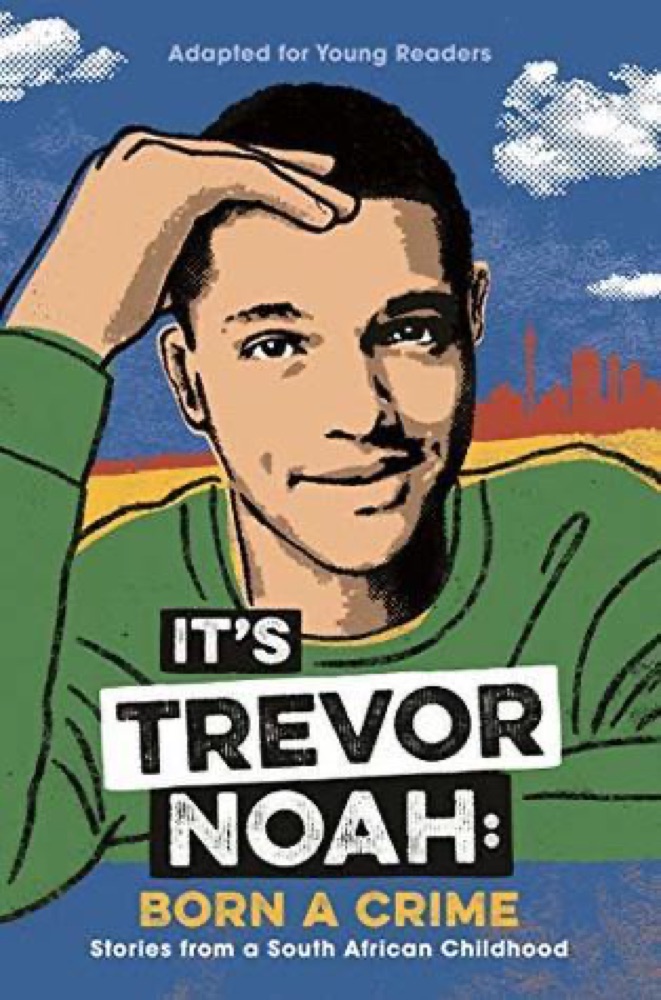 It's Trevor Noah: Born a Crime: Stories from a South African Childhood
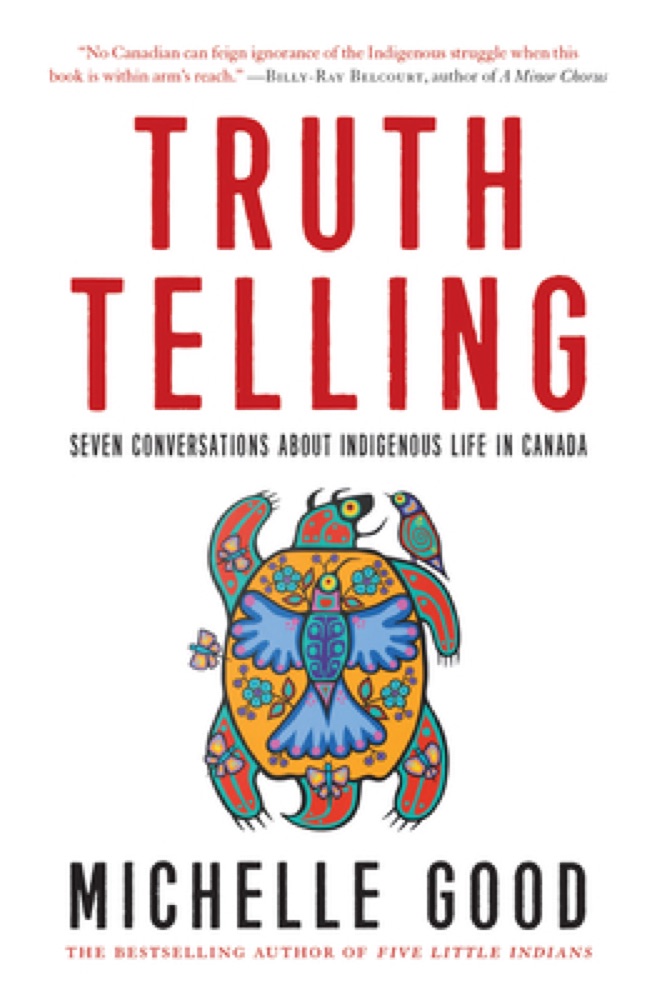 Truth Telling: Seven Conversations about Indigenous Life in Canada
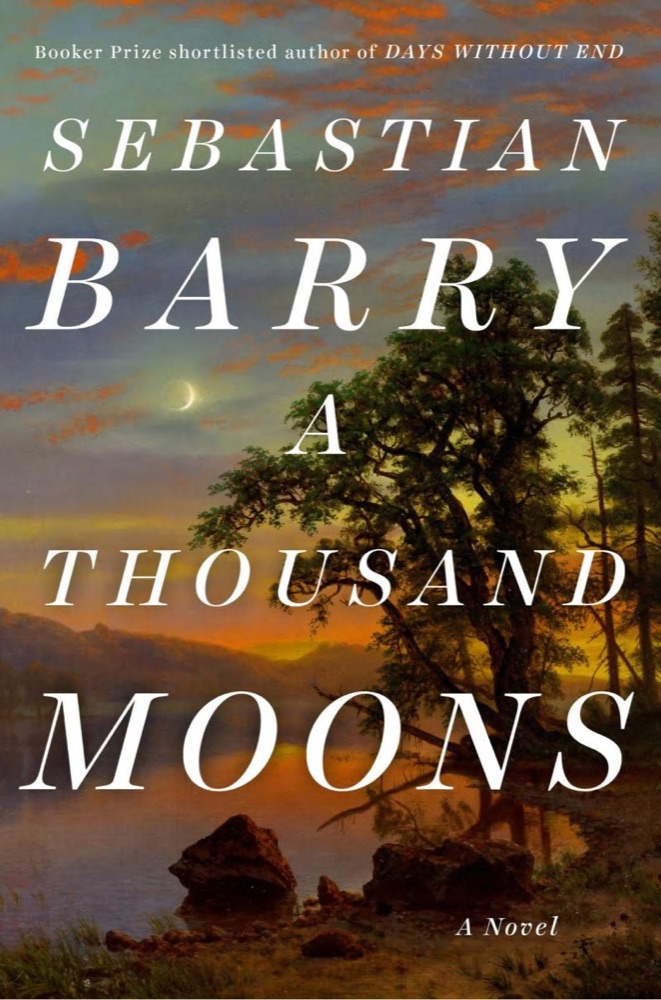 A Thousand Moons
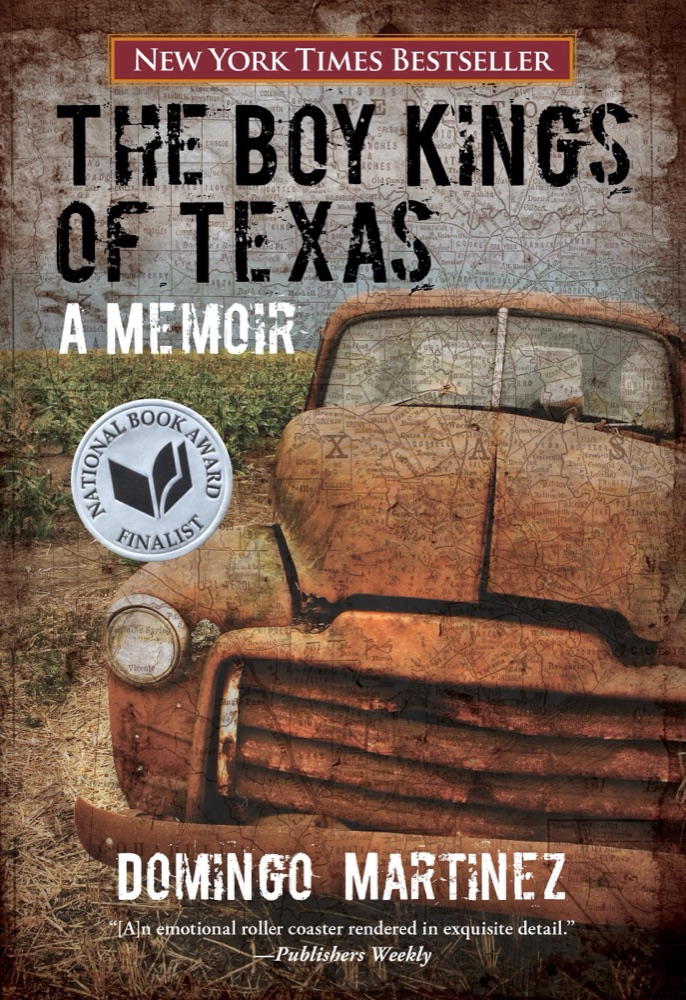 The Boy Kings of Texas: A Memoir
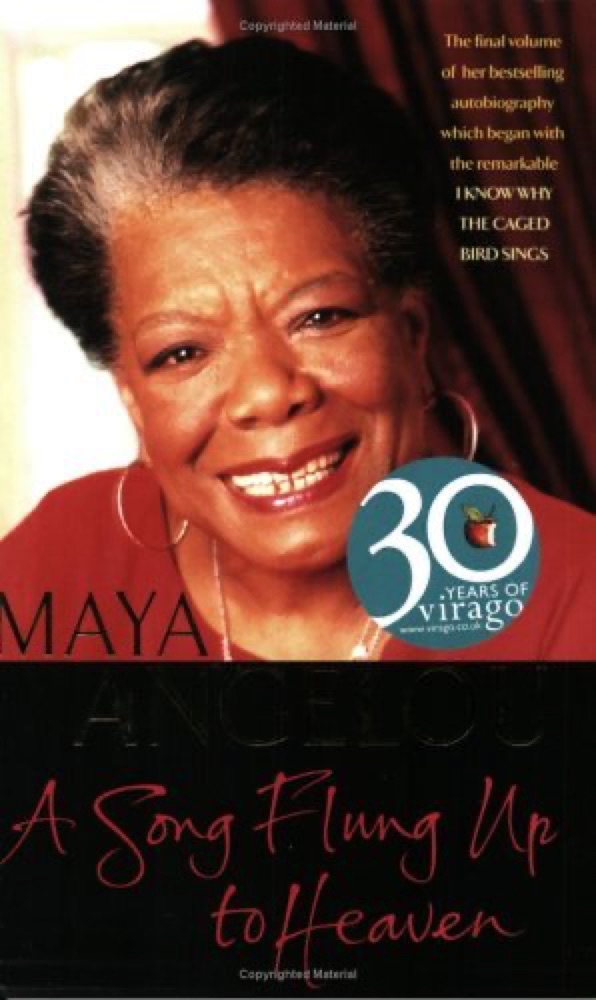 A Song Flung Up to Heaven
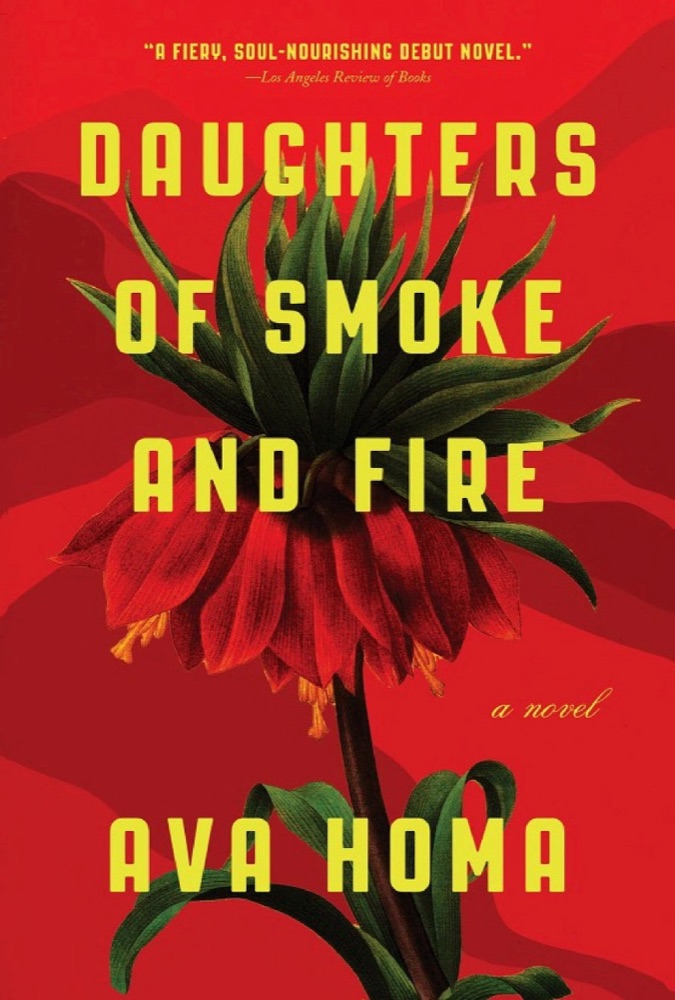 Daughters of Smoke and Fire
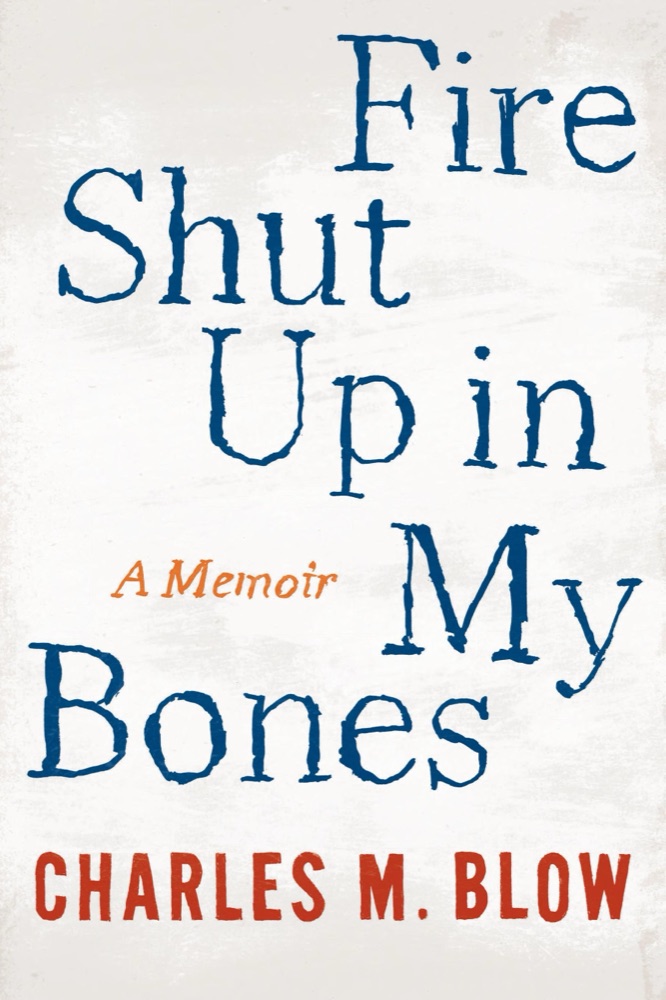 Fire Shut Up in My Bones: A Memoir
 My Name Is Mahtob: The Story that Began the Global Phenomenon Not Without My Daughter Continues
 Whiskey When We're Dry
 The Sea Keeper's Daughters
 Sisters in the Wind
 The Moor's Account
 Americanah
 Petals of Blood
 Joan Is Okay
 The Refugees
 Family Life
 The Night Watchman
 Becoming
 Varina
 Women We Buried, Women We Burned: A Memoir
 My Beloved World
 Scenes from My Life: A Memoir
 All But My Life: A Memoir