
 The Other Americans
Quotes from the Book
No lies are more seductive than the ones we use to console ourselves.
24
A name is precious; it carries inside it a language, a history, a set of traditions, a particular way of looking at the world. Losing it meant losing my ties to all those things too.
22
To overcome my fear, I shackled myself with hope, its links heavier than any metal known to man.
18
Unfounded gossip can turn into sanctioned history if falls into the hands of the right storyteller.
14
I wondered why God created so many varieties of faiths in the world if He intended all of us to worship Him in the same fashion.
12
Just by saying something was so, they believed that it was. I know know that these conquerors, like many before them, and no doubt like others after, gave speeches not to voice the truth, but to create it.
11
Telling a story is like sowing a seed—you always hope to see it become a beautiful tree, with firm roots and branches that soar up in the sky. But it is a peculiar sowing, for you will never know whether your seed sprouts or dies.
9
Nothing new has ever happened to a son of Adam, she said. Everything has already been lived and everything has already been told. If only we listened to the stories.
8
Nothing new has ever happened to aq son of Adam, she said. Everything has already been lived and everything has already been told. If only we listened to the stories.
7
Every story needs a villain, she said grimly.
6
From that blighted time came the saying: when bellies speak, reason is lost. There
6
As the days passed, I began to look upon my fate with new eyes. I often lamented the wicked turns my life had taken, but I rarely considered how much I had to be thankful for, how I had survived so long where so many others had perished, how I had seen wonders that no other Zamori had... I had been so intent on counting all the miseries and humiliations I had endured that I neglected to thank the Almighty for the blessings he had bestowed upon me.
6
In Arabic, the name Guadalajara evoked a valley of stones, a valley my ancestors had settled more than eight hundred years earlier. They had carried the disease of empire to Spain, the Spaniards had brought it to the new continent, and someday the people of the new continent would plant it elsewhere. That was the way of the world.
5
There are things far more valuable than private comfort or public admiration.
5
Maybe there is no true story, only imagined stories, vague reflections of what we saw and what we heard, what we felt and what we thought.
4
How strange, I remember thinking, how utterly strange were the ways of the Castilians—just by saying that something was so, they believed that it was. I know now that these conquerors, like many others before them, and no doubt like others after, gave speeches not to voice the truth, but to create it.
4
I was preoccupied only with the price of things and neglected to consider their value.
3
when I had agreed to sell my life for a bit of gold. My father and my mother had both warned me about the danger of putting a price on everything, but I had not listened. Now, years later, I had convinced myself that, because I had been the first to find gold in La Florida, my life would be returned to me. But life should not be traded for gold—a simple lesson, which I had had to learn twice. It
3
I was a thirty-eight-year-old man, so I had plenty of time to consider the world through the eyes of someone else: yet that someone had rarely been a woman.
3
It was a communion of pain, and no one in the city could pretend not to have heard it. The women had made witnesses of us, even those of us who had chosen to close our eyes. •
2
There was a long silence, during which Father Marco’s thoughts finally drifted from the matter of wealth to the matter of God—few minds can entertain both subjects at once.
2
for it traded what should never be traded. It delivered me into the unknown and erased my father’s name. I could not know that this was just the first of many erasures. I
2
But life should not be traded for gold—a simple lesson, which I had had to learn twice.
2
I ignored the teachings of our Messenger, that all men are brothers, and that there is no difference among them save in the goodness of their actions.
2
I often lamented the wicked turns my life had taken, but I rarely considered how much I had to be thankful for, how I had survived so long where so many others had perished,
2
name is precious; it carries inside it a language, a history, a set of traditions, a particular way of looking at the world.
2
Our first stop on the long march south was Guadalajara, a small town that was established by Nuño de Guzmán and that, like Compostela, he had named after a city in Spain. I could not understand this habit of naming settlements after Spanish cities even when, as in the case of Guadalajara, that city had received its name from those who had conquered it. In Arabic, the name Guadalajara evoked a valley of stones, a valley my ancestors had settled more than eight hundred years earlier. They had carried the disease of empire to Spain, the Spaniards had brought it to the new continent, and someday the people of the new continent would plant it elsewhere. That was the way of the world.
1
But our ill fortune did not afflict the Portuguese in our town: they still shipped gold and wool to Porto and still sent hanbals, kiswas and other woven goods to Guinea. If anything, the drought and famine we were experiencing had only made their trade more profitable, because the price of the wool had fallen so low that they could purchase larger quantities of it. That year, a strange thing happened. The farmers who had neither the funds to pay the Portoguese tax nor grain to sell at marked had to give their children as payment. Girls of marriagable age were worth two arrobas of wheat; boys twice as that. A custom official of my acquaintance swore that he had seen three Portuguese caravels leave Azzemur, each carrying two hundred girls and women, who would be transported to Seville, where they would be sold as domestics and concubines. From that blighted time came the saying: when bellies speak, reason is lost.
1
Standing in that half-finished church, surrounded by statues of prophets and saints, I wondered why God created so many varieties of faiths in the world if He intended all of us to worship Him in the same fashion. This thought had never occurred to me when I was a young boy memorizing the Holy Qur'an, but as I spent time with the Indians I came to see how limiting the notion of one true faith really was. Was the diversity in our beliefs, not their unity, the lesson God wanted to impart? Surely it would have been in His power to make us of one faith if that had been His wish. Now the idea that there was only one set of stories for all of mankind seemed strange to me.
1
I know now that these conquerors, like many others before them, and no doubt like others after, gave speeches not to voice the truth, but to create it.
1
Watch on YouTube
About Laila Lalami
We have collected 66 quotes from 3 books by Laila Lalami on BookQuoters.
More about the author →More by Laila Lalami
The Other Americans
 The Dream Hotel
About the book
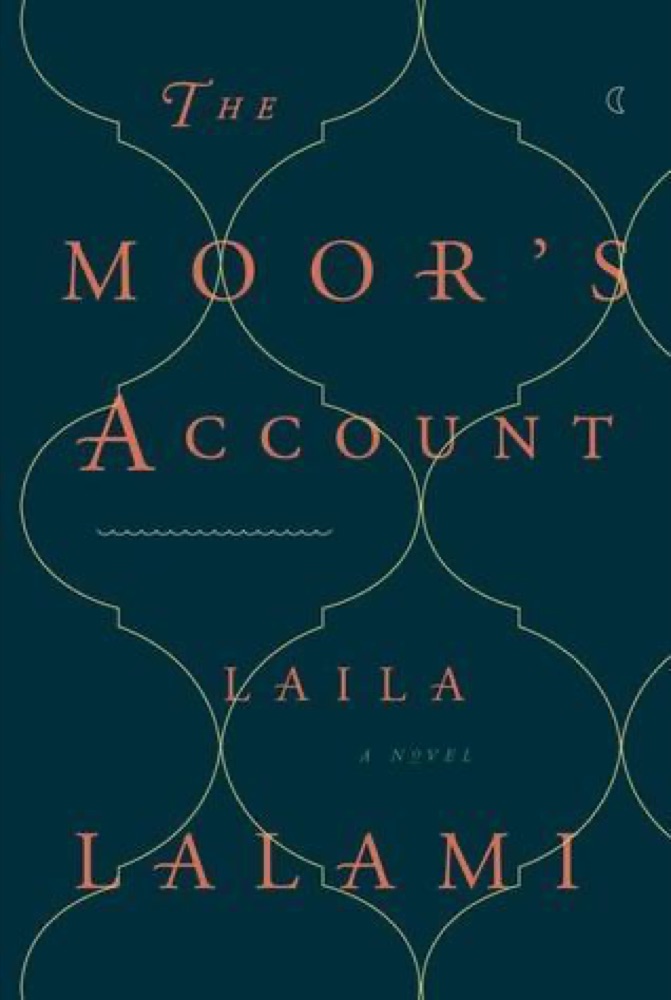
In 1527, the conquistador Pánfilo de Narváez sailed from the port of Sanlúcar de Barrameda with a crew of six hundred men and nearly a hundred horses. His goal was to claim what is now the Gulf Coast of the United States for the Spanish crown and, in the process, become as wealthy and famous as Hernán Cortés.
But from the moment the Narváez expedition landed in Florida, it faced peril—navigational errors, disease, starvation, as well as resistance from indigenous tribes. Within a year there were only four survivors: the expedition’s treasurer, Álvar Núñez Cabeza de Vaca; a Spanish nobleman named Alonso del Castillo Maldonado; a young explorer named Andrés Dorantes de Carranza; and Dorantes’s Moroccan slave, Mustafa al-Zamori, whom the three Spaniards called Estebanico. These four survivors would go on to make a journey across America that would transform them from proud conquistadores
Book details
- First published
- 2014
- Author
- Laila Lalami
- Genre
- Historical
- Goodreads rating
- 4.05 (13k ratings)
Keep reading
 The Enchantress of Florence
 Dreams from My Father: A Story of Race and Inheritance
 The Son
 Victory City
 Fifth Business
 Whiskey When We're Dry
 Powers
 My Friends
 Children of God
 The Sea Keeper's Daughters
 The Cat's Table
 Acacia: The War with the Mein
 The Years of Rice and Salt
 The Water Dancer
 Sword & Citadel
 The Prophets
 The Memoirs of Cleopatra
 Washington Black
 The Jewel in the Crown
 Redemption in Indigo
 Eifelheim
 The Kite Runner
 Forge of Darkness
 The Thousandfold Thought
 The Telling
 The Story of the Lost Child
 The Brutal Telling
 The Fall of Babel
 The Claw of the Conciliator
 A Bend in the River
 The Story of a New Name
 Mary Toft; or, The Rabbit Queen
 Sackett's Land
 The Tropic of Serpents
 The White Luck Warrior
 The Bedlam Stacks
 Speaking from Among the Bones
 The Clockmaker's Daughter
 I Know This Much Is True
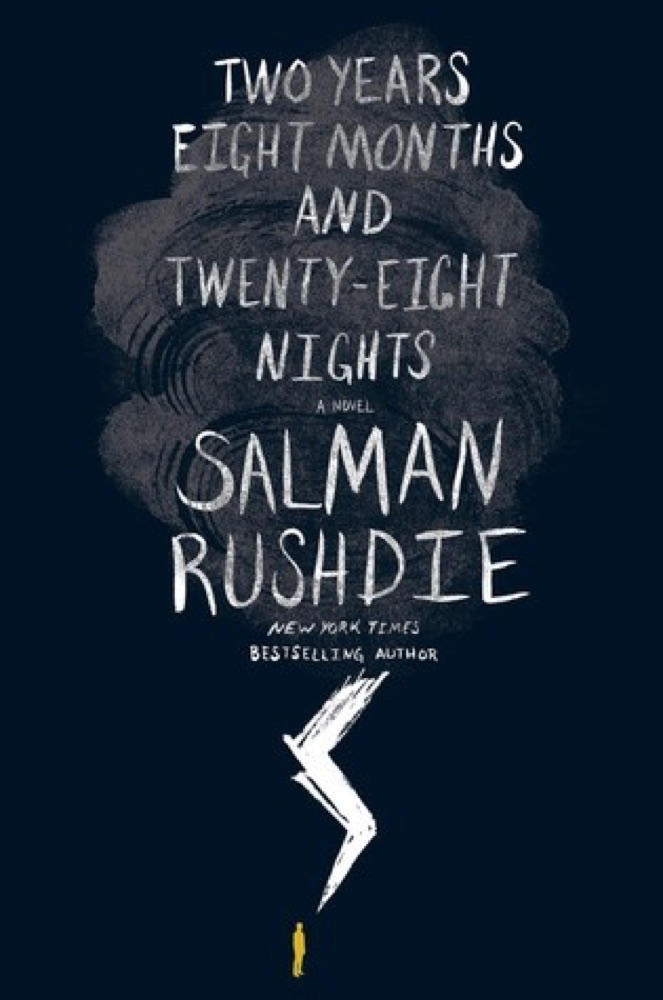 Two Years Eight Months and Twenty-Eight Nights
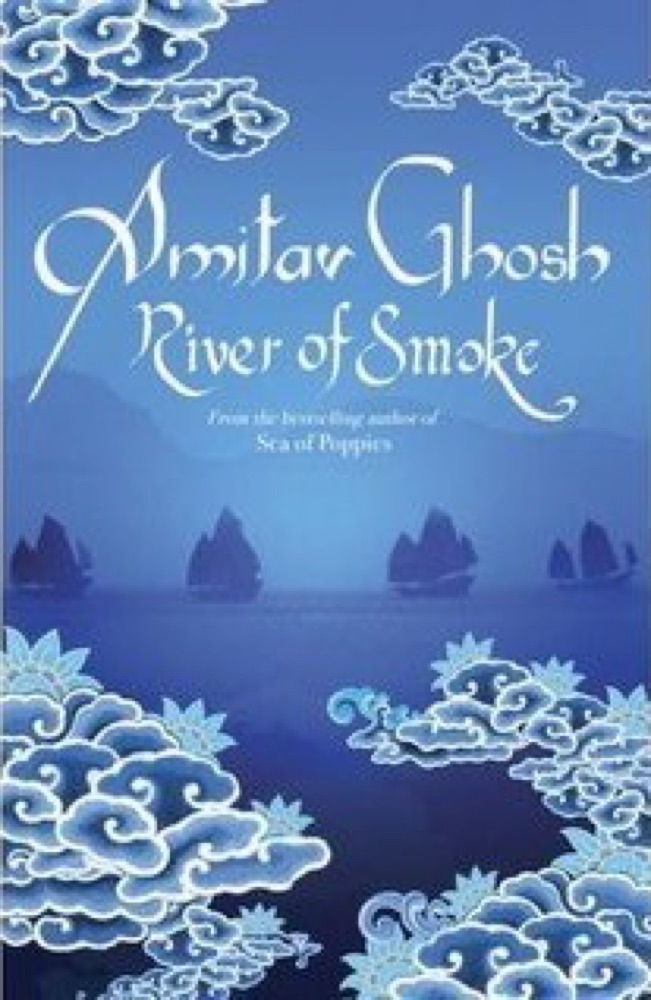 River of Smoke
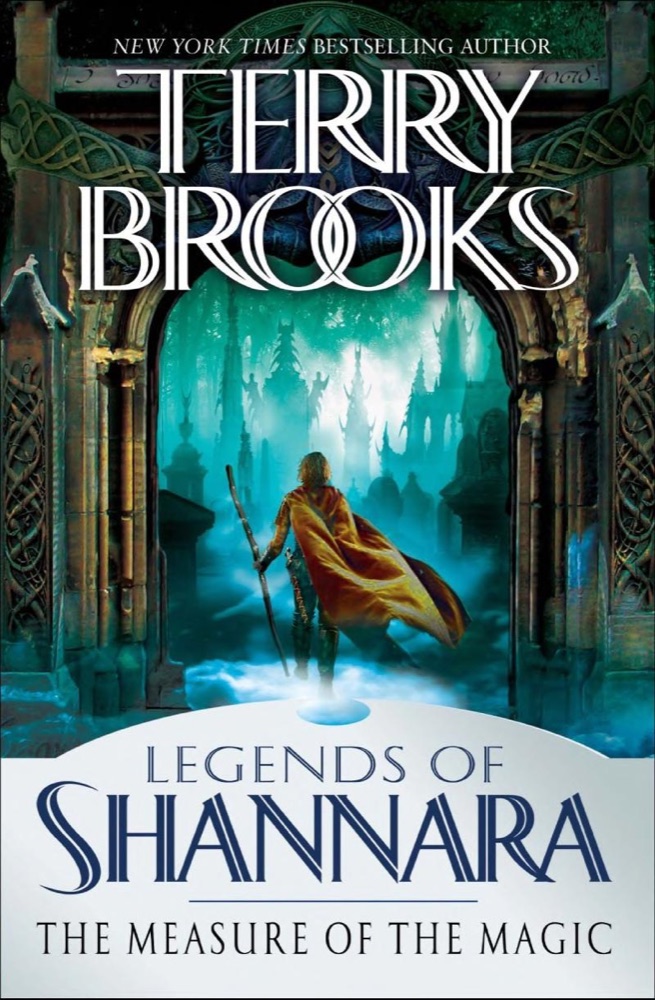 The Measure of the Magic
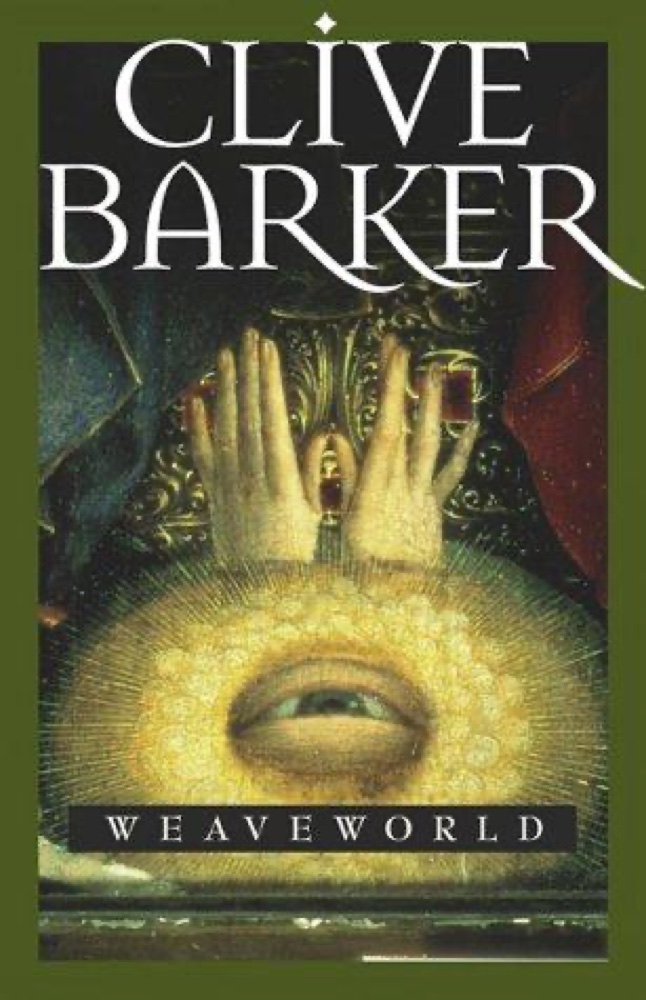 Weaveworld
 Gould's Book of Fish: A Novel in Twelve Fish
 The Eyes of the Dragon
 All the Pretty Horses
 Julian Comstock: A Story of 22nd-Century America
 Perelandra
 The Pox Party
 The Secret Scripture
 The Wall of Storms
 The Hour I First Believed
 Four Ways to Forgiveness
 Empire of Silence
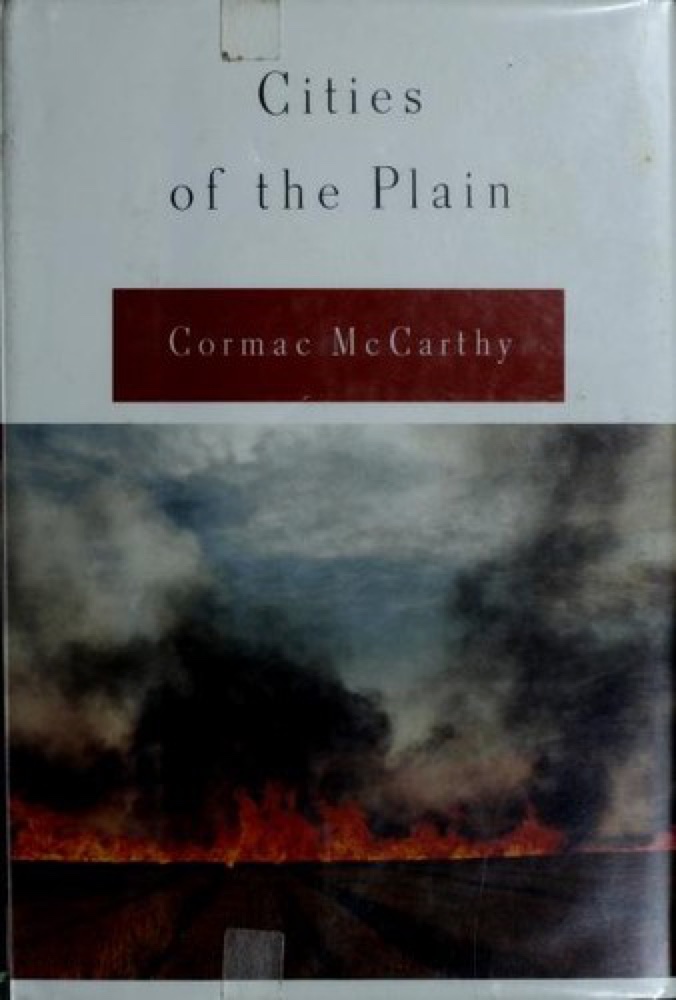 Cities of the Plain
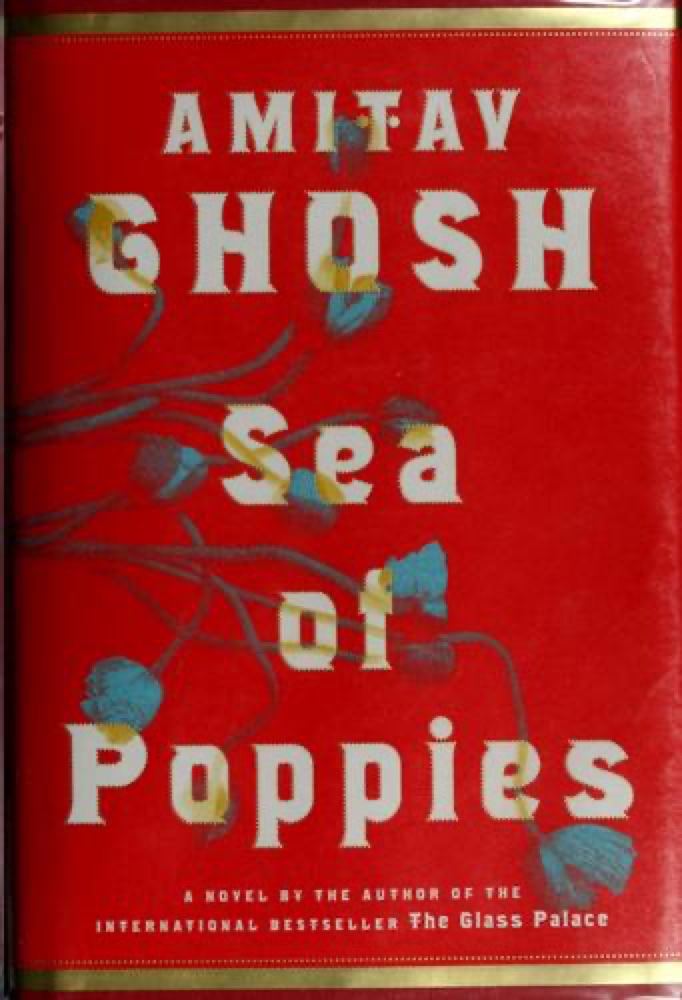 Sea of Poppies
 Black Sun
 The Wolf Gift
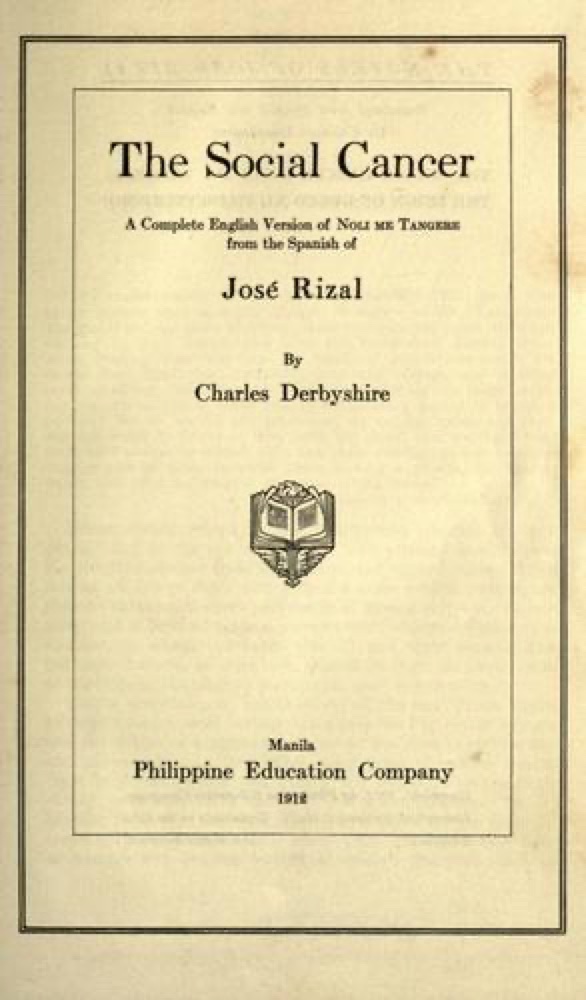 Noli Me Tángere