 The Sea Keeper's Daughters
Quotes from the Book
She was never overcome by drabness or squalor. She never glamorized anything; yet she saw the loveliness in everything.
8
It is still best to be honest and truthful; to make the most of what we have; to be happy with simple pleasures and to be cheerful and have courage when things go wrong.
6
But as adults, we have come to see that her autobiographical novels were not only fictionalized but brilliantly edited, in a profound act of American myth-making and self-transformation. As unpublished manuscripts, letters, and documents have come to light, we have begun to apprehend the scope of her life, a story that needs to be fully told, in its historical context, as she lived it. That tale is different from the one she wrote. It is an adult story of poverty, struggle, and reinvention—a great American drama in three acts.
6
His most remarkable gift, as Laura saw it, was a deep and profound contentment with what he had.
6
Rose once jotted down a quotation she attributed to her mother: “I don’t know which is more heartbreaking, a dream un[ful]filled or a dream realized.
5
After her first book was successful and she received pleas from children around the country to continue the story, she said, I began to think what a wonderful childhood I had had. How I had seen the whole frontier, the woods, the Indian country of the great plains, the frontier towns, the building of railroads in wild, unsettled country, homesteading and farmers coming in to take possession. I realized that I had seen and lived it all—all the successive phases of the frontier, first the frontiersman, then the pioneer, then the farmers and the towns. Then I understood that in my own life I represented a whole period of American history. That the frontier was gone, and agricultural settlements had taken its place when I married a farmer. It seemed to me that my childhood had been much richer and more interesting than that of children today, even with all the modern inventions and improvements.
4
Nothing is certain, but if nothing is certain, how can we be certain that nothing is certain?
4
Wilder’s “truth” was less a matter of fact than of her memories, feelings, and convictions. Her work was based on facts but not factual. It was historical fiction, not history. Its chronology, and certain incidents and characters, were invented, altered, and fictionalized.
4
When the governor announced his “day of fasting, humiliation, and prayer to deliver the people from the locusts and to comfort those afflicted,” thousands were already fasting, whether they liked it or not.
3
She concluded with a statement of her philosophy: “Running through all the stories, like a golden thread, is the same thought of the values of life. They were courage, self reliance, independence, integrity and helpfulness. Cheerfulness and humor were handmaids to courage.” Describing her parents’ travails, she wrote: When possible, they turned the bad into good. If not possible, they endured it. Neither they nor their neighbors begged for help. No other person, nor the government, owed them a living. They owed that to themselves and in some way they paid the debt. And they found their own way. Their old fashioned character values are worth as much today as they ever were to help us over the rough places. We need today courage, self reliance and integrity.
3
In life, loss was the engine that set Wilder's fiction in motion. Exile propelled the powerful emotional current of the Little House books, an intensely felt nostalgia for people and places lost to her. That emotion was absent in "Free Land," relegating it to homesteading soap opera. Its loosely linked anecdotes were joined not by familial love but by Lane's, and the Post's, ideology.
3
The image of Charles Ingalls that emerges from these unsettled early years contains elements of moral ambiguity missing from the portrait his daughter would one day so lovingly polish. Having avoided fighting in the Civil War, he was not above trying to profit from it. Like many in his time, he did not hesitate to put a young and growing family in harm’s way. If he did not know Hard Rope’s reputation, he should have. His dealings with Indians and implicit reliance on the government—to protect settlers from the consequences of their provocative actions and remove Indians from land he wanted—were self-serving. He was willing to press his advantage, to take something that did not belong to him if he thought he could get away with it. These were very different characteristics than the ones his daughter would choose to emphasize decades later. She would never refer to him in print as a “squatter.” But she knew he was.
3
The Plains, Willa Cather wrote years later, are “the happiness and the curse of my life.
3
Everything is evened up in the world. The rich have their ice in the summer but the poor get theirs in the winter.
2
Such magic there is in Christmas to draw the absent ones home and if unable to go in the body the thoughts will hover there.
2
As Little Crow had said, 'When men are hungry, they help themselves.
2
The Ingallses had no way of knowing it, but the locust swarm descending upon them was the largest in recorded human history. It would become known as “Albert’s swarm”: in Nebraska, a meteorologist named Albert Child measured its flight for ten days in June, telegraphing for further information from east and west, noting wind speed and carefully calculating the extent of the cloud of insects. He startled himself with his conclusions: the swarm appeared to be 110 miles wide, 1,800 miles long, and a quarter to a half mile in depth. The wind was blowing at ten miles an hour, but the locusts were moving even faster, at fifteen. They covered 198,000 square miles, Child concluded, an area equal to the states of Connecticut, Delaware, Maine, Maryland, Massachusetts, New Hampshire, New Jersey, New York, Pennsylvania, Rhode Island, and Vermont combined.49 “This is utterly incredible,” he wrote, “yet how can we put it aside?”50 The cloud consisted of some 3.5 trillion insects.
2
Often, if you want to write about women in history,” the novelist Hilary Mantel has said, “you have to distort history to do it, or substitute fantasy for facts; you have to pretend that individual women were more important than they were or that we know more about them than we do.”8 But when it comes to Wilder, we don’t have to pretend.
2
During the darkest days, a saying took hold in Kansas: “there is no god west of Salina.
2
At times, it seemed that the whole West was aflame. Later that summer, superheated air ignited the litter left by Minnesota loggers. It was a repetition of the firestorm that had enveloped Peshtigo twenty-three years earlier, when the Ingallses saw smoke from their little house in the Big Woods. This time, the Great Hinckley Fire consumed another entire town—burning more than 250,000 acres, killing between four hundred and eight hundred people, melting nails, and fusing the wheels of railcars to the tracks.
2
But the 1890s may also count as the first time in human history when market manipulation during a climate crisis crashed the world economy.
2
The salt water tingled my feet and made them feel so good all the rest of the day, and just to think, the same water that bathes the shores of China and Japan came clear across the ocean and bathed my feet.
2
I realize with regret that my report is not as complete as it should be,” she wrote, “and had fully intended to do better, but we are told that good intentions make excellent paving stones.
2
Across every inhabited continent, just as on the Great Plains, mass land clearing and wheat farming had led to significant drying, exhausting the soils and throwing fragile ecosystems out of whack. Combined with the market forces controlling distribution, human-caused climate change joined with natural weather patterns to wreak absolute havoc.
2
Scientists estimate that it took a thousand years for an inch of topsoil to accumulate on the arid high plains. It was the work of a moment to blow it away. Topsoil exposed by the disc plows turned to dust, and the dust began to eddy, roil, and lift on the wind. “Rolling dusters,” they were called, or “black blizzards.” There were fourteen of them in 1932. The year after that, thirty-eight.
2
In time, he would become her first adopted child, another project on which she would lavish time, anguish, and money. Like her houses, however, he would prove a curiously replaceable proposition.
1
A story too many times told is a dish with-out salt. ---Rose Wilder Lane
1
She realized that all her life the teachings of those early days have influenced me and the example set by father and mother has been something I have tried to follow, which failures here and there, with rebellion at times, but always coming back to it as the compass needle to the star, -Laura Ingalls Wilder, 'As A Farm Woman Thinks.' Missouri Ruralist, August 1, 1923; Farm Journalist, p. 290.
1
Later in life, children are often reluctant for a host of reasons to assume responsibility over their parents, a reversal of roles that symbolizes mortality.
1
Watch on YouTube
About Caroline Fraser
About the book
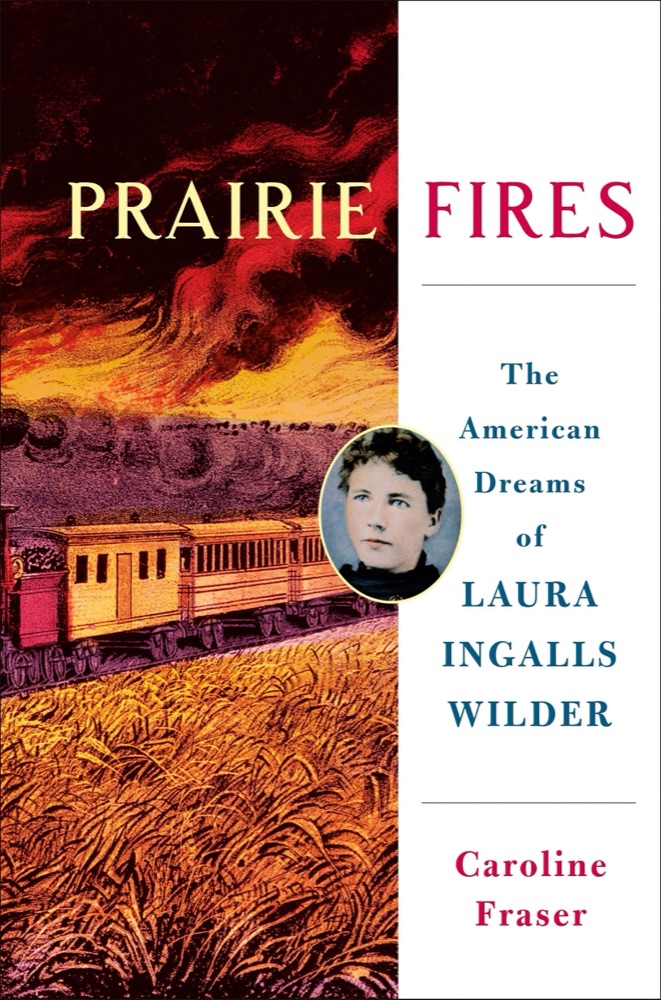
Millions of readers of the 'Little House' books believe they know Laura Ingalls Wilder - the pioneer girl who survived blizzards and near-starvation on the Great Plains as her family chased their American dream. But the true story of her life has never been fully told.
Drawing on unpublished manuscripts, letters, diaries and public records, Caroline Fraser masterfully fills in the gaps in Wilder's biography, uncovering the grown-up story behind the best-loved childhood epic of pioneer life.
Set against nearly a century of unimaginable change, from the Homestead Act and the Indian Wars to the Dust Bowl and the Great Depression, Wilder's life was full of drama and adversity. Settling on the frontier amid land-rush speculation, her family endured Biblical tribulations of locusts and drought, poverty and want, before she left at the age of eighteen to marry Almanzo. This is where the b
Book details
- First published
- 2017
- Author
- Caroline Fraser
- Genre
- Nonfiction
- Goodreads rating
- 3.95 (22k ratings)
The buzz
- The New York TimesReview in The New York Timesprofessional review (via Book Marks)
- SlateReview in Slateprofessional review (via Book Marks)
- Kirkus ReviewsReview in Kirkus Reviewsprofessional review (via Book Marks)
- Publishers WeeklyReview in Publishers Weeklyprofessional review (via Book Marks)
- Star TribuneReview in Star Tribuneprofessional review (via Book Marks)
- BooklistReview in Booklistprofessional review (via Book Marks)
Keep reading
The Sea Keeper's Daughters
 The Night Watchman
 One for the Blackbird, One for the Crow
 Homecoming
 TransAtlantic
 One of Ours
 The Sweetness of Water
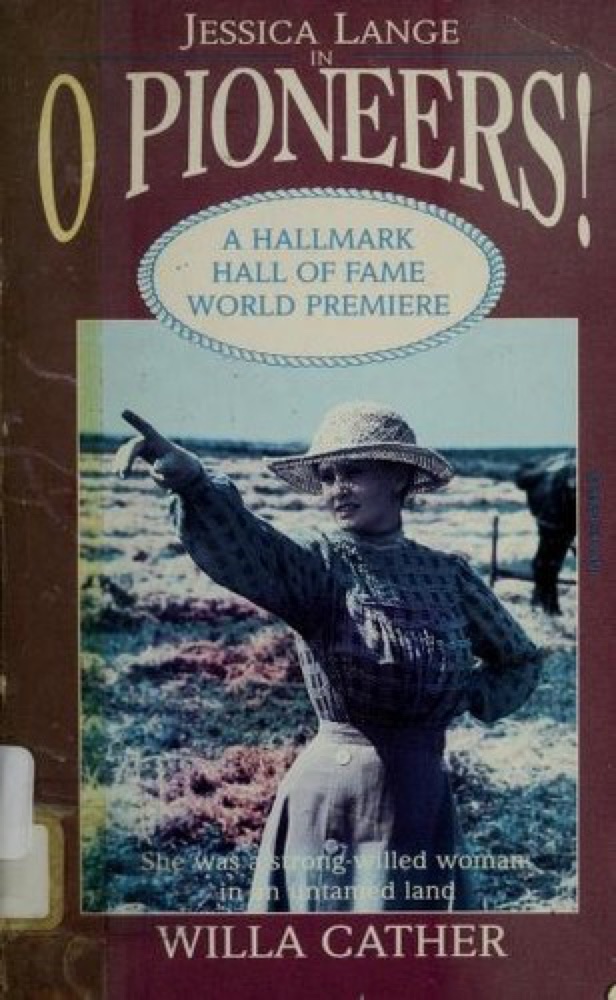 O Pioneers!
 The Clockmaker's Daughter
 The Love Songs of W.E.B. Du Bois
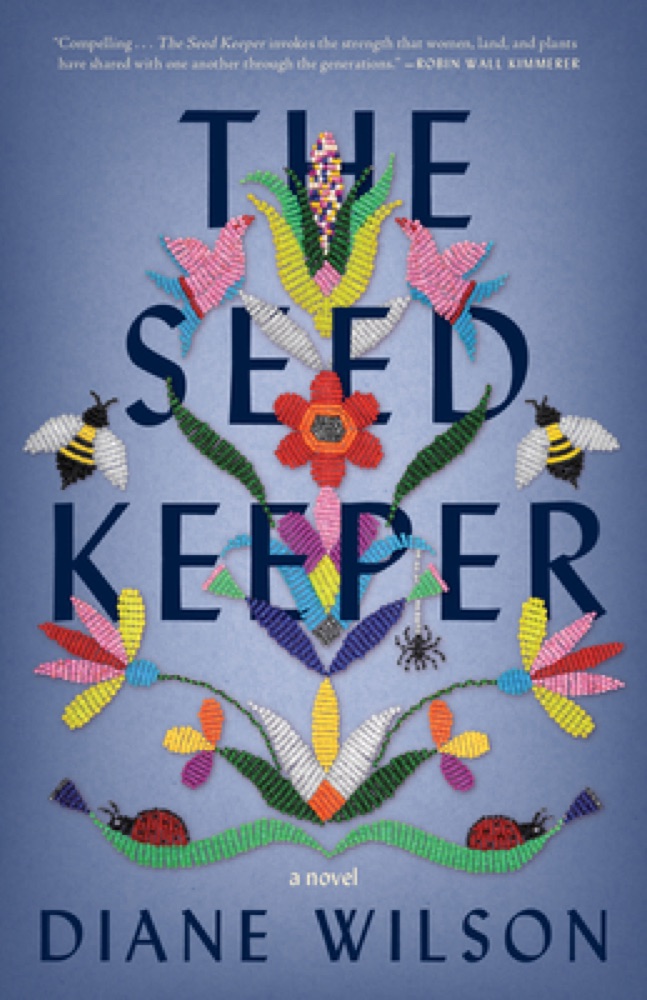 The Seed Keeper
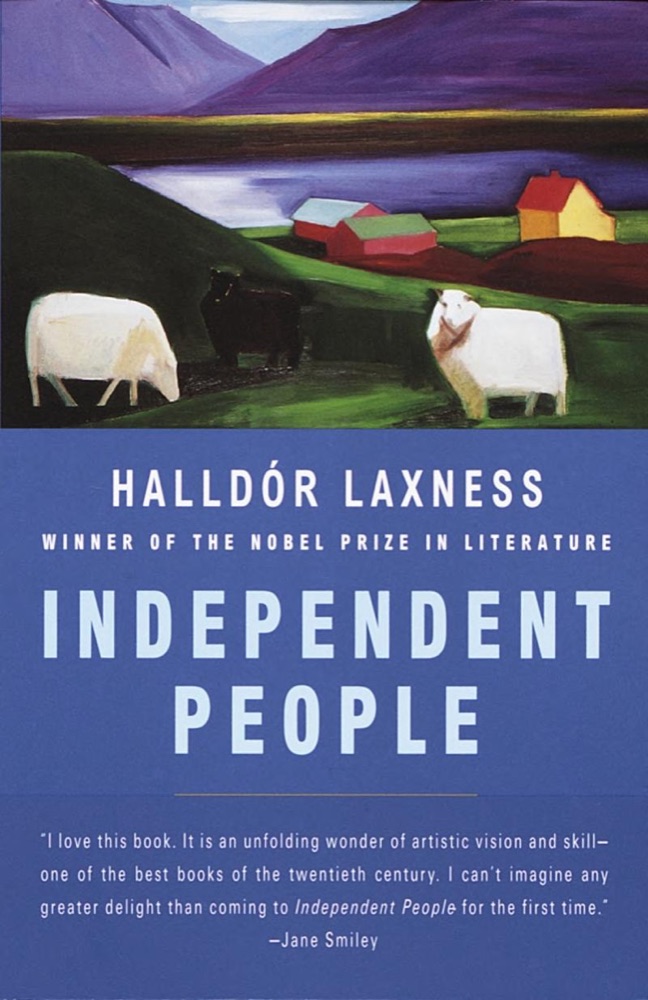 Independent People
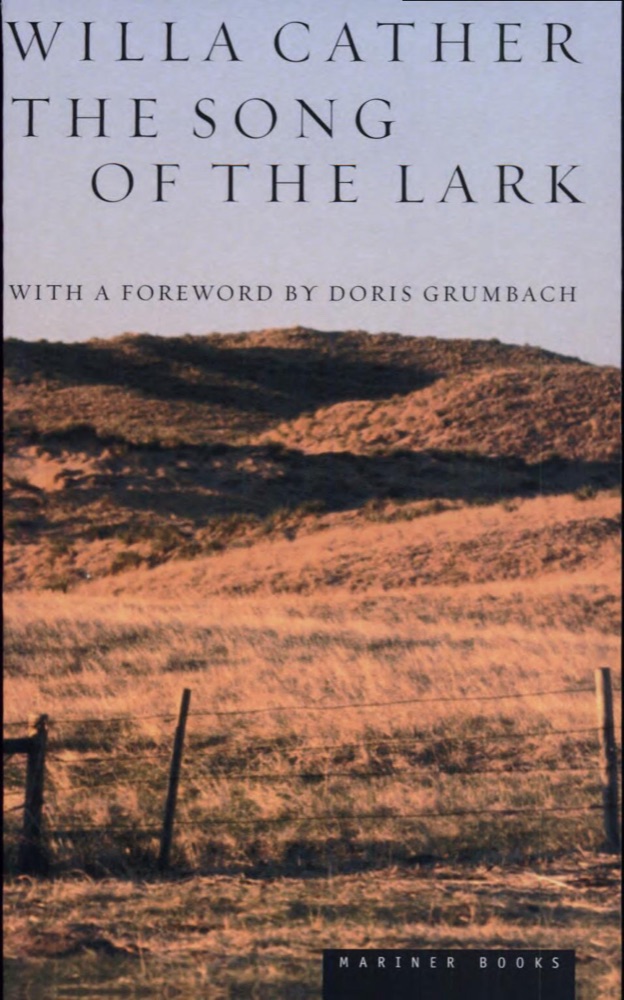 The Song of the Lark
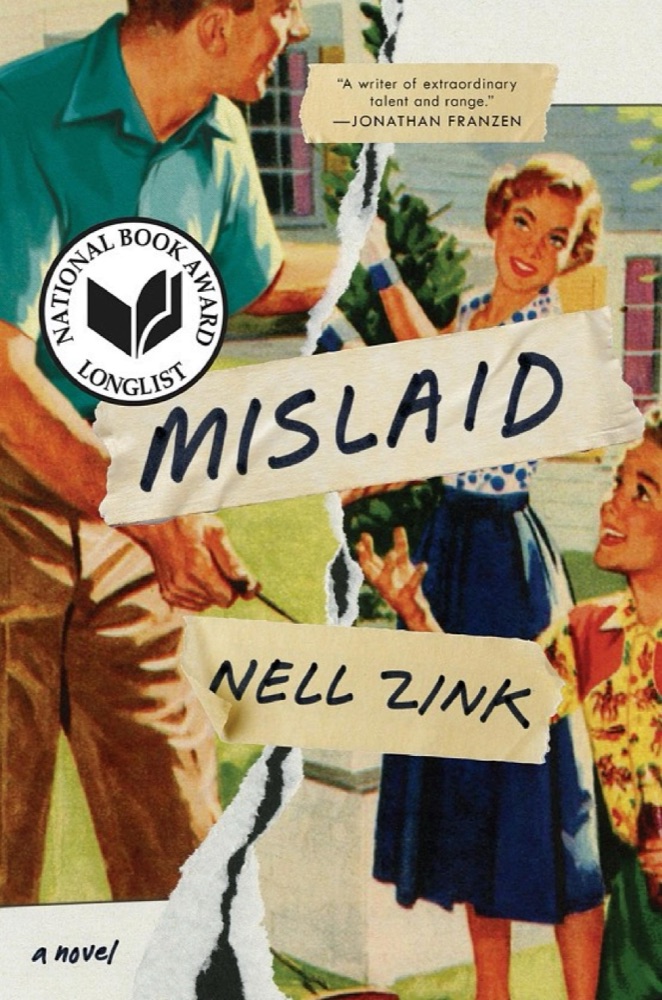 Mislaid
 The Novel Habits of Happiness
 Mohawk
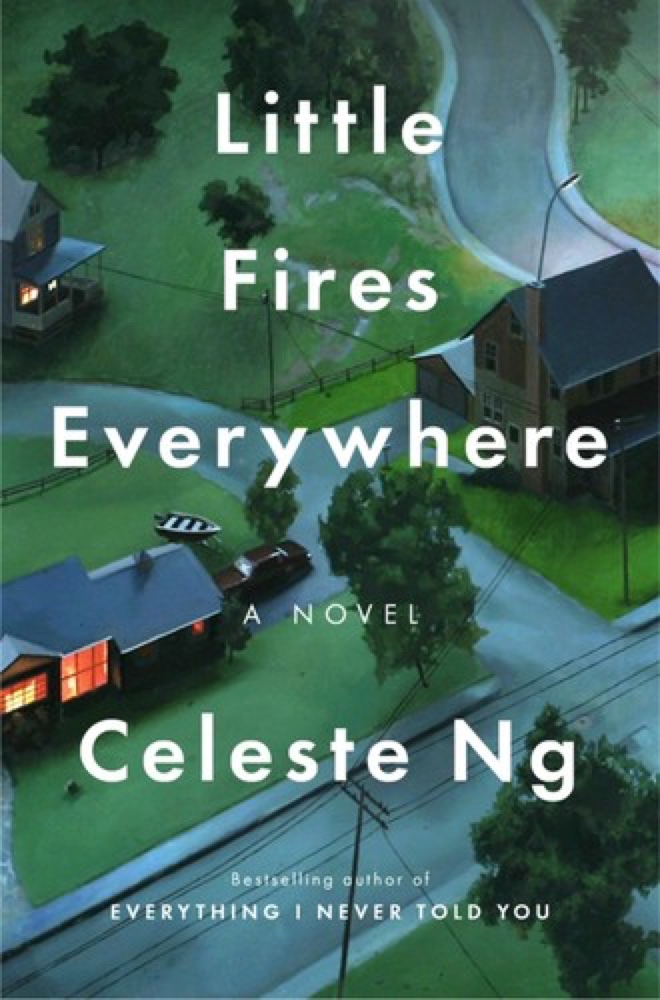 Little Fires Everywhere
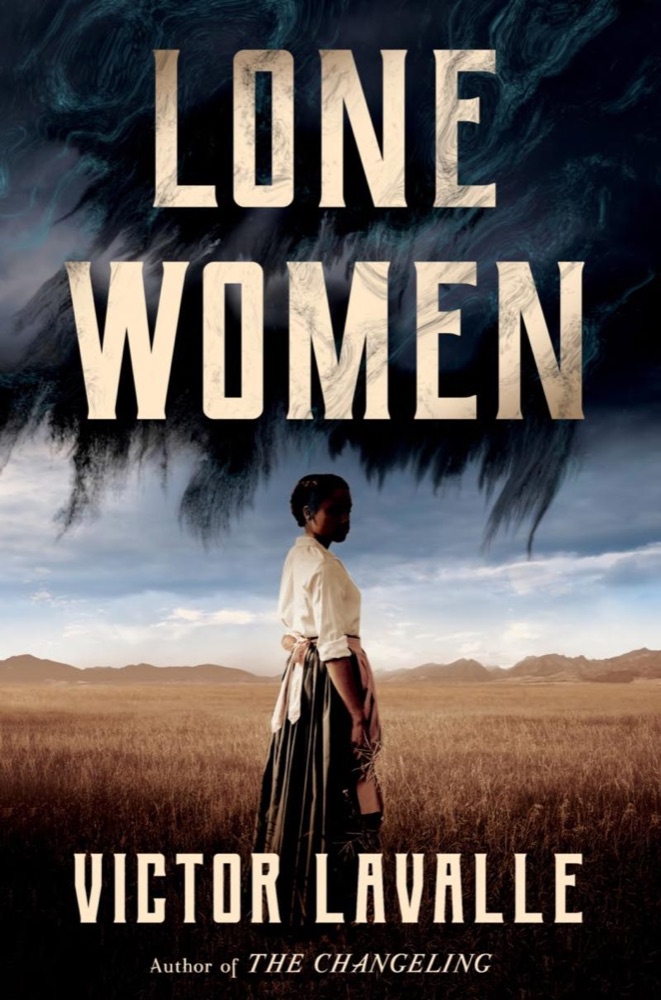 Lone Women
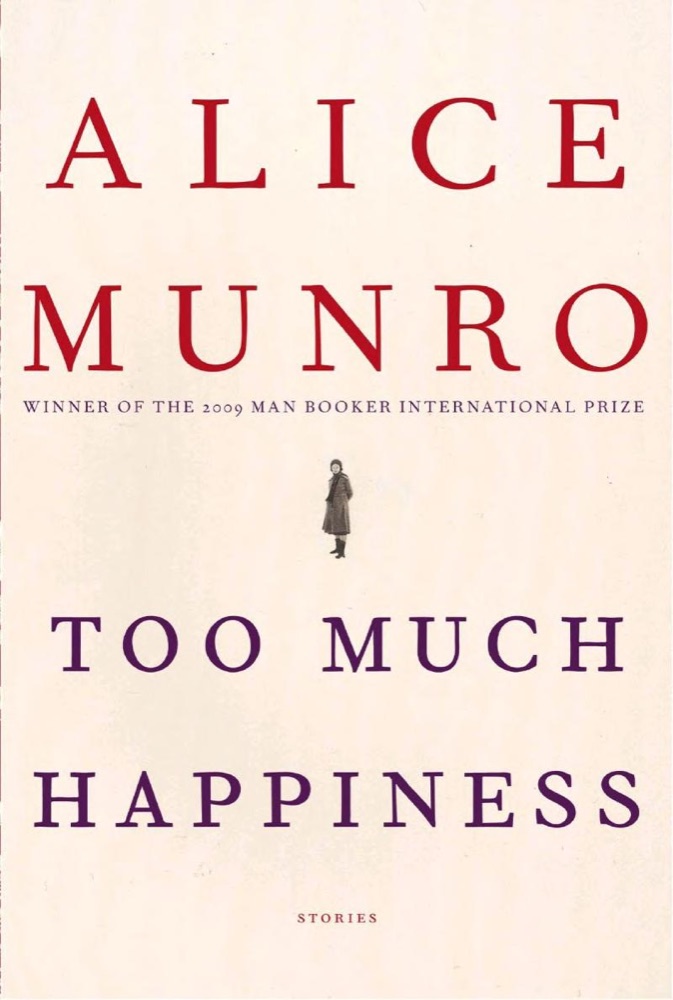 Too Much Happiness: Stories
 The Secret Book of Flora Lea
 State of Wonder
 Egg & Spoon
 The Uncommon Appeal of Clouds
 Essays of E.B. White
 The Children's Book
 Stone Mattress: Nine Tales
 Save Me the Waltz
 Warlight
 Green Dolphin Street
 The Covenant of Water
 Little Monsters
 Somebody Else's Daughter
 Out of Oz
 Main Street
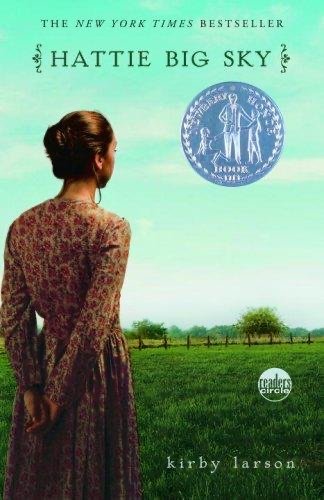 Hattie Big Sky
 NW
NW
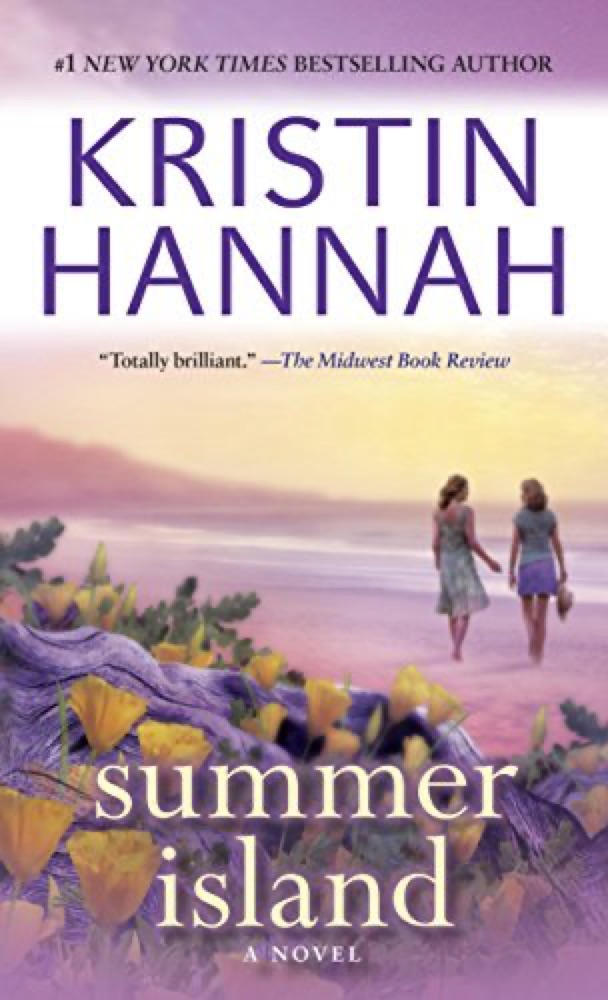 Summer Island
 A Thousand Moons
 Old Babes in the Wood: Stories
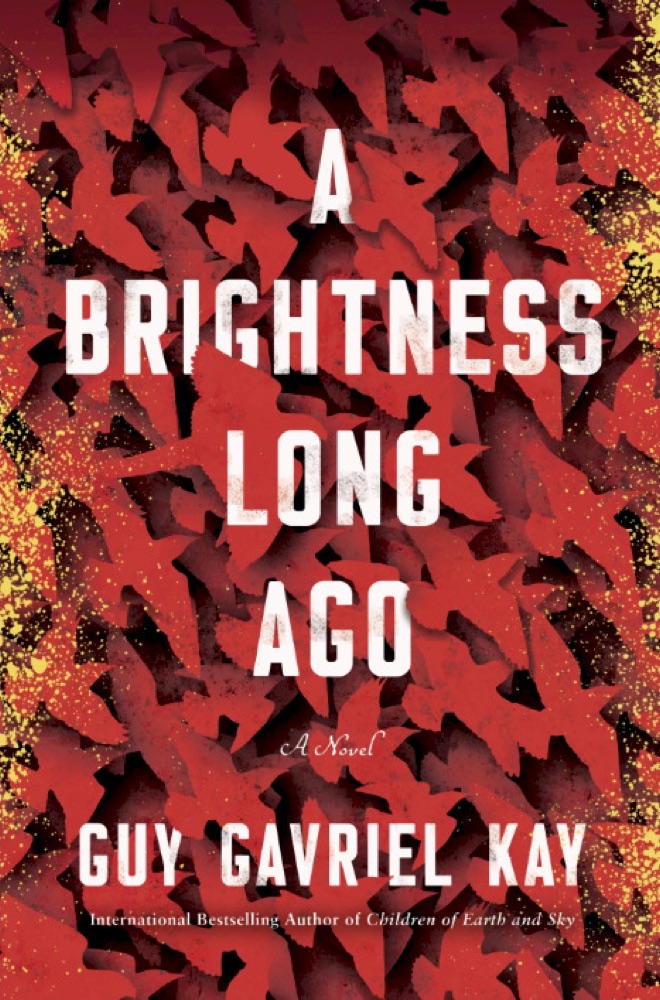 A Brightness Long Ago
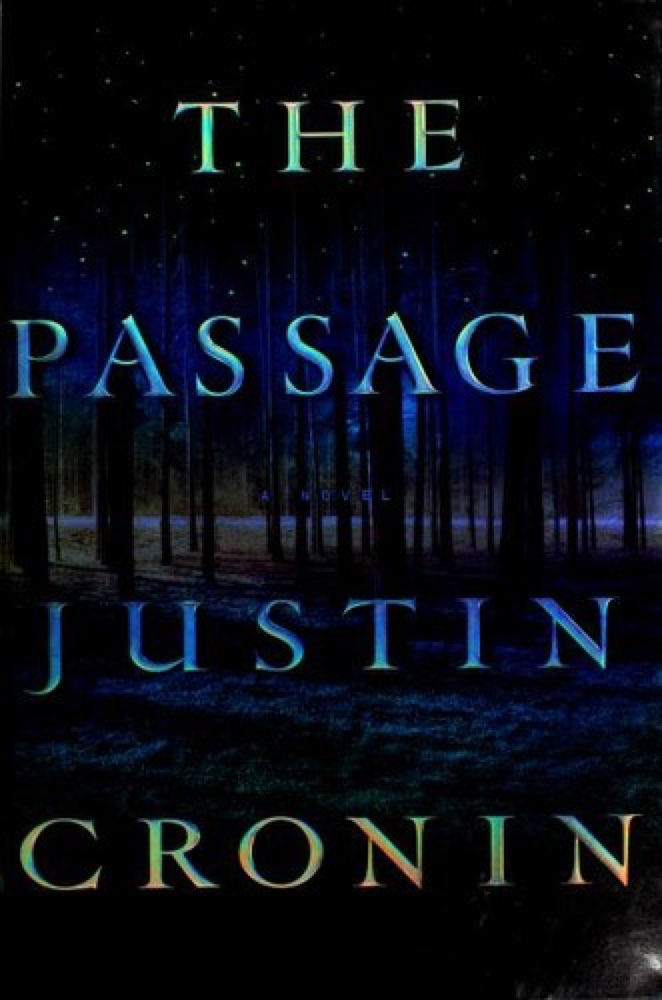 The Passage
 Whiskey When We're Dry
 The Story Girl
 The Fraud
 Four Souls
 The Book of Love
 The Children Act
 Letters of a Woman Homesteader
 Distant Shores
 Varina
 The Long Way Home
 Weaveworld
 Wandering Stars
 Leaving Before the Rains Come
 The Story of Edgar Sawtelle
 Cold Mountain
 The Little Friend
 Speaking Bones
 The Place of Tides