
 Playing to the Gallery
Quotes from the Book
The term bohemian has a bad reputation because it's allied to myriad clichés, but Parisians originally adopted the term, associated with nomadic Gypsies, to describe artists and writers who stayed up all night and ignored the pressures of the industrial world.
34
Although the art world reveres the unconventional, it is rife with conformity. Artists make work that "looks like art" and behave in ways that enhance stereotypes. Curators pander to the expectations of their peers and their museum boards. Collectors run in herds to buy work by a handful of fashionable painters. Critics stick their finger in the air to see which way the wind is blowing so as to "get it right". Originality is not always rewarded, but some people take real risks and innovate, which gives a raison d'être to the rest.
12
Our lives are constantly changing. Different things become relevant at different times in our lives. We are motivated by our changing sensibilities. Why can that not be applied to art?
11
I'm an atheist, but I believe in art. I go to galleries like my mother went to church. It helps me understand the way I live.
6
The newsletter contributes to the illusion of transparency,” he admits. “People are overinformed and undereducated. They have this veneer of knowledge.
3
Art is about experimenting and ideas, but it is also about excellence and exclusion. In a society where everyone is looking for a little distinction, it’s an intoxicating combination.
3
The contemporary art world is what Tom Wolfe would call a "statusphere." It's structured around nebulous and often contradictory hierarchies of fame, credibility, imagined historical importance, institutional affliction, perceived intelligence, wealth, and attribution such as the size of one's art collection.
3
The function of museums is to make art worthless again. They take the work out of the market and put it in a place where it becomes part of the common wealth.
2
Who, in 2007, would have thought that a drawing by Willem De Kooning would be a safer asset than shares in Lehman Brothers? By autumn 2008, this would clearly be the case.
2
Art needs motives that are more profound than profit if it is to maintain its difference from—and position above—other cultural forms.
2
Kelly wears her hair swept back in an odd 1940s pompadour that one writer assumed must be her “auxiliary brain.
1
Talent is a double-edged sword. What you are given is not really yours. What you work at, what you struggle for, what you have to take command of—that often makes for very good art.
1
Although the art world is frequently characterised as a classless scene where artists from lower-msddle-class backgrounds drink champagne with high-priced hedge-fund managers, scholarly curators, fashion designers and other "creatives," you'd be mistaken if you thought the world was egalitarian or democratic. Art is about experimenting with ideas, but it is also about excellence and exclusion. In a society where everyone is looking for a little distinction, it's an intoxicating combination.
1
Art is more like real estate than stocks. Some Warhols are like studio apartments in midblock buildings with northern exposures, while other Warhols are penthouse properties with 360-degree views. A share of Cisco, however, is always just a share of Cisco.” Judging
1
I have to agree with Artforum publisher Charles Guarino: “It’s the place where I found the most kindred spirits—enough oddball, overeducated, anachronistic, anarchic people to make me happy.” Finally,
1
Although Ségalot is wearing a conventional navy suit, his hair stands on end, thick with gel, neither in nor strictly out of fashion but in its own universe of style. Ségalot never studied art. He acquired an MBA, then worked in the marketing department of L’Oréal in Paris. As he explains, “It is not by chance that I went from cosmetics to art. We are dealing with beauty here. We are dealing in things that are unnecessary, dealing with abstractions.
1
Their hatred is so passionate that I can't help but wonder if they're attracted to each other." S
1
If the artists create artworks
The greatest critical work in my mind is the Talmud,” he said. “It’s one argument superseding another—an ongoing
I don’t care about an artist’s intentions. I care if the work looks like it might have some consequences.
I’ve always suspected that people’s bidding strategies are connected to their sexual performance. Some bidders are not afraid to let the auctioneer know what they want. They’re transparent about their needs. Others tease you and keep you guessing.
As art objects move through time and space, people “throw ideas, language, all kinds of interpretations at them. Some of it sticks and some of it doesn’t.
Watch on YouTube
About Sarah Thornton
We have collected 22 quotes from 1 book by Sarah Thornton on BookQuoters.
More about the author →About the book
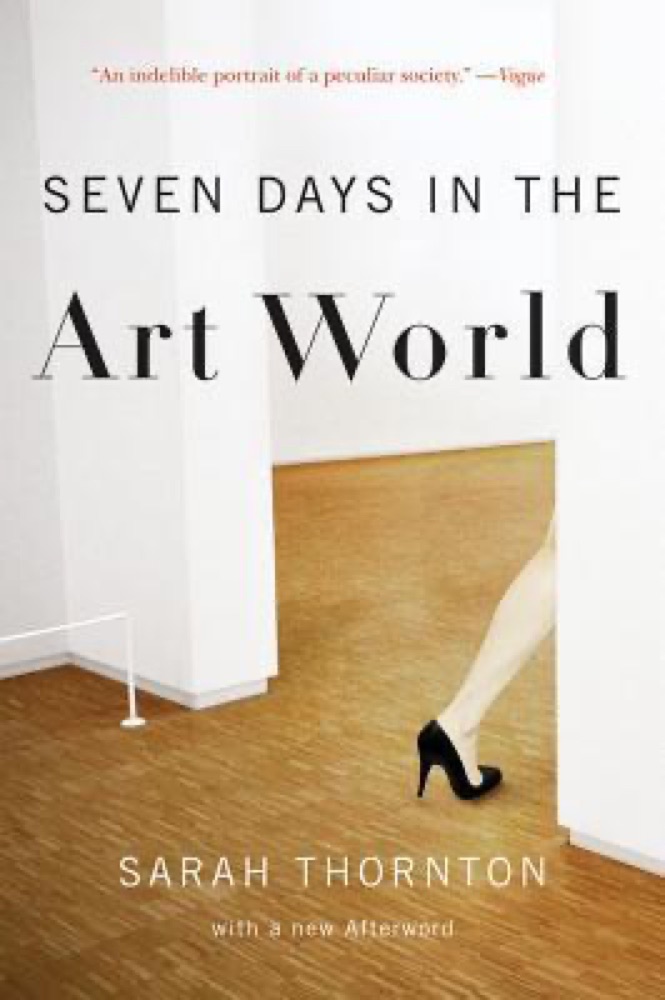
Named one of the best art books of 2008 by The New York Times and The Sunday Times [London]: “An indelible portrait of a peculiar society.”—Vogue
The art market has been booming. Museum attendance is surging. More people than ever call themselves artists. Contemporary art has become a mass entertainment, a luxury good, a job description, and, for some, a kind of alternative religion. In a series of beautifully paced narratives, Sarah Thornton investigates the drama of a Christie's auction, the workings in Takashi Murakami's studios, the elite at the Basel Art Fair, the eccentricities of Artforum magazine, the competition behind an important art prize, life in a notorious art-school seminar, and the wonderland of the Venice Biennale. She reveals the new dynamics of creativity, taste, status, money, and the search for meaning in life. A judicious and juicy account of the institutions t
Book details
- First published
- 2008
- Author
- Sarah Thornton
- Genre
- Nonfiction
- Goodreads rating
- 3.61 (72k ratings)
Keep reading
Playing to the Gallery
 Create Dangerously
 Art and Fear: Observations on the Perils (and Rewards) of Artmaking
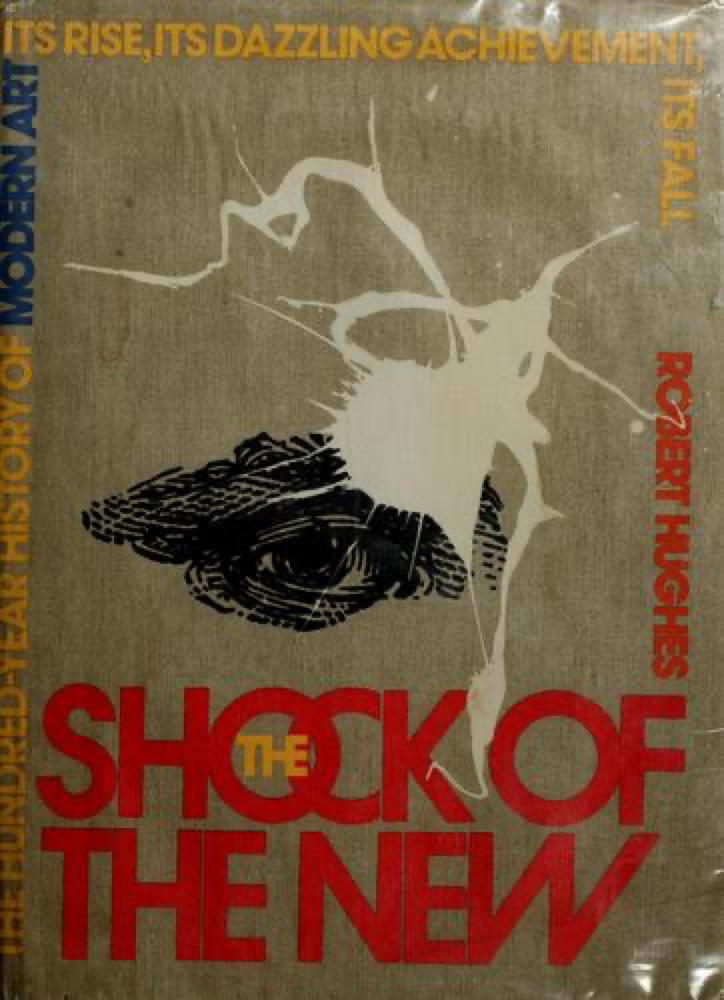 The Shock of the New
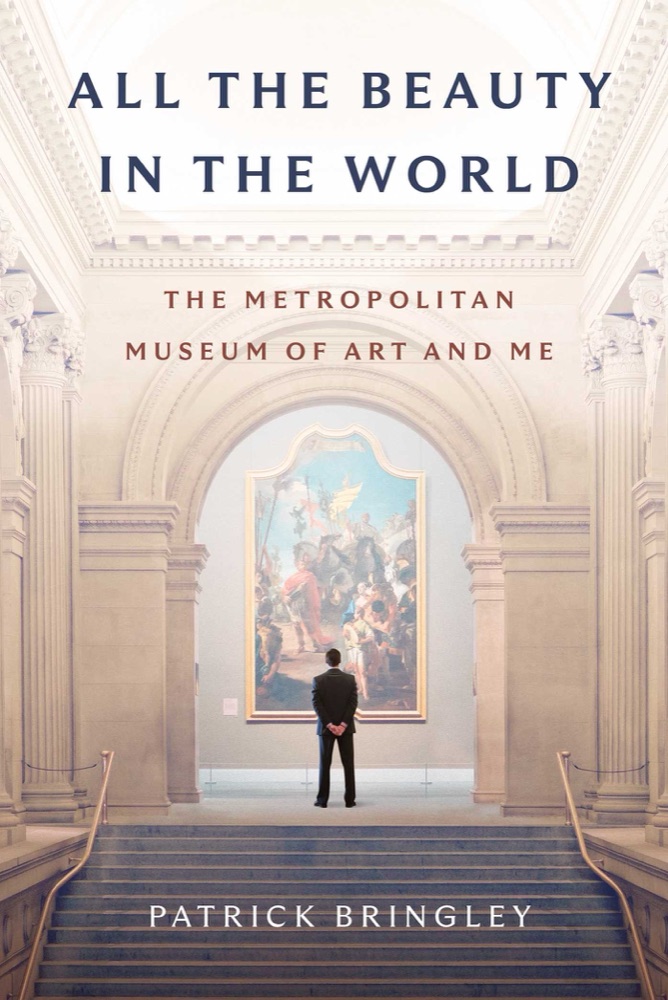 All the Beauty in the World: The Metropolitan Museum of Art and Me
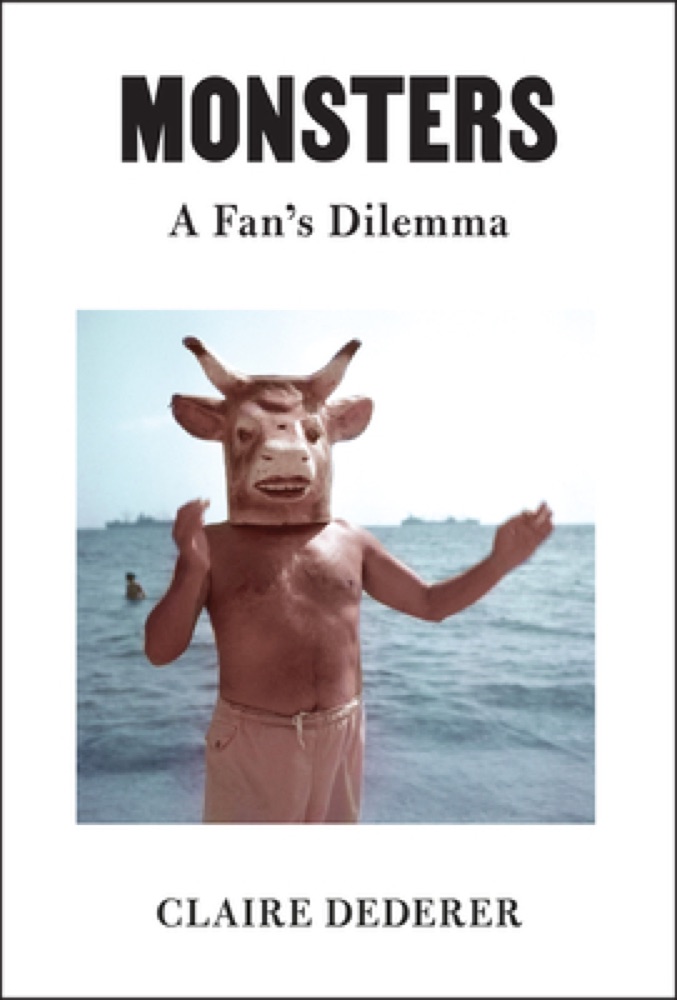 Monsters: A Fan's Dilemma
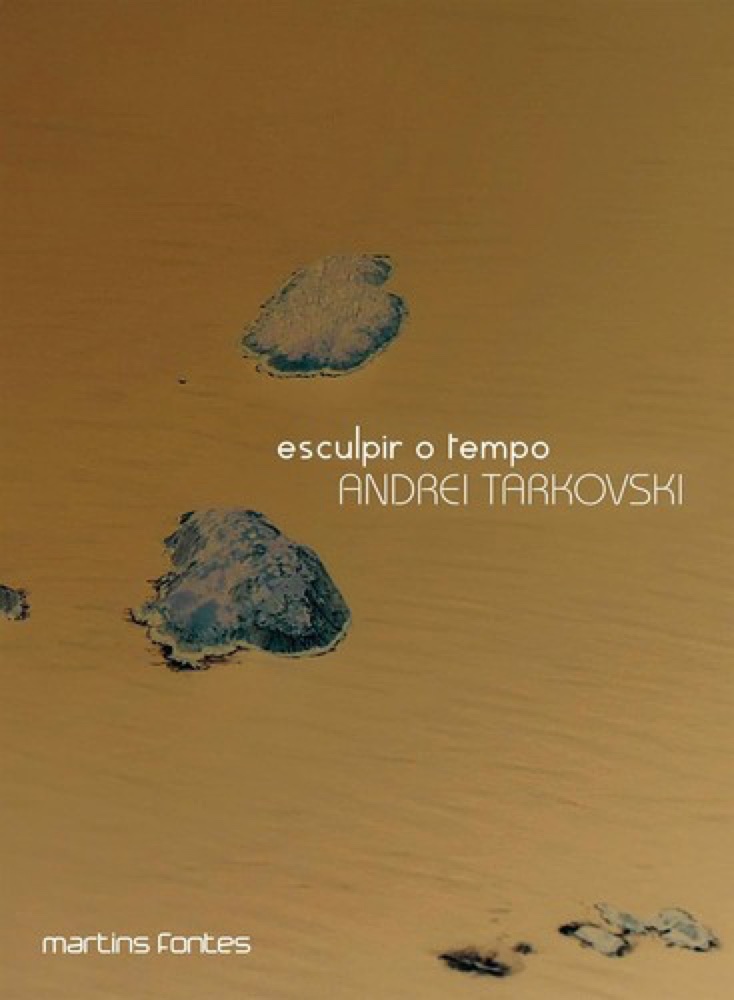 Sculpting in Time
 Linchpin: Are You Indispensable?
 Letters to a Young Artist
 Both Flesh and Not: Essays
 The Art Thief: A True Story of Love, Crime, and a Dangerous Obsession
 What Is Art?
 The Improbability of Love
 The Icarus Deception: How High Will You Fly?
 Illuminations: Essays and Reflections
 Yumi and the Nightmare Painter
 Red
Red
 Skinny Legs and All
 Walk Through Walls: A Memoir
 The Courage to Create
 Cultural Amnesia: Necessary Memories from History and the Arts
 Reality Hunger: A Manifesto
 How to Be an Artist
 Death in Venice and Other Tales
 Ways of Seeing
 Broad Strokes: 15 Women Who Made Art and Made History
 Art as Therapy
 Art and Lies
 From Dawn to Decadence: 500 Years of Western Cultural Life, 1500 to the Present
 The Wave in the Mind: Talks and Essays on the Writer, the Reader and the Imagination
 Lust for Life
 The Museum of Modern Love
 The Painter
 Only Dull People Are Brilliant at Breakfast
 Aesthetic Theory
 Against Interpretation and Other Essays
 The Recognitions
 The Muse
 The War of Art
 The Gift of Asher Lev
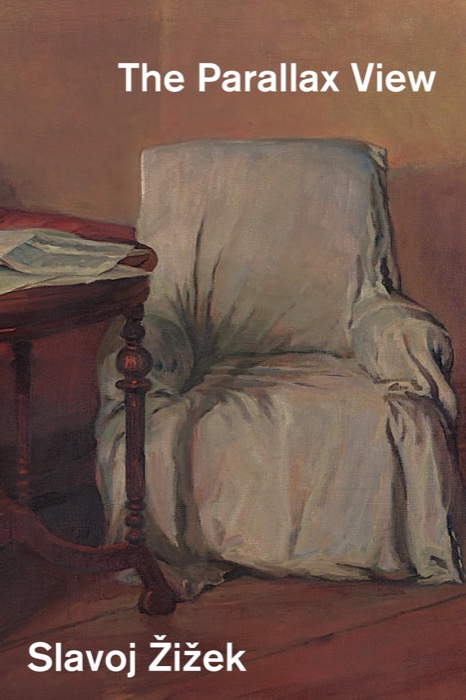 The Parallax View
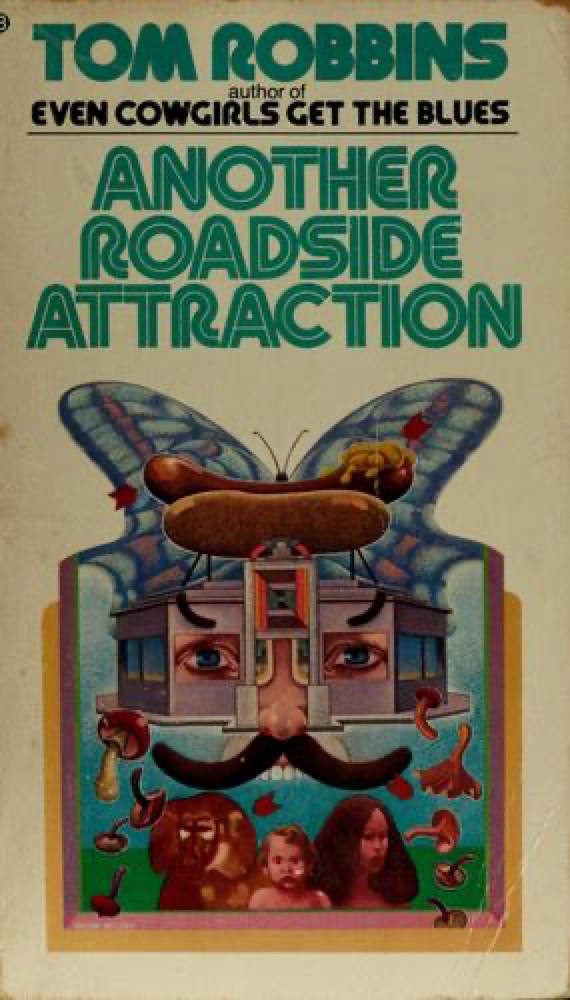 Another Roadside Attraction
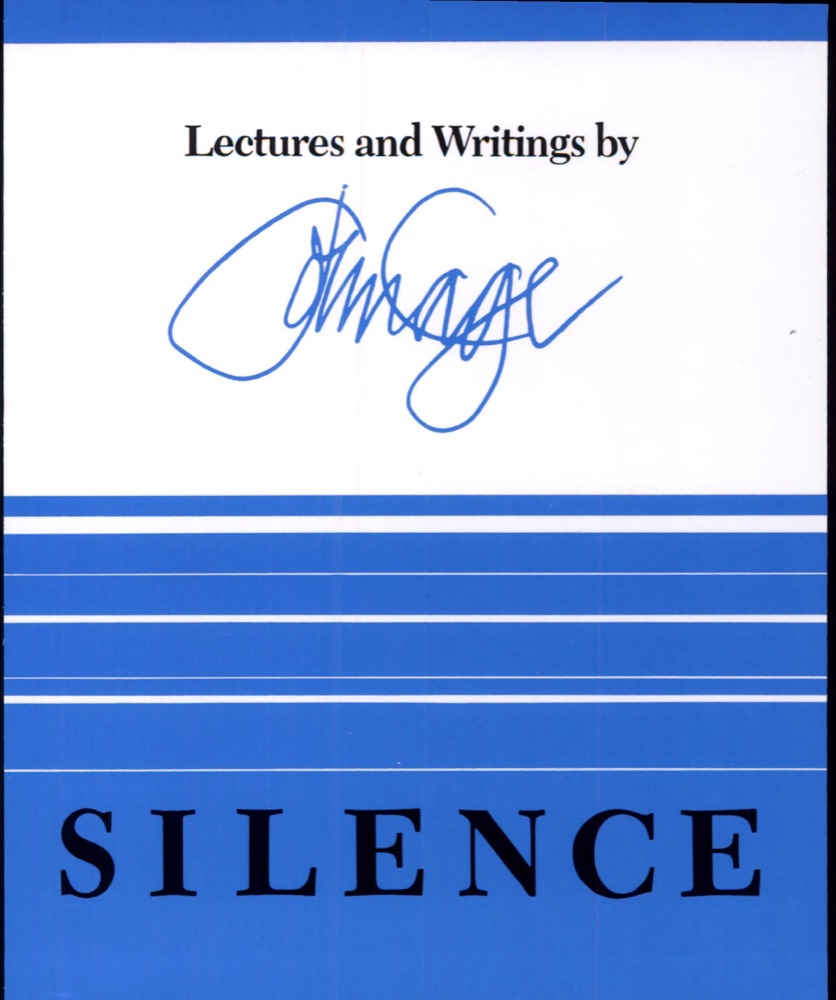 Silence: Lectures and Writings
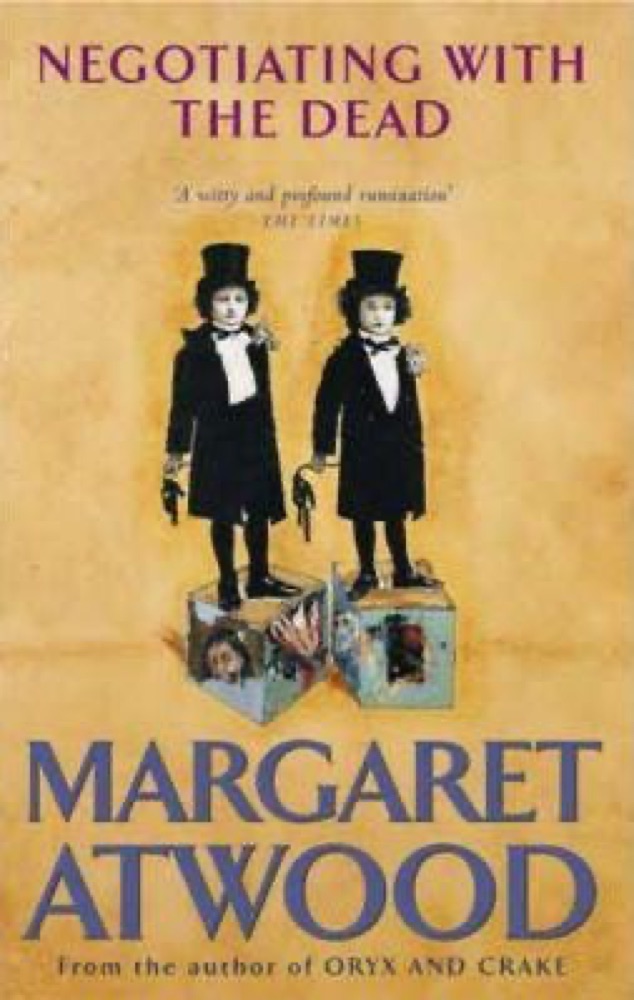 Negotiating with the Dead: A Writer on Writing
 Mao II
 Math with Bad Drawings
 Creativity: Flow and the Psychology of Discovery and Invention
 The Hare With Amber Eyes: A Family's Century of Art and Loss
 The Language of the Night: Essays on Writing, Science Fiction, and Fantasy
 Ignore Everybody: and 39 Other Keys to Creativity
 My Name Is Asher Lev
 Hit Makers: The Science of Popularity in an Age of Distraction
 The Geography of Genius: A Search for the World's Most Creative Places from Ancient Athens to Silicon Valley
 Novelist as a Vocation
 Bouvard and Pécuchet
 Understanding Comics: The Invisible Art
 The Medium is the Massage
 The Mark and the Void
 Art Matters: Because Your Imagination Can Change the World