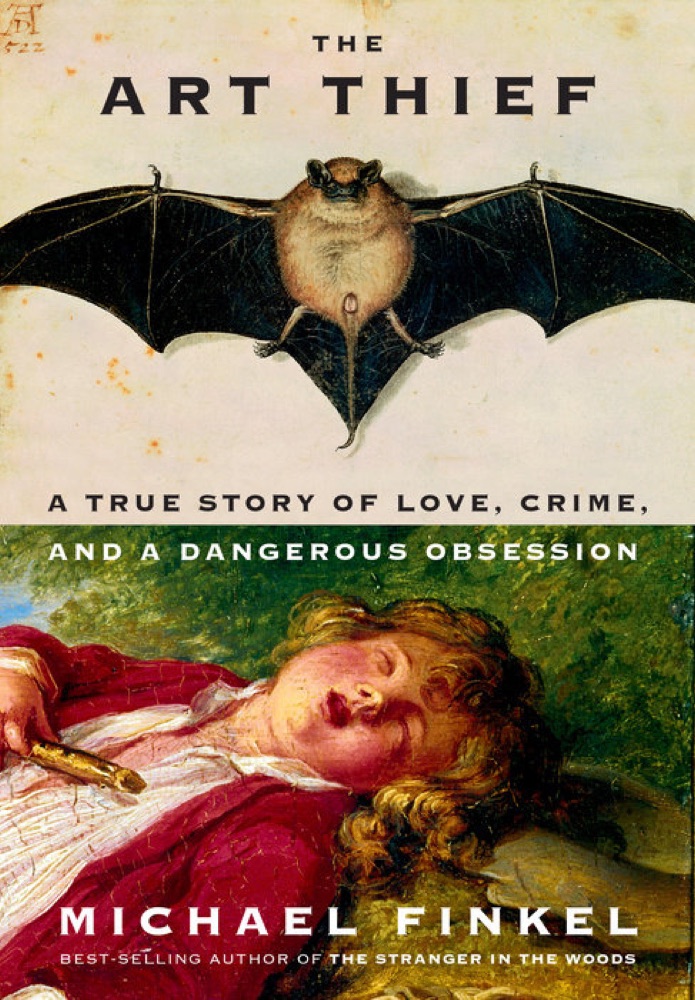

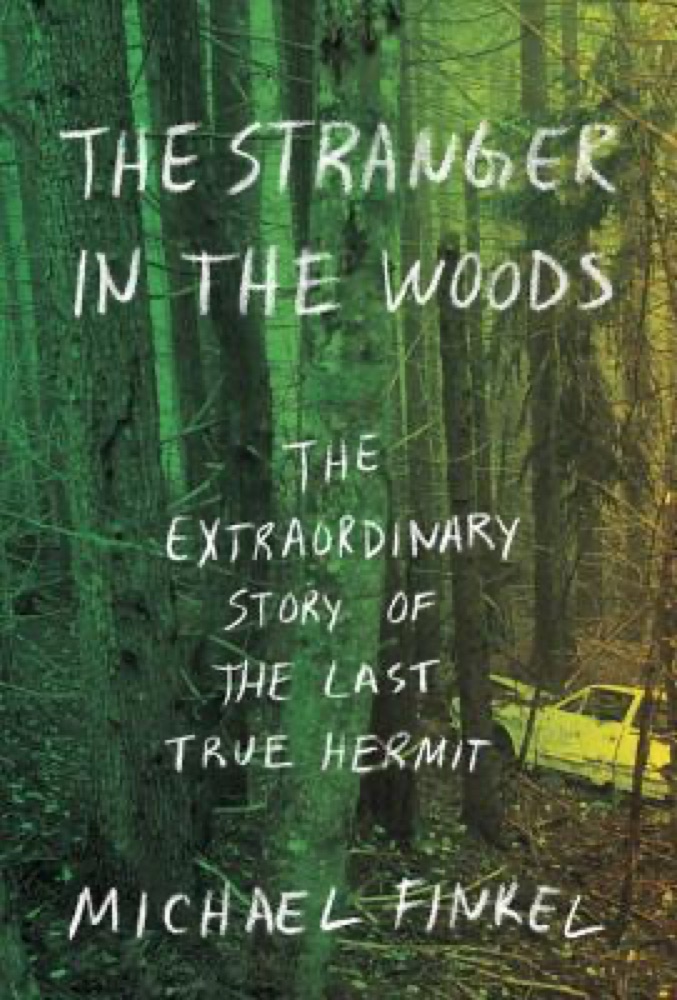
 The Stranger in the Woods: The Extraordinary Story of the Last True Hermit
Quotes from the Book
Art is the result of facing almost no survival pressure at all. It’s the product of leisure time. Our big brains, the most complex instruments known in the universe, have been released from the vigilance of evading predators and seeking sustenance, permitting our imagination to gambol and explore, to dream while awake, to share visions of God. Art signals our freedom. It exists because we’ve won the evolutionary war.
17
It isn’t action, he suspects, that usually lands a thief in prison. It’s hesitation.
11
In the eyes of the law, how a thief steals is more significant than what’s taken: robbing a candy bar with a gun is worse than carrying off a Cranach painting unarmed.
10
Beauty, to be unpoetic but precise, is in the medial orbital frontal cortex of the beholder.
10
He takes only works that stir him emotionally, and seldom the most valuable piece in a place. He feels no remorse when he steals because museums, in his deviant view, are really just prisons for art.
5
As an adult, he feels the same about cell phones, email, and social media. Why make it easier to be bothered by others?
5
Von der Mühll devotes almost all his time to the case, trying not to be overly menacing or judgmental. “I can’t excuse that, but I can understand,” is a phrase the detective is fond of saying.
4
Knowing when not to take an item, however deflating, is mandatory for a thief expecting career longevity.
4
The painting seems to have a bubbly effect on both of them, aesthetic champagne.
4
Museums are secular churches . . . and to steal there is blasphemous.
3
I read a heap of books to prepare to write my own. Valuable works about art crime include The Rescue Artist by Edward Dolnick, Master Thieves by Stephen Kurkjian, The Gardner Heist by Ulrich Boser, Possession by Erin Thompson, Crimes of the Art World by Thomas D. Bazley, Stealing Rembrandts by Anthony M. Amore and Tom Mashberg, Crime and the Art Market by Riah Pryor, The Art Stealers by Milton Esterow, Rogues in the Gallery by Hugh McLeave, Art Crime by John E. Conklin, The Art Crisis by Bonnie Burnham, Museum of the Missing by Simon Houpt, The History of Loot and Stolen Art from Antiquity Until the Present Day by Ivan Lindsay, Vanished Smile by R. A. Scotti, Priceless by Robert K. Wittman with John Shiffman, and Hot Art by Joshua Knelman. Books on aesthetic theory that were most helpful to me include The Power of Images by David Freedberg, Art as Experience by John Dewey, The Aesthetic Brain by Anjan Chatterjee, Pictures & Tears by James Elkins, Experiencing Art by Arthur P. Shimamura, How Art Works by Ellen Winner, The Art Instinct by Denis Dutton, and Collecting: An Unruly Passion by Werner Muensterberger. Other fascinating art-related reads include So Much Longing in So Little Space by Karl Ove Knausgaard, What Is Art? by Leo Tolstoy, History of Beauty edited by Umberto Eco, On Ugliness also edited by Umberto Eco, A Month in Siena by Hisham Matar, Art as Therapy by Alain de Botton and John Armstrong, Art by Clive Bell, A Philosophical Enquiry into the Sublime and Beautiful by Edmund Burke, Seven Days in the Art World by Sarah Thornton, The Painted Word by Tom Wolfe, and Intentions by Oscar Wilde—which includes the essay “The Critic as Artist,” written in 1891, from which this book’s epigraph was lifted.
3
Art signals our freedom. It exists because we’ve won the evolutionary war.
2
Shady people have been peddling bright colors for two thousand years.
2
I never found any art thieves who really compare to Breitwieser and Anne-Catherine. Nearly everybody else did it for money, or stole a single work of art. The couple is an anomaly among art stealers, but there does exist a group of criminals for whom long-term looting in service of aesthetic desire is common. In the taxonomy of sin, Breitwieser and Anne-Catherine belong with the book thieves. Most people who steal large quantities of books are fanatic collectors, and there have been enough of these thieves that psychologists have grouped them into a specialized category. They’re called bibliomaniacs. This is Breitwieser’s tribe.
2
Art may in fact have a Darwinian basis, perhaps as a way to attract a mate, though many art theorists now believe that the reason for art’s ubiquity is that humanity has overcome natural selection. Art is the result of facing almost no survival pressure at all. It’s the product of leisure time. Our big brains, the most complex instruments known in the universe, have been released from the vigilance of evading predators and seeking sustenance, permitting our imagination to gambol and explore, to dream while awake, to share visions of God. Art signals our freedom. It exists because we’ve won the evolutionary war.
2
Fabrice Duval, a psychiatrist Breitwieser saw in 1999, noted that “he shows impulsivity without considering the consequences.” Coddled by a mother who caters to his whims, he “has not learned to cope with the frustrations of the real world,” Schmidt observes. In other words, he’s a brat.
1
The young couple has conjured a reality that surpasses most fantasies. They live inside a treasure chest.
1
Until recently, no one could adequately explain why art even existed at all. Art seems to contradict Charles Darwin’s theory of natural selection, which states that a species survives on a hostile planet chiefly by eliminating inefficiency and waste. Creating art consumes time, effort, and resources without providing food, clothing, or shelter. Yet art is present across every culture on earth, varied in style but communally revealing what lies beyond words. Art may in fact have a Darwinian basis, perhaps as a way to attract a mate, though many art theorists now believe that the reason for art’s ubiquity is that humanity has overcome natural selection. Art is the result of facing almost no survival pressure at all. It’s the product of leisure time. Our big brains, the most complex instruments known in the universe, have been released from the vigilance of evading predators and seeking sustenance, permitting our imagination to gambol and explore, to dream while awake, to share visions of God. Art signals our freedom. It exists because we’ve won the evolutionary war.
The world’s greatest art thief must call his mother every night to let her know he’s okay.
A meaningful collect, Muensterberger wrote, offers these outcasts "a magical escape into a remote and private world," and the collector's cycle of hunting and gathering, that primal human rhythm, is often the only activity that makes their life worth living.
Maybe, upon reappraisal, she decides that inanimate objects, even illegal ones, are acceptable mistresses. Breitwieser yearns endlessly for new art, yet since the day they met, she's just about certain, he has remained steadfastly faithful to her.
The world's greatest art thief must call his mother every night to let her know he's okay. If he doesn't, she'll worry. He tells his mother about their trip, expect for the thefts.
Directors of small-budget museums don’t like to talk about security, but these institutions, rather than allocating funds for the latest protection measures, such as tracking devices as thin as threads that can be sewn into canvases, instead almost always opt to acquire more art.
When you wear your heart on your sleeve, it's exposed to the elements.
works about art crime include The Rescue Artist by Edward Dolnick, Master Thieves by Stephen Kurkjian, The Gardner Heist by Ulrich Boser, Possession by Erin Thompson, Crimes of the Art World by Thomas D. Bazley, Stealing Rembrandts by Anthony M. Amore and Tom Mashberg, Crime and the Art Market by Riah Pryor, The Art Stealers by Milton Esterow, Rogues in the Gallery by Hugh McLeave, Art Crime by John E. Conklin, The Art Crisis by Bonnie Burnham, Museum of the Missing by Simon Houpt, The History of Loot and Stolen Art from Antiquity Until the Present Day by Ivan Lindsay, Vanished Smile by R. A. Scotti, Priceless by Robert K. Wittman with John Shiffman, and Hot Art by Joshua Knelman. Books on aesthetic theory that were most helpful to me include The Power of Images by David Freedberg, Art as Experience by John Dewey, The Aesthetic Brain by Anjan Chatterjee, Pictures & Tears by James Elkins, Experiencing Art by Arthur P. Shimamura, How Art Works by Ellen Winner, The Art Instinct by Denis Dutton, and Collecting: An Unruly Passion by Werner Muensterberger. Other fascinating art-related reads include So Much Longing in So Little Space by Karl Ove Knausgaard, What Is Art? by Leo Tolstoy, History of Beauty edited by Umberto Eco, On Ugliness also edited by Umberto Eco, A Month in Siena by Hisham Matar, Art as Therapy by Alain de Botton and John Armstrong, Art by Clive Bell, A Philosophical Enquiry into the Sublime and Beautiful by Edmund Burke, Seven Days in the Art World by Sarah Thornton, The Painted Word by Tom Wolfe, and Intentions by Oscar Wilde—which includes the essay “The Critic as Artist,” written in 1891, from which this book’s epigraph was lifted.
As for the tobacco boxes, wine goblets, and household objects that Breitwieser takes—beauty in functional form—most were created shortly before the European industrial revolution of the early 1800s. Until then, every part of every item was fashioned by hand, through craft and often painstaking toil. Engines, electricity, and mass production have eased everyone’s life, but these advances, Breitwieser says, have made the world progressively uglier, and there’s no going back. Expertise was once conferred from master to apprentice, one generation to the next, ingenuity gradually accruing. Now factories pound out widgets that are cheap, identical, and disposable. The period just before machines took over, Breitwieser feels, marked the height of human civilization, of maximum beauty and skill.
Did you know?
- Stephane Breitwieser is estimated to have stolen around 300 objects from more than 200 museums and other sites across Europe.
- Breitwieser did not sell the art; he kept it hidden in his bedroom in his mother's house so he could live surrounded by it.
- Michael Finkel was the only American journalist granted interviews with Breitwieser, spending many hours with him over the course of the project.
- Much of the stolen art was destroyed or dumped after Breitwieser's arrest, including works his mother reportedly disposed of.
- The book reached number one on the New York Times bestseller list.
About Michael Finkel
Michael Finkel is an American journalist and author whose work has appeared in National Geographic, The New York Times Magazine, and other publications. He is also the author of The Stranger in the Woods, about a hermit who lived alone in the Maine woods for nearly three decades.
More about the author →More by Michael Finkel
The Stranger in the Woods: The Extraordinary Story of the Last True Hermit
About the book
The Art Thief is a work of literary nonfiction by journalist Michael Finkel that reconstructs the career of Stephane Breitwieser, a Frenchman who between roughly 1995 and 2001 stole hundreds of artworks and objects from museums, galleries, cathedrals, and auction houses across Europe. Working mostly in broad daylight and often with his girlfriend Anne-Catherine Kleinklaus acting as lookout, Breitwieser took paintings, sculptures, weapons, and decorative pieces, then hid them in his bedroom in his mother's house rather than selling them.
Finkel uses the case to explore obsession, beauty, and the line between connoisseurship and compulsion. Unlike typical thieves motivated by money, Breitwieser claimed to steal purely for the love of art, surrounding himself with the stolen treasures so he could live among them. The book examines the psychology of his fixation, the codependent dynamic of his relationships, and the eventual unraveling that brought devastating consequences for the works he claimed to cherish.
Drawing on extensive interviews with Breitwieser himself, the book was a critical and commercial success, becoming a New York Times bestseller and appearing on year-end best-of lists from outlets including The Washington Post and The New Yorker. Reviewers praised its propulsive, tightly paced narrative while some noted ethical questions about giving a self-mythologizing criminal a platform.
Book details
- First published
- 2023
- Length
- 240 pages
- Reading time
- 3 hours
- Author
- Michael Finkel
- Genre
- Nonfiction
- Goodreads rating
- 3.91 (114k ratings)
Critical reception
- Named a Best Book of the Year by outlets including The Washington Post and The New Yorker.
- Became a New York Times bestseller.
- Nominated for a Goodreads Choice Award for Nonfiction in 2023.
- Reviewers widely praised its fast, gripping narrative pacing while some raised ethical concerns about profiling a self-justifying thief.
Keep reading
 Seven Days in the Art World
 The Improbability of Love
 All the Beauty in the World: The Metropolitan Museum of Art and Me
 Create Dangerously
 The Hare With Amber Eyes: A Family's Century of Art and Loss
 Lust for Life
 One Way Street And Other Writings
 Illuminations: Essays and Reflections
 The World to Come
 Monsters: A Fan's Dilemma
 Cultural Amnesia: Necessary Memories from History and the Arts
 The Museum of Modern Love
 The Gift of Asher Lev
 Death in Venice and Other Tales
 Wall and Piece
 Yumi and the Nightmare Painter
 The Tsar of Love and Techno
 Only Dull People Are Brilliant at Breakfast
 Still Life with Woodpecker
 Another Roadside Attraction
 Art and Lies
 The Agony and the Ecstasy
 The Abundance
 Skinny Legs and All
 The Volcano Lover: A Romance
 Mao II
 The Shadow of the Wind
 The Piano Teacher
 Knife: Meditations After an Attempted Murder
 The Recognitions
 The Swan Thieves
 Underworld
 By Nightfall
 Sculpting in Time
 Art and Fear: Observations on the Perils (and Rewards) of Artmaking
 The Quantum Thief
 Human, All Too Human
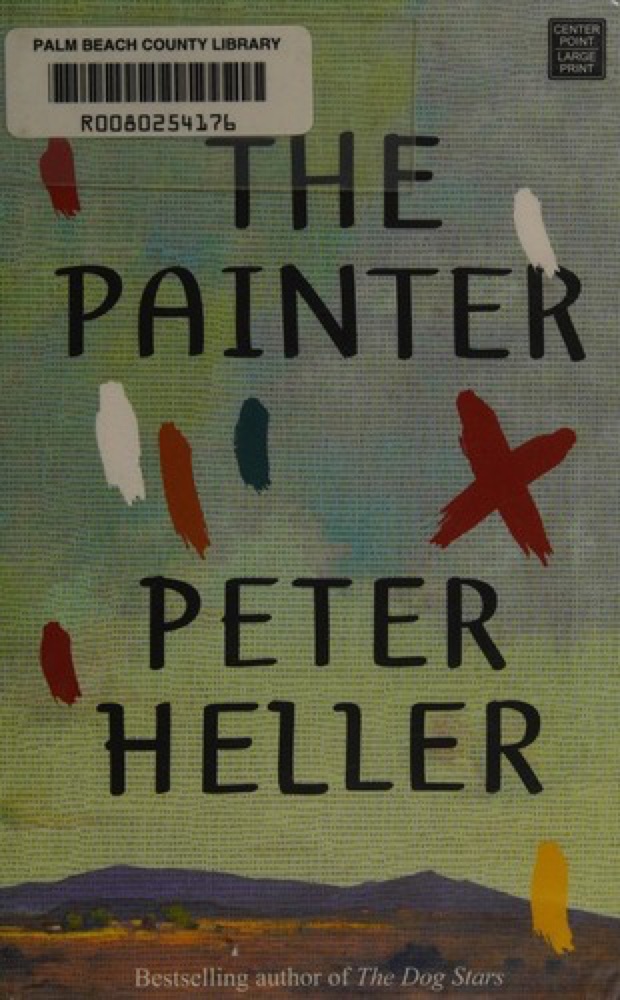 The Painter
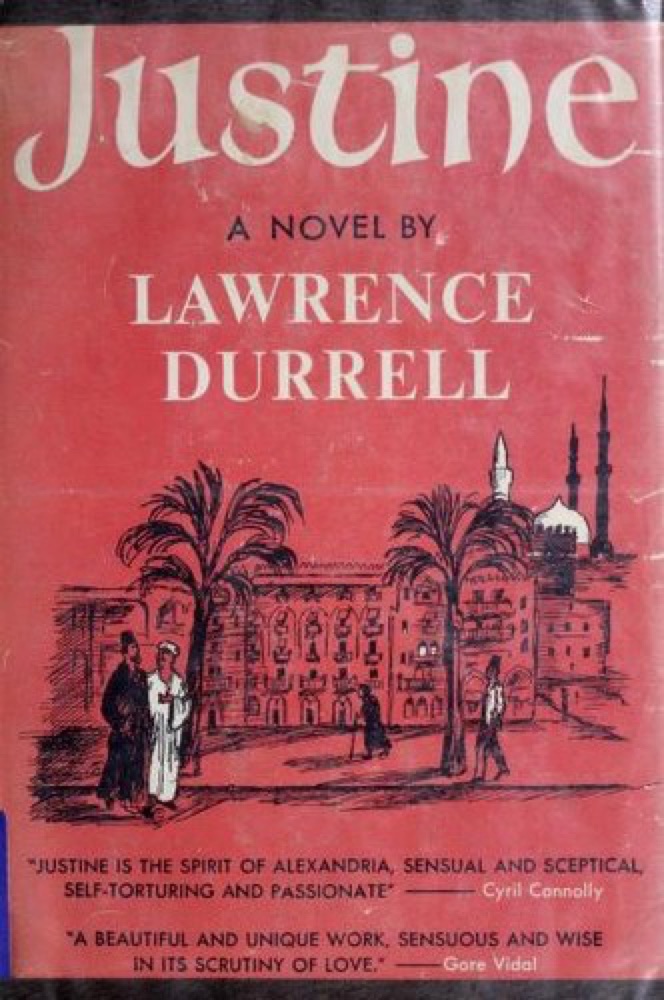 Justine
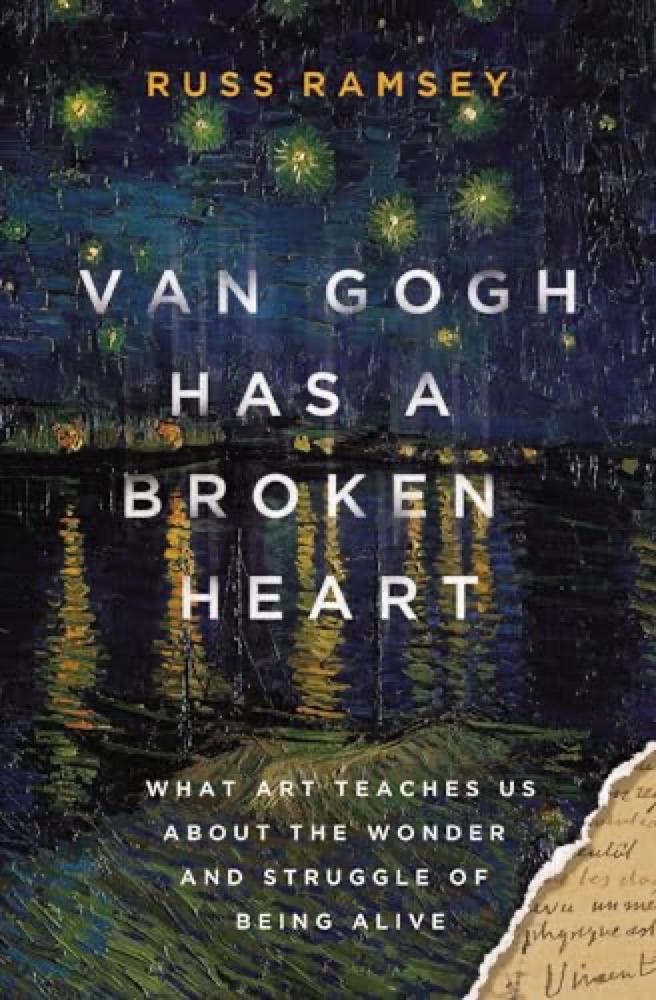 Van Gogh Has a Broken Heart: What Art Teaches Us About the Wonder and Struggle of Being Alive
 Père Goriot
 The Muse
 The Picture of Dorian Gray
 Art as Therapy
 The Hidden Girl and Other Stories
 An Instance of the Fingerpost
 The Great Mistake
 The Shock of the New
 Orlando
 The Courage to Create
 An Object of Beauty
 The House at the End of the World
 Creation Lake
 The Thief
 My Name Is Asher Lev
 The Favorite Game
 A Trick of the Light
 Flights
 Walk Through Walls: A Memoir
 The Atrocity Exhibition