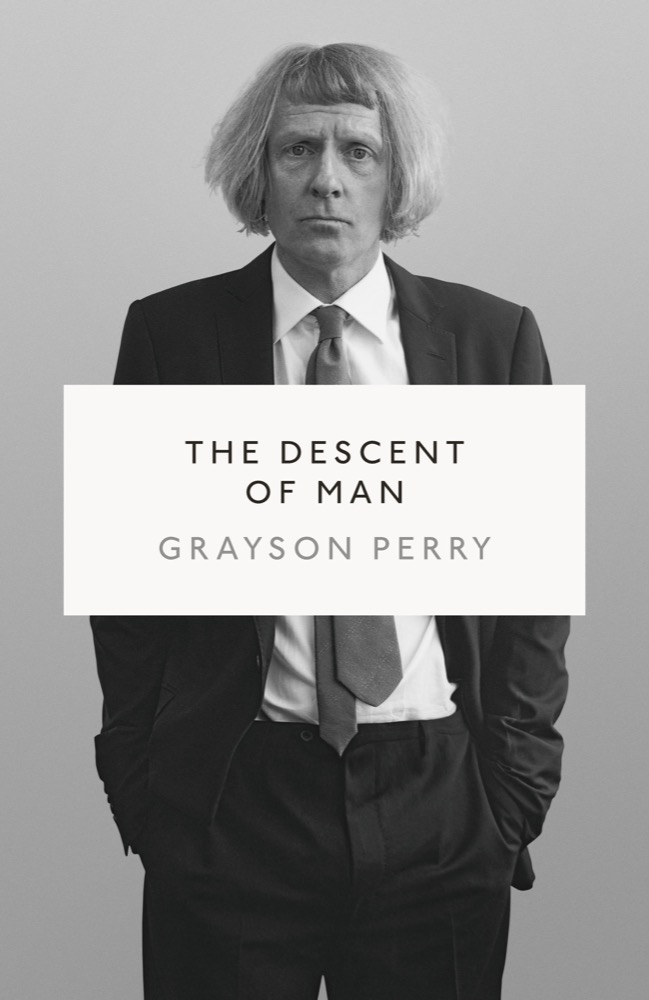
 The Descent of Man
Quotes from the Book
It’s fine being terribly cynical and ironic when I’m out in the evening and I’m with my mates, but when I want to look at art, I want to have a sincere on-to-one experience with it because I’m a serious artist. I’ve dedicated my life to it. So I go to exhibitions in the morning on my own when I can go, “Hmm,’ and maybe have a little bit of a moment. I have to protect my tender parts from that wicked irony.
3
An artist's job is to make new clichés.
3
Art history is a global version of that old children's game Chinese whispers.
2
We live in an age where photography rains on us like sewage from above.
1
Keith Tyson, a winner of the Turner Prize, did a piece once where he just got the things already in the gallery and made them into artworks with what he called his ‘magical activation’. So he looked at the light switch and he called it ‘the apocalyptic switch’ and he looked at the light bulb and he called it ‘the light bulb of awareness’. He was using his power as an artist to designate things art, but it was within the art context.
1
When we talk about the culture we consume it is often a dance around how we wish to be seen: what we enjoy reflects on who we are. I always cringe when I hear myself having a ‘oh you must hear this’ moment, when I want to share my current musical taste with a friend. He is obliged to listen to it and I fear rejection of my very soul.
1
If you go back to 1980 – that’s a long time ago in computer land – there were two artists called Kit Galloway and Sherrie Rabinowitz and they created a work called Hole in Space. They set up a video screen in Lincoln Center in New York and another video screen in Century City in Los Angeles with a live satellite link between them so that people could see and talk to each other in the other location. It was an unannounced event and the public’s reaction was ecstatic and spontaneous – you can see it if you put ‘hole in space’ into YouTube – they’re incredibly enthusiastic about it. The artists called it a public communication sculpture. In a way everyone involved was witnessing the grandmother of Skype!
This is funny but it saddens me that ‘art project’ is now a byword for useless, unskilled amateurism. You know that often someone who’s not very good at making television programmes becomes a video artist, and someone who’s not particularly good at writing hit songs becomes an art band.
Alix Rule, a sociologist, and David Levine, an artist, fed the texts of thousands of press releases for contemporary art shows in public institutions through a language-analysing program and they came up with a few observations about what they called ‘International Art English’. ‘International Art English rebukes ordinary English for its lack of nouns. Visual becomes visuality. Global becomes globality. Potential becomes potentiality. And experience of course becomes experienceability.’ They describe the metaphysical seasickness you get from reading this sort of text, where it all sounds a bit like inexpertly translated French.
This concept was brilliantly parodied (or at least I hope it was a parody) in 1998 by a group of Leeds art students. They got a £1,000 grant for putting on their degree show at the end of their term at art school. And when it came to the exhibition, theirs consisted of a series of holiday snaps of them on the Costa del Sol, frolicking on the beach, and some holiday souvenirs and the air tickets. And of course there was outrage and the papers got hold of it and it was front-page news: ‘Art students spend grant on holiday and call it art.’ I thought it was very funny. But then the real coup that these students pulled off was that they’d faked it. The money was still in the bank; the tan had come from a salon; the beach they were on was Skegness; the souvenirs had come from the charity shop and the tickets were fake. They brilliantly wrong-footed the media who held this common idea that if everything can be art, then art is this stupid mucking about, the idea that you can do something and then just call it art.
Here’s a quote from the musician Tracey Thorn of Everything but the Girl. I think it’s great. It really describes the problem of irony: ‘It is difficult for people in the arts to be entirely sincere about things without looking like they have not thought it out properly. The problem with irony is that it assumes the position of being the end result, from having looked at it from both sides and having a very sophisticated take on everything. So the danger of eschewing irony is that you look as though you’ve not thought hard enough about it and that you’re being a bit simplistic.
The sound a box of Lego makes is the noise of a child's mind working, looking for the right piece. Shake it, and it's almost creativity in aural form.
Since 1960s pop art the art world has been happy for artists to use the lowbrow to add zest and authenticity to their works. But middlebrow has resonances of the suburban bourgeousie who might see art as aspirational by association.
Watch on YouTube
About Grayson Perry
We have collected 43 quotes from 2 books by Grayson Perry on BookQuoters.
More about the author →More by Grayson Perry
The Descent of Man
About the book
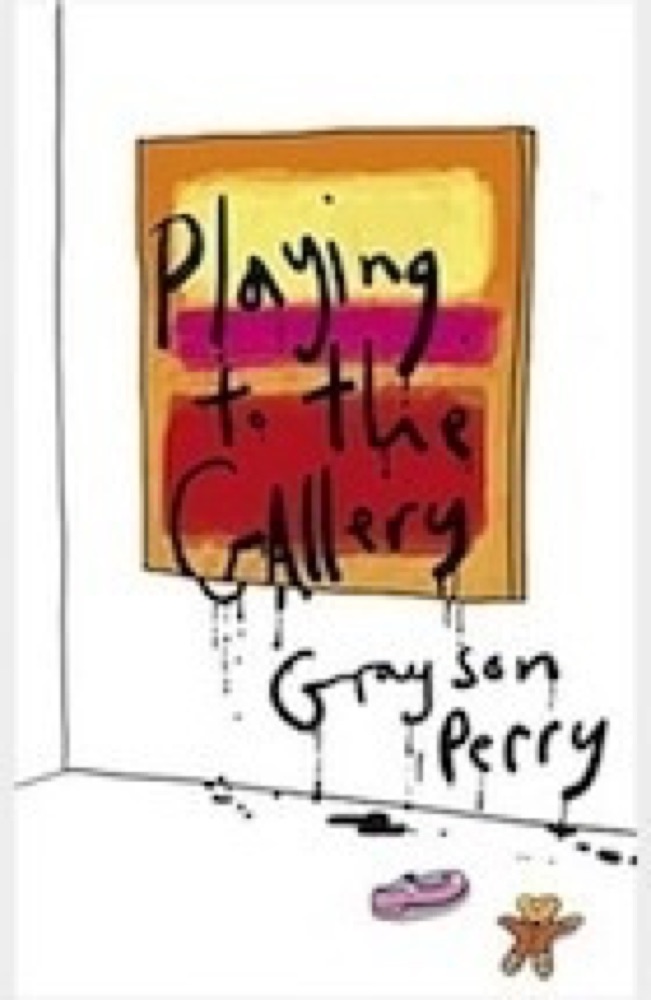
Grayson Perry’s book will overturn everything you thought you knew about “art” Now Grayson Perry is a fully paid-up member of the art establishment, he wants to show that any of us can appreciate art (after all, there is a reason he’s called this book Playing to the Gallery and not Sucking Up to the Academic Elite). This funny, personal journey through the art world answers the basic questions that might occur to us in an art gallery but that we’re too embarrassed to ask. Questions such as: What is “good” or “bad” art—and does it even matter? Is art still capable of shocking us or have we seen it all before? And what happens if you place apiece of art in a rubbish dump?
Book details
- First published
- 2014
- Author
- Grayson Perry
- Genre
- Nonfiction
- Goodreads rating
- 4.01 (4k ratings)
Keep reading
 Seven Days in the Art World
 Create Dangerously
 Art and Fear: Observations on the Perils (and Rewards) of Artmaking
 Red
Red
 All the Beauty in the World: The Metropolitan Museum of Art and Me
 The Shock of the New
 How to Be an Artist
 Monsters: A Fan's Dilemma
 Sculpting in Time
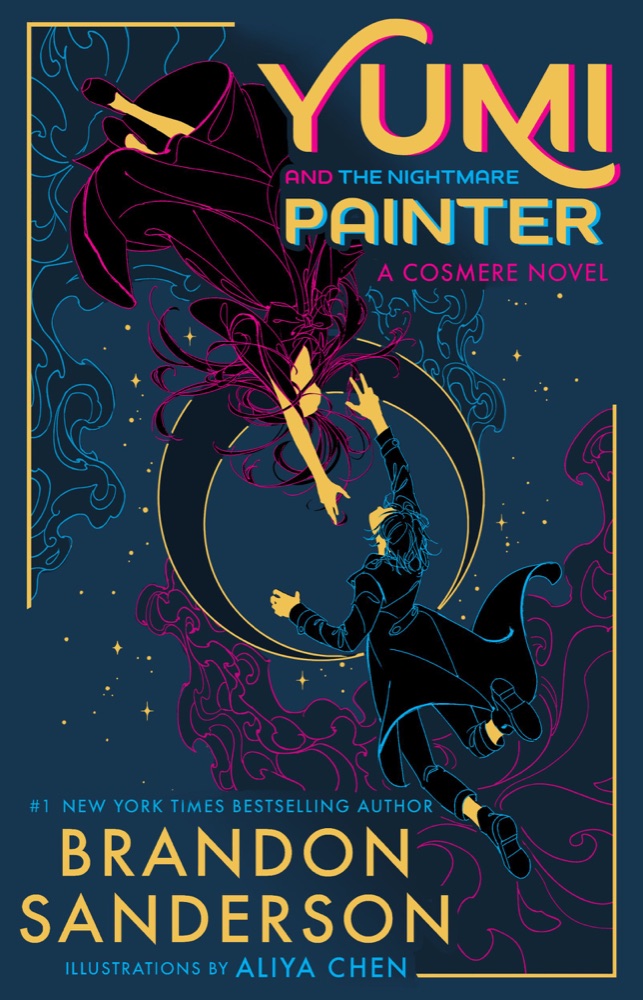 Yumi and the Nightmare Painter
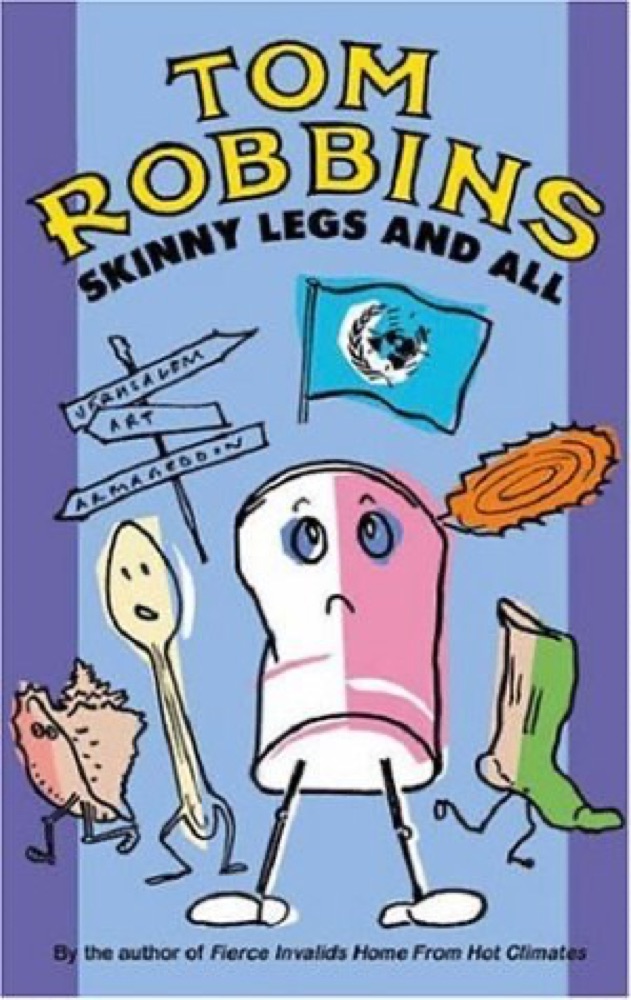 Skinny Legs and All
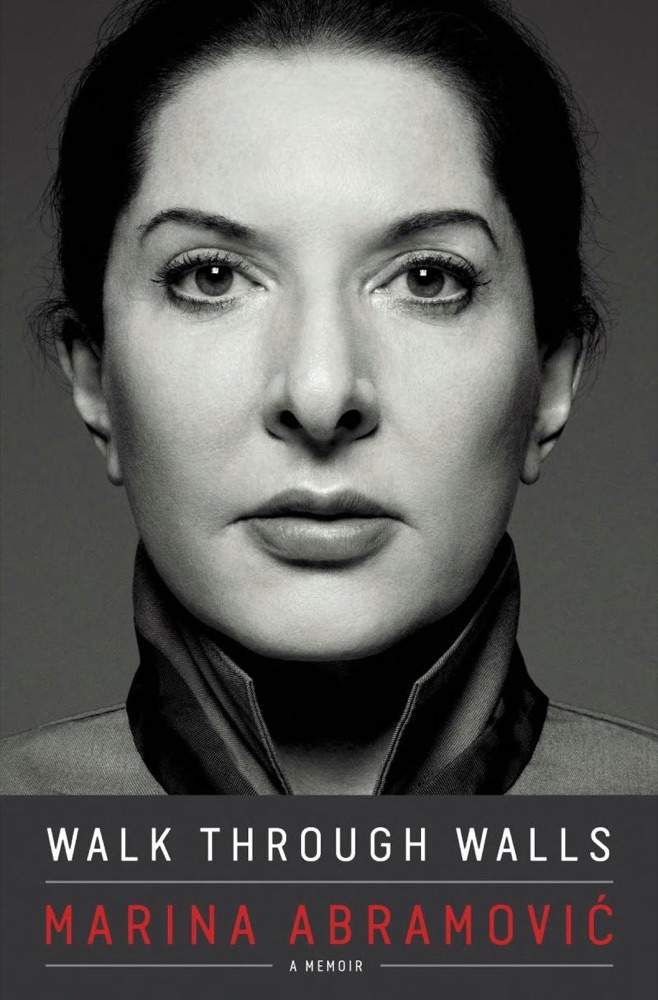 Walk Through Walls: A Memoir
 The Medium is the Massage
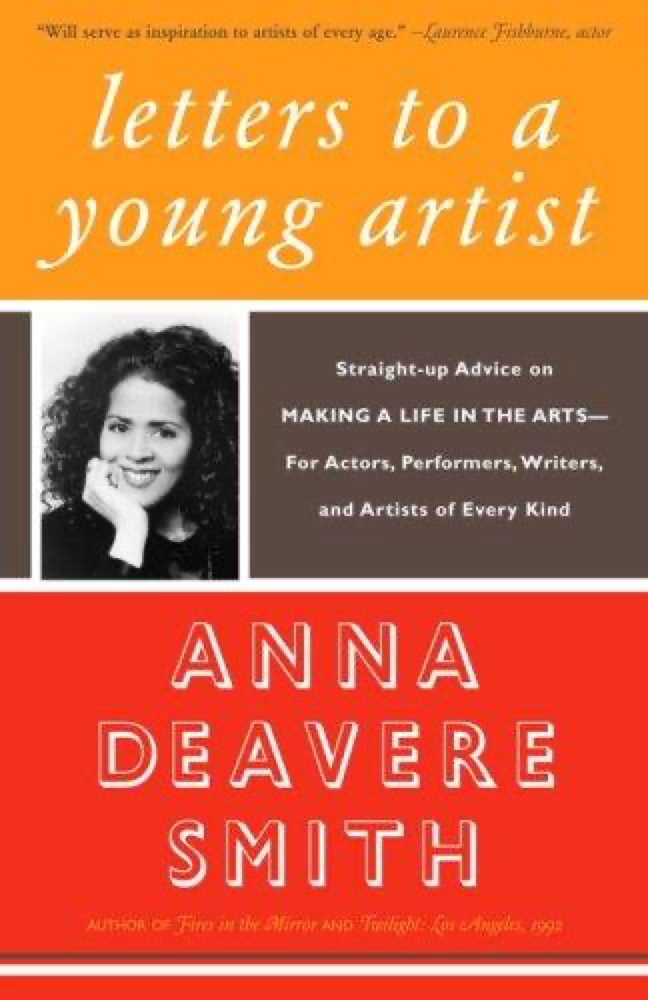 Letters to a Young Artist
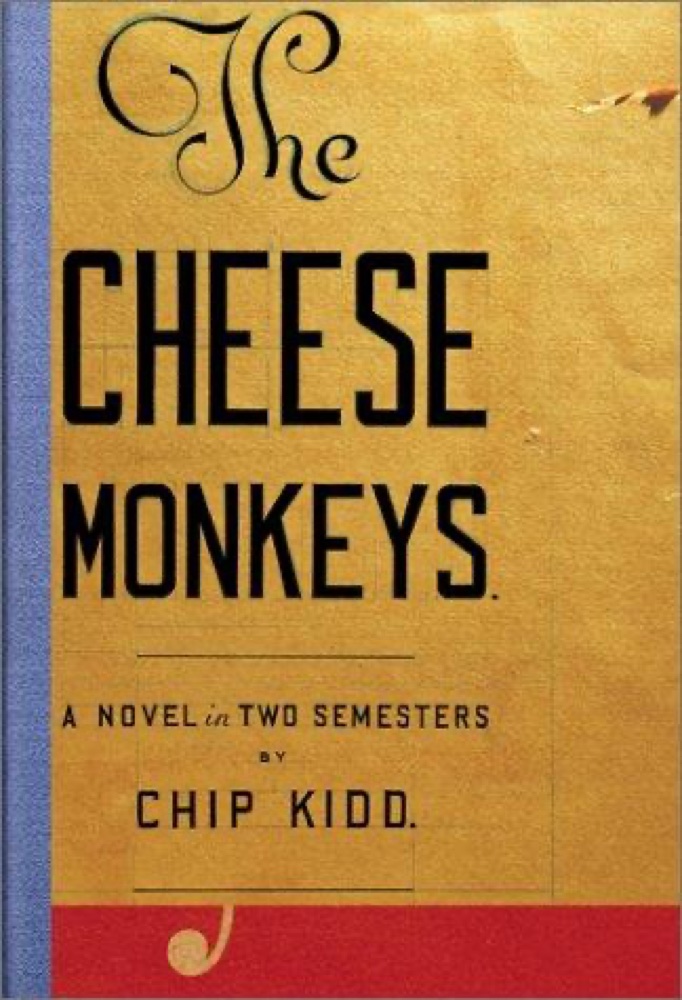 The Cheese Monkeys
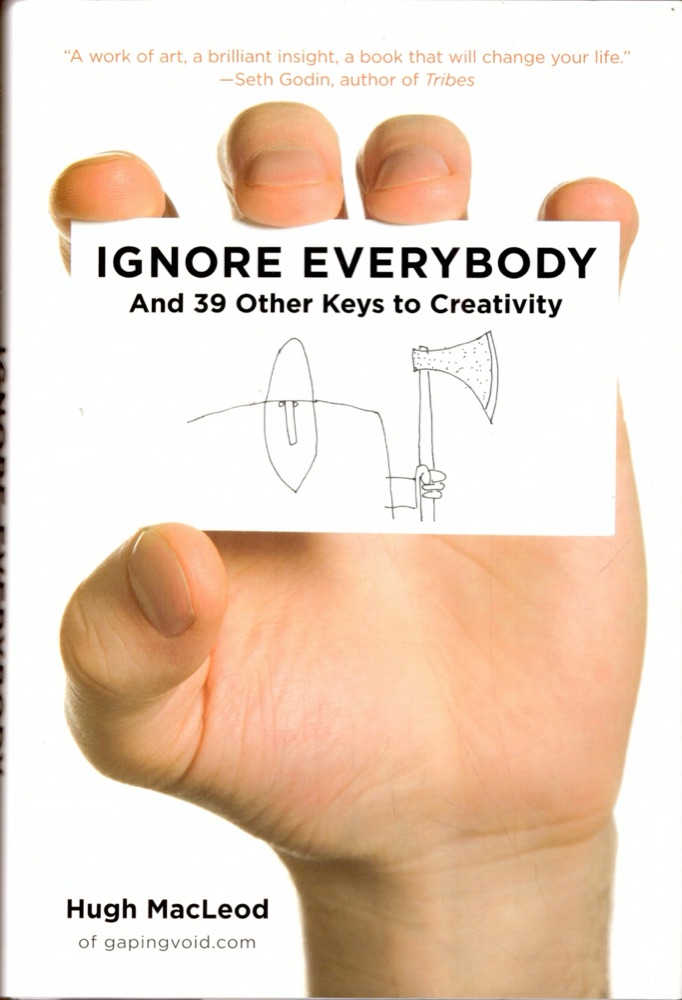 Ignore Everybody: and 39 Other Keys to Creativity
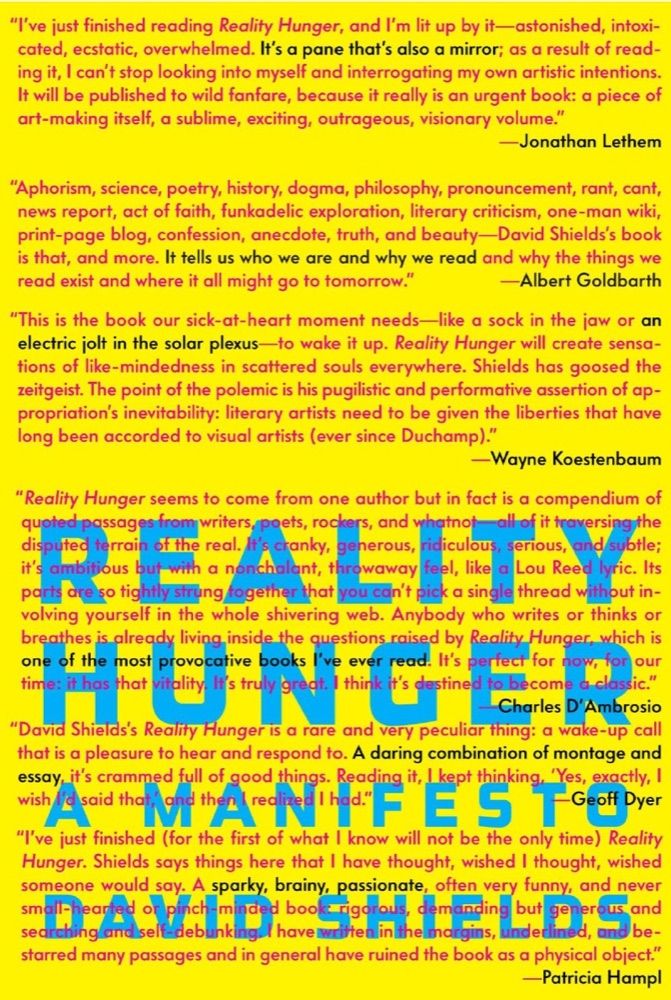 Reality Hunger: A Manifesto
 Both Flesh and Not: Essays
 Distrust That Particular Flavor
 Silence: Lectures and Writings
 The Icarus Deception: How High Will You Fly?
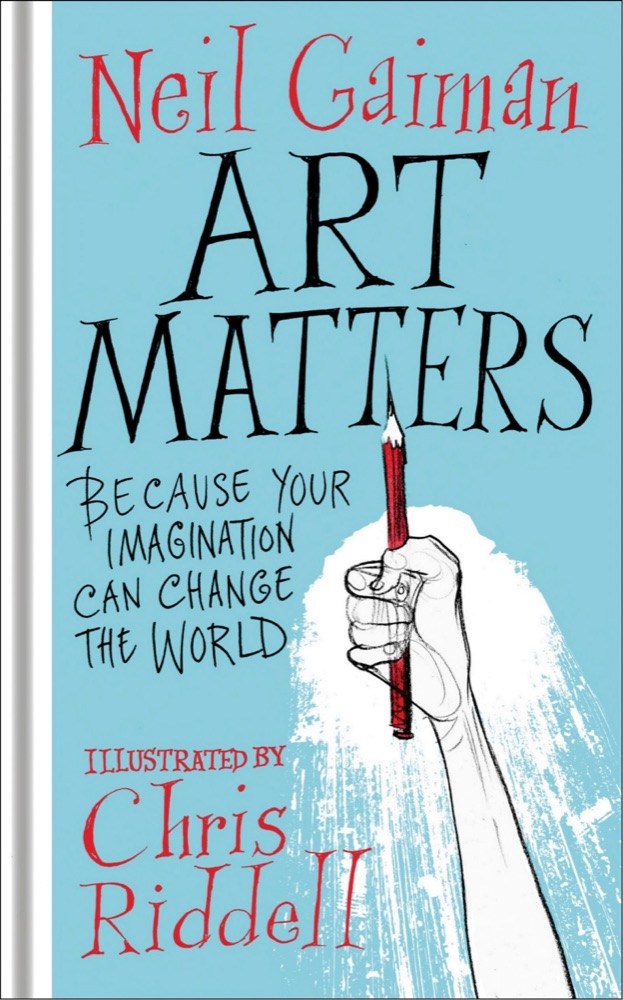 Art Matters: Because Your Imagination Can Change the World
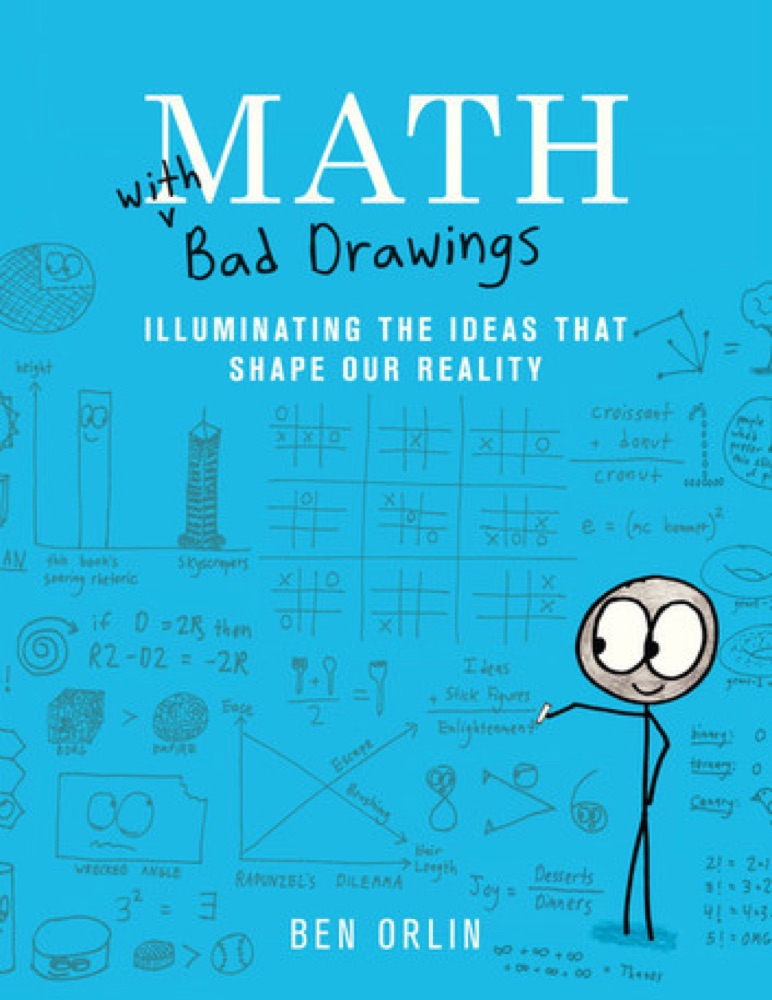 Math with Bad Drawings
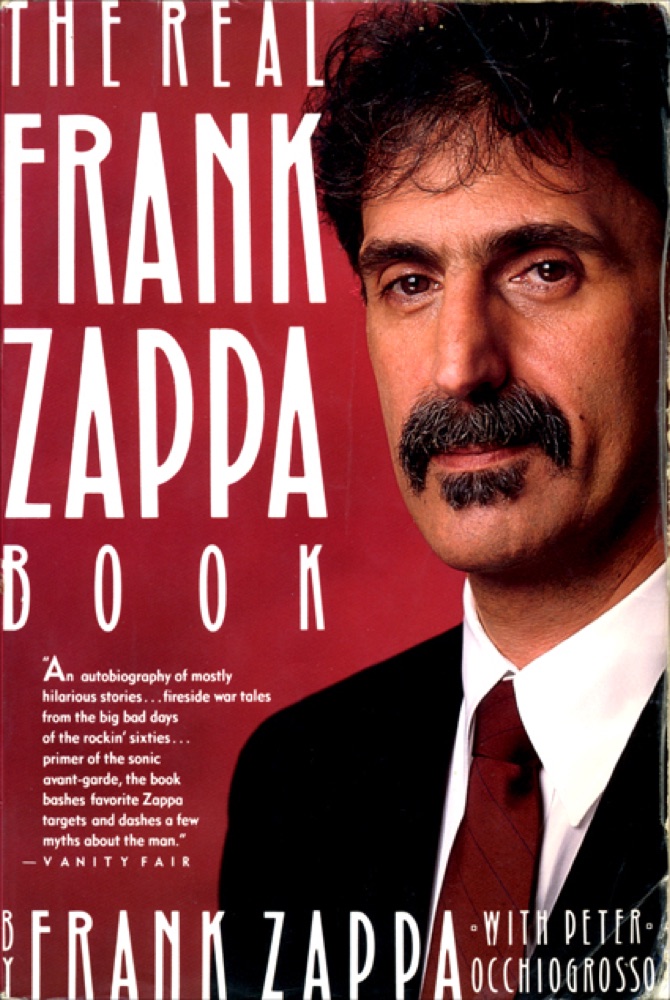 The Real Frank Zappa Book
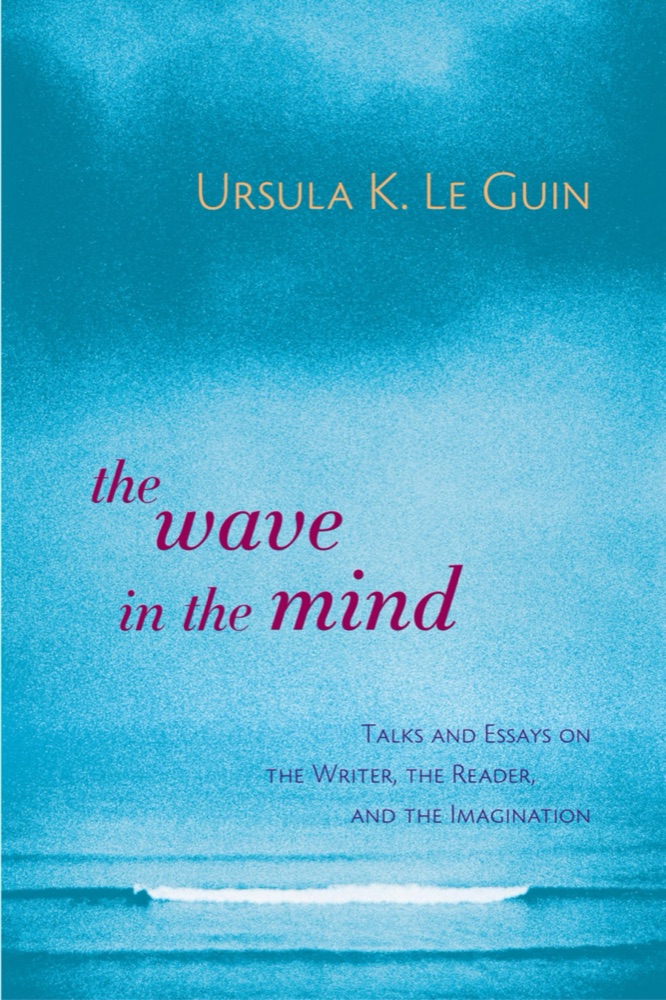 The Wave in the Mind: Talks and Essays on the Writer, the Reader and the Imagination
 The Anthologist
 Hit Makers: The Science of Popularity in an Age of Distraction
 Eating the Dinosaur
 Art Before Breakfast: A Zillion Ways to be More Creative No Matter How Busy You Are
 Linchpin: Are You Indispensable?
 The Salmon of Doubt
 Art and Lies
 Nerd Do Well
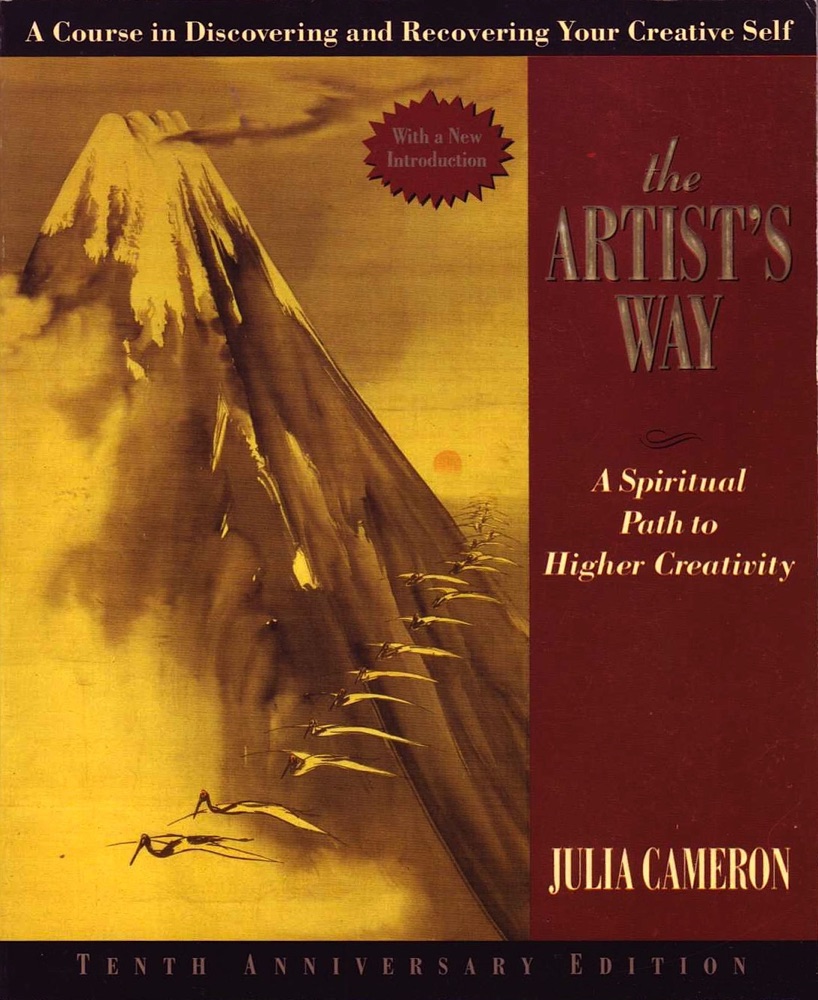 The Artist's Way
 Only Dull People Are Brilliant at Breakfast
 Show Your Work!: 10 Ways to Share Your Creativity and Get Discovered
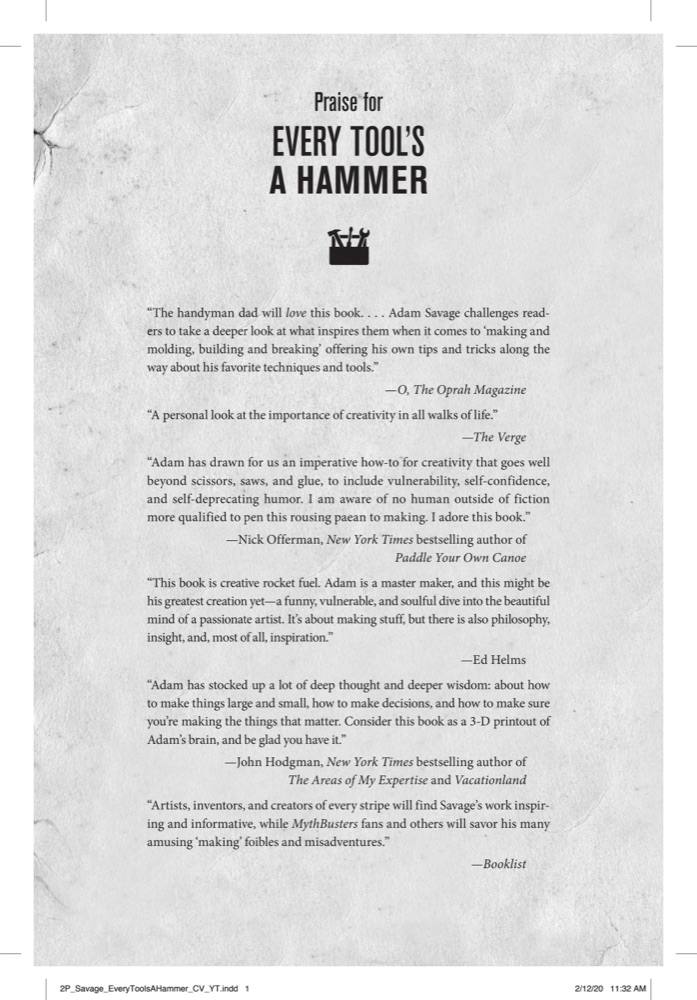 Every Tool's a Hammer: Life Is What You Make It
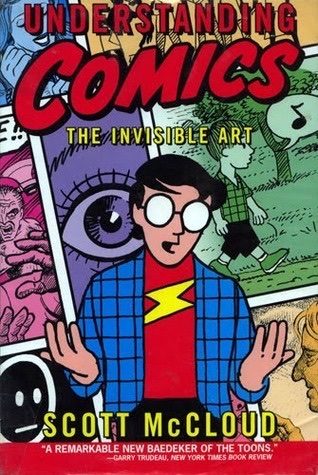 Understanding Comics: The Invisible Art
 Art as Therapy
 Bicycle Diaries
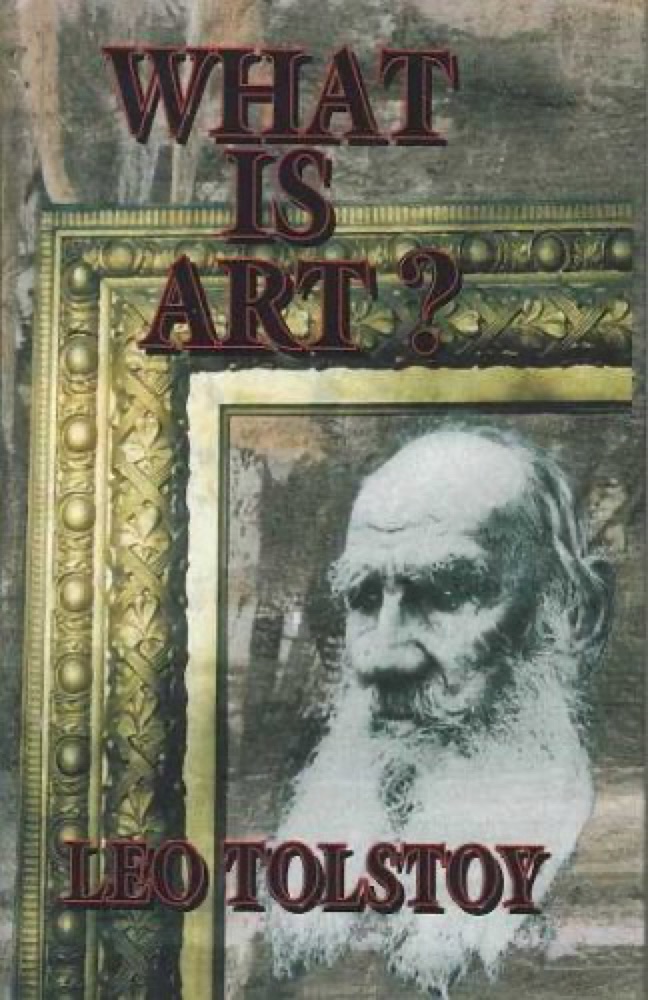 What Is Art?
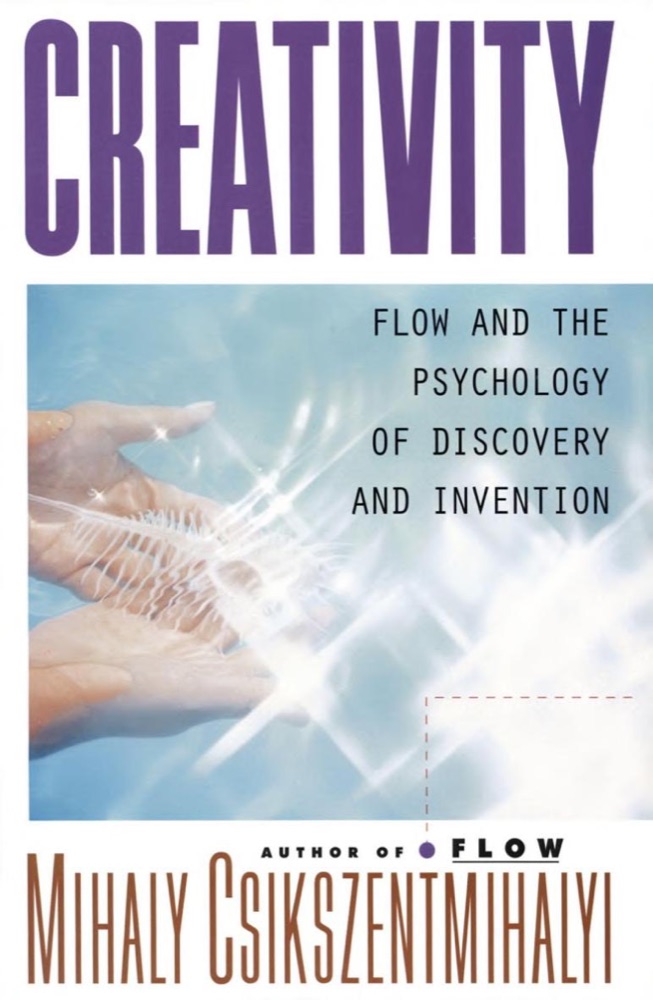 Creativity: Flow and the Psychology of Discovery and Invention
 Mao II
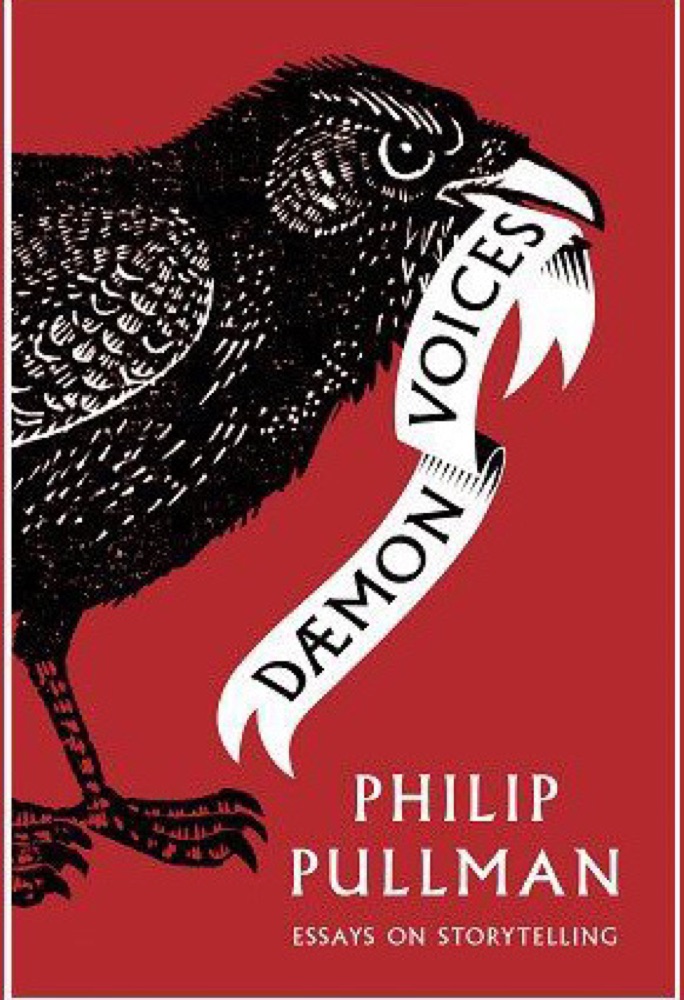 Dæmon Voices
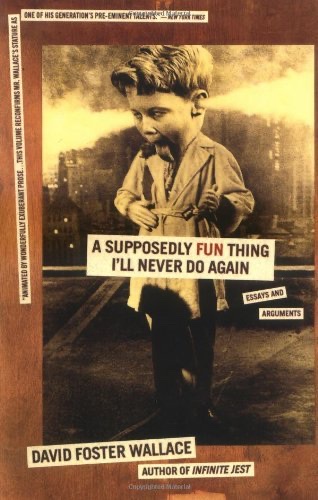 A Supposedly Fun Thing I'll Never Do Again: Essays and Arguments
 Wild Ducks Flying Backward
 What It Is
 Hold Still: A Memoir with Photographs
 Antkind
 The View from the Cheap Seats: Selected Nonfiction
 Mo' Meta Blues: The World According to Questlove
 The Recognitions
 How to Read Literature
 A Heartbreaking Work of Staggering Genius
 The Courage to Create
 Negotiating with the Dead: A Writer on Writing
 The Language of the Night: Essays on Writing, Science Fiction, and Fantasy
 Illuminations: Essays and Reflections
 The Triggering Town: Lectures and Essays on Poetry and Writing