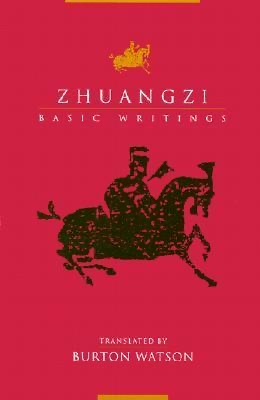
 Chuang Tzu: Basic Writings
Quotes from the Book
Only he who has no use for the empire is fit to be entrusted with it.
111
The petty thief is imprisoned but the big thief becomes a feudal lord.
57
The Perfect Man uses his mind like a mirror - going after nothing, welcoming nothing, responding but not storing.
55
You can't discuss the ocean with a well frog - he's limited by the space he lives in. You can't discuss ice with a summer insect - he's bound to a single season.
52
Men of the world who value the Way all turn to books. But books are nothing more than words. Words have value; what is of value in words is meaning. Meaning has something it is pursuing, but the thing that it is pursuing cannot be put into words and handed down. The world values words and hands down books but, though the world values them, I do not think them worth valuing. What the world takes to be values is not real value.
45
So it is said, for him who understands Heavenly joy, life is the working of Heaven; death is the transformation of things. In stillness, he and the yin share a single Virtue; in motion, he and the yang share a single flow.
39
You have only to rest in inaction and things will transform themselves. Smash your form and body, spit out hearing and eyesight, forget you are a thing among other things, and you may join in great unity with the deep and boundless.
38
I've heard my teacher say, where there are machines, there are bound to be machine worries; where there are machine worries, there are bound to be machine hearts. With a machine heart in your breast, you've spoiled what was pure and simple; and without the pure and simple, the life of the spirit knows no rest.
37
All men know the use of the useful, but nobody knows the use of the useless!
35
Your life has a limit, but knowledge has none. If you use what is limited to pursue what has no limit, you will be in danger.
33
Zhuangzi's wife died. When Huizu went to convey his condolences, he found Zhuangzi sitting with his legs sprawled out, pounding on a tub and singing. "You lived with her, she brought up your children and grew old," said Huizu. "It should be enough simply not to weep at her death. But pounding on a tub and singing - this is going too far, isn't it?" Zhuangzi said, "You're wrong. When she first died, do you think I didn't grieve like anyone else? But I looked back to her beginning and the time before she was born. Not only the time before she was born, but the time before she had a body. Not only the time before she had a body, but the time before she had a spirit. In the midst of the jumble of wonder and mystery a change took place and she had a spirit. Another change and she had a body. Another change and she was born. Now there's been another change and she's dead. It's just like the progression of the four seasons, spring, summer, fall, winter. "Now she's going to lie down peacefully in a vast room. If I were to follow after her bawling and sobbing, it would show that I don't understand anything about fate. So I stopped.
31
All attempts to create something admirable are the weapons of evil. You may think you are practising benevolence and righteousness, but in effect you will be creating a kind of artificiality. Where a model exists, copies will be made of it; where success has been gained, boasting follows; where debate exists, there will be outbreaks of hostility.
30
Let your mind wander in simplicity, blend your spirit with the vastness, follow along with things the way they are, and make no room for personal views - then the world will be governed.
26
Don't go in and hide; don't come out and shine; stand stock-still in the middle.
22
To forget the whole world is easy; to make the whole world forget you is hard.
22
I have heard that he who knows what is enough will not let himself be entangled by thoughts of gain; that he who really understands how to find satisfaction will not be afraid of other kinds of loss; and that he who practices the cultivation of what is within him will not be ashamed because he holds no position in society.
20
The purpose of a fish trap is to catch fish, and when the fish are caught, the trap is forgotten. The purpose of words is to convey ideas. When the ideas are grasped, the words are forgotten. Where can I find a man who has forgotten the words, so that I can talk to him?
20
He who knows he is a fool is not the biggest fool; he who knows he is confused is not in the worst confusion. The man in the worst confusion will end his life without ever getting straightened out; the biggest fool will end his life without ever seeing the light. If three men are traveling along and one is confused, they will still get where they are going - because confusion is in the minority. But if two of them are confused, then they can walk until they are exhausted and never get anywhere - because confusion is in the majority.
19
A beam or pillar can be used to batter down a city wall, but it is no good for stopping up a little hole - this refers to a difference in function. Thoroughbreds like Qiji and Hualiu could gallop a thousand li in one day, but when it came to catching rats they were no match for the wildcat or the weasel - this refers to a difference in skill. The horned owl catches fleas at night and can spot the tip of a hair, but when daylight comes, no matter how wide it opens its eyes, it cannot see a mound or a hill - this refers to a difference in nature. Now do you say, that you are going to make Right your master and do away with Wrong, or make Order your master and do away with Disorder? If you do, then you have not understood the principle of heaven and earth or the nature of the ten thousand things. This is like saying that you are going to make Heaven your master and do away with Earth, or make Yin your master and do away with Yang. Obviously it is impossible.
18
If you'd called me an ox, I'd have said I was an ox; if you'd called me a horse, I'd have said I was a horse. If the reality is there and you refuse to accept the name men give it, you'll only lay yourself open to double harassment.
18
The True Man of ancient times knew nothing of loving life, knew nothing of hating death. He emerged without delight; he went back in without a fuss. He came briskly, he went briskly, and that was all. He didn't forget where he began; he didn't try to find out where he would end. He received something and took pleasure in it; he forgot about it and handed it back again.
18
Moreover, I have heard that those who are fond of praising men to their faces are also fond of damning them behind their backs.
17
Forget about life, forget about worrying about right and wrong. Plunge into the unknown and the endless and find your place there!
16
Not to understand is profound; to understand is shallow. Not to understand is to be on the inside; to understand is to be on the outside.
16
He who has mastered the true nature of life does not labor over what life cannot do. He who has mastered the true nature of fate does not labor over what knowledge cannot change.
16
The sage is still not because he takes stillness to be good and therefore is still. The ten thousand things are insufficient to distract his mind - that is the reason he is still.
16
Do not use life to give life to death. Do not use death to bring death to life.
15
Life, death, preservation, loss, failure, success, poverty, riches, worthiness, unworthiness, slander, fame, hunger, thirst, cold, heat - these are the alternations of the world, the workings of fate. Day and night they change place before us, and wisdom cannot spy out their source. Therefore, they should not be enough to destroy your harmony; they should not be allowed to enter the storehouse of the spirit. If you can harmonize and delight in them, master them and never be at a loss for joy; if you can do this day and night without break and make it be spring with everything, mingling with all and creating the moment within your own mind - this is what I call being whole in power.
15
Don't you know about the praying mantis that waved its arms angrily in front of an approaching carriage, unaware that they were incapable of stopping it? Such was the high opinion it had of its talents.
15
You forget your feet when the shoes are comfortable. You forget your waist when the belt is comfortable. Understanding forgets right and wrong when the mind is comfortable. There is no change in what is inside, no following what is outside, when the adjustment to events is comfortable. You begin with what is comfortable and never experience what is uncomfortable when you know the comfort of forgetting what is comfortable.
14
Watch on YouTube
About Zhuangzi
We have collected 43 quotes from 2 books by Zhuangzi on BookQuoters.
More about the author →More by Zhuangzi
Chuang Tzu: Basic Writings
About the book
A Chinese classic, the Chuang Tzu was written sometime in the 4th century BC, and consists of original teachings, stories, tales and jokes told by Master Chuang, as well as others which have coalesced round his name. It is considered second only to the Tao Te Ching, but the two books coundn't be more different. Where the Tao Te Ching is distant and proverbial in style, the Chuang Tze buzzes with life and with insights, often with considerable humour behind them.
Book details
- First published
- 1996
- Author
- Zhuangzi
- Genre
- Philosophy
- Goodreads rating
- 4.35 (3k ratings)
Keep reading
Chuang Tzu: Basic Writings
 Tao Te Ching
 The Wisdom of Life
 The I Ching or Book of Changes
 The Book of Wisdom
 A Calendar of Wisdom: Daily Thoughts to Nourish the Soul
 Hagakure: The Book of the Samurai
 Shōgun
 The Dhammapada
 The Way of Zen
 The Tao of Pooh
 The Gay Science
 Atlas Shrugged
 365 Tao: A Study of Taoist Wisdom for Daily Life
 Heretics
 Tao: The Watercourse Way
 Self-Reliance and Other Essays
 Change Your Thoughts - Change Your Life: Living the Wisdom of the Tao
 How to Use Your Enemies
 Striking Thoughts: Bruce Lee's Wisdom for Daily Living
 The Intellectual Life: Its Spirit, Conditions, Methods
 The Book of Secrets
 The Art of Living: The Classical Manual on Virtue, Happiness and Effectiveness
 Self-Reliance: An Excerpt from Collected Essays, First Series
 The Unfettered Mind: Writings of the Zen Master to the Sword Master
 The Socrates Express: In Search of Life Lessons from Dead Philosophers
 Way of the Peaceful Warrior: A Book That Changes Lives
 The Tibetan Book of Living and Dying
 Freedom from the Known
 Daybreak: Thoughts on the Prejudices of Morality
 The Book of Mirdad: The Strange Story of a Monastery Which Was Once Called the Ark
 A Separate Reality
 The Story of My Experiments With Truth
 Twilight of the Idols
 The Walking Drum
 Be Water, My Friend: The Teachings of Bruce Lee
 Letters from a Stoic
 The Glass Bead Game
 Zen and the Art of Motorcycle Maintenance
 The Fountainhead
 12 Rules for Life: An Antidote to Chaos
 Fragments
 The Everlasting Man
 The Dispossessed
 Phaedrus
 The Emperor's Handbook
 The Analects
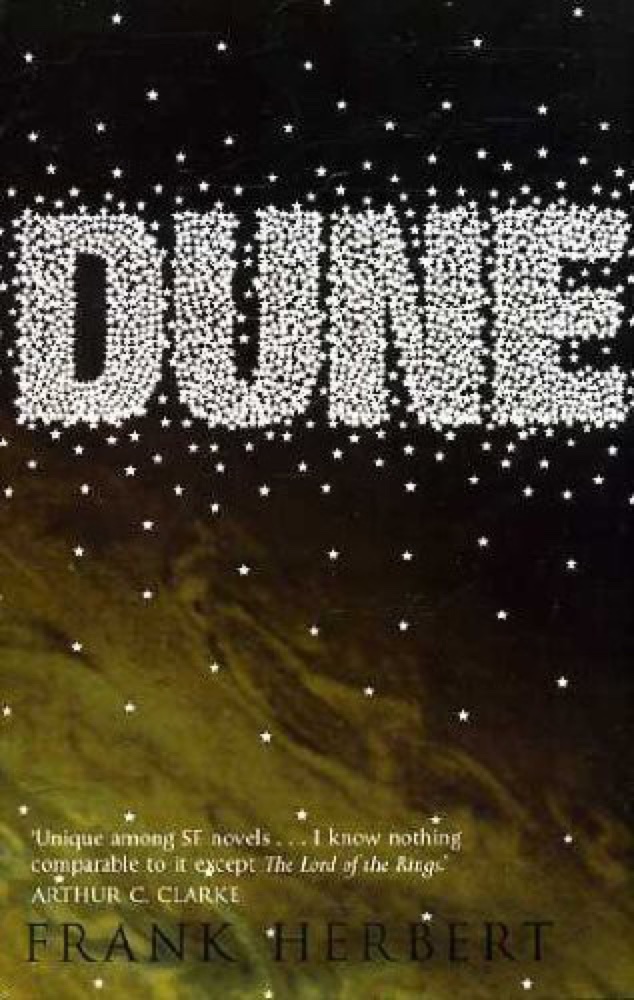 Dune
Dune
 Discourses and Selected Writings
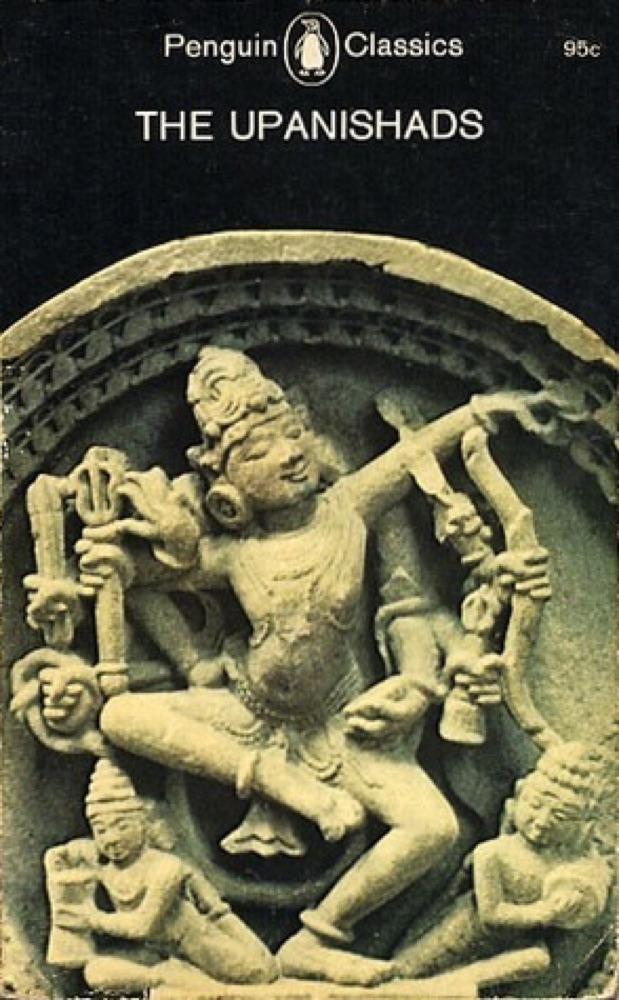 The Upanishads
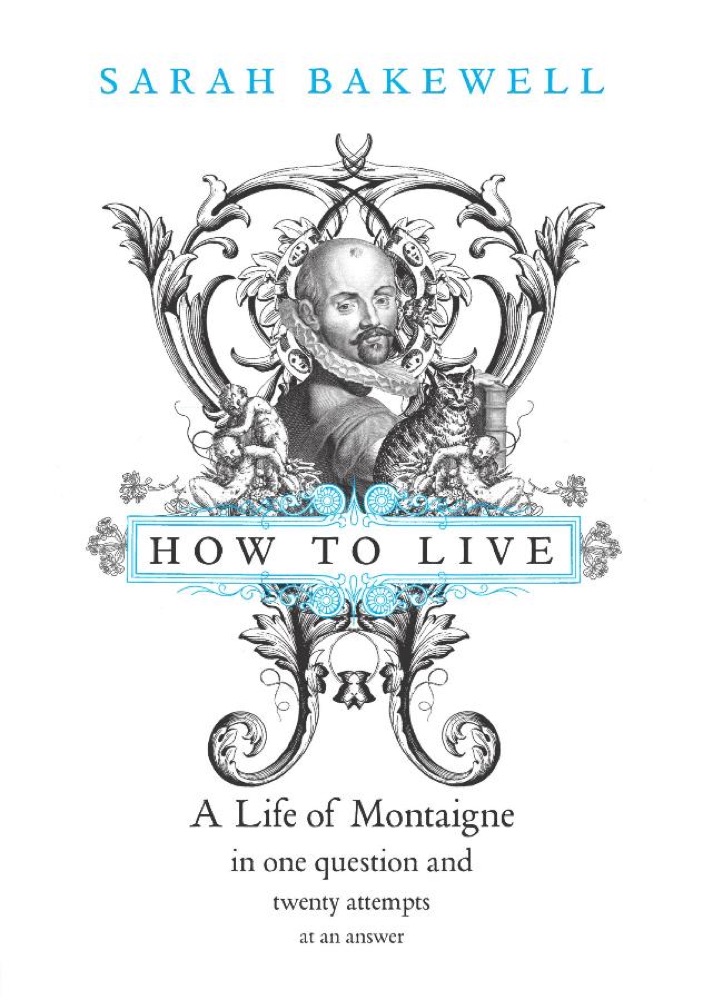 How to Live: A Life of Montaigne in One Question and Twenty Attempts at an Answer
 Awareness: Conversations with the Masters
 The Daily Stoic: 366 Meditations on Wisdom, Perseverance, and the Art of Living
 The Tao of Wu
 Total Freedom: The Essential Krishnamurti
 Autobiography of a Yogi
 Stillness Is the Key
 Emile or On Education