
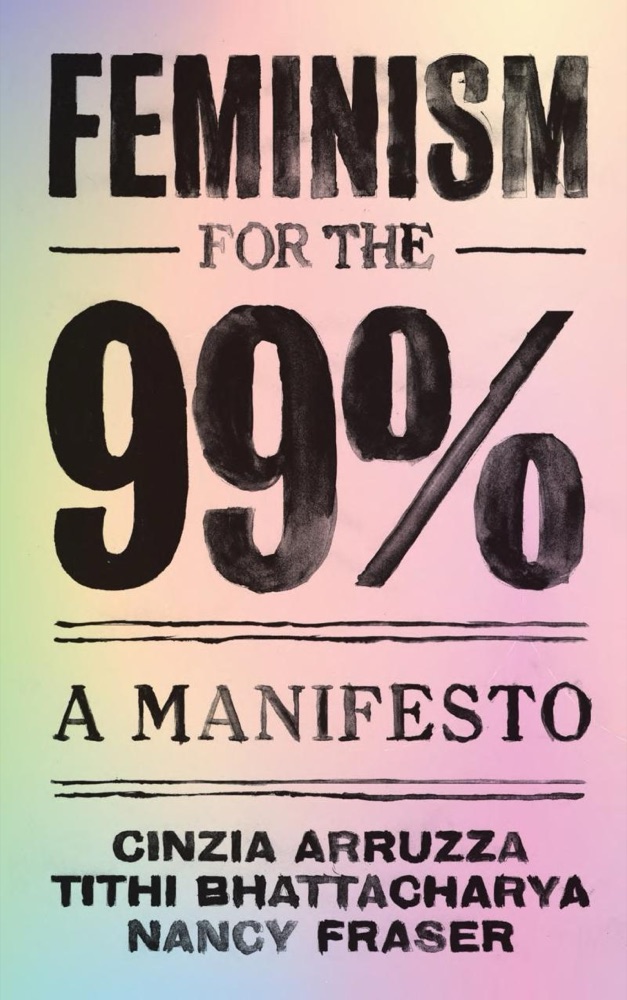
 Feminism for the 99%: A Manifesto
Quotes from the Book
When women enjoy their own sources of income, and the state guarantees social security in old age, illness, and disability, women have no economic reason to stay in abusive, unfulfilling, or otherwise unhealthy relationships.
10
You are not a commodity. Your depression and anxiety are not just chemical imbalances in your brain but reasonable responses to a system that thrives on your dehumanization.
9
Whether we like it or not, capitalism commodifies almost every aspect of our private lives, as sexual economics theory predicts. Personal relationships take time and energy that few of us have to spare as we scramble to make ends meet in the precarious gig economy. We are often exhausted and drained, unwilling to invest the emotional resources necessary to make loving relationships without compensation.
4
Most importantly, reclaim your time, emotional energy, and self-worth from the reductive logic of capitalism. You are not a commodity.
3
the growing millennial support for socialism had less to do with the inherent radicalism of youth and more to do with the failures of traditional parties to rein in the worst excesses of capitalism:
3
The state of being female is complicated by other categories such as class, race, ethnicity, sexual orientation, disability, religious belief, and so on.
3
as citizens we need to shake off the shackles of Western post–Cold War triumphalist history and cultivate our knowledge of the widest array of political possibilities.
2
If done properly, socialism leads to economic independence, better labor conditions, better work/family balance, and, yes, even better sex.
2
...much overt sex work, as well as the subtler forms of commodified sexuality for sale, is the result of an economic system that provides little material security for women, and encourages all people to turn everything they have (their labor, their reputations, their emotions, their bodily fluids and ova, and so forth) into a product that can be sold on a market where prices are determined by the caprices of supply and demand.
2
Many will argue that there is nothing morally wrong with sex work, and it should be legalized, protected, unionized, and fairly compensated for those who freely choose to seek employment in this sector of the economy. Sex work existed long before the advent of capitalism, it continued to varying degrees throughout the state socialist countries, and it will no doubt exist in some form well into the future. But overt sex work, as well as the subtler forms of commodified sexuality for sale, is the result of an economic system that provides little material security for women, and encourages all people to turn everything they have (their labor, their reputations, their emotions, their bodily fluids and ova, and so forth) into a product that can be sold on a market where prices are determined by the caprices of supply and demand. This form of amorous exchange is not sex positive empowerment for women, but a desperate attempt to survive in a world with few social safety nets.
1
When states need to slash government spending on education, health care, or old age pensions, mothers, daughters, sisters, and wives must pick up the slack, diverting their energies to care for the young, the sick, and the elderly. Capitalism thrives on women’s unpaid labor in the home because women’s care work supports lower taxes. Lower taxes mean higher profits for those already at the top of the income ladder—mostly men.
1
Women’s economic independence correlates with their ability to make decisions about their own bodies, their relationships, and their futures. When women don’t have to rely on men for financial survival, they can choose partners based on love and mutual respect rather than economic necessity.
Economists call this “statistical discrimination.” The basic idea is that since employers can’t directly observe the productivity of individual workers, they can make observations about demographic characteristics that are correlated with worker productivity. They make decisions based on the averages: if women are more likely to quit than men for personal reasons, employers assume that any given woman is more likely to quit than a man. Economists observe that the theory of statistical discrimination can create a vicious cycle. If women are (or used to be) more likely to quit, they will be paid less. If they are paid less, they are more likely to quit. This vicious cycle provides a very good justification for government intervention.
Women’s free labor in the home subsidized the profits of employers because workers’ families bore the cost of reproducing the future labor force. Without birth control, access to education, or opportunities for meaningful employment, the woman was trapped within the confines of the family in perpetuity.
For example, the state socialists in the USSR and Eastern Europe were so successful at giving women economic opportunities outside the home that initially, for two decades after the end of World War II, women’s wage work was conflated with the evils of communism.
Watch on YouTube
About Kristen R. Ghodsee
We have collected 15 quotes from 1 book by Kristen R. Ghodsee on BookQuoters.
More about the author →About the book
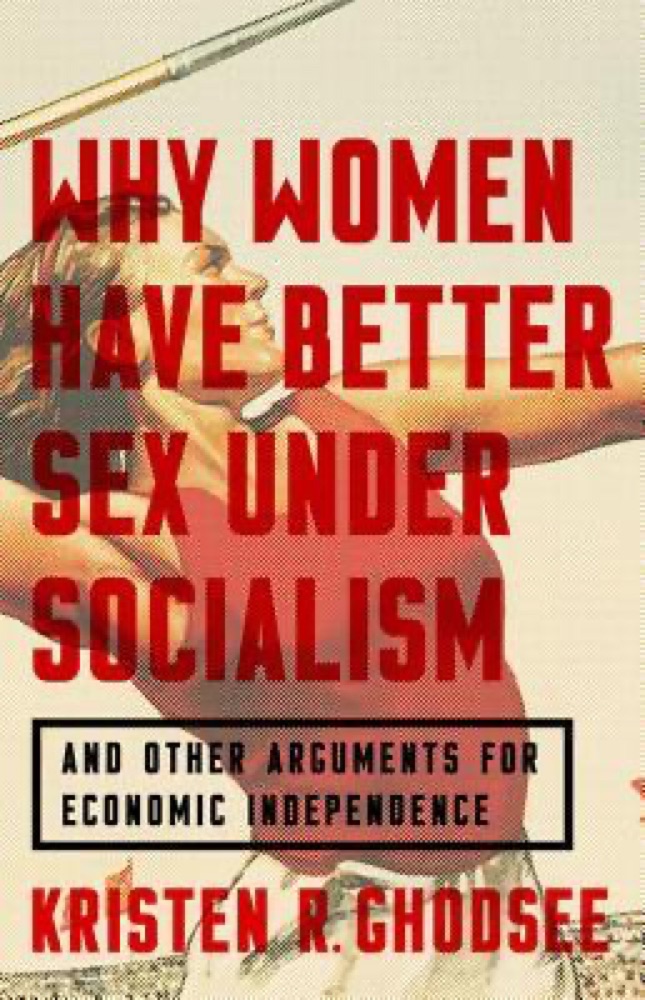
A spirited, deeply researched exploration of why capitalism is bad for women and how, when done right, socialism leads to economic independence, better labor conditions, better work-life balance and, yes, even better sex.
In a witty, irreverent op-ed piece that went viral, Kristen Ghodsee argued that women had better sex under socialism. The response was tremendous — clearly she articulated something many women had sensed for the problem is with capitalism, not with us.
Ghodsee, an acclaimed ethnographer and professor of Russian and East European Studies, spent years researching what happened to women in countries that transitioned from state socialism to capitalism. She argues here that unregulated capitalism disproportionately harms women, and that we should learn from the past. By rejecting the bad and salvaging the good, we can adapt some socialist ideas to the 21st century and imp
Book details
- First published
- 2018
- Author
- Kristen R. Ghodsee
- Genre
- Nonfiction
- Goodreads rating
- 3.98 (8k ratings)
Keep reading
Feminism for the 99%: A Manifesto
 Unspeakable Things: Sex, Lies and Revolution
 Talking to My Daughter About the Economy: or, How Capitalism Works—and How It Fails
 Women's Liberation and the African Freedom Struggle
 The Right to Sex: Feminism in the Twenty-First Century
 Who Cooked Adam Smith's Dinner? A Story About Women and Economics
 Half the Sky: Turning Oppression Into Opportunity for Women Worldwide
 The Case Against the Sexual Revolution: A New Guide to Sex in the 21st Century
 23 Things They Don't Tell You About Capitalism
 The Feminine Mystique
 Of Boys and Men: Why the Modern Male Is Struggling, Why It Matters, and What to Do About It
 Naked Economics: Undressing the Dismal Science
 The Dialectic of Sex: The Case for Feminist Revolution
 The Spirit Level: Why More Equal Societies Almost Always Do Better
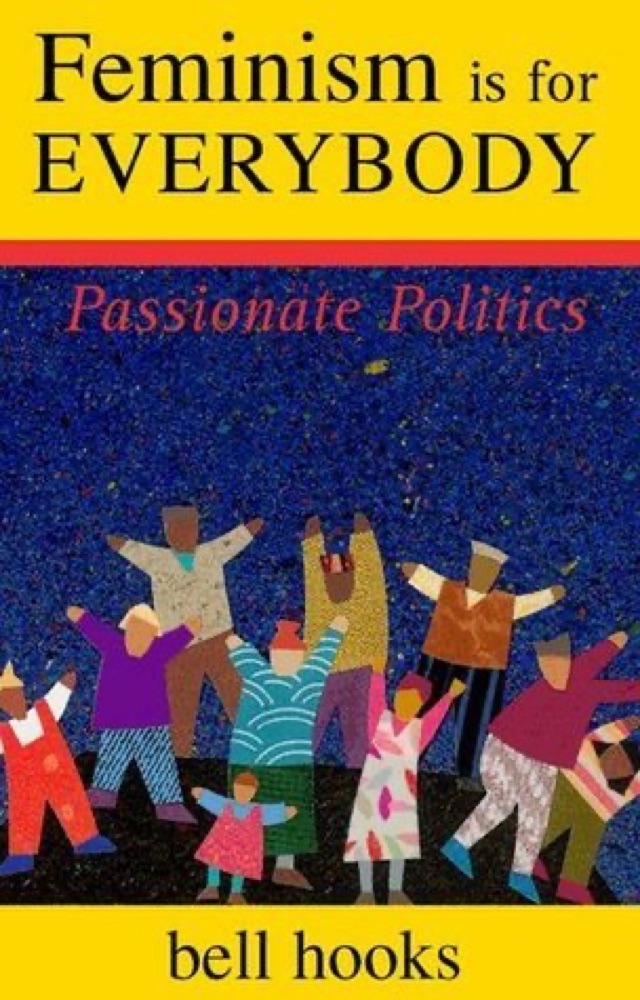 Feminism Is for Everybody: Passionate Politics
 The Female Eunuch
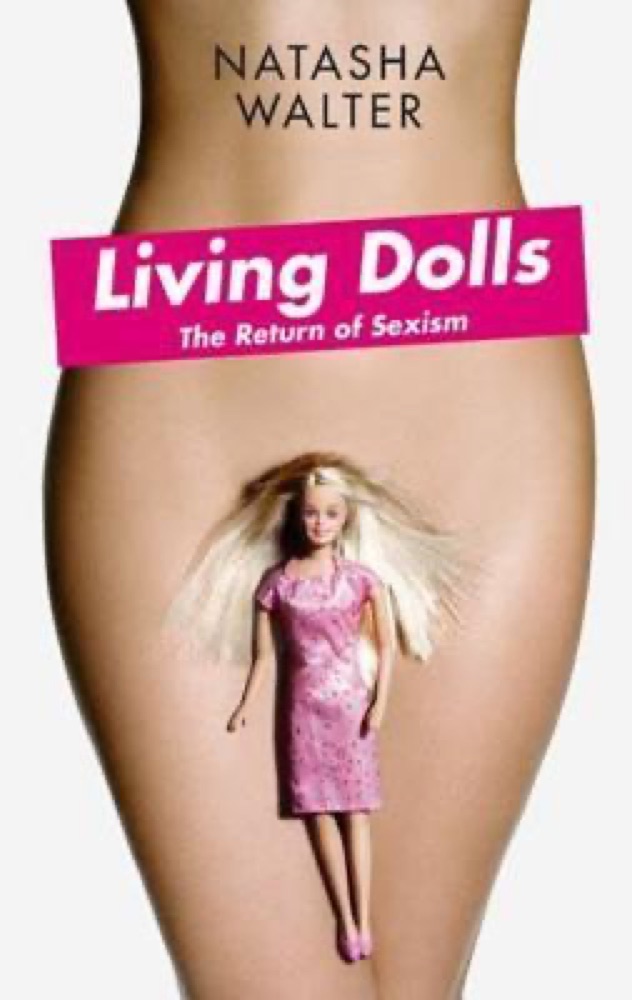 Living Dolls: The Return of Sexism
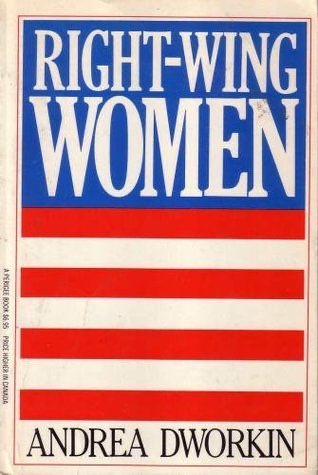 Right Wing Women
 This Is What Inequality Looks Like
 Why Marx Was Right
 Nickel and Dimed: On (Not) Getting by in America
 Four Futures: Life After Capitalism
 Against White Feminism: Notes on Disruption
 The Moment of Lift: How Empowering Women Changes the World
 Why I Am Not a Feminist: A Feminist Manifesto
 The Soul of a Woman
 The Truth Will Set You Free, But First It Will Piss You Off!: Thoughts on Life, Love, and Rebellion
 Socialism: An Economic and Sociological Analysis
 Sexual Politics
 Utopia for Realists: How We Can Build the Ideal World
 Feminist Theory: From Margin to Center
 Basic Economics: A Citizen's Guide to the Economy
 MILF: Motherhood, Identity, Love and F*ckery
 Wealth, Poverty and Politics: An International Perspective
 Coming Apart: The State of White America, 1960-2010
 I Survived Capitalism and All I Got Was This Lousy T-Shirt: Everything I Wish I Never Had to Learn About Money
 The Nordic Theory of Everything: In Search of a Better Life
 Lean In: Women, Work, and the Will to Lead
 Entitled: How Male Privilege Hurts Women
 The View From Flyover Country: Essays by Sarah Kendzior
 Poverty, by America
 Financial Feminist: Overcome the Patriarchy's Bullsh*t to Master Your Money and Build a Life You Love
 Capitalist Realism: Is There No Alternative?
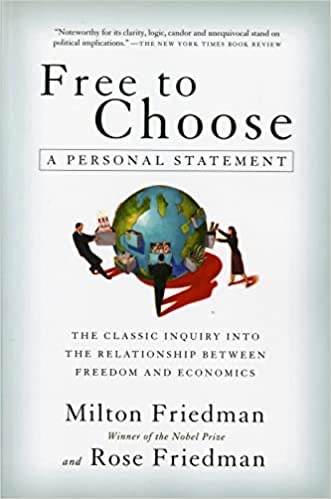 Free to Choose: A Personal Statement
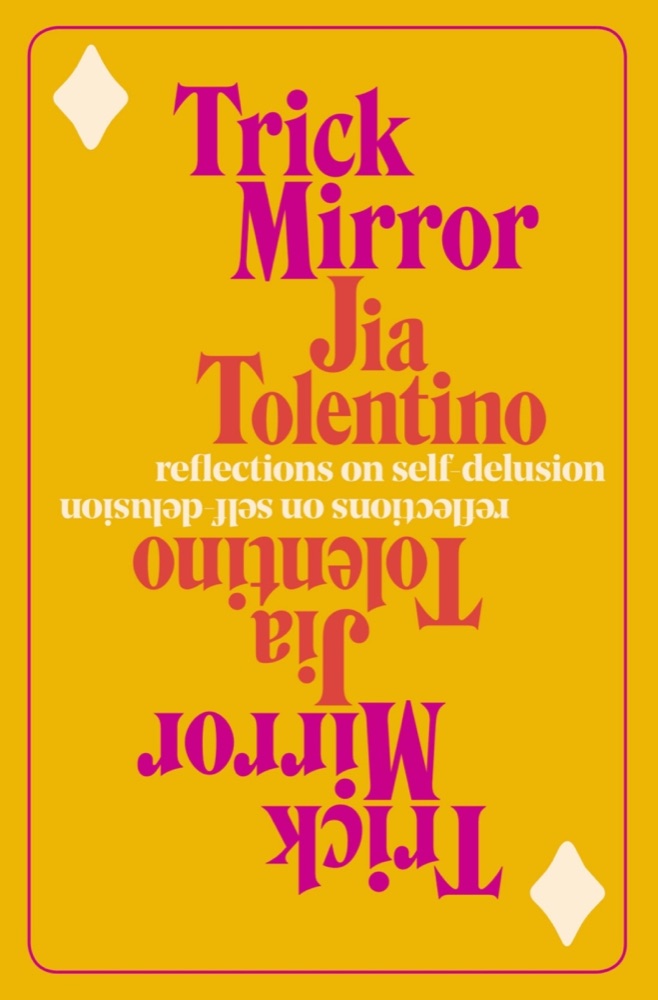 Trick Mirror: Reflections on Self-Delusion
 Where We Stand: Class Matters
 SCUM Manifesto
 Cunt: A Declaration of Independence
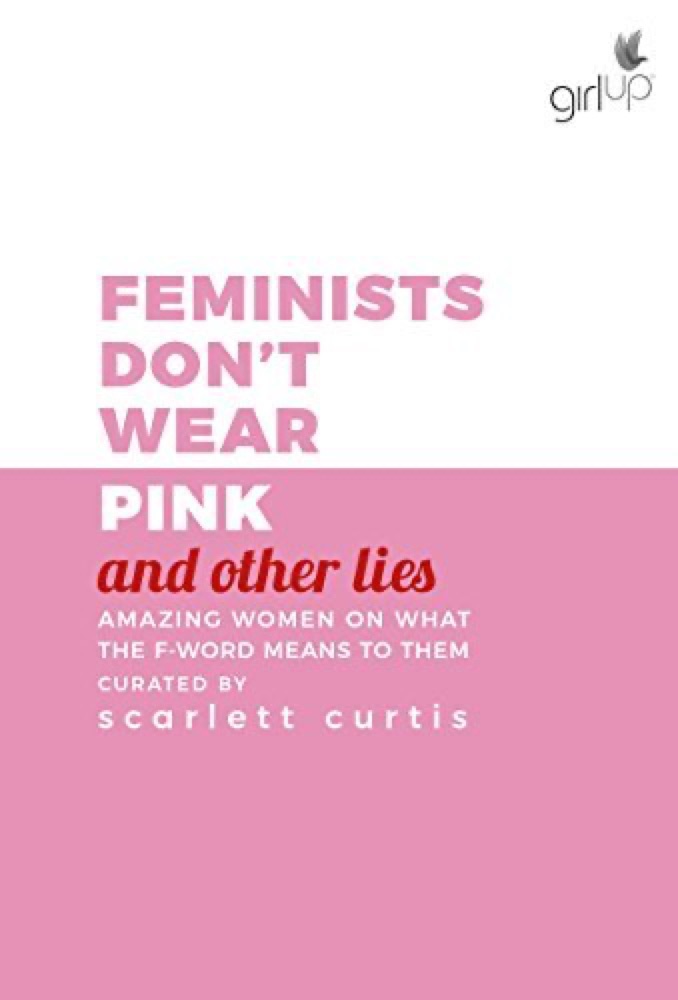 Feminists Don't Wear Pink (And Other Lies): Amazing Women on What the F-Word Means to Them
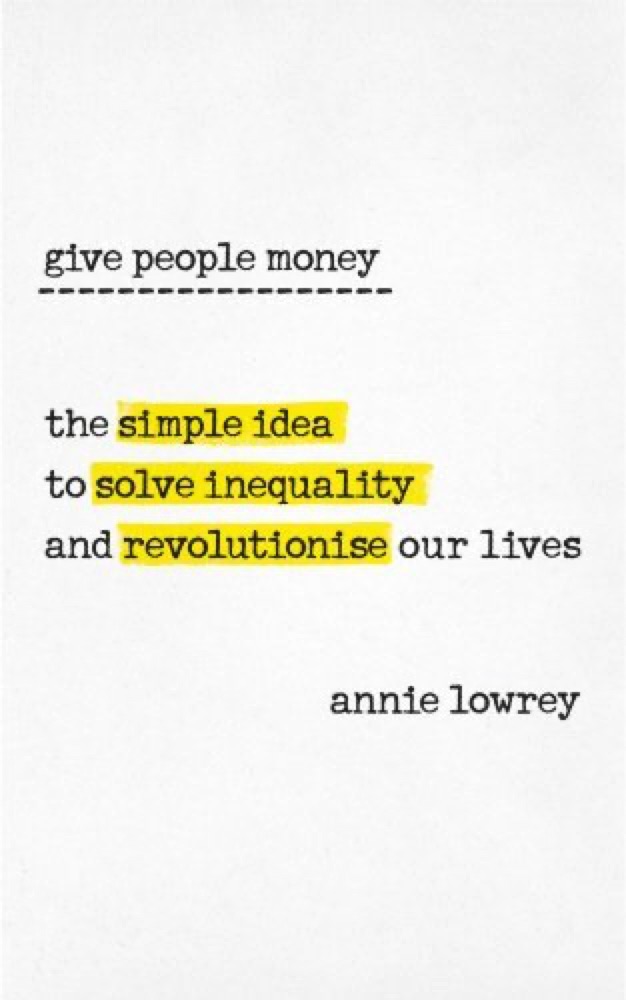 Give People Money: The Simple Idea to Solve Inequality and Revolutionise Our Lives
 How We Survived Communism and Even Laughed
 The System: Who Rigged It, How We Fix It
 Capitalism, Socialism and Democracy
 Empire of Illusion: The End of Literacy and the Triumph of Spectacle
 America: The Farewell Tour
 One-Dimensional Man: Studies in the Ideology of Advanced Industrial Society
 Capitalism: The Unknown Ideal
 Kids These Days: Human Capital and the Making of Millennials
 The World Is Flat: A Brief History of the Twenty-first Century
 Female Chauvinist Pigs: Women and the Rise of Raunch Culture