
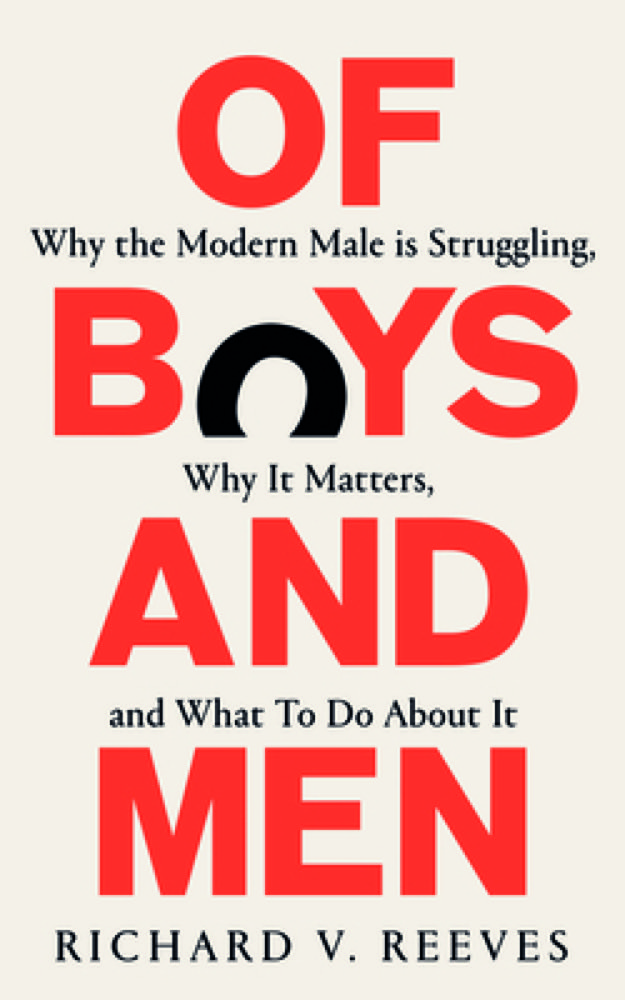
 Of Boys and Men: Why the Modern Male Is Struggling, Why It Matters, and What to Do About It
Quotes from the Book
There is no such thing as a woman who doesn’t work. There is only a woman who isn’t paid for her work.
228
The result of this deeply male-dominated culture is that the male experience, the male perspective, has come to be seen as universal, while the female experience--that of half the global population, after all--is seen as, well, niche.
155
It's not always easy to convince someone a need exists, if they don't have that need themselves.
107
Women have always worked. They have worked unpaid, underpaid, underappreciated, and invisibly, but they have always worked. But the modern workplace does not work for women. From its location, to its hours, to its regulatory standards, it has been designed around the lives of men and it is no longer fit for purpose. The world of work needs a wholesale redesign--of its regulations, of its equipment, of its culture--and this redesign must be led by data on female bodies and female lives. We have to start recognising that the work women do is not an added extra, a bonus that we could do without: women's work, paid and unpaid, is the backbone of our society and our economy. It's about time we started valuing it.
98
The fact is that worth is a matter of opinion, and opinion is informed by culture. And if that culture is as male-biased as ours is, it can’t help but be biased against women. By default.
92
One of the most important things to say about the gender data gap is that it is not generally malicious, or even deliberate. Quite the opposite. It is simply the product of a way of thinking that has been around for millennia and is therefore a kind of not thinking. A double not thinking, even: men go without saying, and women don't get said at all. Because when we say human, on the whole, we mean man.
88
When we exclude half of humanity from the production of knowledge we lose out on potentially transformative insights.
60
A 2013 UN homicide survey found that 96% 9 of homicide perpetrators worldwide are male. So is it humans who are murderous,or men?
52
For millennia, medicine has functioned on the assumption that male bodies can represent humanity as a whole. As a result, we have a huge historical data gap when it comes to female bodies, and this is a data gap that is continuing to grow as researchers carry on ignoring the pressing ethical need to include female cells, animals and humans, in their research. That this is still going on in the twenty-first century is a scandal. It should be the subject of newspaper headlines worldwide. Women are dying, and the medical world is complicit. It needs to wake up.
42
Urban planning that fails to account for women's risk of being sexually assaulted is a clear violation of women's equal right to public spaces...
41
Whiteness and maleness are silent precisely because they do not need to be vocalized. Whiteness and maleness are implicit. They are unquestioned. They are the default. And this reality is inescapable for anyone whose identity does not go without saying, for anyone whose needs and perspective are routinely forgotten. For anyone who is used to jarring up against a world that has not been designed around them.
40
The truth is that around the world, women continue to be disadvantaged by a working culture that is based on the ideological belief that male needs are universal.
40
We teach brilliance bias to children from an early age. A recent US study found that when girls start primary school at the age of five, they are as likely as five-year-old boys to think women could be 'really really smart'. But by the time they turn six, something changes. They start doubting their gender. So much so, in fact, that they start limiting themselves: if a game is presented to them as intended for 'children who are really, really smart', five-year-old girls are as likely to want to play it as boys - but six-year-old girls are suddenly uninterested. Schools are teaching little girls that brilliance doesn't belong to them. No wonder that by the time they're filling out university evaluation forms, students are primed to see their female teachers as less qualified.
38
When planners fail to account for gender, public spaces become male spaces by default.
34
There is no such thing as a woman who doesn't work. There is only a woman who isn't paid for her work.
33
So a group of one hundred female teachers in Spanish would be referred to as ‘las profesoras’ – but as soon as you add a single male teacher, the group suddenly becomes ‘los profesores’. Such is the power of the default male.
32
Even the best of men can’t know what it’s like to go through the world as a person with a body which some other people treat as an access-all-areas amusement arcade.
30
A man I briefly dated tried to win arguments with me by telling me I was blinded by ideology. I couldn’t see the world objectively, he said, or rationally, because I was a feminist and I saw everything through feminist eyes. When I pointed out that this was true for him too (he identified as a libertarian) he demurred. No. That was just objective, common sense – de Beauvoir’s ‘absolute truth’. For him, the way he saw the world was universal, while feminism – seeing the world from a female perspective – was niche. Ideological.
27
One of her female professor held up a photo of an antler bone with 28 markings on it. ‘This’, she said, ‘was alleged to be mans first attempt at a calendar. Tell me’, she continued, ‘what man needs to know when 28 days have passed? I suspect that this is woman’s first attempt at a calendar’.
26
An analysis of 248 performance reviews collected from a variety of US-based tech companies found that women receive negative personality criticism that men simply don’t.7 Women are told to watch their tone, to step back. They are called bossy, abrasive, strident, aggressive, emotional and irrational. Out of all these words, only aggressive appeared in men’s reviews at all – ‘twice with an exhortation to be more of it’.
24
And so, to return to Freud’s ‘riddle of femininity’, it turns out that the answer was staring us in the face all along. All ‘people’ needed to do was to ask women.
22
Women tend to sit further forward than men when driving. This is because we are on average shorter. Our legs need to be closer to reach the pedals, and we need to sit more upright to see clearly over the dashboard.49 This is not, however, the ‘standard seating position’. Women are ‘out of position’ drivers.50 And our wilful deviation from the norm means that we are at greater risk of internal injury on frontal collisions.
19
The result is that when ‘brilliance’ is considered a requirement for a job, what is really meant is ‘a penis’.
17
The presumption that what is male is universal is a direct consequence of the gender data gap. Whiteness and maleness can only go without saying because most other identities never get said at all. But male universality is also a cause of the gender data gap: because women aren't seen and aren't remembered, because male data makes up the majority of what we know, what is male comes to be seen as universal. It leads to the positioning of women, half the global population, as a minority. With a niche identity and subjective point of view. In such a framing, women are set up to be forgettable. Ignorable. Dispensable - from culture, from history, a from data. And so, women become invisible.
16
We need a revolution in the research and the practice of medicine, and we need it yesterday. We need to train doctors to listen to women, and to recognise that their inability to diagnose a woman may not be because she is lying or being hysterical: the problem may be the gender data gaps in their knowledge. It’s time to stop dismissing women, and start saving them.
15
And so, because business leadership is still so dominated by men, modern workplaces are riddled with these kind of gaps, from doors that are too heavy for the average woman to open with ease, to glass stairs and lobby floors that mean anyone below can see up your skirt, to paving that’s exactly the right size to catch your heels. Small, niggling issues that aren’t the end of the world, granted, but that nevertheless irritate. Then there’s the standard office temperature. The formula to determine standard office temperature was developed in the 1960s around the metabolic resting rate of the average forty-year-old, 70 kg man.1 But a recent study found that ‘the metabolic rate of young adult females performing light office work is significantly lower’ than the standard values for men doing the same type of activity. In fact, the formula may overestimate female metabolic rate by as much as 35%, meaning that current offices are on average five degrees too cold for women. Which leads to the odd sight of female office workers wrapped up in blankets in the New York summer while their male colleagues wander around in summer clothes.
15
The male-unless-otherwise-indicated approach to research seems to have infected all sorts of ethnographic fields. Cave paintings, for example, are often of game animals and so researchers have assumed they were done by men - the hunters. But new analysis of handprints that appear alongside such paintings in cave sites in France and Spain has suggested that the majority were actually done by women.
15
how many treatments have women missed out on because they had no effect on the male cells on which they were exclusively tested?
14
You don’t have to realise you’re being discriminated against to in fact be discriminated against.
14
We like to think that the unpaid work women do is just about individual women caring for their individual family members to their own individual benefit. It isn’t. Women’s unpaid work is work that society depends on, and it is work from which society as a whole benefits.
13
Did you know?
- The book popularized the concept of the "gender data gap," the systematic absence of sex-disaggregated data in research and design.
- It won the 2019 Royal Society Science Book Prize, one of the most prestigious awards for popular science writing.
- It was also named the Financial Times and McKinsey Business Book of the Year in 2019.
- In the United States it was published by Abrams Press under the title "Invisible Women: Data Bias in a World Designed for Men."
- The book has been translated into more than a dozen languages, including French, German, Spanish, Mandarin, and Persian.
- Author Caroline Criado Perez previously led the campaign that kept a woman, Jane Austen, on the Bank of England's £10 note.
Watch on YouTube
About Caroline Criado Pérez
Caroline Criado Perez is a British feminist writer, journalist, and campaigner, known for successful campaigns to keep a woman on UK banknotes and to erect a statue of suffragist Millicent Fawcett in Parliament Square.
More about the author →About the book
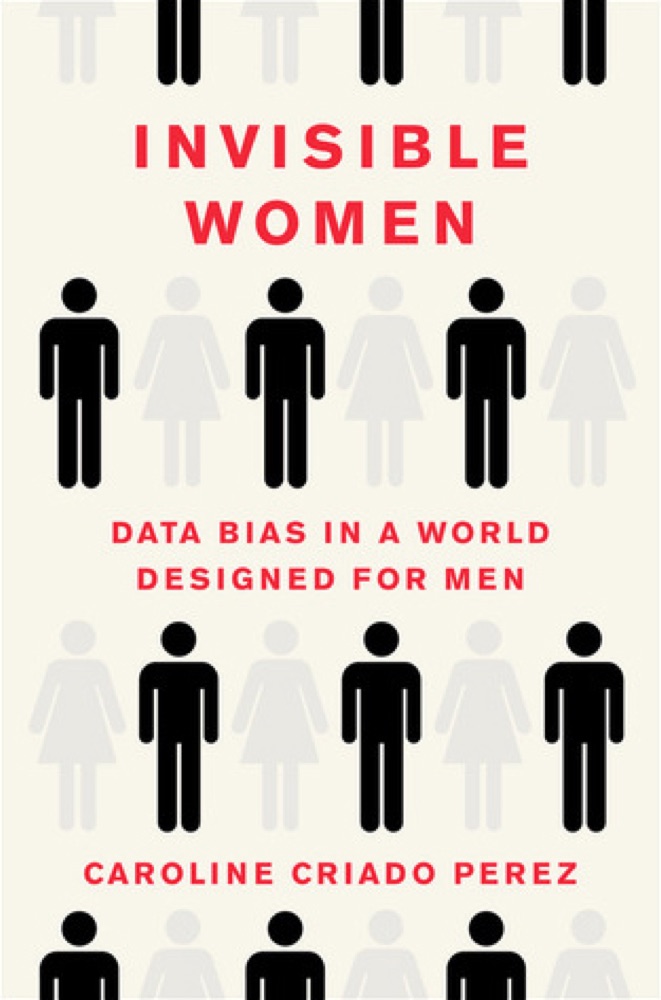
"Invisible Women: Exposing Data Bias in a World Designed for Men" is a 2019 nonfiction book by British author Caroline Criado Perez that argues much of the modern world has been built around the bodies, needs, and habits of men, with women treated as an afterthought. Drawing on case studies from medicine, transport, technology, urban planning, the workplace, and disaster relief, it makes the case that a pervasive "gender data gap" leaves women systematically under-counted and under-served.
At its core the book examines how the failure to collect or disaggregate data by sex produces design and policy decisions that disadvantage women, from car safety systems and medical research to office temperatures, smartphone sizes, and public infrastructure. Criado Perez frames these not as isolated oversights but as the cumulative effect of treating the male experience as the human default.
The book was widely praised and became an international bestseller, winning the 2019 Royal Society Science Book Prize and being named the Financial Times and McKinsey Business Book of the Year for 2019. Reviewers in outlets such as The Guardian and the Literary Review highlighted its accumulation of evidence and called it essential reading, and it has been translated into many languages.
Book details
- First published
- 2019
- Length
- 432 pages
- Reading time
- 13 hours
- Author
- Caroline Criado Pérez
- Genre
- Nonfiction
- Goodreads rating
- 4.33 (178k ratings)
Critical reception
- Won the 2019 Royal Society Insight Investment Science Book Prize.
- Named the 2019 Financial Times and McKinsey Business Book of the Year.
- Reviewed in The Guardian by Angela Saini as a dossier on gender inequality demanding urgent action.
- Praised in the Literary Review by Joan Smith as essential reading, citing examples such as crash-test dummies modeled on male bodies.
The buzz
- The GuardianReview in The Guardianprofessional review (via Book Marks)
- The TimesReview in The Timesprofessional review (via Book Marks)
- Kirkus ReviewsReview in Kirkus Reviewsprofessional review (via Book Marks)
- Publishers WeeklyReview in Publishers Weeklyprofessional review (via Book Marks)
- IrishtimesReview in Irishtimesprofessional review (via Book Marks)
- FtReview in Ftprofessional review (via Book Marks)
Keep reading
Of Boys and Men: Why the Modern Male Is Struggling, Why It Matters, and What to Do About It
 Everyday Sexism
 Feminist Fight Club: An Office Survival Manual for a Sexist Workplace
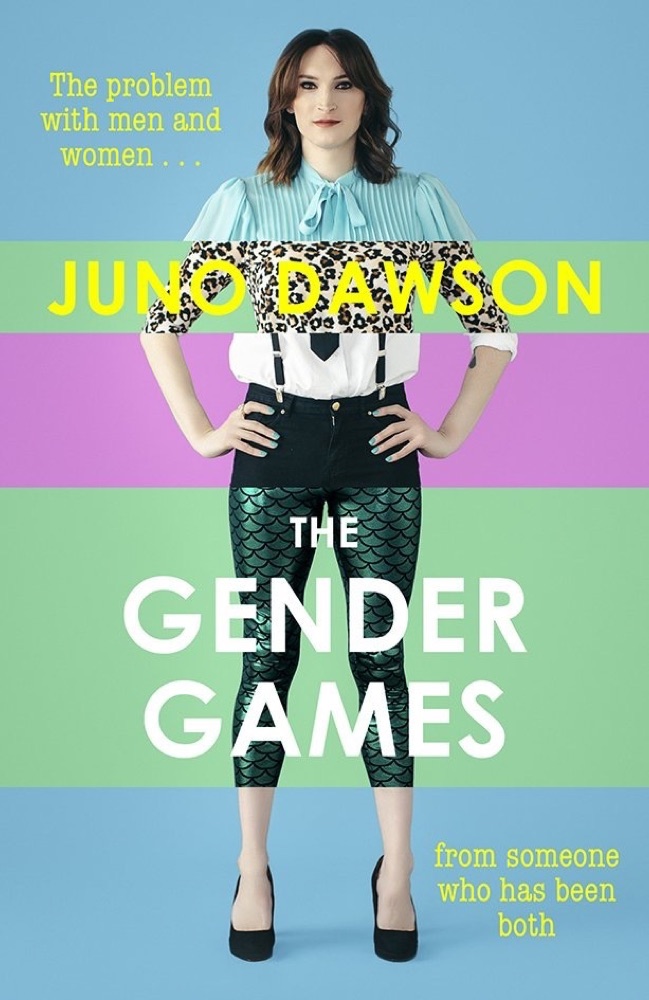 The Gender Games: The Problem with Men and Women, from Someone Who Has Been Both
 Men Explain Things to Me
 We Should All Be Feminists
 The Truth Will Set You Free, But First It Will Piss You Off!: Thoughts on Life, Love, and Rebellion
 Unspeakable Things: Sex, Lies and Revolution
 The Mother of All Questions
 How to Be a Woman
 The Feminine Mystique
 Trans: When Ideology Meets Reality
 The Right to Sex: Feminism in the Twenty-First Century
 Boys Will Be Boys: Power, Patriarchy and the Toxic Bonds of Mateship
 Women & Power: A Manifesto
 Entitled: How Male Privilege Hurts Women
 Why I Am Not a Feminist: A Feminist Manifesto
 Lean In: Women, Work, and the Will to Lead
 Feminists Don't Wear Pink (And Other Lies): Amazing Women on What the F-Word Means to Them
 The Madness of Crowds: Gender, Race and Identity
 Material Girls: Why Reality Matters for Feminism
 How to Suppress Women's Writing
 The Female Eunuch
 Fix the System, Not the Women
 MILF: Motherhood, Identity, Love and F*ckery
 Whipping Girl: A Transsexual Woman on Sexism and the Scapegoating of Femininity
 A Hunter-Gatherer's Guide to the 21st Century: Evolution and the Challenges of Modern Life
 The Exceptions: Nancy Hopkins, MIT, and the Fight for Women in Science
 Half the Sky: Turning Oppression Into Opportunity for Women Worldwide
 Right Wing Women
 The Soul of a Woman
 Sex Object: A Memoir
 Cassandra Speaks: When Women Are the Storytellers, the Human Story Changes
 The Beauty Myth
 Whose Story Is This? Old Conflicts, New Chapters
 The Moment of Lift: How Empowering Women Changes the World
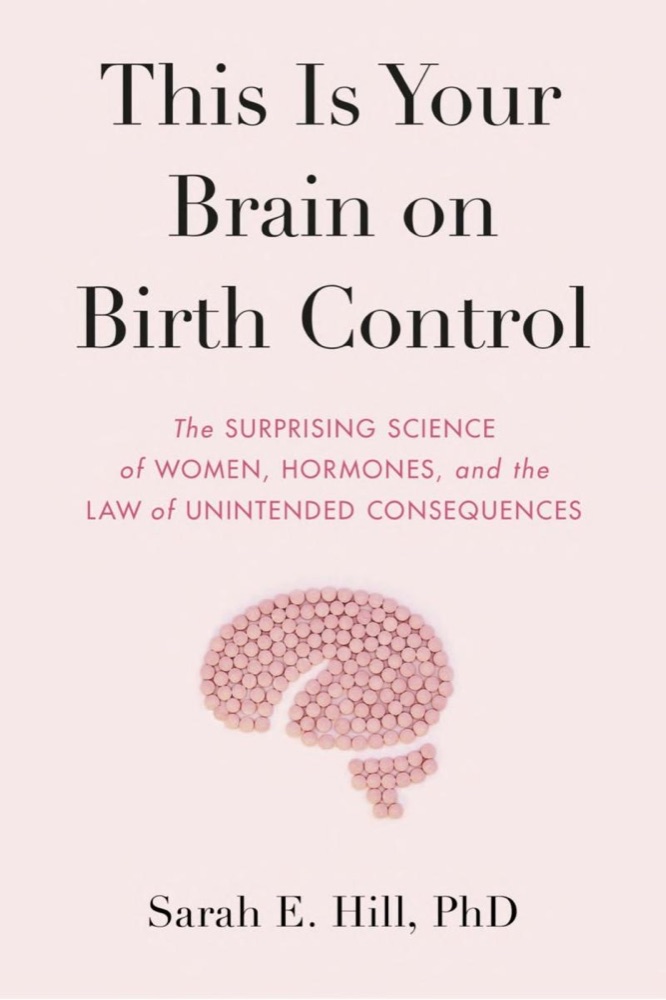 This Is Your Brain on Birth Control: The Surprising Science of Women, Hormones, and the Law of Unintended Consequences
 Headscarves and Hymens: Why the Middle East Needs a Sexual Revolution
 Sexual Politics
 The Underground Girls of Kabul: In Search of a Hidden Resistance in Afghanistan
 Woman: An Intimate Geography
 SCUM Manifesto
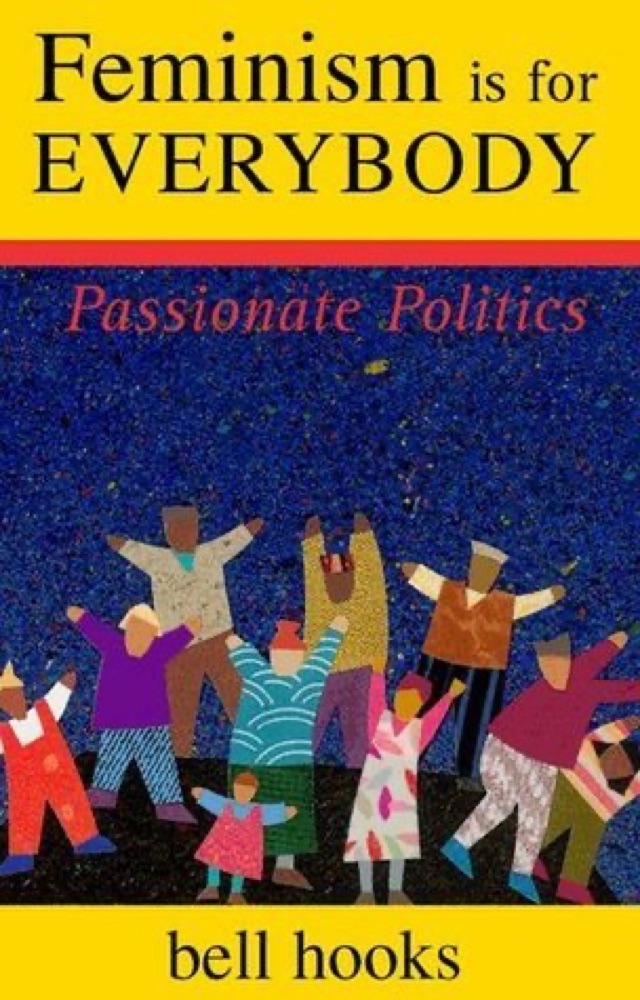 Feminism Is for Everybody: Passionate Politics
 The Dialectic of Sex: The Case for Feminist Revolution
 Female Chauvinist Pigs: Women and the Rise of Raunch Culture
 Difficult Women: A History of Feminism in 11 Fights
 Cunt: A Declaration of Independence
 It's Not About the Burqa
 You Just Don't Understand: Women and Men in Conversation
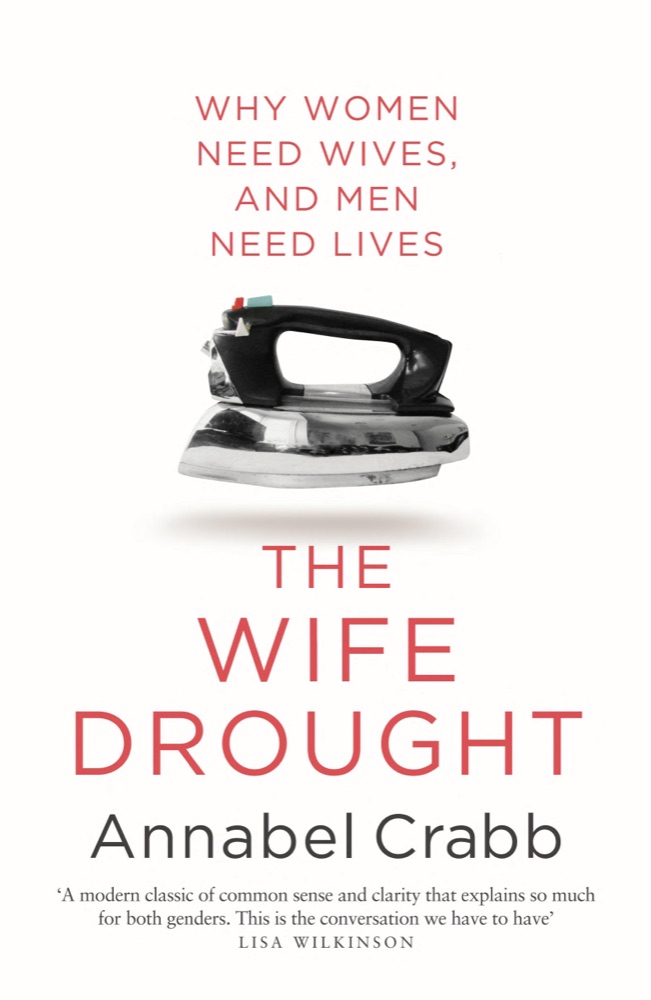 The Wife Drought
 Ladyparts
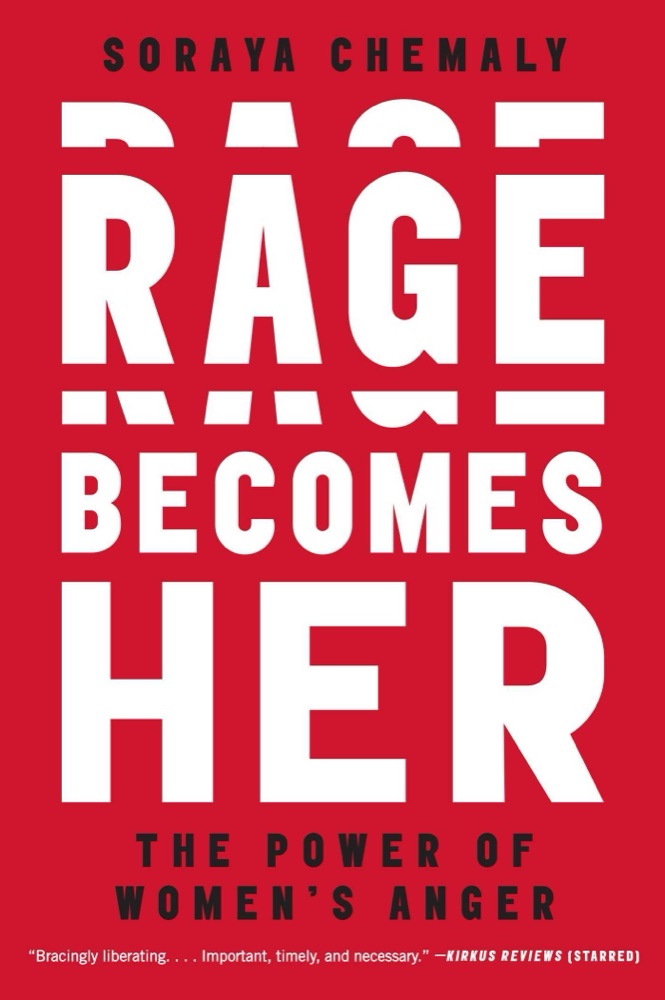 Rage Becomes Her: The Power of Women's Anger
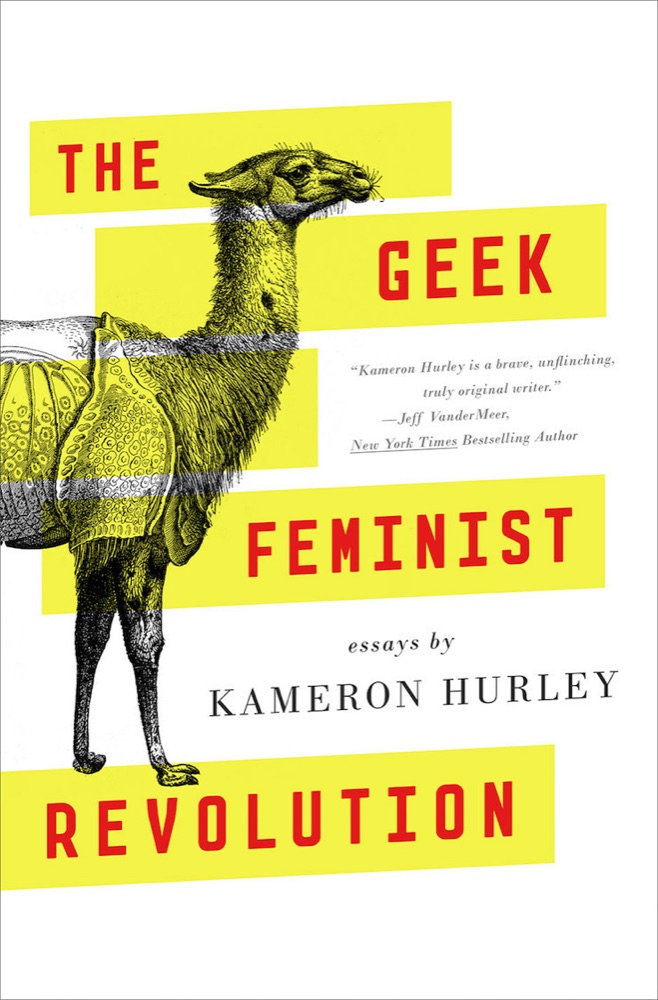 The Geek Feminist Revolution
 Feminist Theory: From Margin to Center
 Living a Feminist Life
 The Second Sex
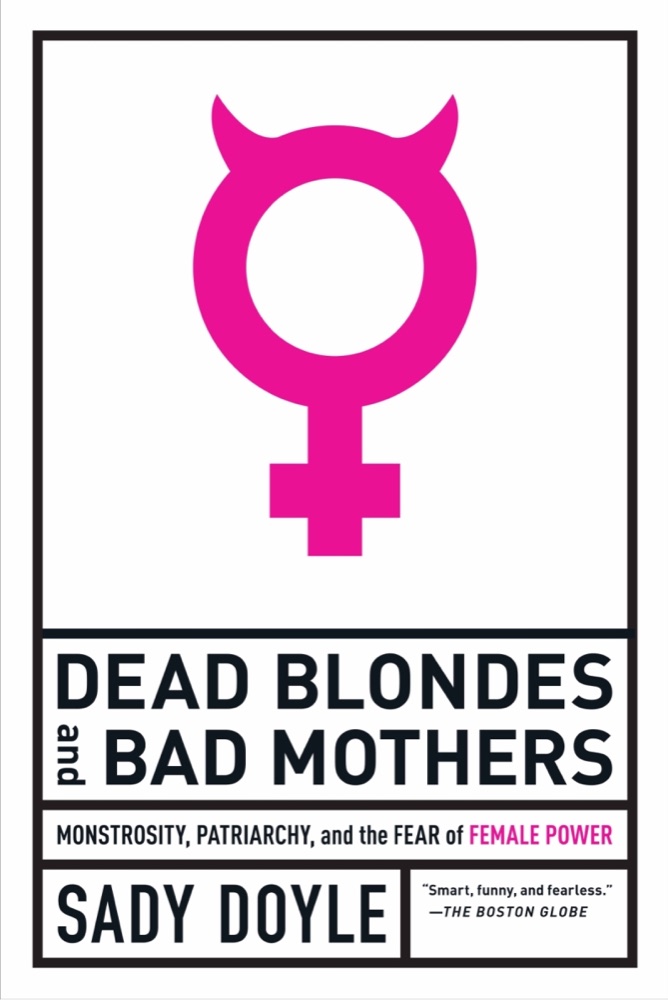 Dead Blondes and Bad Mothers
 Against White Feminism: Notes on Disruption
 Intercourse
 A Woman's Worth