
Quotes from the Book
Freedom is good... [i]t's better than slavery. And forgiveness is good, better than revenge. And hope for the unknown is good, better than hatred of the familiar.
30
There must be satisfaction gained in accurately naming the thing that torments you.
21
We are wasting time, pleads Greta, by passing this burden, this sack of stones, from one to the next, by pushing our pain away. We mustn’t do this. We mustn’t play Hot Potato with our pain. Let’s absorb it ourselves, each of us, she says. Let’s inhale it, let’s digest it, let’s process it into fuel.
21
No, Ernie, says Agata, there’s no plot, we’re only women talking.
20
All we women have are our dreams – so of course we are dreamers.
19
None of us have ever asked the men for anything, Agata states. Not a single thing, not even for the salt to be passed, not even for a penny or a moment alone or to take the washing in or to open a curtain or to go easy on the small yearlings or to put your hand on the small of my back as I try, again, for the twelfth or thirteenth time, to push a baby out of my body.
17
We are women without a voice, Ona states calmly. We are women out of time and place, without even the language of the country we reside in. We are Mennonites without a homeland. We have nothing to return to, and even the animals of Molotschna are safer in their homes than we women are. All we women have are our dreams—so of course we are dreamers.
16
... the twin pillars that guard the entrance to the shrine of religion are storytelling and cruelty.
15
By leaving, we are not necessarily disobeying the men according to the Bible, because we, the women, do not know exactly what is in the Bible, being unable to read it. Furthermore, the only reason why we feel we need to submit to our husbands is because our husbands have told us that the Bible decrees it.
15
We are not members, . . . we are commodities. . . . When our men have used us up so that we look sixty when we’re thirty and our wombs have literally dropped out of our bodies onto our spotless kitchen floors, finished, they turn to our daughters.
15
Why does the mention of love, the memory of love, the memory of love lost, the promise of love, the end of love, the absence of love, the burning, burning need for love, need to love, result in so much violence?
14
The truth is, I don't have a catchy method of conversing and yet unfortunately suffer of a minute to minute basis the agony of the unexpressed thought.
14
Perhaps we need to know more specifically what we are fighting to achieve (not only what we are fighting to destroy), and what actions would be required for such an achievement, even after the fight has been won, if it is won.
12
she had everything she wanted; all she had to do was convince herself that she wanted very little.
11
Our freedom and safety are the ultimate goals, and it is men who prevent us from achieving those goals. But not all men, says Mejal. Ona clarifies: Perhaps not men, per se, but a pernicious ideology that has been allowed to take hold of the men's hearts and minds.
9
The sun is setting, Ona reminds us, and our light is fading. We should light the kerosene lamp. But what of your question? asks Greta. Should we consider asking the men to leave? None of us have ever asked the men for anything, Agatha states. Not a single thing, not even for the salt to be passed, not even for a penny or a moment alone or to take the washing in or to open a curtain or to go easy on the small yearlings or to put your hand on the small of my back as I try, again, for the twelfth or thirteenth time, to push a baby out of my body. Isn't it interesting, she says, that the one and only request the women would make of the men would be to leave? The women break out laughing again. They simply can't stop laughing, and if one of them stops for a moment she will quickly resume laughing with a loud burst, and off they'll all go again. It's not an option, says Agata, at last. No, the others (finally in complete accord!) agree. Asking the men to leave is not an option. Greta asks the women to imagine her team, Ruth and Cheryl (Agata yelps in exasperation at the mention of their names), requesting that Greta leave them alone for the day to graze in the field and do nothing. Imagine my hens, adds Agata, telling me to turn around and leave the premises when I show up to gather the eggs. Ona begs the women to stop making her laugh, she's afraid she'll go into premature labour. This makes them laugh harder! They even find it uproariously funny that I continue to write during all of this. Ona's laughter is the finest, the most exquisite sound in all of nature, filled with breath and promise, and the only sound she releases into the world that she doesn't also try to retrieve.
9
Most of us, she said, absolve ourselves of responsibility for change by sentimentalizing our pasts.
8
Salome interrupts. We're not members! she repeats. We are the women of Molotschna. The entire colony of Molotschna is built on the foundation of patriarchy (translator's note: Salome didn't use the word "patriarchy" - I inserted it in the place of Salome's curse, of mysterious origin, loosely translated as "talking through the flowers"), where the women live our their days as mute, submissive, and obedient servants. Animals. Fourteen-year-old boys are expected to give us orders, to determine our fates, to vote on our excommunications, to speak at the burials of our own babies while we remain silent, to interpret the Bible for us, to lead us in worship, to punish us! We are not members, Mariche. We are commodities.
7
No, no, said the librarian, forgiven for being alive, for being in the world. For the arrogance and the futility of remaining alive, the ridiculousness of it, the stench of it, the unreasonableness of it.
6
Isn’t it interesting, she says, that the one and only request the women would make of the men would be to leave?
5
I grappled with the idea of explaining hemispheres to her, how we are required to share the sun with other parts of the world, that if one were to observe the earth from outer space one could see as many as fifteen sunsets and sunrises in a day—and that perhaps by sharing the sun the world could learn to share everything, learn that everything belonged to everyone!
5
August's list of good things: Sun. Stars. Pails. Birth. The harvest. Numbers. Sounds. Window. Straw. Frint. Beams. Futility. My mother. My father. Language. Flies. Manure. Wind. Women.
5
She is not crying, she says, she is moisturizing
5
Doubt and uncertainty and questioning are inextricably bound together with faith
4
Perhaps all of us are crazy, Ona says. Of course we're all crazy, says Mejal. How can we not be?
4
Surely, she says, encouraging others to lie on our behalves must be a worse sin than lying ourselves.
4
We don't always control what happens to us. But we always control how we interpret what happens to us, as well as how we respond.
3
When we have liberated ourselves, we will have to ask ourselves who we are.
3
forgiven for being alive, for being in the world. For the arrogance and the futility of remaining alive, the ridiculousness of it, the stench of it, the unreasonableness of it. That’s your feeling, she added, your internal logic. You’ve just explained that to me.
3
Between 2005-2009, more than 300 girls and women of Molotschna were made unconscious and attacked in their own beds. On average, an attack occurred every three or four days. Finally, Leisl Neustandter forced herself to stay awake night after night until she caught a young man prying open her bedroom window, holding a jug of belladonna spray in one hand. Leisl and her adult daughter wrestled the man to the ground and tied him up with baler twine.
3
Watch on YouTube
About Miriam Toews

We have collected 101 quotes from 4 books by Miriam Toews on BookQuoters.
More about the author →More by Miriam Toews

About the book
One evening, eight Mennonite women climb into a hay loft to conduct a secret meeting. For the past two years, each of these women, and more than a hundred other girls in their colony, has been repeatedly violated in the night by demons coming to punish them for their sins. Now that the women have learned they were in fact drugged and attacked by a group of men from their own community, they are determined to protect themselves and their daughters from future harm.
While the men of the colony are off in the city, attempting to raise enough money to bail out the rapists and bring them home, these women—all illiterate, without any knowledge of the world outside their community and unable even to speak the language of the country they live in—have very little time to make a choice: Should they stay in the only world they’ve ever known or should they dare to escape?
Based on real events
Book details
- First published
- 2018
- Author
- Miriam Toews
- Genre
- Fiction
- Goodreads rating
- 3.62 (69k ratings)
The buzz
- The New York TimesReview in The New York Timesprofessional review (via Book Marks)
- The Washington PostReview in The Washington Postprofessional review (via Book Marks)
- The Wall Street JournalReview in The Wall Street Journalprofessional review (via Book Marks)
- The GuardianReview in The Guardianprofessional review (via Book Marks)
- NPRReview in NPRprofessional review (via Book Marks)
- TimeReview in Timeprofessional review (via Book Marks)
Keep reading
 The Women's Room
 Of Women and Salt
 Old Babes in the Wood: Stories
 Herland
 Brief Interviews with Hideous Men
 Her Majesty's Royal Coven
 Her Body and Other Parties
 When Women Were Dragons
 The Heretic's Daughter
 Every Heart a Doorway
 Now Is the Time to Open Your Heart
 Men Explain Things to Me
 Good Bones and Simple Murders
 The Golden Notebook
 Awake
Awake
 On Our Best Behavior: The Seven Deadly Sins and the Price Women Pay to Be Good
 The Grace Year
 The Woman in White
 My Cousin Rachel
 Those Who Leave and Those Who Stay
 A Girl Is a Body of Water
 Hex
Hex
 The Story of a New Name
 The Handmaid's Tale
 The Weight of Our Sky
 The Soul of a Woman
 Embers
 Lady Chatterley's Lover
 Native Tongue
 On Beauty
 Egg & Spoon
 The Surface Breaks
 It's Not About the Burqa
 When We Lost Our Heads
 Wicked: The Life and Times of the Wicked Witch of the West
![What Was She Thinking? [Notes on a Scandal]](/i/book/g/08/what-was-she-thinking-notes-on-a-scandal.jpg) What Was She Thinking? [Notes on a Scandal]
What Was She Thinking? [Notes on a Scandal]
 The Woman Warrior
 The Lost Sisterhood
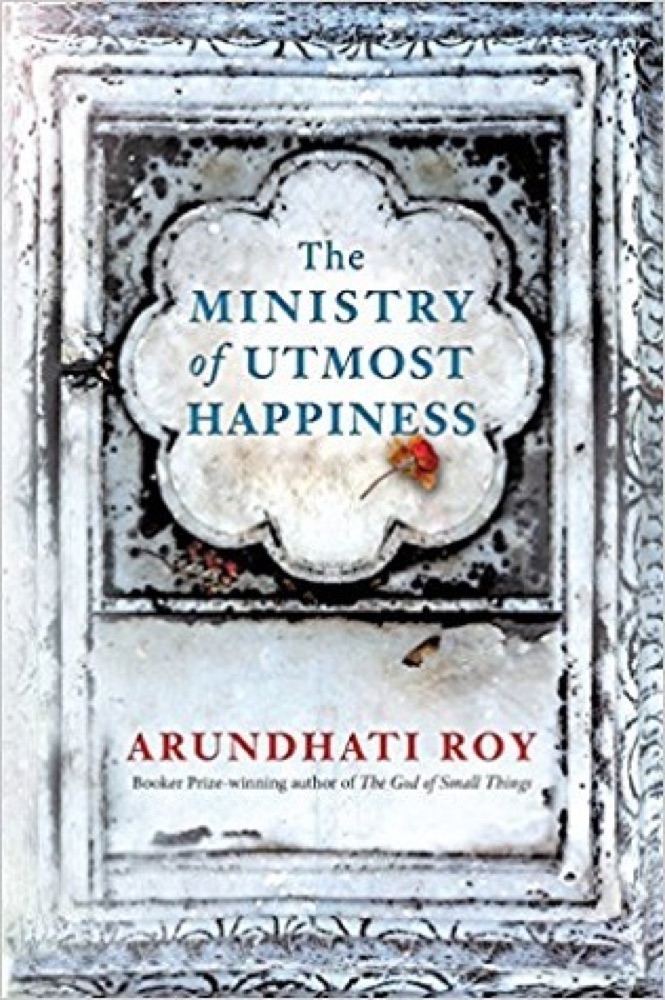 The Ministry of Utmost Happiness
 The Change
 United States of Japan
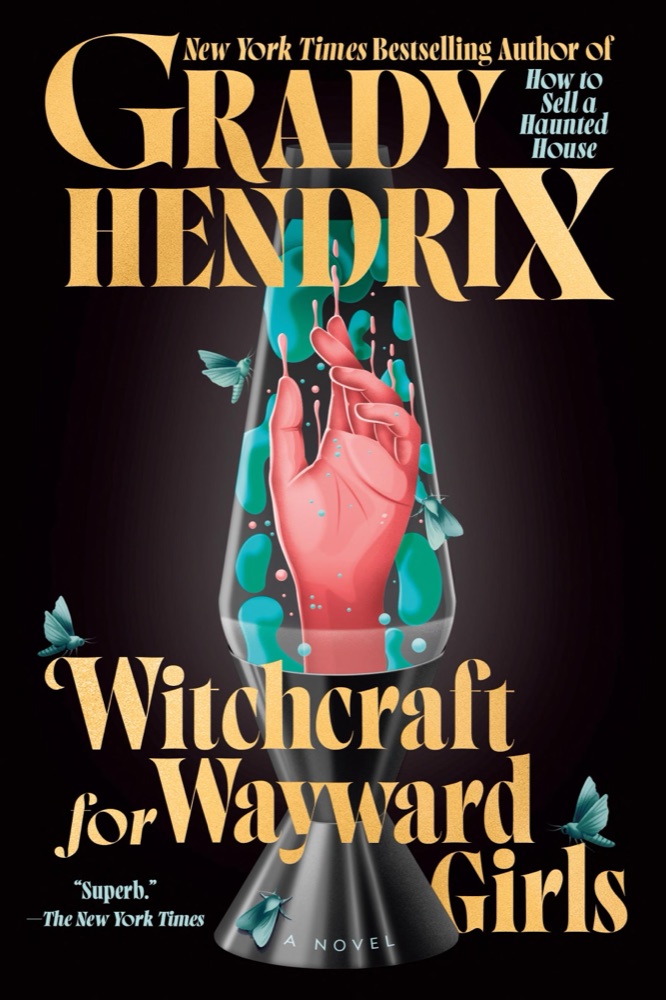 Witchcraft for Wayward Girls
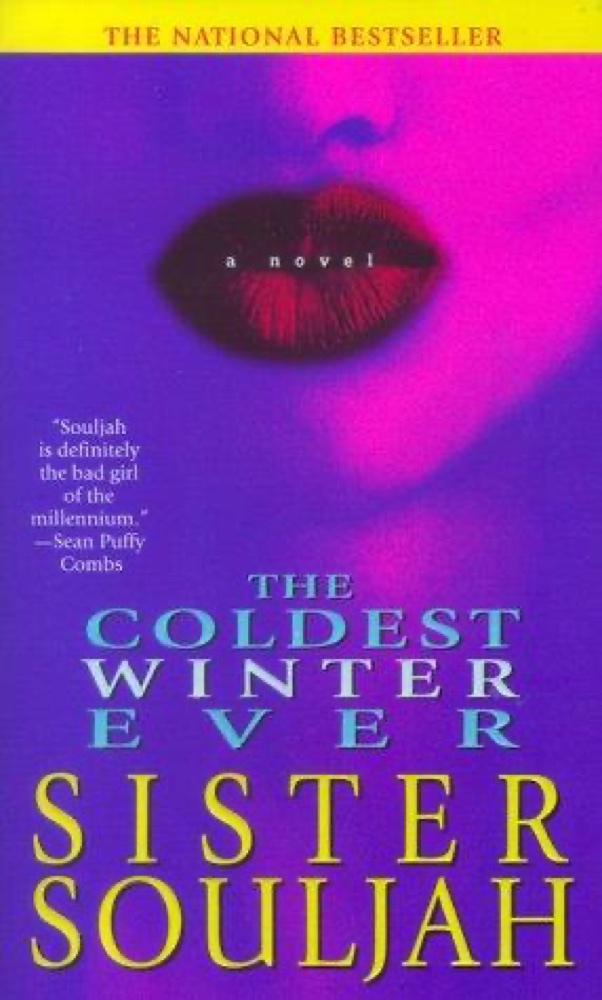 The Coldest Winter Ever
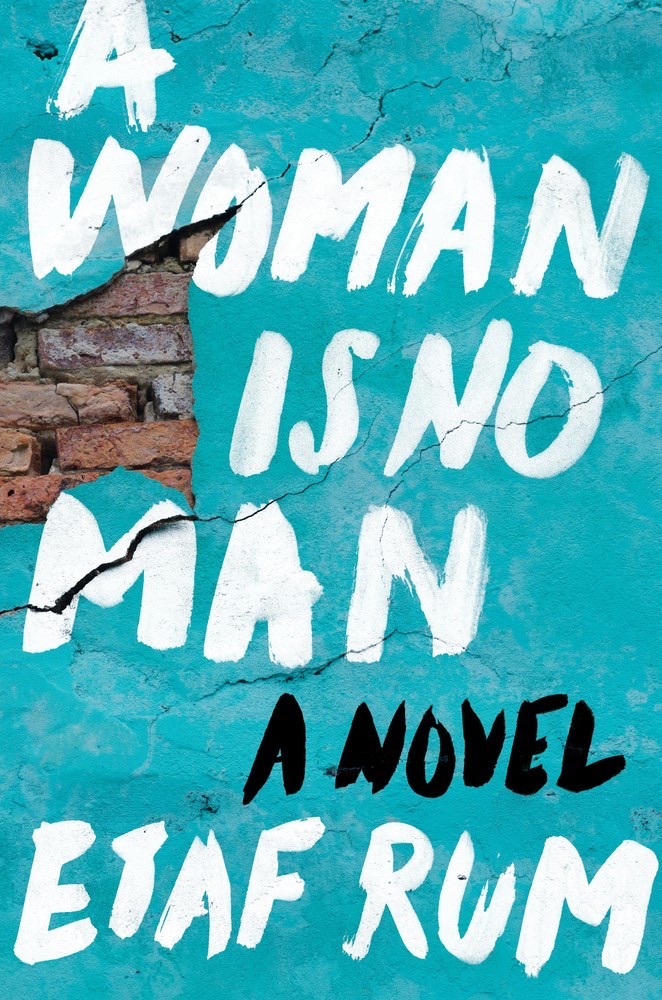 A Woman Is No Man
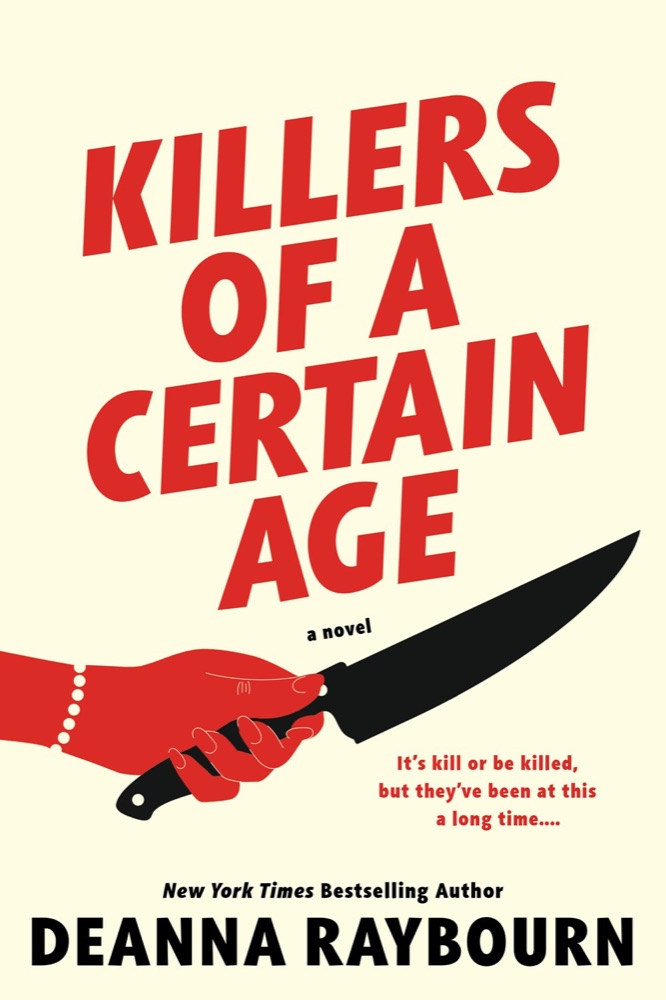 Killers of a Certain Age
 White Teeth
 All My Knotted-Up Life: A Memoir
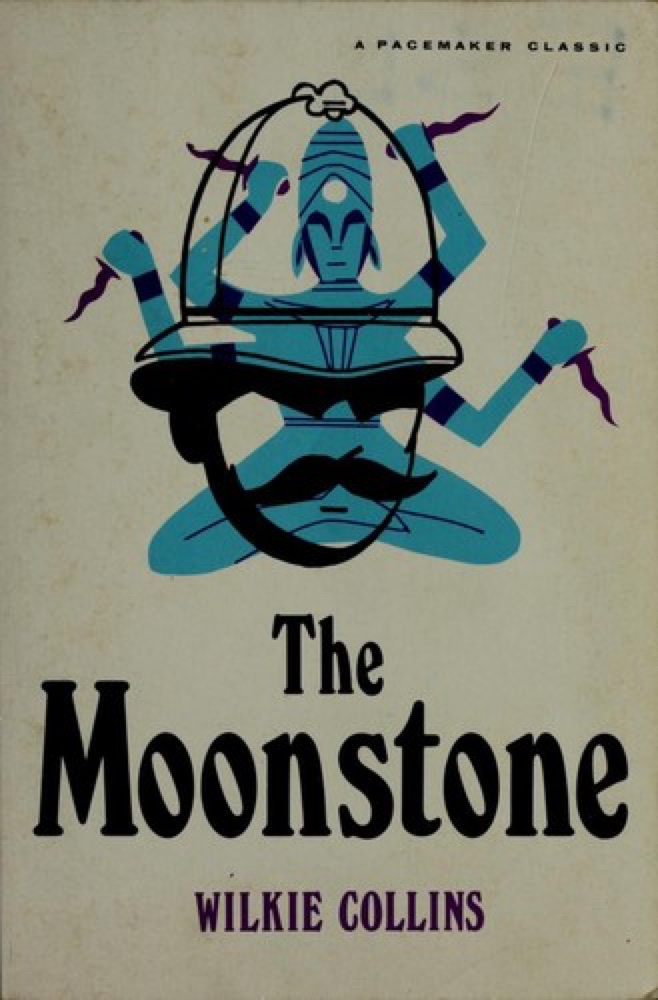 The Moonstone
 Gerald's Game
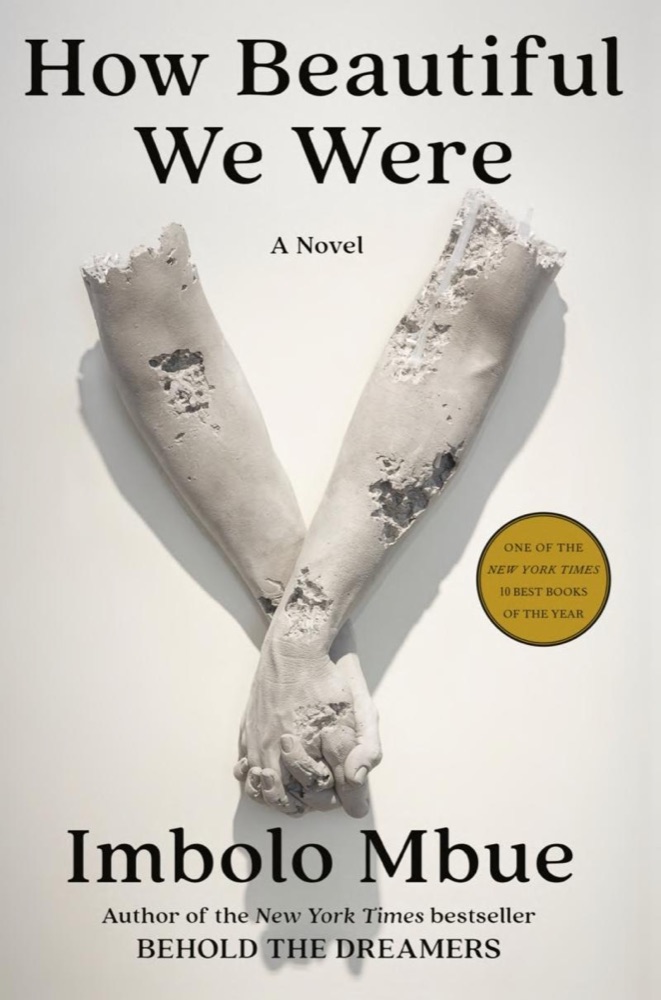 How Beautiful We Were
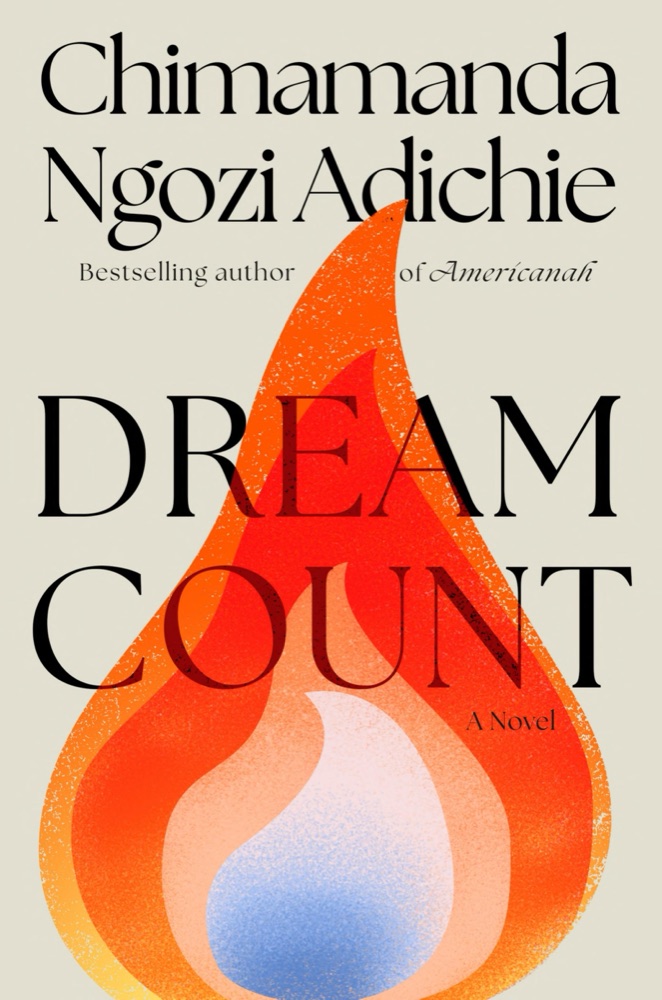 Dream Count
 What Is Not Yours Is Not Yours
 Sister Outsider: Essays and Speeches
 A Mercy
 Disgrace
 The Invasion of the Tearling
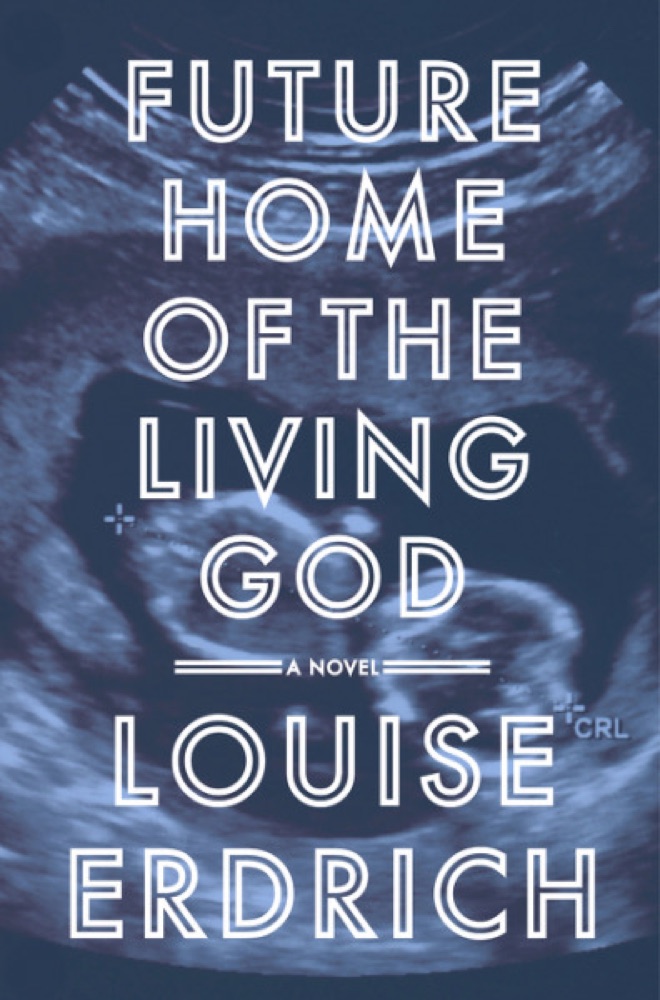 Future Home of the Living God
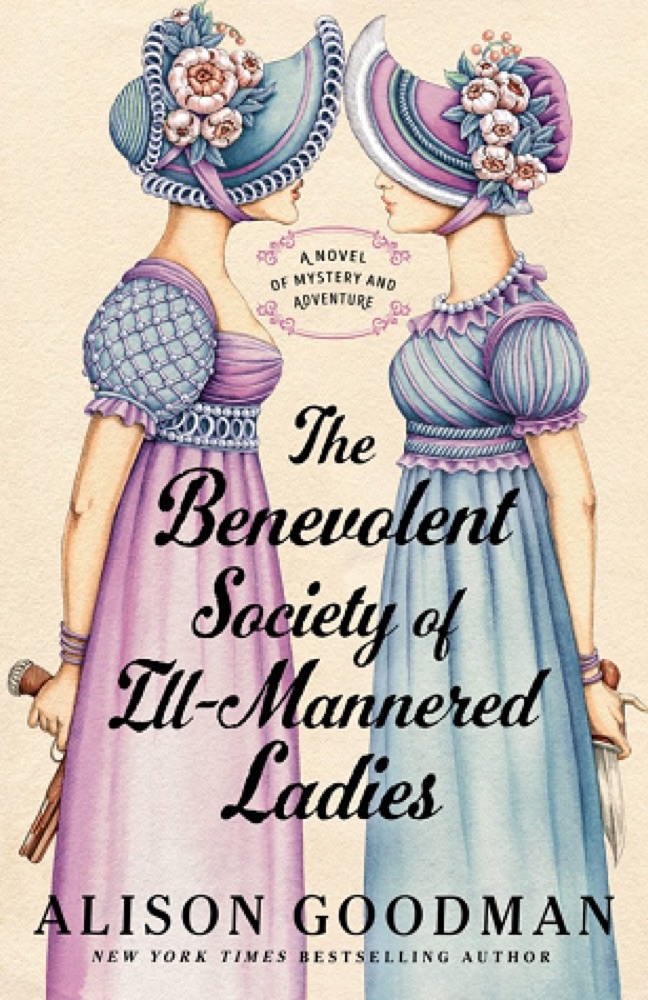 The Benevolent Society of Ill-Mannered Ladies
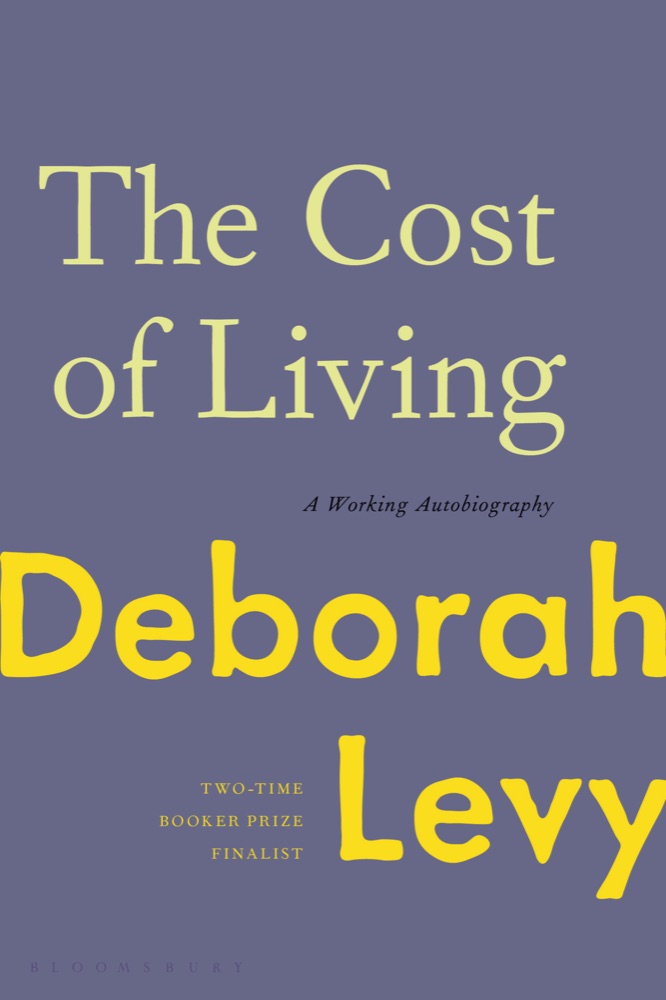 The Cost of Living: A Working Autobiography
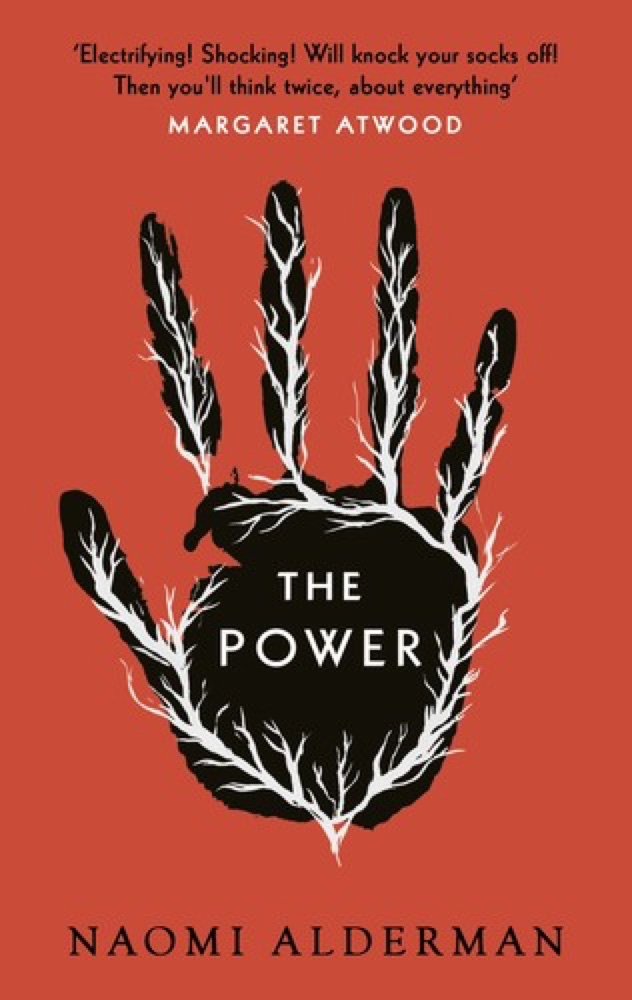 The Power