 The Monkey Wrench Gang
Quotes from the Book
Growth for the sake of growth is the ideology of the cancer cell.
770
My most memorable hikes can be classified as 'Shortcuts that Backfired'.
32
All we have, it seems to me, is the beauty of art and nature and life, and the love which that beauty inspires.
26
I've got a crooked elbow and I generally say my prayers with one leg on a brass rail.
10
I had discovered that I am the kind of person who cannot live comfortably, tolerably, on all-flat terrain. For the sake of inner equilibrium there has to be at least one mountain range on at least one of the four quarters of my horizon-and not more than a day’s walk away.
8
Walking makes the world much bigger and therefore more interesting.
3
Because we need brutality and raw adventure, because men and women first learned to love in, under, and all around trees, because we need for every pair of feet and legs about ten leagues of naked nature, crates to leap from, mountains to measure by, deserts to finally die in when the heart fails.
2
We always used to think it didn’t matter, that when you mined out one area, or farmed it out, or overgrazed it, you could move to new country beyond the hills, keep moving West. But there are no new places to go anymore. The land is full. We have to stay where we are, take care of what we have. There isn’t going to be anything else.
2
Space and scarcity give us dignity. And liberty. And thereby beauty.
2
The Machine may seem omnipotent, but it is not. Human bodies and human wit, active here, there, everywhere, united in purpose, independent in action, can still face that machine and stop it and take it apart and reassemble it-if we wish-on lines entirely new. There is, after all, a better way to live.
1
The earth is not a mechanism but an organism, a being with its own life and its own reasons, where the support and sustenance of the human animal is incidental.
1
One wishes to go on. On this great river one could glide forever-and here we discover the definition of bliss, salvation, Heaven, all the old Mediterranean dreams: a journey from wonder to wonder, drifting through eternity into ever-deeper, always changing grandeur, through beauty continually surpassing itself: the ultimate Homeric voyage.
1
And yet-when all we know about it is said and measured and tabulated, there remains something in the soul of the place, the spirit of the whole, that cannot be fully assimilated by the human imagination.
1
One no longer searches for any ulterior significance in all this; as in the finest music, the meaning is in the music itself, not in anything beyond it. All we have, it seems to me, is the beauty of art and nature and life, and the love which that beauty inspires.
1
I am-really am-an extremist, one who lives and loves by choice far out on the very verge of things, on the edge of the abyss, where this world falls off into the depths of another.
...the only birds I can recognize without hesitation are the turkey vulture, the fried chicken, and the rosey-bottomed skinny-dipper.
Watch on YouTube
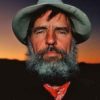
About Edward Abbey
We have collected 75 quotes from 3 books by Edward Abbey on BookQuoters.
More about the author →More by Edward Abbey
The Monkey Wrench Gang
 Desert Solitaire
About the book
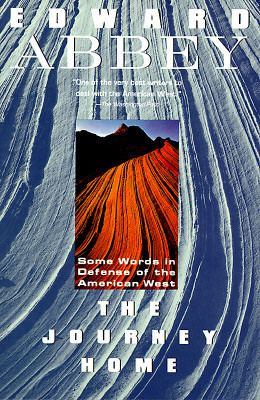
The Journey Home ranges from the surreal cityscapes of Hoboken and Manhattan to the solitary splendor of the deserts and mountains of the Southwest. It is alive with ranchers, dam builders, kissing bugs, and mountain lions. In a voice edged with chagrin, Edward Abbey offers a portrait of the American West that we’ll not soon forget, offering us the observations of a man who left the urban world behind to think about the natural world and the myths buried therein.
Abbey, our foremost “ecological philosopher,” has a voice like no other. He can be wildly funny, ferociously acerbic, and unexpectedly moving as he ardently champions our natural wilderness and castigates those who would ravish it for the perverse pleasure of profit.
Book details
- First published
- 1977
- Author
- Edward Abbey
- Genre
- Nonfiction
- Goodreads rating
- 4.18 (3k ratings)
Keep reading
Desert Solitaire
 Walking
 To The Bright Edge of the World
 Travels with Charley: In Search of America
 Arctic Dreams
 Small Wonder
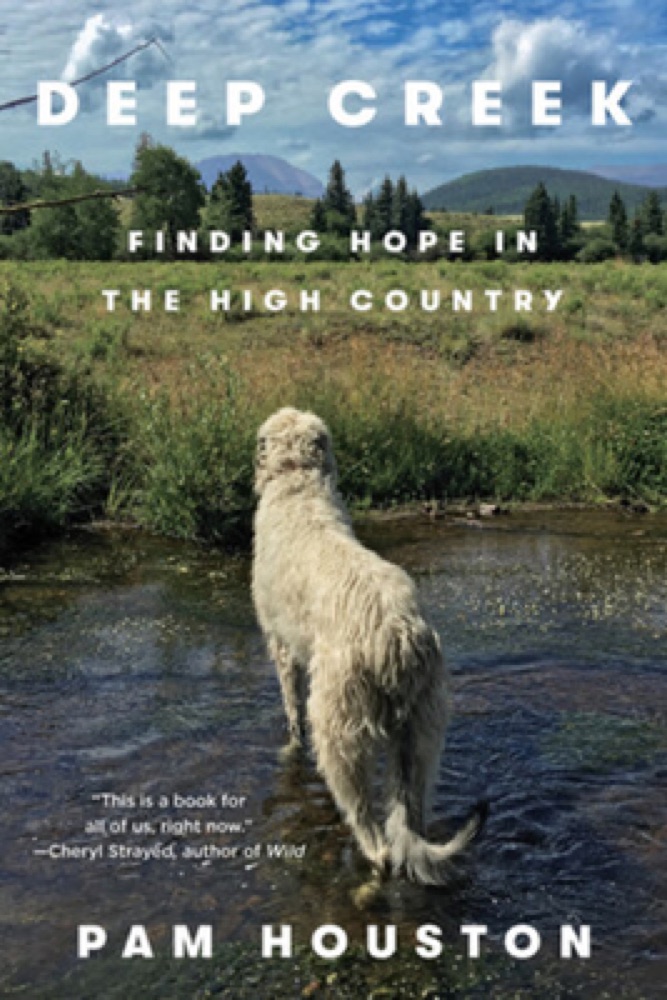 Deep Creek: Finding Hope in the High Country
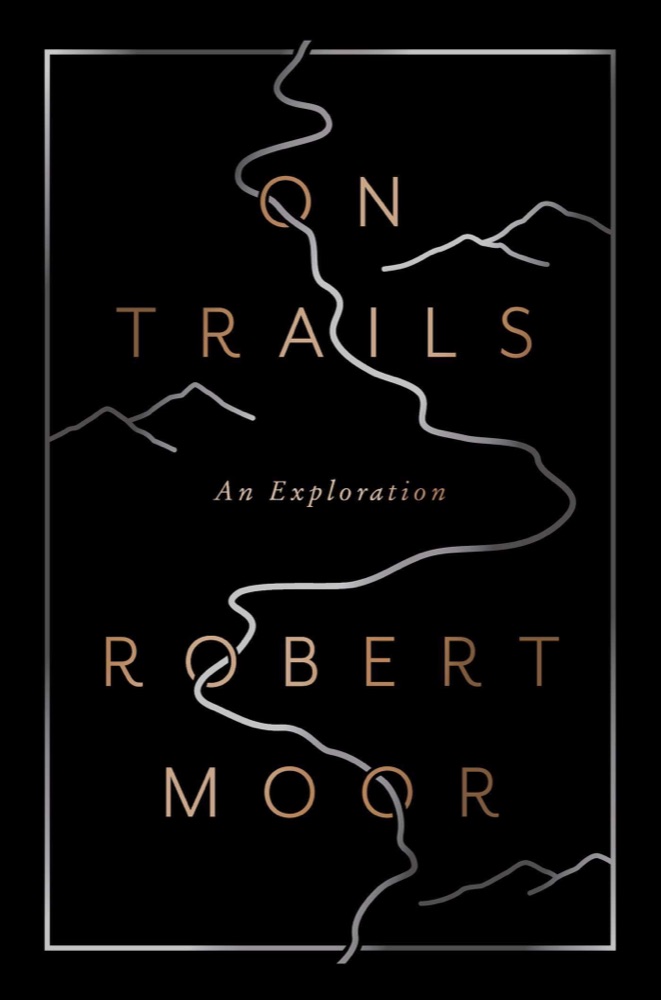 On Trails: An Exploration
 Pilgrim at Tinker Creek
 The World-Ending Fire: The Essential Wendell Berry
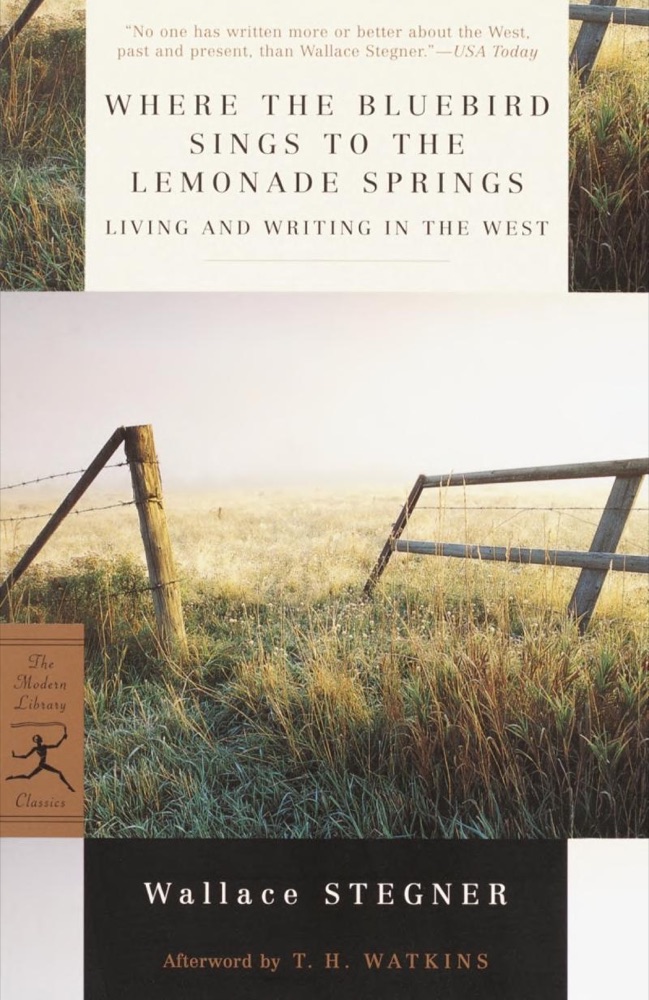 Where the Bluebird Sings to the Lemonade Springs: Living and Writing in the West
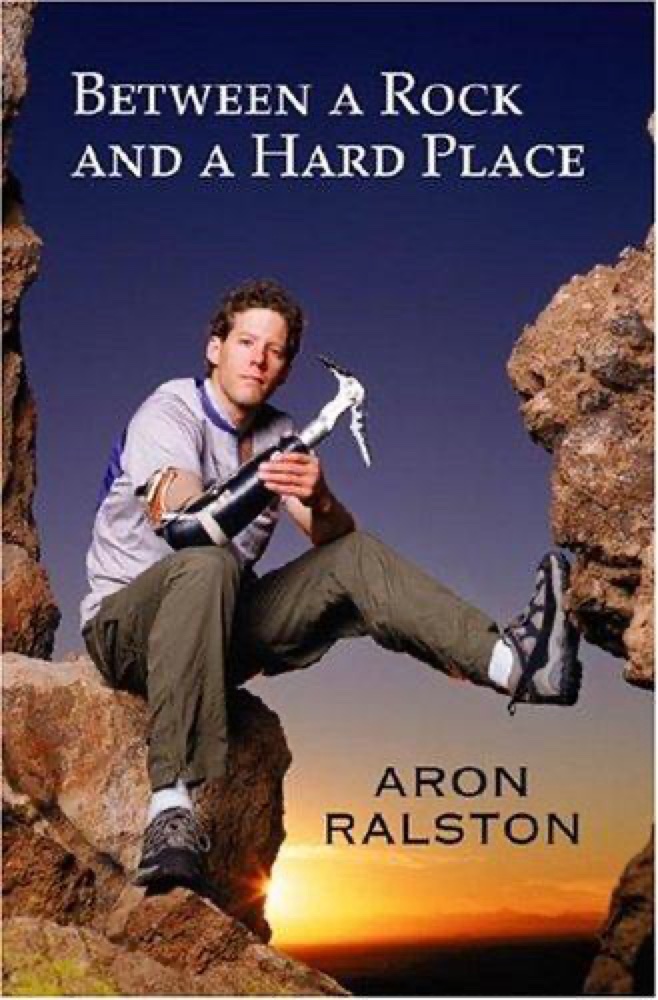 Between a Rock and a Hard Place
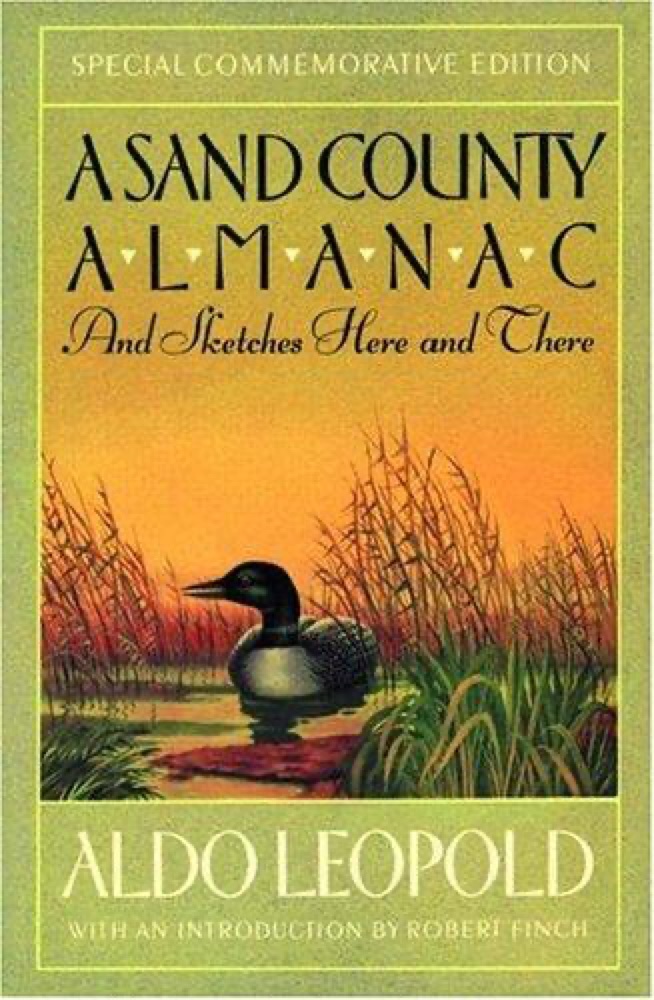 A Sand County Almanac and Sketches Here and There
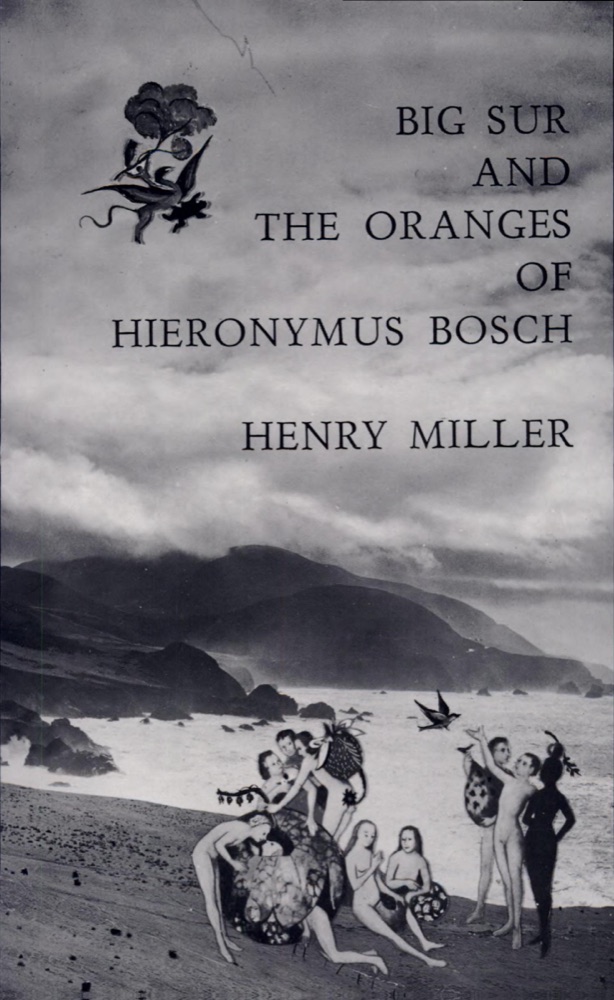 Big Sur and the Oranges of Hieronymus Bosch
 West with the Night
 Flights
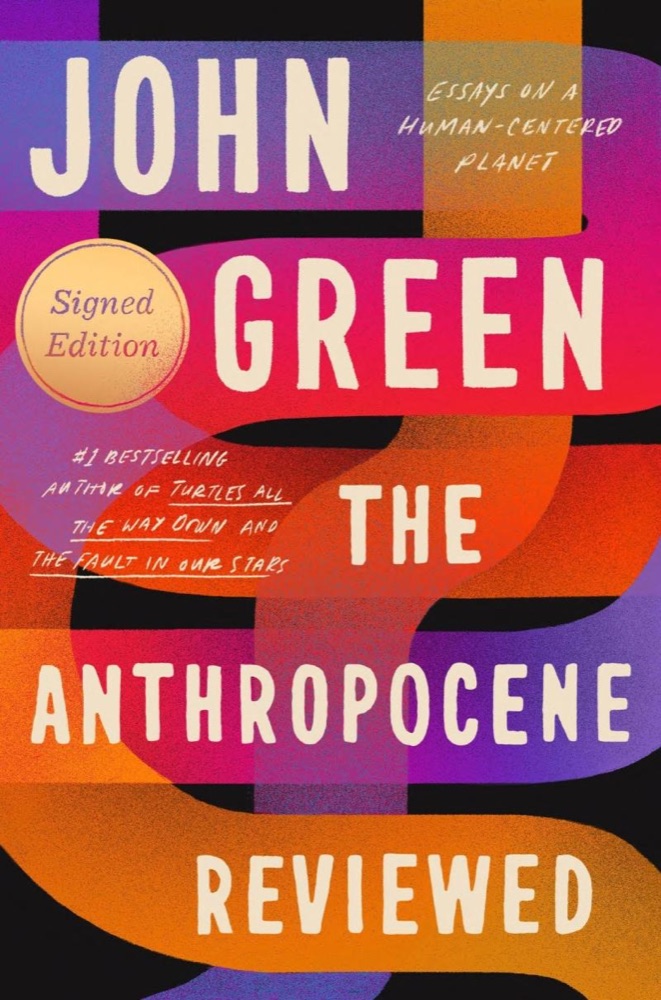 The Anthropocene Reviewed: Essays on a Human-Centered Planet
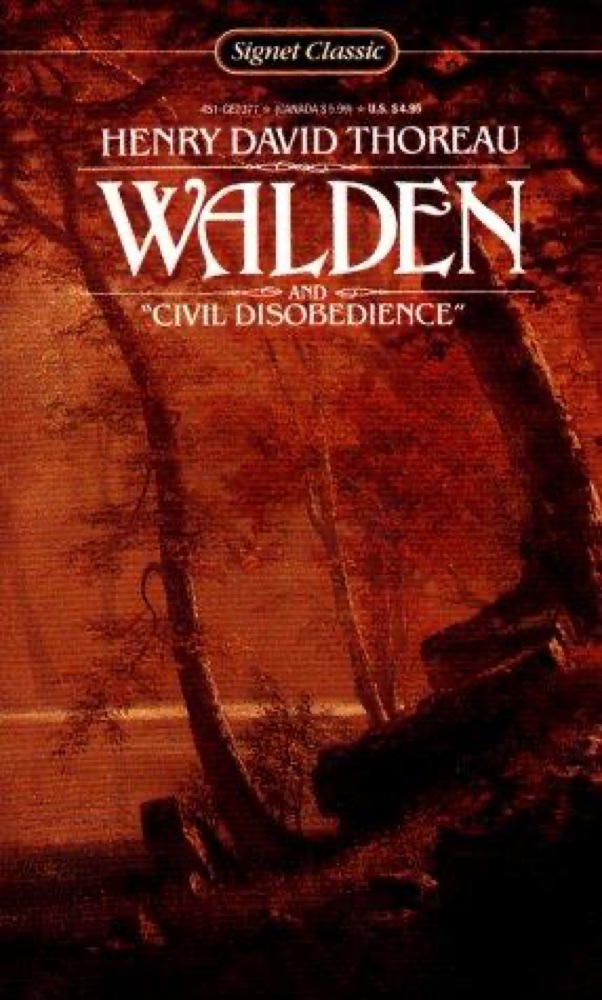 Walden & Civil Disobedience
 Winter Hours: Prose, Prose Poems, and Poems
 O Pioneers!
 The Abundance
 Migrations
 Walden
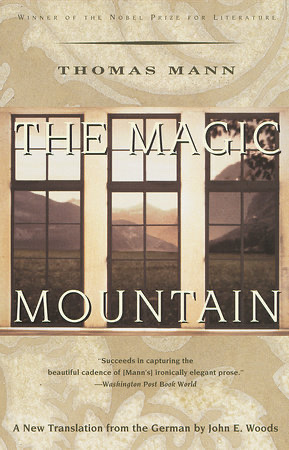 The Magic Mountain
 Nature and Selected Essays
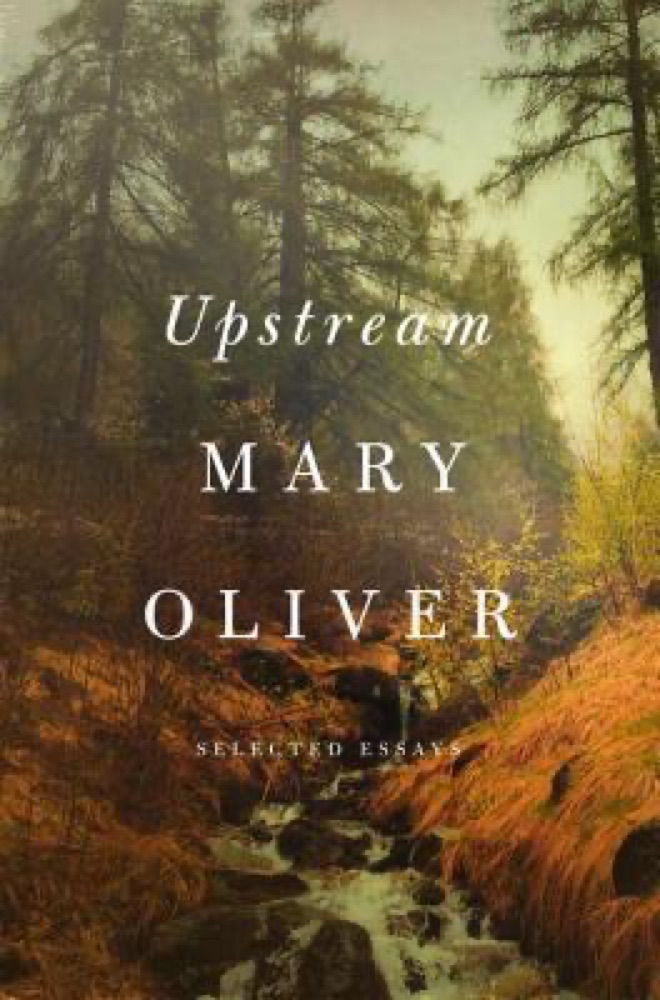 Upstream: Selected Essays
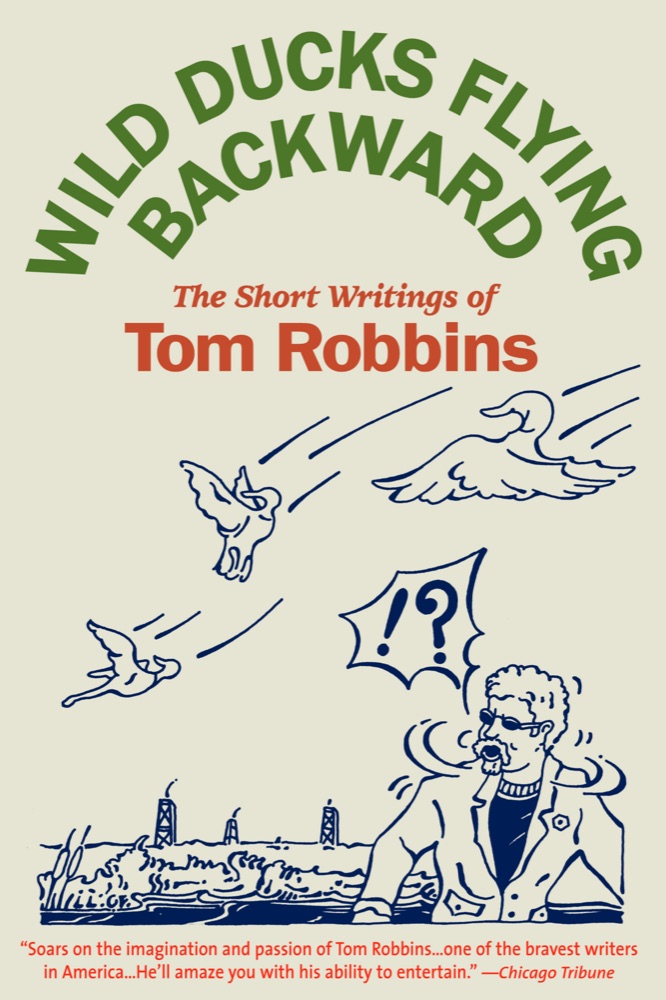 Wild Ducks Flying Backward
 A Book of Simple Living
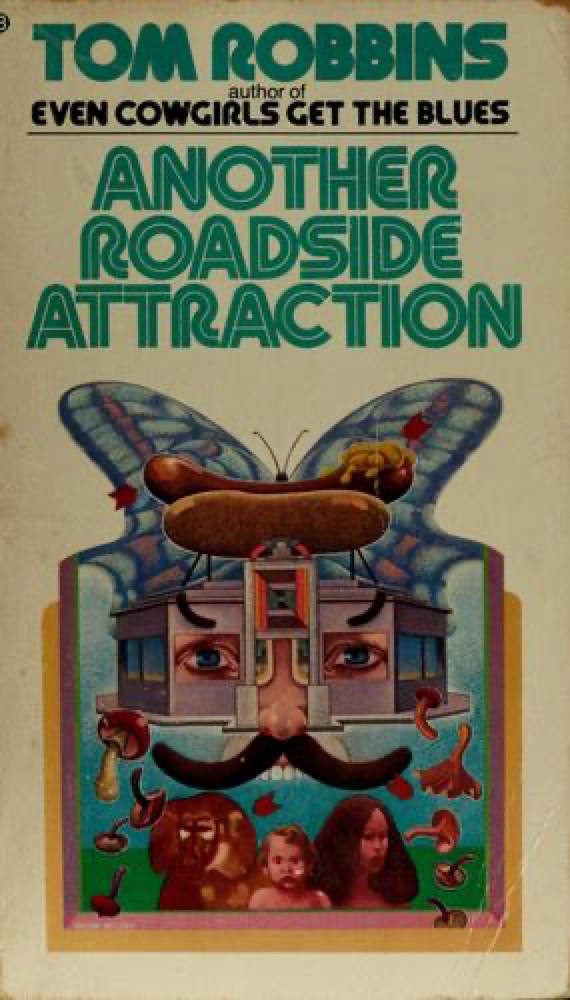 Another Roadside Attraction
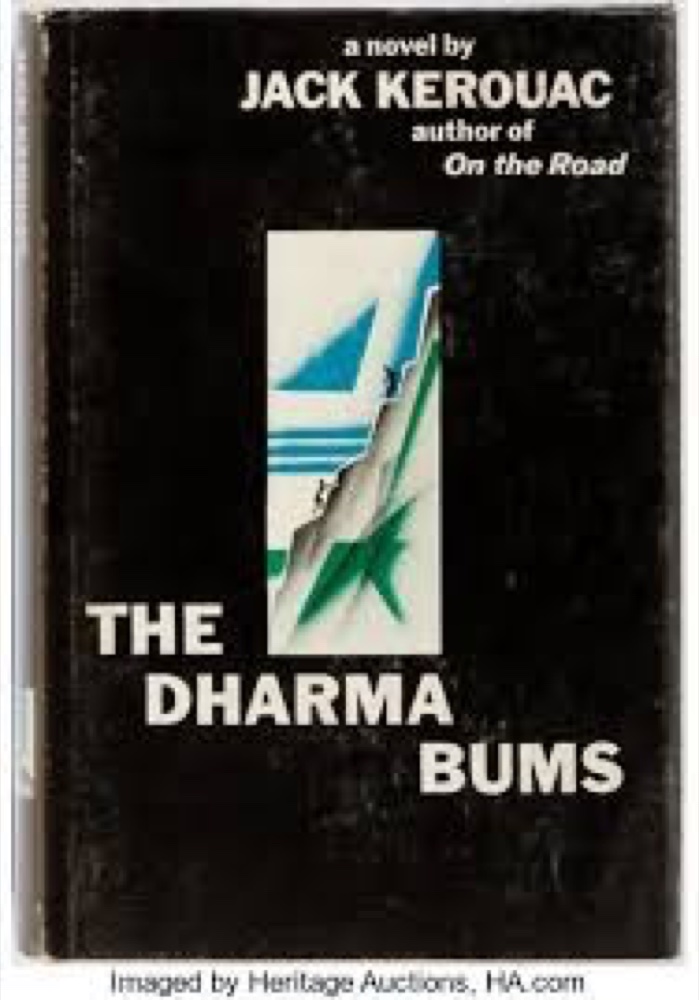 The Dharma Bums
 The Snow Leopard
 The Angel Esmeralda
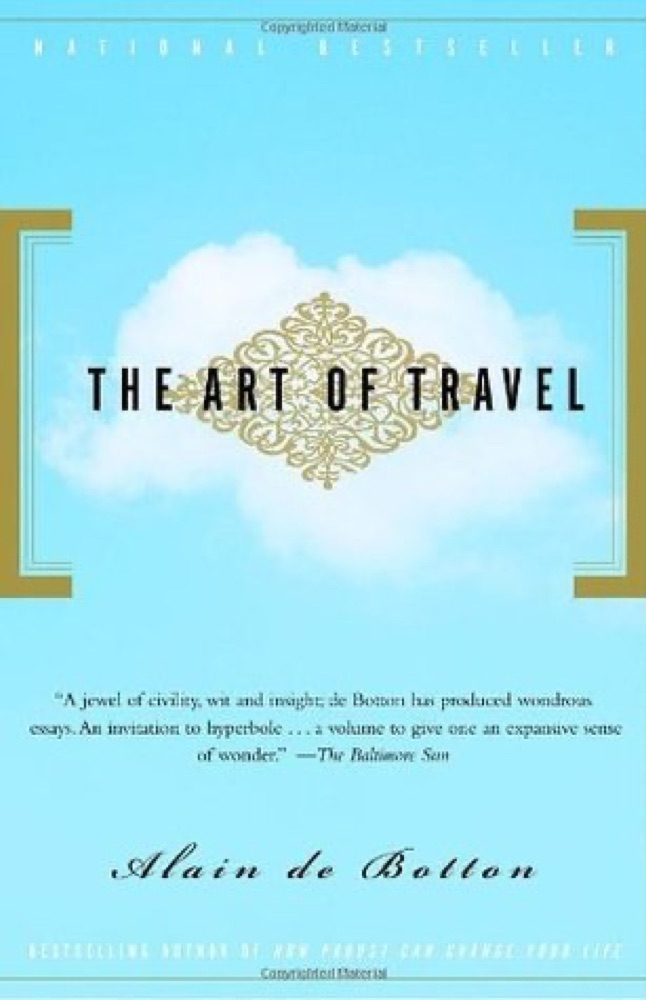 The Art of Travel
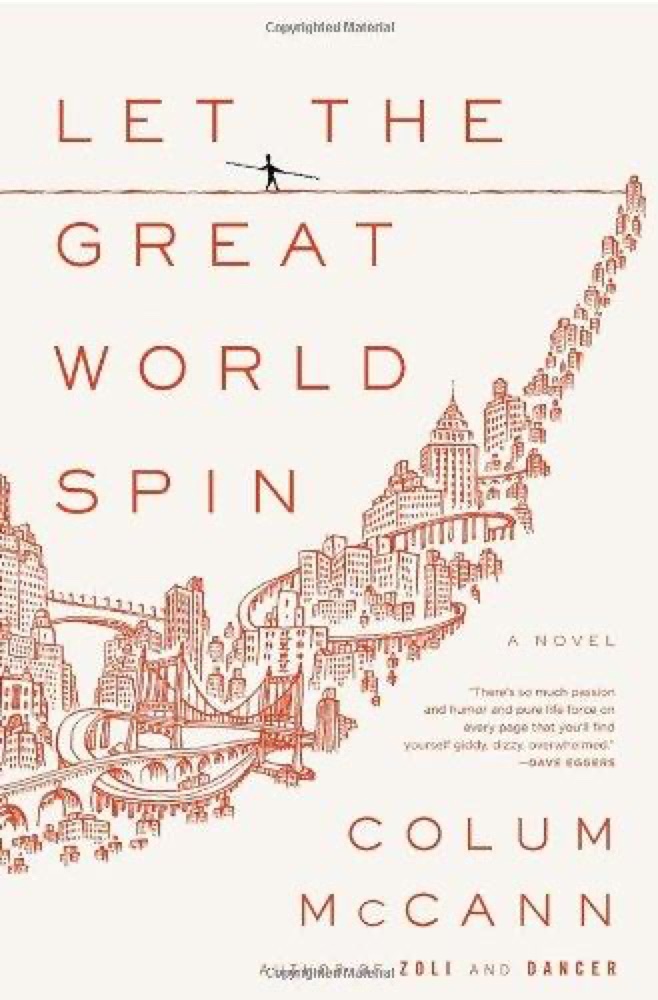 Let the Great World Spin
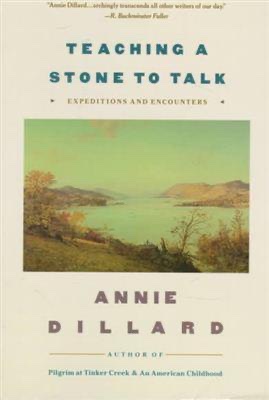 Teaching a Stone to Talk: Expeditions and Encounters
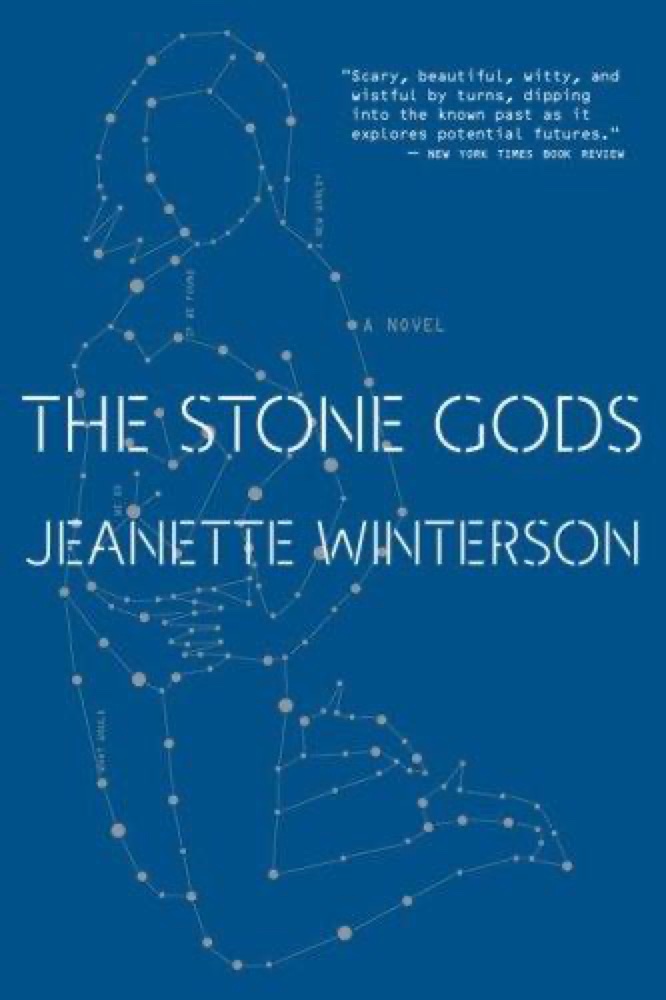 The Stone Gods
 The Hour of Land: A Personal Topography of America's National Parks
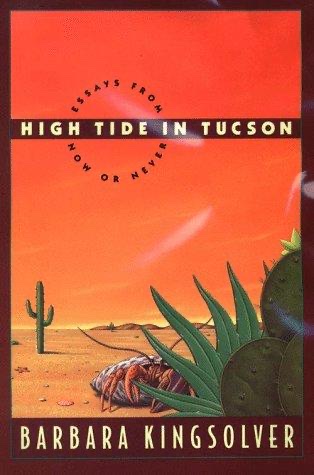 High Tide in Tucson
 The Sea, the Sea
 The Solace of Open Spaces
 Wind, Sand and Stars
 The Outermost House: A Year of Life on the Great Beach of Cape Cod
 The Ground Beneath Her Feet
 Autumn
 Out of Africa
 The Gone-Away World
 In Search of Lost Time
 Humboldt's Gift
 H is for Hawk
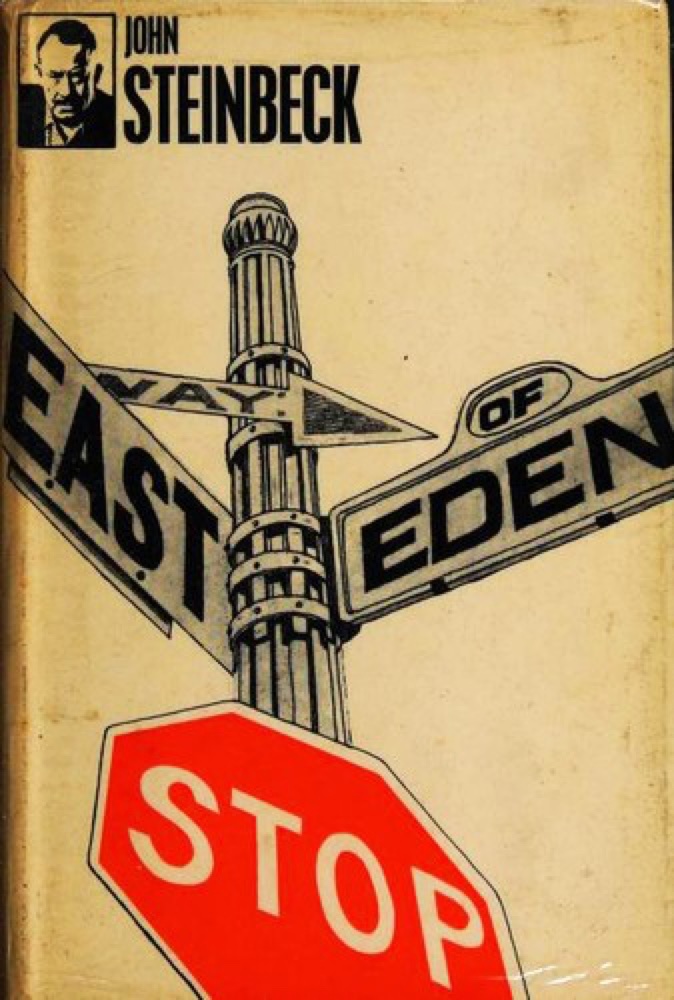 East of Eden
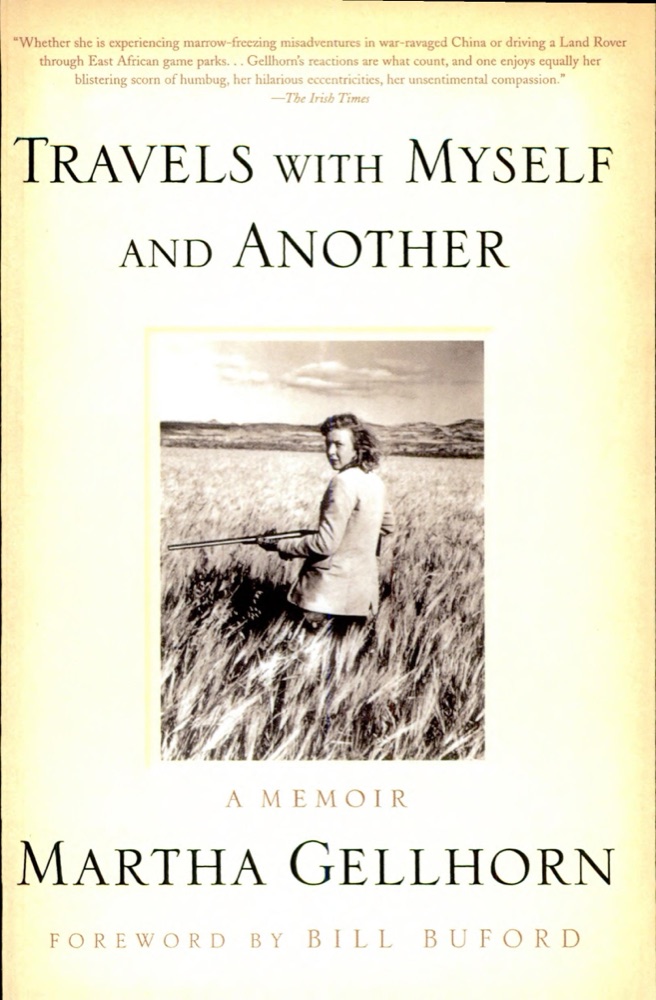 Travels with Myself and Another
 Selected Stories
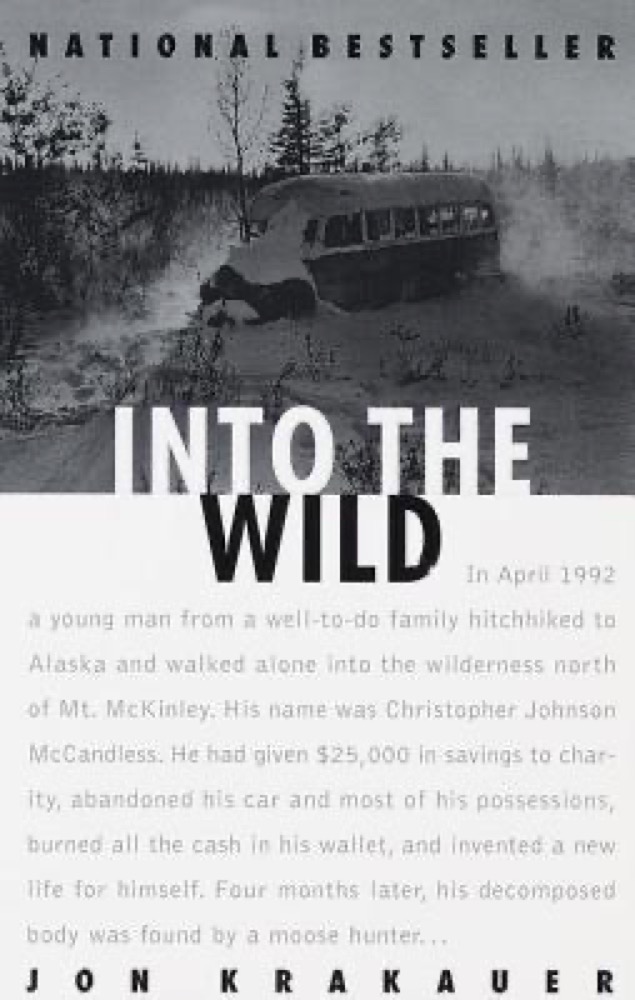 Into the Wild
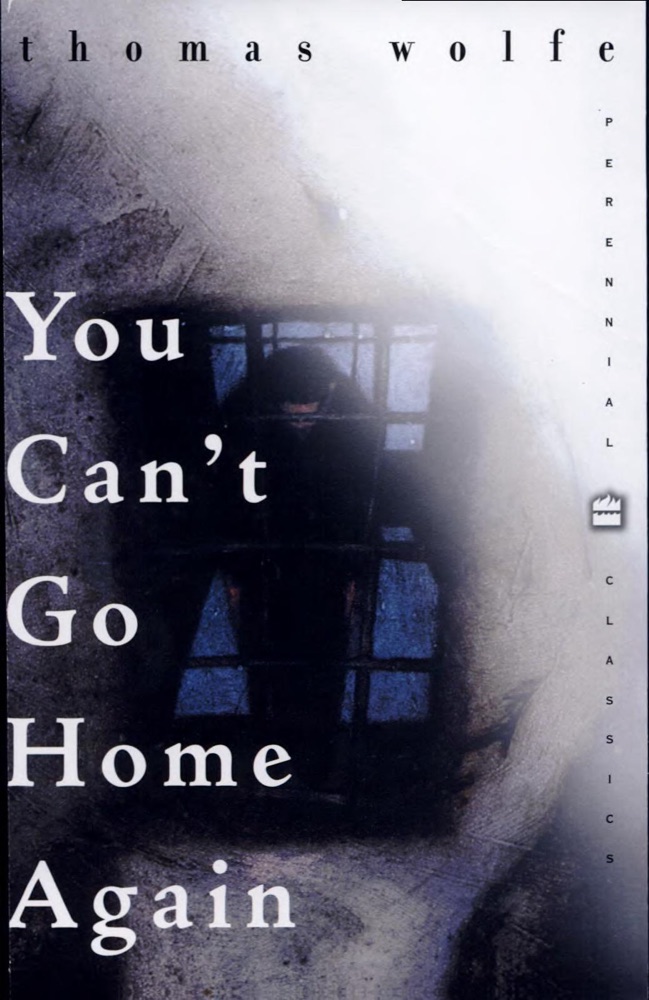 You Can't Go Home Again
 Sexing the Cherry
 Why Fish Don’t Exist: A Story of Loss, Love, and the Hidden Order of Life
 Out of Oz
 The Plover
 Swann's Way
 The Fifth Science