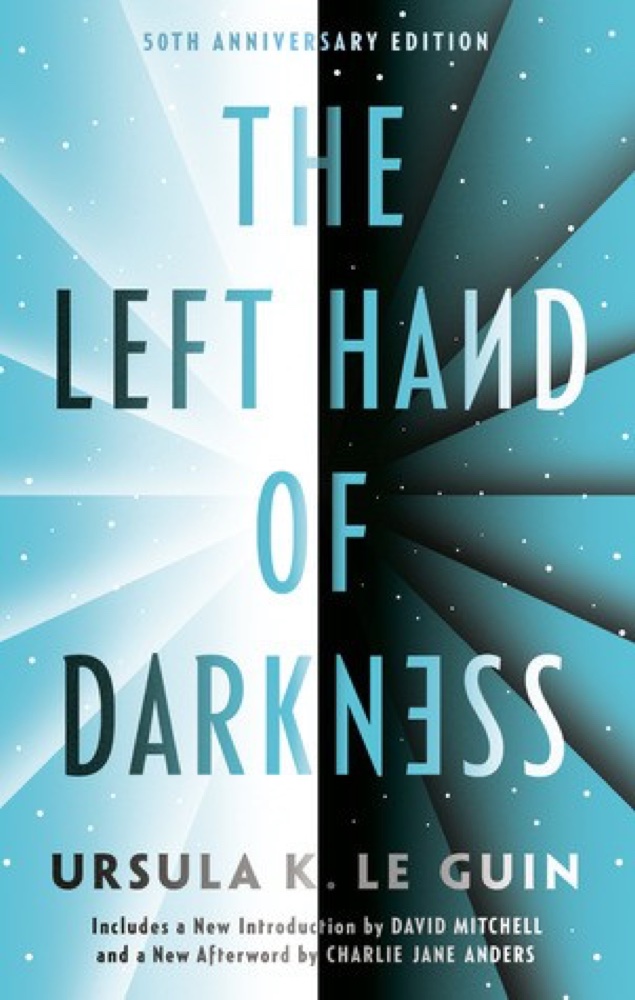
 The Left Hand of Darkness
Quotes from the Book
When I take you to the Valley, you’ll see the blue hills on the left and the blue hills on the right, the rainbow and the vineyards under the rainbow late in the rainy season, and maybe you’ll say, “There it is, that’s it!” But I’ll say. “A little farther.” We’ll go on, I hope, and you’ll see the roofs of the little towns and the hillsides yellow with wild oats, a buzzard soaring and a woman singing by the shadows of a creek in the dry season, and maybe you’ll say, “Let’s stop here, this is it!” But I’ll say, “A little farther yet.” We’ll go on, and you’ll hear the quail calling on the mountain by the springs of the river, and looking back you’ll see the river running downward through the wild hills behind, below, and you’ll say, “Isn’t that the Valley?” And all I will be able to say is “Drink this water of the spring, rest here awhile, we have a long way yet to go and I can’t go without you.
290
When mind uses itself without the hands it runs the circle and may go too fast.... The hand that shapes the mind into clay or written word slows thought to the gait of things and lets it be subject to accident and time. Purity is on the edge of evil, they say.
15
Owning is owing, having is hoarding.
14
...There's no right answer to the wrong question. Now what do we do?
13
Our souls are old, often used before. The knife outlasts the hand that holds it.
12
In a State, even a democracy, where power is hierarchic, how can you prevent the storage of information from becoming yet another source of power to the powerful—another piston in the great machine?
6
What was and what may be lie, like children whose faces we cannot see, in the arms of silence. All we have is here, now.
5
Bucket I feel so dreamy dreamy lazy, crazy sleepy like I want to be there in the doorway, the doorway or the porch corner be sitting, be empty notdoing not going an old bucket left there in the porch corner is like I am an old empty bucket somebody left there.
5
With ceremony, with forms of politeness and reassurance, they borrowed the waters of the River and its little confluents to drink and be clean and irrigate with, using water mindfully, carefully. They lived in a land that answers greed with drought and death. A difficult land: aloof yet sensitive.
4
They had no god; they had no gods; they had no faith. What they appear to have had is a working metaphor.
3
Need every word be translated? Sometimes the untranslated word might serve to remind us that language is not meaning, that intelligibility is an element of it only, a function. The untranslated word or name is not functional. It sits there. Written, it is a row of letters, which spoken with a more or less wild guess at the pronunciation produces a complex of phonemes, a more or less musical and interesting sound, a noise, a thing. The untranslated word is like a rock, a piece of wood. Its use, its meaning, is not rational, definite, and limited, but concrete, potential, and infinite. To start with, all the words we say are untranslated words.
3
To the Bullock Roseroot What's the thought you think all your life long? It must be a great one, a solemn one, to make you gaze through the world at it, all your life long. When you have to look aside from it your eyes roll, you bellow in anger, anxious to return to it, steadily to gaze at it, think it all your life long.
3
Ethical counsel from the Under White Mountain people, far down the eastern coast of the Inland Sea, was not very well received. They advised: ‘Do not fight these sick people, cure them with human behavior,’ to which Rekwit responded tersely, ‘You come up north here and do that.
3
Blue clay, red clay, what does it matter!” he said. “Any fool can dig black mud!” My mother sat spinning awhile and said at last, “That’s crazy talk.” She laughed again. “If any fool can, why can’t you, my dear?
2
CÁNTICO DE INICIACIÓN DE LA LOGIA DE LOS BUSCADORES Trae, por favor, cosas extrañas. Vuelve, por favor, con cosas nuevas. Deja que lleguen a tus manos cosas muy antiguas. Deja que llegue a tus ojos lo que no conoces. Deja que la arena del desierto endurezca tus pies. Deja que el arco de tu pie sea las montañas. Deja que los surcos de las yemas de tus dedos sean los mapas y que los caminos que recorres sean las líneas de la palma de tus manos. Deja que entre nieve profunda al inspirar y que tu aliento sea el fulgor del hielo. Que tu boca contenga las formas de extrañas palabras. Que tu olfato huela comidas que nunca has probado. Que el manantial de un río extraño sea tu ombligo. Que tu alma esté cómoda donde no hay casas. Camina con cuidado, bienamado, camina alerta, bienamado, camina con valentía, bienamado. Vuelve con nosotros, vuelve a nosotros, sigue el eterno regreso a casa.
2
This thing is nothing to do with us. This thing is wilderness. The civilised human mind's relationship to it is imprecise, fortuitous and full of risk. There are no shortcuts. All the analogies run in one direction, our direction...The mind can imagine that shadow of a few leaves falling in the wilderness; the mind is a wonderful thing. But what about all the shadows of all the other leaves on all the other branches on all the other scrub oaks on all the other rides of all the wilderness? Could you imagine those for even a moment? What good would it do? Infinite good.
2
A New Year's Blessing Please bring strange things. Please come bringing new things. Let very old things come into your hands. Let what you do not know come into your eyes. Let desert sand harden your feet. Let the arch of your feet be the mountains. Let the paths of your fingertips be your maps and the ways you go be the lines on your palms. Let there be deep snow in your inbreathing and your outbreath be the shining of ice. May your mouth contain the shapes of strange words. May you smell food cooking you have not eaten. May the spring of a foreign river be your navel. May your soul be at home where there are no houses. Walk carefully, well loved one, walk mindfully, well loved one, walk fearlessly, well loved one. Return with us, return to us, be always coming home.
1
Most animals stayed in the wilderness with Coyote. Not the ants, though. They wanted to make war with the humans, and they did, and they’re still at it.
1
This is a mere dream dreamed in a bad time, an Up Yours to the people who ride snowmobiles, make nuclear weapons, and run prison camps by a middle-aged housewife, a critique of civilisation possible only to the civilised, an affirmation pretending to be a rejection, a glass of milk for the soul ulcered by acid rain, a piece of pacifist jeanjacquerie, and a cannibal dance among the savages in the ungodly garden of the farthest West
1
When the artist an the audience are together, collaboration on the work becomes mundane and actual; the work shapes itself in the speaker's voice and the listeners' response together. This powerful relationship can be, and in politics frequently is, abused: the speaker may appropriate the power to himself, dominating and exploiting the audience. When the power of the relationship is used not abused, when the trust is mutual, as when a parent tells a bedtime story or a teacher shares the treasures of the intellect or a poet speaks both to and for the listeners, real community is achieved; the occasion is scared.
1
Keeping grows; giving flows.' Giving involves a good deal of discrimination; as a business it requires a more disciplined intelligence that keeping, perhaps...Books are mortal. They die. A book is an act; it takes place in time, not just in space. It is not information, but relation.
1
This Stone He went looking for a road that doesn't lead to death. He went looking for that road and found it. It was a stone road. He walked that road that doesn't lead to death. He walked on it awhile before he stopped, having turned to stone. Now he stands there on that road that doesn't lead to death not going anywhere. He can't dance. from his eyes stones fall. The rainbow people pass him crossing that road, long-legged, light-stepping, going from the Four Houses to the dancing in the Five Houses. They pick up his tears. This stone is a tear from his eye, this stone given me on the mountain by one who died before my birth, this stone, this stone.
1
the people of the Valley took the City of Mind for granted as a “natural thing,” as we would say, the City itself seemed to recognise its ancient origins in human artifacts by the TOK word for the human species and its members, which translates as “makers.” And the City’s maintenance of the Exchanges for human use seems to show that it recognised humankind as related to itself by the capacity for mentation, language, and mathematics: a primitive ancestor, or divergent and retarded kindred, left far behind in the March of Mind.
Well, now, where's the fire? Officer, my wife is having a baby in the back seat! Now, now, none of that now. No hurry. Take your time. Here, take it please. I give it to you, it's yours.
Who controls the storage and retrieval [of information]? To what extent is the material there for anyone who wants and needs it, and to what extent is it 'there' only for those who have the information that it is there, the education to obtain that information, and the power to get that education? How many people in your society are literate? How many are computer-competent? How many of them have the competence to use libraries and electronic information storage systems? How much real information is available to ordinary, non-government, nonmilitary, nonspecialist, nonrich people? What does 'classified' mean? What do shredders shred? What does money buy? In a state, even a democracy, where power is hierarchic, how can you prevent the storage of information from becoming yet another source of power to the powerful—another piston in the great machine?
I am coherent, mysterious, and solid. I sit on dirt in sunlight between the live oaks. Once I was a sun, again I will be dark. Now I am between those great things for a while along with other people, here in the Valley.
The difficulty of translation from a language that doesn’t yet exist is considerable, but there’s no need to exaggerate it.
I found at last the town I had been hunting for. After digging in several wrong places for over a year and persisting in several blockheaded opinions - that it must be walled, with one gate, for instance - I was studying yet once more the contours of my map of the region, when it dawned as slowly and certainly as the sun itself upon me that the town was there, between the creeks, under my feet the whole time. And there was never a wall; what on earth did they need a wall for? What I had taken for the gate was the bridge across the meeting of the creeks. And the sacred buildings and the dancing place not in the center of town, for the center is the Hinge, but over in their own arm of the double spiral, the right arm, of course - there in the pasture below the barn. And so it is, and so it is.
No god no king no One no thing that comes one at a time no dupli repli multi identiplication prolifer proliferation same after same so no city. Sorry.
Watch on YouTube
About Ursula K. Le Guin
We have collected 635 quotes from 30 books by Ursula K. Le Guin on BookQuoters.
More about the author →More by Ursula K. Le Guin
The Left Hand of Darkness
 A Wizard of Earthsea
 The Ones Who Walk Away from Omelas
 The Tombs of Atuan
About the book
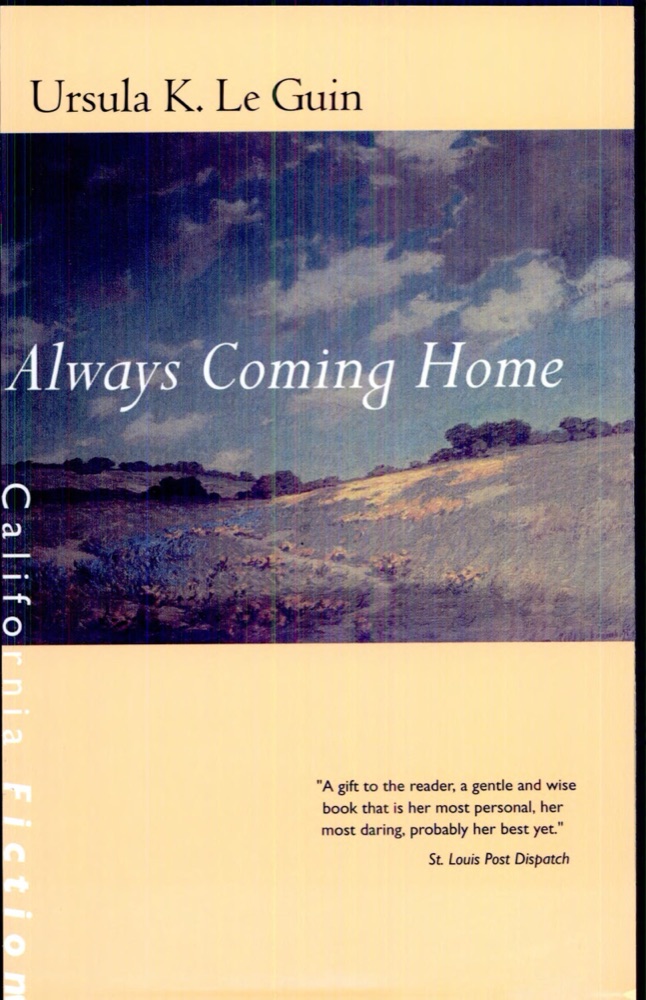
Ursula K. Le Guin's Always Coming Home is a major work of the imagination from one of America's most respected writers. More than five years in creation, it is a novel unlike any other.
A rich and complex interweaving of story and fable, poem, artwork, and music, it totally immerses the reader in the culture of the Kesh, a peaceful people of the far future who inhabit a place called the Valley on the Northern Pacific Coast. The author makes the inhabitants of the valley as familiar, as immediate, as wholly human as our own friends or family.
Spiraling outward from the dramatic life story of a woman called Stone Telling, Le Guin's Always Coming Home interweaves wry wit, deep insight and extraordinary compassion into a compelling unity of vision.
Book details
- First published
- 1985
- Author
- Ursula K. Le Guin
- Genre
- Fiction
- Goodreads rating
- 4.07 (5k ratings)
Keep reading
 The Stone Gods
 Plainwater: Essays and Poetry
 The Telling
 The Abundance
 Drive Your Plow Over the Bones of the Dead
 Teaching a Stone to Talk: Expeditions and Encounters
 The Western Lands
 The Gone-Away World
 The Book of Form and Emptiness
 You Can't Go Home Again
The Left Hand of Darkness
You Can't Go Home Again
The Left Hand of Darkness
 The Etched City
 West with the Night
 Skinny Legs and All
 The Night Watchman
 A Language Older Than Words
 The Future
 Arctic Dreams
 Sometimes a Great Notion
 Memories of Ice
 American Gods
 The Names
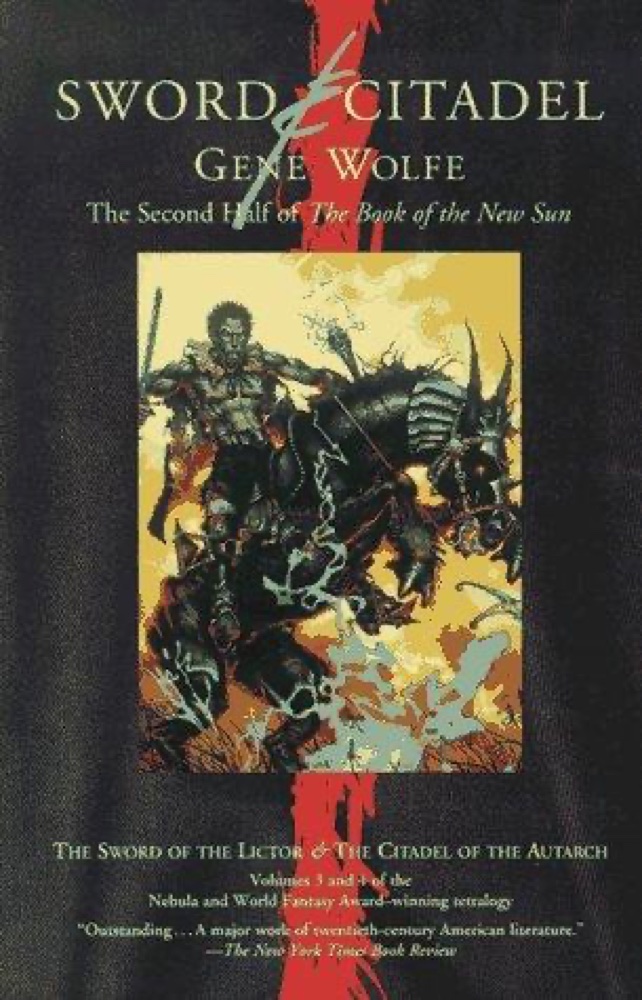 Sword & Citadel
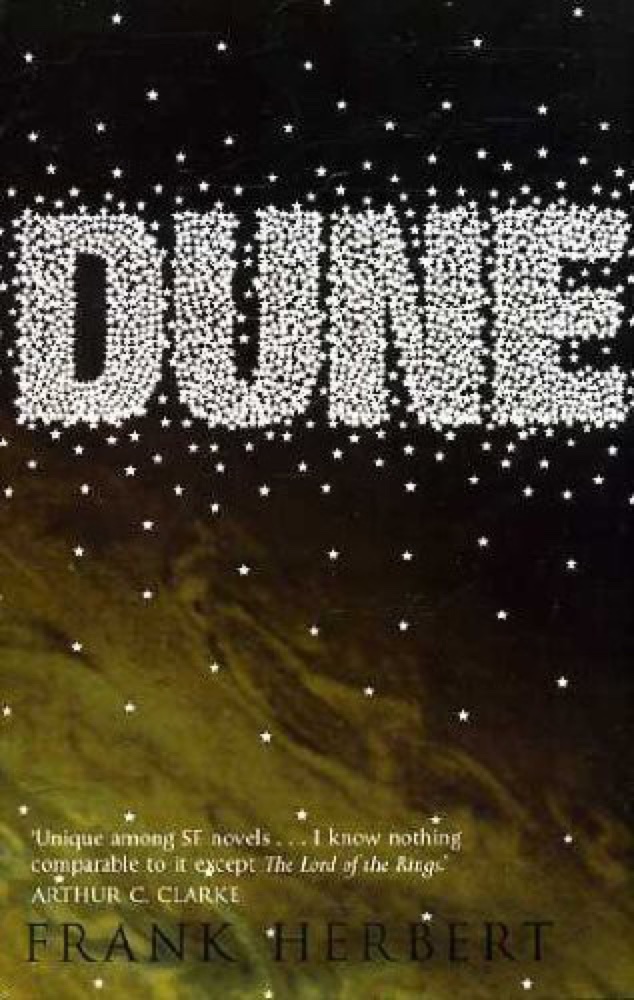 Dune
Dune
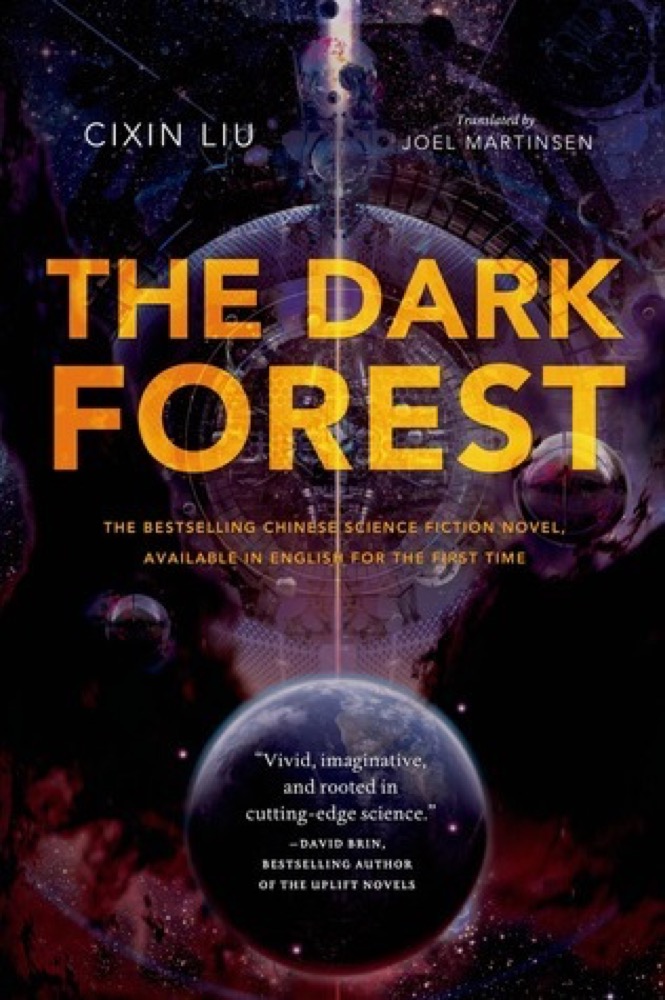 The Dark Forest
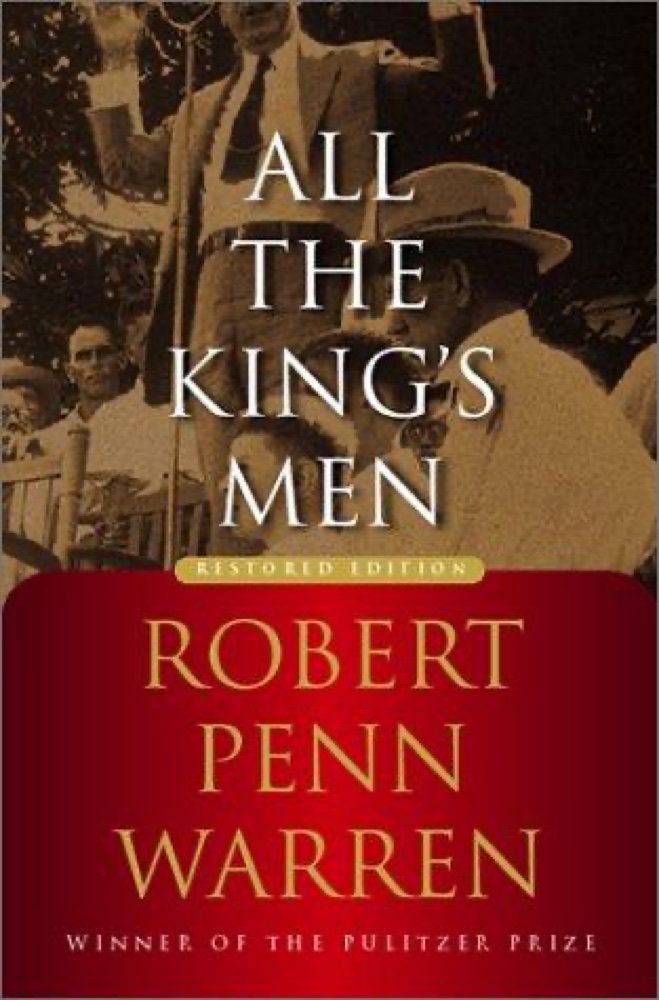 All the King's Men
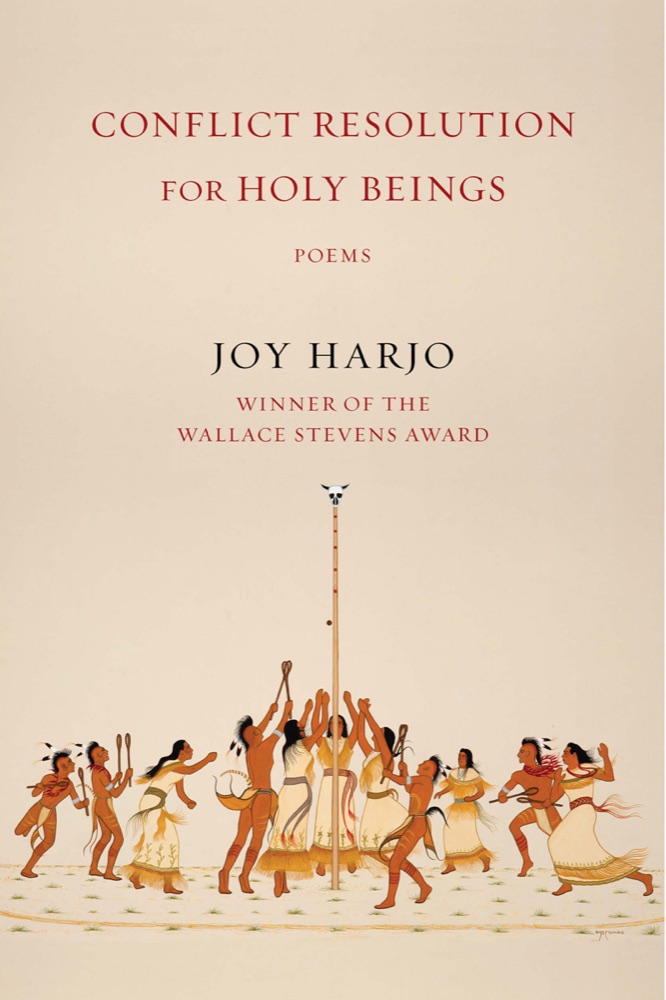 Conflict Resolution for Holy Beings: Poems
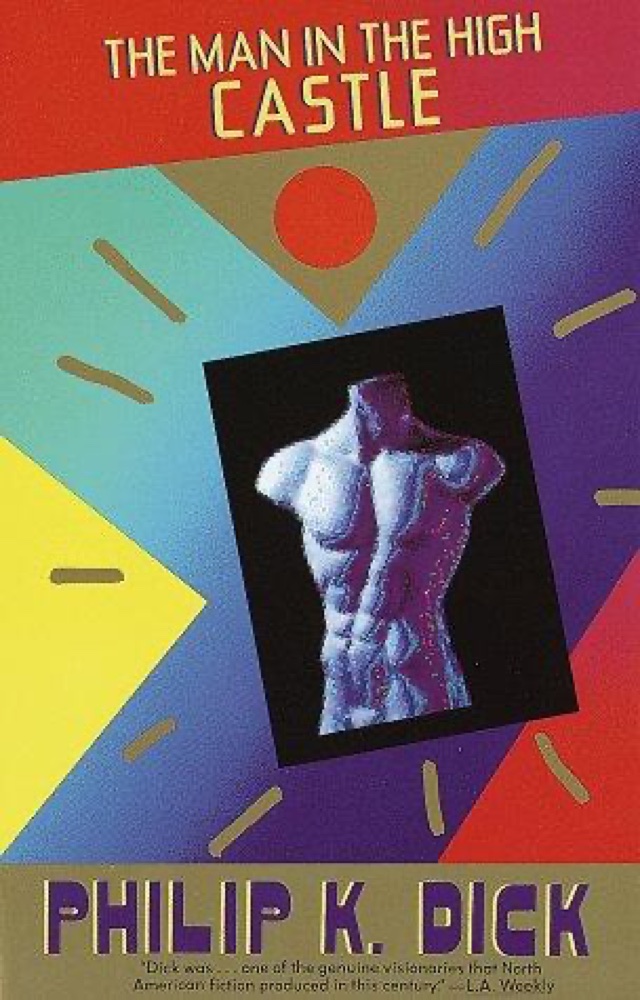 The Man in the High Castle
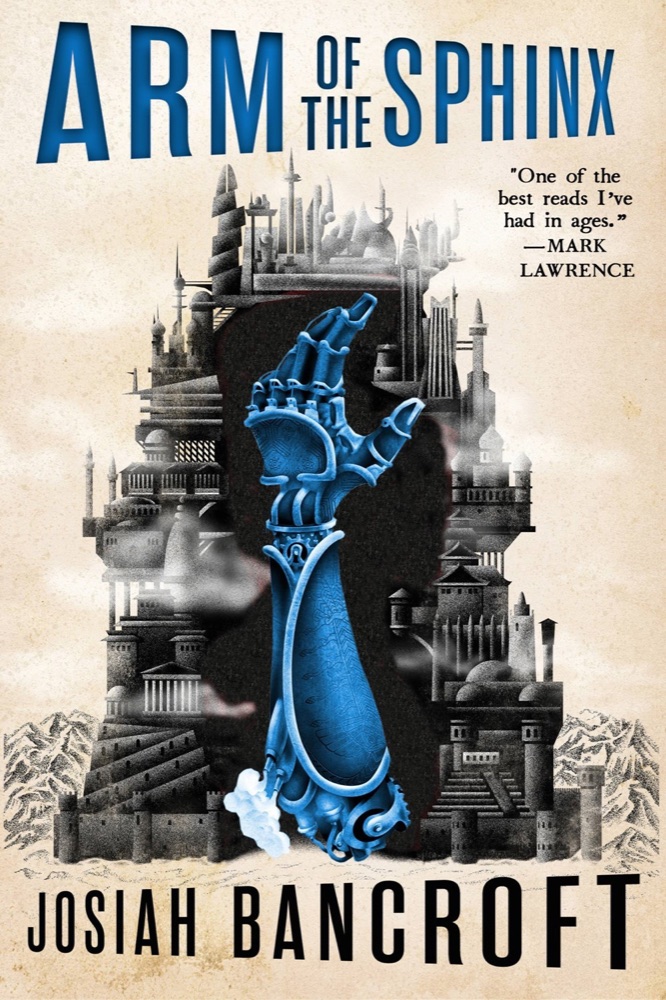 Arm of the Sphinx
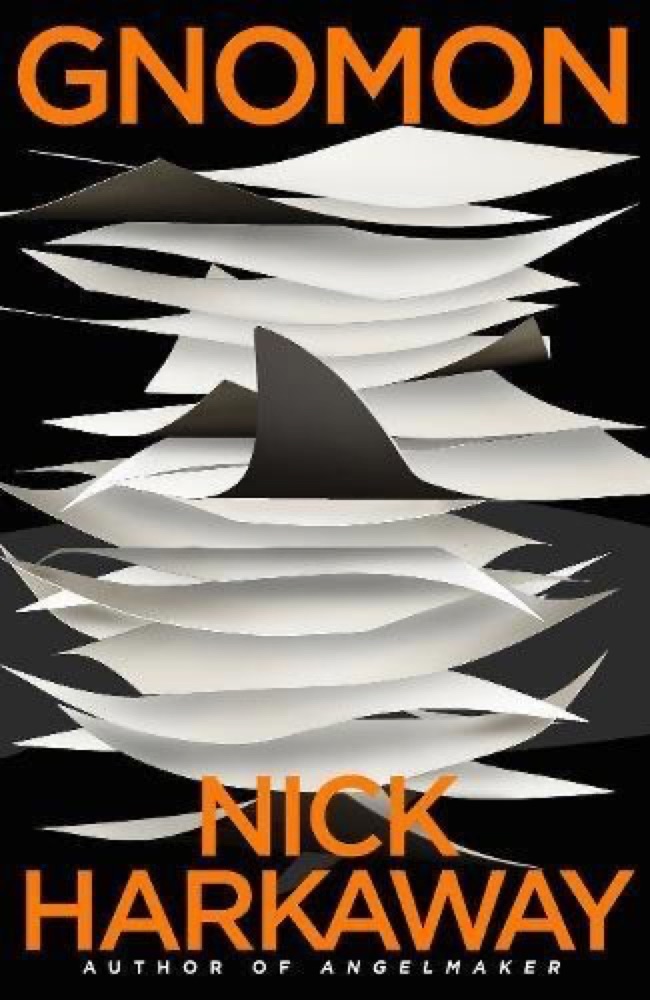 Gnomon
 The Crossing
 Villa Incognito
 Rosewater
 The Island of the Day Before
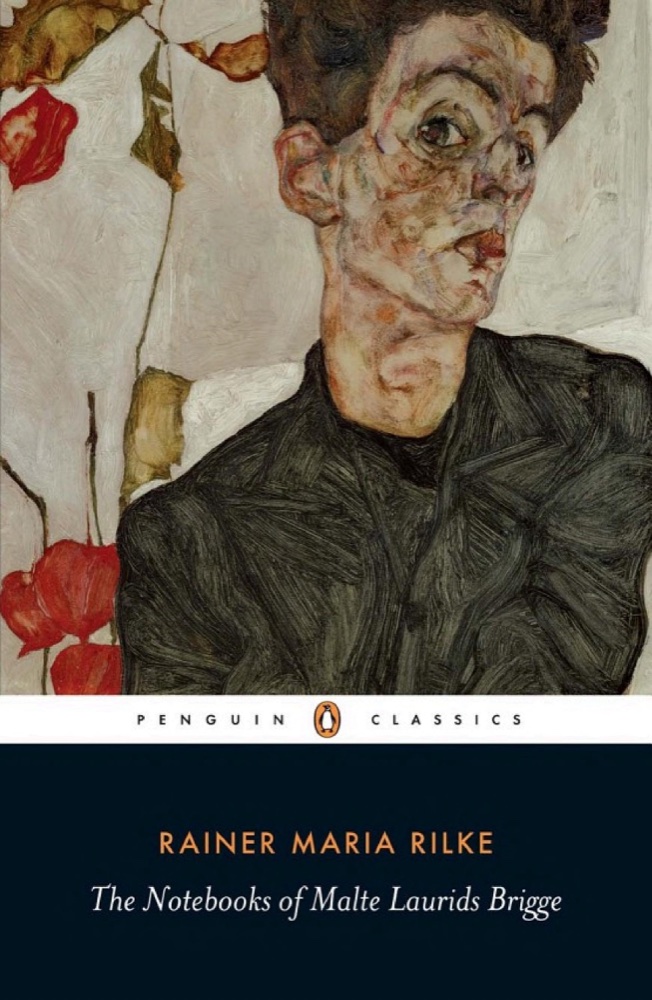 The Notebooks of Malte Laurids Brigge
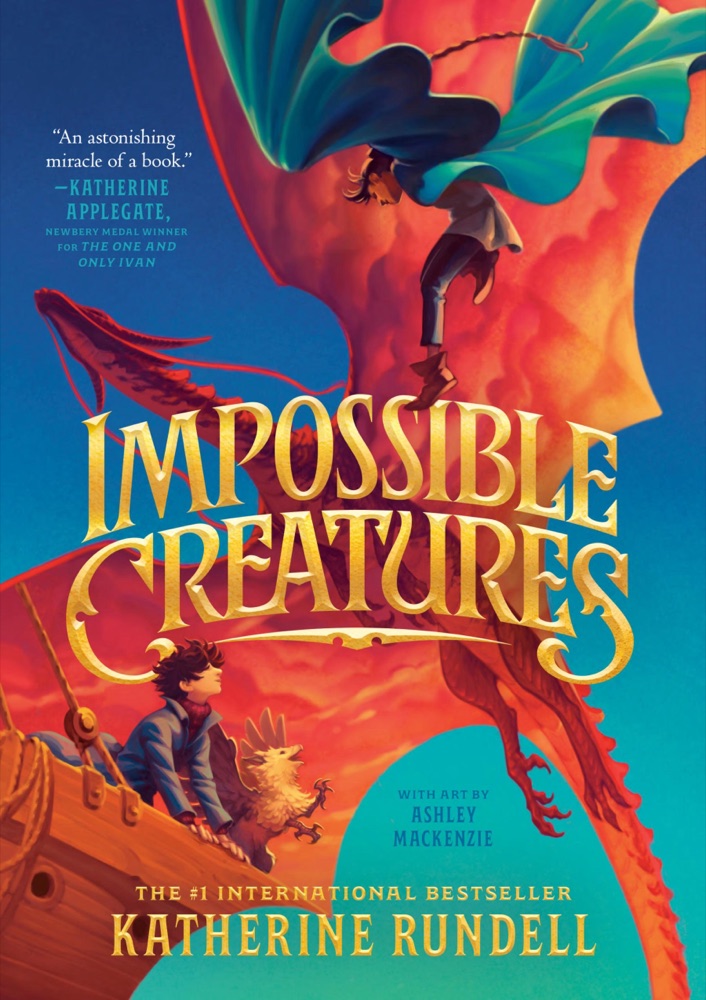 Impossible Creatures
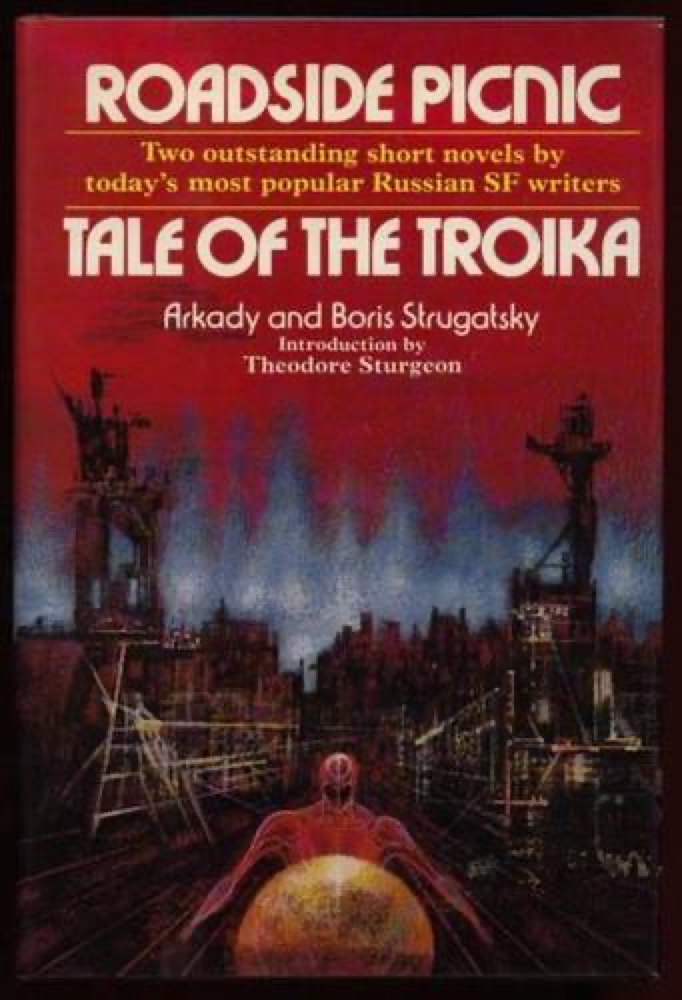 Roadside Picnic
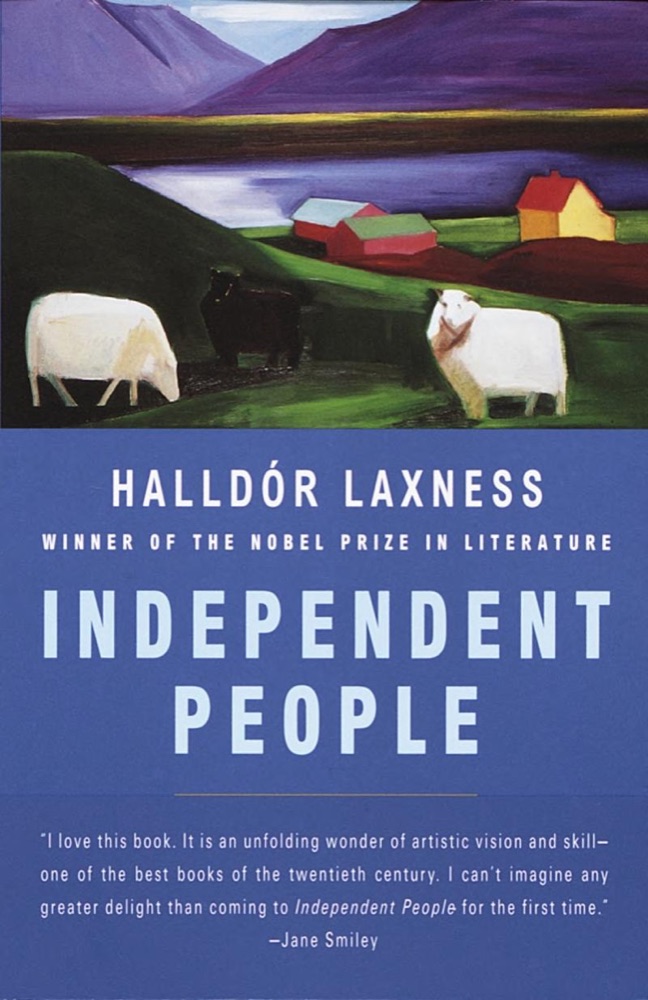 Independent People
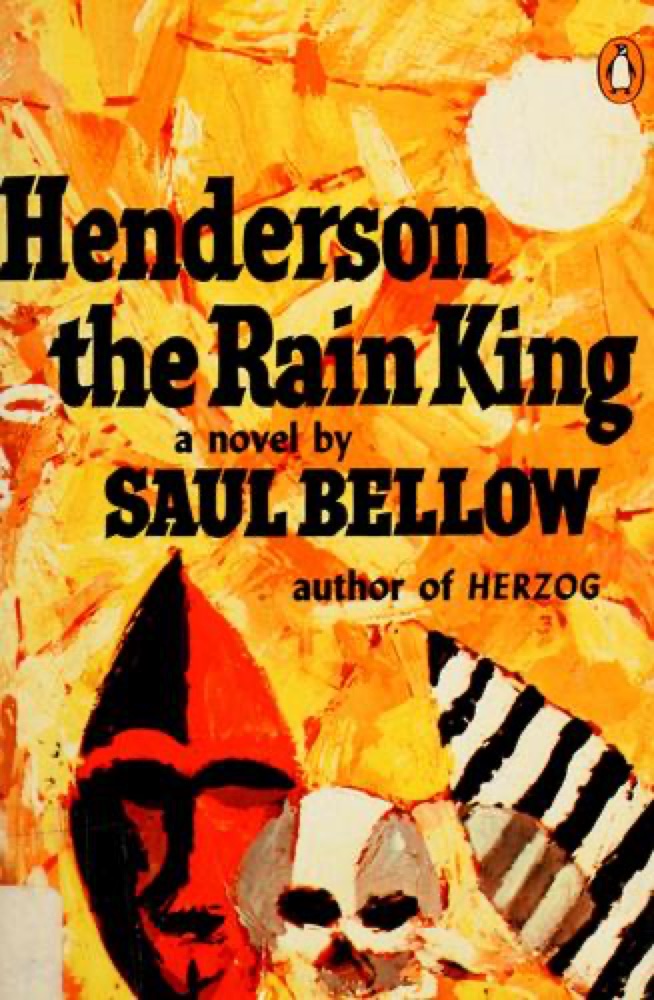 Henderson the Rain King
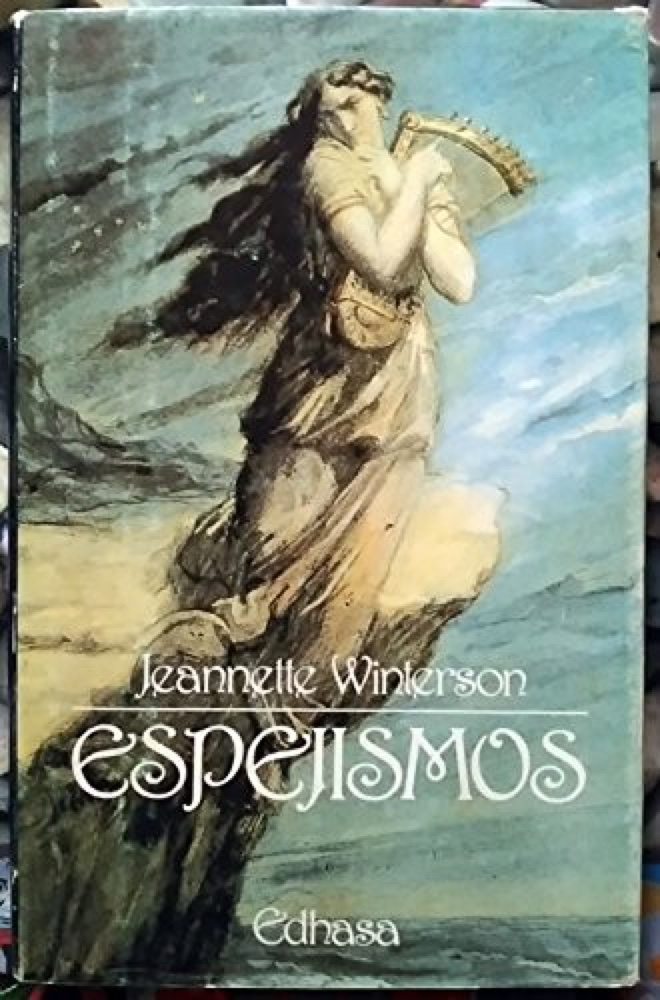 Sexing the Cherry
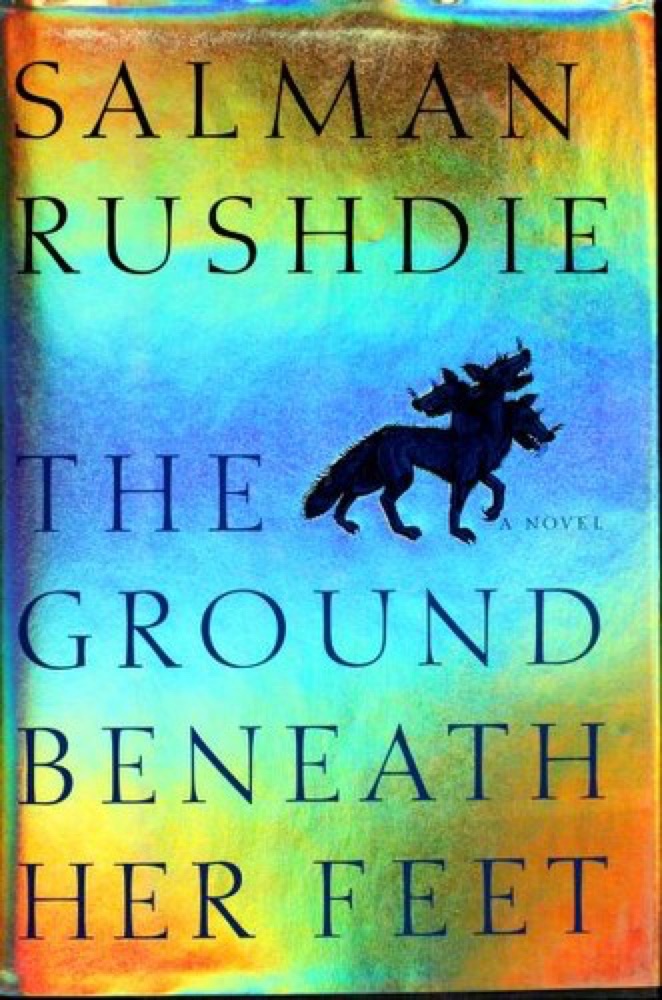 The Ground Beneath Her Feet
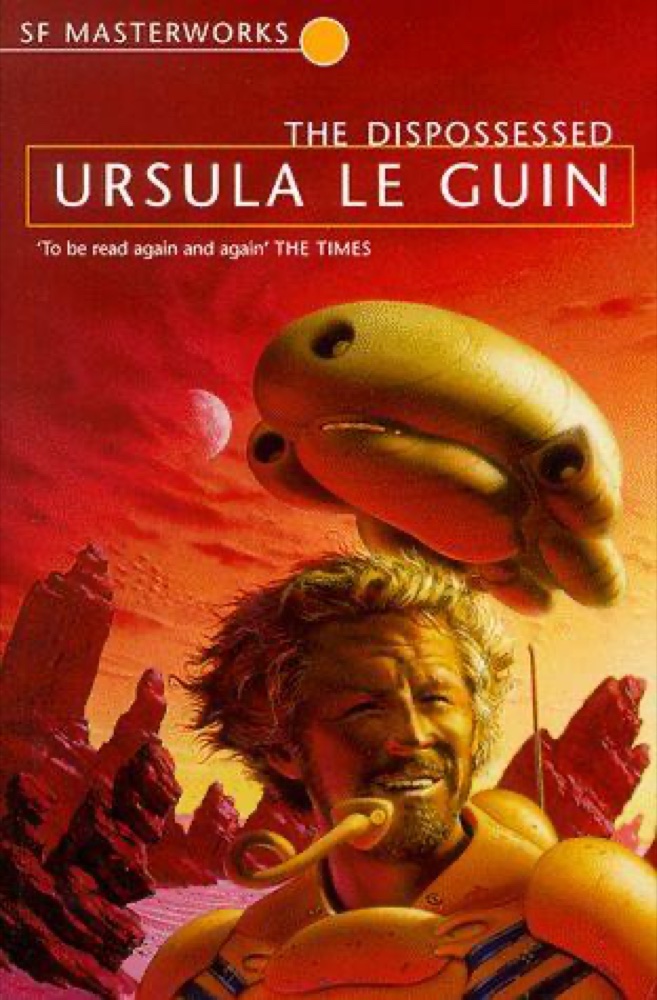 The Dispossessed
 Winter
 The Fifth Science
 Midnight Tides
 Moravagine
 The Beauty
 House Made of Dawn
 Stories of Your Life and Others
 Out of Oz
 The Golden Compass
 Split Tooth
 Deadhouse Gates
 The Book That Broke the World
 Too Like the Lightning
 Dust Tracks on a Road
 Flights
 Sacred Journey of the Peaceful Warrior
 Bradbury Stories: 100 of His Most Celebrated Tales
 Wild Ducks Flying Backward