
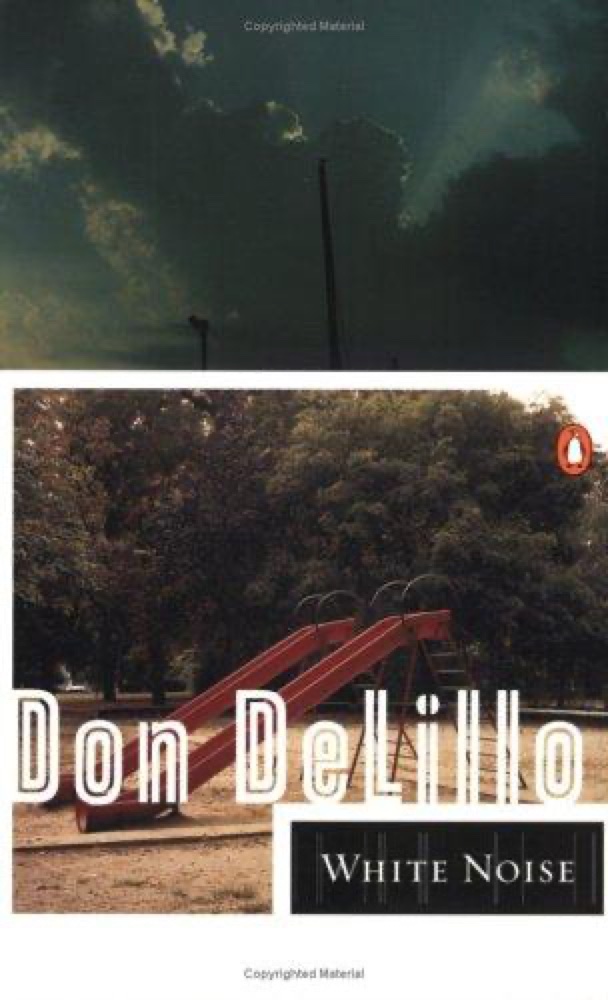
 White Noise
Quotes from the Book
If you know you're worth nothing, only a gamble with death can gratify your vanity.
19
That's the world out there, little green apples and infectious disease.
9
A film can be undermined by the person you’re seeing it with, there in the dark, a ripple effect of attitude, scene by scene, shot by shot.
6
It's almost unbelievable when you think of it, how they live there in all that ice and sand and mountainous wilderness. Look at it,' he says. 'Huge barren deserts, huge oceans. How do they endure all those terrible things? The floods alone. The earthquakes alone make it crazy to live there. Look at those fault systems. They're so big, there's so many of them. The volcanic eruptions alone. What could be more frightening than a volcanic eruption? How do they endure avalanches, year after year, with numbing regularity? It's hard to believe people live there. The floods alone. You can see whole huge discolored areas, all flooded out, washed out. How do they survive, where do they go? Look at the cloud buildups. Look at that swirling storm center. What about the people who live in the path of a storm like that? It must be packing incredible winds. The lightning alone. People exposed on beaches, near trees and telephone poles. Look at the cities with their spangled lights spread in all directions. Try to imagine the crime and violence. Look at the smoke pall hanging low. What does that mean in terms of respiratory disorders? It's crazy. Who would live there? The deserts, how they encroach. Every year they claim more and more arable land. How enormous those snowfields are. Look at the massive storm fronts over the ocean. There are ships down there, small craft, some of them. Try to imagine the waves, the rocking. The hurricanes alone. The tidal waves. Look at those coastal communities exposed to tidal waves. What could be more frightening than a tidal wave? But they live there, they stay there. Where could they go?
5
If we isolate the stray thought, the passing thought," he said, "the thought whose origin is unfathomable, then we begin to understand that we are routinely deranged, everyday crazy.
4
I thought about soccer in history, the inspiration for wars, truces, rampaging mobs. The game was a global passion, spherical ball, grass or turf, entire nations in spasms of elation or lament. But what kind of sport is it that disallows the use of players' hands, except for the goalkeeper? Hands are essential human tools, the things that grasp and hold, that make, take, carry, create. If soccer were an American invention, wouldn't some European intellectual maintain that our historically puritanical nature has compelled us to invent a game structured on anti-masturbatory principles?
4
Was he at the movies to see a movie, she said, or maybe more narrowly, more essentially, simply to be at the movies?
4
It makes a man feel universal, floating over the continents, seeing the rim of the world, a line as clear as a compass arc, knowing it is just a turning of the bend to Atlantic twilight, to sediment plumes and kelp beds, an island chain glowing in the dusky sea.
2
If you let me teach you not to end a sentence with a preposition, Edgar thought, I will save your life.
2
This spot was so close to perfect we would not even want to tell ourselves how lucky we were, having been delivered to it. The best of new places had to be protected from our own cries of delight. We would hold the words for weeks or months, for the soft evening when a stray remark would set us to recollecting. I guess we believed, together, that the wrong voice can obliterate a landscape.
2
People say great art is immortal. I say there's something mortal in it. It carries a glimpse of death.
2
The shallower our arguments, the more intense we became.
2
If we isolate the stray thought, the passing thought,” he said, “the thought whose origin is unfathomable, then we begin to understand that we are routinely deranged, everyday crazy.” We loved the idea of being everyday crazy. It rang so true, so real. “In our privatest mind,” he said, “there is only chaos and blur. We invented logic to beat back our creatural selves. We assert or deny. We follow M with N.” Our privatest mind, we thought. Did he really say that? “The only laws that matter are laws of thought.” His fists were clenched on the tabletop, knuckles white. “The rest is devil worship," he said.
2
Minnesota is a human moment.
1
Do we have to believe something happened exactly the way it was shown by artists?
1
We listen to the old radio shows. Light flares and spreads across the blue-banded edge, sunrise, sunset, the urban grids in shadow. There is a sweetness in the tenor voice of the young man singing, a simple vigour that time and distance and random noise have enveloped in eloquence and yearning. Every sound, every lilt of strings has this veneer of age.
1
Don’t you sometimes feel a power in you? An extreme state of good health. An arrogant healthiness. That’s it. You are feeling so good you begin thinking you’re a little superior to most people. An optimism about yourself that you generate at the expense of others. Don’t you sometimes feel this?
1
There is a seaward bulge of stratocumulus. Sun glint and littoral drift. I see blooms of plankton in a blue of such Persian richness it seems an animal rapture, a colour change to express some form of intuitive delight.
1
People had hoped to be caught up in something bigger than themselves. They thought it would be a shared crisis. They would feel a sense of shared purpose, shared destiny. Like a snowstorm that blankets a large city – but lasting months, lasting years, carrying everyone along, creating fellow feeling where there was only suspicion and fear. The war would ennoble everything we say and do. What was impersonal would become personal. What was solitary would be shared.
1
To men at this remove, it is as though things exist in their particular physical form in order to reveal the hidden simplicity of some powerful mathematical truth.
1
All human existence is a trick of light.
1
I think of kids. It makes me feel selfish, to be so wary of having a family. Never mind do I have a job or not. I'll have a job soon, a good one. That's not it. I'm in awe of raising, basically, someone so tiny and soft.
1
It is just so interesting," he says at last. "The colors and all." The colors and all.
1
Me doy cuenta ahora de que el primer día apenas llegué a mirar. Creía estar mirando, pero solo estaba percibiendo un mero barrunto de lo que hay en estos cuadros. Ahora es cuando estoy empezando a mirar.
Você não sente às vezes um poder dentro de você?”, pergunta Vollmer. “Um estado extremo de saúde, sei lá. Uma saúde arrogante. É isso. Você se sente tão bem que começa a achar que é um pouco superior às outras pessoas. Uma espécie de força vital. Um otimismo sobre você mesmo, que é gerado quase que em detrimento dos outros. Você não sente isso às vezes?” (Sinto, sim.) “Deve ter um termo em alemão que quer dizer isso. Mas onde eu quero chegar é que esse sentimento poderoso é muito — sei lá — delicado. É isso. Um dia você sente, no dia seguinte de repente você se torna insignificante e condenado. Uma coisinha de nada dá errado e você se sente condenado, totalmente fraco e derrotado e incapaz de agir de modo poderoso, ou até mesmo sensato. Tirando você, todo mundo tem sorte, e você é um azarado, impotente, triste, incompetente e condenado.” (Sei, sei.)
Watch on YouTube
About Don DeLillo
We have collected 253 quotes from 10 books by Don DeLillo on BookQuoters.
More about the author →About the book
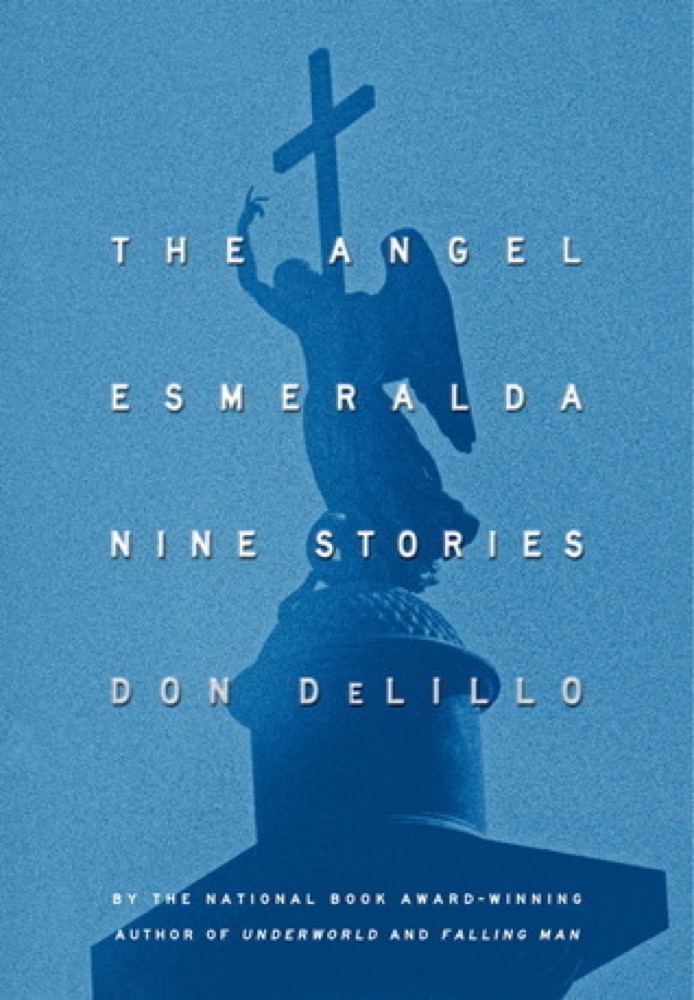
From one of the greatest writers of our time, a collection of short stories, written between 1979 and 2011; chronicling—and foretelling—three decades of American culture.
From one of the greatest writers of our time, his first collection of short stories, written between 1979 and 2011, chronicling—and foretelling—three decades of American life
Set in Greece, the Caribbean, Manhattan, a white-collar prison and outer space, these nine stories are a mesmerizing introduction to Don DeLillo’s iconic voice, from the rich, startling, jazz-infused rhythms of his early work to the spare, distilled, monastic language of the later stories.
In “Creation,” a couple at the end of a cruise somewhere in the West Indies can’t get off the island—flights canceled, unconfirmed reservations, a dysfunctional economy. In “Human Moments in World War III,” two men orbiting the earth, charged with gathering in
Book details
- First published
- 2011
- Author
- Don DeLillo
- Genre
- Fiction
- Goodreads rating
- 3.72 (4k ratings)
Keep reading
 Underworld
 Saturday
 Flights
 Mao II
 The Empusium
 Libra
Libra
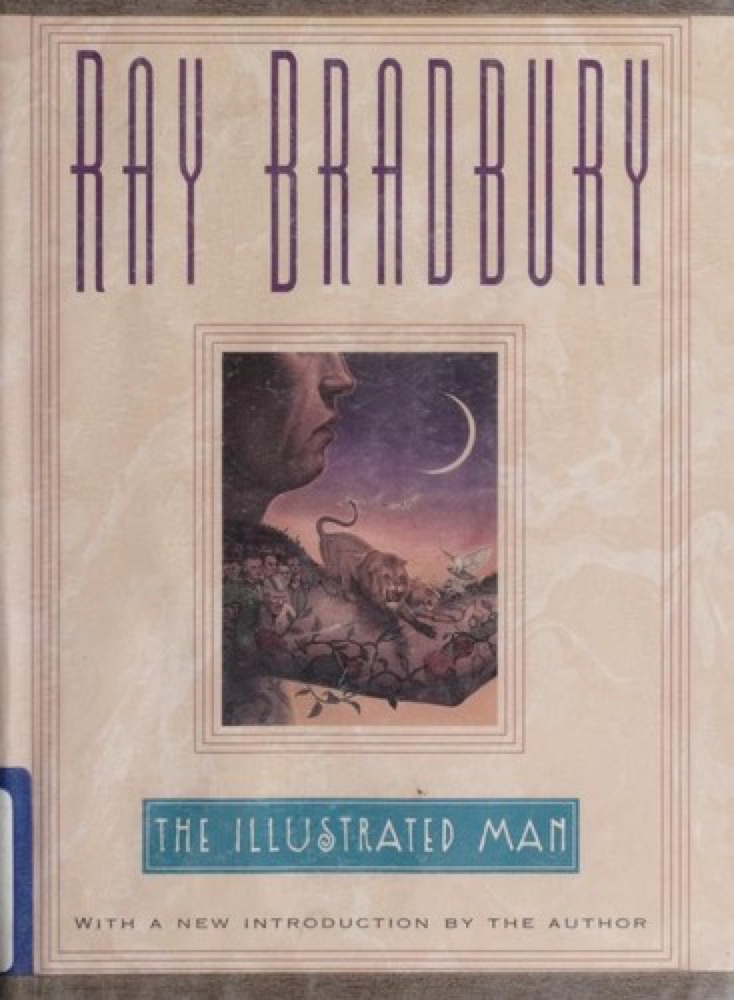 The Illustrated Man
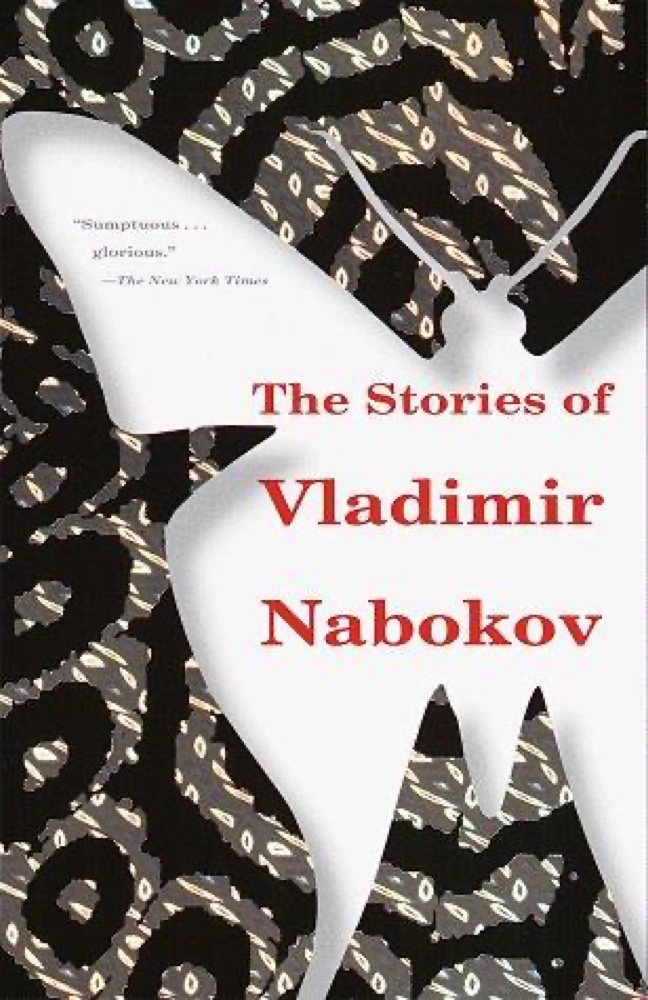 The Stories of Vladimir Nabokov
 The Tsar of Love and Techno
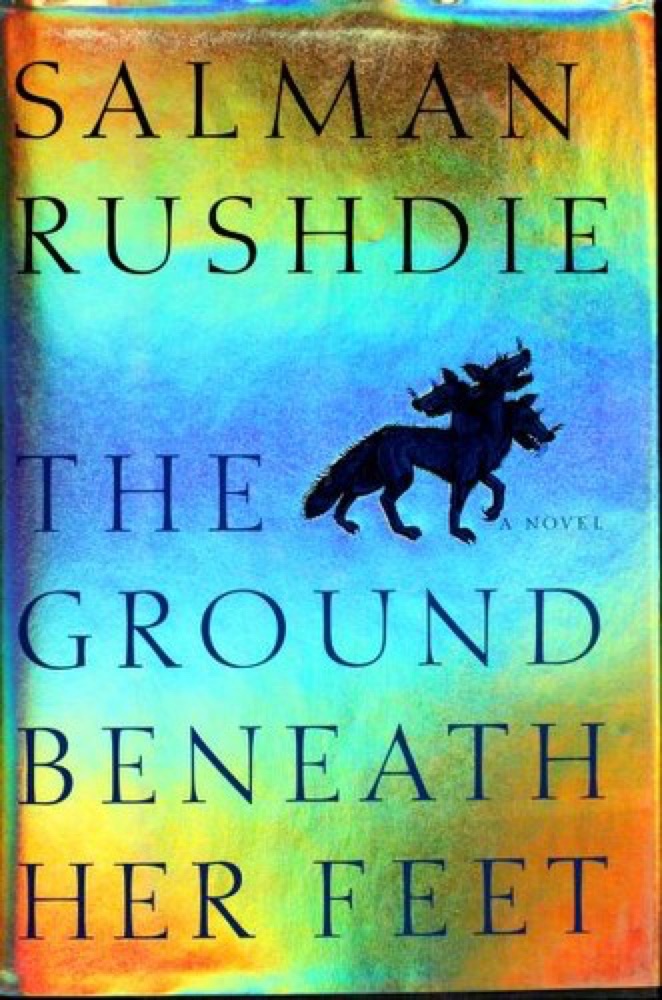 The Ground Beneath Her Feet
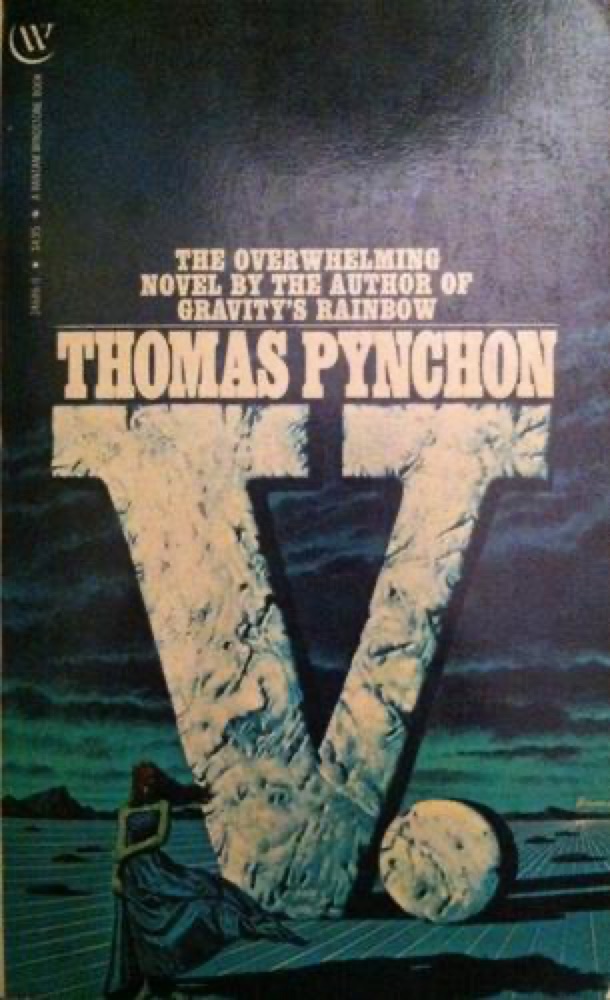 V.
V.
 Winter
 Plainwater: Essays and Poetry
 Light Years
 The Shape of Water
 The Sea, the Sea
 Beautiful Ruins
 To The Bright Edge of the World
 The Wolf Gift
 The Recognitions
 Dhalgren
 The Man in the High Castle
 The Abundance
 This Is Happiness
 The Emperor of Gladness
 Killing Commendatore
 A Fisherman of the Inland Sea
 The Enchanted
 The Pale King
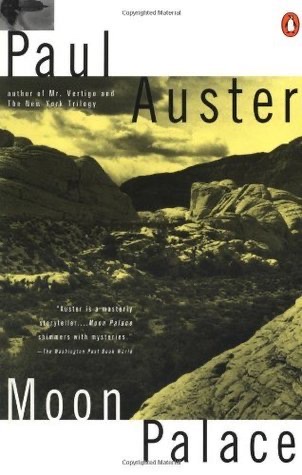 Moon Palace
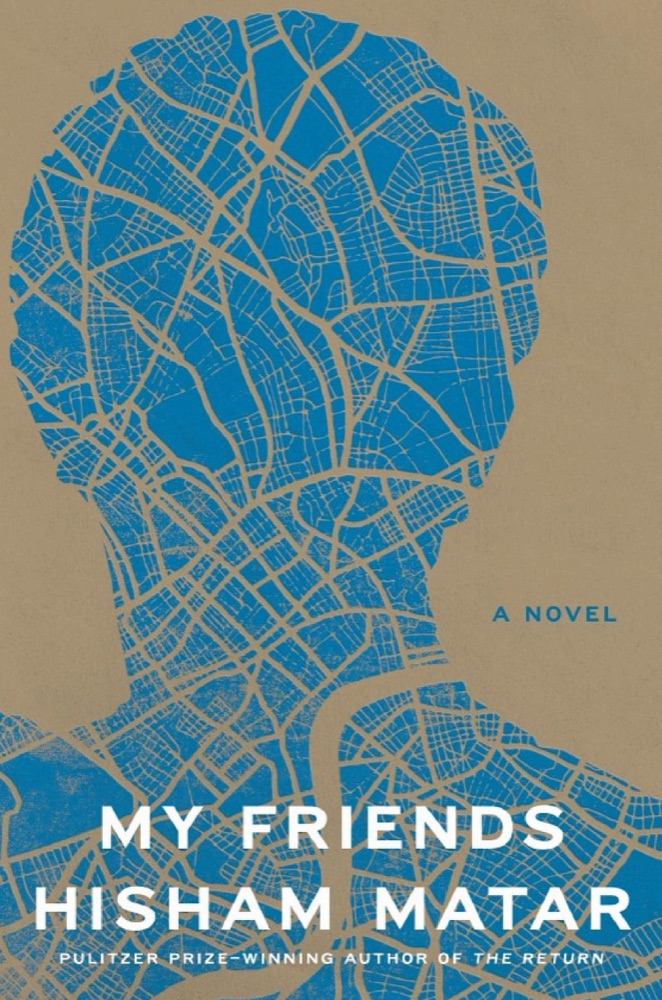 My Friends
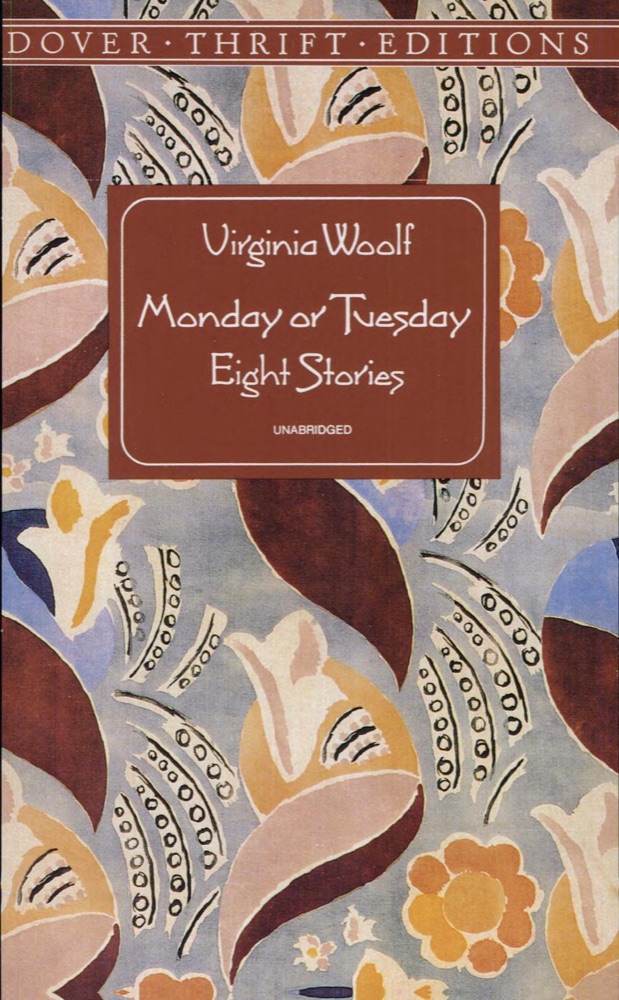 Monday or Tuesday
 The Magic Mountain
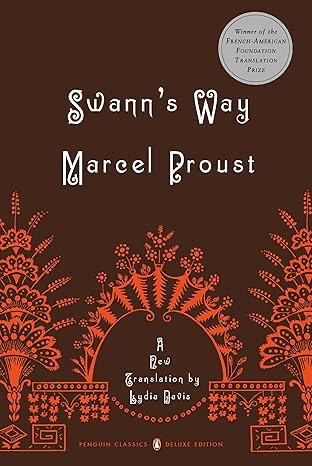 Swann's Way
 Just After Sunset
 Orlando
 Divisadero
 What I Loved
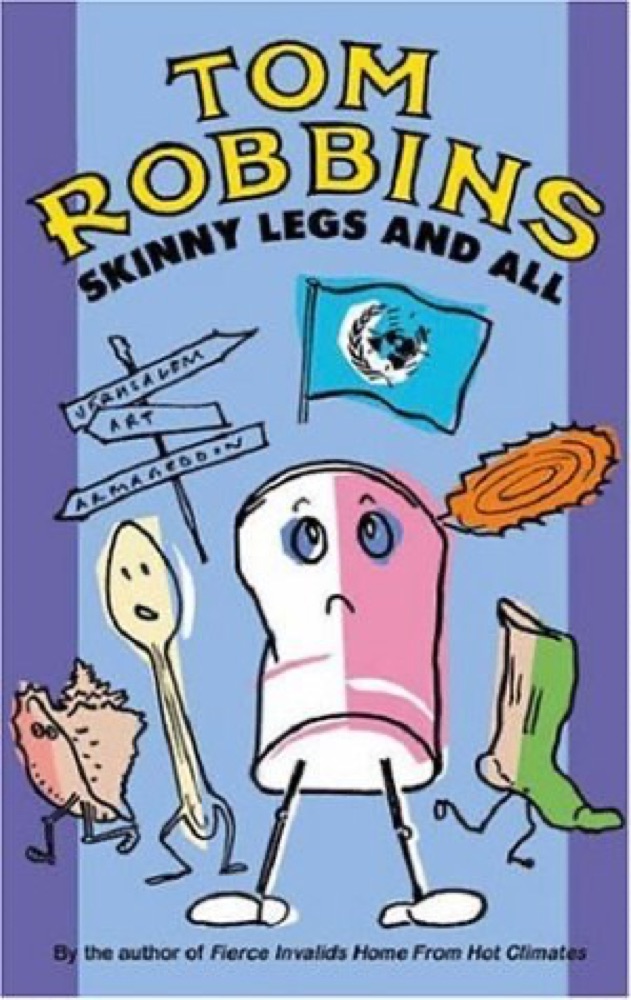 Skinny Legs and All
 Sexus
Sexus
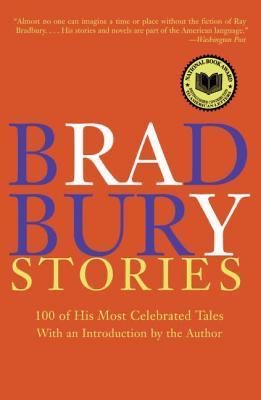 Bradbury Stories: 100 of His Most Celebrated Tales
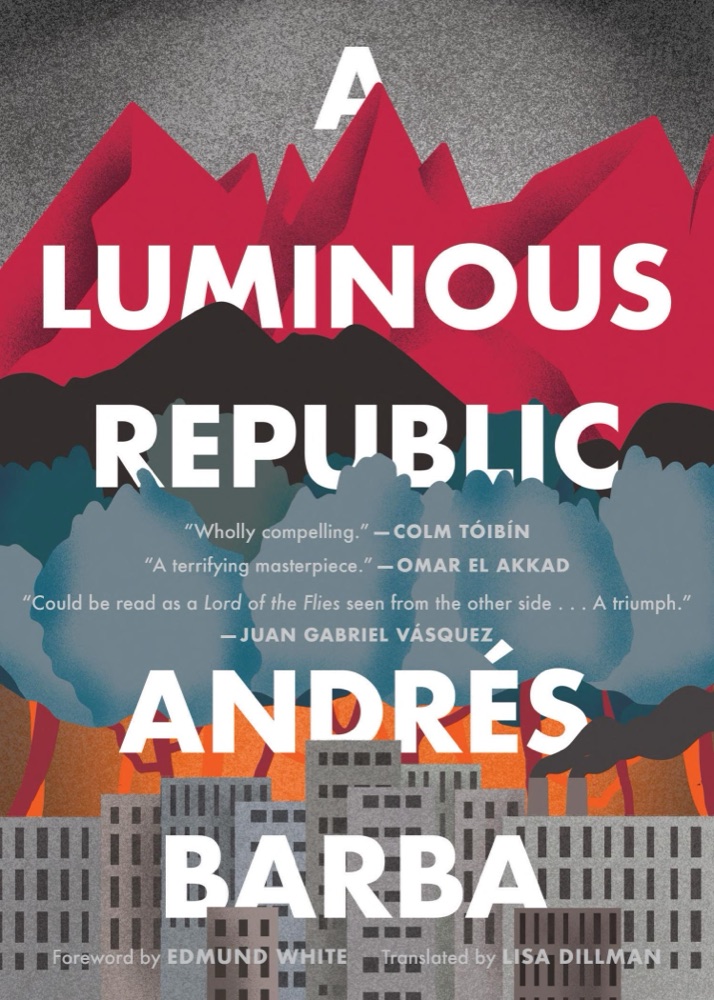 A Luminous Republic
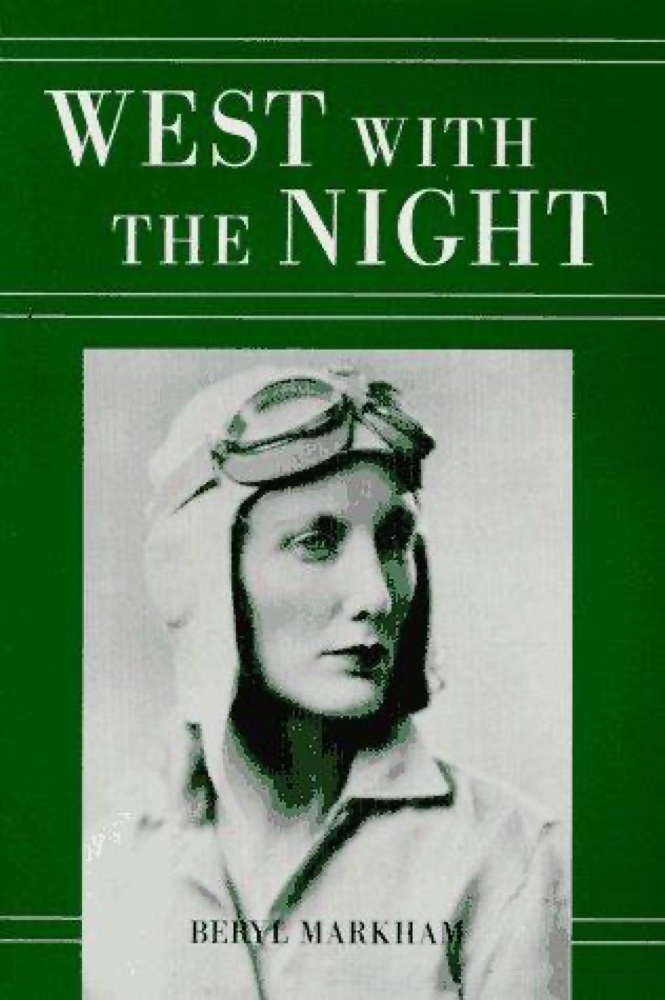 West with the Night
 The White Album
 Sweet Thursday
 Autumn
 Bag of Bones
 Kafka on the Shore
 Girl with Curious Hair
 TransAtlantic
 The Plover
 A Room with a View
 All the Light We Cannot See
 The Gone-Away World
 Let the Great World Spin
 The Secret History
 Odd Apocalypse
 Ilustrado
 Selected Stories
 Sixty Stories