
 Green Mars
Quotes from the Book
stood at the window at four a.m. and told myself: You, too, have a core of precious salt. The human core of inner salt, like this salt of Cardona, comes from the deepest part. Human salt, like this salt, is everlasting. Mine it, use it, and it will not deplete. In my own salt, my own core, this is what I knew: Life goes on a while. Then it ends. There is no fairness. Bad people are honored, and good ones are punished. The reverse is also true. Good people are honored, and bad people are punished, and some will call this grace, or the hand of God, instead of luck. But deep down, even if they lack the courage to admit it, inside each person, they know that the world is lawless and chaotic and random. This truth is stored in their salt. Some have access. Others don’t. A gift or a curse, that my salt is right here, with me all the time? A gift. I’d rather be driven by immutable truths than the winds of some opinion, whose real function is to underscore a person’s social position in a group, a belief without depth. These boys in the library would profess to share beliefs.
6
Charisma does not originate inside the person called “charismatic.” It comes from the need of others to believe that special people exist.
4
People might claim to believe in this or that, but in the four a.m. version of themselves, most possess no fixed idea on how society should be organized. When people face themselves, alone, the passions they have been busy performing all day, and that they rely on to reassure themselves that they are who they claim to be, to reassure their milieu of the same, those things fall away. What is it people encounter in their stark and solitary four a.m. self? What is inside them? Not politics. There are no politics inside of people. The truth of a person, under all the layers and guises, the significations of group and type, the quiet truth, underneath the noise of opinions and “beliefs,” is a substance that is pure and stubborn and consistent. It is a hard, white salt. This salt is the core. The four a.m. reality of being.
4
But whether people cultivate an exterior meant to signal their politics, or they cultivate, instead, a strait-laced appearance that does not signal their politics, their self-presentation is deliberate. It is meant to reinforce who they are (who they consider themselves to be). People tell themselves, strenuously, that they believe in this or that political position, whether it is to do with wealth distribution or climate policy or the rights of animals. They commit to some plan, whether it is to stop old-growth logging, or protest nuclear power, or block a shipping port in order to bring capitalism, or at least logistics, to its knees. But the deeper motivation for their rhetoric—the values they promote, the lifestyle they have chosen, the look they present—is to shore up their own identity. It is natural to attempt to reinforce identity, given how fragile people are underneath these identities they present to the world as “themselves.” Their stridencies are fragile, while their need to protect their ego, and what forms that ego, is strong.
4
It’s the same, whether you’re in a relationship with a man or pretending to be in one. They want you to listen when they tell you about their precious youth.
4
No culture can be understood, nor should be defined, by what doesn’t wash away. The durable traces, the rock or rebar, are real, but they are time-disfigured nubs, as strange and unrecognizable to the people who left them behind as they seem to us. We must learn to leave room for the rest, for the vast and vanished world of which durable traces form only a tiny part.
3
My biker and these tramps, as people who organize their life around some subculture or other: People can sometimes pretend so thoroughly that they forget they are pretending. At which point, it could even be said that they are no longer pretending.
3
But why would you want to survive mass death? What would be the purpose of life, if life were reduced to a handful of armed pessimists hoarding canned foods and fearing each other? In a bunker, you cannot hear the human community in the earth, the deep cistern of voices, the lake of our creation.
3
to misunderstand the adult world, and to misuse it, are the precursors to innovation.
2
The catch is that fire is not always positive. And more crucially, fire is not a quality. It is not a trait that a life-form can possess. It isn’t night vision or silent wing feathers or a hinged jaw, a spring-loaded capacity to pounce. Man, bland and featureless in this myth, lacking in his own special trait, was condemned, instead, to ingenuity, to being a devious little bastard.
2
The man turned and put his hand on her arm, an ancient gesture employed in every epoch of history by gullible men attempting to calm strident women beset by reasonable doubts.
2
Plus, Lucien said, a lot of them had come from other social milieus and had tattoos from earlier lives, since people who change affinities are the same kinds of people who are attracted to the permanence of tattoos.
2
Capitalism might be more insidious and durable than the blue-green miracle of planet earth and its swaddling of life-giving ether.
1
people who change affinities are the same kinds of people who are attracted to the permanence of tattoos.
1
What is it people encounter in their stark and solitary four a.m. self? What is inside them? Not politics. There are no politics inside of people. The truth of a person, under all the layers and guises, the significations of group and type, the quiet truth, underneath the noise of opinions and “beliefs,” is a substance that is pure and stubborn and consistent. It is a hard, white salt. This salt is the core. The four a.m. reality of being. When I came to understand this, it was literally four a.m. and I was staring at an actual mountain of salt.
1
Whether Christian or communist, the real goal of believing, falsely, in a better world, was to energize people to keep going, to keep on trucking (he wrote this phrase in English, suggesting Bruno was fluent in our cultural idioms). Keep on trucking, he repeated, toward the return of our Lord and Savior. Toward a future that will draw away from you, in lockstep with your advance. Even if you “win” a battle with the state over the question of water, Bruno wrote to Pascal, the farmers of the Guyenne are dependent on the state. The state is their lifeblood. They cannot compete in an open market! They depend on state subsidies and price protections. You fight for a lost status quo, he said, and your victory is what? A slightly more functional capitalist relation. That’s all. But, he said, I understand that Jean’s way, the tireless organizing, the debates, the little victories, is more straightforward than what I might propose, than what might constitute “my way.” Plumbing the depths inside yourself is not easy work. It is difficult work. But I am convinced, he said, that the way to break free of what we are is to find out who we might have been, and to try to restore some kernel of our lost essence.
1
I feel a sympathy for Jean, Bruno wrote, but I won’t mince words. Whether in a rural outpost or an urban core, trying to dismantle capitalism from within capitalism is a dead end. (It was the first time I’d noticed his use of underlining.)
1
(Pascal’s analysis) of school shootings as logical responses to modern alienation, I had the thought that you’d have to be French, and fairly sheltered, to develop such a fetish for American violence.
1
Later, in the chaos of the monarchy’s collapse, Cagots stormed local magistrates, burning birth certificates and other records of their low social status. Legally, they became French, and thus the Cagots—as a category, a trauma, a foreclosed victory—all but vanished.
1
In my cave, he said, under my cave, welling up from deeper passages, I hear so many things. Not just the drip of water. I hear voices. People talking. Sometimes it’s in French, sometimes Occitan, or older tongues of the Languedoc, many languages I do not recognize, sounds of which I cannot understand a word, but I know that what I hear is humans, it is human talk.
1
Sir, we hoe a row,” he told the police. “We plant potatoes. We don’t use pesticides. We nurture pollinators. But here is how the state does things: They have a deer population that’s getting out of control, so what do they do? They bring in lynx. When farmers get upset about the lynx, the government reintroduces wolves. The wolves kill livestock, so the state makes it legal to shoot them. Hunting accidents increase, so they build a new clinic, whose medical staff creates a housing shortage, necessitating new developments. The expanding population attracts rodents, and so they introduce snakes. And so far, no one knows what to do about the snakes.
1
In reality, problems leave when they are ready to go, when they have exhausted their stay, just as these lice did.
1
The world ruled by capital would not be dismantled. Instead, it had to be left behind.
1
Man, bland and featureless in this myth, lacking in his own special trait, was condemned, instead, to ingenuity, to being a devious little bastard.
1
That I had relied on satellite technology did nothing to mute my sense of offense. The sky was polluted with these things. The whole glittering dark dome was alive with them, moving here and there. They were little electric lice. Lice crawling over the cosmos like it was a warm head.
1
When you engage the heavens, Bruno had said, you merge into the flow of time, the right-now and the before and the to-come. You join a continuum, an ever-present. You see through your eyes, and the eyes of others. Difference dissolves. But you stay you.
1
Who wants to argue that consumer culture, whether it’s fast food or franchised movies or duty-free cosmetics, is wholesome and beneficial? If people do not start out as imbeciles, they are made imbecilic by the corporate contours of their daily life, lulled into a sleep, a sleep which, according to Debord, prevents them from wanting a more authentic life. True enough.
1
In my own salt, my own core, this is what I knew: Life goes on a while. Then it ends. There is no fairness. Bad people are honored, and good ones are punished. The reverse is also true. Good people are honored, and bad people are punished, and some will call this grace, or the hand of God, instead of luck. But deep down, even if they lack the courage to admit it, inside each person, they know that the world is lawless and chaotic and random.
1
Love confirms who a person is, and that they are worth loving. Politics do not confirm who a person is. People might claim to believe in this or that, but in the four a.m. version of themselves, most possess no fixed idea on how society should be organized. When people face themselves, alone, the passions they have been busy performing
1
Watch on YouTube
About Rachel Kushner
We have collected 29 quotes from 1 book by Rachel Kushner on BookQuoters.
More about the author →About the book
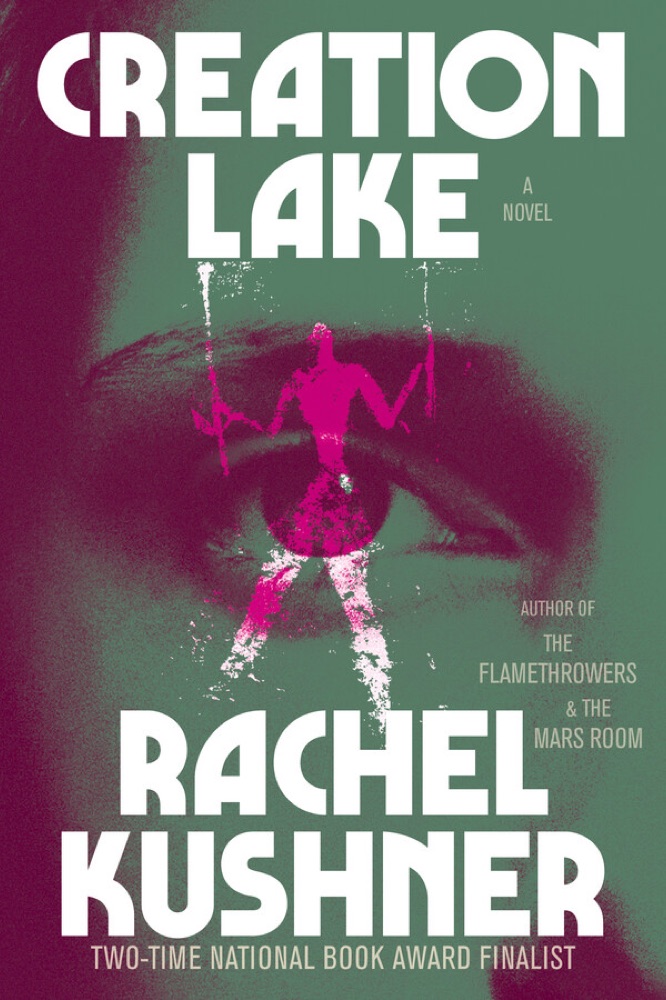
From Rachel Kushner, two-time finalist for both the Booker Prize and National Book Award, a novel about a seductive and cunning American woman who infiltrates an anarchist collective in France—a propulsive page-turner filled with dark humor.
Creation Lake is a novel about a secret agent, a thirty-four-year-old American woman of ruthless tactics and clean beauty who is sent to do dirty work in France. “Sadie Smith” is how the narrator introduces herself to the rural commune of French subversives on whom she is keeping tabs, and to her lover, Lucien, a young and well-born Parisian she has met by “cold bump”—making him believe the encounter was accidental. Like everyone she targets, Lucien is useful to her and used by her. Sadie operates by strategy and dissimulation, based on what her “contacts”—shadowy figures in business and government—instruct. First, these contacts want her to incit
Book details
- First published
- 2024
- Author
- Rachel Kushner
- Genre
- Fiction
- Goodreads rating
- 3.34 (38k ratings)
The buzz
- The New York TimesReview in The New York Timesprofessional review (via Book Marks)
- The Washington PostReview in The Washington Postprofessional review (via Book Marks)
- The Wall Street JournalReview in The Wall Street Journalprofessional review (via Book Marks)
- The GuardianReview in The Guardianprofessional review (via Book Marks)
- The AtlanticReview in The Atlanticprofessional review (via Book Marks)
- Los Angeles TimesReview in Los Angeles Timesprofessional review (via Book Marks)
Keep reading
Green Mars
 The Golden House
 Too Like the Lightning
 The Fall of Babel
 Villa Incognito
 Seven Surrenders
 Orient
 Gnomon
 The Ground Beneath Her Feet
 The Gone-Away World
 Skinny Legs and All
 The Empusium
 Arm of the Sphinx
 Blackfish City
 Red Mars
 The Bee Sting
 How Long 'til Black Future Month?
 The Fresco
 Shadow of the Hegemon
 All the Birds in the Sky
 Tiamat's Wrath
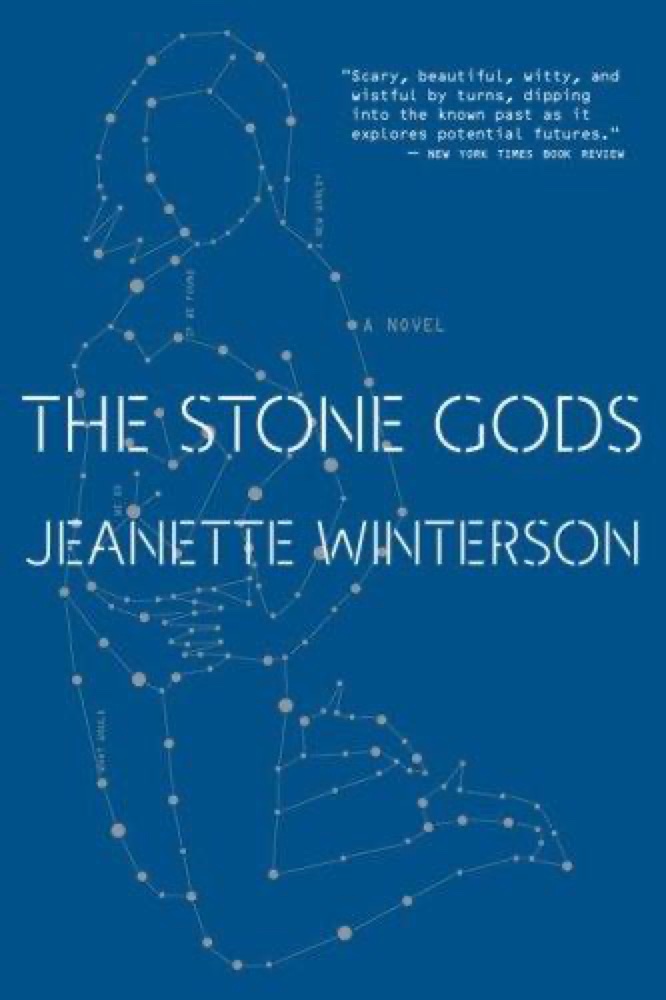 The Stone Gods
 Ravelstein
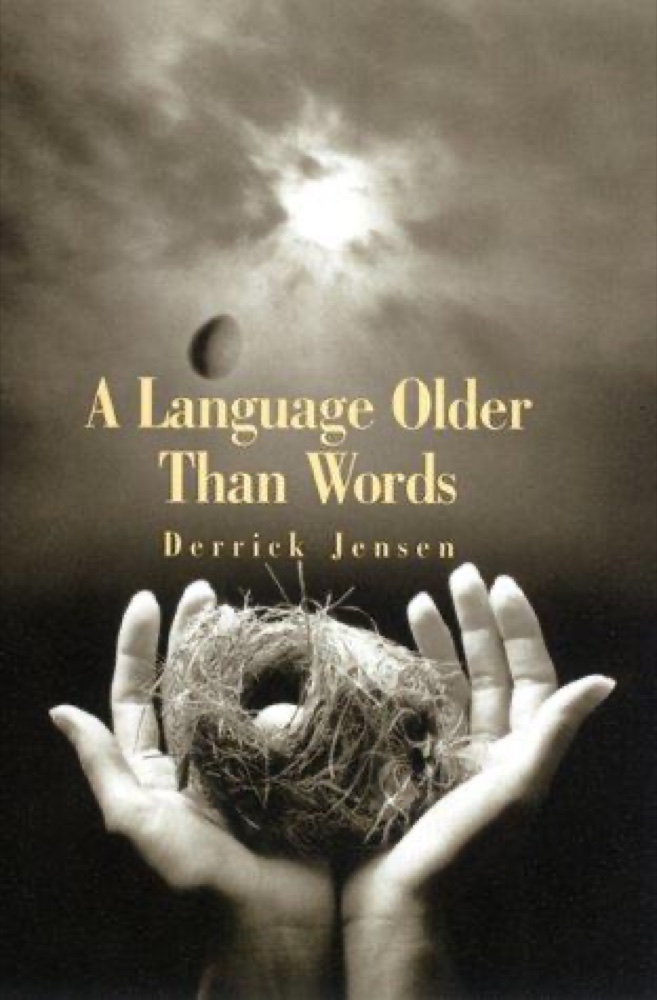 A Language Older Than Words
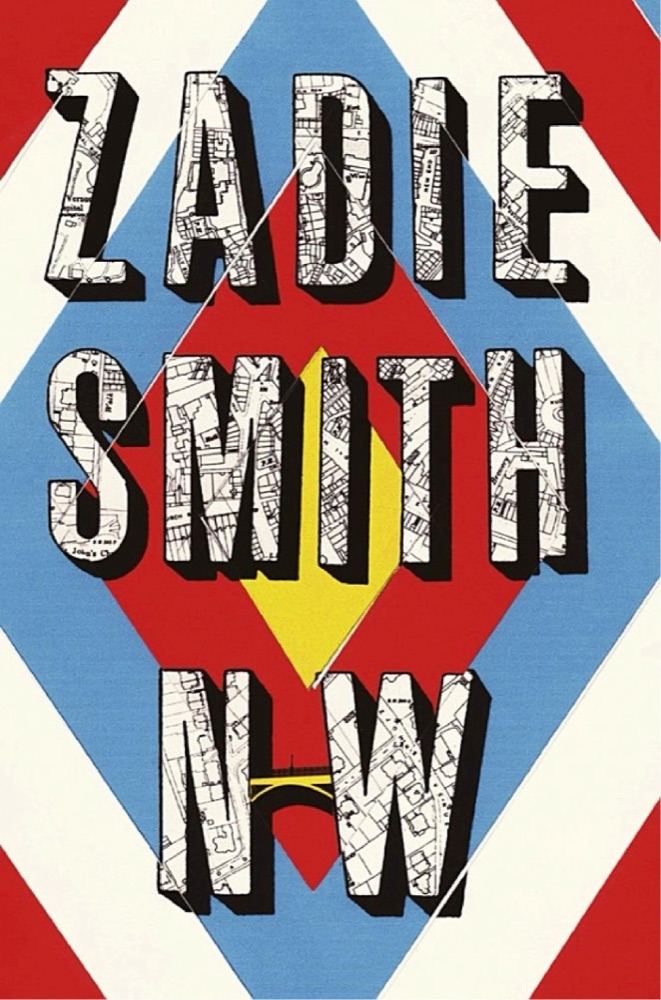 NW
NW
 Still Life with Woodpecker
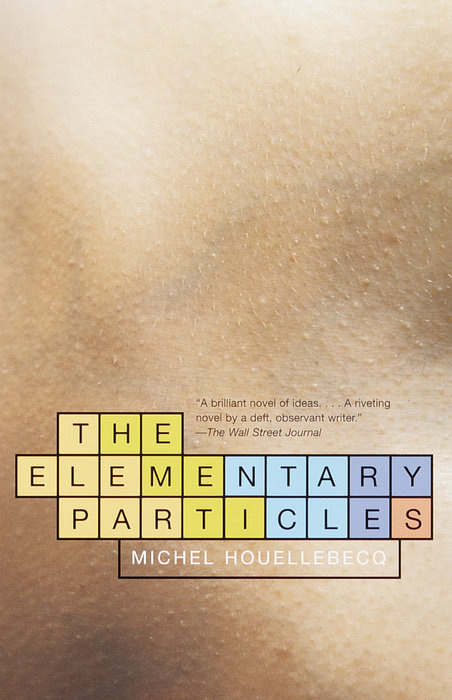 The Elementary Particles
 Varina
 The Midwich Cuckoos
 Still Life
 American Pastoral
 Fall; or, Dodge in Hell
 The Rebel Angels
 The Fall
 The Fifth Science
 Past Imperfect
 Drive Your Plow Over the Bones of the Dead
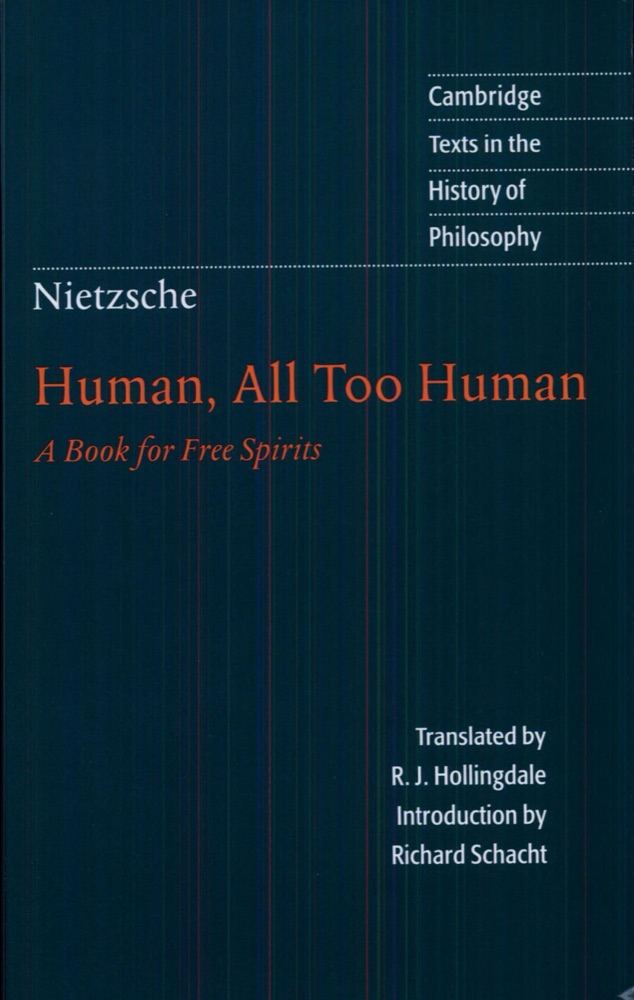 Human, All Too Human
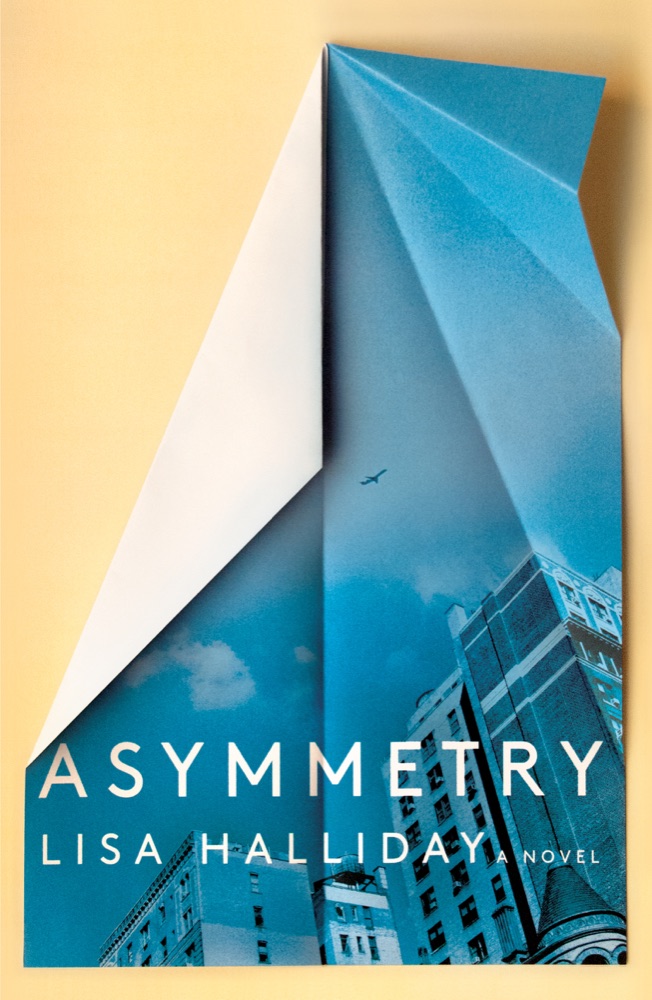 Asymmetry
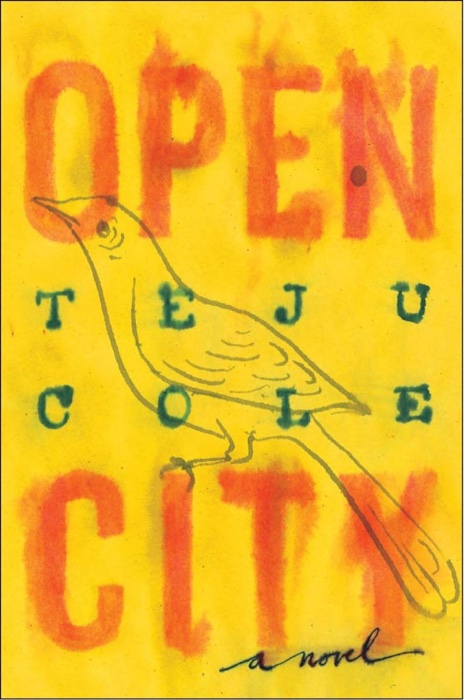 Open City
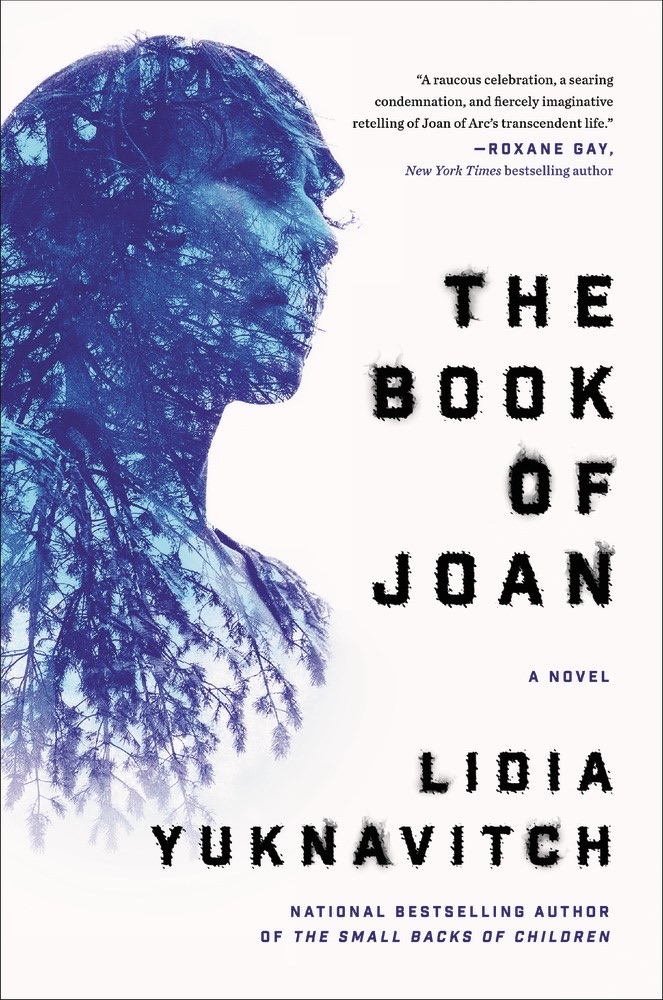 The Book of Joan
 Girl with Curious Hair
 The City in the Middle of the Night
 The Joke
 Maelstrom
 Fury
Fury
 The Human Stain
 The Diamond Age
 Disoriental
 Devolution: A Firsthand Account of the Rainier Sasquatch Massacre
 Purity
 Gold Fame Citrus
 The Lives of Others
 The Tsar of Love and Techno
 The Chalk Man
 Dream Count
 Lanark
 The Story of the Lost Child
 The Sport of Kings
 The Star Diaries