
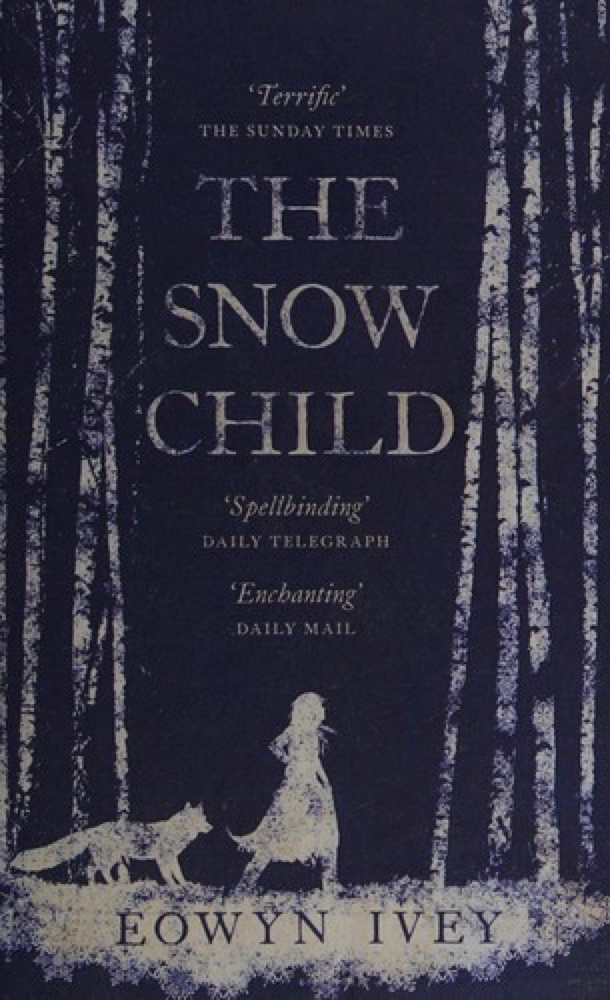
 The Snow Child
Quotes from the Book
That is excitement. We catch only glimpses, a burst of movement, a flap of wings, yet it is life itself beating at shadow's edge. It is the unfolding of potential; all of what we might experience and see and learn awaits us.
I would believe again if I could. In goodness. In magnificence. In simple benevolence. Yet even in these far and icy valleys, mankind is no different, just more poorly armed. Strip away psychrometer and sextant, carbines and glass plates, skin shifts and quills and painted faces, and we are the same. Quivering maws. Gluttonous. Covetous. Fearful. We say we worship. A word. A man-god. A fiery mountain. But we worship only ourselves. And we are jealous gods.
There is a mythical element to our childhood, it seems, that stays with us always. When we are young, we consume the world in great gulps, and it consumes us, and everything is mysterious and alive and fills us with desire and wonder, fear, and guilt. With the passing of the years, however, those memories become distant and malleable, and we shape them into the stories of who we are. We are brave, or we are cowardly. We are loving, or we are cruel.
What is it that causes us to fall in love? We are met with those first, initial glimpses-- a kind of curiosity, a longing for that which is both familiar and unknown in the other. And then comes the surprise of discovery; we share certain aspirations, certain appreciations, and that which is different excites us. Before each other, we are moved to bravery and we come to reveal more and more of ourselves, and when we do, those very traits that caused us some embarrassment or shame become beautiful in ways we did not understand before, and the entire world becomes more beautiful for it. There are, too, those intimate and nearly primitive stirrings, the scent of the neck, the delicious tremble of skin and breath. Yet for all their pleasures, they are as tenuous as light and air, and demand no fidelity. And then there is this: Does not love depend on some belief in the future, some expectation beyond the delight of the moment? We fall in love because we imagine a certain life together. We will marry. We will laugh and dance together. We will have children. When expectation falls to ruins, what is there left for love?
There are so many other labels people like to assign. Where am I an insider, and where am I an outsider? It all depends on where I’m standing and who is trying to put me into which box.
When we are young, we consume the world in great gulps, and it consumes us, and everything is mysterious and alive and fills us with desire and wonder, fear and guilt.
Everywhere, even in the blackest abyss, he believed one might witness the divine. The shadows and contrast―absence itself―as important as the light and marble, for one cannot exist without the other.
They are only bats, nothing more," Mother said. Father whispered to me alone, "These are no ordinary bats. These are mice who swim with the stars.
Ah, and this is the trouble with a diary. We are allowed to stand too long before its mirror and gaze at ourselves, where we unavoidably find vanity and fault.
He goes not in search of obstacles, only the paths around them. Anything seems possible.
There is hope in our wanting to be something better, even if we never manage it. Maybe that is what I can hold to. The wanting.
nothing is impossible. Take one step, and then another, and see where the path leads. Don’t think of the obstacles, only the way around them.
It is remarkable how we go on. All that we come to know and witness and endure, yet our hearts keep beating, our faith persists.
Yet what of love? That is another, more solid thing; it is not tricked by fine lights or spirits. It is more of earth and time, like a river-turned stone.
I can find no means to account for all that we have witnessed, except to say that I am no longer certain of the boundaries between man & beast, of the living & the dead. All that I have taken for granted, what I have known as real & true, has been called into question.
It’s humanity. We’re complicated and messy and beautiful.
I have only ever been truly frightened of boredom and loneliness,” she says. It
I am left to wonder, will anyone else see it? That day in the forest when I looked upon the marble bear, alive with the setting sun, what did I witness? Was it only sunlight on stone, or Father's spirit, or a reflection of my own? It seems to me now that such a moment requires a kind of trinity: you and I and the thing itself.
There is a mythical element to our childhood, it seems, that stays with us always. When we are young, we consume the world in great gulps, and it consumes us, and everything is mysterious and alive and fills us with desire and wonder, fear, and guilt. With the passing of the years, however, those memories become distant and malleable, and we shape them into the stories of who we are. We are brave, or we are cowardly. We are loving, or we are cruel. All
I’ll tell you one thing about history—we leave a lot of carnage in our wake.
Through the night, the black canyon groaned & heaved & gurgled, as if we slept in the belly of a coldblooded beast. I slept little, & when I dozed I dreamt that I drowned or was shoved beneath the ice of a clawing glacier.
that day I was filled with more love than I ever could have imagined. And when my hands grew cold, you didn’t say we should leave the beach, but instead took them in your own and kissed each of my fingertips, and I was warmed by your breath.
We say we worship. A word. A man-god. A fiery mountain. But we worship only ourselves. And we are jealous gods.
Who am I to claim such boundless sorrow? This heartache, acute and true as it may be, is slight compared to all of this world. Five miscarriages, two stillborn, three live births, and Mrs. Connor is one of our fortunate. She is not disemboweled in the snow. Her hands have committed no atrocities. She believes in God. It is remarkable how we go on. All that we come to know and witness and endure, yet our hearts keep beating, our faith persists.
He would not look away. Everywhere, even in the blackest abyss, he believed one might witness the divine. The shadows and contrast – absence itself – as important as the light and marble, for one cannot exist without the other. May
Carry me on and on to the edge of the earth, with children's laughter like a wind - full sail, then carry me beyond
But what makes the question of cultural loss the most uncomfortable, and difficult for me to address, are the inherent definitions built into it. If a group of people is described as existing in a state of loss, it is necessarily therefore lesser, and those that took greater. It’s such a limiting and two-dimensional idea. Who defines wealth and success? How can we say this person is valued less or more, is better or worse, because they are a part of one culture or another, and why would we want to?
I think there’s this tendency to lump people together, to think that all people who look like this or come from this background must think the same.
Watch on YouTube
About Eowyn Ivey
We have collected 57 quotes from 2 books by Eowyn Ivey on BookQuoters.
More about the author →More by Eowyn Ivey
The Snow Child
Book details
- Author
- Eowyn Ivey
- Genre
- Fiction
- Goodreads rating
- 4.12 (24k ratings) →
The buzz
- The New York TimesReview in The New York Timesprofessional review (via Book Marks)
- The Washington PostReview in The Washington Postprofessional review (via Book Marks)
- The GuardianReview in The Guardianprofessional review (via Book Marks)
- The Boston GlobeReview in The Boston Globeprofessional review (via Book Marks)
- Star TribuneReview in Star Tribuneprofessional review (via Book Marks)
- CsmonitorReview in Csmonitorprofessional review (via Book Marks)
Keep reading
 Pilgrim at Tinker Creek
 The World and Other Places: Stories
 Light Years
 Sexing the Cherry
 Killing Commendatore
 The Ground Beneath Her Feet
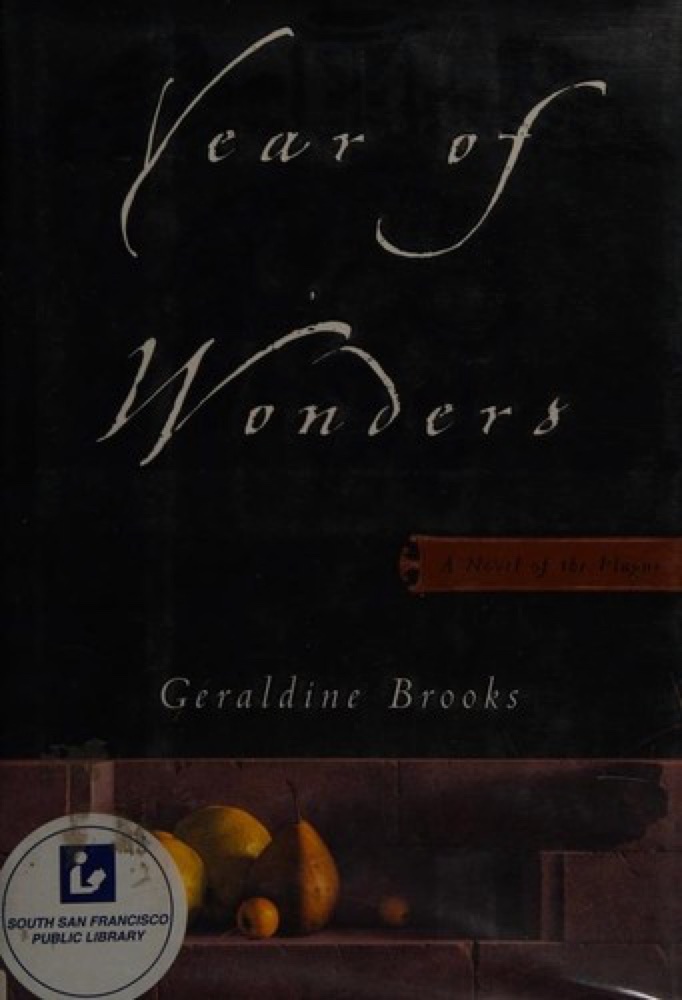 Year of Wonders
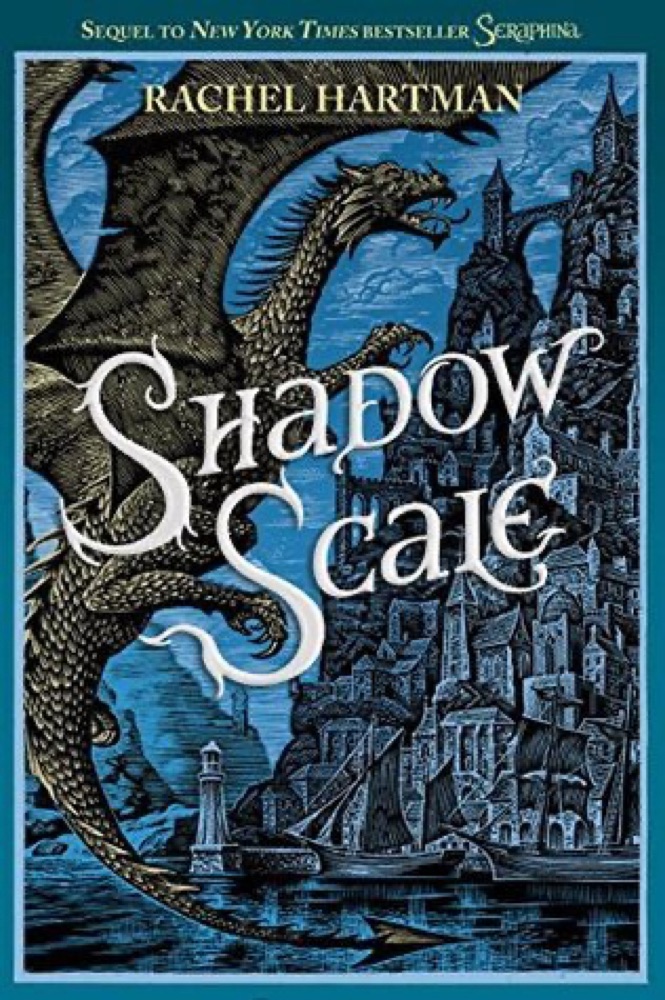 Shadow Scale
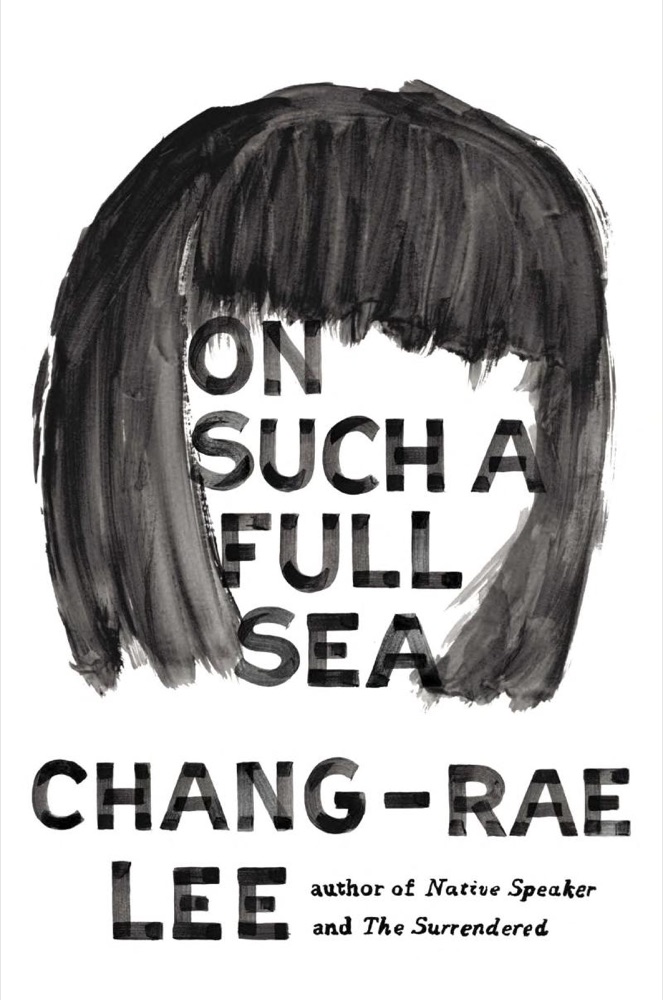 On Such a Full Sea
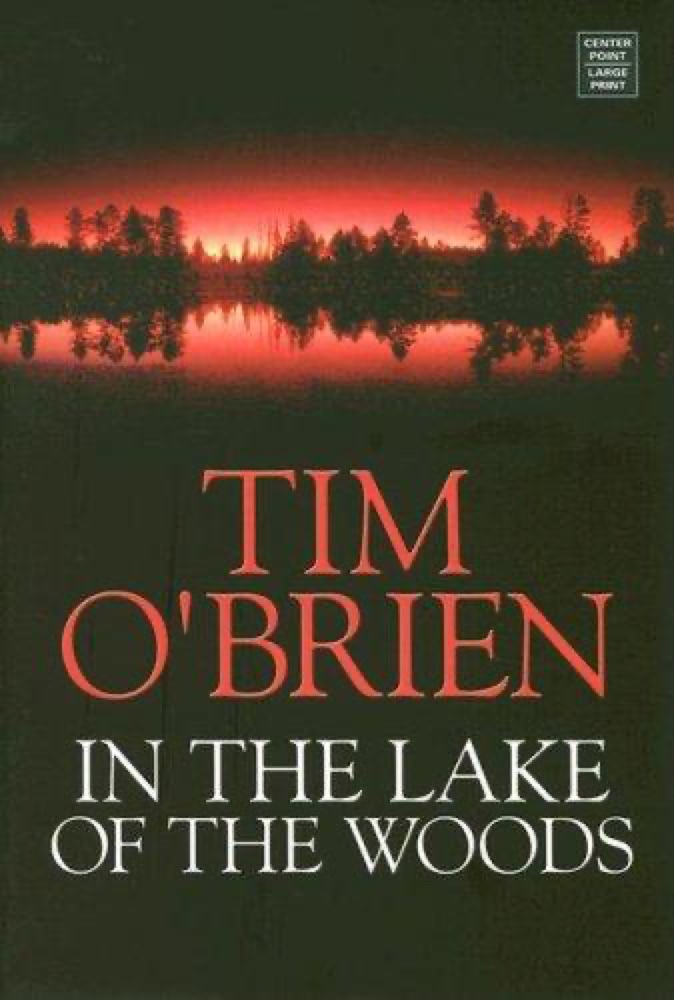 In the Lake of the Woods
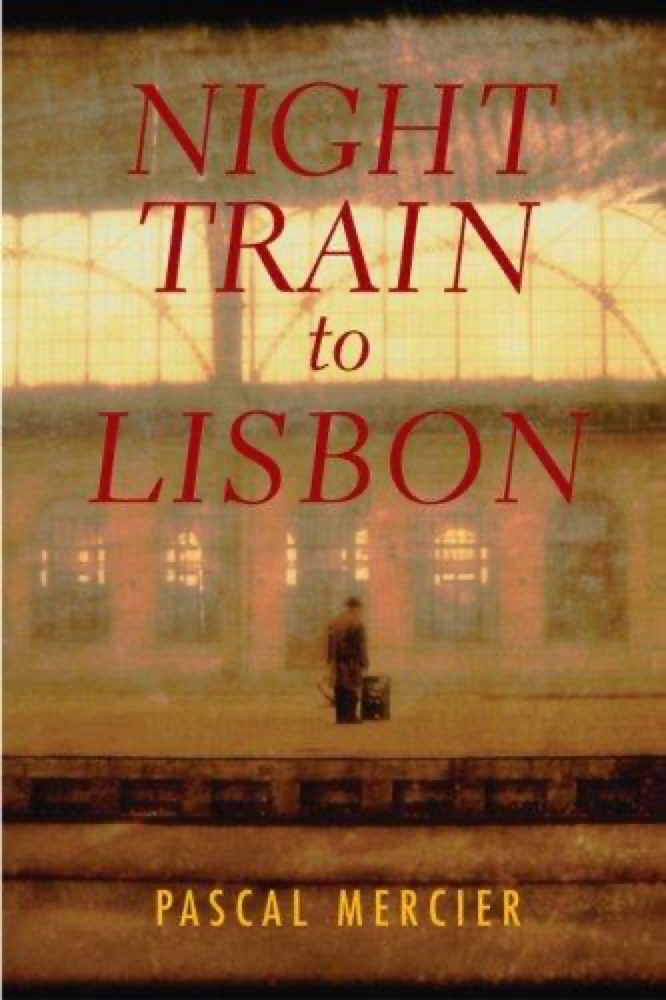 Night Train to Lisbon
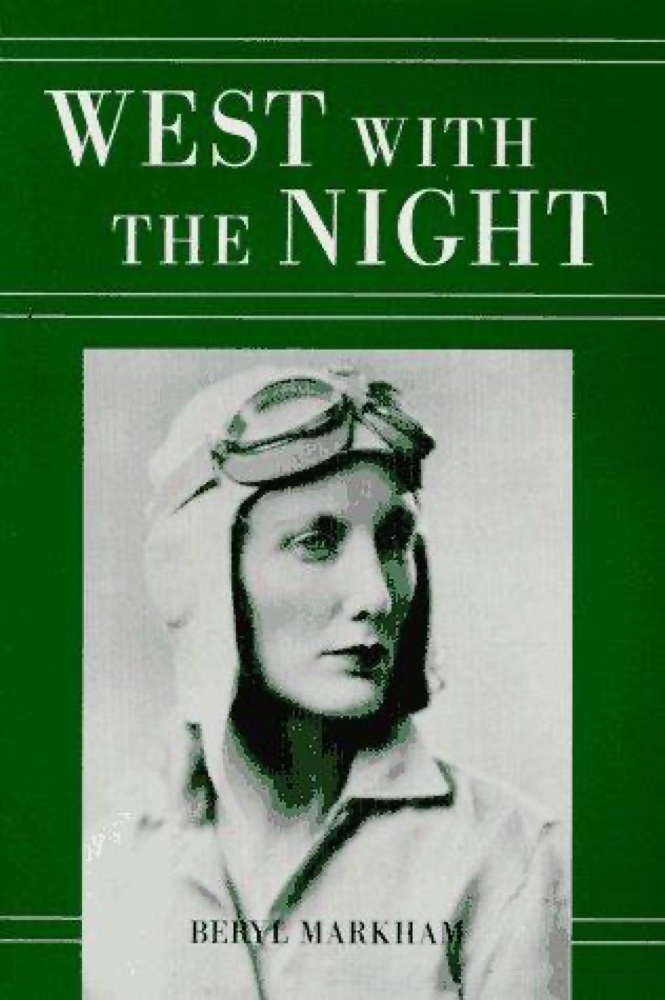 West with the Night
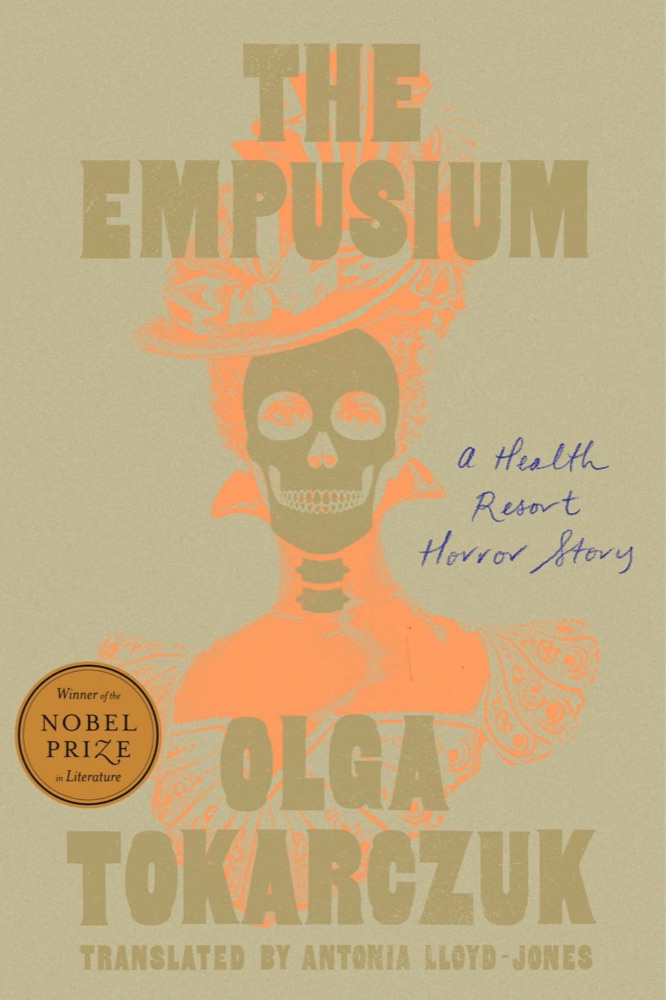 The Empusium
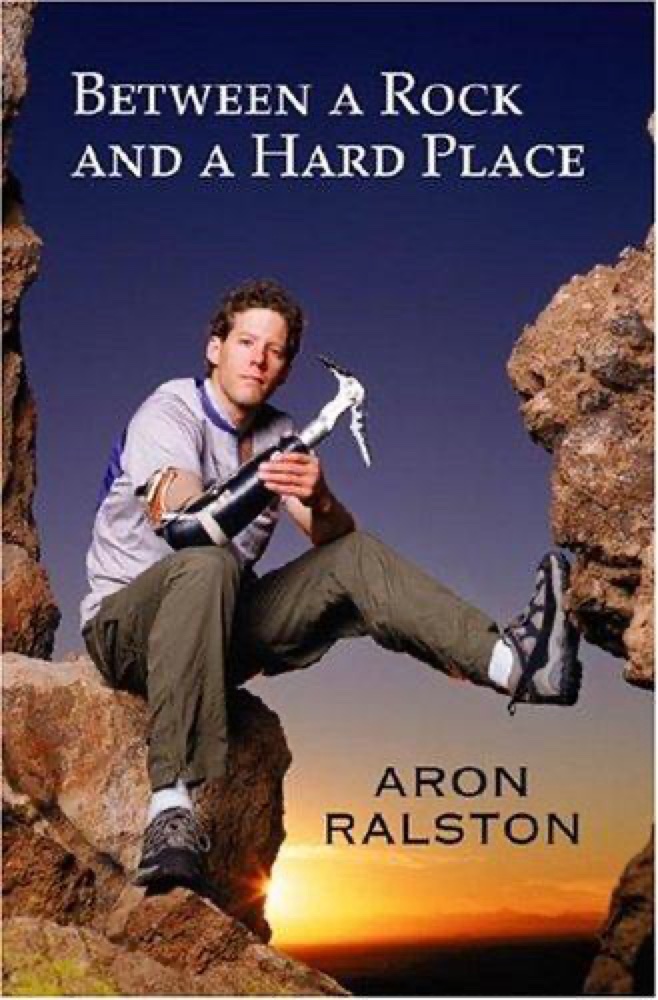 Between a Rock and a Hard Place
 The Goldfinch
 Aquarium
 The Angel Esmeralda
 The Sea, the Sea
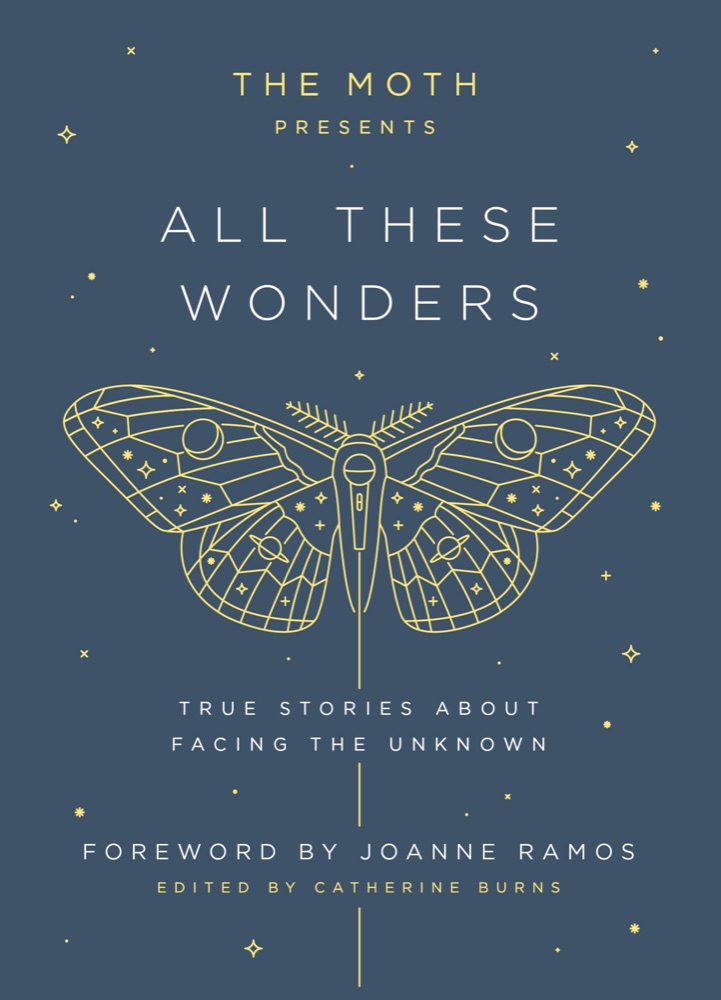 The Moth Presents All These Wonders: True Stories About Facing the Unknown
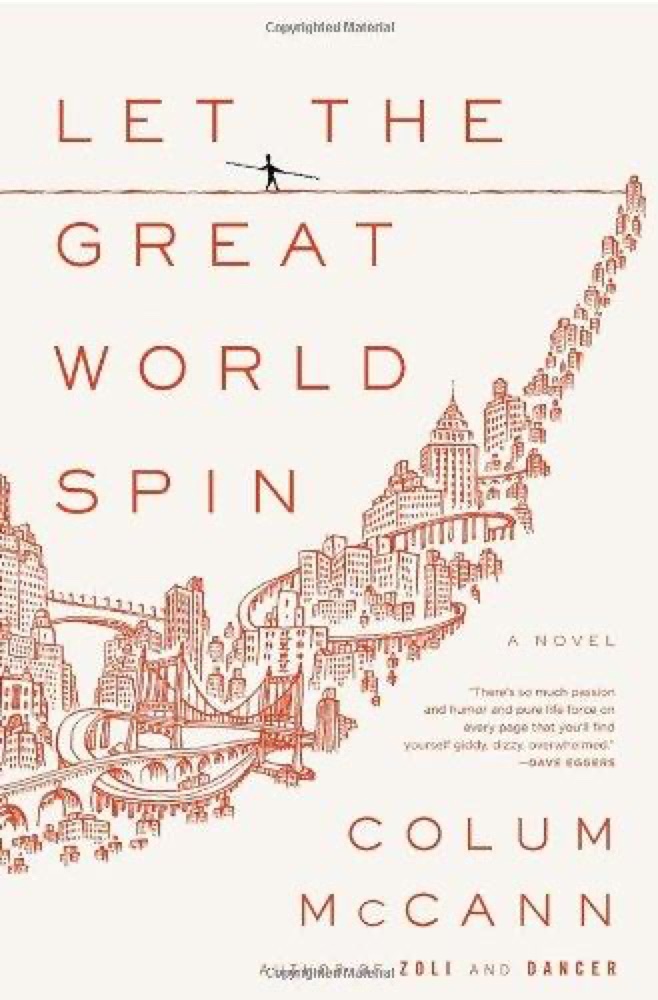 Let the Great World Spin
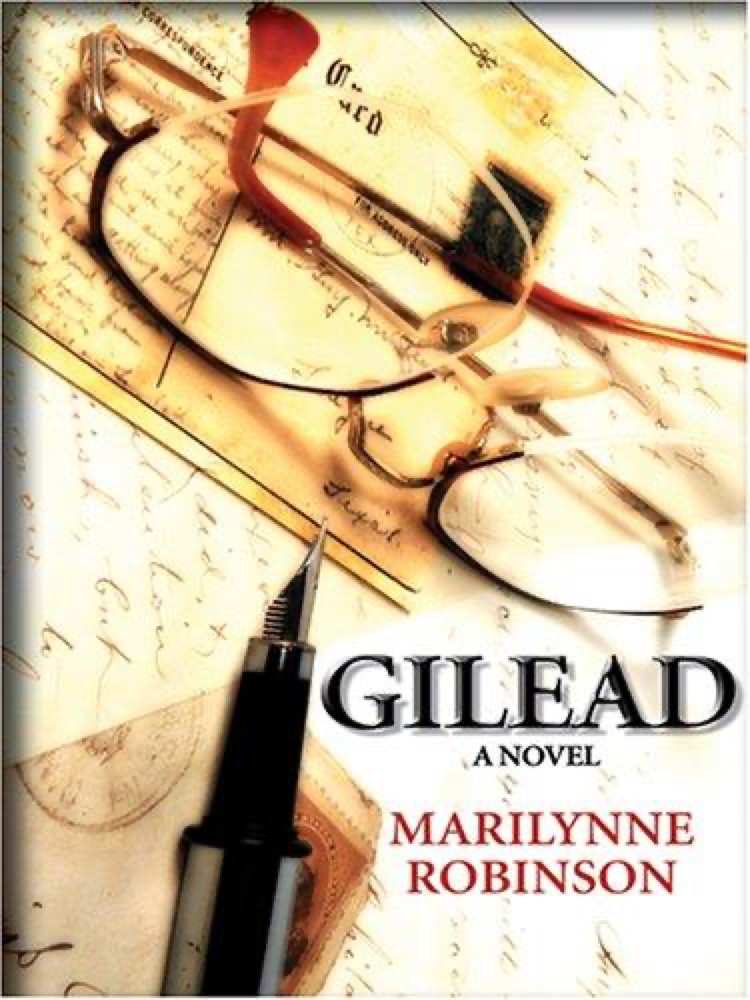 Gilead
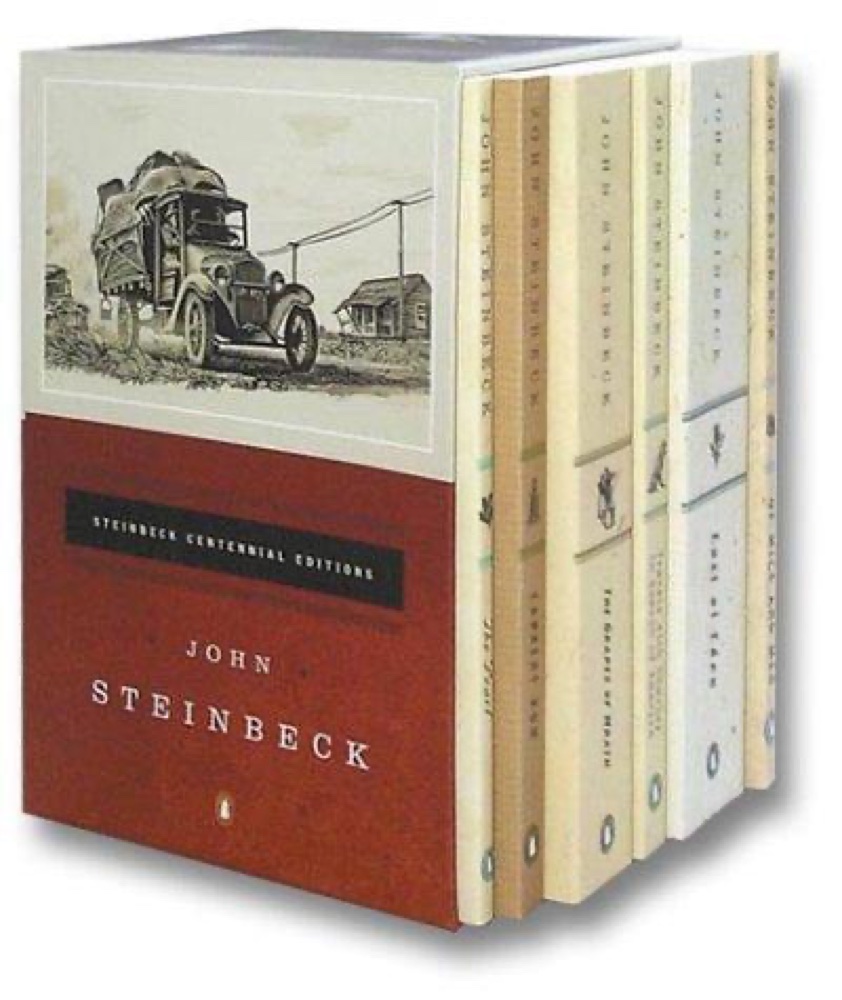 Travels with Charley: In Search of America
 What I Loved
 Innocence
 How High We Go in the Dark
 Small Wonder
 Embers
 The Sweet Far Thing
 Underworld
 The Dark and Hollow Places
 Swann's Way
 The Stone Gods
 The Anthropocene Reviewed: Essays on a Human-Centered Planet
 The Plover
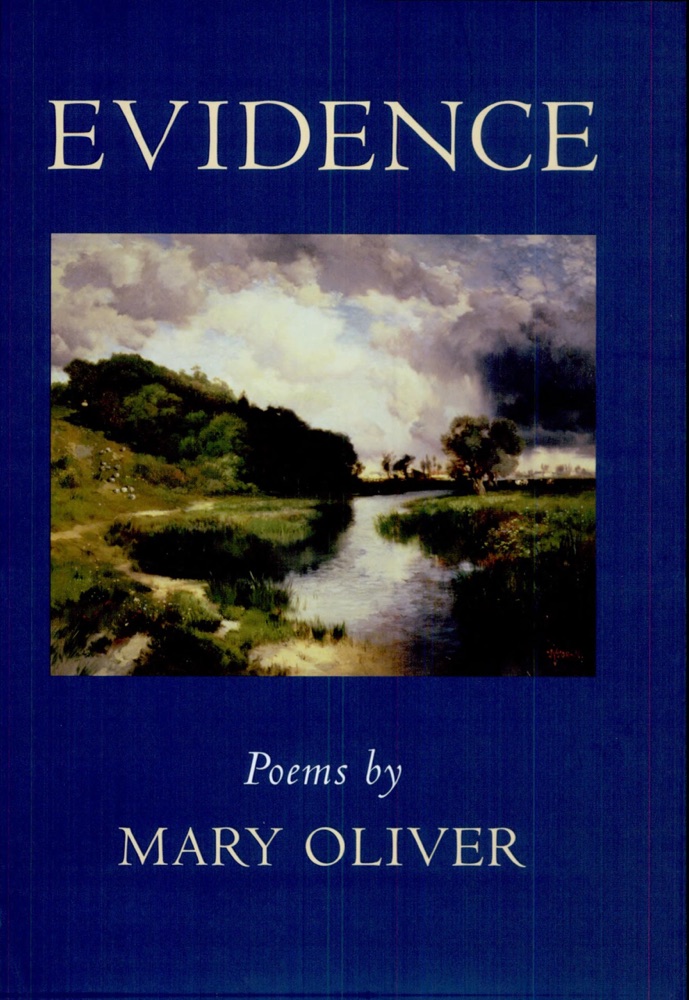 Evidence: Poems
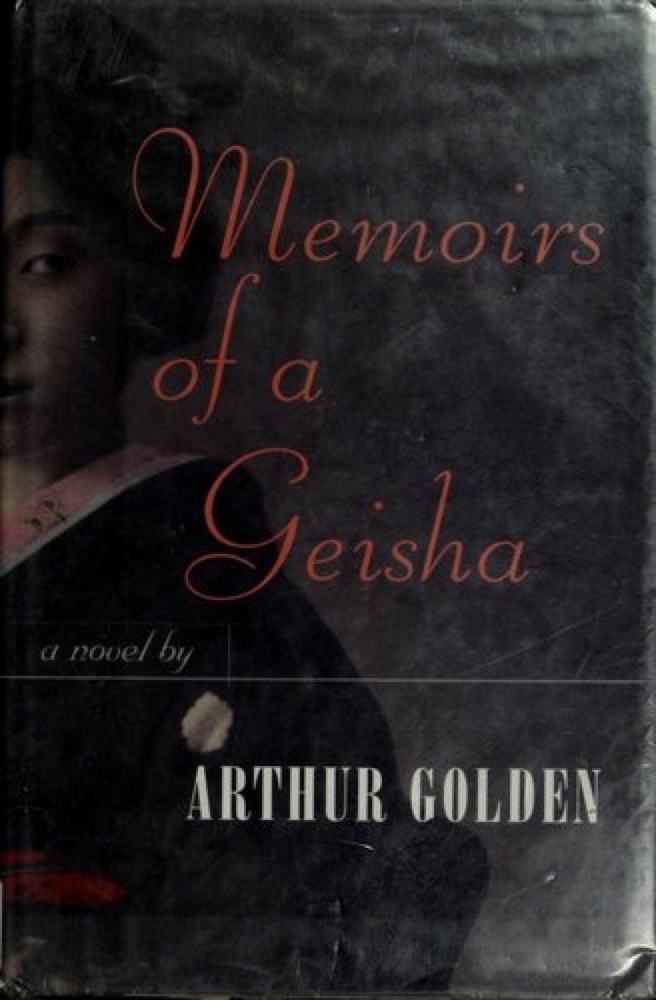 Memoirs of a Geisha
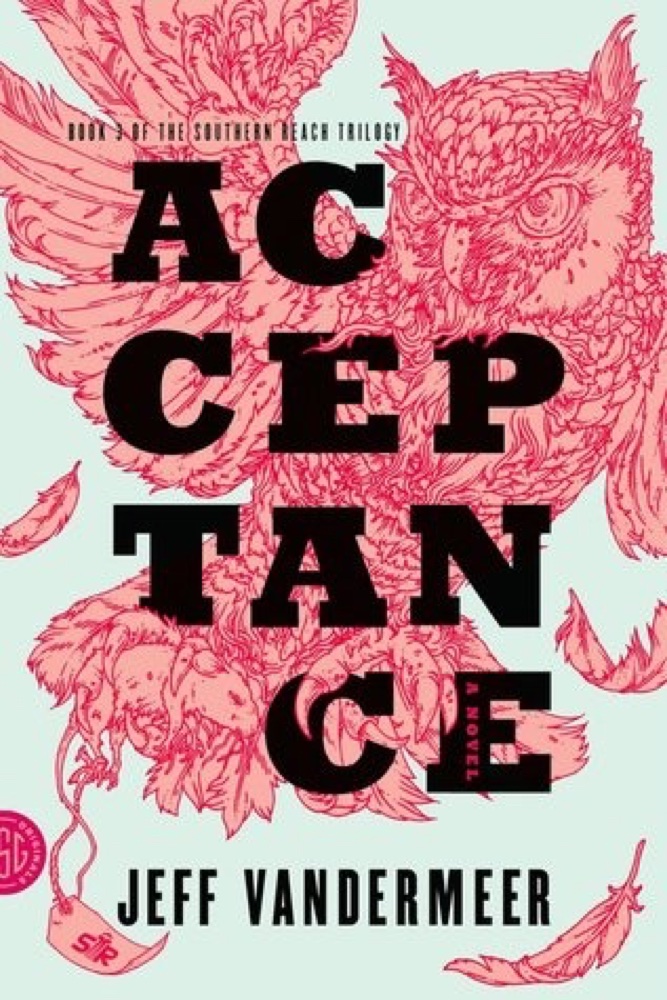 Acceptance
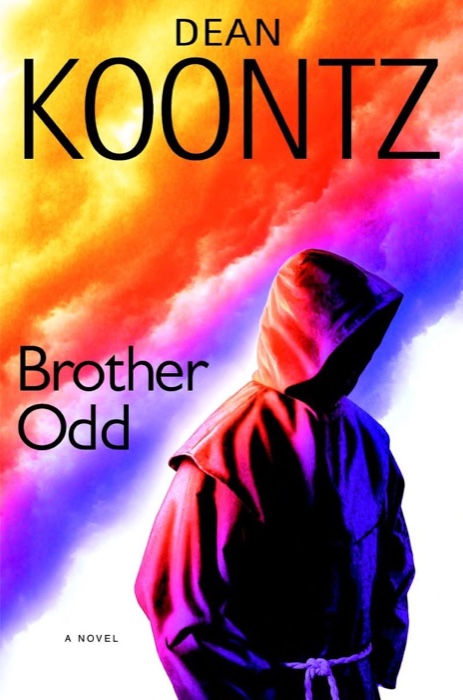 Brother Odd
 Jayber Crow
 The Snow Queen
 The Dead-Tossed Waves
 The Moor's Last Sigh
 Perfect Ruin
 The Notebooks of Malte Laurids Brigge
 Out of Oz
 Wind, Sand and Stars
 The Bronzed Beasts
 The Likeness
 After the Quake
 Dream Work
 The Secret History
 Brideshead Revisited: The Sacred and Profane Memories of Captain Charles Ryder
 The Stardust Grail
 And the Mountains Echoed
 View with a Grain of Sand: Selected Poems
 In Search of Lost Time
 When We Were Animals
 Sputnik Sweetheart
 M Train
 A Room with a View