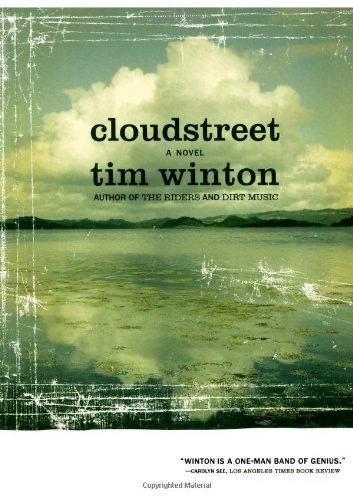
 Cloudstreet
Quotes from the Book
The gospel of perpetual economic growth carries in its train the salvation promise of a life bigger and better for everyone. But this greater good is often mythical. The actual experience of believers rarely bear out the claims of their faith. Even so, many adherents cleave stubbornly, fearfully to orthodoxy. I guess it's what they know.
3
In a seedy cinema on ru du Temple, watching Disney's Peter Pan with my son, I found that although we were all gazing at the same screen in the flickering dark, I was seeing a different film to the rest of the audience. What seemed fantastical and exotic to the Parisian kids looked like home to me. I knew secret coves and hidey-holes like those of the Lost Boys. I'd grown up in a world of rocky islands, boats and obscuring bush. To my mind the only setting that was alien - even whimsical - was the cold, lonely nursery in the Darling family attic. The wild opportunity of Neverland with its freedom from adult surveillance was deeply, warmly familiar. Watching the movie for the umpteenth time and seeing it anew, forsaking story and focusing greedily on the backdrop, I understood what a complete stranger I was in that hemisphere. But acknowledging my strangeness made those years abroad easier to digest and enjoy.
1
Few landscapes have been so deeply known. And fewer still have been so lightly inhabited.
1
In Europe, the dimensions of physical space seemed compressed. The looming vertical presence of mountains cut me off from the horizon. I'd not lived with that kind of spatial curtailment before. Even a city of skyscrapers is more porous than a snowcapped range. Alps form a solid barrier, an obstacle every bit as conceptual as visual and physical. Alpine bluffs and crags just don't rear up, they lean outwards, projecting their mass, and their solidity does not relent. For a West Australian like me, whose default setting is in diametric opposition, and for whom space is the impinging force, the effect is claustrophobic. I think I was constantly and instinctively searching for distances that were unavailable, measuring space and coming up short.
1
I invested them with a bogus nobility. To a suburban kid they seemed so special, enduring, wild and stiff-necked, in amongst the ancient rocks and gnarled trees, and while it was true enough they carried their secret places in their bodies and in their language, many simply wore their ordinary, dreary undigested pasts like rain-sodden greatcoats and lived like cripples.
1
Inhuman scale introduced me to process and to earthly mystery in a way that school largely failed to. It taught humility out of season. It drew upon the wonder I had as a child but was pressured to disown as an adolescent. This is a tough time to be humbled because you already feel reduced and traduced at every turn; you’re utterly resistant, fending away for dear life. Yet when I felt tiny in nature I became calm, the rage dissipated. Somehow it was better to be bounced and flogged across the seabed, subjugated by the impersonal ocean, than to be singled out for humiliation in company. It was a relief to be dominated by something without malice.
Half of a young man’s rebelliousness is the quest for a worthy force, something large to submit to. Hence the flirting with danger, the often disastrous compulsions and addictions.
Despite a peopled history of sixty thousand years, Australia remains a place with more land than people, more geography than architecture.
But I am antipodean enough, and perhaps of sufficient age, to wonder now and then whether architecture is, in the end, what you console yourself with once wild landscape has been subsumed.
As Flannery O’Connor and Alice Munro have shown, it’s one thing to teach yourself to write and another to train your editors to read you. Both these regional writers – each stubbornly invested in particularity – educated their publishers and their readers with sheer persistence, by holding their nerve. Every Australian reader is forced to accommodate the strangeness of overseas – usually American or British – fictional settings. To keep up you need to adapt to new and weird idioms and soon these become normative. This provincial form of cosmopolitanism isn’t optional. Similarly, a reader from some no-account place like Perth is expected to adjust their senses eastward with no reciprocity. At nineteen and twenty it was a nasty surprise to realize just how resistant a Sydney or Melbourne editor could be to the appearance on the page of Australian places and species with which they were unfamiliar. It may be hard to believe at this distance, but in my early days it wasn’t just the foreign publishers suggesting I append a glossary to the end of a novel. As I recall, the pesky dugite (Pseudonaja affinis) caused the most editorial grief at home and abroad, and I was tempted to follow St Patrick’s lead and ban elapid snakes entirely. But I kept coming back to Flannery O’Connor. Not only was she misunderstood in New York, she was a problem for folks at home in Georgia, too. I loved her craft and the singularity of her world. But I also admired O’Connor’s cussedness, her refusal to come to heel. She was an important influence.
Teachers of creative writing used to urge their students to write about what they know – perhaps they still do. But when you’re eighteen or nineteen and keenly aware of how thin your experience really is, it’s hard to put a directive like that into action. The truth is, a family and a hometown will afford you material to last a lifetime, but when you’re a youth neither seems important enough to address. It’s as if only distant places and other families are worth writing about. Even young New Yorkers and Londoners must feel this. For somebody writing from the wrong side of the wrong continent in the wrong hemisphere – which is more or less what it felt like when I was first writing and publishing – the feeling is acute. When you’re starting out, it takes nerve to write about home and to do it in a language that’s unapologetically local. Some voice in your head is telling you to moderate the demotic and the specific, to accommodate the ‘cosmopolitan reader’. You waste a lot of time second-guessing this abstract stranger from somewhere far more important, and sadly, in time, you’ll get to meet him or her and realize they weren’t entirely imaginary. For writers at the margin there will always be an imperial pressure to relinquish particularity and conform to something more familiar, and what is most familiar to the world of publishing is an urban and largely denatured life. Whether they acknowledge it or not, many editors like to see their own lives reflected. Readers in New York and London often prefer a friction-free reading experience, so when you stubbornly write about regional lives in local vernacular you test the cosmopolitan reader’s patience. These were lessons I had to learn at home before I began to be published abroad.
So my years at university were just an excuse to hole up in a shed in my parents’ backyard and write. Because the way I looked at it you learnt to write on the job, by writing. Which wasn’t the most nuanced way to approach the craft of fiction, but not far wide of the mark, as things turned out. What I didn’t know is that you also learn to write by watching and listening and remembering and wondering. And perhaps most importantly, by reading. As a result of four years’ intensive reading I got a sort of education despite myself.
Where I had expected to appreciate the monuments and love the natural environment, the reality was entirely the reverse. The immense beauty of many buildings and landscapes had an immediate and visceral impact, and yet in the natural world, where I am generally most comfortable, I was hesitant. While I was duly impressed by what I saw, I could never connect bodily and emotionally. Being from a flat, dry continent, I looked forward to the prospect of soaring alps and thundering rivers, lush valleys and fertile plains, and yet when I actually behind them, I was puzzled by how muted by responses were. My largely Eurocentric education had prepared me for a sense of recognition I did not feel, and this was confounding. The paintings and poems about all these places still moved me, so I couldn't understand the queer impatience that crept up when I saw them in real time and space. Weren't these landforms and panoramas beautiful? Well, yes, of course they were, although a little bit of them seemed to go a long way. To someone from an austere landscape, they often looked too cute; they were pretty, even saccharine. I had a nagging sensation that I wasn't 'getting it.
Watch on YouTube
About Tim Winton
We have collected 91 quotes from 5 books by Tim Winton on BookQuoters.
More about the author →More by Tim Winton
About the book
'I grew up on the world’s largest island.'
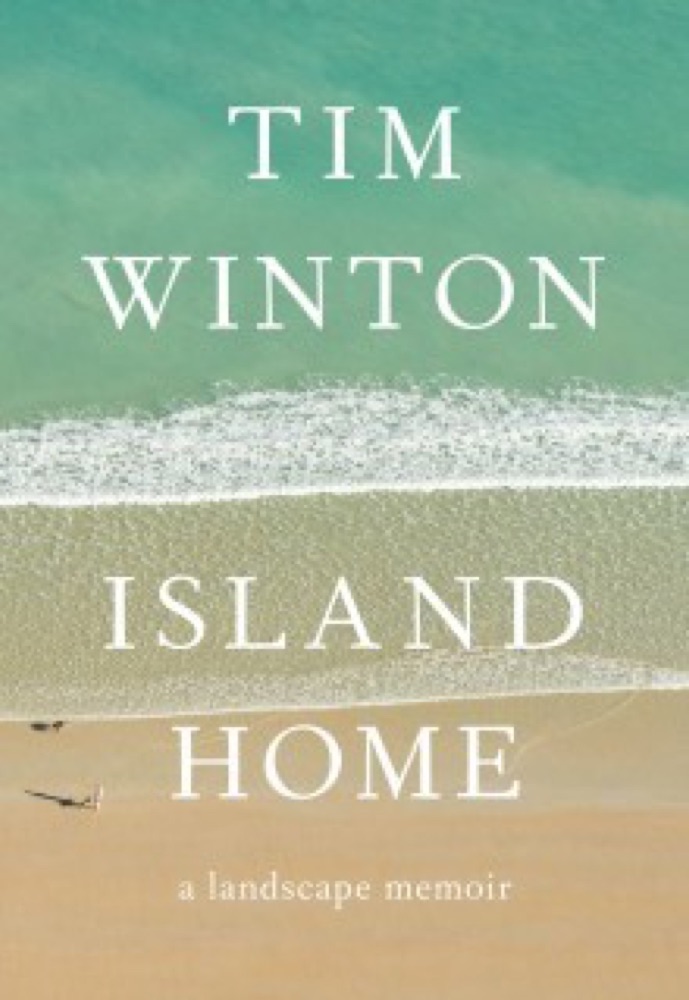
This apparently simple fact is the starting point for Tim Winton’s beautiful, evocative and sometimes provocative memoir of how Australia's unique landscape has shaped him and his writing.
Wise, rhapsodic, exalted – Island Home is not just a brilliant, moving insight into the life and art of one of our finest writers, but a compelling investigation into the way our country shapes us.
Book details
- First published
- 2015
- Author
- Tim Winton
- Genre
- Nonfiction
- Goodreads rating
- 3.95 (2k ratings)
Keep reading
 Where the Bluebird Sings to the Lemonade Springs: Living and Writing in the West
 Arctic Dreams
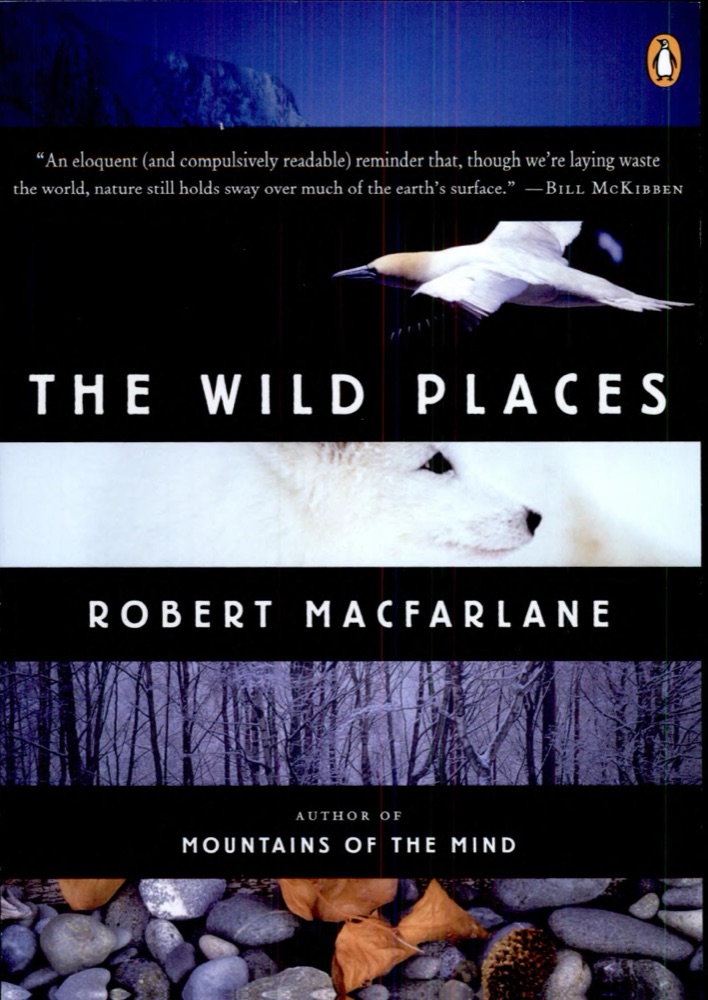 The Wild Places
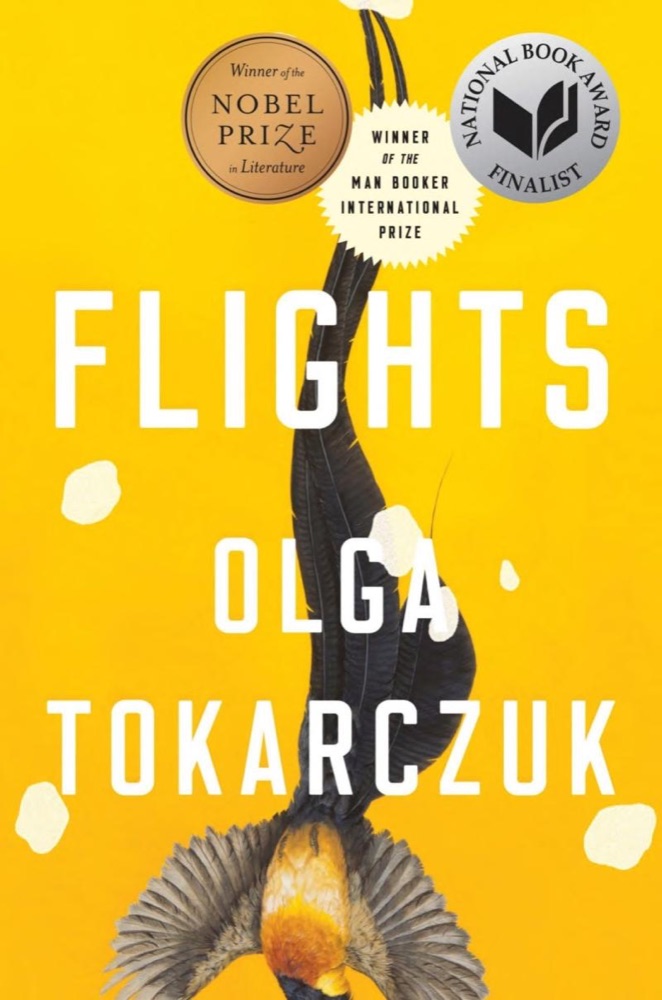 Flights
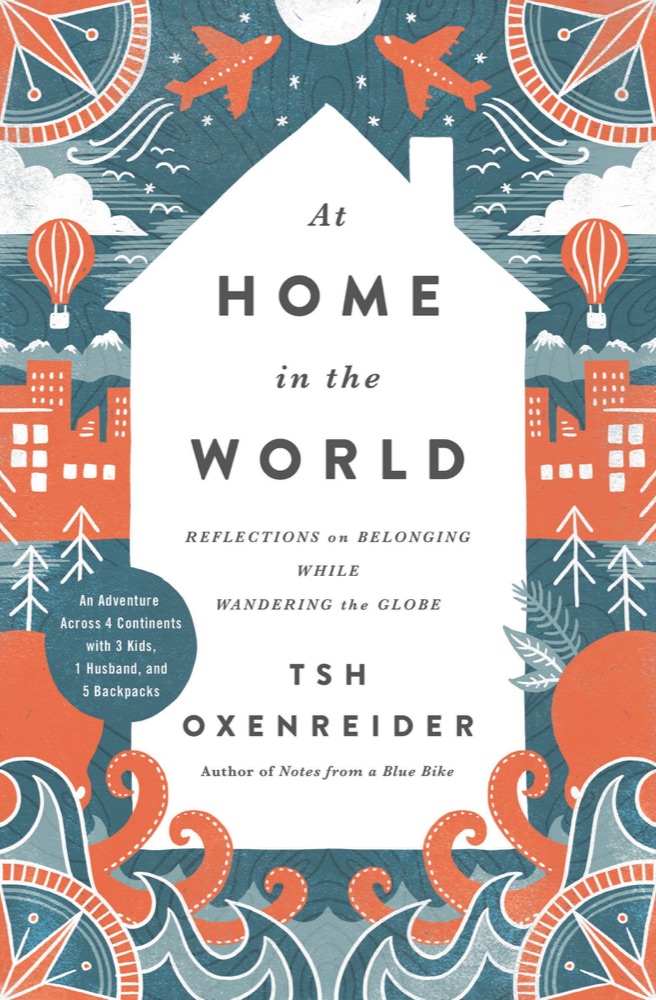 At Home in the World: Reflections on Belonging While Wandering the Globe
 The Journey Home: Some Words in Defense of the American West
 The Notebooks of Malte Laurids Brigge
 O Pioneers!
 By the Sea
 The Faraway Nearby
 West with the Night
 In Ascension
 When I Was a Child I Read Books
 The White Album
 The Cat's Table
 Travels with Charley: In Search of America
 The Plover
 The Selected Works of T.S. Spivet
 The Art of Travel
 Notes from a Small Island
 Devil House
 Jaguars Ripped My Flesh
 Checkout 19
 The Abundance
 Big Sur and the Oranges of Hieronymus Bosch
 The Old Ways: A Journey on Foot
 Somewhere Towards the End
 A Bend in the River
 Landmarks
 Sixty Stories
 At Large and At Small: Familiar Essays
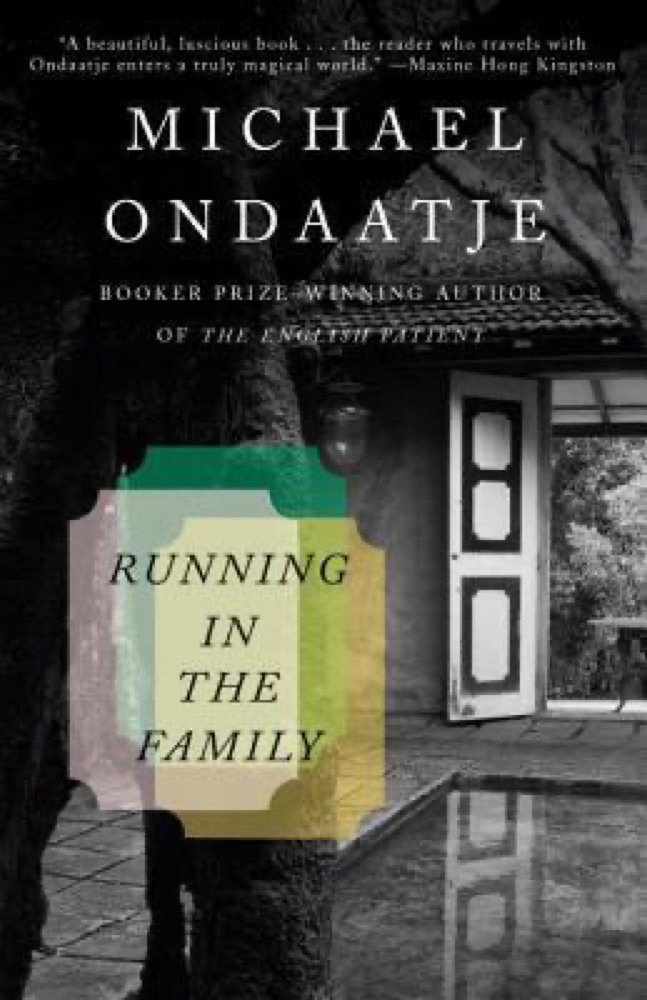 Running in the Family
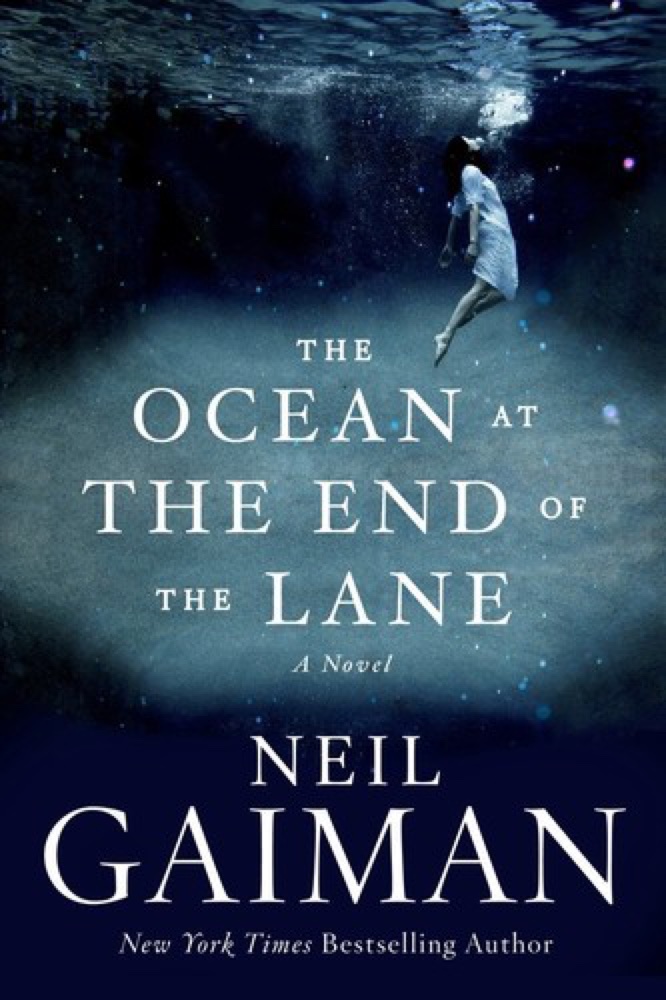 The Ocean at the End of the Lane
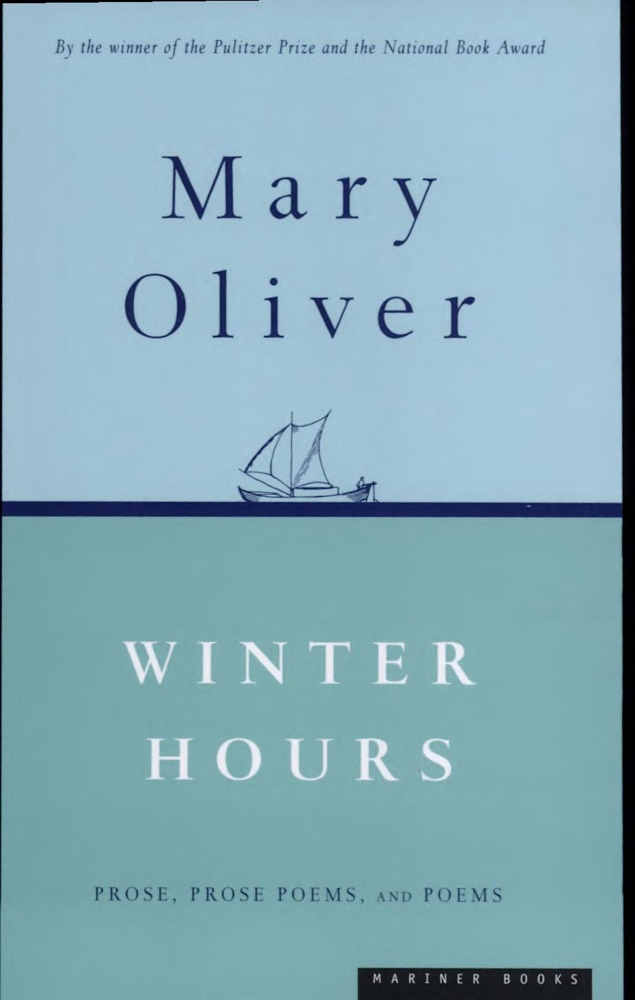 Winter Hours: Prose, Prose Poems, and Poems
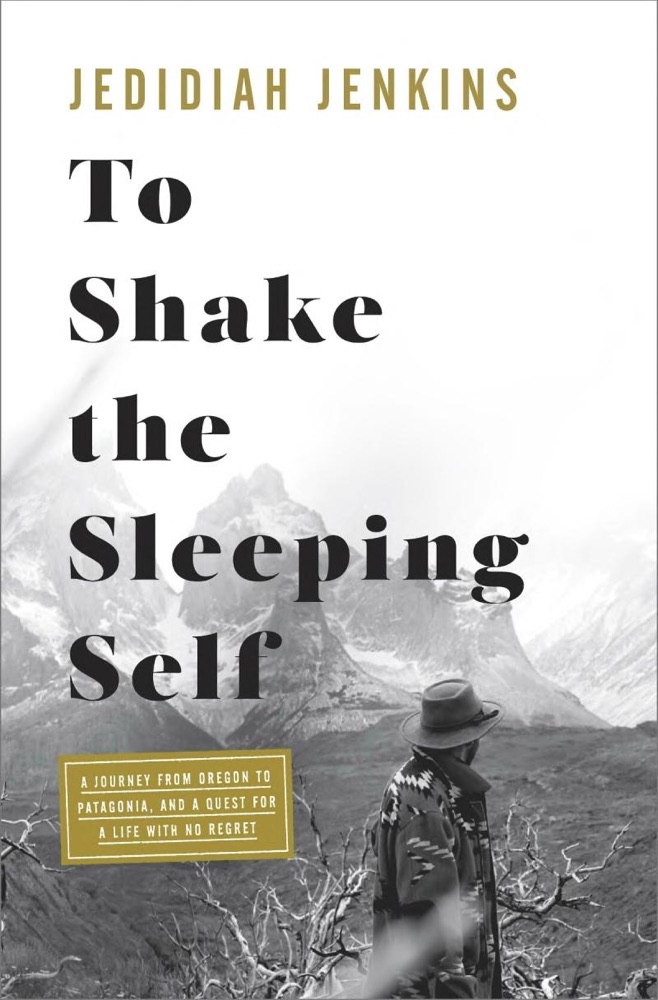 To Shake the Sleeping Self: A Journey from Oregon to Patagonia, and a Quest for a Life with No Regret
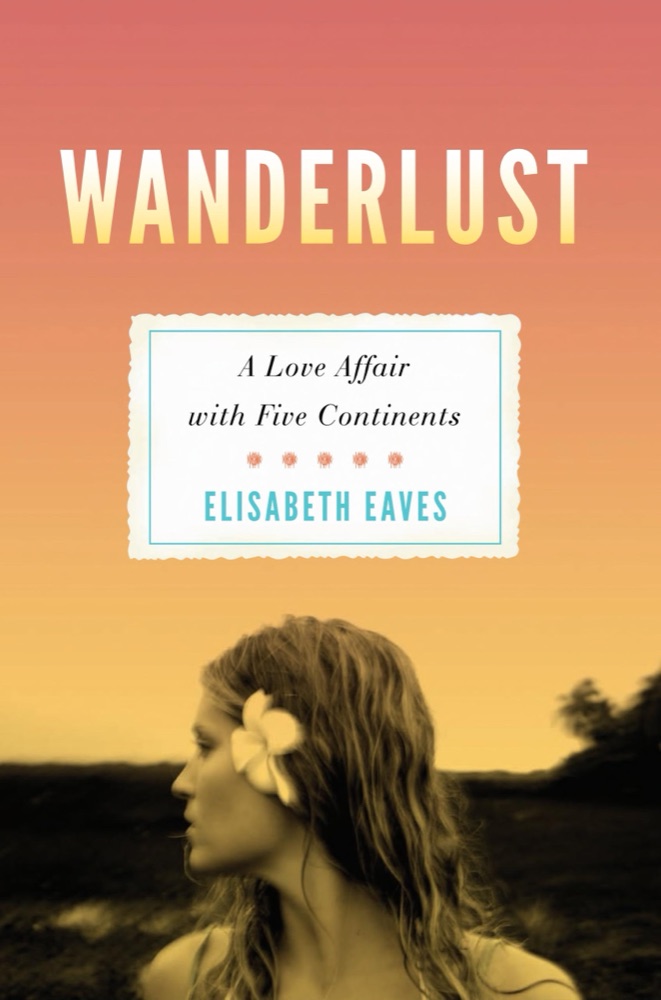 Wanderlust
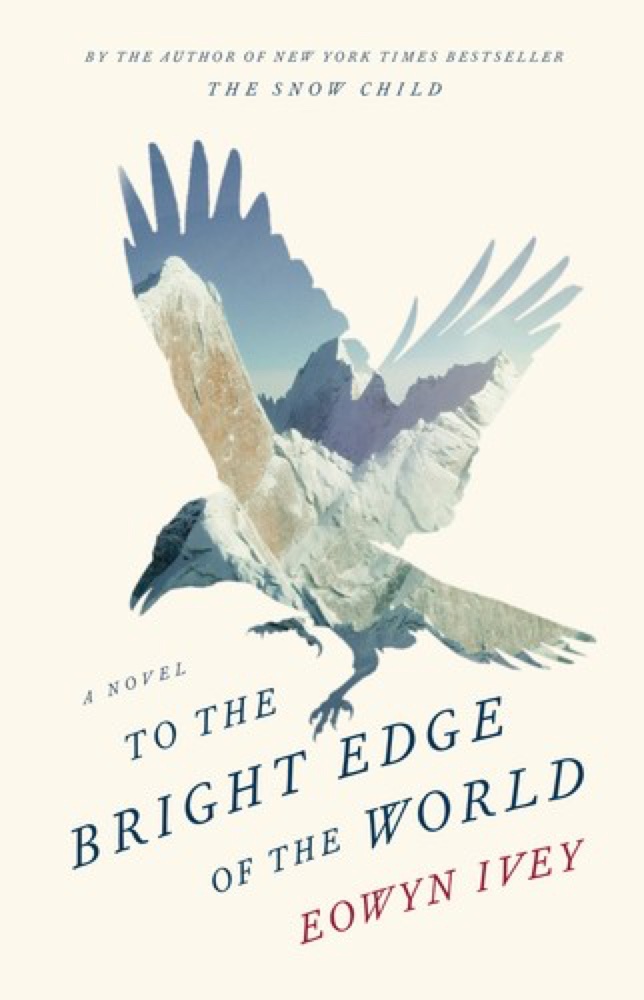 To The Bright Edge of the World
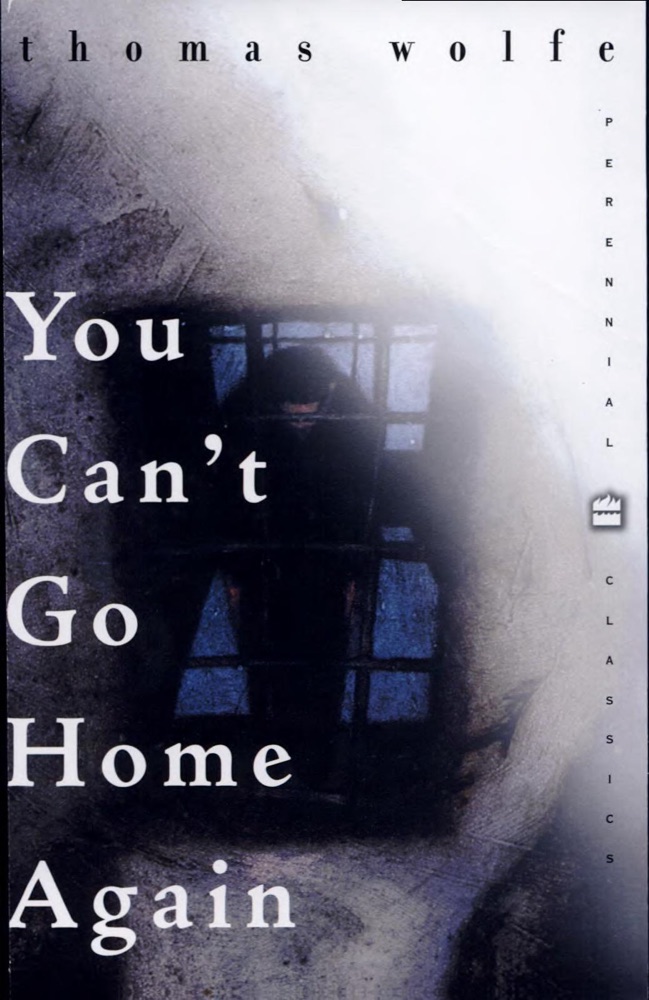 You Can't Go Home Again
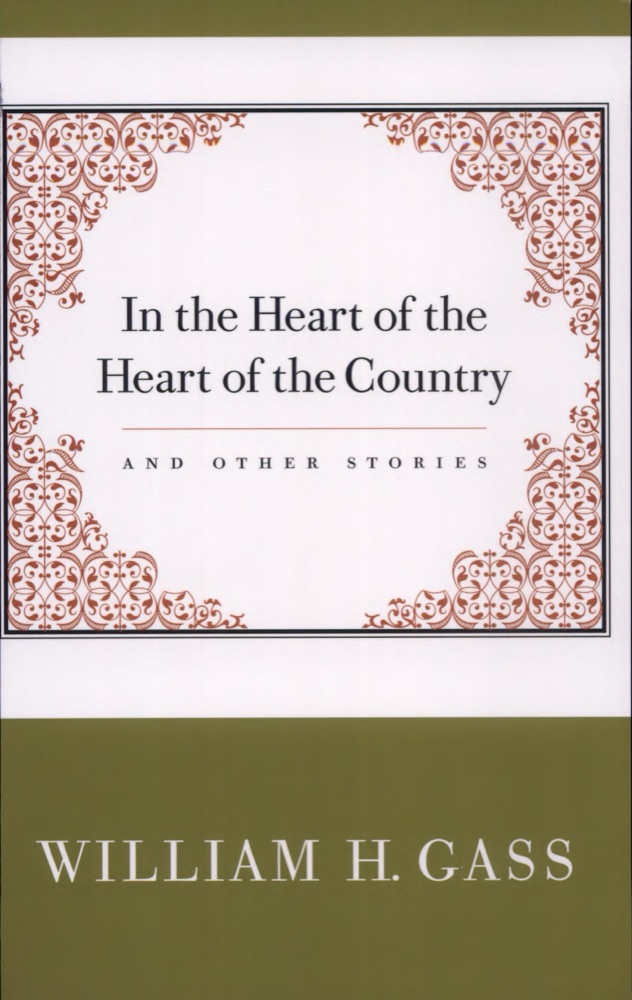 In the Heart of the Heart of the Country and Other Stories
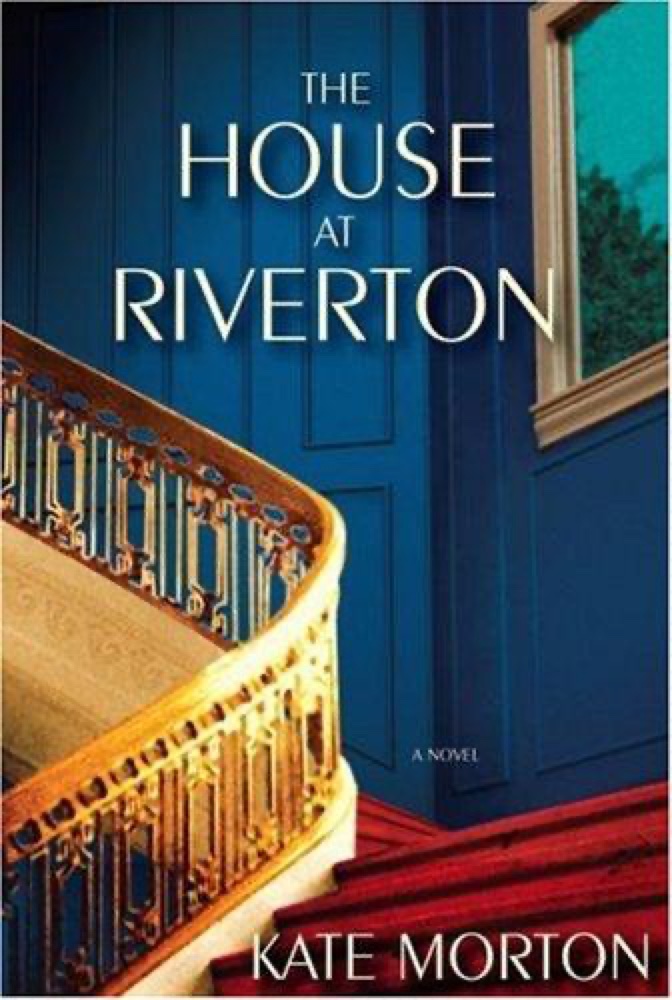 The House at Riverton
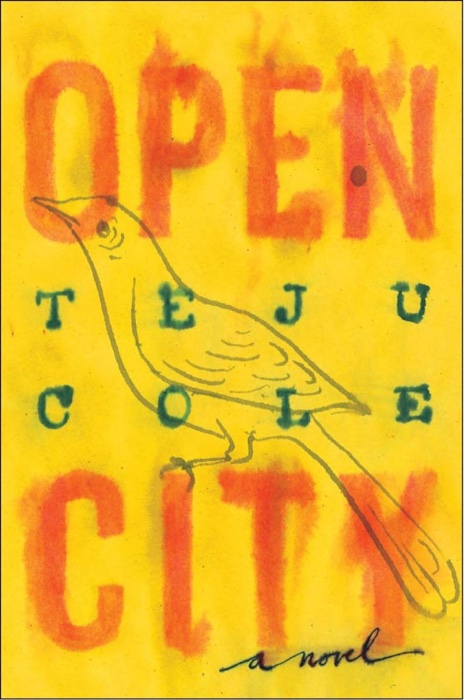 Open City
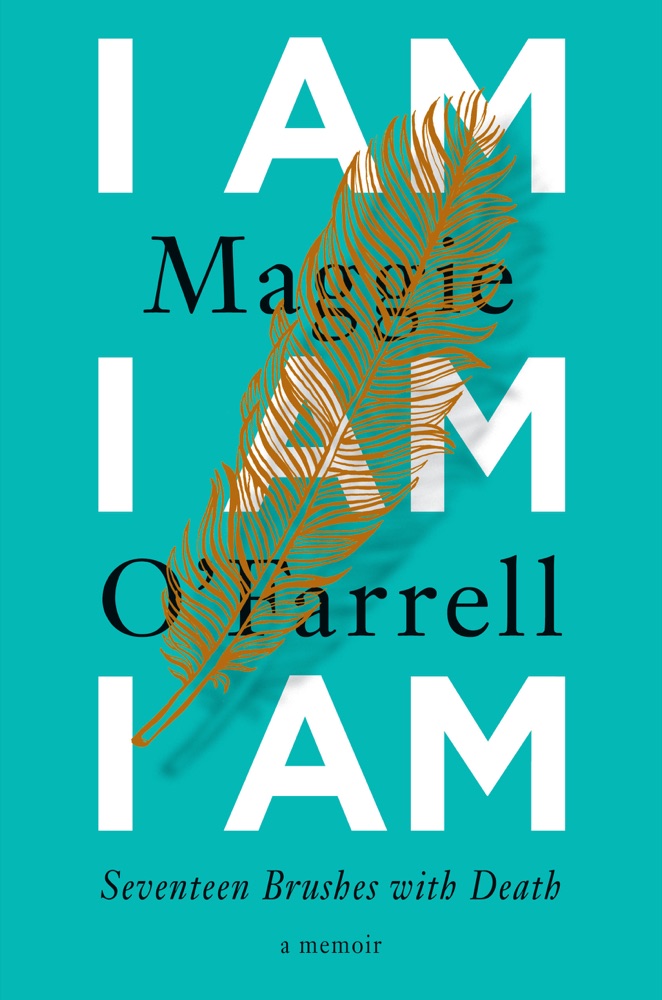 I Am, I Am, I Am: Seventeen Brushes with Death
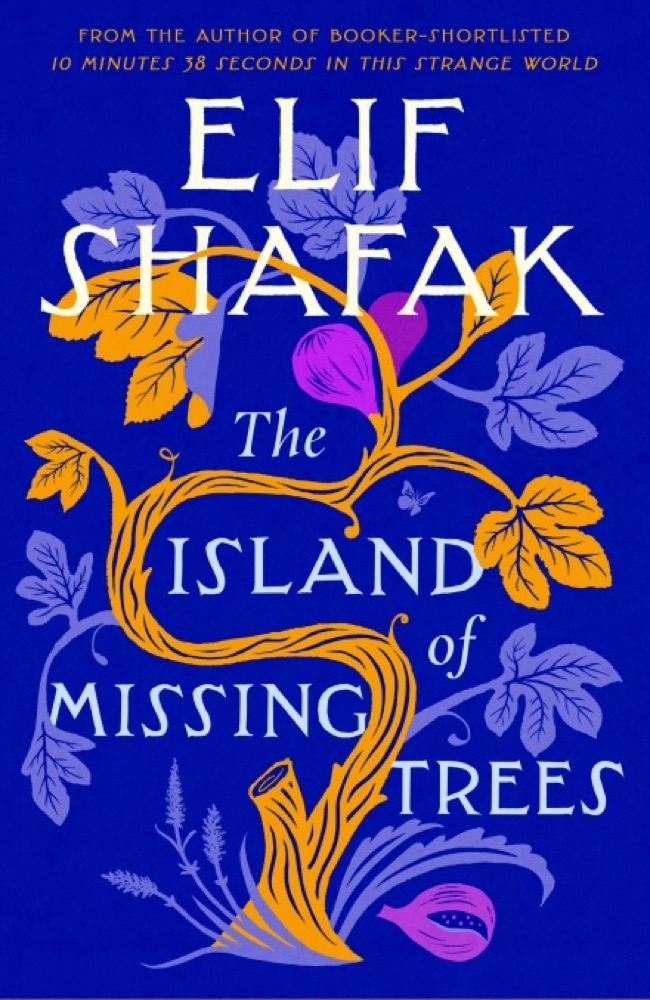 The Island of Missing Trees
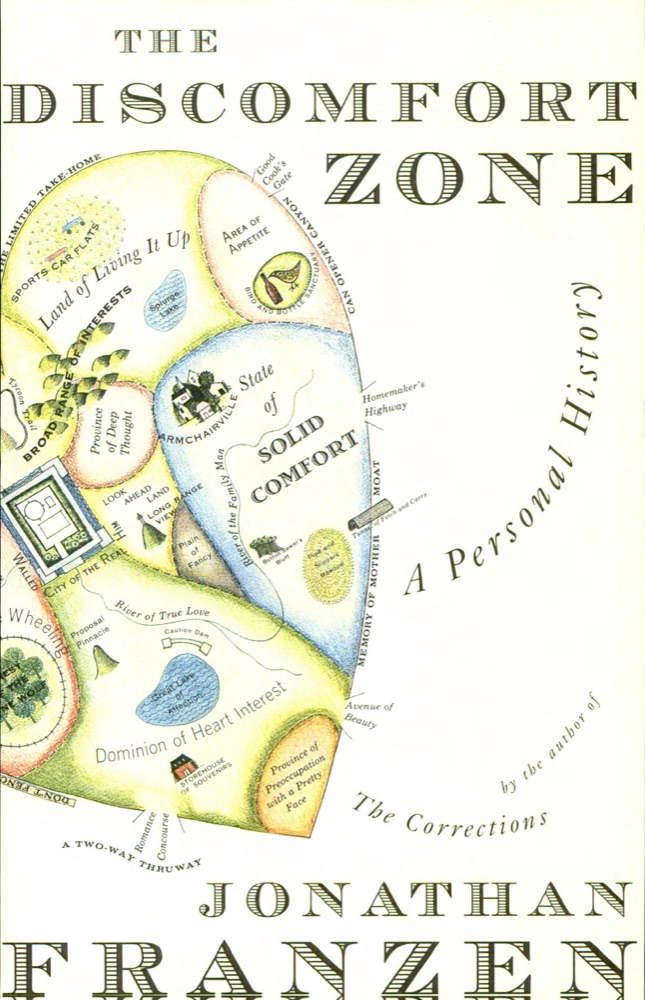 The Discomfort Zone: A Personal History
 One Man's Meat
 An Unnecessary Woman
 The Tropic of Serpents
 Surprised by Joy: The Shape of My Early Life
 Selected Stories
 The Offing
 Out of Oz
 Lost in Translation: A Life in a New Language
 The People in the Trees
 The Happy Isles of Oceania: Paddling the Pacific
 The Way of the World
 There Are Rivers in the Sky
 Speak, Memory
 This Is Happiness
 Neither Here nor There: Travels in Europe
 Out of Africa