
 Waltzing the Cat
Quotes from the Book
Somewhere in the process I started writing toward an answer to the question I wake up with every morning and go to bed with every night. How do I find hope on a dying planet, and if there is no hope to be found, how do I live in its absence? In what state of being? Respect? Tenderness? Unmitigated love? The rich and sometimes deeply clarifying dreamscape of vast inconsolable grief?
8
It's hard for anybody to put their finger on the moment when life changes from being something that is nearly all in front of you to something that happened while your attention was elsewhere.
7
How do we become who we are in the world? We ask the world to teach us. But we have to ask with an open heart, with no idea what the answer will be.
7
The language of the wilderness is the most beautiful language we have and it is our job to sing it, until and even after it is gone, no matter how much it hurts.
5
How will we sing when Miami goes underwater, when the raft of garbage in the ocean gets as big as Texas, when the only remaining polar bear draws his last breath, when fracking, when Keystone, when Pruitt? I don’t know. And I imagine, sometimes, often, we will get it wrong. But I’m not celebrating the earth because I am an optimist—though I am an optimist. I am celebrating because this magnificent rock we live on demands celebration. I am celebrating because how in the face of this earth could I not?
5
We call such a limited number of relationships love in our lives, but there is always love around us—it’s as ubiquitous as oxygen. It lives in the houses where we’ve slept, the kitchens where we’ve cooked, in the food we’ve prepared for the people we love and in the walls we have shaped with our hands.
4
I’m just saying, I guess, there’s another version, after this version, to look forward to. Because of wisdom or hormones or just enough years going by. If you live long enough you quit chasing the things that hurt you; you eventually learn to hear the sound of your own voice.
3
When you give yourself wholly to a piece of ground, its goodness enters your bloodstream like an infusion. You will never be alone the same way again, and never quite dislocated. Your heart will grow down into and back out of that ground like a tree.
2
I have always believed that if I pay strict attention while I am out in the physical world—and for me that often meant the natural world—the physical world will give me everything I need to tell my stories” (78). —Deep Creek: Finding Hope in the High Country
2
To the people in Creede I am intelligent, suspiciously sophisticated and elitist to the point of being absurd. To the people at UC Davis I am quaint, a little slow on the uptake and far too earnest to even believe.
2
I have spent most of my life outside, but for the last three years, I have been walking five miles a day, minimum, wherever I am, urban or rural, and can attest to the magnitude of the natural beauty that is left. Beauty worth seeing, worth singing, worth saving, whatever that word can mean now. There is beauty in a desert, even one that is expanding. There is beauty in the ocean, even one that is on the rise.
2
We are all dying, and because of us, so is the earth. That’s the most terrible, the most painful in my entire repertoire of self-torturing thoughts. But it isn’t dead yet and neither are we. Are we going to drop the earth off at the vet, say goodbye at the door, and leave her to die in the hands of strangers? We can decide, even now, not to turn our backs on her in her illness. We can still decide not to let her die alone.
2
Could a person mourn and be joyful simultaneously? I understood it as the challenge of the twenty-first century. Maybe it was simply what being a grown up meant.
2
The energy on deck crackled as if someone had sprayed a fine cocaine mist into the air. The biologists couldn't wipe the smiles off their faces...We spent the next five hours running into the sunset alongside six to eight hundred narwhal. If a group of narwhal is a blessing, this was a whole damn conversion.
1
I pause over the words "Wilderness Ranch Subdivision." What the fuck, I wonder, what in the fuck is wrong with us anyway.
1
For now, I want to sit vigil with the earth the same way I did with Fenton. I want to write unironic odes to her beauty, which is still potent, if not completely intact. The language of the wilderness is the most beautiful language we have and it is our job to sing it, until and even after it is gone, no matter how much it was face-to-face with my familiar koan: how to be with the incandescent beauty of the iceberg without grieving the loss of polar bear habitat its appearance implied. How to grieve the polar bear without loving it any less. How to let the sight of such a strange and beautiful thing as this floating jewel make me happy, as wild and surprising things have always done, from the top of my head to the tips of my toes. How to hang on to that full-body joy I knew I was capable of and still understand it as elegy?
1
I believe—like religion—that the glimmer, the metaphor, if you will, knows a great deal more than I do. And if I stay out of its way, it will reveal itself to me. I will become not so much its keeper as its conduit, and I will pass its wisdom on to the reader, without actually getting in its way” (79).
1
had been born knowing that if you held the proper measuring stick, animals would always test smarter than people, and nothing I’ve seen in my lifetime has disabused me of that notion. We may have more complicated language, opposable thumbs and this dangerous thing called reason, but any self-respecting llama or buffalo or spider knows enough not to destroy its own home.
1
if climate change is our bubonic plague, that makes us the fleas and rats.
1
How to hang on to that full-body joy I knew I was capable of and still understand it as elegy.
1
There is something so pleasingly pure about having a task to be accomplished and then accomplishing it. It is the exact opposite of writing, and pretty close to the opposite of teaching. In both writing and teaching, nothing is ever finished, only finished enough to let go.
1
And even if the jig is up, even if it is really game over, what better time to sing about the earth than when it is critically, even fatally, wounded at our hands.
1
as long as we are living, there is always time to expand the story.
but for the rest of my own life, I want to live simultaneously inside the wonder and the grief without
It’s hard for anybody to put their finger on the moment when life changes from being something that is nearly all in front of you to something that happened while your attention was elsewhere.
But a broken heart—God knows, I have found—doesn’t actually kill you. And irony and disinterest are false protections, ones that won’t serve us, or the earth, in the end.
Watch on YouTube
About Pam Houston
We have collected 42 quotes from 3 books by Pam Houston on BookQuoters.
More about the author →More by Pam Houston
Waltzing the Cat
 Cowboys Are My Weakness: Stories
About the book
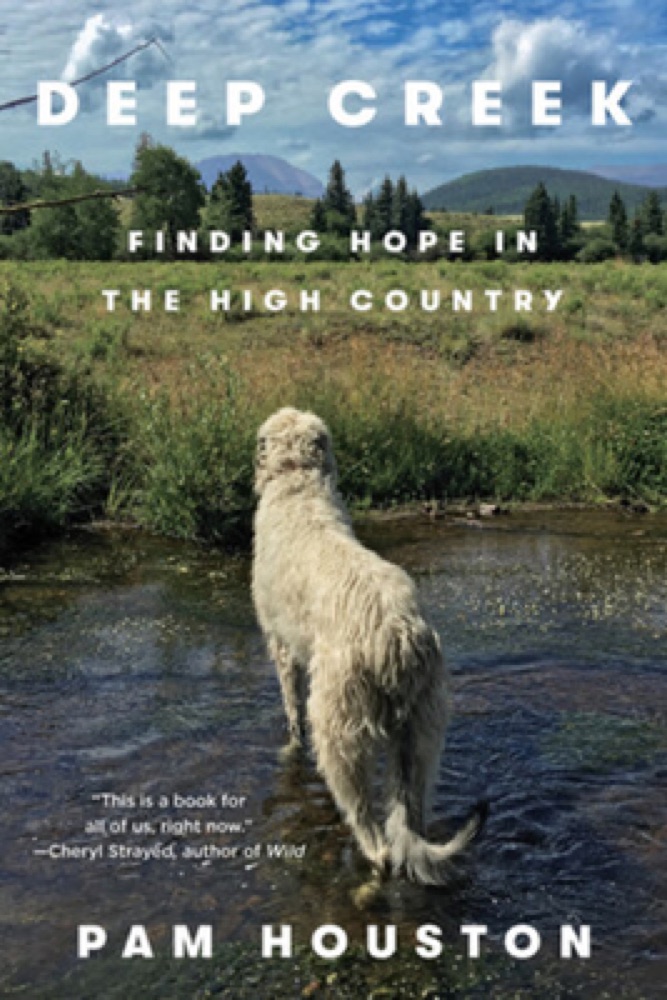
On her 120-acre homestead high in the Colorado Rockies, beloved writer Pam Houston learns what it means to care for a piece of land and the creatures on it. Houston’s ranch becomes her sanctuary, a place where she discovers how the natural world has mothered and healed her after a childhood of parental abuse and neglect.
In a work as lucid and invigorating as mountain air, Deep Creek delivers Houston’s most profound meditations yet on how “to live simultaneously inside the wonder and the grief . . . to love the damaged world and do what I can to help it thrive.”
Book details
- First published
- 2019
- Author
- Pam Houston
- Genre
- Biography
- Goodreads rating
- 4.32 (5k ratings)
The buzz
- The New York TimesReview in The New York Timesprofessional review (via Book Marks)
- Kirkus ReviewsReview in Kirkus Reviewsprofessional review (via Book Marks)
- Publishers WeeklyReview in Publishers Weeklyprofessional review (via Book Marks)
- The Boston GlobeReview in The Boston Globeprofessional review (via Book Marks)
- BooklistReview in Booklistprofessional review (via Book Marks)
- BookPageReview in BookPageprofessional review (via Book Marks)
Keep reading
 The Anthropocene Reviewed: Essays on a Human-Centered Planet
 Split Tooth
 High Tide in Tucson
 In the Wild Light
 Winter Hours: Prose, Prose Poems, and Poems
 The Dog Stars
 Upstream: Selected Essays
 Like Streams to the Ocean: Notes on Ego, Love, and the Things That Make Us Who We Are
 New and Selected Poems, Vol. 2
 Pilgrim at Tinker Creek
 Journal of a Solitude
 Refuge: An Unnatural History of Family and Place
 Between a Rock and a Hard Place
 The Stone Gods
 The Goldfinch
 The World and Other Places: Stories
 These Precious Days: Essays
 Stitches: A Handbook on Meaning, Hope, and Repair
 The Sea Keeper's Daughters
 Small Wonder
 Heartwood
 To Shake the Sleeping Self: A Journey from Oregon to Patagonia, and a Quest for a Life with No Regret
 To The Bright Edge of the World
 H is for Hawk
 Animal Dreams
 Migrations
 The Moth Presents All These Wonders: True Stories About Facing the Unknown
 The Abundance
 Kafka on the Shore
 Sputnik Sweetheart
 The Opposite of Loneliness: Essays and Stories
 I Guess I Haven't Learned That Yet: Discovering New Ways of Living When the Old Ways Stop Working
 How High We Go in the Dark
 When Breath Becomes Air
 Wild Dark Shore
 Make It Scream, Make It Burn
 Hard-Boiled Wonderland and the End of the World
 On Earth We're Briefly Gorgeous
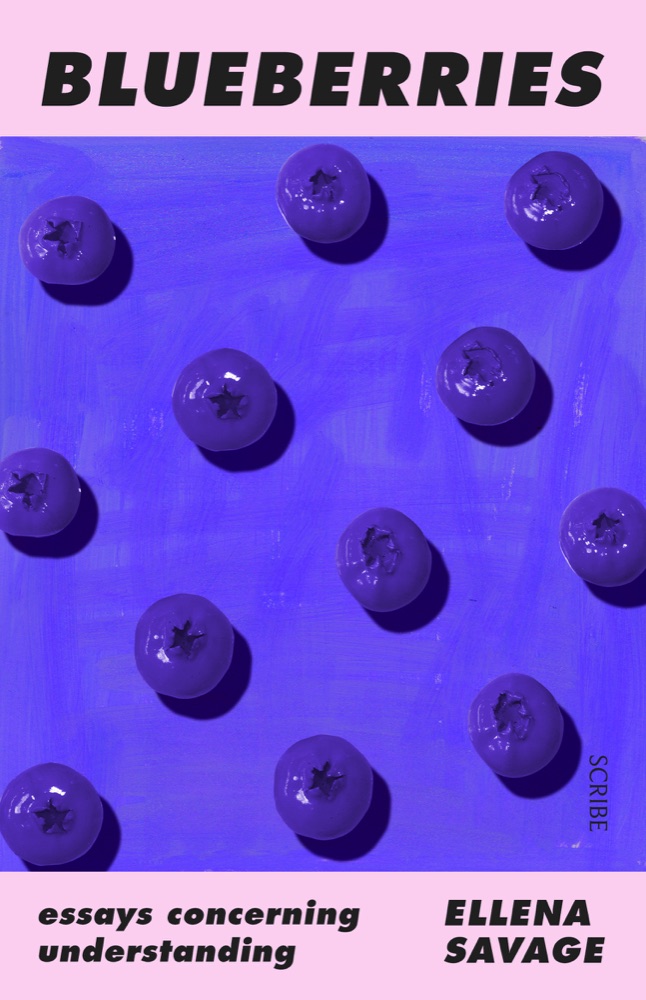 Blueberries: Essays Concerning Understanding
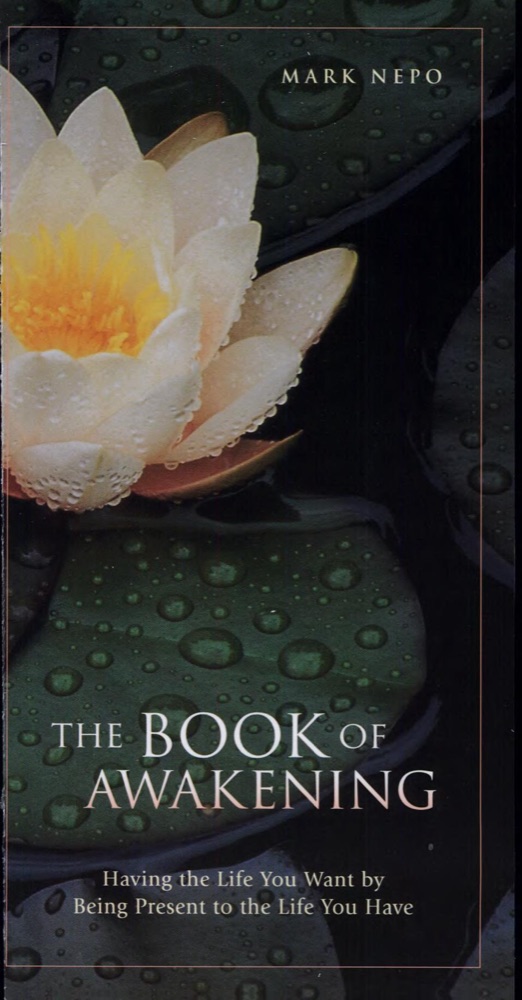 The Book of Awakening: Having the Life You Want by Being Present to the Life You Have
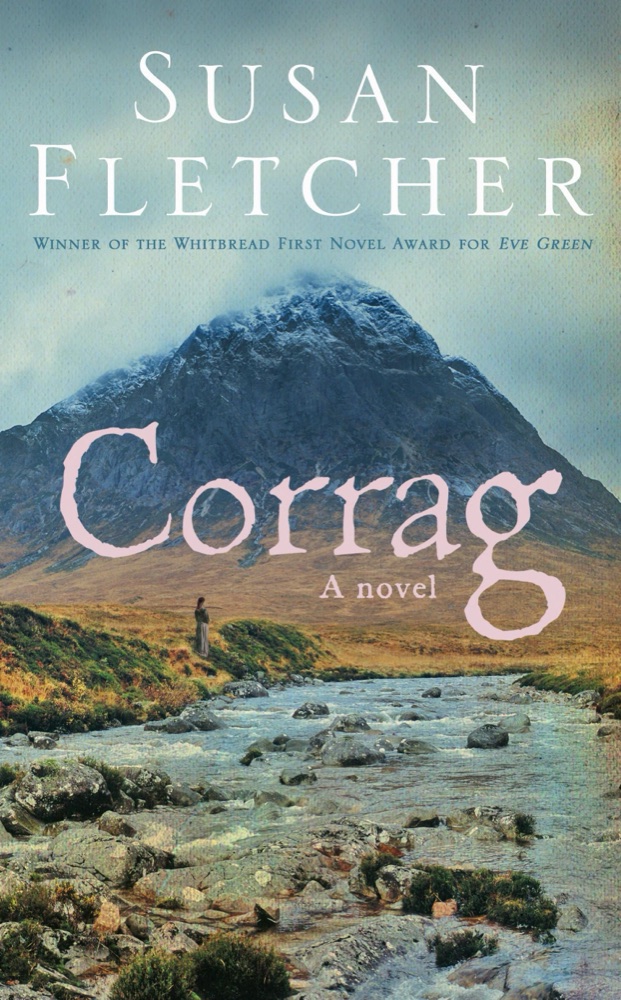 Corrag
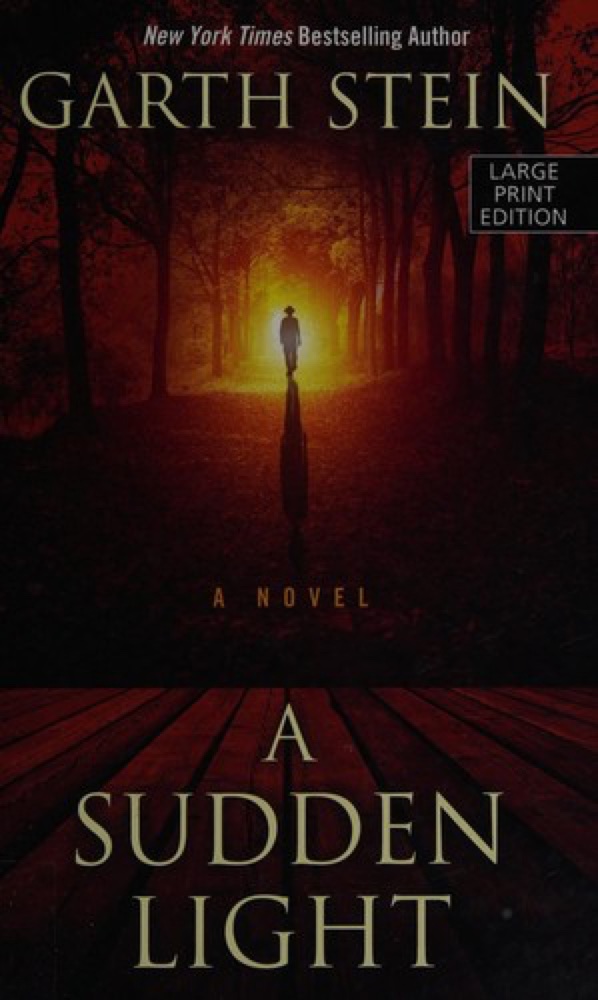 A Sudden Light
 You Better Be Lightning
 Carry On, Warrior: Thoughts on Life Unarmed
 Girlfriend in a Coma
 Drive Your Plow Over the Bones of the Dead
 A Room Called Earth
 Life After Death
 Vesper Flights
 This Is the Story of a Happy Marriage
 Future Home of the Living God
 To Be Taught, If Fortunate
 Falling Back in Love with Being Human: Letters to Lost Souls
 Why Be Happy When You Could Be Normal?
 Hourglass: Time, Memory, Marriage
 Arctic Dreams
 The Hurting Kind: Poems
 The Journey Home: Some Words in Defense of the American West
 Why Fish Don’t Exist: A Story of Loss, Love, and the Hidden Order of Life
 Now Is the Time to Open Your Heart